YouTube's Watch With Is Expanding to Long-Form Videos: What Creators Need to Know (2026)

Written by
Aerin Kim
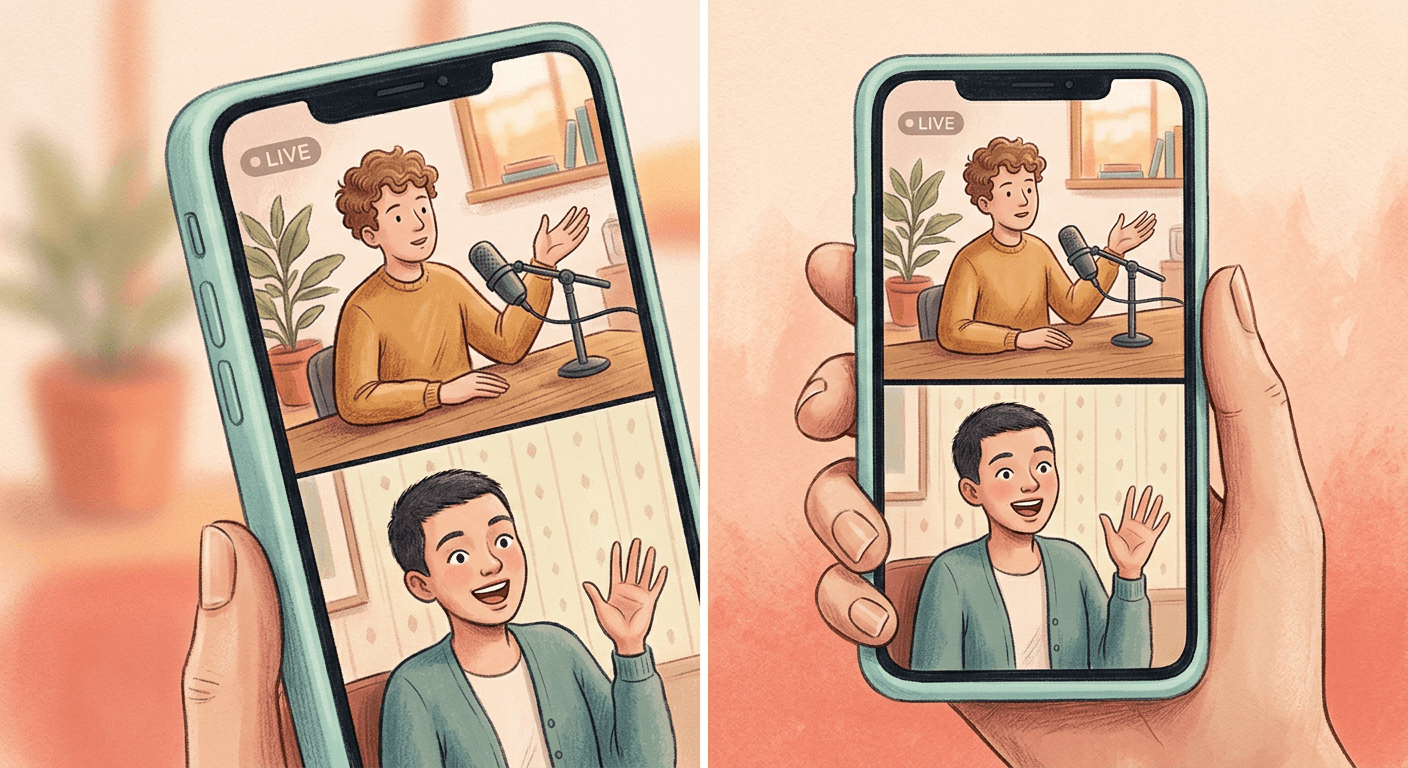
YouTube's Watch With reaction feature is expanding from livestreams to long-form videos. Here's how the revenue split, view credit, and open questions actually work.
Reaction content has been one of the most reliable formats on YouTube for years, but until now it lived almost entirely outside the platform's own tools. Creators reacted to other people's videos by downloading them, editing in a reaction cam in the corner, and uploading the whole thing as a new video, a workflow that invites copyright strikes and gives the original creator nothing in return. YouTube's own answer to this, a feature called Watch With, has been quietly expanding since 2024, and at Made on YouTube 2026 on September 23, 2026, YouTube confirmed its biggest expansion yet: Watch With is moving beyond livestreams into eligible long-form videos, letting creators react live alongside creators and communities across far more of the platform than before [1].
This post breaks down what Watch With already does, exactly what changes once long-form videos are included, how the revenue and view-credit mechanics actually work, and the real open questions YouTube has not yet answered that creators should watch for before building a strategy around it.
What Watch With Already Does
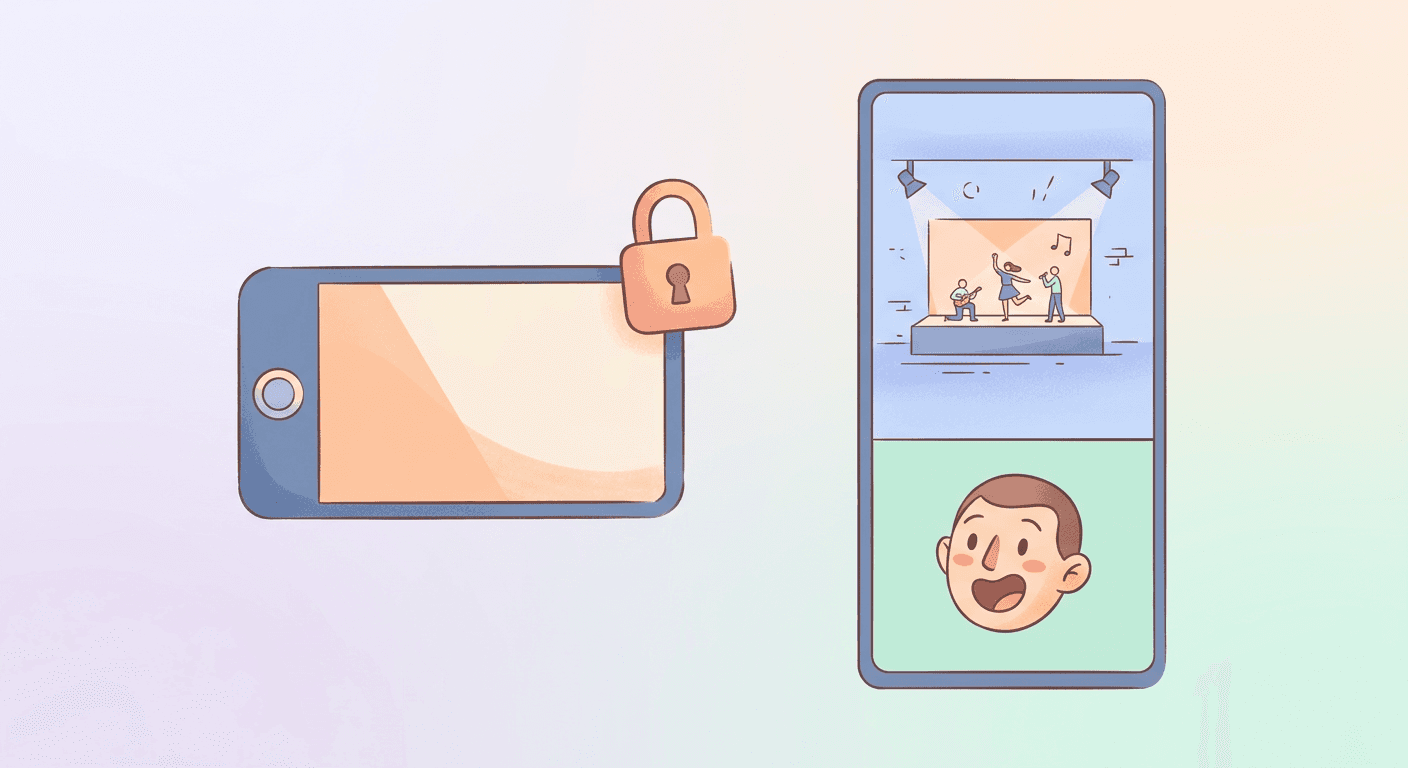
Watch With first appeared in 2024 as a way for creators to add live commentary and real-time reactions to livestreams and events, with YouTube testing it first around NFL coverage before expanding to other sports and tentpole live events like Coachella [2]. Creators in the eligible group see a "React live" button appear in the share panel on qualifying streams. Tapping it opens their own camera feed, which automatically locks into horizontal orientation for the duration of the reaction, and notably, creators cannot turn their camera off once a reaction has started [2].
On the viewer side, the experience combines both video sources into a single vertical stream, the original content and the reactor's camera feed shown together, and viewers can tune in from any device to watch that combined view [2]. This is functionally closer to a split-screen co-stream than to a traditional reaction video, and it is built entirely inside YouTube rather than requiring the reactor to download, re-edit, and re-upload someone else's footage.
Watch With was one of several collaboration-focused features YouTube leaned into at Made on YouTube 2026. The same event introduced Live Showdowns, a co-hosted competitive streaming format, and expanded the existing Collaborators feature that lets multiple creators share credit on shared uploads. Together they point at the same underlying shift: YouTube building more of its growth strategy around creators appearing in each other's content natively, rather than treating every channel as a fully separate silo.
Why Native Reaction Tooling Is a Bigger Deal Than It Sounds
Reaction content has a real, documented legal history worth knowing before dismissing Watch With as just a convenience feature. In 2017, a federal court ruled in favor of YouTubers Ethan and Hila Klein of h3h3Productions after they were sued for featuring clips from another creator's video in a reaction-and-commentary format, finding their use constituted fair use specifically because it added critical commentary and was not a market substitute for the original [4]. Crucially, the same ruling explicitly declined to treat all reaction videos as automatically protected, drawing a direct distinction between genuine commentary and what the judge called "a group viewing session without commentary" [4].
That distinction matters directly here, because a live, uncommented co-watch of someone else's video is close to the exact scenario the court said was not automatically covered. Watch With sidesteps that legal gray area entirely, not through better commentary, but by making the original creator's consent and eligibility a built-in platform mechanic rather than an after-the-fact fair use argument. That is a meaningfully different foundation for an entire content category than nearly a decade of reaction creators operating under legal uncertainty, which is why this expansion is worth taking seriously even though the individual feature, a camera overlay on someone else's video, sounds simple on the surface.
The Long-Form Expansion: What's Actually Changing
The September 2026 announcement confirmed Watch With is expanding "to include long form videos so you can react live alongside your favorite creators and communities" [1]. Independent reporting on the rollout places the long-form expansion as starting later in 2026, following prior testing that stayed limited to livestreams and major live events, and the rollout language specifically points to long-form videos rather than Shorts, which appear to sit outside this particular expansion [3].
Why this matters beyond the obvious convenience: live reaction content to an already-published long-form video, a documentary, a deep-dive essay, a tutorial, a vlog, is an enormous and currently mostly off-platform category. Reaction channels built around other creators' uploaded videos are common across YouTube, Twitch, and TikTok Live, and bringing that specific use case natively into YouTube with built-in attribution changes the incentive structure for both sides of that relationship, not just the mechanics of how the reaction gets recorded.
How the Revenue Split Actually Works
This is the part creators should read most carefully before assuming Watch With is a straightforward win for everyone involved. Based on YouTube's own communications about the feature, the reacting creator keeps all ad revenue and fan funding generated from their own broadcast of the reaction. The original uploader whose video is being reacted to does not receive a revenue share from that reaction stream specifically, only attribution, added view credit in YouTube Studio, and control over whether their content is eligible for reactions at all [3].
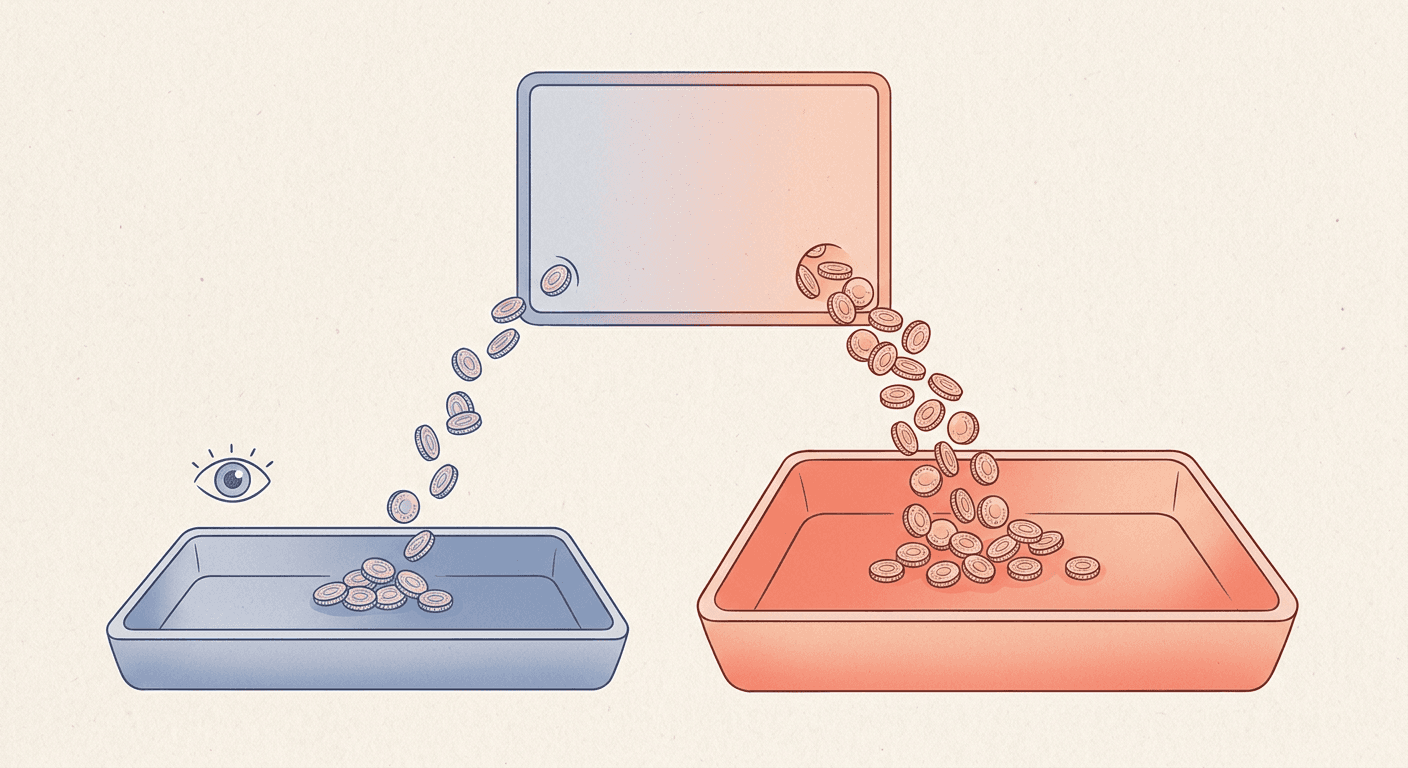
Put plainly: if someone reacts live to your long-form video and that reaction stream pulls in a large audience, the ad revenue from that specific reaction stream goes to the reactor, not to you. What you get is credited views, watch time, and concurrent viewership attributed back to your original upload, plus the ability to opt your content out if you do not want it used this way. For a documentary or essay creator whose growth model depends heavily on view count and watch time rather than direct monetization of every single view, that can be a genuinely good trade. For a creator whose revenue model depends on being the only monetized surface for their own content, it is a more complicated calculation.
The Open Questions YouTube Has Not Answered Yet
Several real, practical details remain unresolved as of this writing, and a responsible read of this feature means naming them rather than assuming the most convenient interpretation.
Opt-in or opt-out by default. YouTube has not stated publicly whether eligible long-form videos will be available for reactions by default, with creators needing to opt out, or will require creators to opt in before any reaction is allowed [3]. Given that YouTube's existing livestream version of this feature opts eligible streams in by default and lets the source creator switch it off, a similar opt-out default for long-form videos is a reasonable guess, but it is still a guess, not a confirmed detail, and creators who care about this should watch their channel settings closely once the long-form rollout actually reaches their account.
What view credit actually affects. YouTube has mentioned "added view credit in YouTube Studio" for the original creator but has not clarified whether that credit affects public-facing view counts, standard YouTube Analytics metrics, or progress toward YouTube Partner Program thresholds [3]. This ambiguity is harder to parse specifically because YouTube separately changed how it counts a view in the first place on August 24, 2026, shifting to count a view from the first frame rather than requiring a longer watch threshold, a change we broke down in detail in YouTube's view count change explained. Two view-counting changes landing in the same few months, one about what counts as a view at all and one about how a reaction's view credit flows back to the source, makes it genuinely hard to predict exactly how Watch With reactions will show up in your own analytics until YouTube documents the mechanic more precisely.
Sponsored content and disclosure. Nothing in YouTube's current materials addresses how a paid sponsorship segment inside a long-form video should be handled once it becomes the backdrop for someone else's live reaction stream, including disclosure obligations, advertiser approval, or whether a brand deal's terms even anticipated this kind of secondary distribution [3]. Any creator running sponsored long-form content should treat this as an open compliance question worth raising with sponsors directly rather than assuming it is already covered by existing disclosure practices.

What This Means If You're the Reactor vs. the Original Creator
If you are building a reaction-style channel, this is a meaningful unlock. Instead of the copyright-strike risk and manual re-upload workflow reaction channels have dealt with for years, Watch With gives you a native, platform-sanctioned way to react live to long-form content with your own monetization intact. The tradeoff is that your content now exists only as a live co-stream experience tied to someone else's original upload, rather than as a standalone video you fully own and can repurpose freely, so building a library of evergreen, ownable content likely still means producing some original long-form work alongside your reaction streams. For that original work, pairing a fast production workflow like Miraflow's cinematic AI video generator or Text2Shorts with your reaction schedule keeps you from being entirely dependent on other creators' upload schedules for your own channel's output.
If you are a long-form creator whose content might get reacted to, the realistic move is deciding in advance how you feel about the tradeoff of credited views and attribution without direct ad revenue from the reaction itself, and watching for the opt-in/opt-out setting the moment it reaches your account so the decision is intentional rather than default. Creators who rely heavily on being the exclusive monetized destination for their content, a certain kind of premium tutorial or paid-adjacent deep dive, may reasonably want to opt out once that control exists. Creators whose growth model already benefits from broad reach and cross-promotion, general vlogging, commentary, most entertainment content, are more likely to find the added view credit and exposure worth the lack of a direct revenue share.
Preparing Long-Form Content for a Reaction-Friendly Future
A few practical habits are worth adopting now, before the long-form rollout reaches your channel, regardless of which side of the reaction you expect to be on:
Chapter your long-form videos clearly. Reaction streams work better, for both the reactor and their audience, when the underlying video has clear chapter markers and distinct segments a reactor can navigate and comment on live, rather than one continuous unstructured cut.
Decide your sponsorship disclosure stance ahead of time. Since this specific gap is unresolved, document your own position, whether that is pausing eligibility for videos containing active sponsored segments, or simply flagging the ambiguity to sponsors directly, rather than being caught without an answer when a brand partner asks about it.
Build a repurposing plan for reaction-generated moments. If a reaction stream to your content goes well and generates genuinely good, shareable moments, having a fast way to clip and repost those highlights matters. Long-form creators and reactors alike can turn strong moments from any session into short-form cuts quickly using AI Clipping, which pulls the highest-scoring moments out of a longer video automatically with captions already applied, rather than manually scrubbing through a full session looking for the clip-worthy minute.
Use the feedback loop to improve your original uploads, not just react to the reaction. If you want a second opinion on pacing or structure before a video becomes reaction bait in either direction, YouTube's own Ask Studio AI assistant gives feedback on exactly the kind of pacing and structure issues that make a long-form video either compelling or awkward to react to live.
Keep your thumbnail and title strategy consistent even as reaction traffic grows. A video that starts getting a lot of reaction-driven traffic is still ultimately judged on its own thumbnail and title in search and recommendations. Testing variations with YouTube's title A/B testing or generating stronger options with the YouTube Thumbnail Maker in Miraflow AI keeps your original upload performing well on its own merits, independent of however much reaction traffic it picks up.

Common Mistakes to Avoid With Watch With
Assuming the feature works identically for long-form videos as it does for livestreams. The livestream version of Watch With has established mechanics around default settings and camera behavior. YouTube has explicitly not confirmed those same defaults apply unchanged to the long-form expansion, so verify current behavior against your own channel settings once it rolls out rather than assuming parity.
Ignoring your content's reaction eligibility settings entirely. Once this expands to your account, not checking whether your long-form library is opted in or out means the decision gets made for you by whatever the default turns out to be, rather than by your own judgment about which videos you actually want reacted to.
Building a reaction-only channel with no ownable original content. A channel built entirely around live reactions to other people's long-form videos has no standalone library of content it fully owns, which is a real long-term risk if a key creator you react to leaves the platform, changes their opt-in setting, or if Watch With's terms change down the line.
Overlooking the sponsorship disclosure gap. Running sponsored long-form content without a clear internal answer for how you would handle a reaction streaming over that sponsored segment is a compliance risk worth closing before it becomes an actual incident, not after.
Not setting any quality bar for which reactions you associate with. If you are a long-form creator who opts in, remember that your content's context now partly depends on who is reacting to it and how. A thoughtful, well-produced reaction reflects well on the source material. A low-effort or hostile one, even without violating any platform policy, still shapes how new viewers first encounter your work.
Frequently Asked Questions
When is the long-form expansion actually rolling out? YouTube confirmed the expansion at Made on YouTube 2026 on September 23, 2026, with independent reporting placing the actual rollout as starting later in 2026 rather than immediately [1][3].
Does the original creator get any revenue from a reaction to their long-form video? Based on YouTube's current communications, no direct ad revenue share, only attribution, added view credit in YouTube Studio, and control over opting their content in or out of eligibility [3].
Will my long-form videos be reactable by default? YouTube has not confirmed this for long-form content specifically. The existing livestream version of Watch With opts eligible streams in by default, with the source creator able to switch it off, but whether that same default applies to long-form videos has not been stated publicly [3].
Does this apply to Shorts too? No, YouTube's rollout language points specifically to long-form videos, and Shorts appear to sit outside this particular expansion based on how YouTube has described it [3].
How does this interact with YouTube's recent view-counting change? YouTube separately changed how a view is counted starting August 24, 2026, counting from the first frame rather than a longer watch threshold, which we cover in our breakdown of that change. YouTube has not yet clarified exactly how Watch With's "added view credit" interacts with that updated view-counting mechanic, so treat any assumption about the combined effect on your public view count as unconfirmed until YouTube documents it directly.
What's a good way to make the most of a reaction that goes well? If a reaction session to your content, or one you ran yourself, produces strong standalone moments, running the full session through AI Clipping is a fast way to turn those highlights into short-form content across YouTube Shorts, Reels, and TikTok without manually scrubbing the footage for the best minute.
Can I opt all of my long-form videos out of reactions once this reaches my channel? YouTube has indicated creators retain control over eligibility, similar to how the livestream version of Watch With lets a source creator switch reactions off, though the exact settings interface for long-form videos has not been detailed yet [3]. Check your YouTube Studio settings directly once the rollout reaches your account rather than assuming a specific toggle location in advance.
Is this the first time YouTube has dealt with reaction content legally? No. Reaction content has existed in a legal gray area for years, most notably following a 2017 federal court ruling that found a specific reaction video constituted fair use while explicitly declining to protect all reaction content automatically [4]. Watch With replaces that case-by-case legal uncertainty with a built-in consent and eligibility mechanic instead.
Conclusion
Watch With's expansion into long-form video is a genuine shift in how native, platform-sanctioned reaction content can work on YouTube, replacing a workflow that previously depended on downloading and re-editing someone else's footage with a built-in, live co-streaming experience. The revenue mechanics favor the reactor more than the original creator in the direct sense, while the original creator gets attribution, view credit, and eligibility control instead, and several real details, default opt-in behavior, exactly how view credit is calculated, and sponsorship disclosure, remain genuinely unresolved as of this writing. The right move for most creators right now is less about picking a side and more about watching your own channel settings closely once the rollout reaches your account, deciding your sponsorship disclosure stance ahead of time, and having a fast way to turn any strong reaction moment, yours or someone else's, into shareable short-form content once it happens.