15 AI Prompts for Minimalist Brand Photography (Copy & Paste)

Written by
Jay Kim
15 copy-paste AI prompts for minimalist brand photography. Covers shadow play, color block backgrounds, white on white, geometric flatlays, and more for clean editorial results.
Most product images try to say too much. They pack in props, textures, backgrounds, and context until the product itself gets buried in visual noise. Minimalist brand photography works in the opposite direction, reducing everything in the frame to only what the composition absolutely needs, and letting that restraint communicate quality, confidence, and intention on behalf of the brand.
The challenge is that minimalism is harder to execute than it looks. Empty space has to be intentional, not accidental. Shadows need to be purposeful design elements rather than distractions. Color choices have to carry the brand identity without decorative support. Getting all of this right in a prompt requires knowing the specific visual language of minimalist photography and being precise about every element you include and every element you leave out.
This post gives you 15 ready-to-use AI prompts for minimalist brand photography, covering solid-color backgrounds, shadow play, monochromatic tonal shots, geometric flatlays, architectural surfaces, and more. Every prompt is designed to be copy-pasted directly into an AI image generator and produce results with the clean, graphic quality that defines premium minimalist brand visual identity.
What Makes Minimalist Brand Photography Work
Minimalist photography is often described as simple, but the more accurate word is intentional. Every element that remains in the frame has a reason to be there, and every element that was removed was a deliberate choice. Understanding the principles behind this makes your prompts dramatically more precise.
Negative space is an active compositional tool. In most photography styles, empty space is background. In minimalist photography, it is part of the composition. A product positioned low in the frame with large empty space above it creates visual tension and draws the eye differently than a centered product. The proportion and placement of that empty space is a compositional decision as important as the product itself.
Shadow functions as graphic design. In minimalist photography, directional light often creates long, geometric shadows that become a second visual element in the frame alongside the product. A single product with a precisely cast shadow creates a composition that has two subjects, the object and its shadow, without requiring any additional props. This is one of the defining visual signatures of minimalist brand photography and one of the most powerful elements to specify in a prompt.
Color does the work that props and staging do in other styles. Minimalist photography often relies on solid-color backgrounds, monochromatic tonal shots, or single-color-accent images to create brand identity and visual energy. A product photographed against a perfectly matched terracotta background communicates something entirely different from the same product against black or against white, and no additional staging is needed to make that communication land.
Geometry creates order and sophistication. Minimalist compositions use precise alignment, exact symmetry or deliberate asymmetry, and geometric relationships between objects to create images that feel controlled and considered. Even a slight tilt in a product placement or a perfectly centered overhead shot reads as an intentional choice rather than a casual arrangement.
Material and texture in reduced form. When a composition contains very few elements, the quality and texture of every surface becomes magnified. A single product on a concrete surface makes the concrete texture a major visual element. This means surface choice in minimalist photography carries more brand communication weight than in busier compositions.
Understanding these five principles changes how you write prompts for minimalist photography and helps you get past the common pitfall of generating images that are merely empty rather than intentionally reduced.
How to Use These Prompts
Every prompt below is built to function as a complete standalone input. Each one specifies the product placement, surface material, light quality, shadow treatment, color palette, and compositional approach, which together consistently produce clean, graphic, brand-quality results.
To customize a prompt for your product, replace the product description with your specific item and add material, color, or shape details that matter for accuracy. In minimalist photography, small product details become more visible because they are not competing with a busy background, so the more specific you are about the product itself, the stronger the result.
The AI image generator on Miraflow AI supports text-to-image, image-to-image, and inpainting workflows, all of which are useful for minimalist brand photography. Text-to-image works well when you are building a new visual identity from scratch. Image-to-image is the right choice when you need your actual product to appear accurately within a generated minimalist scene. Inpainting lets you adjust specific elements, such as changing the background color or the shadow direction, without regenerating the entire image.
Generate at least five variations per prompt before committing to a final result, since compositional framing, shadow placement, and tonal quality vary meaningfully between generations.
15 Minimalist Brand Photography Prompts
1. Classic White Studio Hero Shot
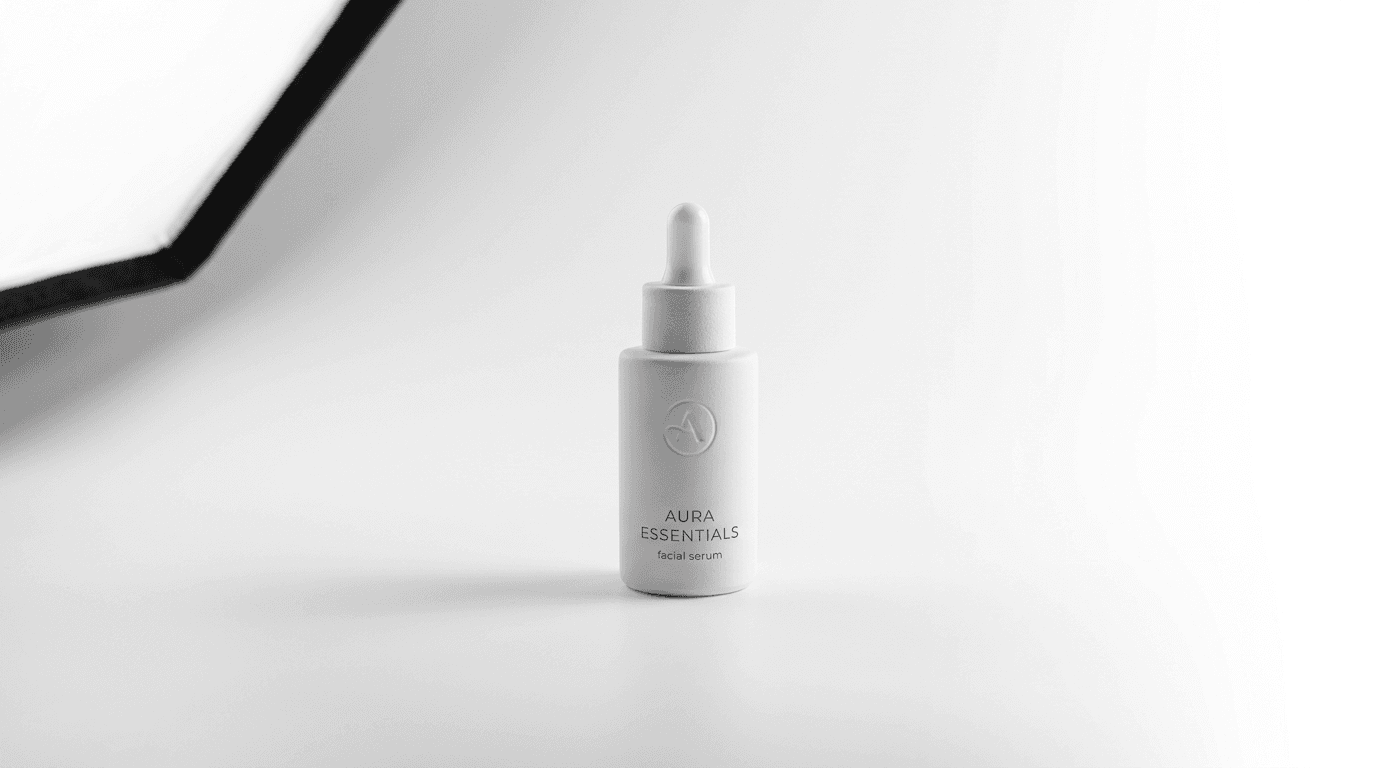
The white background hero shot is the foundation of minimalist brand photography. This prompt is engineered to produce the clean, high-end product image that works across e-commerce, advertising, and brand identity applications.
Prompt
Single product centered on a pure white seamless surface with a soft natural shadow beneath it, clean white studio background fading to bright white at the edges, single large softbox light from the upper left creating gentle directionality without hard shadows, generous negative space filling sixty percent of the frame, ultra-realistic product material rendering, no props, no decorative elements, only the product and its clean shadow, editorial brand photography aesthetic, commercial advertising quality, product in sharp focus with technically perfect exposure, white on white with subtle tonal separation
2. Solid Color Block Background
Colored block backgrounds are one of the most powerful tools in minimalist brand photography because the background color becomes a brand identity statement. This prompt works for any product category and can be customized to any brand palette.
Prompt
Single product placed on a smooth matte [choose your color] surface that continues up as the background without any visible horizon line, creating a seamless color environment, soft even lighting from directly above with no harsh shadows, clean geometric product shadow falling to one side, generous negative space on three sides of the product, product in precise sharp focus with ultra-realistic material detail, no props or additional elements in the frame, minimalist commercial brand photography, color block aesthetic, the background and surface are the exact same solid matte color, professional product advertising photography
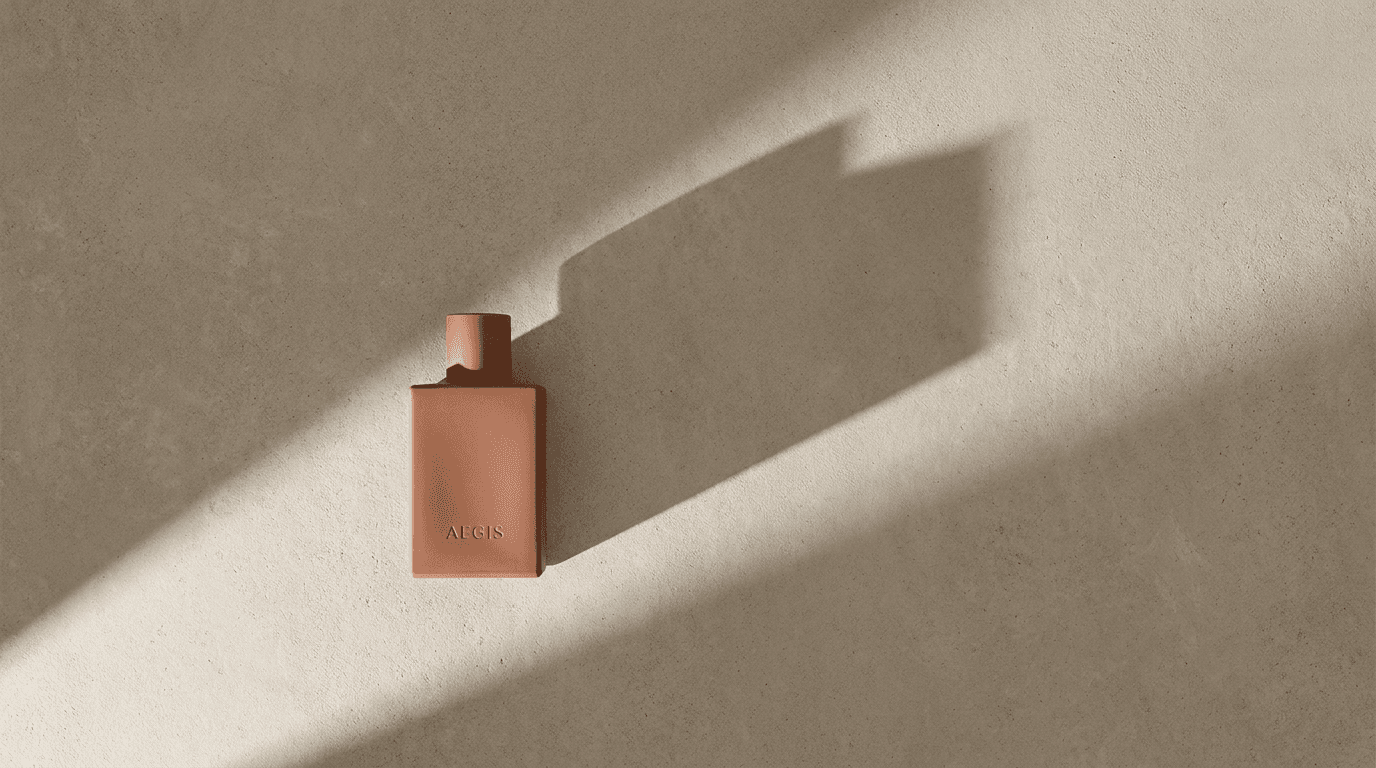
3. Long Geometric Shadow Play
Shadow photography is one of the most visually distinctive techniques in minimalist brand work. The product and its shadow become equal compositional elements, creating a graphic, design-forward image without any additional props.
Prompt
Single product placed on a clean pale stone or concrete surface, single strong directional light source from a low angle creating a long, precise, elongated shadow extending dramatically across the surface, the shadow is clean-edged and geometric, filling roughly the same visual area as the product itself, no other elements in the frame, top-down or slight three-quarter perspective, minimal and graphic composition, sandy beige or warm grey surface tone, editorial minimalist brand photography, the shadow reads as an intentional graphic design element, ultra-sharp product rendering, architectural quality to the light and shadow
4. Monochromatic Tonal Product Shot
Monochromatic minimalism uses a single color in multiple tones and textures to create depth and visual interest without introducing additional colors. The result is one of the most sophisticated looks in brand photography.
Prompt
Single product placed on a surface in the same color family as the product itself, the surface texture and the product texture create the visual differentiation rather than color contrast, ultra-soft diffused overhead light, minimal shadows, tonal depth created purely through material differences, generous negative space in the same monochromatic tone, no contrast colors anywhere in the frame, editorial luxury brand photography, tonal minimalism aesthetic, ultra-realistic surface textures showing the material quality differences within the single color palette, commercial brand photography quality, sophisticated and restrained visual tone
5. Architectural Concrete Surface
Concrete is one of the most versatile surfaces in minimalist brand photography because its inherent texture provides visual richness without competing with the product. This prompt creates an architectural, design-forward image that works for premium and design-conscious brands.

Prompt
Single premium product placed on a dark charcoal concrete surface, overhead top-down perspective with precise symmetrical placement, single directional natural light from a high side angle creating a soft architectural shadow, rough concrete grain texture visible throughout the surface, deep grey and near-black tones with the product as the sole warm or contrasting element in the frame, no props, no background elements other than the concrete, minimalist architectural brand photography, graphic and precise composition, the concrete texture itself is a primary visual element, ultra-realistic material rendering, commercial advertising quality
6. Geometric Grid Flatlay
A precisely arranged grid flatlay creates a pattern composition that communicates brand system and collection thinking. This prompt works for brands with multiple products or color variants.
Prompt
Four or six identical products arranged in a precise geometric grid formation, exact equal spacing between each item, photographed from directly overhead, clean white or pale grey seamless background, soft even diffused light from above with no shadows, each product perfectly parallel to the others and to the frame edges, ultra-clean and graphic composition, no props, no decorative elements, only the products in their grid arrangement, flat lay minimalist brand photography, systematic and precise aesthetic, ultra-realistic product material rendering, the regularity and precision of the arrangement is the main visual statement, professional brand campaign photography
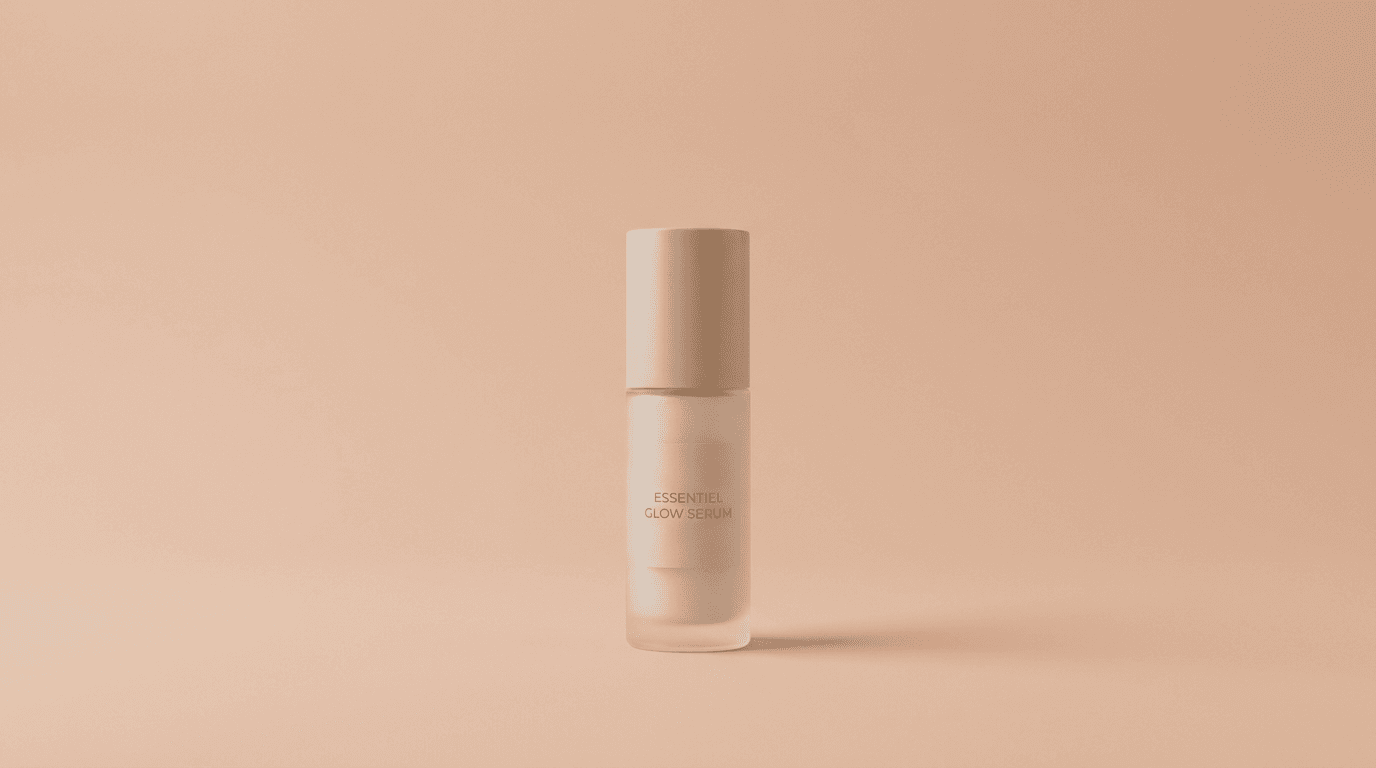
7. Product Portrait Against Pastel
Pastel block backgrounds give minimalist photography a contemporary, brand-forward quality that works particularly well for beauty, wellness, stationery, and lifestyle product brands. The soft color communicates approachability while the minimal composition communicates precision.
Prompt
Single product in portrait orientation against a seamless matte pastel background, the background color chosen to complement rather than match the product, the surface and background are the same unbroken pastel tone with no visible horizon line, soft even overhead light with a clean minimal shadow at the base of the product, generous negative space above and on both sides of the product, no props, no additional elements, contemporary minimalist beauty brand photography aesthetic, pastel color tones, ultra-realistic product material and packaging detail, clean precise product placement, modern brand campaign photography
The Miraflow AI image generator lets you iterate on background color, shadow placement, and product positioning using image-to-image generation once you have a base result you like. This speeds up the process of finding the exact brand color and compositional balance you need without regenerating from scratch each time.
8. White on White Texture Study
White on white photography removes all color contrast and forces visual interest to come entirely from surface texture and form. The result is one of the most refined and editorially sophisticated looks in minimalist brand photography.
Prompt
Single white or very pale cream product on a white textured surface such as fine linen, cotton canvas, or smooth paper, subtle tonal separation between the product and the surface created only through material texture differences, soft diffused natural light from a large window raking gently across the surface to reveal texture detail, extremely subtle shadow beneath the product, no color contrast anywhere in the frame, the entire composition exists within a white to soft cream tonal range, minimalist editorial brand photography, texture and form as the primary visual language, ultra-realistic fabric and material texture rendering, luxury brand aesthetic, technically perfect white balance
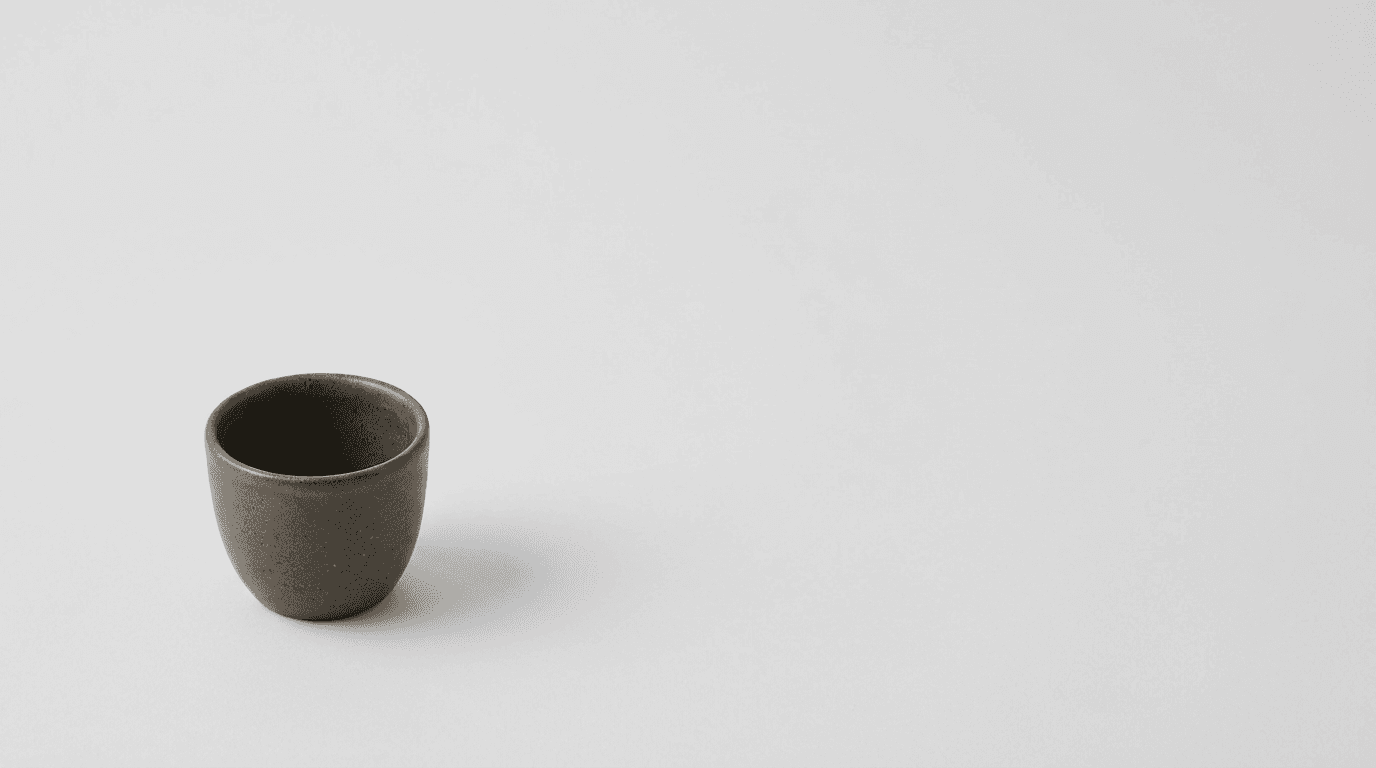
9. Single Object Extreme Negative Space
Placing a product in a very small section of the frame and leaving the vast majority as clean empty space creates strong visual tension and makes the product feel significant through proportion rather than through decoration.
Prompt
Single small product placed precisely in the lower left corner or lower center of the frame, filling no more than fifteen percent of the total image area, the remaining eighty-five percent of the frame is clean solid white or pale grey, no shadows, no props, no background elements, the product is in perfect sharp focus with ultra-realistic material detail, overhead or slight three-quarter angle, the extreme negative space is the primary compositional statement, the emptiness creates visual tension and makes the product feel intentional and significant, minimalist editorial brand photography, commercial advertising quality, graphic design principles applied to product photography
10. Window Shadow Graphic
Natural window light creates geometric shadow patterns that can be used as a graphic compositional backdrop for minimalist product photography. This prompt creates a highly distinctive brand image using only natural light and architecture.
Prompt
Single product placed on a clean white or pale stone surface, strong directional natural light from a nearby window casting precise geometric window frame shadow patterns across the surface and the product itself, the shadow grid or bar pattern creates a graphic overlay on the composition, bright even light in the lit areas, clean shadow lines with crisp edges, no props other than the window shadow pattern, overhead or slight elevated angle perspective, minimalist architectural brand photography, the window shadow pattern and the product together form the complete composition, ultra-realistic surface and product rendering, warm natural light in the highlight areas, editorial brand photography quality
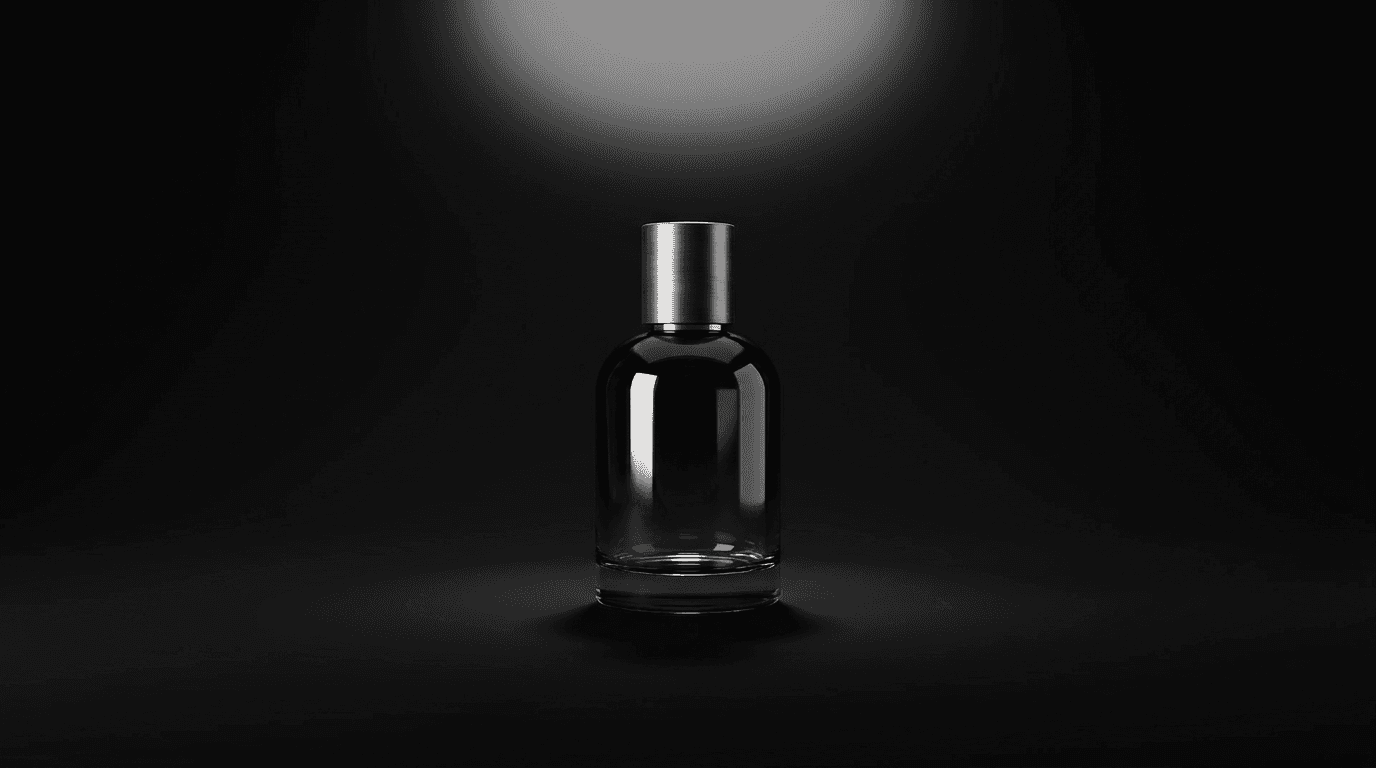
11. Black Minimal Product Shot
Black backgrounds in minimalist photography create a completely different visual register from white backgrounds. Products appear to float, materials become more prominent, and the overall impression shifts toward precision and exclusivity.
Prompt
Single premium product on a seamless matte black surface that continues up as the background without any visible horizon line, single soft overhead light from directly above creating minimal directional shadow, only the product and a small, clean shadow beneath it, the product's material detail and surface finish are the primary visual interest, no props, no decorative elements, generous empty black negative space around the product, extreme tonal contrast between any highlight on the product and the surrounding black, minimalist luxury brand photography, graphic and precise composition, ultra-realistic rendering of product material reflectivity and surface texture, commercial advertising quality, the black space feels intentional and weighted
12. Color Contrast Accent Shot
This prompt uses a largely neutral composition with one deliberate color accent to create visual tension and guide the eye. The single color element can reflect a brand color or a seasonal identity.
Prompt
Single product on a clean white or pale grey surface, one small additional element introducing a single bold or saturated color into the otherwise neutral composition, such as a colored shadow cast across the white surface, a colored ribbon, or a product with a single colored label, the color accent occupies no more than twenty percent of the image but commands full visual attention, soft diffused studio light, clean minimal composition, no other colors or decorative elements, graphic and intentional color tension between the neutral field and the color accent, editorial minimalist brand photography, commercial campaign quality, ultra-realistic product and material rendering
13. Repeating Pattern Product Arrangement
Repeating pattern photography uses product multiples to create a visual rhythm that communicates brand consistency and collection depth. The pattern itself becomes the design statement.
Prompt
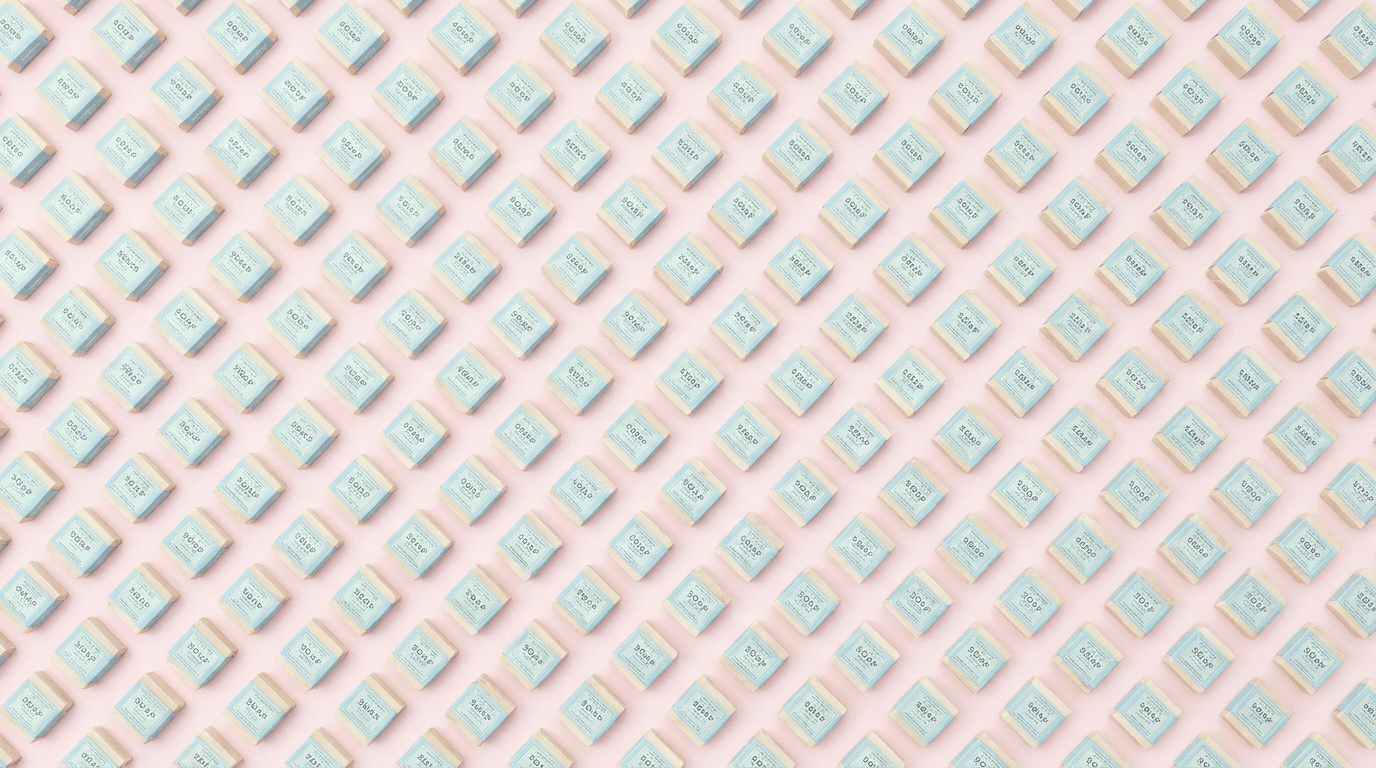
Multiple identical small products arranged in a diagonal repeating pattern covering the full frame, each product placed at the same angle and with equal spacing, photographed from directly overhead, clean white or very pale pastel background, soft even diffused light from above with minimal shadows, the entire composition is the repeating pattern and no single product is isolated as the hero, ultra-realistic product rendering showing packaging or material detail on each unit, no props, no background texture other than the clean flat surface, flat lay minimalist brand photography, graphic and systematic aesthetic, the pattern has a strong visual rhythm, professional brand campaign photography
14. Transparent or Glass Product on Color
Glass and transparent products have unique visual properties under minimalist conditions because they interact with color backgrounds through refraction and reflection. This prompt creates a sophisticated composition built around that optical quality.
Prompt
Glass or transparent product placed on a smooth matte solid-color background that shows through the product in refracted tones, single directional light from one side creating a soft specular highlight along the glass edge and a subtle refracted color shadow cast by the glass onto the surface behind it, clean minimal composition with generous negative space, no other props, the interaction between the glass and the colored surface is the primary visual interest, overhead or slight elevated three-quarter angle, minimalist luxury product photography, ultra-realistic glass texture and light refraction rendering, the color choice for the background is a brand statement, commercial advertising quality, graphic and elegant
15. Universal Minimalist Brand Template
This flexible prompt works as a starting point for any product category. Replace the bracketed text with your specific product and adjust the surface and color choices to match your brand identity.
Prompt
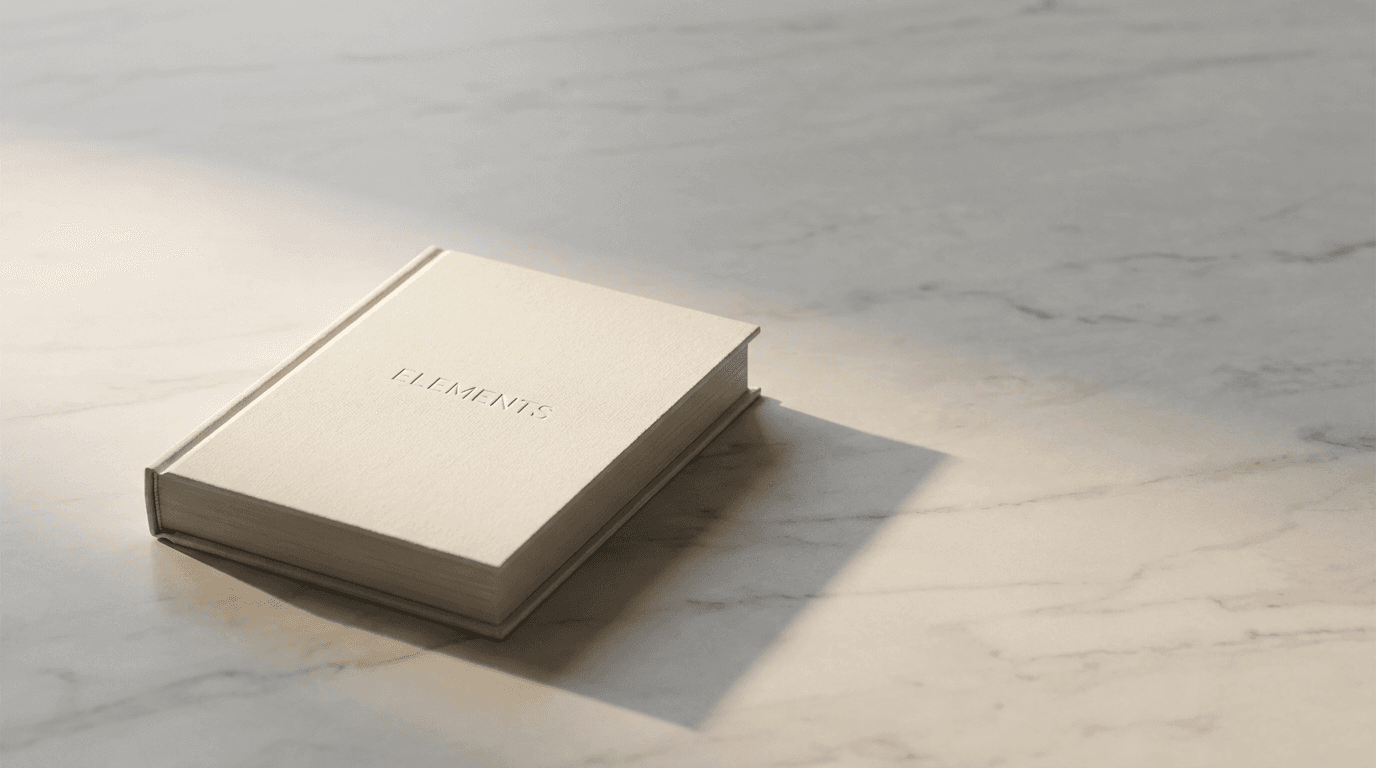
[Describe your specific product here] on a clean [white, black, concrete, or solid brand color] seamless surface, single controlled light source creating a precise and intentional shadow, generous negative space filling at least half of the frame, no props, no decorative elements, nothing in the composition except the product and its shadow on the clean surface, the product is placed with precise intentional positioning rather than centered by default, ultra-realistic product material and surface rendering, minimalist commercial brand photography aesthetic, every element in the frame is there by deliberate choice, clean graphic composition, professional advertising quality
Tips for Stronger Minimalist Brand Photography Results
Specify the Proportion of Negative Space
The most common reason minimalist prompts produce underwhelming results is that the model defaults to filling the frame with the product. Adding a specific proportion changes this dramatically. Phrases like "product occupying twenty percent of the frame," "generous negative space filling two thirds of the image," or "product placed in the lower third with empty space above" give the model a concrete compositional instruction rather than a vague aesthetic preference.
Describe Shadow Quality as a Design Choice
In minimalist photography, shadows require just as much specification as the subject. These shadow descriptions produce very different compositional results:
- "clean-edged geometric shadow extending to the right" creates a graphic design element
- "soft minimal shadow directly beneath the product" keeps the focus entirely on the object
- "no shadows, perfectly even light" produces the flattest, most graphic result
- "window frame shadow pattern falling across the surface" introduces architectural geometry
- "long elongated shadow from a low directional light" makes the shadow a second visual subject
Specifying which of these you want prevents the model from defaulting to generic studio shadow that fits no particular compositional vision.
Use Background Color as a Brand Language Tool
One of the most powerful things minimalist brand photography can do is establish a brand color system through the background alone. Rather than describing a color in general terms, be specific about the color character:
- "dusty sage matte background" versus just "green background"
- "warm terracotta matte surface" versus just "orange"
- "deep teal with no sheen" versus just "blue"
- "warm off-white with a slightly yellow undertone" versus just "white"
The more precisely you name the color, the more intentional and brand-consistent the result feels. This level of color specificity also makes it easier to maintain visual consistency across multiple generated images for the same brand.
Emphasize Material Quality in Minimal Compositions
When a composition contains only one product and a surface, the material quality of both elements is fully exposed. Adding specific material descriptors to every prompt pushes the result toward the premium rendering quality that makes minimalist photography look genuinely editorial:
- "ultra-realistic frosted glass texture with visible surface irregularities"
- "brushed aluminum catching the light along the edge with a fine directional grain"
- "matte cardboard packaging showing the fine paper grain in close detail"
- "polished ceramic glaze with a visible specular highlight along the rim"
These descriptions communicate that the material quality of the product is itself a subject of the photograph, which is exactly what minimalist brand photography communicates.
State What Is NOT in the Frame
One of the most effective techniques for minimalist prompts is explicitly naming what the composition excludes. Adding phrases like "no props," "no decorative elements," "no additional objects in the frame," and "only the product and its shadow" prevents the model from defaulting to the more elaborate lifestyle or editorial compositions that dominate its training data. Minimalism requires telling the model what to remove as clearly as you tell it what to keep.
Extending Minimalist Brand Photography Into Full Content Systems
A strong minimalist brand image is the visual foundation of a content system, not just a single asset. Once you have established the visual language for your brand through a set of hero images, there are several ways to extend it consistently across formats using the Miraflow AI platform.

The Cinematic AI Video Generator lets you translate the visual concept from your minimalist product prompt into a short cinematic video clip. For brand ad content, a slow-motion or atmospheric video that follows the same color palette, surface aesthetic, and compositional restraint as your still photography creates a cohesive cross-format brand identity. This is particularly effective for premium brands where the way content moves on screen communicates the same values as how it looks in a still image.
For social media video content at scale, Text2Shorts generates complete vertical short videos from a topic description, handling script, voiceover, and scene visuals in a single workflow. Lifestyle and brand content creators who need a consistent stream of short-form videos for Instagram Reels, TikTok, or YouTube Shorts can use this alongside their image generation workflow to maintain output volume without sacrificing visual consistency.
The YouTube Thumbnail Maker is worth using when you want to apply your minimalist brand aesthetic to YouTube channel visual identity. Minimalist thumbnails are highly effective on YouTube because they create visual contrast against the majority of high-energy, text-heavy thumbnails in most content categories. A clean, color-blocked thumbnail with a single clear subject stands out significantly in recommendations and search results.
For creators who produce long-form video content and need to repurpose it into short clips, AI Clipping automatically identifies the strongest moments, crops them vertically, and adds captions. This is a practical way to maintain presence across short-form platforms without producing separate content for each one.
The AI Music Generator produces background music that can match the restrained, intentional quality of minimalist brand content. For brand videos that use minimal voiceover or rely on visual storytelling, a precisely generated ambient or contemporary instrumental track in your brand's sonic palette completes the content without competing with the visual.
How Minimalist Brand Photography Works Across Platforms
One of the practical strengths of minimalist brand photography is its adaptability across different platform formats and contexts. Because the compositions are built around negative space and a single subject, they crop well to almost any aspect ratio without losing the essential visual statement. This makes a single well-designed minimalist brand image useful across Instagram feed, Instagram Stories, Pinterest, e-commerce product pages, and digital advertising in ways that more complex lifestyle or editorial compositions often are not.
For paid social advertising, minimalist product images consistently perform well in categories where brand trust and product quality are the primary purchase drivers. The visual restraint signals that the brand is confident in the product itself rather than relying on staging to generate desire. According to research on visual design and brand perception, clean, uncluttered designs are consistently associated with higher perceived quality and premium pricing by consumers, which is why minimalism is the dominant visual language for luxury, design, and premium product brands.
On e-commerce platforms, minimalist product images serve double duty as both marketing assets and functional product references. The clean background makes the product easy to evaluate visually, while the intentional composition and premium rendering quality make the listing feel brand-forward rather than purely utilitarian.
For YouTube channels and social media profiles that use consistent visual branding, minimalist photography creates a grid and channel aesthetic that reads as deliberate and cohesive at a glance. Creators who invest in building a consistent visual identity across their content often see stronger brand recognition and audience retention than those who vary their visual style randomly between posts.
The Miraflow AI blog covers visual content strategy, image generation techniques, and platform-specific content creation in depth, which is useful alongside this prompt library for building a complete visual content approach.
What Brands and Product Categories Benefit Most
Minimalist brand photography is the right visual approach for a specific range of brand identities and product categories, and understanding this helps you decide when to use it versus other styles.
Premium and luxury product brands across all categories benefit from minimalism because it communicates the same values the products themselves aim to communicate: precision, quality, and confidence. When a brand removes all visual noise and lets the product stand in an empty frame, it implicitly claims that the product is enough on its own.
Design and architecture-adjacent brands including furniture, home objects, tech accessories, precision tools, and premium stationery use minimalist photography because the aesthetic aligns with the design language of the products themselves. A precisely engineered product photographed in a precisely engineered composition creates a coherent brand message.
Beauty and skincare brands with clean or clinical positioning, particularly those in the sustainable, scientific, or luxury segments, use minimalist photography to reinforce their formulation and ingredient confidence. The absence of elaborate staging says the product delivers results without needing visual persuasion.
Fashion and accessories brands at the premium or luxury end of the market use minimalist photography for product campaigns because it focuses attention entirely on the design, material, and craftsmanship of the piece rather than on the lifestyle context it belongs to.
Technology and consumer electronics brands use minimalist photography because it mirrors the design philosophy of the products. Clean surfaces, precise shadows, and color-controlled backgrounds mirror the industrial design language of the product category.
Minimalist brand photography tends to be less effective for mass-market consumer brands where approachability, warmth, and relatability are more important than precision and exclusivity. It is also less suited to products that tell their story through lifestyle context rather than through the object itself.
Common Prompt Mistakes in Minimalist Photography
Result looks empty rather than intentional. This is the most common issue with minimalist prompts. Add specific shadow direction, precise product placement, and surface texture descriptions. A composition that reads as intentionally minimal rather than accidentally sparse needs at least two active visual elements, the product and its shadow, the product and the surface texture, or the product and the color field.
Background looks gradient rather than solid. Add "perfectly even matte solid color throughout" and "no vignetting, no gradient" to reinforce a flat, graphic background. Gradient backgrounds undermine the graphic, design-forward quality that distinguishes minimalist brand photography.
Product placement looks accidental rather than deliberate. Specify exact placement like "placed precisely in the lower center third" or "aligned to the right side of the frame with generous empty space to the left." Generic terms like "product in the frame" produce centered results by default, which is a valid choice but needs to be an explicit decision rather than a default.
Shadows look distracting or messy. Either specify a single precise shadow direction and quality, or add "no visible shadow" to remove shadow entirely. Uncontrolled multiple shadow directions from poorly defined light sources are particularly inconsistent with the intentional graphic quality of minimalist photography.
The image looks like a stock photo. Replace generic style terms with more specific references. Adding "editorial brand campaign quality," "design magazine product photography," and specific material descriptors for the product pushes outputs away from the generic commercial stock photo aesthetic and toward a more intentional brand photography register.
FAQ
What makes minimalist photography different from a plain product photo?
The difference is intention. A plain product photo places an object against a neutral background to record what it looks like. Minimalist brand photography uses the proportion of negative space, the quality and direction of shadow, the surface material, and the color palette as active compositional decisions that communicate brand values. The result should feel like a graphic design decision as much as a photography one. When using the AI image generator on Miraflow AI, this distinction comes from specifying shadow placement, negative space proportions, surface texture, and compositional geometry rather than just describing a product on a background.
Which background colors work best for minimalist brand photography?
Both white and black work universally, but the most distinctive minimalist brand photography uses a solid color that connects to a brand palette. Warm terracotta, dusty sage, deep forest green, soft powder blue, and muted blush are all popular choices across different brand categories. The most important quality is that the background color is matte and completely even, with no gradient or vignetting. Avoid pure digital-looking colors and describe the tone in the prompt as "dusty," "muted," "warm," or "cool" to get more refined, physical-feeling results.
Can minimalist photography work for every product type?
It works best when the product itself has strong form, interesting material, or distinctive design. Products that are visually interesting at close range benefit the most from being placed in minimal compositions because the reduction of surrounding elements directs full attention to the product's physical qualities. For products that are visually undistinguished on their own, minimalism can feel sterile rather than intentional, and a lifestyle or editorial context may serve the brand better.
How do I maintain visual consistency across a set of minimalist brand images?
Use the same background color, surface material, light direction, and shadow quality across all images in the set. These four variables are what create visual system consistency. Inside the Miraflow AI image generator, saving your core prompt as a template and adjusting only the product description for each new image is the most reliable way to build a cohesive brand image set.
What camera and lens references produce the best minimalist results?
Including photographic references like "shot on Phase One medium format," "85mm lens, slight elevation angle," or "Hasselblad color rendering" pushes AI image models toward the color accuracy and tonal rendering quality associated with professional medium format or commercial photography equipment. For minimalist photography specifically, references to medium format cameras work particularly well because they are associated with the high material rendering quality and clean tonal separation that the style requires.
Can I use minimalist brand photography for video content as well?
Yes. The visual language of minimalist brand photography translates directly to video through the Cinematic AI Video Generator on Miraflow AI. Using the same color palette, surface aesthetic, and compositional restraint in your video content creates brand identity consistency across still and moving formats. Short minimalist brand videos perform very well as paid social ad creatives in premium product categories.
How do I use inpainting to refine minimalist images?
Inpainting is particularly useful in minimalist photography because small changes to specific elements like background color, shadow direction, or surface texture have a large impact on the overall composition. Inside the Miraflow AI image generator, you can mask only the background and change its color, mask only the shadow area to adjust its direction or softness, or mask the surface material to try a different texture while keeping the product rendering intact. This makes iterative refinement much faster than regenerating the entire image from scratch.
What resolution should I generate for brand photography use?
Generate at the highest available resolution and then export or crop to the specific dimensions required for each platform. For e-commerce product images, most major platforms require a minimum of 2000 pixels on the longest edge. For social media advertising, platform-specific requirements vary, but generating at high resolution and downsampling for each use case ensures that the image looks sharp in every context, including retina display devices.
Conclusion
Minimalist brand photography communicates what brand language often cannot: that the product is confident enough to stand alone. The 15 prompts in this post cover the most technically and visually distinct approaches within the minimalist style, from long shadow play and extreme negative space to monochromatic tonal shots, color block backgrounds, and geometric grid arrangements.
The principles that make every prompt in this list work are the same: precise light direction, named surface materials, explicit negative space proportions, deliberate color choices, and clear instructions about what the composition should not include. Getting these five elements into your prompt consistently produces results that read as intentional brand photography rather than generic product imagery.
All of these prompts work directly in the AI image generator on Miraflow AI, where you can use text-to-image generation for new visual concepts, image-to-image workflows when your actual product needs to appear accurately, and inpainting to refine specific compositional elements without starting over. From there, the full Miraflow AI platform gives you the tools to extend your minimalist brand visuals into cinematic video, short-form social content, YouTube thumbnails, and atmospheric audio, building a complete and consistent brand content system from a single visual foundation.