AI Prompts for Skincare & Beauty Brand Content: 15 Product Visuals That Sell

Written by
Jay Kim
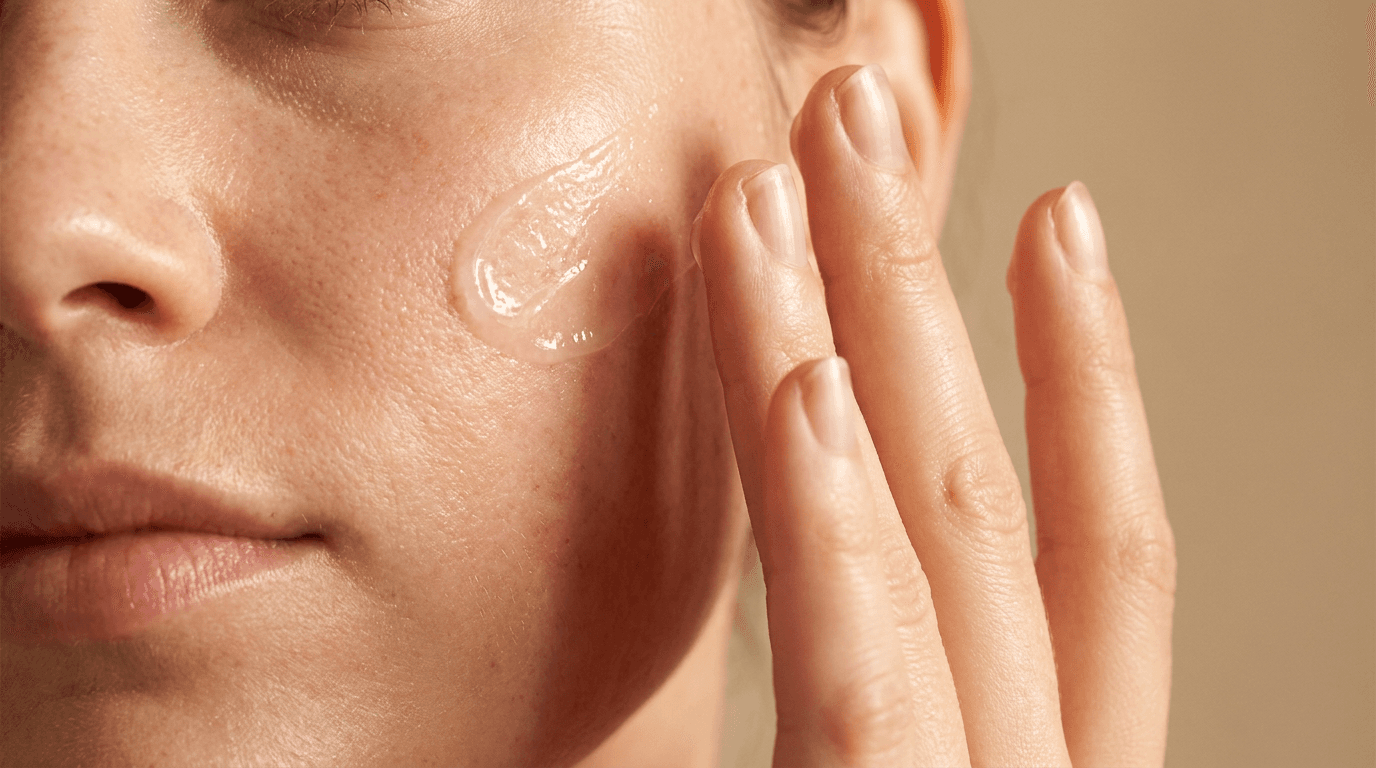
15 copy-paste AI prompts for skincare and beauty brand visuals. Hero shots, texture swatches, ingredient flat lays, and editorial compositions designed to sell.
15 copy-paste AI prompts for skincare and beauty brand visuals. Hero product shots, ingredient scenes, texture swatches, routine flat lays, and lifestyle compositions designed for brands, estheticians, and content creators.
Skincare and beauty is one of the most visually competitive categories on the internet. Every scroll through Instagram, TikTok, or Pinterest puts your product image next to dozens of competing bottles, serums, and moisturizers all fighting for the same second of attention. The brands that consistently win that attention share one thing in common: their product visuals feel expensive, intentional, and emotionally compelling. They do not just show a product. They sell a feeling. They sell a result. They sell a ritual.
The barrier to producing those kinds of images has traditionally been steep. A professional beauty product shoot requires a skilled photographer who understands how to light glass, plastic, and liquid without creating distracting reflections or hotspots. It requires a stylist who can arrange ingredients, textures, and props in a way that tells a story about the product's benefits. It requires retouching to achieve the luminous, clean, dewy quality that beauty audiences expect. For indie skincare brands, solo estheticians, small DTC labels, and beauty content creators, the cost of a single professional shoot can consume a meaningful portion of the marketing budget, and the results are static. One shoot produces one set of images for one product or launch, and when the next season or product line arrives, the entire process starts over.
AI image generation has fundamentally shifted this equation. With well-crafted prompts, you can produce the full spectrum of beauty brand visuals, from hero product shots and ingredient storytelling scenes to texture close-ups and lifestyle compositions, at a fraction of the cost and turnaround time. The critical difference between prompts that produce usable commercial-quality results and prompts that produce generic, stock-photo-looking output comes down to understanding the specific visual language of beauty photography. Beauty imagery has its own conventions around lighting, surface quality, color temperature, texture rendering, and compositional structure that are different from fashion, food, or general product photography. Every prompt in this post is built around those conventions.
If you have worked with AI-generated visuals before for product studio shots, e-commerce listings, or social media content, the workflow is familiar. Copy the prompt, customize it to match your specific products and brand palette, generate the image, and deploy it across your marketing channels. The difference here is that every template has been engineered for the visual expectations of skincare and beauty audiences specifically. These are not general product photography prompts with a serum bottle dropped in. They are beauty photography prompts from the ground up.
A note on responsible usage: AI-generated beauty brand imagery is ideal for brand storytelling, social media content, website hero visuals, campaign concepts, mood boards, editorial features, and marketing materials where the visual communicates the brand's aesthetic and product philosophy. If you are using AI-generated images to represent a specific product that customers will purchase, ensure the visual accurately reflects the real product's appearance. Disclose when imagery is AI-generated or conceptual rather than photographed, particularly in contexts where buyers might rely on the image to evaluate the physical product.
Why Visual Quality Determines Revenue in Skincare and Beauty
The beauty industry operates on trust and aspiration simultaneously. A buyer needs to trust that a product works and aspire to the version of themselves that the brand's imagery promises. Both of those responses are triggered visually before a single word of copy is read. Research consistently shows that beauty consumers make initial purchase consideration decisions based on product packaging and visual presentation, often within the first few seconds of encountering a brand. The product image is not supporting content for the sales page. It is the sales page. Everything else, the ingredient list, the reviews, the brand story, reinforces or undermines the initial impression the visual created.
This is why the quality gap between professional beauty brand imagery and amateur product photos is so commercially significant. A beautifully lit serum bottle on a textured stone surface with fresh botanical ingredients and soft natural light communicates luxury, efficacy, and care. The same serum photographed on a kitchen counter with overhead fluorescent lighting communicates none of those things, regardless of how effective the formula actually is. In beauty, the product image is the packaging that surrounds the packaging. It is the outer layer of brand experience that determines whether a consumer ever gets close enough to evaluate the actual product.
The volume demands in beauty marketing compound this challenge. A single product might need a hero shot for the website, a lifestyle image for Instagram, a texture swatch for educational content, a flat lay for a routine guide, an ingredient-focused image for storytelling, and a before-and-after style composition for results marketing. Multiply that across an entire product line and you are looking at dozens or hundreds of unique images per season. AI generation makes that volume achievable without proportionally scaling cost, which is why beauty brands of every size are integrating AI-generated imagery into their content pipelines.
The Visual Language of Beauty Photography
Beauty product photography follows specific visual conventions that have been refined through decades of magazine editorials, advertising campaigns, and social media evolution. Understanding these conventions is what allows you to write prompts that produce results beauty audiences recognize as credible and aspirational rather than generic or off-category.
Light quality defines perceived product quality. Beauty photography almost universally uses soft, diffused lighting that wraps around products and skin without creating harsh shadows or blown-out highlights. The softness of the light communicates the softness, gentleness, and care that beauty consumers associate with quality skincare. Hard, directional lighting can work for specific dramatic effects, but the default for beauty product imagery is soft, luminous, and glowing. The prompts in this post specify light quality and diffusion because this single variable has more impact on the perceived premium quality of the image than any other element.
Surface and material rendering is everything. Beauty products come in glass bottles, frosted jars, matte tubes, metallic pumps, and translucent containers, often in the same product line. Each of these materials interacts with light differently, and the quality of that interaction in the image determines whether the product looks luxurious or cheap. Glass should show subtle refraction and clean reflections. Frosted surfaces should show soft, matte diffusion. Metallic elements should show controlled specular highlights. The prompts below include material-specific rendering instructions because beauty audiences are extraordinarily sensitive to how products look and feel visually.
Color temperature communicates brand positioning. Warm, golden-toned beauty imagery communicates nourishment, luxury, and indulgence, which is the visual language of premium skincare, oils, and treatment products. Cool, clean, blue-white toned imagery communicates clinical efficacy, science, and precision, which is the visual language of dermatological brands, actives-focused serums, and medical-grade skincare. Neutral, earthy tones communicate natural, organic, and clean beauty. Every prompt includes color temperature guidance because your color palette should be consistent across all imagery and aligned with your brand's positioning in the market.
Texture is a trust signal. In beauty marketing, showing the actual texture of a product, the viscosity of a serum, the richness of a cream, the gel-like clarity of a hydrating mask, communicates transparency and honesty. Texture shots tell the consumer exactly what the product feels like, which builds confidence in the purchase decision. Several templates in this post are specifically designed for texture visualization because it is one of the highest-performing content types in beauty social media.
Botanical and ingredient elements provide narrative depth. The most compelling beauty product images do not show products in isolation. They surround products with visual references to their key ingredients: fresh herbs, citrus slices, flower petals, honey, botanical extracts, mineral crystals, or water. These elements tell the product's story visually, communicate what the formula contains, and create compositions that feel abundant, fresh, and alive. Many of the prompts below include ingredient styling because it transforms a product shot into a product story.
Negative space serves commercial function. Beauty brand images frequently need space for text overlay, whether for social media posts, website banners, email headers, or advertising. Professional beauty photographers compose with text placement in mind, leaving clean areas of the image where typography can be added without competing with the product. Every prompt includes compositional space because images that require awkward cropping or text placement over busy visual areas are far less commercially useful.
15 AI Prompt Templates for Skincare and Beauty Brand Content
Each template includes a creative concept, the full copy-paste prompt, and deployment notes explaining where and how each image type performs best. All prompts are formatted for the Miraflow AI Image Generator and compatible with any high-quality text-to-image tool. Generate at 1:1 for Instagram feed, 4:5 for maximum feed real estate, 9:16 for Stories and Reels covers, or 16:9 for website hero banners.
Template 1: Hero Product Shot on Textured Stone
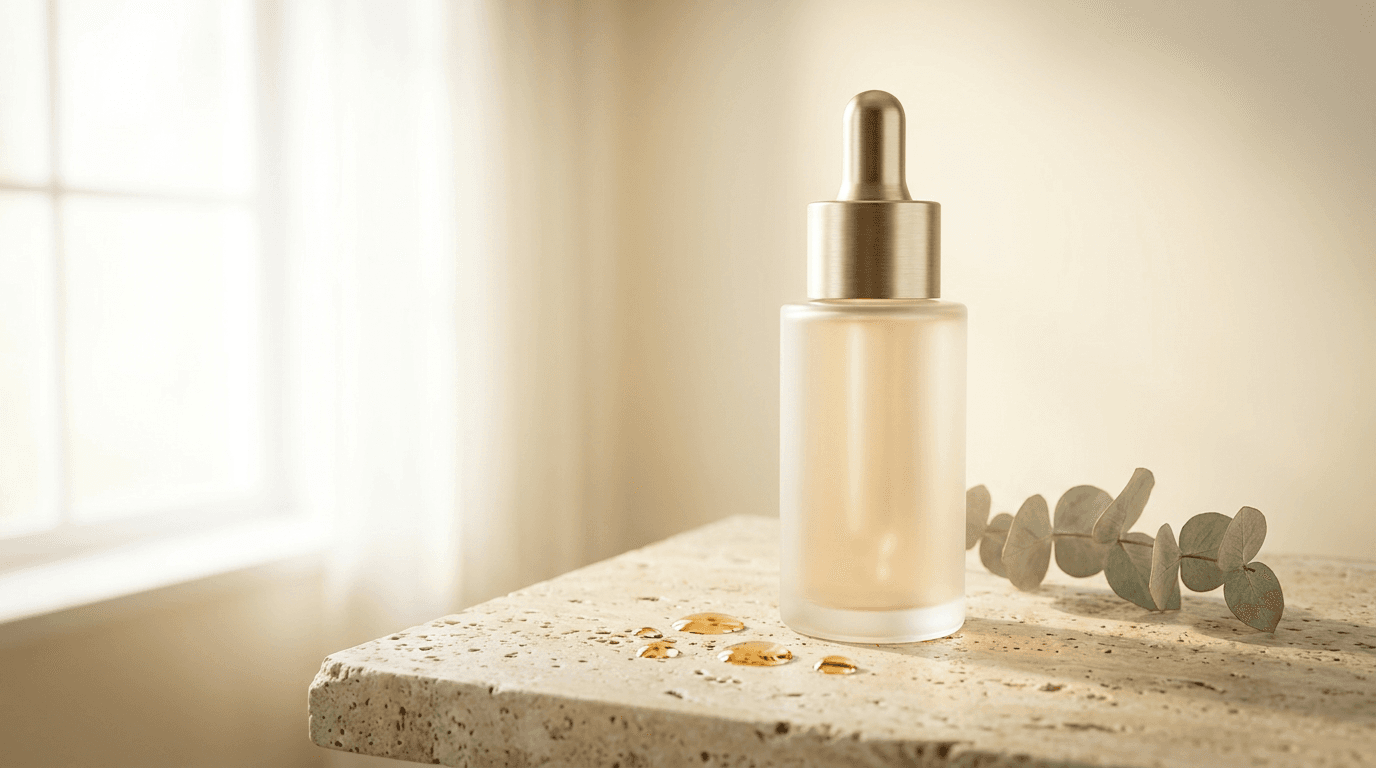
The hero product shot is the most essential image in any beauty brand's visual library. It is the image that appears on the homepage, the product page, the social media profile, and the advertising creative. This template places the product on a natural textured stone surface that communicates premium quality and grounded, clean beauty aesthetics, which is the dominant visual trend in skincare marketing in 2026.
Prompt:
full product photograph of a minimalist frosted glass skincare serum bottle with a gold dropper cap, placed on a smooth light travertine stone slab with natural veining and subtle warm texture, a few small drops of golden serum are scattered on the stone surface near the base of the bottle catching the light, soft diffused natural window light from camera left wrapping gently around the bottle creating a soft luminous glow on the frosted glass and a clean highlight on the gold cap, a single sprig of dried eucalyptus resting beside the bottle adding a subtle botanical accent, the background is a soft warm cream gradient that fades to slightly darker at the edges creating natural vignette, the stone surface texture is clearly visible adding tactile richness, warm golden cream and soft sage green color palette, the mood is calm luxurious and quietly elevated, editorial beauty product photography with soft natural light and premium styling, sharp focus on the bottle with the background gently softened, no text, no logos, no visible brand names
Best for: Website hero images, product page main photos, Instagram feed hero posts, advertising creative, brand pitch decks, wholesale presentation materials
Template 2: Ingredient Storytelling Flat Lay
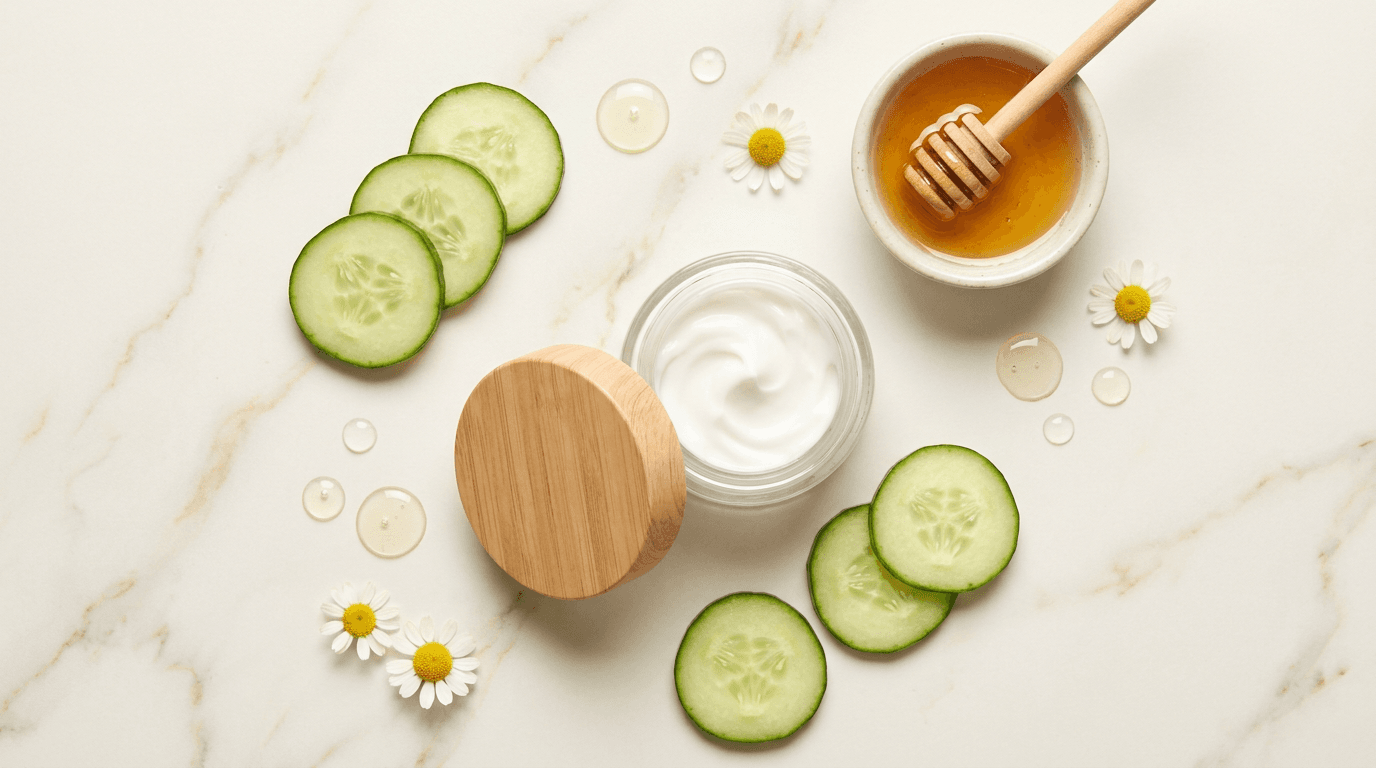
The ingredient flat lay surrounds the product with its key ingredients, creating a visual narrative about what the formula contains and why it works. This image type is one of the most effective in beauty marketing because it simultaneously shows the product and educates the viewer about its composition. It performs exceptionally well on Pinterest and Instagram, where beauty audiences actively seek ingredient transparency.
Prompt:
perfectly overhead flat lay photograph of a skincare moisturizer jar with its lid placed beside it showing the rich cream texture inside, arranged on a clean warm white marble surface, surrounded by its key ingredients artfully scattered around it including thin slices of fresh cucumber, a small dish of raw honey with a wooden dipper, a few chamomile flowers, and several drops of clear oil catching the light, all ingredients are arranged in a balanced organic composition that feels abundant but not cluttered with intentional spacing between elements, large soft overhead diffused lighting creating even gentle illumination with delicate soft shadows beneath each element, the cream texture inside the open jar is clearly visible showing its rich smooth consistency, the marble surface shows subtle natural veining, fresh green white gold and warm cream color palette, the mood is fresh clean natural and nourishing, editorial beauty flat lay photography with bright clean exposure, sharp focus across all elements, no text, no logos, no brand names
Best for: Instagram carousel educational posts, Pinterest product pins, ingredient spotlight content, email marketing visuals, blog header images, Etsy listing photos for handmade skincare sellers
Template 3: Serum Texture Swatch Close-Up
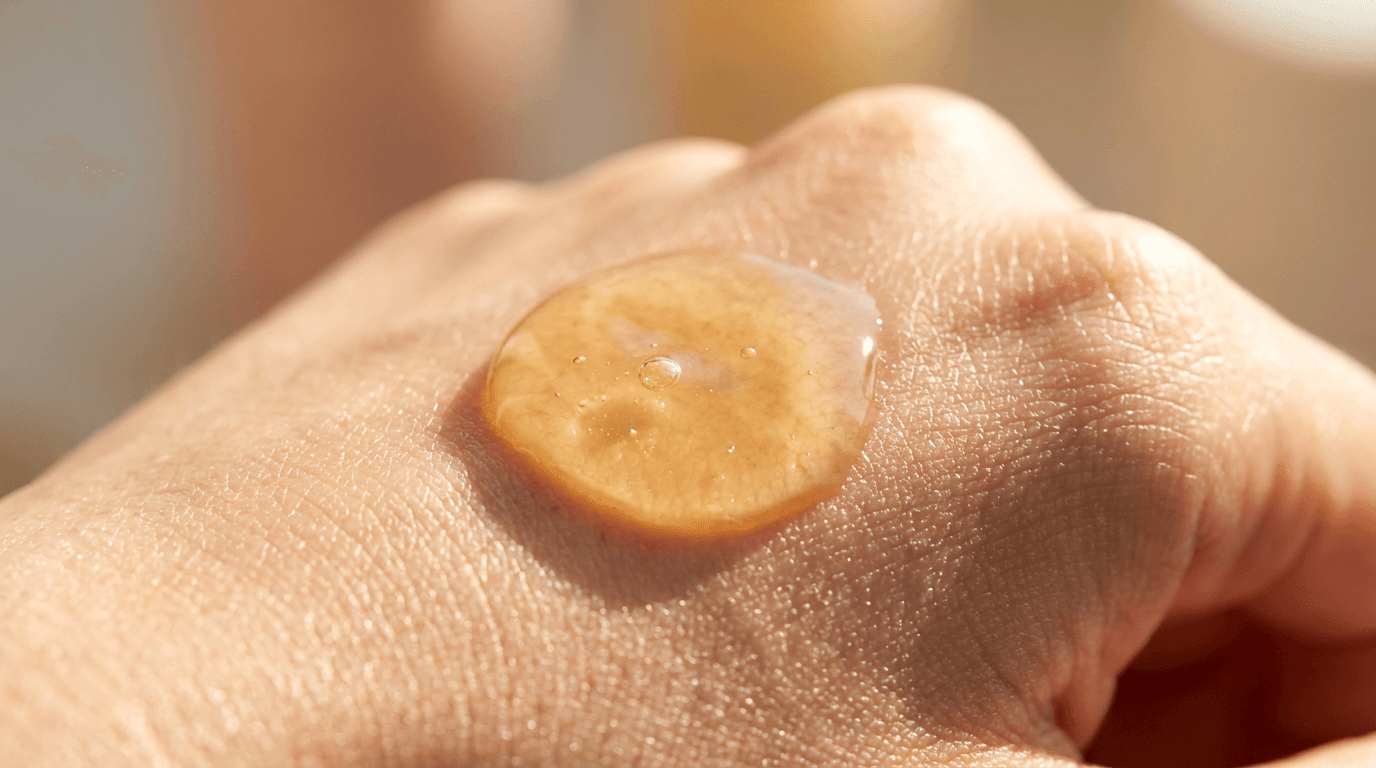
Texture content is one of the highest-performing image types in beauty social media because it answers the question every skincare buyer has before purchasing: what does this actually feel like? This template produces a detailed close-up of product texture on skin, creating the tactile intimacy that drives engagement and purchase confidence.
Prompt:
extreme close-up macro photograph of a translucent golden serum texture swatched on the back of a hand, the serum forms a small glistening pool with visible viscosity and a few tiny air bubbles catching the light, the skin surface is smooth and naturally hydrated with realistic pore texture visible, soft warm directional light from camera right creating a luminous glow through the translucent serum and subtle highlights across the skin surface, the serum's golden color is rich but transparent showing the skin beneath, the background beyond the hand falls into a smooth soft warm bokeh, shallow depth of field with sharpest focus on the serum swatch and immediate skin area, warm gold and natural skin tone color palette with soft warm highlights, the mood is intimate sensory and luxurious, editorial beauty texture photography with macro detail, photorealistic skin rendering, no text, no logos
Best for: Instagram Reels covers, TikTok content imagery, product page texture detail shots, social media educational content, Instagram Reels cover templates, beauty blog visuals
Template 4: Morning Routine Shelfie Arrangement
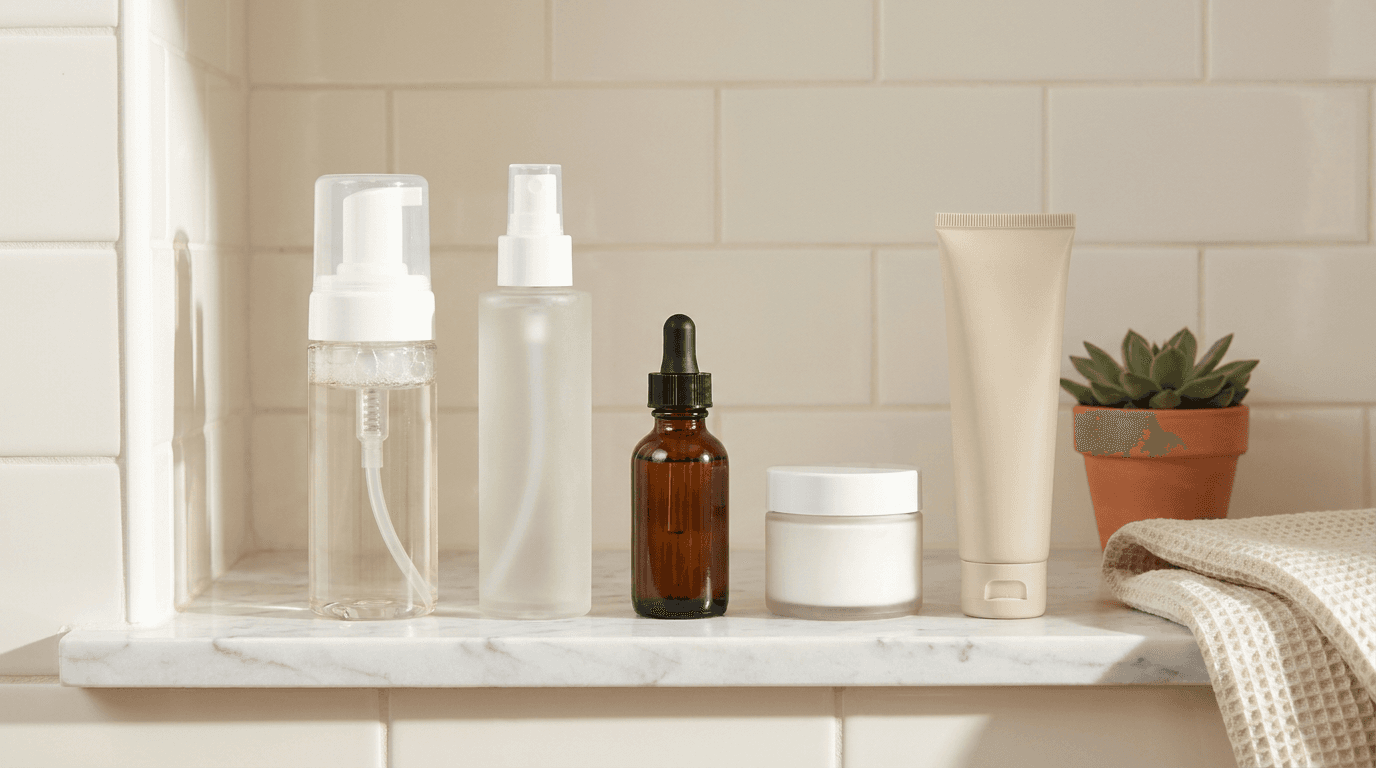
The shelfie, a styled photograph of products arranged on a bathroom shelf or vanity, is one of the most relatable and aspirational image formats in beauty content. It shows products in their natural habitat, communicating how they fit into a real routine while still maintaining the editorial quality that makes the image worth stopping for.
Prompt:
editorial photograph of a curated skincare routine arrangement on a clean white marble bathroom shelf against a soft warm white tiled wall, five skincare products arranged in order of application from left to right including a gentle foaming cleanser in a clear bottle, a hydrating toner in a slim frosted bottle, a vitamin C serum in a dark amber dropper bottle, a lightweight moisturizer in a clean white jar, and a mineral sunscreen in a soft matte tube, each product is slightly different in height creating a natural visual rhythm, soft warm morning light entering from camera left suggesting a bathroom window creating gentle highlights on the glass and subtle soft shadows, a small potted succulent and a folded cream linen hand towel sit at the right edge of the shelf as styling accents, clean white warm cream amber and soft green color palette, the mood is organized calming and intentionally curated, editorial beauty shelfie photography with natural morning light, sharp focus across all products with the background tiles slightly softened, no text, no logos, no visible brand names on any product
Best for: Instagram feed posts, Pinterest skincare routine boards, website lifestyle imagery, blog featured images, email campaign headers, social media "routine" content series
Template 5: Luxurious Cream Texture Pour
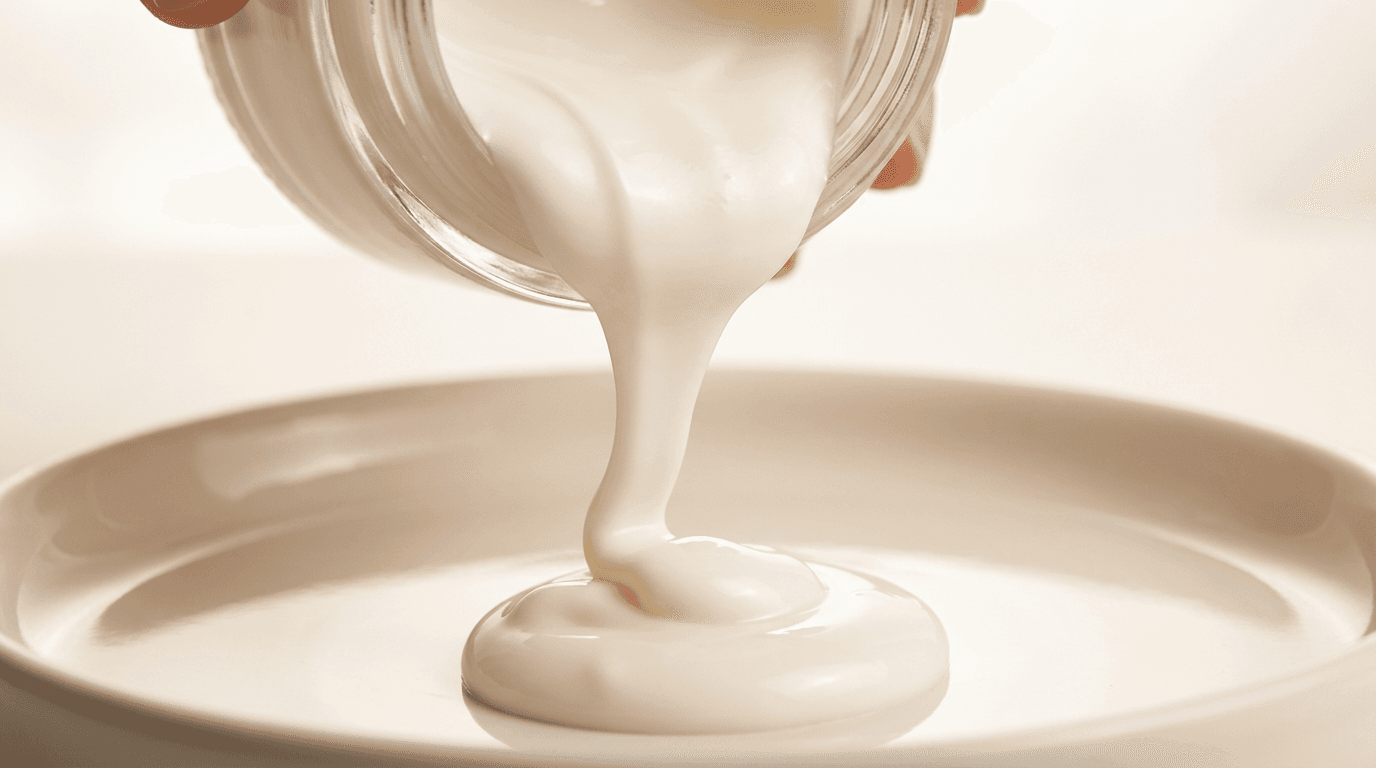
Motion-suggestive imagery, capturing a product mid-pour, mid-drip, or mid-application, creates visual energy and sensory engagement that static product shots cannot match. This template produces a cream texture in the moment of being poured or dispensed, communicating richness, abundance, and luxurious consistency.
Prompt:
close-up product photograph capturing the moment a thick luxurious white face cream is being poured from a tilted glass jar, the cream forms a smooth flowing ribbon that curves elegantly downward with visible weight and rich consistency, the surface of the flowing cream shows a satin-smooth texture with soft light reflecting off the curves, a small pool of cream is forming on a smooth pale ceramic surface below, soft diffused studio lighting from above and slightly behind creating a luminous glow through the edges of the cream flow and clean highlights along its surface, the glass jar is partially visible at the top of the frame tilted at a natural pouring angle, the background is a clean soft warm white with subtle gradient, white cream and warm ceramic tone color palette with soft luminous highlights, the mood is indulgent rich and sensory, editorial beauty texture photography capturing motion and luxury, sharp focus on the flowing cream with gentle softness at the edges of the frame, no text, no logos
Best for: Product page hero imagery, social media attention-grabbing content, advertising creative, brand launch visuals, texture-focused marketing materials, beauty editorial features
Template 6: Botanical Garden Product Environment
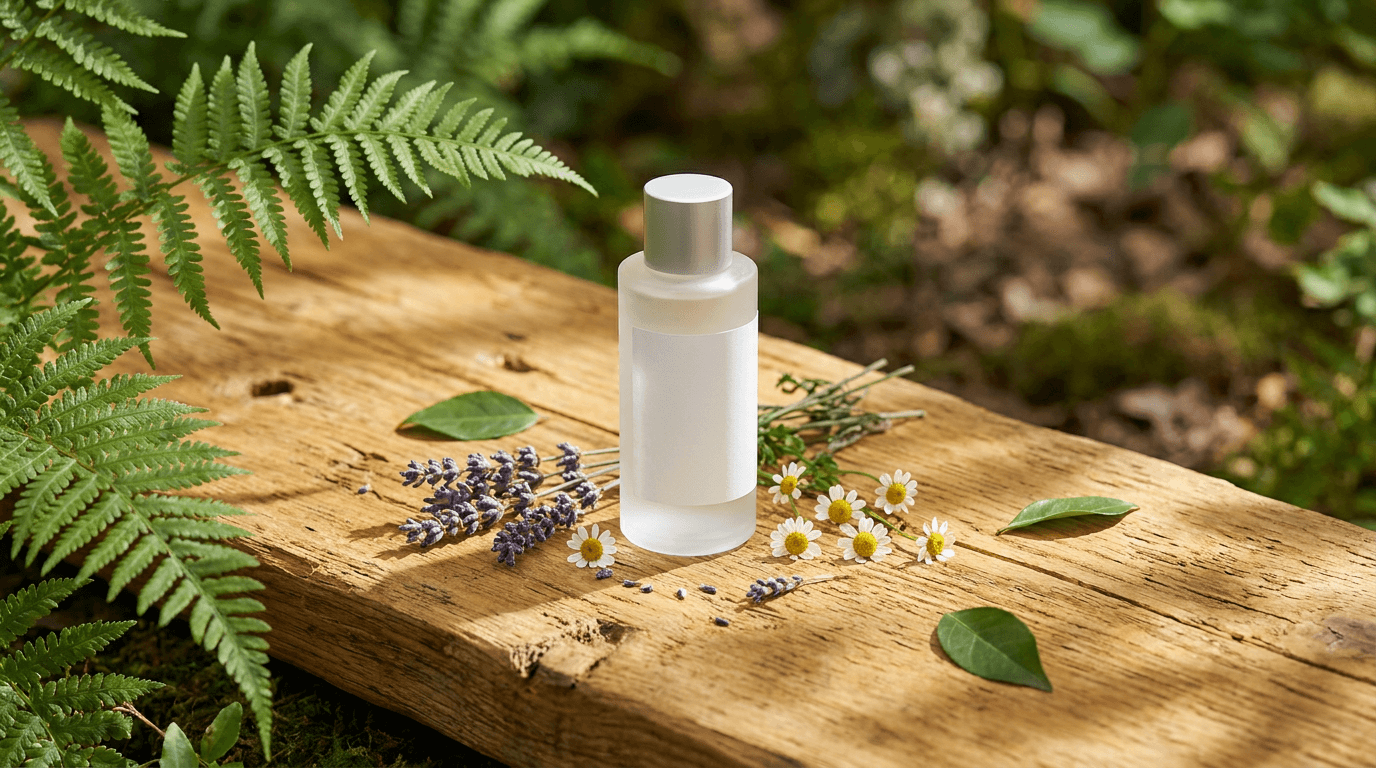
Placing beauty products in lush botanical settings communicates the natural, plant-derived, and organic qualities that a growing segment of the skincare market prioritizes. This template creates a garden-like environment that surrounds the product with living greenery, fresh petals, and natural light, telling a story of purity and botanical science.
Prompt:
editorial product photograph of a skincare bottle placed on a rough-hewn natural wood surface surrounded by lush fresh greenery and botanical elements, the bottle is a clean frosted glass container with a minimalist white label area and silver cap, fresh green fern fronds frame the left side of the composition, scattered lavender sprigs and small white wildflowers surround the base of the bottle, a few fresh green leaves rest on the wood surface near the product, soft dappled natural sunlight filtering through unseen overhead foliage creating gentle light and shadow patterns across the scene, the wood surface shows natural grain and warm honey tones, the greenery is vibrant and fresh with visible leaf texture and natural imperfections, lush green warm wood tone white and soft purple color palette, the mood is fresh alive natural and grounded in botanical authenticity, editorial botanical beauty photography with natural dappled light, the product is the clear focal point with botanicals supporting the narrative, no text, no logos, no brand names
Best for: Clean beauty and natural skincare brands, organic product lines, Instagram and Pinterest botanical content, Facebook ad creative, website brand story sections, seasonal spring and summer campaigns
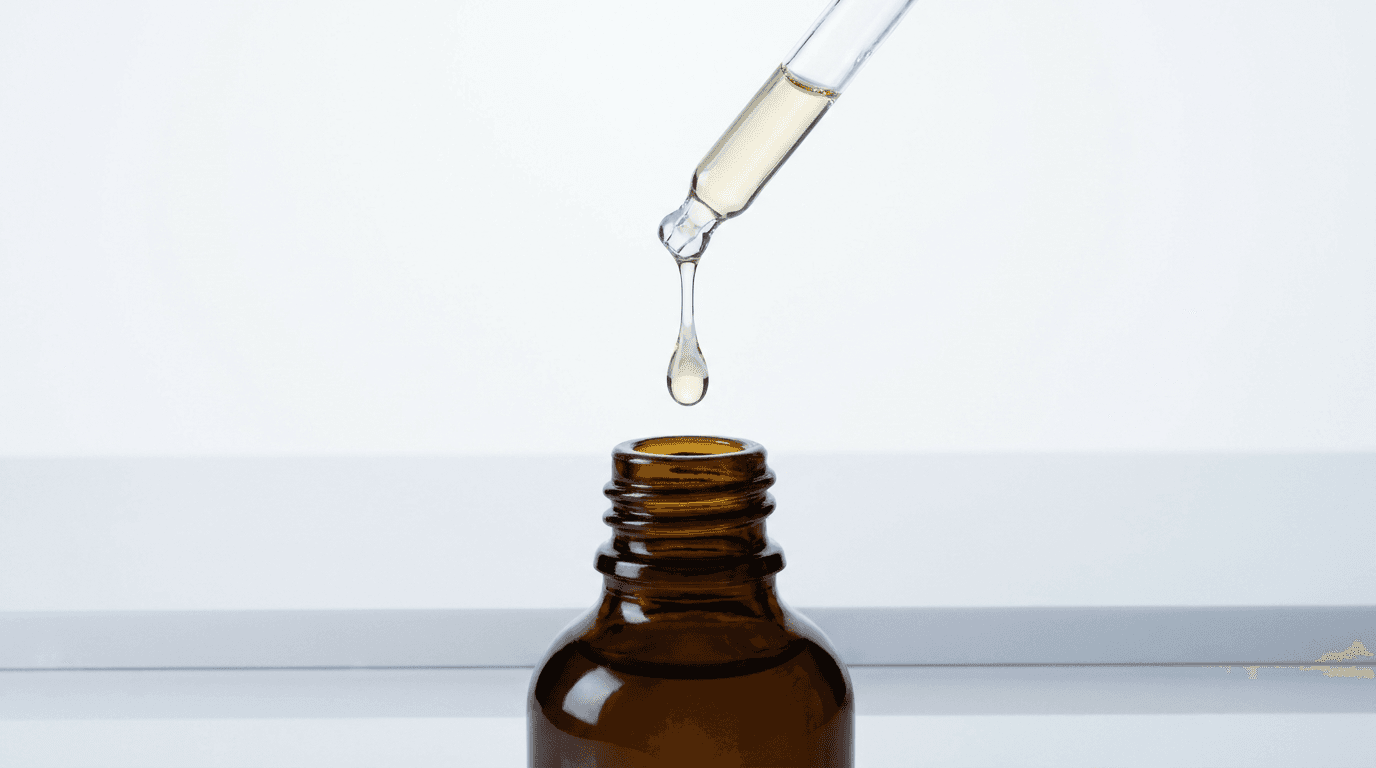
Template 7: Clinical Precision Dropper Shot
For brands positioned around active ingredients, clinical efficacy, and dermatological science, the visual language shifts from warm and botanical to clean, precise, and controlled. This template produces a clinical-style dropper shot that communicates scientific precision and formula potency, the visual equivalent of a lab-tested claim.
Prompt:
close-up product photograph of a glass pipette dropper releasing a single precise drop of clear pale golden serum, the drop is captured mid-fall creating a perfect elongated shape between the dropper tip and the bottle opening below, the serum inside the dropper is visible showing its clarity and pale golden tone, the dark amber glass bottle sits on a clean matte white surface with precise placement, the lighting is cool and clinical with a large soft overhead light creating clean even illumination and controlled reflections on the glass surfaces, a subtle reflection of the bottle is visible on the glossy white surface, the background is pure clean white with no distracting elements, cool white amber gold and dark glass color palette with clinical precision, the mood is exact scientific and quietly authoritative, editorial clinical beauty photography with controlled studio lighting, sharp focus on the dropper and falling drop with the bottle slightly softer, no text, no logos, no brand names
Best for: Active ingredient serums, dermatological skincare brands, clinical beauty positioning, product page detail shots, science-focused social media content, ingredient education posts, medical spa marketing materials
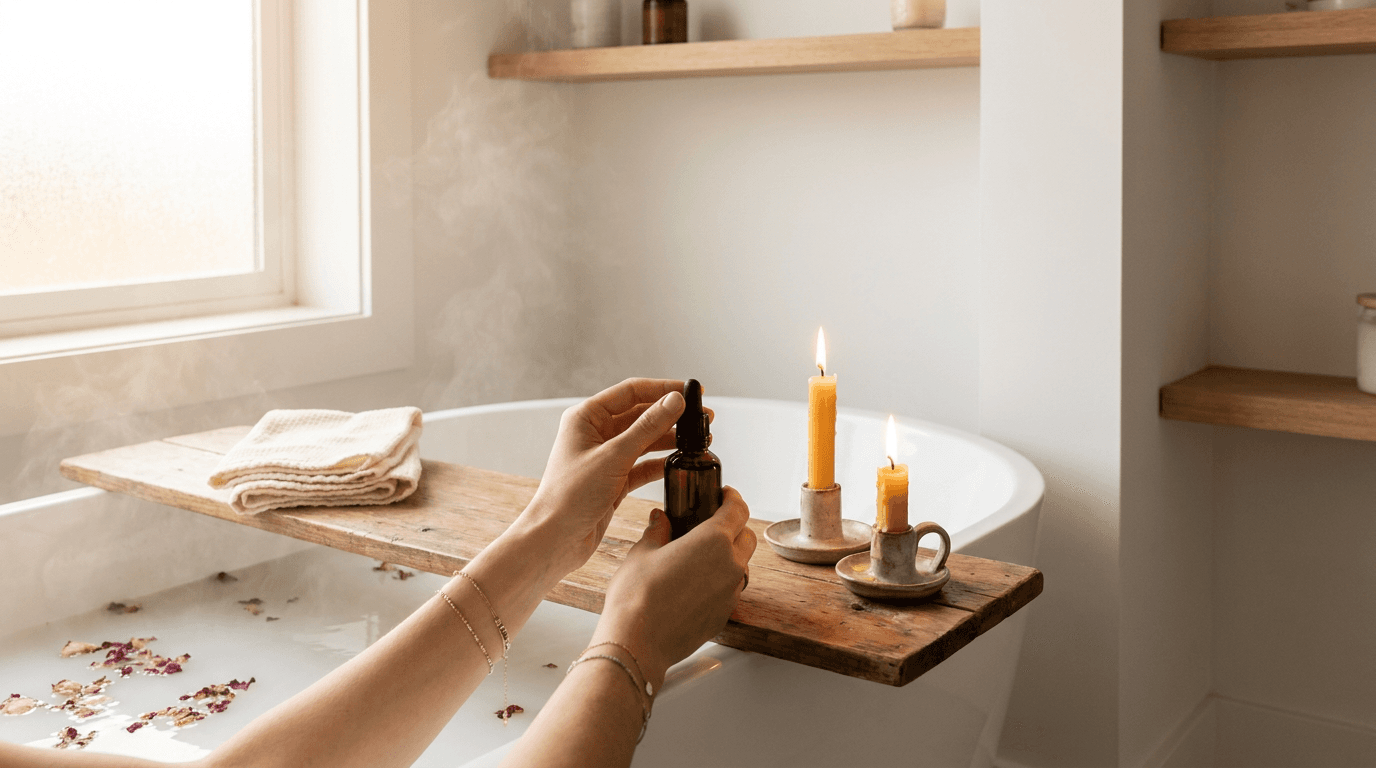
Template 8: Spa Ritual Lifestyle Scene
The spa lifestyle scene places the product within a self-care ritual context, selling not just the product but the entire experience surrounding it. This template produces imagery that communicates relaxation, indulgence, and intentional self-care, which are the emotional triggers that drive impulse purchases in the beauty category.
Prompt:
editorial lifestyle photograph of a serene spa-like bathroom scene, a person's hands visible from the wrists reaching for a facial oil bottle on the edge of a deep freestanding bathtub filled with milky warm water and a few scattered dried rose petals, two lit candles in simple ceramic holders sit on a wooden bath tray alongside a small stack of folded cream towels, soft warm ambient light from the candles mixed with gentle diffused natural light from an unseen window, steam is subtly visible rising from the warm water adding atmosphere, the bathroom features clean warm white walls and natural wood accents, the product bottle is a dark glass bottle with a dropper cap positioned as the focal point on the bath edge, warm cream blush wood tone and soft candlelight gold color palette, the mood is deeply relaxing ritualistic and indulgently self-caring, editorial beauty lifestyle photography with warm ambient lighting, the scene is composed to show both the product and the ritual context, no text, no logos, no visible brand names
Best for: Self-care focused social media content, Instagram mood posts, email campaign lifestyle imagery, brand storytelling content, website about page visuals, seasonal wellness campaigns, TikTok background aesthetics for beauty creators
Template 9: Before and After Glow Comparison
Before-and-after style imagery is one of the most conversion-effective visual formats in beauty marketing because it directly communicates results. This template produces a split-style composition showing a visual transformation from dull to glowing skin, with the product positioned as the catalyst. This is a stylized editorial interpretation rather than a clinical before-and-after, designed for aspirational marketing content.
Prompt:
editorial beauty photograph in a side-by-side split composition, the left third shows a softly lit close-up of skin with a slightly matte dull flat appearance in cool muted tones, the right two-thirds shows the same angle of radiant luminous healthy-looking skin with a dewy glow warm undertone and visible hydration, a skincare serum bottle is positioned at the center dividing line between the two sides as the transitional element, the serum bottle is an elegant glass container with a metallic cap, the lighting on the left side is flat and slightly cool to emphasize the dull quality, the lighting on the right side is warm and directional with a soft glow creating the luminous effect, both sides show realistic skin texture with natural pores visible, the background behind the product is a clean soft neutral gradient, cool muted tone transitioning to warm golden glow color palette from left to right, the mood is transformative hopeful and results-driven, editorial beauty comparison photography with intentional split lighting, sharp focus throughout, no text, no logos, no brand names
Best for: Results-focused advertising creative, social media conversion content, product page supporting imagery, email marketing for product launches, retargeting ad visuals, beauty brand pitch decks
Template 10: Dewy Skin Application Moment
Capturing the moment of product application creates an intimate, sensory connection between the viewer and the product experience. This template focuses on the application of a lightweight serum or moisturizer to the face, emphasizing the dewy, hydrated skin that beauty audiences aspire to.
Prompt:
close-up editorial beauty photograph of fingertips gently applying a thin layer of translucent lightweight moisturizer to a cheekbone, the skin is naturally healthy with a soft dewy finish and realistic texture including natural pores and subtle skin tone variation, the product is visible as a thin sheer glistening layer where the fingertips have spread it across the upper cheek area, soft warm diffused beauty lighting from the front and slightly above creating a luminous glow on the dewy skin surface with subtle catch lights, the fingertips show natural well-groomed nails and clean skin, only the cheek jawline and fingertips are visible in this tightly cropped composition, the background is a smooth soft warm tone that complements the skin, warm natural skin tone and soft luminous highlight color palette, the mood is gentle caring and sensory, editorial beauty application photography with classic beauty lighting, shallow depth of field with sharpest focus on the application area, no text, no logos
Best for: Product page application imagery, Instagram and TikTok beauty content, social media educational tutorials, advertising creative for moisturizers and serums, email campaign visuals, website product feature sections
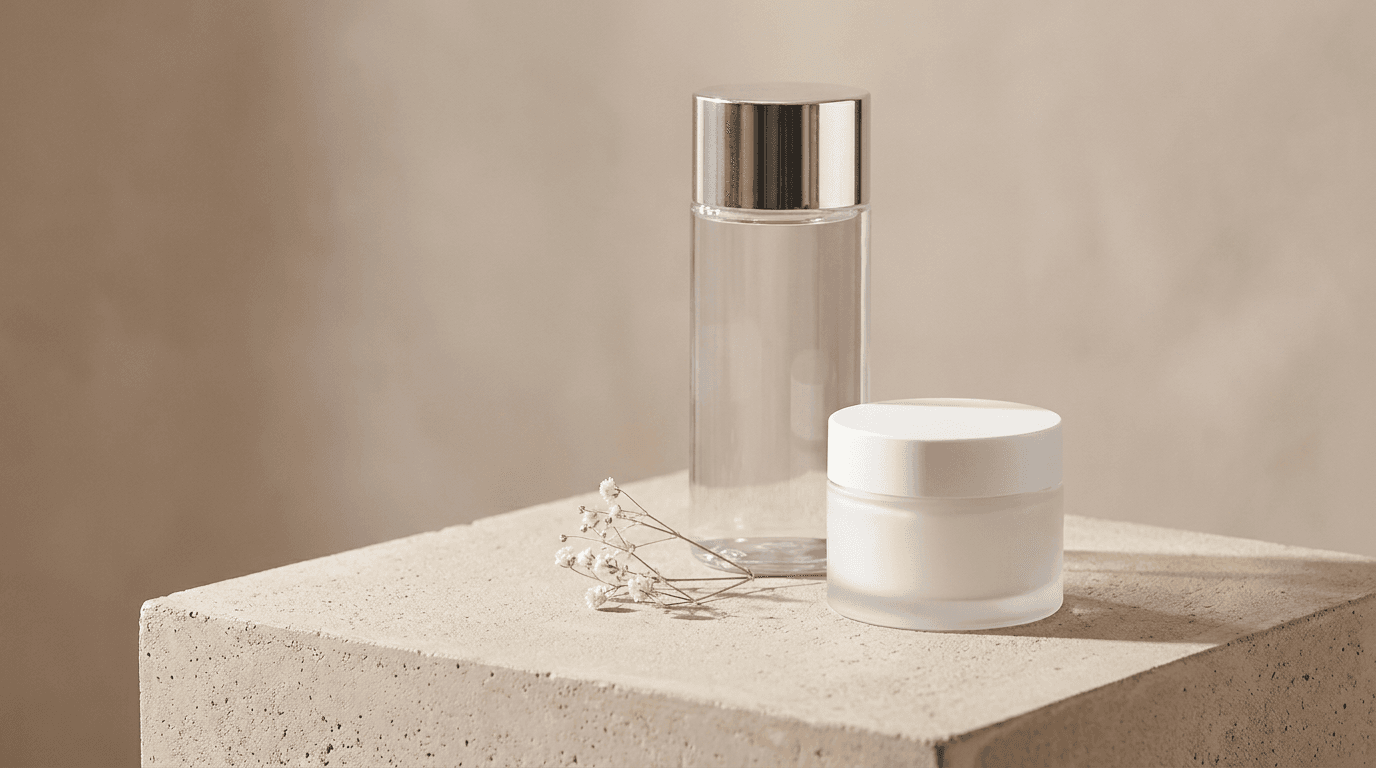
Template 11: Minimalist Duo Product Pairing
Showing two complementary products together communicates a routine, encourages bundled purchasing, and provides more visual interest than a single product alone. This template produces a clean, minimalist two-product composition that is versatile enough for any product pairing in a skincare line.
Prompt:
editorial product photograph of two complementary skincare products arranged together on a smooth light warm concrete surface, a tall slim toner bottle in clear glass with a silver cap positioned slightly behind and to the left, and a shorter wider moisturizer jar in frosted white glass with a matte white lid positioned in front and to the right, the two products overlap slightly in depth creating a natural compositional relationship, soft directional studio light from upper left creating gentle dimensional shadows on the right side of each product and subtle highlights on the glass surfaces, a thin shadow connects the two products on the concrete surface, the concrete shows subtle smooth texture with warm neutral tone, a single small dried flower rests on the surface between the products as a minimal styling accent, clean white silver warm concrete and soft neutral color palette, the mood is clean considered and quietly premium, editorial minimalist beauty product photography with precise studio lighting, sharp focus on both products with the background softly blurred, no text, no logos, no brand names
Best for: Product pairing promotions, routine bundle marketing, website collection pages, social media product launch posts, email cross-selling imagery, Amazon product images for skincare bundles
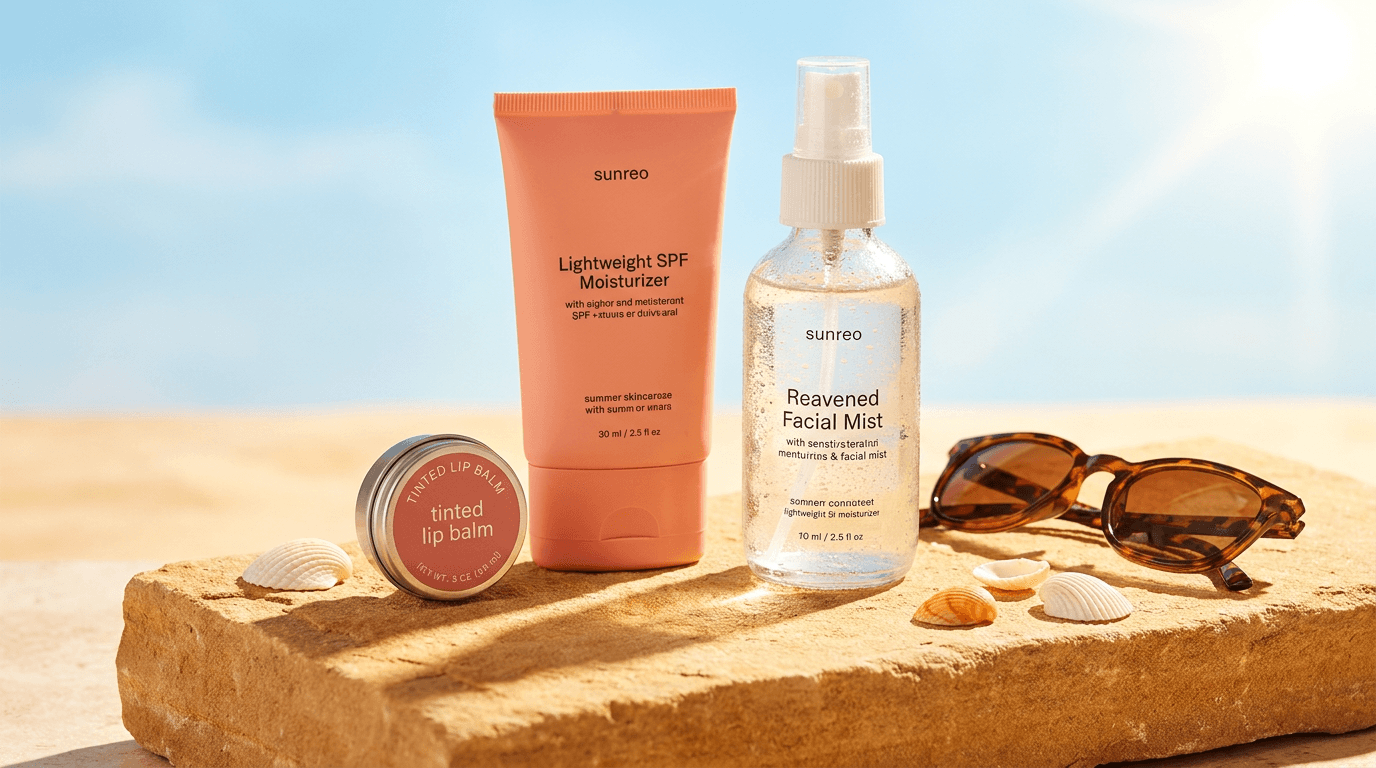
Template 12: Seasonal Summer Glow Collection
Seasonal imagery keeps a beauty brand's visual content feeling current and relevant throughout the year. This template produces a bright, warm, sun-drenched summer composition that communicates the lightweight, protective, and glow-enhancing products that dominate warm-weather skincare marketing.
Prompt:
bright editorial product photograph of a summer skincare collection arranged on a smooth warm sandstone surface in bright natural sunlight, three products grouped together including a lightweight SPF moisturizer in a soft coral-toned tube, a facial mist in a clear spray bottle with condensation droplets on the outside, and a tinted lip balm in a small round tin, a pair of stylish sunglasses and a few small seashells are placed nearby as summer styling accents, bright direct sunlight from upper right creating crisp clean shadows and warm highlights on the products, the sandstone surface is warm and naturally textured, a hint of soft blue sky is suggested in the background, bright warm coral gold sand tone and sky blue color palette, the mood is vibrant sun-kissed and effortlessly summery, editorial summer beauty photography with bright natural sunlight, sharp focus across all products, no text, no logos, no brand names
Best for: Summer collection launches, seasonal social media campaigns, warm-weather email marketing, Instagram seasonal content, Pinterest summer beauty boards, website seasonal banner imagery
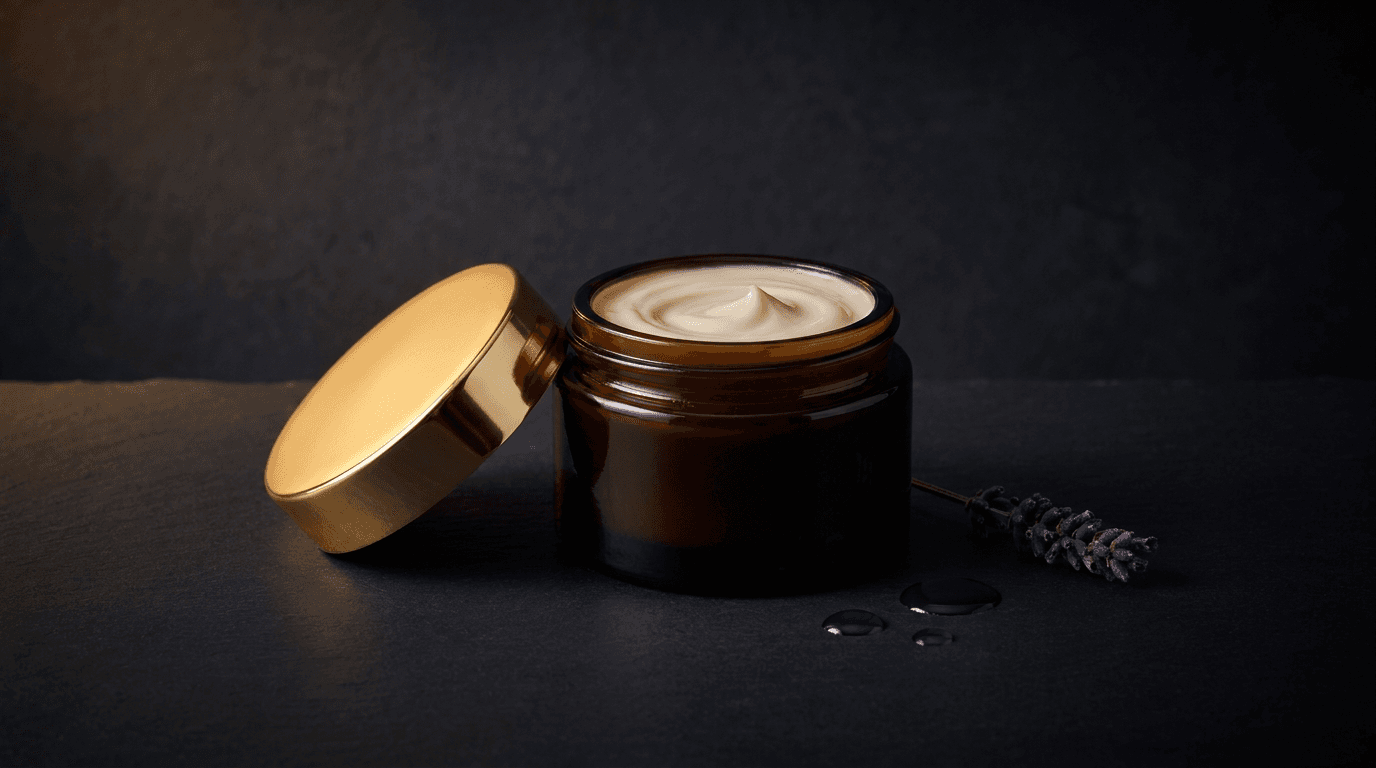
Template 13: Dark Luxury Night Cream Editorial
Nighttime skincare products, including night creams, overnight masks, retinol treatments, and recovery serums, benefit from a moodier, richer visual treatment that communicates indulgence, restoration, and luxury. This template produces a dark-toned editorial image with the kind of rich, atmospheric quality typically associated with premium beauty advertising.
Prompt:
editorial product photograph with a dark luxurious mood, a rich night cream in an elegant dark glass jar with a gold lid, placed on a smooth dark slate surface, the jar lid is removed and placed beside it revealing the thick velvety cream texture inside with a subtle swirl pattern on the surface, soft warm directional light from camera left creating a dramatic glow on the gold lid and gentle highlights across the dark glass surface, the background is deep charcoal with subtle warm undertones fading into darkness at the edges, a small sprig of dried lavender and a few drops of dark purple oil on the slate surface add color accent, the overall lighting is low-key and atmospheric with rich shadow depth and controlled warm highlights, deep charcoal gold dark purple and rich cream color palette, the mood is indulgent nocturnal restorative and deeply luxurious, editorial luxury beauty photography with dramatic low-key lighting, sharp focus on the open jar and cream texture, no text, no logos, no brand names
Best for: Premium night cream and treatment product marketing, luxury skincare brand imagery, Instagram evening and night content themes, email campaign for PM routine products, website product page hero images, advertising creative for premium positioning
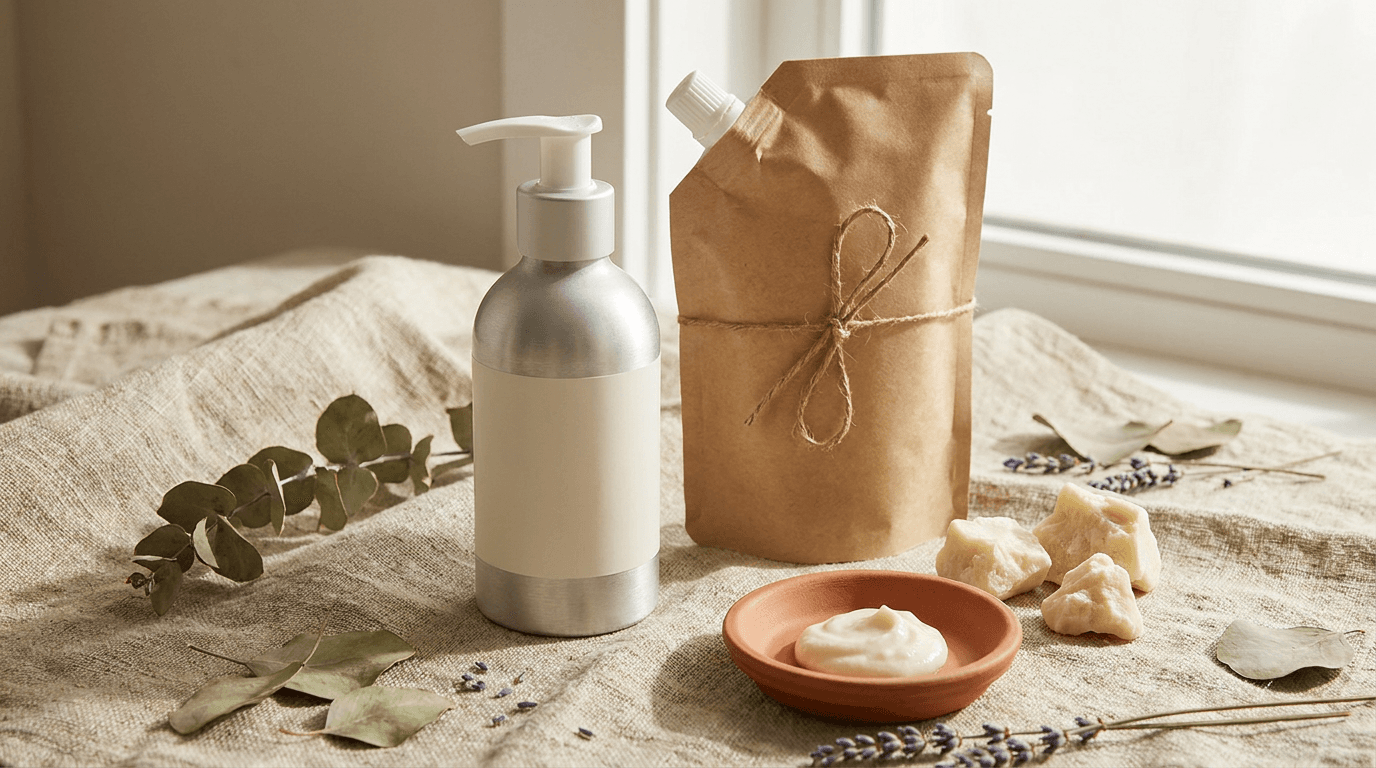
Template 14: Clean Beauty Refill and Sustainability Shot
Sustainability is a core purchasing driver for a significant and growing segment of beauty consumers. This template produces a visual that communicates the eco-conscious, refillable, minimal-waste values that clean beauty brands build their identity around, using natural materials and earth-toned aesthetics.
Prompt:
editorial product photograph emphasizing sustainability and clean beauty, a refillable skincare pump bottle in matte recycled aluminum alongside its paper-wrapped refill pouch, both placed on a rough natural linen cloth surface, a small terracotta dish holds a sample of the cream product showing its natural off-white texture, a few raw shea butter pieces and dried botanical leaves are scattered naturally on the linen surface, soft warm natural light from a nearby window creating gentle shadows and a warm honest atmosphere, the linen cloth shows its natural woven texture with subtle wrinkles, the aluminum bottle has a clean matte finish catching soft highlights, earth tone color palette of warm linen natural off-white soft terracotta and muted green, the mood is honest grounded earth-conscious and thoughtfully minimal, editorial sustainable beauty photography with warm natural styling, sharp focus on the products with supporting elements slightly softer, no text, no logos, no brand names
Best for: Clean beauty and sustainable skincare brands, eco-conscious product launches, values-driven social media content, brand story pages, Pinterest sustainability boards, Earth Day and seasonal eco-focused campaigns
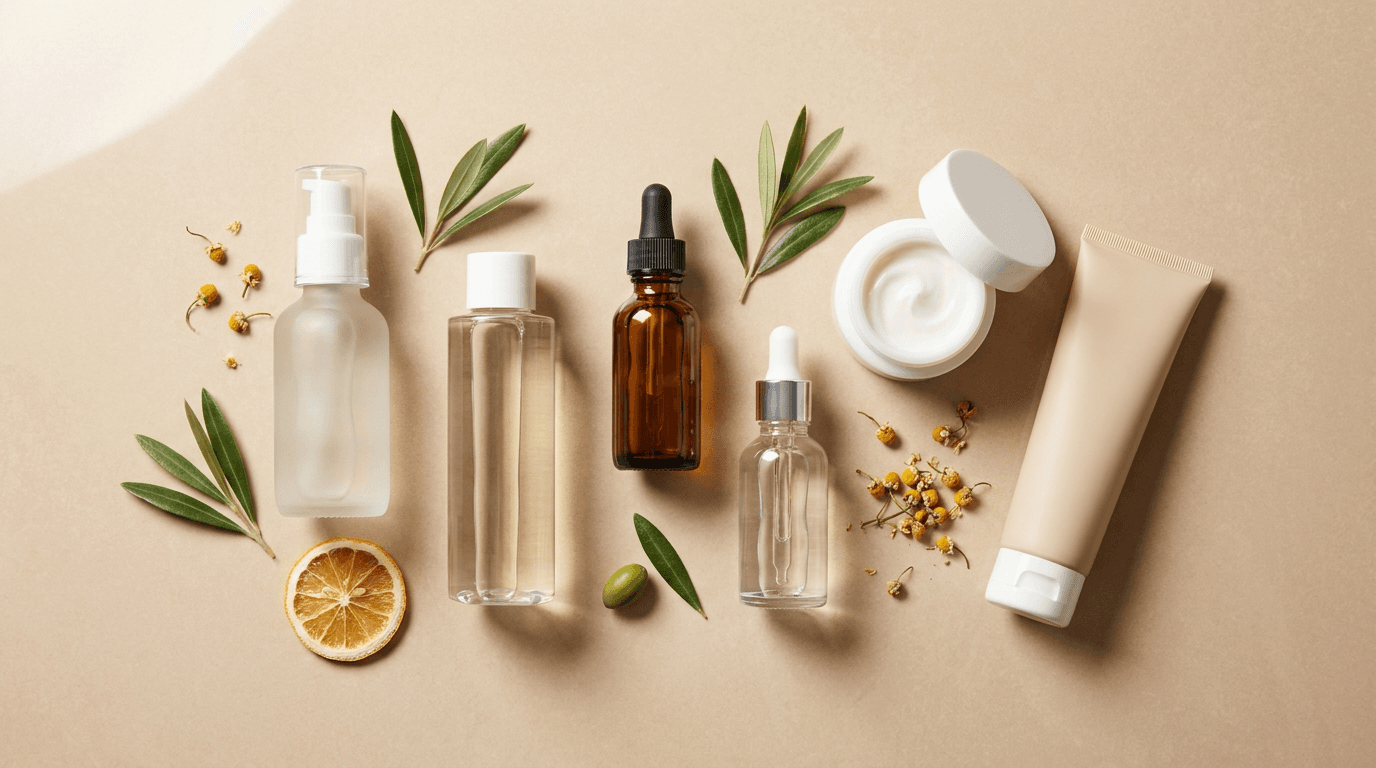
Template 15: Multi-Product Collection Hero Spread
The collection hero image showcases an entire product line in a single, cohesive composition. It is the visual anchor of a brand's marketing, used for website hero banners, campaign launches, social media announcements, and wholesale presentations. This template produces a polished, editorially styled multi-product arrangement that communicates a complete skincare ecosystem.
Prompt:
editorial overhead flat lay photograph of a complete skincare collection of six products arranged in a balanced organic composition on a smooth light warm stone surface, the products include a cleanser in a frosted pump bottle, a toner in a slim clear bottle, two serums in amber and clear glass dropper bottles, a moisturizer in a white porcelain-style jar with its lid beside it showing the cream inside, and a sunscreen in a soft squeeze tube, each product varies in height shape and material creating visual diversity within a cohesive brand aesthetic, small fresh botanical accents including a few green leaves a slice of lemon and scattered chamomile flowers fill the spaces between products without crowding, large soft overhead studio light providing clean even illumination with delicate shadows beneath each product, the stone surface has a smooth warm natural texture, warm neutral green amber and clean white color palette unifying the composition, the mood is complete curated professional and brand-defining, editorial beauty collection photography with bright clean exposure, sharp focus across all products, generous compositional space around the edges for text placement, no text, no logos, no brand names
Best for: Collection launch announcements, website homepage hero banners, wholesale and retail presentation decks, brand overview social media posts, press kit imagery, email campaign headers for full-line promotions, advertising creative
How to Customize These Prompts for Your Specific Brand
The 15 templates above cover the core visual formats that skincare and beauty brands need, but the images that perform best are the ones that feel unmistakably yours. Here are the four customization dimensions that transform a strong generic beauty image into branded content.
Replace generic product descriptions with your actual products. Every prompt describes a product type (serum, moisturizer, cleanser) with specific packaging materials and colors. Replace those descriptions with the exact packaging of your real products. If your hero serum comes in a matte pink aluminum bottle with a bamboo cap, write that into the prompt. The specificity of the packaging description directly controls how closely the generated image will resemble your actual product. Include the bottle shape, material, finish (matte, glossy, frosted), cap type, and any distinctive design elements.
Align the ingredient styling with your actual formulations. The botanical and ingredient elements in several templates should reflect what your products actually contain. If your moisturizer features hyaluronic acid and niacinamide rather than cucumber and honey, adjust the supporting elements accordingly, or use abstract clean elements like water droplets and glass textures instead of specific botanicals that do not match your formulation. Ingredient authenticity matters because knowledgeable beauty consumers will notice if the visual storytelling does not match the ingredient list.
Lock your brand color palette into every prompt. Visual consistency across all touchpoints is what builds brand recognition over time. Before generating any images, define your brand's three to five core colors including the dominant tone (warm, cool, neutral), the accent colors, and the background tones. Embed these same color descriptions into every prompt you generate. A clean beauty brand might use warm linen, sage green, and natural cream across all imagery. A clinical brand might use cool white, steel gray, and precise blue. A luxury brand might use deep charcoal, gold, and rich cream. Consistency is how a collection of images becomes a brand identity.
Match the lighting mood to your market positioning. The lighting in beauty photography is the most powerful positioning signal. Warm, soft, golden light positions a brand as nurturing, natural, and indulgent. Cool, even, clinical light positions a brand as scientific, precise, and efficacy-focused. Bright, high-key light positions a brand as fresh, accessible, and youthful. Choose the lighting style that matches your market positioning and maintain it across your entire visual library.
For localized edits to specific areas of a generated image, such as adjusting a product color, modifying a background element, or refining a texture detail without regenerating the full composition, the Image Inpainting tool inside Miraflow allows precise regional editing.
Platform-Specific Deployment Strategy for Beauty Brand Visuals
Generating beautiful images is the first step. Deploying them strategically across platforms where beauty audiences spend their time and money is what converts visual quality into commercial results.
Instagram remains the primary discovery and conversion platform for beauty brands. Feed posts at 4:5 aspect ratio maximize visual impact in the scroll. The texture swatch (Template 3), ingredient flat lay (Template 2), and application moment (Template 10) are the highest-engagement formats because they provide sensory and educational value that beauty audiences actively seek. Stories and Reels covers at 9:16 benefit from the more atmospheric templates like the spa ritual (Template 8) and dark luxury (Template 13). Consistency in your grid aesthetic is essential because beauty consumers frequently browse a brand's full profile before following or purchasing. For additional Instagram content strategies that complement these beauty-specific templates, that dedicated guide covers broader format options.
Pinterest drives high-intent discovery for skincare and beauty. Pinterest users are actively planning purchases, routines, and self-care rituals, which makes the platform extraordinarily valuable for beauty brands. Vertical images at 2:3 or 9:16 dramatically outperform other formats. The routine shelfie (Template 4), ingredient flat lay (Template 2), and collection spread (Template 15) perform particularly well on Pinterest because they provide complete, saveable reference content that users pin for future purchase decisions.
TikTok and YouTube Shorts demand attention-grabbing frames. For short-form video platforms, the texture close-up (Template 3), cream pour (Template 5), and application moment (Template 10) make excellent opening frames and thumbnail images because they create immediate sensory curiosity. If you are creating video content for these platforms, the Text2Shorts tool can generate complete short-form videos from topic descriptions, and the AI Clipping tool can extract the most engaging moments from longer beauty content into vertical clips with automatic captions. For YouTube specifically, the YouTube Thumbnail Maker can produce thumbnails that match your beauty brand's visual identity.
Website and e-commerce deployment. Your website product pages need multiple image types per product: the hero shot (Template 1) as the main image, the texture close-up (Template 3) for sensory detail, the ingredient scene (Template 2 or 6) for storytelling, and the lifestyle context (Template 8) for emotional connection. Website hero banners and collection pages benefit from the wider 16:9 compositions generated from the collection spread (Template 15) and seasonal (Template 12) templates.
Email marketing. Beauty email campaigns have some of the highest engagement rates in e-commerce when the visual content is compelling. Use the hero product shot (Template 1) and duo pairing (Template 11) as email header images for product launches and promotions. The before-and-after glow (Template 9) is particularly effective for re-engagement and conversion-focused email sequences because it communicates results at a glance.
Common Mistakes in Skincare and Beauty Product Photography Prompts
Knowing what to avoid saves significant time and ensures your generated beauty imagery meets the quality standard the category demands.
Overloading the scene with too many props. The most common mistake in beauty product composition is surrounding the product with so many flowers, ingredients, fabrics, and accessories that the product itself disappears. Every prop in the scene should serve a clear purpose: communicating an ingredient, establishing a mood, or providing textural contrast. If a prop does not serve one of those functions, remove it. The product is always the hero of a beauty brand image.
Using hard, uncontrolled lighting. Harsh directional light creates sharp shadows, blown-out hotspots on glass and metallic surfaces, and an overall aggressive quality that contradicts the gentle, caring energy beauty consumers expect. Unless you are deliberately creating a dramatic editorial effect for luxury positioning, default to soft, diffused lighting described specifically in your prompts. Words like "soft diffused light," "gentle wrapping illumination," and "controlled highlights without harsh reflections" make a significant difference in output quality.
Ignoring the surface the product sits on. The surface beneath and behind a beauty product communicates as much about brand quality as the product packaging itself. A beautiful serum bottle on a cheap-looking surface undermines the entire image. Invest prompt language in describing the surface material, its texture, its color, and how it interacts with the light. Natural stone, marble, linen, wood, ceramic, and concrete each communicate different brand personalities and quality levels.
Inconsistent styling across the product line. If your cleanser is photographed in warm botanical styling, your serum in cool clinical styling, and your moisturizer in dark luxury styling, the product line looks like it comes from three different brands. Before generating a full set of images, decide on a cohesive styling approach and apply it consistently. You can vary the specific compositions and close-up details while maintaining the same lighting quality, color temperature, surface materials, and overall mood.
Neglecting fabric and texture realism. Beauty audiences are highly attuned to material quality. If the glass in the image does not look like real glass, or the cream does not look like an actual emulsion, or the botanical elements look plasticky and artificial, the entire image loses credibility. Include material-specific descriptions in your prompts: "frosted glass with soft light diffusion," "thick cream with visible richness and satin surface," "fresh green leaves with natural veining and slight imperfections." Realism in texture rendering is non-negotiable in beauty content. If a generated image has areas where texture rendering falls short, the Image Inpainting tool can target and refine specific regions.
Generating only product-on-white images. While clean white-background product shots have their place, an entire visual library of products on white reads as catalog photography rather than brand content. The beauty brands that build the strongest visual identities use a mix of styled product shots, texture details, lifestyle scenes, ingredient narratives, and editorial compositions. Use the full range of templates in this post to create a visual library that tells a complete brand story.
Building a Complete Beauty Content Pipeline with AI
Beauty brand marketing in 2026 requires more than static imagery. The most successful brands produce a continuous stream of visual content across images, short-form video, long-form video, audio, and interactive formats. The prompts in this post handle the static imagery foundation, but that foundation supports a much broader content ecosystem.
From static to motion. The same visual concepts that work as still images can be extended into motion content. A cream pour image (Template 5) becomes even more compelling as a two-second video clip showing the actual flowing motion. A texture swatch (Template 3) becomes a satisfying short when the application is shown in real time. The Cinematic Video Generator inside Miraflow can produce beauty-focused video clips from text descriptions that match the visual style of your static lookbook imagery.
Short-form video content at scale. Skincare routines, ingredient breakdowns, product comparisons, and application tutorials are among the most-watched content formats on TikTok, Instagram Reels, and YouTube Shorts. The Text2Shorts tool can transform these topics into complete short-form videos with generated scripts, visuals, and voiceover. Combined with your AI-generated product imagery, this creates a complete visual content pipeline where every piece, still and motion, shares a cohesive brand aesthetic.
Audio branding. Beauty brands increasingly use ambient audio in their social content: soft music, nature sounds, and ASMR-style textures that reinforce the sensory experience of the products. The AI Music Generator can produce custom ambient tracks and background music that matches your brand's mood, ensuring your video content sounds as intentional as it looks.
Repurposing long-form content. If your brand produces longer beauty content such as YouTube tutorials, ingredient deep-dives, or routine videos, the AI Clipping tool can automatically identify and extract the most engaging moments into vertical shorts with captions, ready for distribution across TikTok, Reels, and Shorts.
Thumbnail consistency across platforms. For beauty brands with YouTube channels, maintaining visual consistency between your product imagery, social content, and video thumbnails strengthens brand recognition. The YouTube Thumbnail Maker can generate thumbnails that carry your brand's color palette and visual style, and the YouTube channel banner art guide covers how to extend that brand identity across your channel presence.
Emerging Visual Trends in Beauty Brand Marketing
Beauty visual content evolves quickly, and staying ahead of trends ensures your imagery feels current rather than dated. Several visual directions are gaining momentum in 2026.
Textured surfaces with organic imperfection. The hyper-clean, perfectly smooth surfaces that dominated beauty photography for years are giving way to surfaces with more character: rough stone, raw ceramic, handmade pottery, natural linen, and aged wood. These surfaces communicate authenticity and artisanal quality, which align with the broader consumer shift toward valuing realness over perfection. Several templates in this post already incorporate this direction, and you should lean into surface texture descriptions when customizing your prompts.
Ingredient transparency through visual storytelling. Consumers increasingly want to see and understand exactly what is in their skincare products. Visual content that deconstructs a formula into its visible components, showing the actual plant extracts, oils, minerals, and actives alongside the finished product, builds trust and educates simultaneously. The ingredient flat lay (Template 2) and botanical environment (Template 6) serve this trend directly.
Sensory and tactile imagery. Content that makes the viewer almost feel the texture, the temperature, the weight of a product performs significantly better than content that merely shows it. The texture swatch (Template 3), cream pour (Template 5), and application moment (Template 10) are all designed around sensory engagement, and this trend is only accelerating as platforms reward content that stops the scroll.
Dark and moody luxury aesthetics. While clean, bright imagery remains the dominant beauty aesthetic, an increasing number of premium brands are embracing darker, moodier visuals that communicate exclusivity and nighttime indulgence. The dark luxury template (Template 13) captures this direction, and it is particularly effective for premium anti-aging, retinol, and nighttime treatment products.
Sustainability as visual identity. Eco-conscious packaging, refill systems, and minimal-waste design are no longer footnotes in a brand's story. They are central to visual identity for brands targeting environmentally aware consumers. Template 14 addresses this directly, but the broader trend means that natural materials, earth tones, and visible sustainability cues should be woven into multiple image types across a beauty brand's visual library.
For more direction on visual trends and content strategies for product-based brands, the product photography prompts guide and the real-world-looking photo prompts collection offer additional templates that complement the beauty-specific approaches in this post.
How Miraflow AI Supports Your Beauty Brand Content Workflow
Every prompt in this post can be generated inside Miraflow AI. Open the AI Image Generator, paste your customized prompt, select the appropriate aspect ratio for your target platform, and generate. Multiple aspect ratio options including 1:1, 4:5, 9:16, 16:9, and 3:4 are available, covering every platform and format beauty brands need.
For images that need localized refinements, such as adjusting a product color, modifying a background tone, correcting a specific detail, or changing an ingredient element, the Image Inpainting tool allows targeted editing of specific image regions without regenerating the entire composition.
The recommended workflow for a product launch is to generate the complete image set in a single focused session. Start with the hero product shot, then generate supporting texture, ingredient, and lifestyle images for each product in the launch. Generate multiple variations of each prompt (three to five per template), select the strongest outputs, refine any details with inpainting, and export at the resolutions and aspect ratios required for each platform. Working in a batch ensures visual consistency across the full set and maximizes creative efficiency.
For beauty brands building a complete content ecosystem, Miraflow's suite extends the workflow beyond static imagery. The Cinematic Video Generator produces beauty video clips from text prompts. The Text2Shorts tool creates complete short-form videos for routines, tutorials, and product features. The AI Music Generator produces custom ambient tracks for video content. The AI Clipping tool repurposes long-form content into vertical shorts. Together, these tools allow a beauty brand to produce an entire season's visual content, from static product imagery to motion content to platform-specific video and audio, within a single integrated workflow.
FAQ
Can AI-generated images be used for skincare product advertising?
AI-generated images are widely used for beauty brand advertising across social media, display networks, and email marketing. The primary consideration is accuracy: if the image represents a specific product available for purchase, the visual should accurately reflect the real product's appearance and packaging. Many brands use AI-generated imagery for brand-level and lifestyle advertising while using traditional photography for specific product detail images where exact representation matters. Always follow the advertising guidelines for the platforms where you publish and disclose AI-generated content where required.
What aspect ratio works best for beauty product images on Instagram?
For Instagram feed posts, 4:5 portrait format provides the most visual real estate in the feed and consistently outperforms square (1:1) and horizontal formats for engagement in the beauty category. For Stories and Reels covers, 9:16 vertical format is required. For profile grid planning, some brands alternate between 4:5 and 1:1 to create visual variety while maintaining cohesion. Generate your beauty images at the intended platform ratio from the start rather than cropping after generation, as cropping often removes important compositional elements.
How do I make AI-generated skincare products look realistic?
The three keys to realistic beauty product rendering are specific material descriptions, appropriate lighting, and surface interaction. Describe exactly what your product packaging is made of (frosted glass, matte aluminum, clear plastic, ceramic) and how it interacts with light (subtle refraction, clean specular highlights, soft matte diffusion). Specify soft, diffused lighting that wraps around curved surfaces without creating harsh hotspots. Include surface details like reflections, shadows, and the way the product sits on its surface with weight and dimensionality. The more physically specific your prompt, the more realistic the rendered product will appear.
How many images should I generate per product for a complete marketing set?
A well-equipped product marketing set typically includes five to eight distinct images per product: a hero product shot, a texture or swatch close-up, an ingredient storytelling image, a lifestyle or application scene, a flat lay with complementary products, and two to three variations optimized for different platforms (vertical for Stories, horizontal for website banners, square for email). For a full product line launch of five to eight products, this means generating 30 to 60 total images, which is achievable in a single focused session with AI generation.
Can these prompts work for makeup products in addition to skincare?
All 15 templates can be adapted for makeup products by substituting the product descriptions and adjusting the styling context. A lipstick replaces a serum bottle. An eyeshadow palette replaces a moisturizer jar. Makeup texture swatches follow the same photographic principles as skincare texture close-ups. The hero shot, flat lay, ingredient scene, and lifestyle templates are category-agnostic within beauty, meaning they work for skincare, makeup, haircare, body care, and fragrance with appropriate product substitutions.
Should I generate separate images for each marketing channel or crop from one image?
Always generate separate images at the correct aspect ratio for each channel rather than cropping from a single generation. Cropping changes the composition, removes intentional negative space, and often eliminates important elements at the edges of the frame. A product image composed for a 16:9 website banner will not crop effectively to a 9:16 Story format because the compositional principles are entirely different. The generation cost is minimal compared to the quality loss from cropping, and platform-native compositions consistently outperform cropped adaptations in engagement metrics.
What is the best way to show a skincare routine in a single image?
The shelfie arrangement (Template 4) and collection hero spread (Template 15) are both effective for showing a complete routine in one image. The key is arranging products in order of application (cleanser, toner, serum, moisturizer, SPF) with slight variation in height and spacing that creates visual rhythm. Include subtle environmental context like a bathroom shelf, a vanity surface, or a morning-light scene that grounds the routine in real life. Keep prop elements minimal so the products remain the clear focus.
How do I ensure visual consistency when generating a full product line's imagery?
Before your first generation, create a visual style document that defines your color palette (three to five specific tones), lighting direction and quality, surface material, background treatment, and compositional approach. Embed these same descriptors into every prompt you generate. For example, if your brand aesthetic is warm natural light from the left on a light travertine surface with sage green and cream tones, include those exact specifications in every template you customize. This repetition of environmental and lighting parameters is what creates the visual cohesion that makes a set of generated images look like a professionally directed brand shoot rather than a random collection.
Conclusion
Skincare and beauty brand success is determined by visual quality more directly than in almost any other product category. The images you produce shape how consumers perceive your products before they read a single ingredient, review a single testimonial, or compare a single price point. The brands that invest in compelling, editorially styled product imagery consistently attract more attention, generate stronger engagement, and convert at higher rates than those that rely on basic product photos or inconsistent visual content.
The 15 templates in this post cover the complete visual vocabulary of beauty brand photography: hero product shots that anchor your marketing, ingredient stories that build trust and educate, texture close-ups that create sensory connection, lifestyle scenes that sell the ritual, clinical precision shots that communicate efficacy, seasonal compositions that keep content current, sustainability visuals that align with consumer values, and collection spreads that define your brand at a glance. Each template is engineered for the specific lighting, surface, color, and compositional conventions that beauty audiences recognize, expect, and reward with their attention and their purchases.
Copy the templates that match your brand and product line, customize them with your specific packaging, ingredients, and visual identity, generate them inside Miraflow AI, and deploy them across your marketing channels with the confidence that your product visuals meet the editorial standard the beauty industry demands. Build a workflow that generates the complete image set for every product launch as a standard part of your go-to-market process, and experience the difference that polished, intentional beauty imagery makes in your brand's visibility, engagement, and conversion performance. The beauty brands that win are the ones that look like they belong alongside the best in the category, and these templates give you the tools to make every product launch look exactly that way.