YouTube's Creator Partnerships Hub and Swappable Sponsorships Explained (2026)

Written by
Aerin Kim
YouTube's new Creator Partnerships Hub lets creators swap sponsored segments in old videos and add brand links to Shorts, turning back catalogs into ongoing revenue.
You upload a sponsored video, the brand's 60-second segment runs somewhere around the three-minute mark, the campaign wraps after 30 days, and the video itself keeps pulling views for years. That old promo code in the description stops working. The link goes stale. The brand's name in the video is now attached to a partnership that ended two years ago, and there is nothing you can do about it except let the video sit there, still getting watched, earning nothing new from that one segment ever again. That has been the deal on YouTube since the platform started. A sponsorship was a one-time transaction baked permanently into a piece of content that could keep generating views indefinitely.
That is the exact problem YouTube's newest set of creator monetization tools is built to fix. In a September 2026 announcement from YouTube CEO Neal Mohan, corroborated by Search Engine Journal and creator-commerce outlet Fourthwall, YouTube laid out a bundle of brand-partnership tools that change how sponsorship revenue actually works on the platform: a rebuilt Creator Partnerships Hub that connects brands and agencies to creators through Google's own ad infrastructure, the ability to swap sponsored segments inside videos that are already published, and clickable brand links inside sponsored Shorts. None of these are hypothetical roadmap items floating in a press release with no substance behind them. Industry trade coverage from outlets like Digiday has already tracked the segment-swap feature (which some in the ad industry are calling "dynamic brand insertions") into early testing with select creators, talent agencies are already quoted discussing how it changes deal structure, and the Creator Partnerships Hub itself has already been live inside YouTube Studio and Google Ads since a March 2026 rollout at YouTube's NewFronts event.
TL;DR: YouTube's new creator monetization bundle has three pieces that matter most: the Creator Partnerships Hub, which uses Gemini to match brands and agencies with creators inside Google Ads and Display & Video 360; the ability to swap out a sponsored segment inside an already-published video once a campaign ends, so a single video can sell the same ad slot to a new sponsor instead of sitting stale; and clickable brand links inside sponsored Shorts. Together they turn a creator's back catalog from a pile of one-off deals into something closer to a renewable media property. If you are already cutting long videos into Shorts with AI Clipping or building new short-form content with Text2Shorts inside Miraflow AI, this changes the math on what that short-form content is actually worth, since every clip you publish is now eligible for the same swappable-sponsorship and brand-link tools as a full-length upload.
What's Actually Changing
YouTube framed this announcement as a single monetization push, but it is really four separate mechanisms that happen to be shipping around the same time, each solving a different piece of the same underlying problem: creators generate enormous long-term value with their back catalogs, and until now, YouTube's tools made almost none of that value collectible after the first few weeks a video was live. Breaking the announcement into its actual parts matters, because a creator who only hears "YouTube announced new brand tools" has no way to know which of these four things actually requires them to do anything differently.
The Creator Partnerships Hub
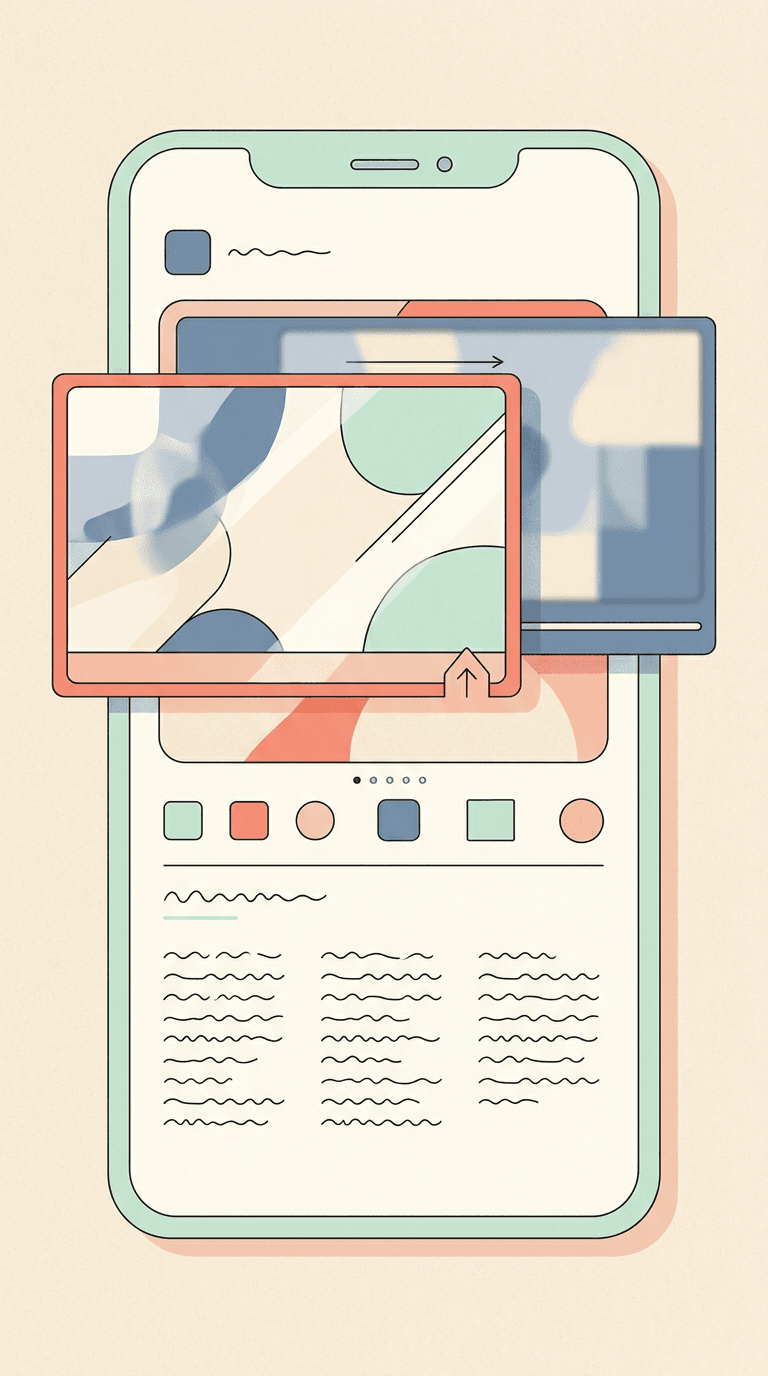
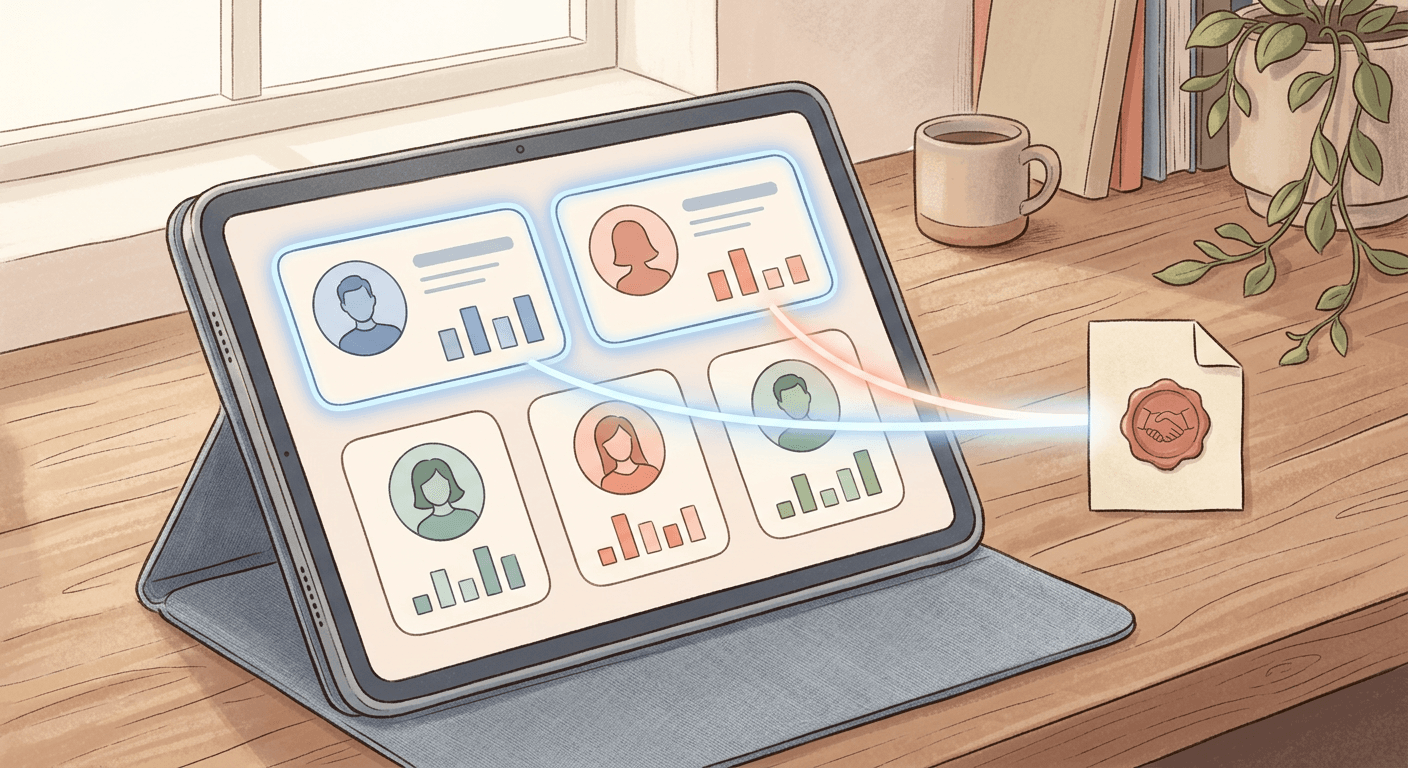
The Creator Partnerships Hub is YouTube's rebuild of what used to be called BrandConnect, YouTube's older, comparatively clunky marketplace for connecting creators with sponsors. The new version, which YouTube first unveiled at its NewFronts event in March 2026 and has continued expanding through 2026, is a genuinely different piece of infrastructure, not just a rename. It lives inside YouTube Studio for creators and inside Google Ads and Display & Video 360 for the brand and agency side, which means, for the first time, creator sponsorship deals and a brand's paid media buying sit inside the same workflow instead of being handled as two completely separate processes by two completely separate teams.
For a brand or an influencer-marketing agency, the Hub uses Gemini, Google's AI model, to search across more than three million creators inside the YouTube Partner Program, matching on audience demographics, engagement patterns, and even organic mentions a creator has already made of a brand or product without being paid to. That last part is worth sitting with. If you have ever organically mentioned a product on camera because you actually used it, that mention is now potentially discoverable by that brand's marketing team as a signal you might be worth approaching for a paid deal, not just a nice thing you said for free. Agencies can build shortlists, send batch outreach, and track a campaign's performance through the same Brand Lift, Search Lift, and Conversion Lift measurement tools Google Ads already uses for its paid campaigns, which is a meaningfully more rigorous measurement bar than most influencer deals have historically been held to.
The part of this that is genuinely new, not just a nicer interface on an old idea, is the Google Ads bridge. Once a brand finds a creator video through the Hub, whether it is a paid sponsorship or an organic mention, Google Ads and Display & Video 360 let that brand turn the video into an actual paid ad asset running through Demand Gen, Video Reach, and Video View campaign types, the same formats Google already sells to every other advertiser on the platform. That is the first real structural link between YouTube's creator tools and the rest of Google's advertising ecosystem, and it is worth understanding even if you never plan to touch Google Ads yourself, because it changes who is actually looking at your channel. It is not just other creators' fans discovering you anymore. It is a brand's performance marketing team running the same kind of targeting and measurement on your videos that they run on their own display and search ads.
Swappable Sponsored Segments (Back Catalog Monetization)
This is the piece of the announcement with the most direct financial impact on an individual creator's channel, and it deserves the most attention. Historically, a sponsored segment baked into a video was permanent. Once you published a video with a 60-second ad read for a brand at the four-minute mark, that segment stayed exactly as it was for the entire life of the video, whether the video got 10,000 views in its first month or 10 million views over the following three years. The sponsor paid once, for one campaign window, and everything the video earned in views after that campaign ended was pure ad revenue for you, but the sponsorship slot itself sat frozen, promoting a deal that had already expired, useful to nobody.
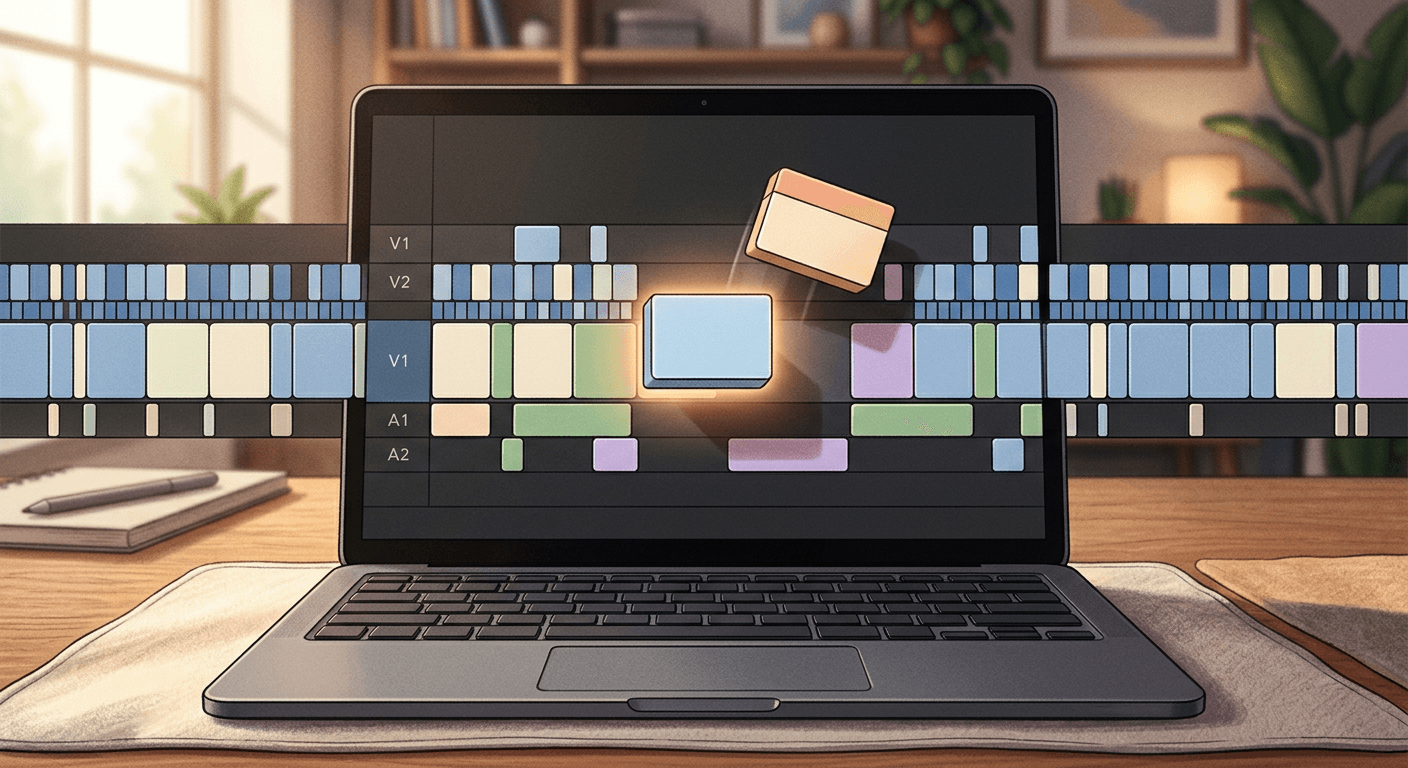
YouTube's new tools change that permanence. Once a sponsorship campaign officially ends, a creator can now remove that segment and swap in a new one, either from a renewed deal with the original brand or a fresh deal with a completely different sponsor, without touching the rest of the video, without re-uploading, and without losing the view count, comments, and watch history the video has already built up. Trade press covering the early rollout, including reporting from Digiday, has been calling this "dynamic brand insertions" or describing the ad slots themselves as "dynamic sponsorship slots," industry shorthand for the same underlying mechanic YouTube itself is framing more simply: turning back catalogs into long-term revenue assets instead of one-off opportunities.
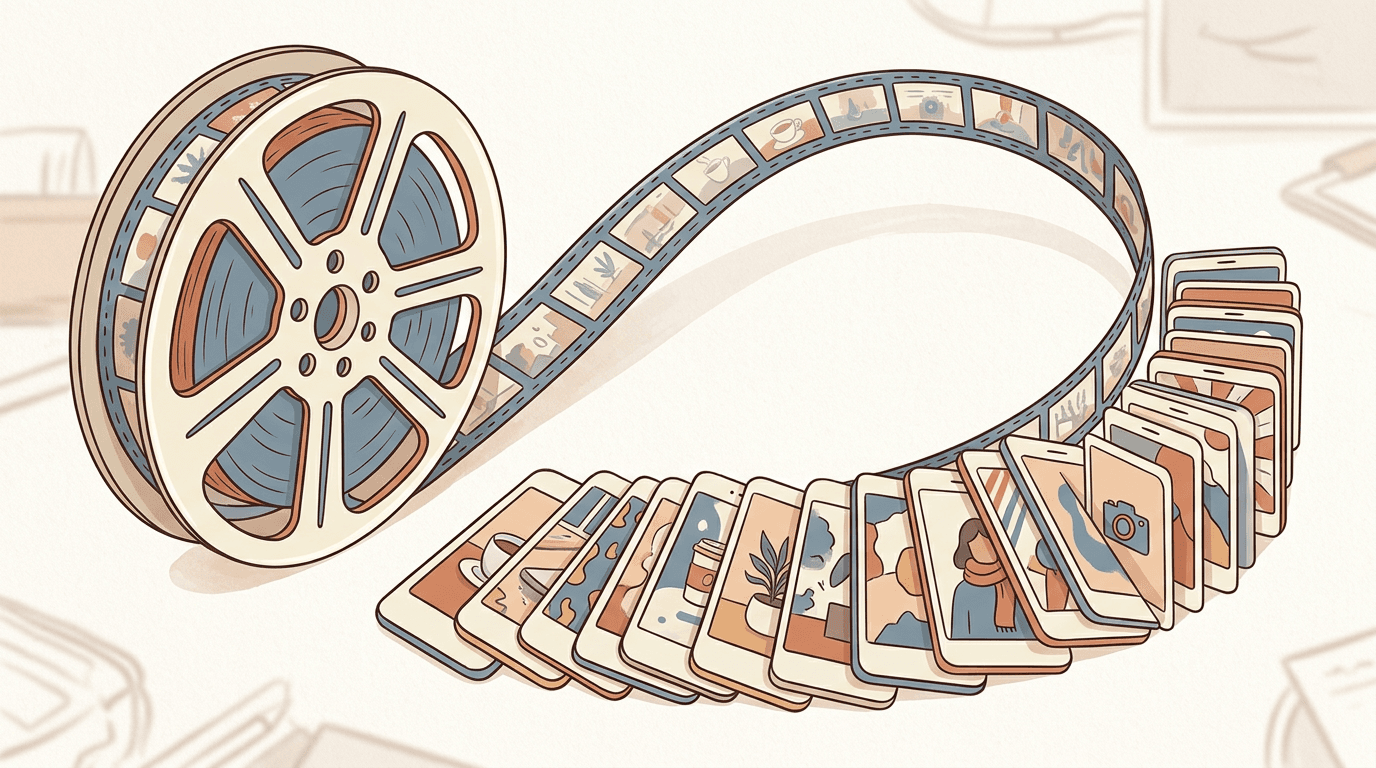
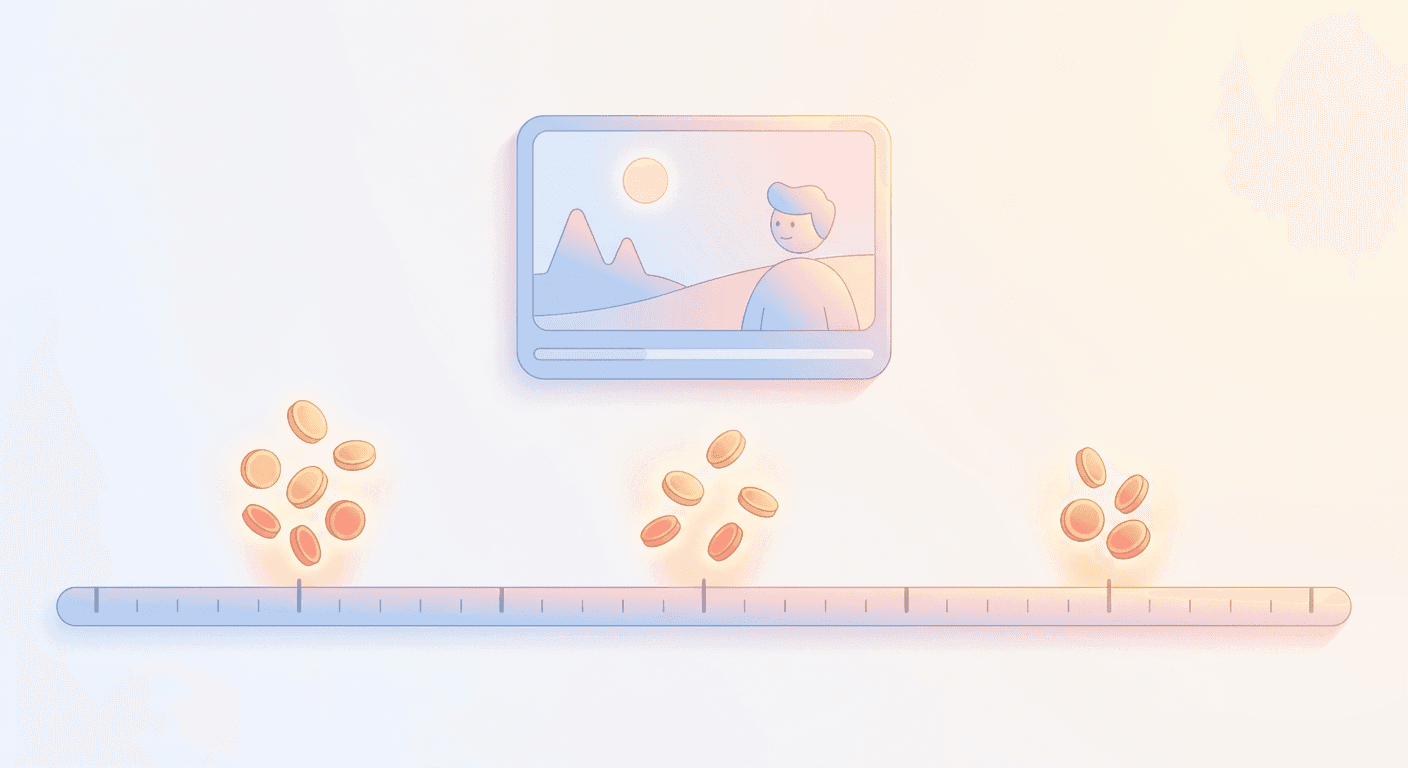
The practical effect is enormous for a video with real staying power. A tutorial, a gear review, an evergreen explainer, or any video that keeps getting recommended and watched months or years after publication used to represent one sponsorship payment, full stop, no matter how long it kept earning ad revenue afterward. Under the new system, that same video's ad slot can theoretically be resold every time a campaign window closes, to the same brand renewing, to a competitor once an exclusivity period lapses, or even to different brands in different markets if a creator's audience spans multiple regions. Digiday's early coverage described this as a single video potentially earning revenue from three different brand partners across its lifetime instead of one, which is a genuinely different economic model for what a piece of evergreen content is actually worth. It also, notably, opens the door to a kind of upfront-style deal structure that YouTube creators have never really had access to before: a high-output creator with a deep, reliably-performing back catalog can theoretically sell a bundle of upcoming swap windows to a brand in advance, the same way traditional television sells advertising inventory ahead of a season, rather than negotiating each placement one video at a time.
It is worth being precise about what this does not change. This is not YouTube inserting dynamic ads into your video automatically or without your involvement, the way a podcast dynamic ad insertion platform might swap in different pre-rolls for different listeners. The creator still negotiates, still records or approves the new segment, and still controls when a swap happens. The mechanism gives creators a new lever to pull, it does not pull it for them.

Clickable Brand Links in Sponsored Shorts
The third piece is narrower in scope but closes a real gap for Shorts creators specifically. Long-form YouTube videos have had clickable links in descriptions, cards, and end screens for years, giving a sponsor a direct, trackable path from the video to their own site. Shorts, built as a fast-scrolling, full-screen vertical format, never really had an equivalent. A creator doing a sponsored Short could say a brand name out loud or show a product on screen, but there was no clean, native way to actually hand a viewer a link mid-scroll, which meant a sponsor's most effective, lowest-friction format on the entire platform was also the one with the weakest direct-response mechanism.
A brand link only earns its click if the Short actually stops someone mid-scroll in the first place, which is exactly the problem our guide to YouTube's Shorts custom thumbnails feature covers in more depth. The new tools let Shorts creators add a clickable link to a brand's site directly inside sponsored Shorts content. Given that coverage of this announcement cites Shorts now averaging roughly 200 billion daily views across the platform, closing that gap is not a minor UX tweak, it is fixing the weakest link in what is already YouTube's single highest-volume content format. For a brand, a Short that can drive a direct click instead of relying on a viewer to remember a brand name and search for it later is a meaningfully more attractive sponsorship buy, and for a creator, it is a real argument for charging Shorts sponsorships closer to what a long-form video with a description link already commands, rather than treating Shorts sponsorships as the cheaper, lower-accountability option they have effectively been until now. If you are already cutting long-form video into vertical clips with tools like AI Clipping, every one of those clips is now a candidate for this exact kind of clickable, trackable sponsorship, not just a passive repost.
The Broader Monetization Push: Shopping and Fan Funding
These three tools did not launch in isolation. They are part of a wider monetization expansion YouTube described in the same announcement, and understanding the broader push helps explain why the Partnerships Hub and segment-swapping exist at all. On the commerce side, YouTube says more than 500,000 creators are already enrolled in YouTube Shopping, and the platform is expanding in-app checkout so a viewer can buy a product a creator recommends without ever leaving the video they are watching. Mohan specifically cited creator Vineet Malhotra as an example of someone who drove millions of dollars in YouTube Shopping GMV in 2025, a concrete, named proof point rather than a vague claim about shopping's potential.
On the fan-funding side, YouTube is expanding Jewels, Gifts, and Super Chat, tools that let viewers pay creators directly and in real time during a stream or a live moment, rather than only through ads or brand deals. Fourthwall's coverage specifically notes these tools are especially powerful for creators outside the United States, where ad rates historically run lower and where direct fan payments can meaningfully close the gap between a channel's view count and its actual take-home revenue. None of these fan-funding tools are new inventions this month, but their continued expansion alongside the Partnerships Hub and back-catalog monetization signals a clear pattern: YouTube is trying to give creators more independent, creator-controlled revenue levers across the board, not just one flashy new feature, at a moment when competing platforms are making very similar moves.
Why YouTube Is Doing This Now
None of this is happening in a vacuum, and understanding the competitive pressure behind it makes the whole announcement easier to read correctly. YouTube has spent the last several years positioning itself as the platform that pays creators the most per view, and for long-form content that claim generally holds up, with long-form RPMs running anywhere from roughly $1.79 to $18.23 depending on niche, against TikTok's Creator Rewards Program, which pays out something closer to $0.40 to $1.20 per 1,000 qualified views. But raw RPM was never the whole competitive picture. TikTok's Creator Rewards Program, which replaced the old Creator Fund, pays out at meaningfully higher rates per view than its predecessor and has become a real draw for creators who might otherwise have treated TikTok as a promotional funnel back to YouTube rather than a monetization destination in its own right. Instagram, for its part, has been steadily building its own creator-brand connection tools and bonus programs. Neither platform has anything resembling YouTube's new segment-swap mechanic, but both have been closing the gap on the parts of monetization that are easier to copy quickly, direct fan payments and simpler brand-matching tools, which puts real pressure on YouTube to keep innovating on the parts that are harder to copy, the deep structural stuff tied to its actual back catalog and ad infrastructure.
There is also a retention argument underneath all of this that is easy to miss if you only look at the tools themselves. YouTube's entire recommendation and advertising business depends on creators continuing to upload consistently, and consistent uploading depends on creators feeling like their effort compounds over time rather than resetting to zero with every new video. A one-off sponsorship model quietly worked against that. It rewarded volume, publish as many new sponsored videos as possible, because an old video's sponsorship slot was permanently spent the moment its campaign ended. Swappable segments flip that incentive. A creator's older, proven-performing videos become an asset worth actively maintaining and reselling rather than a sunk cost to be replaced by whatever gets published next, which gives YouTube a real reason to expect creators to keep their full catalogs live, discoverable, and worth investing in, instead of treating anything more than a few months old as effectively dead inventory.
Finally, there is the upfront-market angle that trade press has focused on more than YouTube's own announcement has. Traditional television built enormous stable revenue on the upfront model, brands committing to ad inventory months in advance, in bulk, at negotiated rates, specifically because that inventory was scarce and predictable. Individual YouTube creators, even massive ones, never had anything like that to sell, because a single video's sponsorship slot was a one-time, unrepeatable asset. A creator with a deep, reliably-performing back catalog and access to swappable segments can, for the first time, package a bundle of upcoming swap windows and sell them to a brand in advance the way a television network sells a season's worth of ad slots, turning YouTube's most inconsistent revenue category, one-off brand deals, into something that starts to resemble a predictable, recurring media buy. That is a genuinely new kind of leverage for YouTube's biggest creators specifically, and it is a meaningful part of why YouTube built the Google Ads bridge into the Partnerships Hub in the first place: predictable, bulk-buyable inventory is exactly what performance marketers on Google Ads already know how to plan around.
How to Actually Use the Segment-Swap Feature: A Step-by-Step Walkthrough
Knowing the segment-swap tool exists is very different from knowing how to actually run it well once it reaches your account. Here is the realistic workflow, based on how YouTube has described the mechanism and how early access reporting has characterized it, alongside the parts that still require real judgment on your end rather than a simple toggle.
Step 1: Identify which of your videos actually have swap potential. Not every sponsored video is a good candidate. The videos worth prioritizing are the ones with genuine staying power, evergreen tutorials, gear reviews, explainer content, anything that keeps earning meaningful watch time well past its first month, since a video that stops getting recommended after two weeks has almost nothing left to resell once its original sponsor's campaign ends. Pull your YouTube Analytics and look specifically at watch time trends 90 days and 180 days after publish, not just total lifetime views, to see which older sponsored videos are still actively circulating.
Step 2: Confirm the original campaign has actually ended. A swap can only happen once the existing sponsorship's agreed campaign window closes, and most brand contracts include an exclusivity period after that window ends before a competitor's message can legally run in the same slot. This is not a YouTube technical limitation, it is a contractual one, so check the actual terms of your original deal before assuming a segment is free to resell, not just the calendar date the campaign officially wrapped.
Step 3: Decide whether you are renewing, replacing, or reselling to a new market. A swap is not automatically a new brand relationship. The simplest version is renewing with the same sponsor at a fresh rate, essentially extending a relationship that already worked. The next option is replacing the sponsor entirely with a new brand, useful when the original sponsor has no interest in renewing or when you have a better offer on the table. A less obvious option, and one worth remembering specifically if your audience spans multiple countries, is offering the same slot to different sponsors in different regions, since a segment shown to viewers in one market has no reason to be tied to the same brand shown to viewers somewhere else.
Step 4: Record or produce the new segment to match the pacing of the original. This is the step creators are most likely to rush, and it is covered in more depth in the mistakes section below, but the short version here is that a swapped segment needs to feel like it was always part of the video's structure, not a visibly bolted-on patch. Match your delivery style, your framing, and your transition in and out of the segment to whatever the surrounding footage already established.
Step 5: Re-disclose the new partnership properly. Every new sponsored segment is a new paid promotion under FTC rules and YouTube's own policies, regardless of whether the video itself was already published months or years earlier. That means re-flagging the video's paid promotion toggle for the new deal, not assuming the original disclosure still legally or functionally covers a completely different brand relationship. Our breakdown of YouTube's branded content auto-labeling and AI disclosure tools covers exactly how YouTube's disclosure system works and is worth reading alongside this step specifically, since a swap is one of the easiest moments to accidentally forget a re-disclosure.
Step 6: Submit the swap and monitor how the video performs afterward. Once the new segment goes live inside the existing video, watch its retention graph over the following weeks specifically around the swapped section, not just the video's overall view count. A sharp new drop-off right at the swap point is an early, specific signal that the new segment does not fit the video as cleanly as the original did, worth catching and fixing quickly rather than letting the mismatch sit for the video's entire remaining lifespan.
Step 7: Build swap windows into how you plan future sponsorships from the start. Once you have run this process once, the smarter long-term move is negotiating campaign windows with swap-friendly language built in from the beginning, rather than only thinking about resale after an old deal has already ended. A creator who tells a new sponsor upfront "this slot is available for a defined window and can be resold or renewed afterward" is negotiating from a stronger, more transparent position than one improvising a swap process after the fact.

Who Benefits Most: Small Channels vs. Established Channels
These tools do not help every creator equally, and pretending otherwise would be dishonest about how this actually plays out in practice. The honest answer is that this bundle of features is weighted heavily toward creators who already have something to swap, which means the benefit curve looks meaningfully different depending on where your channel actually sits.
Small and growing channels get the least direct benefit from segment-swapping specifically, for a simple reason: there is very little back catalog value to unlock when your older videos are not generating meaningful ongoing watch time to begin with. A channel with a few hundred subscribers and a handful of videos that mostly stopped getting views weeks after publish has nothing to resell, since a swap only matters on a video still being actively recommended. Where small channels do benefit meaningfully is the Creator Partnerships Hub's discovery side. Gemini-powered matching inside the Hub is built to surface creators based on audience fit and engagement quality, not just raw subscriber count, which is a real structural improvement over the old system where most brand outreach flowed almost entirely toward creators who were already large enough to have their own inbound deal flow. A smaller creator with a genuinely engaged, well-matched audience in a specific niche has a real shot at surfacing in a brand's search inside the Hub in a way that simply did not happen under the old, mostly manual BrandConnect system. The fan-funding expansion, Jewels, Gifts, and Super Chat, is also disproportionately useful for smaller channels and channels outside the U.S. specifically, since it does not require any brand relationship at all to start generating real, direct revenue from an existing audience.
Established channels with a deep back catalog are the clear primary beneficiaries of the segment-swap mechanic, and the benefit compounds the longer the channel has been active. A creator with several years of evergreen tutorials, reviews, or explainer content sitting on a channel that still pulls meaningful watch time is sitting on genuinely dormant revenue the moment this tool reaches their account. Every old video with a lapsed sponsorship and continuing view velocity is a slot that can be resold, and a creator with dozens or hundreds of such videos is looking at a fundamentally different revenue ceiling than a creator publishing fresh sponsored content one video at a time. This is also where the upfront-style bundled-deal opportunity described in the previous section becomes realistic. Only a creator with enough proven back catalog inventory can credibly offer a brand a bundle of swap windows worth committing to in advance, which means the largest, most established channels are positioned to capture a genuinely new category of deal structure that smaller and newer creators simply cannot offer yet, no matter how engaged their audience is.
There is a middle tier worth naming separately: mid-sized creators with a handful of genuinely strong evergreen videos but not yet a deep catalog. This group gets a real, if smaller, version of the established-channel benefit, a few real swap opportunities rather than dozens, plus the same Partnerships Hub discovery benefit smaller creators get. The practical lesson for anyone in this tier is that the fastest way to grow into the bigger version of this opportunity is deliberately publishing more content built to have genuine staying power, rather than only chasing short-term view spikes, since staying power is now a direct, compounding monetization asset in a way it was not before this announcement.
Common Mistakes Creators Will Make With These Tools
A few specific, avoidable mistakes are already visible in early coverage and easy to predict once you understand how the mechanism actually works.
Swapping a segment in a way that breaks the video's pacing or context. The single most common mistake will be treating a segment swap as a purely mechanical edit, cut the old ad read out, paste a new one in, done, without accounting for how jarringly a mismatched tone, pacing, or delivery style can disrupt a video that has already trained its audience to expect a certain rhythm. A viewer who has watched a video a hundred times, or who is watching for the first time months after the original upload, notices an obviously bolted-on segment the same way anyone notices a poorly dubbed line of dialogue. If the new segment references something that has since become outdated in the surrounding video's context, a seasonal reference, a since-changed price, a since-discontinued product mentioned elsewhere in the video, the mismatch becomes even more obvious and can actively hurt retention right at the swap point rather than simply feeling neutral.
Forgetting to re-disclose the new sponsorship. This is a compliance mistake, not just a stylistic one, and it carries real regulatory weight. FTC disclosure rules apply to each individual paid promotion, not to a video as a whole, permanently, from its original publish date. A creator who swaps in a new brand's segment but does not update the video's paid promotion disclosure is running an undisclosed ad, full stop, regardless of how clearly the original sponsorship was labeled when the video first went live. Our guide to YouTube's branded content auto-labeling tools is worth reading closely here, since it covers exactly how YouTube's own disclosure system is supposed to catch and flag branded content, a system that a rushed, poorly-tracked swap can slip past if a creator is not deliberate about re-flagging it.
Chasing too many small Partnerships Hub deals at once. The Hub's AI-driven matching makes it genuinely easy for a creator to get surfaced to many small and mid-sized brands simultaneously, and the temptation to say yes to several small deals at once, rather than being selective, is real, especially for a creator who has historically struggled to find sponsors at all. The problem is that each of those deals eventually becomes a segment sitting in a video, and a video with three or four disconnected brand mentions crammed into it reads as cluttered and untrustworthy to viewers in a way a single, well-integrated sponsorship never does. It is also a genuine long-term brand-relationship risk: agencies and brand marketers inside the Hub can see engagement and conversion data on past sponsored placements, and a pattern of overstuffed, low-effort integrations is visible and trackable in a way it never was when brand deals were negotiated one email thread at a time with no shared measurement layer behind them.
Assuming a swap resets a video's momentum instead of interrupting it. Some creators will treat the ability to swap a segment as a reason to make sweeping edits to an older video generally, tightening pacing elsewhere, updating a thumbnail, changing a title, while the sponsorship swap is happening. Bundling too many unrelated changes into a single edit of a proven, already-performing video is a real risk in its own right, since YouTube's recommendation system has already learned how that specific video performs in its current form, and a broad edit can genuinely reset some of that signal. The safer approach is treating the sponsorship swap as its own isolated, minimal edit, and handling any separate refresh, a new thumbnail through the YouTube Thumbnail Maker on Miraflow, for instance, as a deliberate, separate decision made for its own reasons, not bundled into the same edit purely because the video was already being touched.
Not tracking which videos are actually eligible before pitching a brand on a swap. A creator pitching a brand on "resurrecting" an old sponsorship slot without first confirming the video still has real ongoing watch time is setting up a weak pitch and a disappointed sponsor. Pull the actual 90-day and 180-day watch time data before making that pitch, the same diligence covered in step one of the walkthrough above, rather than assuming a video's original popularity number alone still reflects what it is doing right now.
Where Miraflow AI Fits Into This
The part of this announcement that matters most for a creator already building short-form content is easy to miss if you only read the headline about swappable sponsorships: Shorts are now full participants in this same monetization ecosystem, not a separate, lesser format sitting outside it. A clip that started life as a moment inside a much longer video is now eligible for the same clickable brand links sponsored Shorts get, and if that clip is republished or refreshed later, it is a candidate for the same kind of ongoing sponsorship relationship a full-length video's swappable segment gets.
That changes the calculus on how much a long video's back catalog is actually worth once it gets cut into pieces. If you have been comparing clipping tools, our roundup of Opus Clip alternatives and AI clipping tools walks through what to look for. AI Clipping works by taking a YouTube URL, transcribing and analyzing the entire video, and identifying and scoring the moments most likely to perform as standalone Shorts, auto-cropping each one to vertical with animated captions already applied. A creator sitting on years of long-form uploads now has a direct reason to run that older catalog through AI Clipping specifically because of this announcement: every strong standalone moment AI Clipping pulls out becomes a new, separately monetizable Short, eligible for its own sponsored brand link, built from footage that has already proven itself with a real audience rather than a guess at what might perform. You can set a max clips count, toggle auto captions, set a minimum and maximum clip duration, and let the tool auto-detect language across more than 50 languages, then walk away with several ranked, ready-to-publish vertical clips from a single long video.
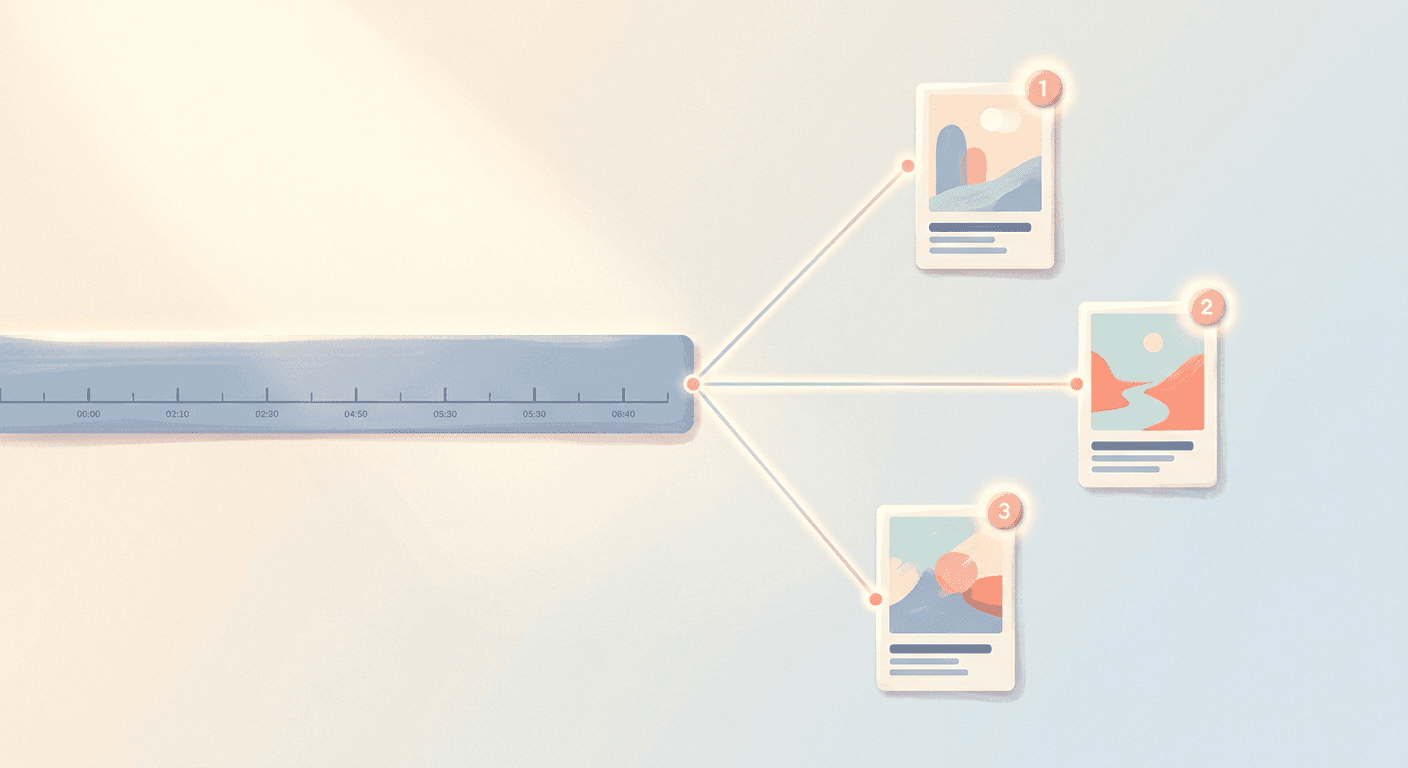
If instead you are planning new short-form content from scratch specifically to pitch as sponsored Shorts inventory under the new brand-link tools, Text2Shorts inside Miraflow AI turns a topic into a finished vertical video end to end. Enter a topic, choose a visual style, let it generate a script you can edit or regenerate, generate the scene visuals, pick a voice, and produce a finished Short ready for YouTube, Reels, or TikTok, which pairs naturally with the new brand-link feature once you have a sponsor lined up who wants a direct, clickable path from the Short into their own site. Since both AI Clipping and Text2Shorts run entirely in the browser, a creator can move from "I have an old video with real staying power" or "I have a new sponsored idea" to a finished, publish-ready Short in the same sitting, without the idea losing momentum while it sits half-finished in an editing timeline somewhere.
None of this replaces the actual creative and negotiation work a real brand partnership requires, a good sponsored segment still has to sound like you and fit the video it lives in, and a real deal still needs real terms behind it. What it does is remove the production bottleneck that used to sit between "I have a comment-validated idea or a proven long-form moment" and "I have a finished, monetizable Short," which matters more now than it did before this announcement, specifically because Shorts are no longer the lower-accountability, harder-to-monetize format they used to be relative to long-form video.
Frequently Asked Questions
What is YouTube's Creator Partnerships Hub? It is YouTube's rebuilt brand-and-creator marketplace, previously known as BrandConnect, that lives inside YouTube Studio for creators and inside Google Ads and Display & Video 360 for brands and agencies. It uses Gemini to match brands with creators across more than three million YouTube Partner Program members based on audience fit, engagement, and even organic brand mentions.
Can I really swap a sponsor in a video that is already published? Yes, once the original campaign's agreed window ends. YouTube's new tools let a creator remove an expired sponsored segment and insert a new one, whether that is a renewal with the same brand or a deal with a different sponsor, without re-uploading the video or losing its existing view count and watch history.
Does swapping a sponsored segment count as a new ad that needs disclosure? Yes. Each new sponsored segment is a new paid promotion under FTC rules and YouTube's own policies, regardless of how long ago the video was originally published. The video's paid promotion disclosure needs to be updated for the new partnership, not left as it was for the original deal.
Do Shorts get the same tools as long-form videos? Mostly, with one addition specific to Shorts: sponsored Shorts can now include a clickable link directly to a brand's site, closing a gap that existed since Shorts launched without the description and end-screen link options long-form video has always had.
Who benefits most from the segment-swap feature? Established creators with a deep back catalog of evergreen, still-actively-watched videos see the biggest direct benefit, since a swap only has value on a video that is still earning meaningful ongoing watch time. Smaller and newer creators benefit more from the Creator Partnerships Hub's discovery side and from expanded fan-funding tools like Jewels, Gifts, and Super Chat, which do not require an existing back catalog or brand relationship at all.
Does this mean YouTube automatically inserts different ads for different viewers? No. This is not automated dynamic ad insertion happening without creator involvement. A creator still negotiates each swap, still approves or records the new segment, and still controls exactly when a swap happens. The tool creates the option to resell a slot, it does not automate the sale itself.
What does Google Ads have to do with creator sponsorships now? The Creator Partnerships Hub connects directly to Google Ads and Display & Video 360, letting brands turn a creator's sponsored or organic video into a paid ad asset running through Demand Gen, Video Reach, or Video View campaigns, the same formats Google sells across the rest of its advertising business. That is a real structural bridge between YouTube's creator tools and Google's broader ad ecosystem, not just a new interface for the same old brand-deal process.
How is this different from what TikTok or Instagram offer creators? TikTok's Creator Rewards Program and Instagram's own creator-brand tools have both been expanding, but neither has an equivalent to YouTube's segment-swap mechanic, since that specifically requires the kind of long, evergreen watch-time tail YouTube's long-form format is built around. TikTok's per-view payouts remain meaningfully lower than YouTube's long-form RPMs, though its Creator Rewards Program has closed some of that gap compared to its predecessor, the Creator Fund.
Conclusion
The headline here is simple even if the mechanism behind it is not: a YouTube video with real staying power no longer has to sit there with a dead, unrenewed sponsor plug once its original campaign ends. Between the Creator Partnerships Hub's Gemini-powered matching and Google Ads bridge, the ability to swap sponsored segments in already-published videos, and clickable brand links inside sponsored Shorts, YouTube has built the first genuine mechanism for turning a back catalog into a renewable, resellable media asset rather than a pile of one-off deals that expire the moment a campaign ends. The creators who benefit most immediately are the ones with deep, still-performing catalogs, but the discovery and fan-funding pieces genuinely help smaller channels too, and the smartest move for a growing channel right now is building more content with real staying power specifically because that staying power is now a direct, compounding monetization asset in a way it simply was not before this announcement.
Whether you are sitting on years of long-form uploads worth mining for standalone moments with AI Clipping, building fresh sponsored Shorts from scratch with Text2Shorts, or just making sure every new upload has a thumbnail worth the click through the YouTube Thumbnail Maker on Miraflow, the underlying lesson from this announcement is the same: what you publish today keeps earning the right to be resold tomorrow, provided you actually plan for it instead of treating a sponsorship as a one-time transaction the way the platform forced everyone to for its first two decades. For more breakdowns of what is actually changing on YouTube this year, from the Partner Program's doubled watch-hour bar to how Collaborators changed multi-creator distribution, browse the rest of the creator guides on the Miraflow AI blog, or start turning your own back catalog into new, monetizable Shorts directly at Miraflow AI.