Google Ads Bookings: The New Pay-Per-Lead Performance Max Conversion Type Explained (October 2026)

Written by
Aerin Kim

Google Ads is adding Bookings as a third pay-per-lead conversion type in Performance Max starting October 2026. Here is what it tracks, who qualifies, and how it differs from recent Local Services changes.
If you manage a pay-per-lead Performance Max campaign for a local service business, a new tab is about to show up inside your conversion goal settings, and it is worth understanding before it does. Starting in October 2026, Google Ads is adding Bookings as a third trackable conversion type inside Performance Max campaigns running pay-per-lead goals, according to Google's own Ads Help documentation on pay-per-lead goals for Performance Max campaigns. A Booking, in Google's own words, is counted when "a customer schedules an appointment directly through your ad." That sits alongside the two conversion types pay-per-lead Performance Max has run on since this campaign type launched: direct phone calls, which remain a required, mandatory goal tracking answered calls, voicemails, and return calls to missed connections, and text messages or emails, an optional channel for customers who contact the business directly through the ad without calling.
TL;DR: Bookings becomes available starting October 2026 as an optional third conversion type inside pay-per-lead Performance Max campaigns, alongside required phone calls and optional text/email messages. It only applies to eligible local service businesses operating in the United States with a verified Google Business Profile, running in a supported category, and billing stays exactly as it already works for this campaign type: you pay only when a potential customer actually contacts you through the ad, never for a click or an impression. This is a narrower, more specific change than two other 2026 Local Services stories already covered on this blog, Google's broader migration of Local Services Ads into Performance Max and the separate expansion of third-party booking-partner integrations to 500+ partners. This post untangles all three, walks through exactly which business verticals should care right now versus later, and covers the practical setup and tracking work worth doing before Bookings shows up in your account, including why the visual assets a campaign runs on matter more than ever, something Miraflow's AI Image Generator and Cinematic AI Video Generator can help a local service business solve quickly.
What Changed: Bookings Joins Calls and Messages as a Pay-Per-Lead Conversion Type
Pay-per-lead Performance Max is itself a relatively new campaign type, built specifically for local service advertisers and distinguished from a standard Performance Max campaign in one fundamental way: Google only charges you when a potential customer actually contacts your business directly through the ad, not for a click, a view, or an impression. Google's documentation is explicit that this protects an advertiser's budget: "you are only charged for valid, qualified phone leads that meet minimum call duration requirements," and the same billing logic extends to the other conversion types the campaign tracks. Ads running under this goal appear exclusively on Google Search and Google Maps, "when customers are actively searching for your services in your service area," never across Display, YouTube, or the rest of the Performance Max inventory a standard campaign draws from.
Until this October, that conversion tracking ran on exactly two legs. Direct phone calls are the required, mandatory goal every pay-per-lead Performance Max campaign has to track, counting answered calls, voicemails left by the customer, and return calls the business makes back to a missed connection. Text messages or emails are an optional second channel, letting a customer reach out directly through the ad without picking up the phone, useful for a customer who prefers writing out what they need before committing to a conversation.
Bookings is the third leg, and it tracks a meaningfully different kind of contact than either of the first two. Google's own description keeps it simple: a customer schedules an appointment directly through the ad. Where a phone call or a message still requires the business to respond, gather details, and negotiate a time that works for both sides, a Booking closes that loop at the moment of contact. The customer sees an open slot, picks it, and the appointment exists on both sides before anyone has had a real-time conversation about it. That is a genuinely different event for a conversion-tracking system to count, and it is why Google gave it its own named conversion type rather than folding it into the existing message category.
Three mechanical details are worth being precise about, since they determine whether this actually applies to your account on day one of the October rollout. First, Bookings launches as optional, exactly like text and email messages, not as a mandatory goal every advertiser is forced onto. Second, it is explicitly scoped to eligible local service businesses, meaning a business has to already qualify for pay-per-lead Performance Max in the first place, operating in the United States, holding at least one verified Google Business Profile, and running in a category Google currently supports for this campaign type, covered in more detail in the eligibility section below. Third, Google's own documentation notes that "other Local Services Ads categories...will become available for pay-per-lead goals in Performance Max in 2027," which means a meaningful share of local service businesses, the ones in categories not yet migrated at all, cannot access Bookings this October regardless of how appointment-friendly their business model actually is, simply because their underlying campaign has not moved to this structure yet.
| Conversion Type | Status | What It Counts | Availability |
|---|---|---|---|
| Direct phone calls | Required | Answered calls, voicemails, and return calls to missed connections | Available since pay-per-lead Performance Max launched |
| Text messages or emails | Optional | Customer contacts the business directly through the ad without calling | Available since pay-per-lead Performance Max launched |
| Bookings | Optional | Customer schedules an appointment directly through the ad | Starting October 2026 |
How This Fits Into 2026's Bigger Local Services Shake-Up, and Why It Is Not the Same Thing
Anyone following Google Ads coverage closely in 2026 has likely run into at least two other headlines about Local Services advertising this year, and it is worth being explicit about how this Bookings conversion type relates to, and differs from, both of them, because conflating the three is an easy mistake and genuinely confusing if you are trying to keep your account current.
The first and largest of the three stories is the structural migration of Local Services Ads itself into Performance Max, covered in full in our breakdown of the Local Services Ads to Performance Max migration. That migration is the plumbing underneath everything discussed in this post. It is the reason a pay-per-lead Performance Max campaign exists at all for a plumber or an HVAC technician who used to run the old, separate Local Services Ads product, and it is what moved budgets, bidding, and the lead inbox into the main Google Ads interface starting in August 2026. Bookings is not a second migration. It is a new conversion type available only inside the campaign structure that migration already created, meaning an advertiser whose account has not yet been migrated to pay-per-lead Performance Max, because their category or region falls into a later phase, has no Bookings option to turn on yet, full stop, regardless of how badly their business could use it.
The second story is the September 2026 expansion of Local Services direct booking from roughly 20 supported scheduling-software partners to more than 500, covered in our dedicated post on that booking-partner expansion. That change is about which third-party scheduling tools, the calendar software a plumbing company or a law firm already uses day to day, Google recognizes well enough to pull live availability from and surface a "Book" option on a Local Services listing. It is fundamentally an integrations story: widening the list of external tools Google can plug into, so a business running a long-tail scheduling platform did not have to switch software just to unlock a booking option that was previously reserved for businesses on a short list of major platforms.
Bookings as a pay-per-lead Performance Max conversion type is a third, distinct thing layered on top of both of those changes, and it is useful to think of it less as a new feature in the sense the partner expansion was, and more as a new measurement category inside the campaign reporting Google already gives pay-per-lead advertisers. Where the booking-partner expansion determines whether a "Book" option can technically appear on your ad at all, based on which scheduling software you connect, the Bookings conversion type is about how Google Ads counts and reports that event once it happens, specifically as one of three named lead types inside your pay-per-lead Performance Max conversion goals, alongside calls and messages. An advertiser could plausibly have had a working booking-partner connection through the September expansion and still see that activity folded into a generic lead count before this October update gave it its own distinct, named conversion category to report against.
Put plainly: the LSA-to-Performance-Max migration is the foundation, the booking-partner expansion is the pipe that lets a scheduling tool talk to Google, and the Bookings conversion type is the meter that reads what comes through that pipe inside your actual campaign reporting. A business needs the first to exist, likely benefits from the second to make bookings technically possible at scale, and gets the third as the reporting layer that finally gives that specific lead type its own visibility inside Performance Max, separate from an undifferentiated message or call count. Reading only one of these three posts leaves a real gap in understanding what is actually happening to Local Services advertising in 2026, since each covers a genuinely separate mechanism Google shipped in the same calendar year.

Why This Matters: Which Advertisers Should Actually Care Right Now
Not every local service business gets the same amount of value out of a Bookings conversion type, and the honest answer to "should I care about this" depends heavily on which vertical you are in and which migration phase your account has already reached.
The Phase 1 Advertiser Already Running Pay-Per-Lead Performance Max
If your business falls into one of the categories migrated in the first wave back in August 2026, home and storefront service categories including plumbing, HVAC, electrical, appliance repair, house cleaning, lawn care, roofing, pest control, and moving, you are the group with the most immediate reason to pay attention, because your account is already structurally capable of adding Bookings the moment it rolls out in October. But even within this group, how much Bookings actually helps varies a lot by the nature of the work.
A house cleaning or lawn care business runs on scheduled, recurring, planned visits almost by definition. A customer booking a cleaning for next Tuesday at 10am is a completely natural fit for a Bookings conversion, since the appointment itself is the product being sold, not an emergency response. The same logic applies well to pest control's routine treatment visits and to much of roofing and remodeling work, where an initial estimate visit is itself an appointment worth scheduling in advance.
Emergency-leaning categories tell a different story. A burst pipe at 2am, a dead HVAC system in a July heatwave, or a tripped electrical panel are not situations where a customer wants to pick a slot three days out from a calendar grid. They want a phone answered right now. For these businesses, phone calls will likely remain the dominant, highest-value conversion type even after Bookings becomes available, and a business owner in this category should not expect Bookings to meaningfully shift their lead mix the way it might for a cleaning or lawn care operation. That does not mean Bookings is irrelevant to a plumber, since plenty of plumbing work is genuinely non-emergency, scheduled maintenance, a fixture install, a water heater replacement, but it does mean the realistic expectation is a blended mix rather than a wholesale shift away from calls.
The Appointment-Native Verticals: Beauty, Wellness, Pet Care, and Education
A separate group of verticals supported under pay-per-lead Performance Max's broader eligibility list, per Google's own supported business verticals documentation, is arguably a better natural fit for Bookings than the home-services categories that got the most migration-news attention earlier in 2026. Beauty businesses, barbershops, salons, nail services, hair removal, facials, lash and brow services, run almost entirely on scheduled appointment slots already, as does most of wellness, personal training, massage therapy, yoga instruction, and pet care, grooming, boarding, training. Education-adjacent categories, tutoring, driving instruction, dance instruction, are similarly appointment-native.
For a nail salon or a personal trainer, a Booking through the ad is not a nice-to-have alternative to a phone call, it is close to the ideal version of the entire customer journey, matching exactly how the business already operates day to day. A business in one of these verticals that is eligible for pay-per-lead Performance Max and has not yet set up to track and support Bookings once it rolls out in October is leaving a genuinely well-matched conversion path unused, arguably more so than a plumber weighing calls against bookings for emergency-leaning work.
The Service-Area Business Still Waiting on Phase 2
If your business operates across a service radius without a physical storefront, or if your account runs custom bidding or booking configurations, you are in the group Google has scheduled for its second migration phase, expected in late 2026. Google's own migration timeline documentation is explicit that this group has not moved to pay-per-lead Performance Max yet as of this October's Bookings launch, which means there is currently nothing to turn on. The practical move for this group is not urgency, it is preparation: use the months before your own migration date to get comfortable with how pay-per-lead Performance Max works generally by reading what Phase 1 advertisers are already experiencing, and start thinking now about whether your business model is closer to the appointment-native end of the spectrum or the emergency-call end, so you already know which conversion type to prioritize the moment your account actually migrates.
The Non-US Advertiser and Remaining Categories Waiting on 2027
Google's documentation places non-US accounts and all remaining business categories not covered in the 2026 phases into a 2027 timeline. For this group, including healthcare-adjacent service categories specifically called out as part of that later wave, Bookings is simply not relevant yet in any practical sense, since the underlying pay-per-lead Performance Max campaign structure itself has not reached these accounts. The useful thing to do here is purely informational: understand the shape of the change now so a 2027 migration notice does not arrive as a surprise, rather than trying to act on anything today.

The Real Economics: Pay-Per-Lead Versus Pay-Per-Click for an Appointment-Based Business
It is worth walking through why pay-per-lead billing, now extended to cover Bookings specifically, actually changes the math for an appointment-based local service business, rather than just taking Google's framing of "pay only for results" at face value.
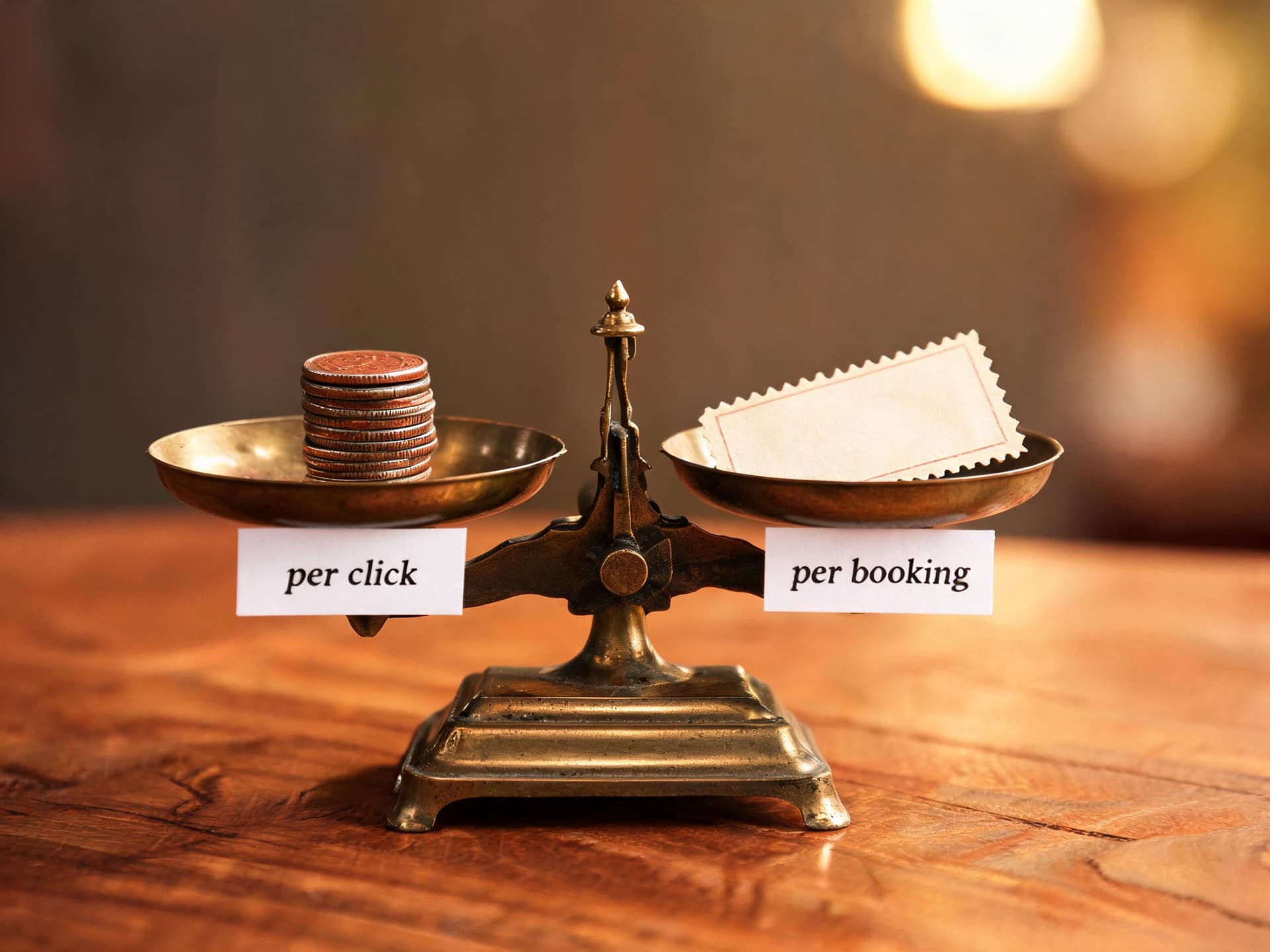
A standard pay-per-click campaign charges an advertiser for every click on the ad, regardless of what that visitor does afterward. A click from someone who was genuinely ready to book an appointment and a click from someone who was just comparison-shopping three other salons before deciding to go with whichever one had a nicer photo cost the exact same amount under that model. For a business with a real, calculable cost per completed job, that creates a layer of pure waste built into the billing itself: every click that never converts into contact is still a cost with zero revenue attached.
Pay-per-lead billing removes that specific layer of waste by definition, since you are not charged until someone actually calls, messages, or now books through the ad. Consider a simple, deliberately illustrative example using round numbers rather than any figure Google has published: imagine a personal training business where an average new client is worth $400 in their first month of sessions. Under a pay-per-click model, if that business pays $3 per click and converts roughly 1 in 20 clicks into an actual booked client, the real cost to acquire that client works out to $60, coming entirely from an ad spend line that includes dozens of clicks that never went anywhere. Under pay-per-lead billing with Bookings as the counted event, that same business pays only when the booking itself happens, so the $60 figure collapses down toward whatever Google's actual per-lead charge for a booking turns out to be in that account and category, with the browsing-without-converting clicks costing nothing at all.
The trade-off worth being honest about is that pay-per-lead billing generally charges more per individual lead than a single click costs, precisely because you are paying for a qualified, vastly more valuable event instead of a cheap, unqualified one. The right comparison is never "a lead costs more than a click," which is true but meaningless on its own, it is lead cost against the actual value of a booked appointment for your specific business, the same comparison any advertiser should be running regardless of which billing model they are on. For an appointment-based business where a completed booking reliably converts into real revenue most of the time, a Booking-specific conversion type inside pay-per-lead billing is about as close as Google Ads currently gets to charging an advertiser directly for the thing they actually wanted, a filled calendar slot, rather than a proxy metric several steps upstream of it.
It is also worth naming the competitive landscape this sits inside, since pay-per-lead and appointment booking are not unique to Google. Yelp has run a pay-per-lead-style advertising product for service businesses for years, Angi and Thumbtack both center their entire business model on connecting a service request to a provider and charging for that connection rather than for impressions, and Meta's lead-generation ad forms, while technically a cost-per-click or cost-per-impression product underneath, are frequently sold to local businesses on the same "pay for the lead, not the click" framing. What makes Google's version distinctive is less the billing model itself, which is a reasonably well-established category, and more that it is now built directly into the same Performance Max infrastructure a business is likely already using for other campaign types, with a native, Google-tracked Bookings category rather than a lead needing to be manually exported and reconciled against a separate booking platform's own reporting.
| Phase | Timing | Who It Covers | Bookings Status |
|---|---|---|---|
| Phase 1 | August 2026 | US home and storefront services: plumbing, HVAC, electrical, appliance repair, house cleaning, lawn care, roofing, pest control, moving (plus other eligible categories like beauty, wellness, pet care, education, auto) | Bookings available starting October 2026 for eligible advertisers already on pay-per-lead Performance Max |
| Phase 2 | Late 2026 | Service-area businesses without a storefront; accounts with custom bidding or booking configurations | Not yet, since the underlying migration has not completed for this group |
| Phase 3 | 2027 | Non-US accounts and all remaining business categories, including healthcare-adjacent services | Not yet, pending migration in 2027 |
How to Set It Up: What Advertisers Should Actually Do Before and After October
Getting ready for Bookings is less about a single configuration toggle and more about a short sequence of checks worth working through in order.
Step 1: Confirm you are actually eligible. Check your business against three things: are you located and operating in the United States, do you have at least one verified Google Business Profile, and does your business fall into a category Google currently lists as supported for pay-per-lead Performance Max, covered in the vertical breakdown above. If any one of these is not true yet, Bookings is not reachable for your account regardless of how badly you want it.
Step 2: Confirm your account has actually completed its migration to pay-per-lead Performance Max. If you are a Phase 1 advertiser who migrated back in August 2026, this should already be done, but it is worth checking your campaign type directly inside Google Ads rather than assuming, since Google's own migration documentation notes it can take up to two weeks for a migration to fully complete and for performance to stabilize. A Phase 2 or Phase 3 advertiser has nothing to check here yet, since the underlying migration has not reached their account.
Step 3: Watch your conversion goal settings for the Bookings option to appear starting in October 2026. Google has not published an exact day-by-day rollout schedule the way it did for the earlier migration's 14-day advertiser notices, so the practical move is simply to check your pay-per-lead Performance Max conversion goal settings periodically through the month rather than expecting a single dramatic announcement banner.
Step 4: Decide deliberately whether to turn Bookings on, rather than defaulting to yes on every optional goal. Since Bookings launches as optional, exactly like text and email messages, the decision to enable it should be based on the audience breakdown above: an appointment-native business, beauty, wellness, pet care, scheduled home services, should turn it on close to immediately. An emergency-leaning business should still consider turning it on for the share of their work that genuinely is schedulable, while keeping phone calls as the clear primary expectation.
Step 5: Update your lead-quality tracking to treat a Booking as its own distinct event, not a generic lead. This is the step advertisers are most likely to skip, and it matters because a Booking and a phone call represent genuinely different customer journeys with different drop-off points, the same distinction already covered in detail for third-party booking partners in our post on the 500+ partner expansion. If your internal reporting, a spreadsheet, a CRM, a simple notebook by the phone, still only tracks "number of leads this week" without separating which leads arrived as calls, messages, or bookings, you are about to lose visibility into exactly the kind of signal that would tell you whether Bookings is actually working for your business or just adding a line item to a report nobody reads closely.
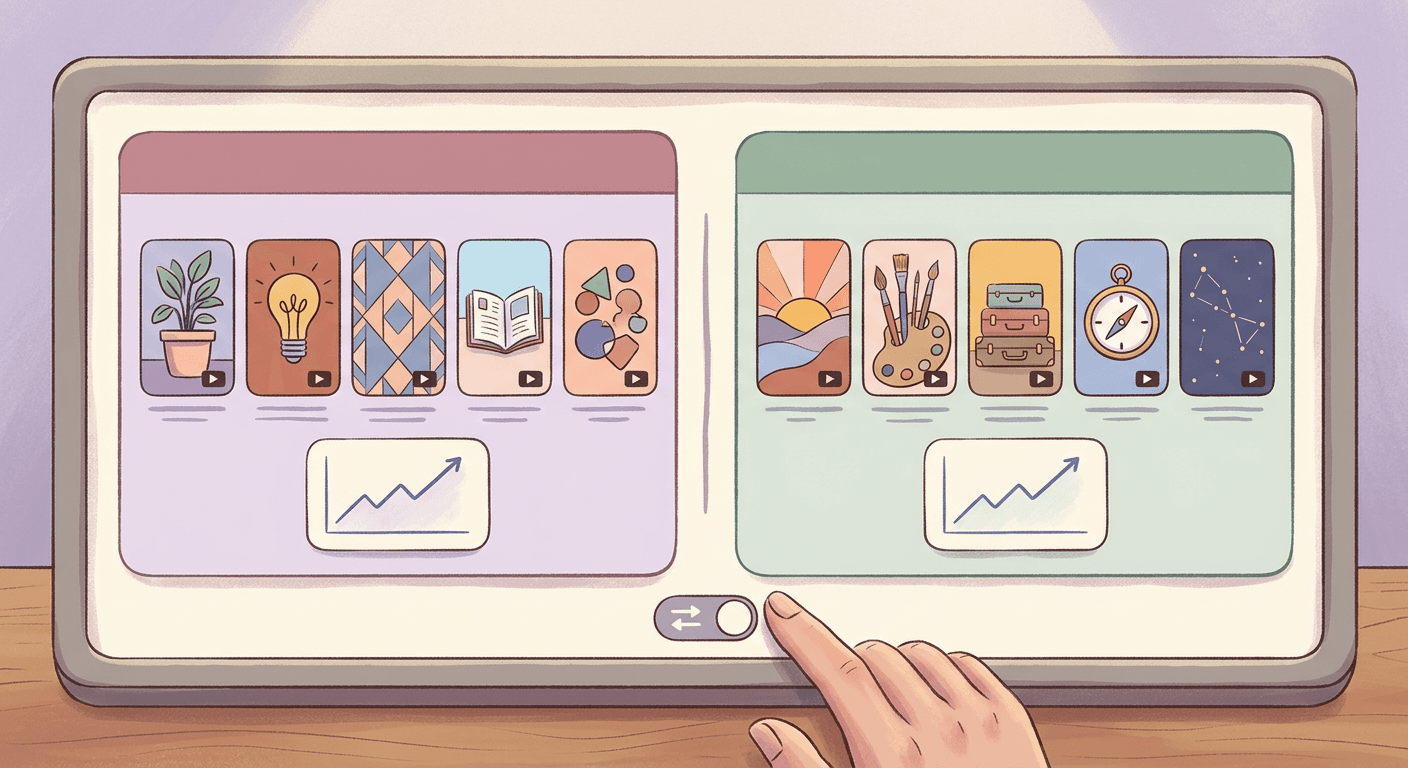
Step 6: Refresh the ad assets your pay-per-lead Performance Max campaign is actually running on. Performance Max, pay-per-lead or otherwise, assembles its ads from a pool of supplied headlines, descriptions, images, and increasingly video, mixing and matching across whichever combination the algorithm decides performs best for a given search. A fresh Bookings conversion type does not change that underlying mechanic, and a campaign still running on the same handful of dated Google Business Profile photos it launched with is not giving Google's system much new material to work with regardless of how many conversion types you have turned on. This is covered in more depth in our breakdown of Performance Max asset experiments, which walks through how Google now lets advertisers directly A/B test which creative assets actually move performance, a useful companion check to run once Bookings is live, since it lets you see whether a particular image or video variant correlates with more booked appointments specifically rather than just more generic leads.

Common Mistakes Advertisers Are Making With Bookings
A handful of mistakes are specific enough to this exact change that they are worth calling out individually, separate from the more general pay-per-lead and migration mistakes already covered in our other posts on this topic.
Assuming Bookings works for a vertical that has not actually migrated yet. Because the Local Services Ads to Performance Max migration is rolling out in phases through 2027, a business in a Phase 2 or Phase 3 category or region has no pay-per-lead Performance Max campaign to add Bookings to in the first place, no matter how appointment-friendly their service actually is. Checking your own migration status before expecting to find a Bookings toggle avoids a frustrating search through settings that do not exist yet for your account.
Confusing Bookings with the third-party booking-partner expansion from September. These are genuinely different mechanisms, as the distinguishing section above covers in detail. The booking-partner expansion is about which external scheduling software Google recognizes well enough to pull live availability from. The Bookings conversion type is about how that resulting appointment gets counted and reported inside your pay-per-lead Performance Max conversion goals. An advertiser who already has a working booking-partner connection should still expect to see Bookings appear as a new, separate item in their conversion goal settings this October, not assume the partner connection alone already covered this.
Not updating lead-quality tracking to separate Bookings from an undifferentiated lead count. As covered in the setup steps above, a Booking and a phone call are different customer journeys with different conversion likelihoods downstream of the ad itself. An advertiser whose internal reporting lumps every pay-per-lead event into one number loses the ability to tell whether Bookings is actually improving their real-world appointment volume or just shifting how an existing volume of contacts gets labeled.
Assuming a Booking is automatically a higher-quality lead than a call, without checking. It is reasonable to expect a booked appointment generally arrives with less back-and-forth friction than a phone call that still needs a callback and a scheduling negotiation, since the customer has already committed to a specific time. But Google has not published a verified quality or conversion-rate difference between the two lead types at the pay-per-lead Performance Max level, and assuming one without watching your own actual job-completion rate by lead type risks over-indexing budget toward Bookings based on an assumption rather than your own real data.
Treating an emergency-leaning business the same as an appointment-native one. A pest control company's routine quarterly treatment and a plumber's burst-pipe emergency call are both technically eligible for the same campaign type, but they are not equally good fits for a Bookings-first strategy. Pushing a Bookings-heavy configuration onto a business whose real-world demand is mostly urgent, same-day contact risks making phone calls, the conversion type that actually matches most of that business's real customer behavior, harder to find or deprioritize inside the campaign's reporting.
Ignoring the eligibility screening some categories require. Google's documentation notes that additional screening or verification may apply "depending on category," meaning the path to full eligibility is not identical across every supported vertical. A business that assumes eligibility is a simple checkbox based on category alone, without checking whether their specific category carries an added verification step, risks a longer runway to actually turning Bookings on than a business in a category without that extra requirement.
Forgetting that Bookings is optional, not a forced upgrade. Because phone calls remain the one mandatory, required goal, nothing about this October update forces an advertiser into running Bookings if it is a poor fit for how their business actually operates. Treating every new optional goal as something that must be turned on to "keep up" is its own small mistake, worth resisting in favor of the deliberate, vertical-specific decision covered in the setup steps above.

Producing the Visual Assets a Pay-Per-Lead Performance Max Campaign Actually Needs
Every conversion type covered in this post, calls, messages, and now Bookings, still runs on top of the same underlying mechanic: Performance Max assembles the ad a customer actually sees from a pool of images, video, headlines, and descriptions an advertiser supplies, then lets Google's algorithm decide which combination to show for a given search. Adding a third conversion type to track does nothing to change how much that underlying creative pool matters, and if anything, a business leaning into Bookings as a meaningful share of its lead mix has an even stronger reason to make sure the visual material next to that booking option actually earns the click in the first place.
Think through what a customer actually sees in the moment they decide whether to book. They are typically comparing two or three similar local listings in the same search results, all offering some version of call, message, or book. The deciding factor in that moment is rarely the conversion mechanism itself, since multiple competing listings likely offer the same options, it is the photo or video sitting next to the business name, the signal that this specific plumber, salon, or trainer looks like the real, established, trustworthy option worth booking with right now. A business running on a handful of years-old Google Business Profile photos is handing Performance Max's algorithm thinner raw material to assemble an ad from than a competitor supplying fresh, varied, purpose-made creative, regardless of which conversion types either business has turned on.
This is a practical, non-forced spot for Miraflow's tools to actually help. Miraflow's AI Image Generator lets a local service business take a single real reference photo, a finished job, a service van, a storefront, a stylist at work, and generate a set of polished, on-brand variations sized for however Performance Max chooses to display them, without booking a full photo shoot every time a campaign needs something fresher than last year's profile photos. Its image-to-image and inpainting tools are specifically useful here too: a business can take an existing photo and refresh just the part that looks dated, swap a faded sign, brighten a dim background, update a uniform color, rather than starting from nothing.
For video, Miraflow's Cinematic AI Video Generator turns a written description into a short, polished clip, a technician arriving on site, a finished install, a stylist's before-and-after reveal, the kind of video asset Performance Max increasingly rewards alongside static images but that most small local service businesses have historically never had the time or budget to produce themselves. A salon weighing whether to lean into Bookings as its primary conversion type, for instance, has a direct, concrete use for a short video showing the actual booking-worthy result of an appointment, not just a static before photo, sitting right next to the new Booking option on its ad. Pairing a refreshed asset pool with Bookings once it rolls out, rather than treating the new conversion type as a standalone switch to flip, is the difference between a campaign that fully takes advantage of this October's change and one that adds a line item to its conversion goals without actually changing how many of those goals get hit.
Anyone starting from scratch with the full Miraflow pipeline, image generation through video, can explore everything available from Miraflow's homepage, and the Miraflow blog carries the rest of this year's Google Ads coverage for advertisers trying to keep up with a genuinely fast-moving set of changes to local services advertising specifically.

Frequently Asked Questions
When exactly does Bookings become available in pay-per-lead Performance Max?
Google's own documentation describes Bookings as "Optional, available starting in October 2026." Google has not published a single fixed day-by-day schedule the way it did for the earlier Local Services Ads migration notices, so advertisers should check their pay-per-lead Performance Max conversion goal settings directly through the month rather than waiting for a specific announced date.
Do I have to turn on Bookings if it becomes available in my account?
No. Bookings launches as an optional conversion type, exactly like text and email messages. Direct phone calls remain the only mandatory, required goal for pay-per-lead Performance Max campaigns. Whether to turn Bookings on should depend on how appointment-native your specific business actually is, covered in the audience breakdown earlier in this post.
Is Bookings the same thing as the Local Services Ads booking-partner expansion from September 2026?
No, and this is one of the most common points of confusion with this update. The September expansion widened the list of third-party scheduling software partners Google recognizes for direct booking on Local Services listings, from roughly 20 to more than 500, covered in our dedicated post on that change. Bookings as a pay-per-lead Performance Max conversion type is a separate mechanism: it is how Google Ads counts and reports a scheduled appointment inside your actual campaign conversion goals, regardless of which booking software made that appointment possible.
Does this apply to my account if I have not been migrated to Performance Max yet?
No. Bookings only exists inside the pay-per-lead Performance Max campaign structure, which itself is still rolling out in phases through 2027. If your business falls into a category or region scheduled for a later migration phase, covered in our full breakdown of the Local Services Ads to Performance Max migration, there is no Bookings option to find in your account until that migration actually happens.
Will a Booking cost more than a phone call lead under pay-per-lead billing?
Google has not published a specific per-type price comparison between calls, messages, and Bookings, and inventing one would not be an accurate claim to make. What is published and confirmed is that billing for all three conversion types follows the same underlying pay-per-lead logic, you are charged only for an actual customer contact, never for a click or an impression on the ad itself.
Which business categories are eligible for Bookings right now?
Eligibility follows the same categories currently supported for pay-per-lead Performance Max generally, covered in Google's supported business verticals documentation: auto services, beauty, education, home services, moving and storage, pet care, and wellness, with the business also needing to be located and operating in the United States with at least one verified Google Business Profile. Some categories carry additional screening requirements. Google's own documentation notes other Local Services Ads categories, and non-US accounts, become eligible in 2027.
Does adding Bookings mean I should stop promoting my phone number?
No. Bookings adds a third way for a customer to reach you, it does not replace phone calls, which remain the one required, mandatory conversion type for this campaign structure. A meaningful share of customers, especially for urgent or non-routine service needs, still prefer or need to talk to someone directly before committing to an appointment time, and a business that treats its phone line as secondary once Bookings is live risks losing exactly those customers.
How do I know if Bookings is actually improving my results once I turn it on?
Track Bookings as its own distinct line in your conversion reporting rather than folding it into a generic lead count, and compare how booked appointments actually convert into completed, paid jobs against how your call leads convert over the same period. Since Google has not published a universal quality benchmark comparing the two lead types, your own job-completion data by lead type is the most reliable signal available for your specific business.
Conclusion
Bookings landing inside pay-per-lead Performance Max this October is a narrow, specific change, a third conversion type sitting alongside calls and messages, but narrow does not mean small for the right business. A plumber running emergency repairs will likely see calls stay dominant. A nail salon, a personal trainer, a dog groomer, or a house cleaning business, all running on appointment-native demand already, stands to gain a genuinely well-matched conversion path that finally gets its own visibility inside Google Ads reporting instead of disappearing into an undifferentiated lead count.
Getting ready for it is mostly a matter of discipline rather than difficulty: confirm your actual eligibility and migration status, decide deliberately whether Bookings fits your specific business instead of defaulting to yes, update your own lead tracking to treat a Booking as the distinct event it actually is, and do not confuse this with either the broader Local Services Ads migration or September's separate booking-partner expansion, three real but genuinely different 2026 changes to the same corner of Google Ads. And once Bookings is live and pulling its share of your lead volume, the businesses that get the most out of it will be the ones whose ad creative actually earns that booking in the first place, which is exactly the gap Miraflow's AI Image Generator and Cinematic AI Video Generator are built to close quickly for a local service business that has never had the time or budget for a full photo or video shoot. For the rest of what changed across Google Ads and Performance Max in 2026, including AI Max for Shopping and Performance Max's new local customer optimization toolkit, the Miraflow blog has the full library of guides worth reading alongside this one.