How to Use the "Duct Tape" AI Image Model: A Complete Guide to Arena and Triggering GPT Image 2

Written by
Jay Kim
The "Duct Tape" AI image model is available randomly on Arena and inside ChatGPT. Here's how to use Arena for free, trigger GPT Image 2 in your ChatGPT sessions, and identify when you've been served the new model.
Three anonymous AI image models appeared on Arena on April 4, 2026 under adhesive-tape-themed codenames. On April 4, 2026, three anonymous image models showed up on LM Arena (the platform formerly known as Chatbot Arena where users compare AI models in blind tests).[8] They vanished within hours. All three models were pulled from the Arena within hours.[8]
But here is what most people do not know: the model did not disappear entirely. It is still being served — randomly — to real users across two different platforms. And if you know how to use those platforms, you can dramatically increase your chances of encountering it.
This guide covers everything you need to know about using Arena and ChatGPT to encounter the "Duct Tape" model, how to tell if you have been served GPT Image 2, and how to use the Arena platform even if you have never opened it before.
What Is the "Duct Tape" Model?
Before we get into the how, a quick recap of the what.
Anonymous image models codenamed "packingtape," "maskingtape," and "gaffertape" reportedly appeared on LM Arena in early April 2026, with community testers praising their text rendering and world knowledge.[2] The community has since adopted "Duct Tape" as a collective nickname for the three models.
The names follow an "adhesive tape" theme and likely represent different configurations or optimizations of the same base model.[5] In other words, these are not three different products. They are three variants of the same next-generation image model being tested before a public launch.
Within hours, the AI community had a working theory: this is OpenAI's GPT-Image-2, tested in the wild using the exact playbook Google used with Nano Banana last August.[10]
GPT Image V2 is on LM Arena. It has three variations; Duct Tape 1, 2 and 3.[3] Early testers reported that Duct Tape 2 and 3 appeared to produce the best results.
Why does this matter to you? Because this model is not locked behind a paywall or a waitlist. It is available — randomly — on a free public platform. And it may already be serving you images inside ChatGPT without your knowledge.
What Is Arena (LM Arena)?
If you have never used Arena before, this section is essential. Arena is the platform where the Duct Tape models were discovered, and it is also the single best free tool for accessing frontier AI models without paying a subscription.
Arena (formerly LMArena and Chatbot Arena) is a public, web-based platform that evaluates large language models (LLMs). Users enter prompts for two anonymous models to respond to and vote on the model that gave the better response, after which the models' identities are revealed.[3]
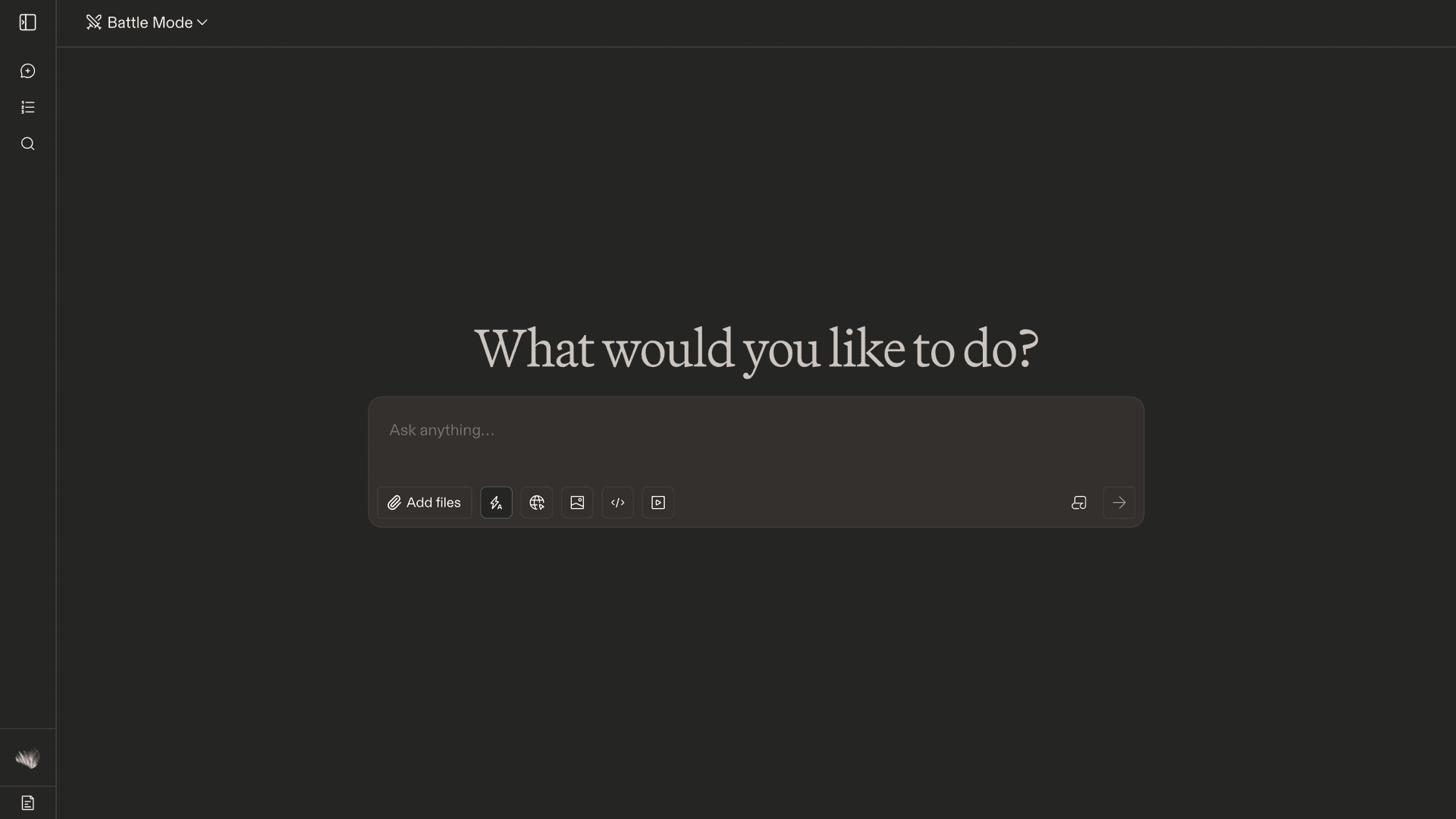
Chatbot Arena (now branded simply as Arena, and previously known as LMArena) is a crowdsourced evaluation platform for large language models that ranks AI systems based on human preferences through anonymous pairwise comparisons. Created by researchers at UC Berkeley in May 2023, the platform has grown from a small academic project into one of the most widely cited and trusted sources for comparing the capabilities of frontier AI models. By early 2026, Arena had collected over 6 million user votes across hundreds of models and rebranded as an independent company valued at $1.7 billion.[8]
The platform has expanded well beyond text. The rebranding to "Arena" in January 2026 reflected the platform's expansion beyond text-only language models. By that point, Arena had added support for image generation models, video generation, and multimodal systems, making the "LM" (language model) prefix too restrictive.[8]
Arena is not just a curiosity. It is the gold standard for AI evaluation. LM Arena (formerly LMSYS Arena) provides the gold standard for evaluating AI image models through blind human preference testing. Unlike synthetic benchmarks, LM Arena uses real-world user preferences to determine which models produce the most compelling images.[7]
And critically for our purposes: The website has been used for preview releases of upcoming models. Chinese company DeepSeek tested its prototype models in the Arena months before its R1 model gained attention in Western media. Other notable pre-release models include OpenAI's GPT-5 under the codename "summit" and Google DeepMind's Gemini 2.5 Flash Image (an image-generation and editing model) under the codename "Nano Banana".[3]
This is the key point: Arena is where AI companies quietly test their best models before the public knows they exist. If you want early access to frontier AI models, Arena is where you get it.
How Arena Works: Step by Step
Using Arena is free and straightforward. Here is exactly how to do it.
Step 1: Go to Arena
Visit arena.ai (formerly lmarena.ai). Is Chatbot Arena free to use? Yes, Chatbot Arena is completely free for all users. It is an open research platform operated by LMSYS and supported by academic institutions like UC Berkeley. Its goal is to provide a public good for the AI community and advance research, not to generate profit.[5]
You do not need to pay anything. You do not need a subscription. Your vote is the "payment."
Step 2: Select the Image Arena
Arena has multiple modes. Arena types include: Text Arena for general chatbot capability with side-by-side text response voting; Copilot Arena for code generation quality via a VS Code extension; Text-to-Image Arena for image generation from prompts with side-by-side image voting; and Vision Arena for understanding and analyzing images.[5]
For encountering the Duct Tape model, you want the Text-to-Image Arena. Make sure to select the right tool for the job; for example, if you want to generate an image, select the image icon. When you submit your prompt, it is collected to support fair, public evaluations and shape the development of AI models.[6]
Step 3: Enter Battle Mode
In battle mode, you'll be served 2 anonymous models. Dig into the responses and decide which answer best fits your needs.[6]
This is the mode you want. In Battle Mode, you type a prompt and receive two images generated by two anonymous models. You do not know which models are generating the images until after you vote.
Step 4: Submit Your Prompt
For text-to-image models, users enter a prompt and receive two anonymously generated images. They then vote for which image better matches their prompt, looks more realistic, or has better artistic quality.[1]
Type any image prompt you want. The platform will send it to two randomly selected models from its pool.
Step 5: Vote and See the Results
Choose your preferred response. Your vote helps shape the public AI leaderboards, and we share some of your feedback with model developers to help them build better models for people like you. After voting, the model identities are revealed. You can keep chatting in the same conversation, or start a new one.[6]
This is where the magic happens. After you vote, you see which models generated each image. If one of the tape codenames (maskingtape-alpha, gaffertape-alpha, or packingtape-alpha) appears, you have encountered the Duct Tape model.
Step 6: Repeat
You can run as many battles as you want. Every prompt gives you a new pair of random models. The more you run, the higher your chance of encountering any specific model — including unreleased ones being tested anonymously.
Can You Still Find Duct Tape on Arena?
Here is the honest answer: the original tape models were pulled from Arena within hours of being publicly identified in early April. On April 6, 2026, news outlets reported that OpenAI appears to be testing an "Image V2" model on LM Arena under three anonymous codenames: packingtape-alpha, maskingtape-alpha, and gaffertape-alpha. The reports noted those models were later pulled from Arena.[2]
However, there are two reasons to keep using Arena anyway.
First, AI companies routinely re-add models under new codenames. Models appear under codenames during blind testing, adding an element of discovery — you might be voting on an unreleased or experimental version before its public debut.[9] The tape names are gone, but the model could reappear under a different name at any time.
Second, the text-to-image leaderboard shows overall rankings across text to image AI models, with 4,547,789 votes and 54 models as of April 9, 2026.[3] With 54 models in the pool, you are getting free access to dozens of frontier image generators every time you run a battle. Even without Duct Tape, Arena gives you free access to models that would otherwise cost money to use through their APIs.
How to Encounter Duct Tape in ChatGPT (The A/B Test Method)
The Arena is not the only place the Duct Tape model has been spotted. OpenAI hasn't officially released GPT Image 2 yet, but this new model has been "leaked" across multiple fronts — three codenamed models have appeared in anonymous Chatbot Arena testing, and reports of ChatGPT users randomly triggering the new model are surfacing rapidly. This article provides a comprehensive breakdown of what we know about GPT Image 2, how to verify if you've "hit the jackpot" with the new model, and predictions for its capability upgrades.[1]
Some ChatGPT users reported gaining access to the new model directly through standard chats, while others encountered it as part of an A/B test — where the platform asked them to compare two image outputs side by side without knowing which model generated which.[10]
This is standard OpenAI behavior. This is the same method OpenAI used in late 2025 when it previewed models codenamed "Chestnut" and "Hazelnut" before those shipped as GPT Image 1.5. In other words, OpenAI has a pattern here — and it suggests a public release could follow relatively soon after this testing phase.[10]
The Trigger Strategy: How to Increase Your Chances
Not all ChatGPT image prompts are routed to the new model. Based on community reports, there are specific patterns that appear to increase the probability.
Currently rolling out to random users. You can try triggering it with complex prompts combined with "Format 16:9."[1]
The logic is simple: complex prompts that stress-test the model's capabilities are more likely to be routed to the new model for evaluation. Here is what community testers have found works best:
Prompts with significant text in the image. The Duct Tape model's most dramatic improvement is text rendering. Prompts that require readable text within the scene — product labels, UI screenshots, signage, menus, book covers — appear to have a higher likelihood of being routed to the new model.
Prompts with specific real-world references. Developer Pieter Levels was among the first to call it out on X, posting that the models showed "extremely good world knowledge and great text rendering" and speculating they could outperform Nano Banana Pro. Venture investor Justine Moore followed up with her own tests, noting that simple prompts like "average engineer's screen" and "young woman taking selfie with Sam Altman" produced results with an uncanny level of contextual awareness.[10]
These prompts reference specific real-world things. The new model's "world knowledge" is one of its signature capabilities, so prompts that test for contextual accuracy may be prioritized for routing to the new model.
Prompts requesting 16:9 widescreen format. 16:9 widescreen support has already been verified in beta testing, and the official release will likely add more options like 9:16 vertical.[1] Including "Format 16:9" or "widescreen aspect ratio" in your prompt may trigger routing to the new model, since 16:9 native output is a GPT Image 2 capability that GPT Image 1.5 does not support at the same level.
Generate multiple images in a row. The A/B test is probabilistic. Each generation is an independent roll. The more images you generate in a single session, the higher your cumulative chance of hitting the new model at least once.
5 Use Cases - [Duct Tape]
I ran five real-world use cases through GPT Image 2 — each designed to break a different aspect of traditional image generation.
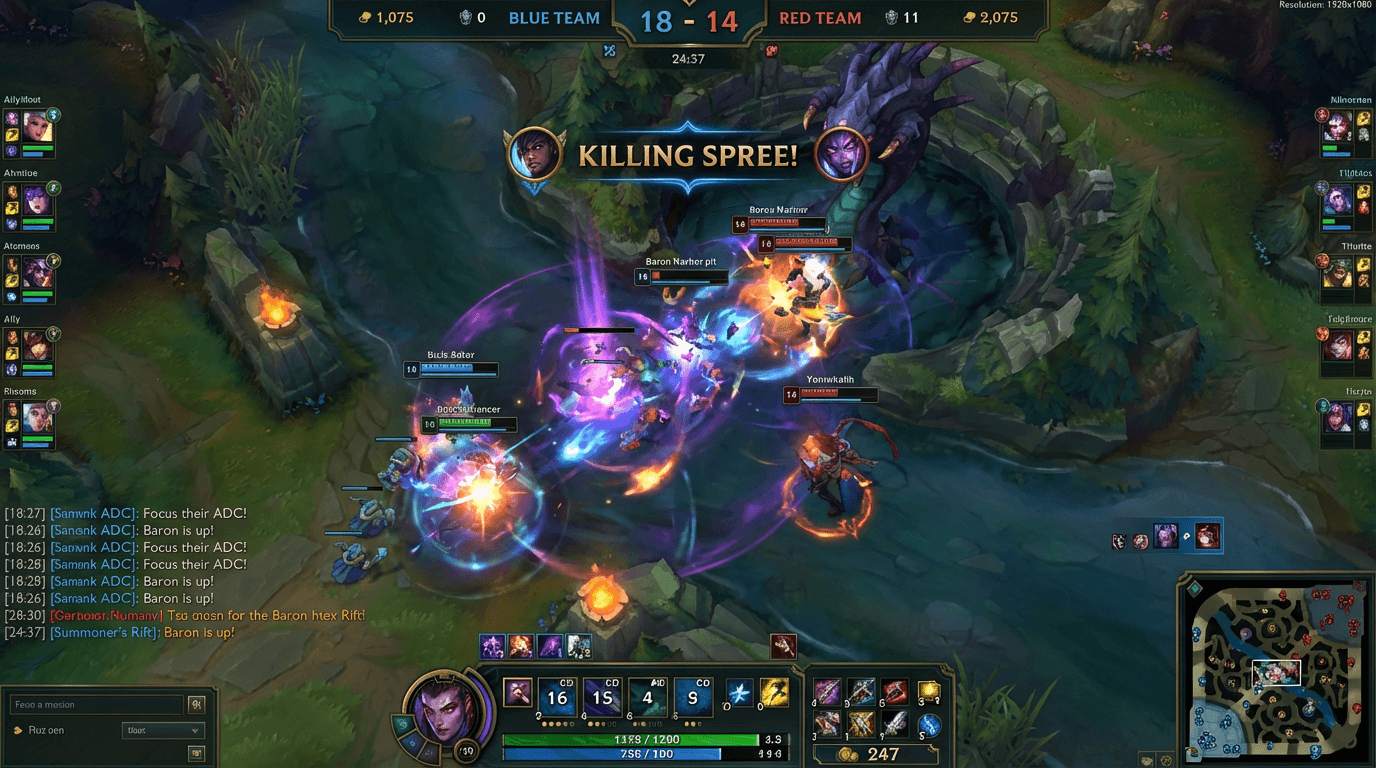
[League of Legends screenshot]
First, I asked it to generate a full League of Legends ranked match screenshot, complete with HUD, minimap, kill score, cooldown timers, and chat box. Every single text element came back legible, every icon sat in the right place — a pixel-perfect recreation of a UI that would have been unreadable gibberish six months ago.
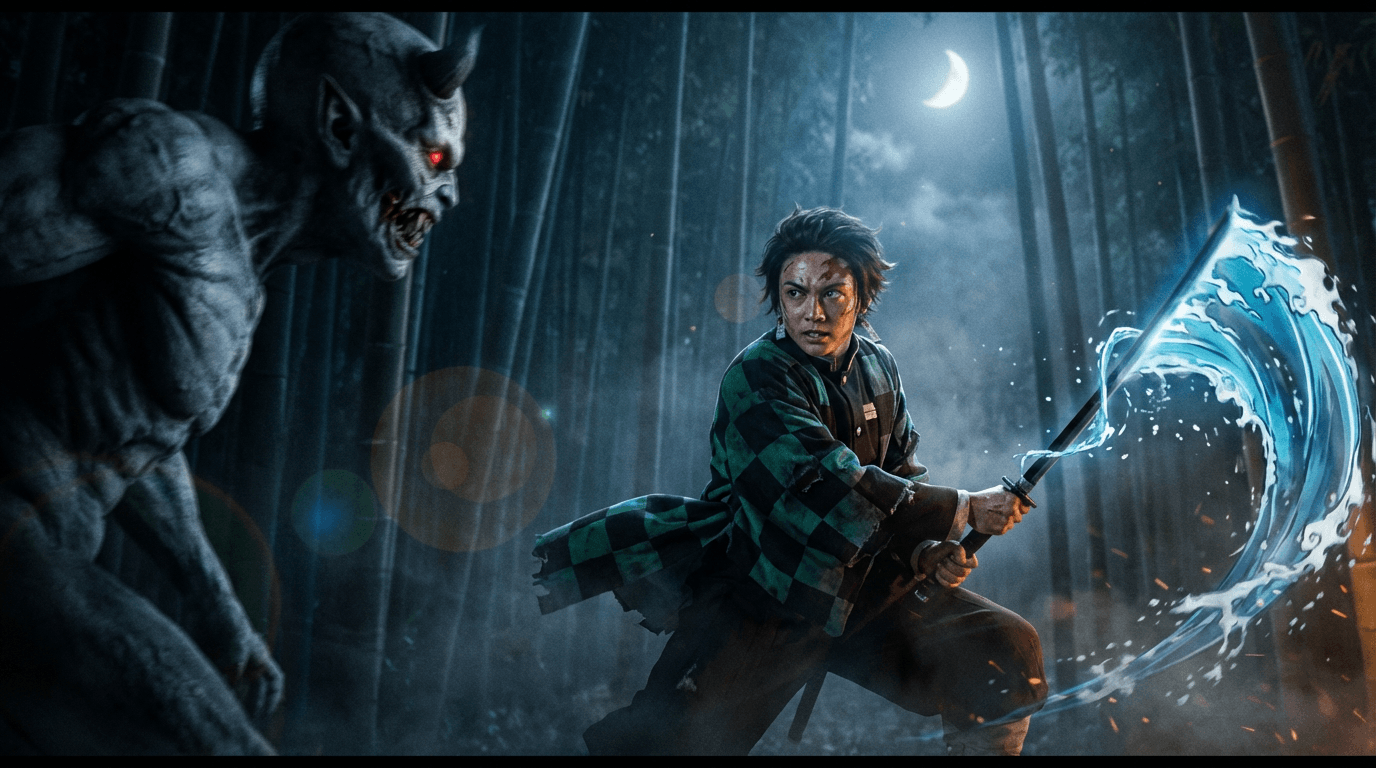
[Demon Slayer live-action]
Next, I pushed it into cinematic territory: a live-action reimagining of Demon Slayer, with real skin textures, real fabric wrinkles, and Tanjiro's Water Breathing technique rendered as a photorealistic VFX effect swirling around the blade. The result looks like a leaked still from a Hollywood adaptation, not an AI output.
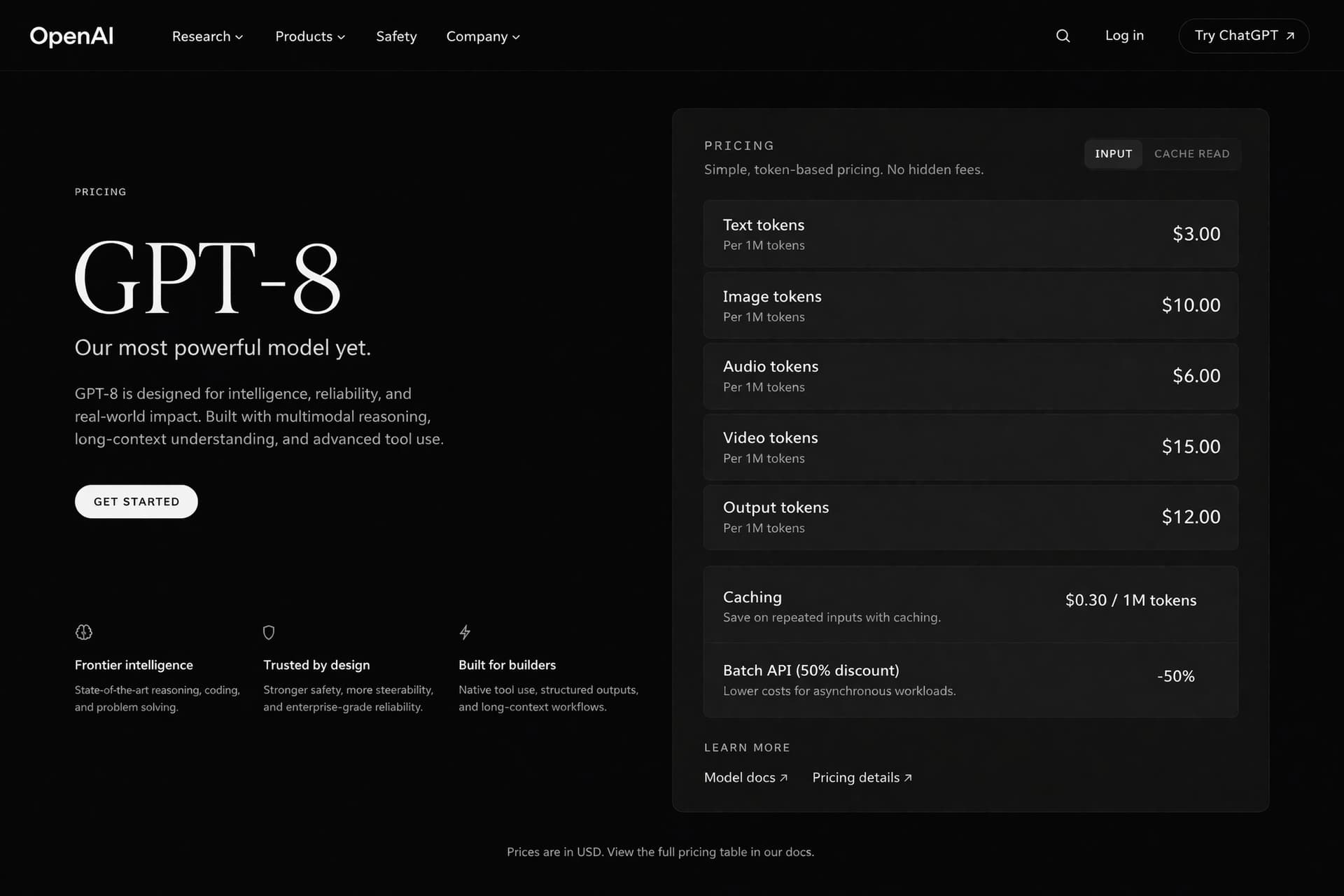
[Fake website]
For the third test, I generated a fake OpenAI landing page inside a browser frame — headline, trusted-by logos, the whole homepage formula. The result is unsettling precisely because it looks completely ordinary, like a real website with correctly spelled text and a functional-looking layout.
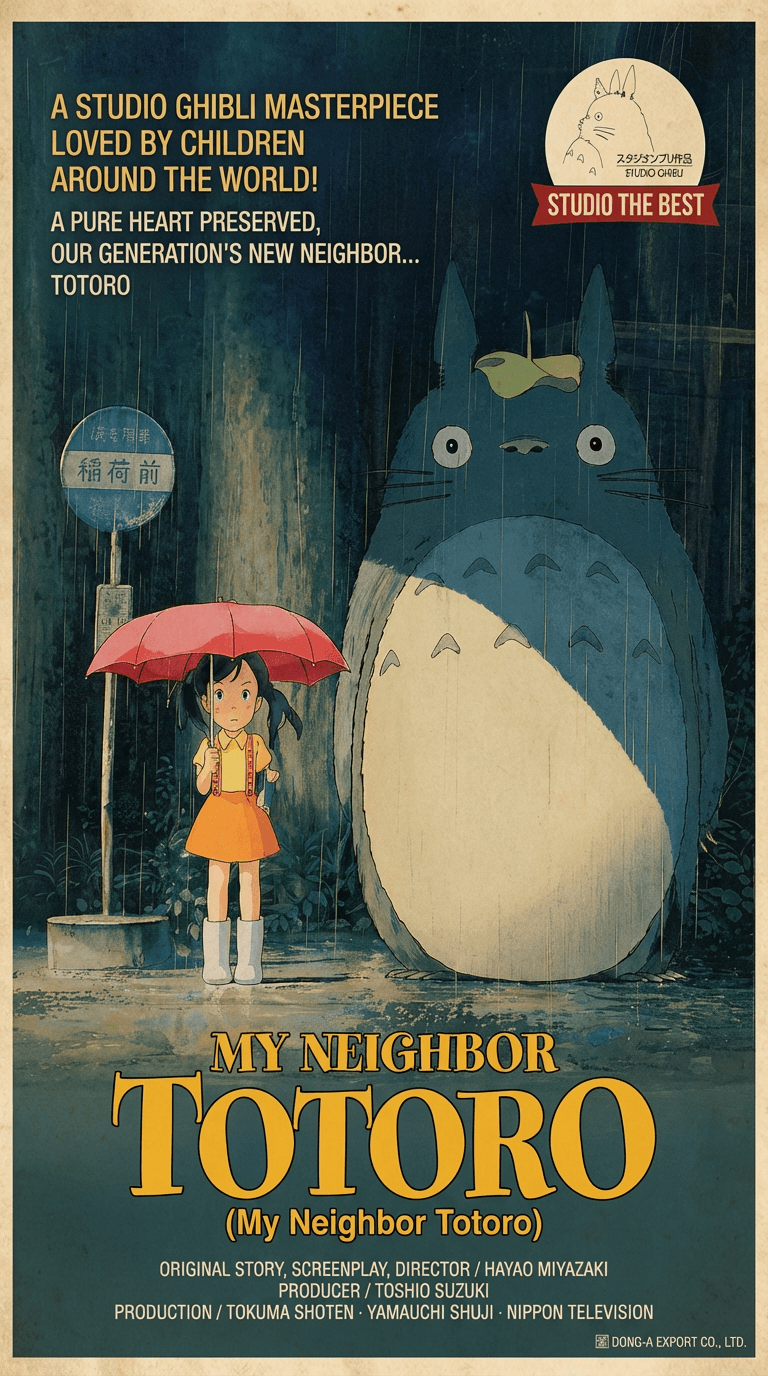
[Totoro poster]
Then I shifted to artistic style, prompting a Totoro-inspired movie poster to see if the model understood the hand-painted warmth and compositional balance of Studio Ghibli's visual language — and it nailed it. GPT Image 2 doesn't just have technical skill. It has genuine stylistic comprehension.
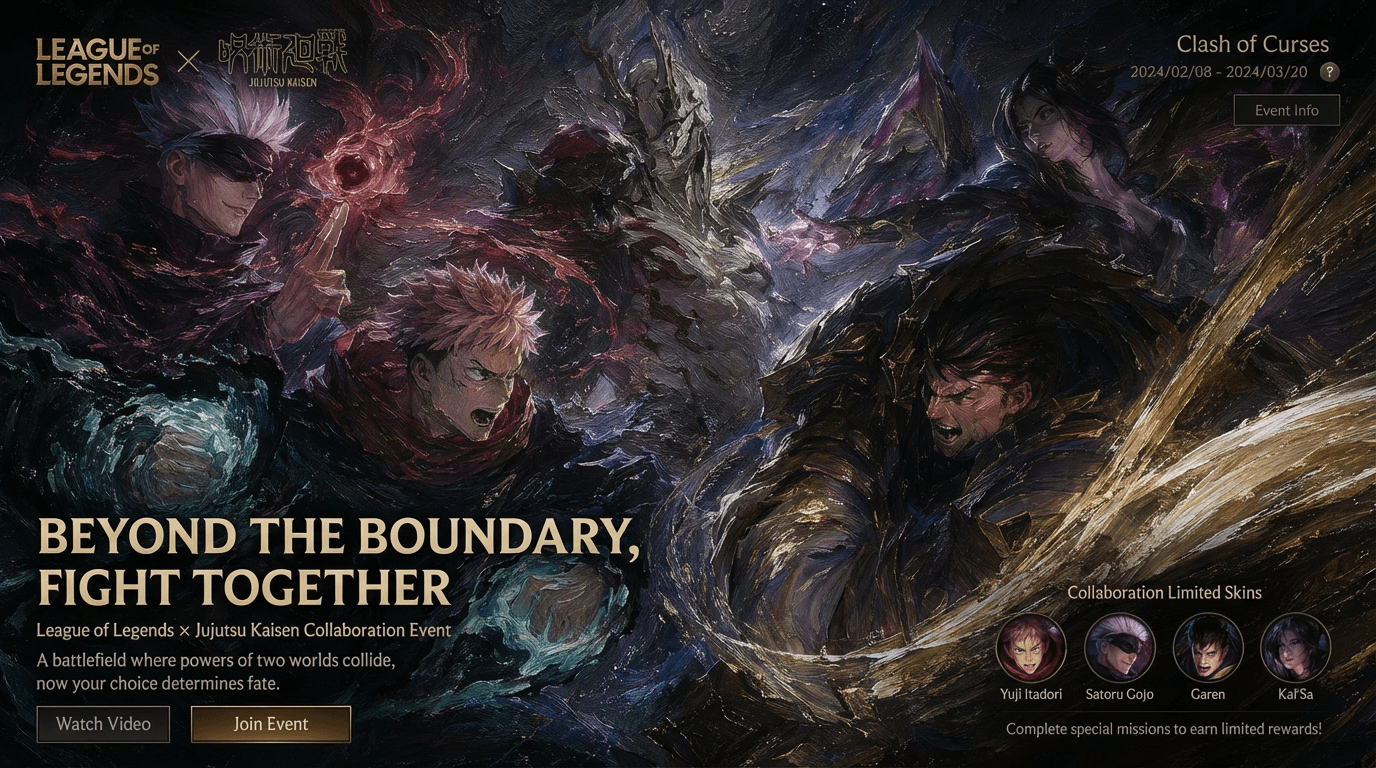
[JJK × LoL collaboration webpage]
Finally, I gave it something that has never existed in the real world: a Jujutsu Kaisen × League of Legends collaboration landing page. This forced the model to know both IPs, understand how a game collaboration webpage is structured, and blend two completely different visual identities into one cohesive design. It produced character splash art, event branding, navigation elements, and promotional copy arranged in a layout that looks like it was shipped by a Riot Games marketing team.
Example Prompts Designed to Trigger GPT Image 2
Based on the community reports and the model's known strengths, here are prompt templates designed to maximize your chances:
UI/Screenshot prompts:
"A photorealistic screenshot of a mobile banking app showing a transaction history with dates, amounts, and merchant names clearly readable. iPhone 16 screen, natural hand holding the phone, coffee shop background."
Product label prompts:
"A photorealistic product photo of a craft beer bottle with a detailed label showing the brewery name 'Oakridge Brewing Co.', ABV 6.8%, a mountain logo, and ingredient list. Studio lighting, white background."
Signage prompts:
"A street-level photograph of a Tokyo alley at night with multiple neon signs in Japanese and English, including a ramen shop sign reading 'Ichiban Ramen — Est. 1987', a karaoke bar sign, and various glowing advertisements. Rain-slicked pavement reflecting the lights."
Interface/world knowledge prompts:
"A photorealistic screenshot of a YouTube video page showing a video titled 'How to Build a PC in 2026' with 2.3M views, realistic comments section, recommended sidebar videos, and channel information. Desktop browser view."
Widescreen trigger prompts:
"A cinematic widescreen photograph of an IKEA store exterior at dusk, showing the illuminated IKEA sign, parking lot with realistic cars, and shoppers walking in and out. Golden hour lighting, Format 16:9."
How to Tell If You Got GPT Image 2 Instead of GPT Image 1.5
When you generate an image in ChatGPT, you are not told which model produced it. But the community has identified several telltale differences.
Three codenamed models — maskingtape, gaffertape, and packingtape — have shown impressive performance in community testing. All-New Architecture: It's not based on 4o; it's an independently designed image generation model. Major Breakthroughs: Near-perfect text rendering, significantly enhanced world knowledge, and photorealistic quality.[1]
Here is how to identify which model generated your image:
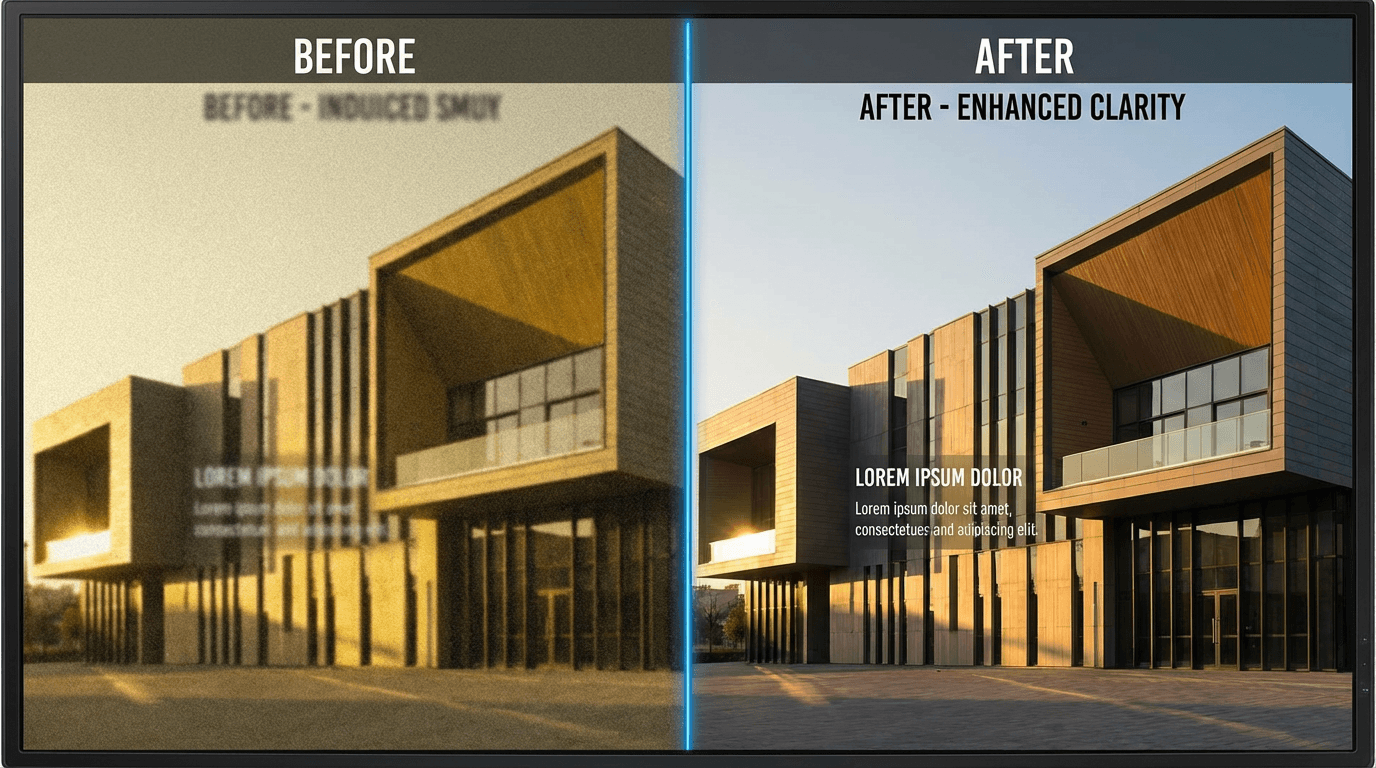
No yellow color cast. GPT Image 1.5 has a persistent warm yellow tint, especially in skin tones and indoor scenes. If your image looks clean and neutral without that signature warmth, it may be GPT Image 2.
Text that belongs in the scene. GPT Image 1.5 often renders text that floats on top of images or contains spelling errors. Text sits inside scenes correctly instead of floating over them. The model's world knowledge is noticeably denser — it seems to understand what specific environments, interfaces, and objects actually look like, not just a plausible approximation.[9] If the text in your image is perfectly integrated into the scene, reads correctly, and looks like it physically belongs there, that is a strong GPT Image 2 signal.
Contextual accuracy that feels uncanny. If you prompt for a specific real-world environment and the result looks like an actual photograph of that specific place rather than a generic approximation, the model's world knowledge is showing.
Higher detail density. GPT Image 2 outputs appear to pack more detail into the same resolution. Textures, reflections, and small environmental details are more pronounced.
Widescreen output. If you requested 16:9 and received a native widescreen image that does not look cropped or stretched, that is a potential GPT Image 2 indicator.
How to Use the Arena Leaderboard to Track Models
Even if you cannot directly access the Duct Tape models, the Arena leaderboard is an essential tool for understanding which models are best right now and when new ones are being tested.
Visit the text-to-image leaderboard at arena.ai/leaderboard/text-to-image.
On the April 9, 2026 LM Arena text-to-image leaderboard, Google's gemini-3.1-flash-image-preview (Nano Banana 2) holds first place. OpenAI's gpt-image-1.5-high-fidelity sits second. On the single-image-edit leaderboard, OpenAI's chatgpt-image-latest-high-fidelity leads first place, with gpt-image-1.5-high-fidelity fifth. OpenAI is competitive, especially in AI image editing, but not dominant across the board.[2]
The Elo rating system works like chess rankings. Continuous updates: As more votes come in, ratings become increasingly accurate and stable. A 10-point ELO difference represents a meaningful quality gap. A 50-point difference indicates a substantial advantage. The top-ranked model (GPT Image 1.5 at 1264) sits nearly 30 points above second place and over 100 points above the ninth-ranked model.[1]
Here is how to read the leaderboard like an insider:
Watch for new codenames. When a new anonymous model appears on the leaderboard and starts climbing rapidly, it is almost certainly a pre-release model from a major lab. In August 2025, Nano Banana appeared on LM Arena with no branding, racked up 2.5 million votes, and built the largest Elo lead in Arena history at 171 points. Google teased its involvement through banana emoji posts from executives including Demis Hassabis before formally confirming it was Gemini 2.5 Flash Image.[10]
Watch for models that get pulled quickly. They're the codenames under which GPT Image 2 was stress-tested on LM Arena before any public announcement. The tape naming fits OpenAI's existing GPT-Image naming pattern, and the fact that all three got pulled within hours of being identified tells you most of what you need to know about where they came from.[9]
Pay attention to the chatgpt-image-latest entry. One detail worth noting: chatgpt-image-latest is a separate API alias that points to "the image snapshot currently used in ChatGPT." A silent ChatGPT-side upgrade could happen behind that alias without OpenAI publicly naming the updated model. On LM Arena's April 2026 single-image-edit leaderboard, chatgpt-image-latest-high-fidelity ranks first — above gpt-image-1.5-high-fidelity in fifth place. That gap is real.[2]
That last point is significant. The model powering ChatGPT's image generation is already performing differently than GPT Image 1.5 on the Arena leaderboard. Something has changed behind the scenes, and it is showing up in the data.
Arena Pro Tips: Getting the Most Out of Free Access
Arena is not just useful for chasing unreleased models. It is one of the best free resources for AI image generation in 2026. Here is how to maximize it.
Use it as a free image generator. Every battle gives you two images for free. Two anonymous models generate outputs based on your prompt. You vote on the better result — your vote is the "payment," letting you access Paid AI Tools for Free.[8] If you like one of the outputs, you can download it directly.
Use it to find the best model for your use case. Instead of subscribing to every AI image service, use Arena battles to test your actual prompts across dozens of models. After voting, you see which model produced which image. Over time, you build genuine insight into which model is best for your specific needs. The LM Arena rankings provide valuable guidance, but your specific requirements should ultimately drive model selection. Start with the rankings, test with your actual use cases, and choose the model that delivers the right balance of quality, speed, cost, and capabilities for your project.[1]
Use Side-by-Side mode for targeted comparisons. Beyond Battle Mode, Arena offers Side-by-Side mode where you can pick specific models to compare. Pick any two models (e.g., GPT-5 and Claude 4 Sonnet) and view outputs in parallel. Ideal for detailed evaluation of specific capabilities.[8]
Use Direct Chat for extended sessions. Engage directly with any model as your personal assistant. Use prompts like "Develop a YouTube script framework" and watch GPT-5 deliver professional-grade content.[8] This mode lets you interact with a specific model directly, which is useful when you have already identified which model you want to use.
Join the Arena Discord for video generation. Arena has expanded beyond the web interface. In January 2026, LMArena added video support.[3] The Discord server offers additional generation capabilities, and community members actively share tips on which models are being tested and how to find them.
The Hidden Signal: chatgpt-image-latest Is Already Different
This is the detail most coverage misses, and it is arguably the most useful piece of information for people trying to access GPT Image 2 right now.
One detail worth noting: chatgpt-image-latest is a separate API alias that points to "the image snapshot currently used in ChatGPT." A silent ChatGPT-side upgrade could happen behind that alias without OpenAI publicly naming the updated model.[2]
In plain language: OpenAI can change the model that powers ChatGPT's image generation at any time without announcing it. They have a specific API endpoint (chatgpt-image-latest) that always points to whatever model is currently live in ChatGPT. And on the Arena leaderboard, that endpoint is currently outperforming GPT Image 1.5 in image editing.
This means one of two things: either OpenAI has already silently upgraded ChatGPT's image model for some or all users, or the A/B test is large enough that the upgraded model is showing up in aggregate Arena data. Either way, the model change is real and measurable.
If you are a developer building with the OpenAI API, pay attention to the chatgpt-image-latest endpoint. It may already be pointing to a model that is qualitatively different from gpt-image-1.5.
What Happens When Duct Tape Officially Launches
Based on the pattern from previous releases, here is what to expect.
The testing pattern matches GPT Image 1.5. In December 2025, anonymous models ("Chestnut" and "Hazelnut") appeared on LM Arena, were pulled quickly, and GPT Image 1.5 launched within weeks. The tape models follow the same pattern.[8]
Anonymous testing in the Arena and beta rollouts in ChatGPT are usually signals that a release is 2–4 weeks away.[1]
Analyst estimates point to May–June 2026. OpenAI has not confirmed any dates.[5]
When the launch happens, expect the following sequence: first, the model will roll out broadly in ChatGPT (likely all subscription tiers with usage limits). Second, API access will follow, likely under a new model identifier like gpt-image-2. Third, the model will be officially added to the Arena leaderboard under its real name, and the Elo scores will update accordingly.
The DALL-E deadline creates urgency. DALL-E 2 and 3 shut down May 12, 2026. Launching GPT Image 2 before that date gives developers a clear migration target.[8]
The May 12 DALL-E retirement date is the forcing function. OpenAI needs to give developers something to migrate to, and GPT Image 2 is the obvious answer.
A Note on What the Duct Tape Models Cannot Do
Before you spend hours trying to trigger the new model, it is worth knowing its limitations.
But they still can't pass the Rubik's Cube reflection test, a spatial reasoning benchmark that trips up every image model.[10]
And reports circulating on Russian-language Telegram channels describe aggressive content filtering that produces some bizarre results, including one case where the model allegedly rendered a map of Africa with "CIGER" instead of "Niger." This claim could not be verified independently, but it would track with OpenAI's historically aggressive approach to content safety in image generation.[10]
It's worth noting that what we're seeing is still a testing build. OpenAI has historically fine-tuned models between internal testing and public release, sometimes adjusting outputs for quality, cost efficiency, or safety considerations. The final GPT Image 2 may differ from what early testers have seen.[10]
The model is impressive, but it is not perfect. Spatial reasoning still has gaps, content filtering can produce odd artifacts, and the version that eventually ships publicly may be different from the testing build that appeared on Arena.
Summary: Your Duct Tape Action Plan
Here is the practical sequence for accessing the Duct Tape model or preparing for its official launch.
Right now: Go to arena.ai, select the Text-to-Image arena, and start running battles. Even if the tape codenames are no longer active, you get free access to 54+ frontier image models and you will see any new anonymous models the moment they are added.
In ChatGPT: Generate complex images that include significant text, UI elements, real-world references, and widescreen formats. You can try triggering it with complex prompts combined with "Format 16:9."[1] Generate multiple images per session to increase your odds. Look for the telltale signs: no yellow cast, clean text rendering, uncanny world knowledge.
On the leaderboard: Bookmark arena.ai/leaderboard/text-to-image and check it weekly. Watch for new anonymous codenames climbing the rankings. When you see a new model with unusually high Elo and no public identity, you are looking at the next pre-release model from a major lab.
For developers: Monitor the chatgpt-image-latest API endpoint. A silent ChatGPT-side upgrade could happen behind that alias without OpenAI publicly naming the updated model.[2] If you are still on the DALL-E API, start migrating immediately — DALL-E 2 and 3 shut down May 12.
For creators: Start learning the prompt structures that play to the new model's strengths: specific real-world references, text-heavy scenes, product mockups, and interface screenshots. The AI Image Generator inside Miraflow AI lets you practice prompt architecture across multiple models today, so you are ready to take full advantage when GPT Image 2 officially arrives.
The Duct Tape model is coming. The Arena is free. And every battle you run is one more chance to be among the first to use the most significant AI image model of 2026 before anyone else.
Frequently Asked Questions
Is Arena (LM Arena) free to use?
Yes. Chatbot Arena is completely free for all users. It is an open research platform operated by LMSYS and supported by academic institutions like UC Berkeley.[5] Your votes are your payment — they help build the leaderboard data.
Can I still find the Duct Tape models on Arena?
The original three tape codenames (maskingtape-alpha, gaffertape-alpha, packingtape-alpha) were pulled from Arena within hours of being identified. However, Arena regularly adds new models, and unreleased models frequently appear under anonymous codenames. The model could reappear under a different name at any time.
How do I know if ChatGPT is serving me GPT Image 2?
Look for these signs: no yellow color cast, text that sits naturally inside scenes instead of floating on top, higher detail density, and contextual accuracy that feels like the model "knows" what specific real-world things look like. None of these are guaranteed indicators, but together they strongly suggest the new model.
What prompts work best for triggering GPT Image 2 in ChatGPT?
You can try triggering it with complex prompts combined with "Format 16:9."[1] Community reports suggest that prompts requiring significant text rendering, UI elements, real-world product references, or specific environmental detail have the highest probability of being routed to the new model.
How many image battles can I run on Arena?
For text-to-image, there is no strict daily limit for basic access — you can run as many battles as you want. Video Arena is currently limited to 2 generations per 24-hour period.[4] Image generation limits may vary.
When will GPT Image 2 officially launch?
Analyst estimates point to May–June 2026. OpenAI has not confirmed any dates.[5] The DALL-E retirement deadline of May 12, 2026 creates a natural forcing function.
References
- GPT Image 2 Leaked: Prompts and Workflow Guide 2026
- Full Interpretation of GPT Image 2 Grayscale Leak: 3 Codename Models Appear in Arena, 5 Major Capability Upgrades, and Trigger Verification Techniques - Apiyi.com Blog
- LM Arena Text-to-Image Rankings 2026: Complete Analysis and Guide | WaveSpeedAI Blog
- GPT Image 2: Rumours, Leaks & Release Date (2026) | Summary | getimg.ai
- Chatbot Arena - lm-sys/FastChat
- Image Arena - Top AI Image Models
- April 2026 — ChatGPT / API Image Gallery, Prompt Tips, and Help: Generative Art Theme: Spring / New Beginnings - Page 20 - Community - OpenAI Developer Community
- can on X: "GPT Image V2 in on LM Arena 🖼️ It has three variations; Duct Tape 1, 2 and 3 Duct Tape 2 and 3 looks better. Thursday release? 👀 https://t.co/BkW8qR7F2P" / X
- LMArena - Wikipedia
- Text-to-Image Leaderboard - Best AI Image Generators
- April 2026 — ChatGPT / API Image Gallery, Prompt Tips, and Help: Generative Art Theme: Spring / New Beginnings - Page 18 - Community - OpenAI Developer Community
- imgsys.org | an image model arena by fal.ai
- Arena How To: Create Videos with Video Arena
- April 2026 — ChatGPT / API Image Gallery, Prompt Tips, and Help: Generative Art Theme: Spring / New Beginnings - Page 7 - Community - OpenAI Developer Community
- GPT Image 2: OpenAI's New Model Leaked on Chatbot Arena
- Chatbot Arena: The Ultimate Guide to AI's Grand Colosseum
- Text-to-Image Leaderboard - Best AI Image Generators
- April 2026 — ChatGPT / API Image Gallery, Prompt Tips, and Help: Generative Art Theme: Spring / New Beginnings - Page 11 - Community - OpenAI Developer Community
- How Arena Works | AI Model Evaluation & Benchmarking
- LM Arena AI Chat Bot: Stein – Apps on ...
- How to Get Around ChatGPT Content Policy for Images (2026) - GlobalGPT
- Complete Guide to AI Image Generation APIs in 2026 | WaveSpeedAI Blog
- Chatbot Arena + | OpenLM.ai
- April 2026 — ChatGPT / API Image Gallery, Prompt Tips, and Help: Generative Art Theme: Spring / New Beginnings - Page 14 - Community - OpenAI Developer Community
- GPT Image 2 Just Leaked: Everything We Know (April 2026)
- Chatbot Arena | AI Wiki
- Unlock Paid AI Tools for Free: Your Ultimate Guide to LM Arena - Cyber Toffy
- April 2026 — ChatGPT / API Image Gallery, Prompt Tips, and Help: Generative Art Theme: Spring / New Beginnings - Page 15 - Community - OpenAI Developer Community
- GPT Image 2 Just Leaked! | Eachlabs
- LM Arena Launches Free Video Generation Arena: Battle Top Models Like Veo 3, Sora 2, and Kling Head-to-Head
- Leaderboard Changelog
- April 2026 — ChatGPT / API Image Gallery, Prompt Tips, and Help: Generative Art Theme: Spring / New Beginnings - Page 13 - Community - OpenAI Developer Community
- GPT Image 2 Will Be Released: Everything We Know About It | Dzine Blog
- Aihola
- How to use LM Arena for free AI image generation
- April 2026 — ChatGPT / API Image Gallery, Prompt Tips, and Help: Generative Art Theme: Spring / New Beginnings - Page 16 - Community - OpenAI Developer Community