What Suno's BMG Deal Means for AI Music Creators in 2026

Written by
Aerin Kim

Suno just signed a global licensing deal with BMG while rolling out new download limits. Here is what it actually means for creators using AI music today.
If you have ever hesitated before dropping a Suno track into a monetized video, worried about whether the label lawsuits circling AI music might eventually reach the song you already published, this week's news is directly relevant to you. On August 12, 2026, Suno announced a global licensing alliance with BMG, the third-largest music rights holder in the world, covering both recorded music and publishing [1]. It is Suno's second major label deal after settling with Warner Music Group roughly nine months ago, and it lands the same week Suno is rolling out new download limits that a lot of existing users are unhappy about [2].
This post breaks down what the deal actually covers, what it does not fix yet, and what it means practically if you are a content creator deciding whether to keep using Suno, wait for its new licensed model, or generate music somewhere your rights are clear from the start, like the AI Music Generator in Miraflow AI.
Here is a same-day breakdown of the announcement and the reaction from existing Suno users, worth watching before you decide how this affects your own workflow:
What Actually Happened on August 12
BMG and Suno announced what both companies are calling a global strategic alliance, covering BMG's full catalog across recorded music and music publishing worldwide [1]. Two things make this deal structurally different from a simple licensing checkbox getting ticked.
First, it is opt-in. BMG artists and songwriters choose whether their catalog can be used as AI training input and whether their style can show up in AI-generated output, and only participating artists are compensated under the deal [1]. That is a meaningfully different model from a blanket agreement that assumes every artist in a catalog is included by default.
Second, it is retroactive. The agreement explicitly settles Suno's prior use of BMG's recordings and publishing works, meaning it resolves a legal exposure Suno already had rather than only governing future use [1]. BMG's EVP of Global Marketing & Streaming, Celine Joshua, put the framing directly: "Choice is the guiding principle. This agreement establishes strong protections, clear economics, and new creative possibilities" [1]. Suno co-founder and CEO Mikey Shulman framed it from the company's side as a shift in approach: "Building that future responsibly means working directly with the people who make music" [1].

We covered a similar model-quality leap on the licensed side of this same industry in our breakdown of Google's Lyria 3.5, where better vocal structure came from a platform that never had this catalog question to begin with.
The deal is explicitly tied to something bigger than a legal settlement: Suno says it is part of the runway toward its first AI music model built in direct partnership with the music industry, rather than trained on scraped catalogs with labels finding out after the fact [1].
The Bigger Picture: AI Music's Licensing War Is Only Half Resolved
It helps to place this deal inside the wider legal landscape rather than read it in isolation. Warner Music Group struck its own licensing agreement with Suno roughly nine months before this BMG deal, back in November 2025. Universal Music Group and Sony Music Group, the two largest rights holders in the industry, remain in active, unresolved litigation against Suno in the United States over the training data behind its earlier models. That means, as of this week, Suno has settled with two of the four major rights holders and is still being sued by the other two.

Practically, this means the BMG deal does not retroactively clear every legal question around music generated on Suno's current models. If a track you generated leaned on a style or catalog connected to UMG or Sony, the underlying legal dispute over that training data has not been resolved by this announcement. The deal is real progress, but it is progress for one specific slice of the catalog landscape, not a blanket resolution for the platform as a whole.
What This Means If You Use Suno Right Now
Here is the part that matters most for a working creator rather than an industry observer: the BMG deal covers Suno's next model, the one built in partnership with the industry, not necessarily every track you can generate on Suno today. If you are actively publishing content with Suno-generated music, a few practical takeaways follow directly from the deal structure.
- The retroactive settlement with BMG specifically reduces legal exposure tied to BMG's catalog, but the UMG and Sony litigation is unaffected and ongoing.
- Suno's stated direction is toward a fully licensed model launching later in 2026, which implies today's models predate that fully-cleared status.
- Commercial usage terms still depend on your specific subscription tier, and that has not changed because of this announcement alone.

Why Existing Users Are Frustrated This Week
The BMG deal did not land in a vacuum. In the same window, Suno announced new download limits taking effect September 3, 2026: Pro subscribers move from effectively unlimited downloads to a 20 song per month cap, Premier subscribers get 60 per month, and free users are capped at seven lifetime downloads rather than a replenishing monthly allotment [2]. Suno frames the change as targeting "bad actors" who mass-export tracks, potentially to flood streaming platforms or manipulate royalty payouts, rather than typical individual use [2]. Premier subscribers using Suno Studio are exempted from the cap entirely, and downloading the same track multiple times or its stems does not count as multiple separate downloads [2].
The timing is what is driving the reaction: a licensing deal framed around protecting artists, announced the same week as a usage restriction framed around protecting the platform from abuse, reads to a lot of paying subscribers as tightening the product right as the company gets more expensive licensing obligations to fund. Whether or not that read is fair, it is the practical mood among existing users right now, and it is worth factoring into any workflow that depends on downloading a high volume of generated tracks monthly.
A Simpler Path: Generating Music You Fully Own From the Start
None of this is a reason to avoid AI-generated music entirely. It is a reason to think about where the licensing question sits in your workflow before you build a content pipeline around it. The AI Music Generator in Miraflow AI generates original tracks from a text description rather than routing through a third-party catalog dispute at all, which sidesteps the entire category of question this deal is trying to resolve for Suno.
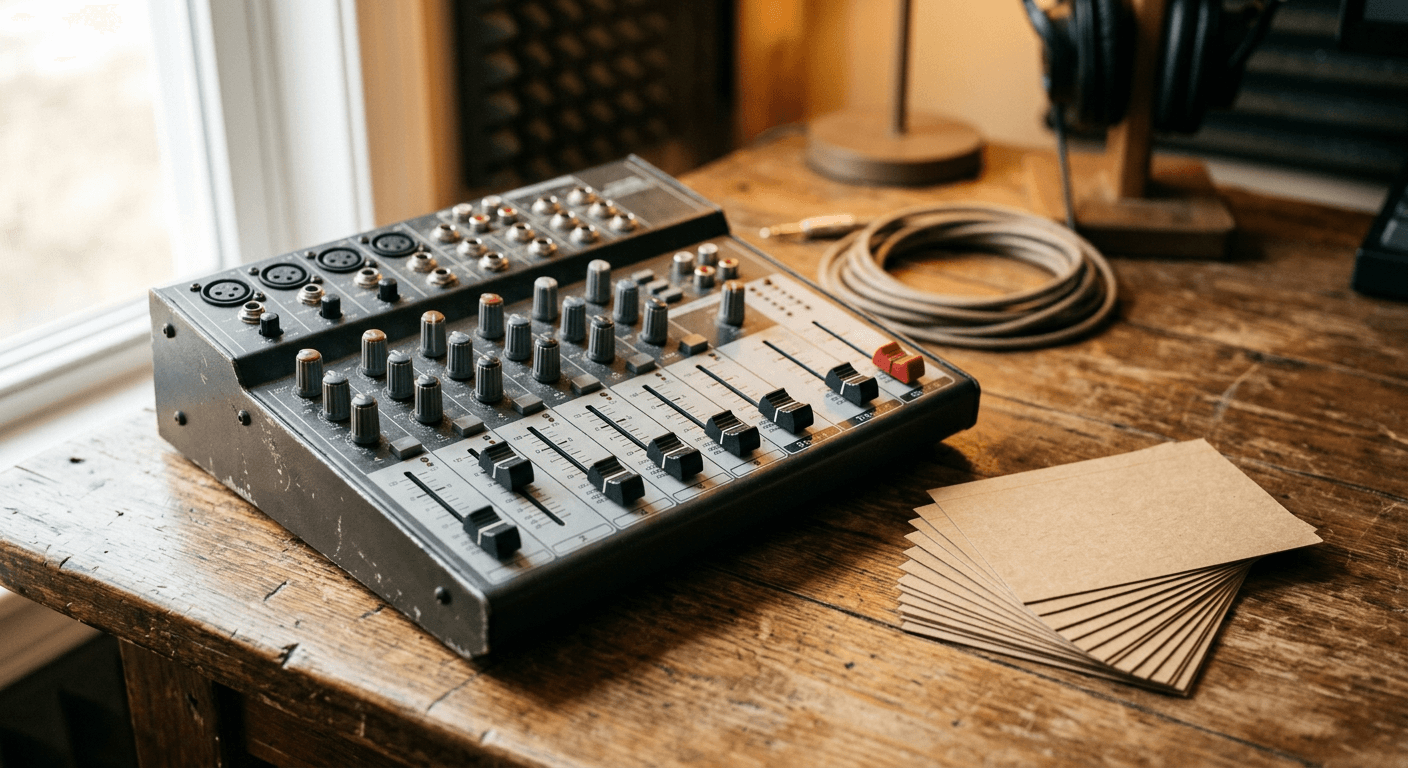
Simple Mode covers the common case: describe the track you want, optionally toggle instrumental only, and generate. Custom Mode adds control over lyrics structure with explicit section tags like verse, chorus, bridge, intro, and outro, plus direct control over duration, BPM, and key, with an AI reasoning toggle and an optional seed for reproducible variations. Generated tracks land in My Music, where they can be played, downloaded, and reused without a download cap tied to a subscription tier renegotiation. Typical generation time is under one minute, which matters if you are scoring a video on a deadline rather than waiting on a queue.
This same principle applies across a content pipeline, not just the music step. Text2Shorts in Miraflow AI generates a full script-to-video pipeline, and AI Clipping turns a long-form video into ranked short clips with captions, both of which pair naturally with an AI-generated soundtrack that does not carry an open legal question. If you are building a channel around a consistent visual identity to go with that soundtrack, the YouTube Thumbnail Maker in Miraflow AI rounds out the same pipeline, and the AI Image Generator in Miraflow AI covers everything visual in between. You can see the full toolset at miraflow.ai.
How to Protect Yourself Regardless of Which Tool You Use
- Check whether your specific subscription tier grants full commercial rights, rather than assuming a paid plan automatically means clear commercial use.
- Understand whether the tool's licensing model is fully cleared today or, like Suno's current state, transitioning toward a fully licensed model still rolling out.
- Keep records of when you generated a track and under which plan, since licensing terms and platform policy can change, and a track published under one set of terms may need to be revisited if those terms shift.
- Avoid prompts that explicitly try to imitate a specific named artist's style, regardless of which platform you use, since that is the category of use most likely to draw a claim independent of the underlying training data dispute.
- Where the goal is simply reliable, deadline-safe background music for content, an original-generation tool that does not route through a third-party catalog at all removes this entire category of risk from your workflow. Our guide on generating no-copyright music for YouTube walks through the same decision from the platform-policy side.
Common Mistakes Creators Make With AI Music Licensing
- Assuming a label deal like this one retroactively clears every track already generated on the platform, when in practice these deals typically govern specific catalogs and specific models going forward.
- Treating "Suno signed a deal with a major label" as equivalent to "Suno's legal situation is fully resolved," when two of the four majors remain in active litigation.
- Not checking whether a download or export policy change, like the one taking effect September 3, 2026, affects an existing content pipeline that depends on batch downloading tracks.
- Assuming free-tier or lower-tier generation automatically includes full commercial rights, when commercial terms are typically tied to specific paid tiers.
Frequently Asked Questions
Does the BMG deal mean all Suno-generated music is now free of legal risk? No. The deal settles Suno's use of BMG's specific catalog and is opt-in for BMG artists. Universal Music Group and Sony Music Group remain in active litigation against Suno, so music connected to those catalogs is not covered by this agreement.
When does Suno's new download limit take effect? September 3, 2026. Pro subscribers move to a 20 song per month cap, Premier subscribers get 60 per month, and free users are limited to seven lifetime downloads.
Is BMG the first major label to sign with Suno? No. Warner Music Group signed its own licensing deal with Suno roughly nine months earlier, in November 2025. BMG is the second of the four major rights holders to reach an agreement.
What is Suno's "fully licensed model" that this deal is building toward? Suno has stated this partnership is part of the runway toward its first AI music model developed directly with the music industry rather than trained on catalogs without label involvement, though no specific launch date has been announced.
Is there a way to generate AI music without this licensing uncertainty at all? Yes. Tools that generate original compositions from a text description, like the AI Music Generator in Miraflow AI, do not route through a third-party catalog dispute, which avoids this specific category of legal question.
Should I stop using Suno because of this news? That depends on your risk tolerance and what your current subscription tier's commercial terms actually say. This deal is a sign the platform is moving toward a more fully licensed footing, not a signal to panic about content you have already published, but it is worth reading your own plan's terms rather than assuming.
Conclusion
The BMG deal is a real, structurally meaningful step for Suno, an opt-in, retroactive settlement with one of the four major rights holders, tied to a stated plan for a fully industry-licensed model down the road. It is not, on its own, a complete resolution of the legal questions hanging over AI-generated music, since Universal Music Group and Sony Music Group remain in litigation, and it arrives the same week as a download policy change that has frustrated a chunk of Suno's existing user base. For creators building a content pipeline that depends on background music, the practical takeaway is to know exactly what your current plan covers, watch how this fully licensed model rolls out over the rest of 2026, and consider whether a tool that generates original tracks without routing through a catalog dispute, like the AI Music Generator in Miraflow AI, better fits a pipeline you plan to keep publishing for years rather than months.