21 AI Action Figure and Toy Box Prompts for the 2026 Figurine Trend (Copy & Paste)

Written by
Aerin Kim
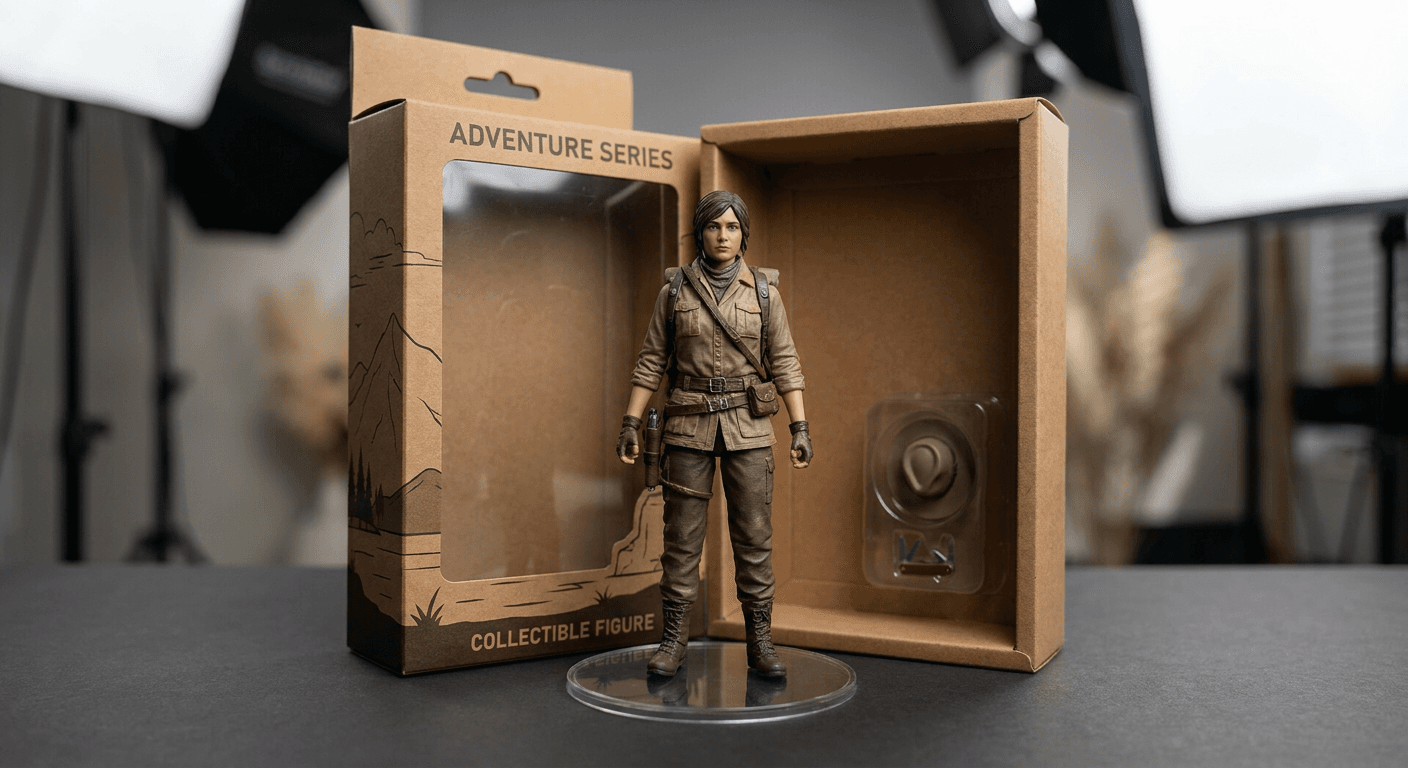
The AI figurine trend is still one of the most shared AI image styles going into 2026. Here are 21 grouped action figure, chibi, packaging and mascot prompts to copy and paste.
The AI figurine trend, turning a photo of yourself, a pet, or a character into a realistic collectible toy complete with packaging, has stuck around far longer than most viral AI formats. It broke out in 2025 and, heading into 2026, it is still one of the most consistently shared AI image styles on TikTok, Instagram and Pinterest, and it has kept evolving as the underlying image models got better at the two things that make or break this look: text rendering on the packaging and believable material texture on the figure itself.
The current wave of this trend leans heavily on Nano Banana Pro, the image model known for handling exactly those two details, crisp packaging text and realistic plastic, cardboard and acrylic texture, in a single generation. The original viral template that kicked this off asked for something close to: a 1/6 scale commercialized figurine on a computer desk, a round transparent acrylic base with no text on it, and a BANDAI-style toy packaging box beside the figure. That structure is still the backbone of almost every good prompt in this style, and the 21 prompts below build on it across five different formats.
You can generate every prompt below directly inside the AI Image Generator in Miraflow AI, which handles image-to-image generation from a reference photo, the exact workflow this trend depends on.
Why This Trend Has Lasted So Long
Most AI image trends burn out within a few weeks. This one has not, and the reason is that it scales across almost any subject: a selfie, a pet, a fictional character, a mascot, a product. It also produces a genuinely shareable end state, a finished "product photo" of a toy that looks like it could exist, which reads as more novel than a filtered selfie and gets more engagement as a result. Creators making merch mockups, personal branding content, or just testing what a character would look like as a collectible have all converged on the same basic prompt structure, then diversified into the format variations covered in the five groups below. Streamers and gamers building out a personal brand kit often pair this format with the prompts in our gaming setup and streamer brand content pack, since a figurine of your own streaming persona is a natural extension of that same content.
1) Classic Action Figure and Blister Pack Prompts
This is the original format the trend started with: a posed figure on a display base, often shown next to a packaging box or a retro blister card.
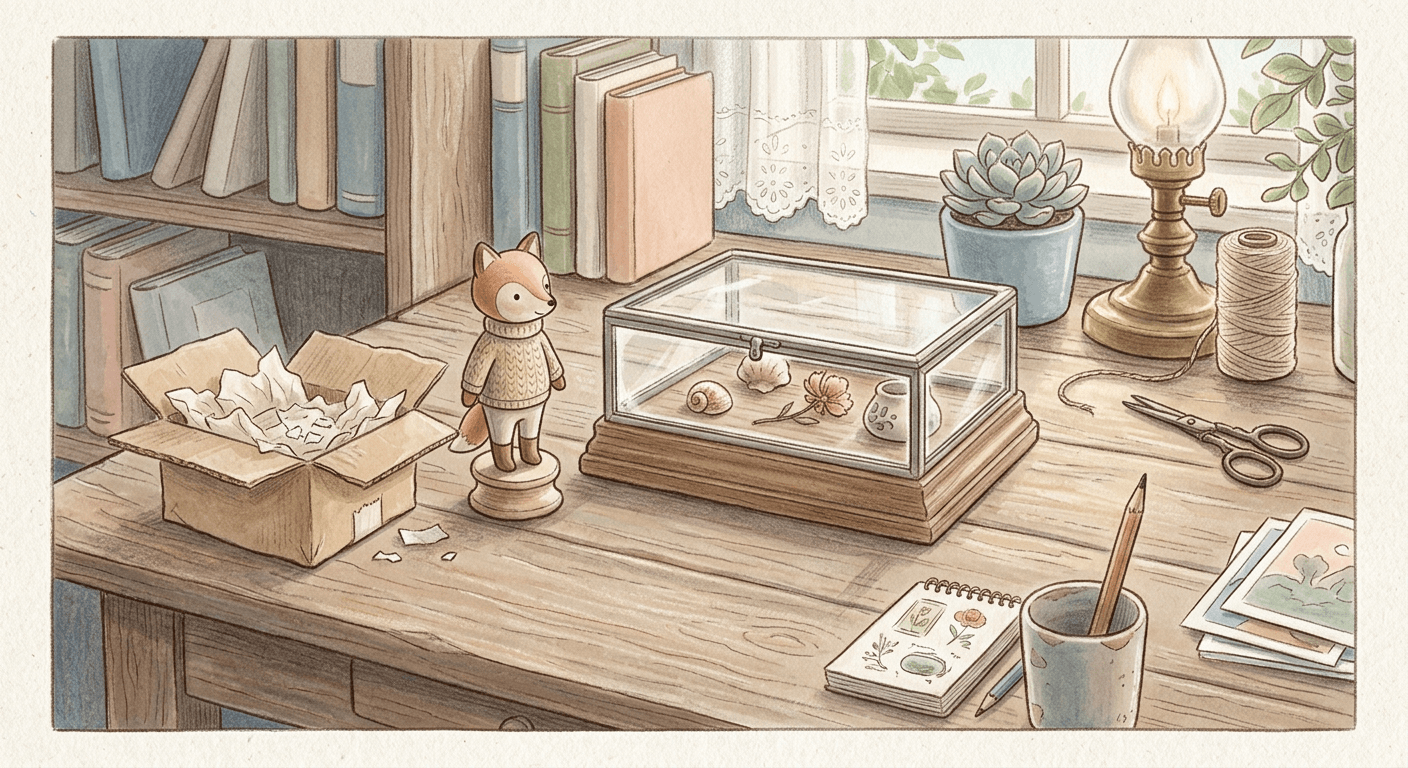
Prompt 1: Office desk figure
Create a 1/6 scale collectible figurine version of the subject in the reference photo, realistic figurine texture and joints, standing on a round transparent acrylic base with no text on the base, placed on a busy office desk next to a laptop and a coffee mug, a small open toy packaging box with a clear window sitting beside the figure, soft studio lighting, shallow depth of field, no real brand names on the box.
Prompt 2: Dynamic superhero pose
Generate a 1/6 scale action figure of the subject in the reference photo in a dynamic action pose, realistic plastic and fabric texture, articulated joint lines visible at the shoulders and knees, standing on a small square display base, placed against a plain gradient studio background, dramatic side lighting, no real brand names.
Prompt 3: Hobbyist workbench scene
Create a collectible figurine of the subject in the reference photo posed mid-task at a hobbyist workbench, tiny painting brushes and paint pots scaled to match the figure sitting nearby, realistic miniature texture, warm workshop lighting, shallow depth of field, no real brand names.
Prompt 4: Retro 1980s blister pack
Generate a retro 1980s style action figure of the subject in the reference photo mounted on a cardboard blister pack backing with a clear plastic bubble over the figure, bold vintage color blocking on the card, simple starburst accent shape in one corner with no readable text, no real brand names.
These four all assume a reference photo as the input, the same photo-to-figurine workflow the trend is built around. Upload a clear, well-lit photo of the subject for the most consistent likeness before generating.
2) Chibi and Desk Collectible Prompts
The chibi variation swaps realistic proportions for the oversized-head, simplified-body style popular in blind box collectible culture, and it tends to look more clearly stylized and less uncanny than the realistic version, which some creators prefer for personal use.
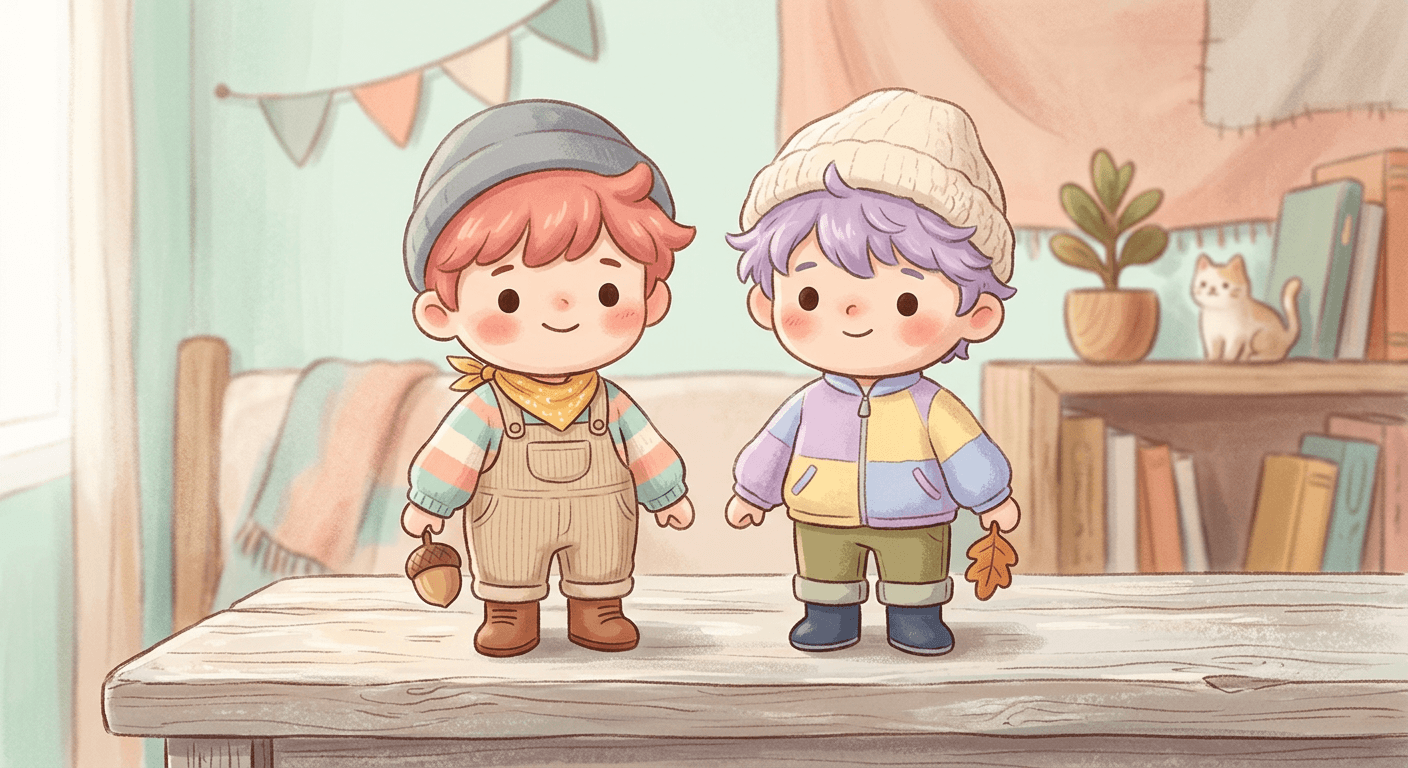
Prompt 5: Chibi deskmate figure
Create a chibi-proportioned collectible figure of the subject in the reference photo, oversized head and simplified rounded body, standing on a small circular base, soft pastel colors, displayed on a bedroom shelf next to a small potted plant, gentle even lighting, no real brand names.
Prompt 6: Blind box style reveal
Generate a blind box style chibi figurine of the subject in the reference photo, smooth rounded plastic finish, standing inside a small square box with the lid removed and tissue paper visible, pastel color palette, soft studio lighting, no real brand names, no readable text.
Prompt 7: Chibi keychain figure
Create a small chibi keychain figure version of the subject in the reference photo, attached to a metal keyring clip, photographed resting on a wooden table next to a set of keys for scale, soft natural window light, no real brand names.
Prompt 8: Poseable figure with face plates
Generate a poseable chibi-style desk figure of the subject in the reference photo with interchangeable expression face plates displayed beside the figure on a small stand, clean white background, bright even studio lighting, no real brand names.
3) Toy Packaging and Box Art Prompts
Packaging is where text rendering quality shows up most obviously, a blurry or garbled logo instantly breaks the illusion. These four focus specifically on the box itself rather than the figure inside it.
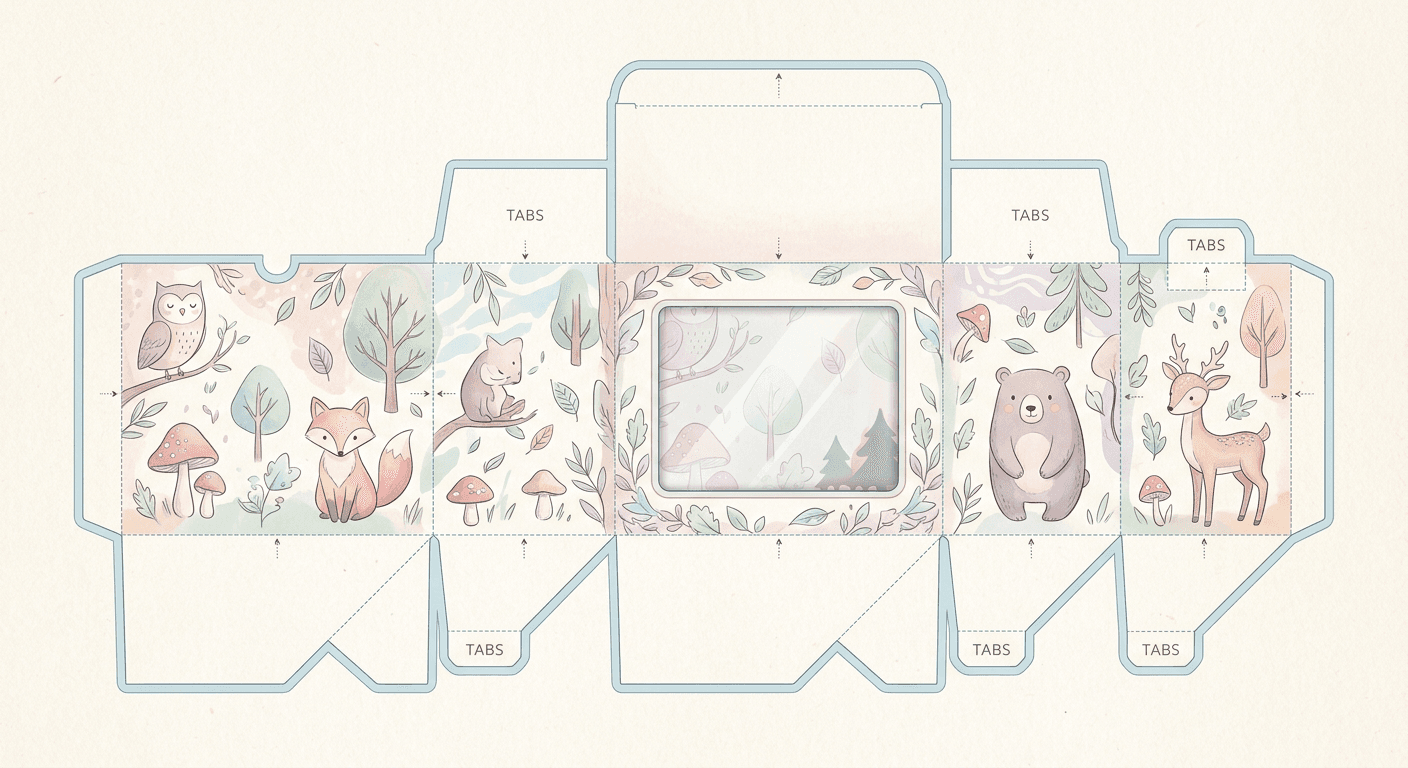
Prompt 9: Window box front panel
Design a toy packaging box front panel with a large clear plastic display window showing a collectible figure inside, a simple colored header band above the window with no readable text, a small round logo placeholder shape in the corner, clean commercial packaging photography style, no real brand names.
Prompt 10: Box back panel with callouts
Design the back panel of a toy packaging box showing three small photo-style callouts of the figure in different poses, a simple barcode placeholder box in the bottom corner, clean flat packaging design layout, no readable text, no real brand names.
Prompt 11: Retail shelf lineup
Create a product photography shot of five toy packaging boxes lined up on a retail shelf, each box a different accent color with a clear window showing a different generic figure inside, even retail lighting, shallow depth of field on the center box, no real brand names, no readable text.
Prompt 12: Unboxing flat lay
Generate a flat lay photograph of an opened toy box with the figure, a small accessory tray, and a folded instruction insert arranged neatly beside it on a wooden surface, soft overhead lighting, no readable text, no real brand names.
If a packaging generation comes back with distorted or unreadable text, that is a model limitation worth testing across a couple of generations rather than a prompt problem, since text rendering quality varies generation to generation even with an identical prompt. Once you have a figure and a box you like, region editing prompts like the ones in our Grok Imagine Image 2.0 pack are useful for touching up just one detail, a color, a small object, without regenerating the whole scene.
4) Brand and Mascot Figurine Prompts
Not every figurine prompt needs a human or pet subject. This group turns a product, food item, or abstract brand concept into its own mascot-style collectible, a format that works well for product marketing content specifically.
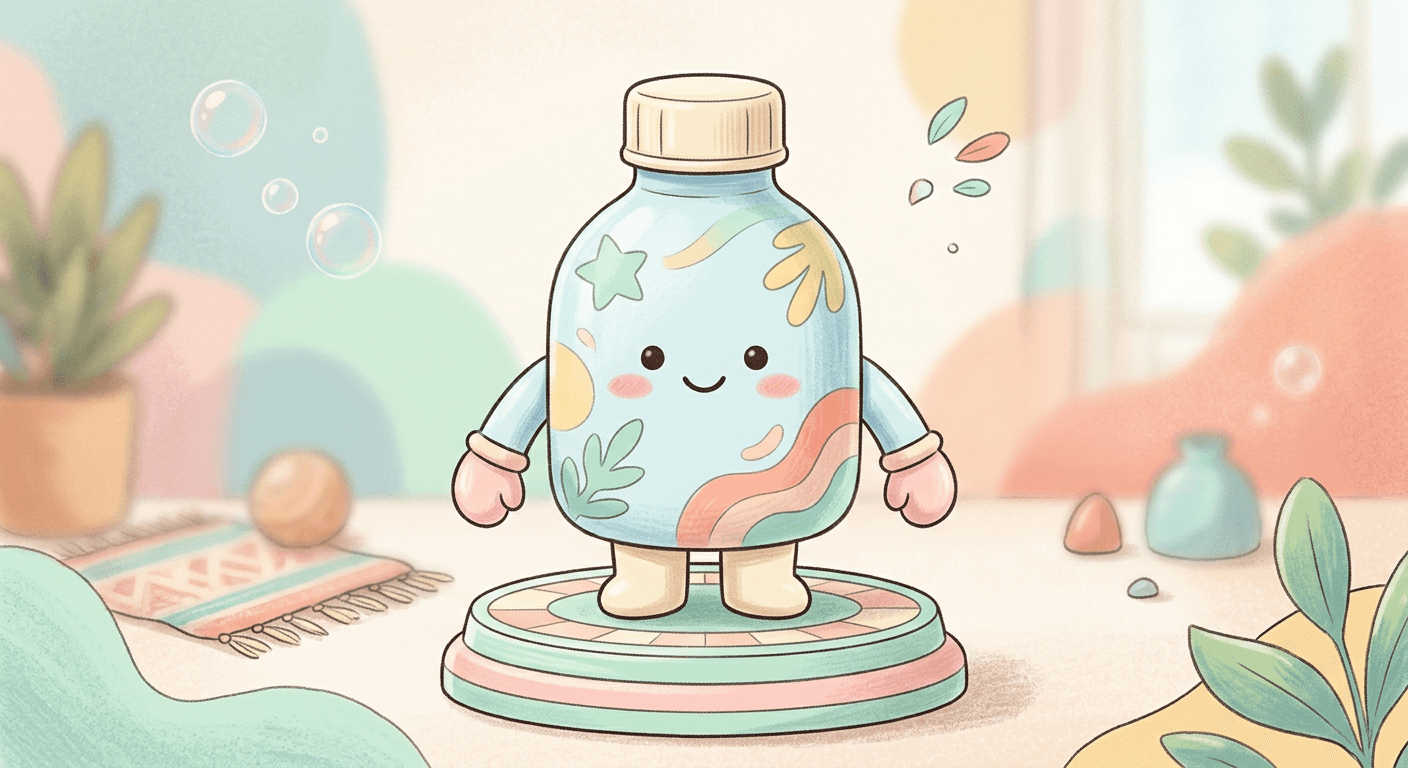
Prompt 13: Bottle mascot character
Create a mascot-style collectible figure shaped like a friendly stylized bottle character with simple arms, legs and a face, standing on a small round base, bright clean studio background, no real brand names, no readable text.
Prompt 14: Food item mascot character
Generate a mascot-style collectible figure shaped like a stylized food item character with a simple friendly face, standing on a small display base next to a miniature signage stand with no readable text, warm studio lighting, no real brand names.
Prompt 15: Tech gadget mascot character
Create a mascot-style collectible figure shaped like a stylized rounded tech gadget character with a simple face and short limbs, displayed on a small acrylic stand, clean minimal background, no real brand names, no readable text.
Prompt 16: Mascot team lineup
Generate a lineup of three small mascot-style collectible figures of different colors and shapes standing together on a shared display base, consistent simple friendly face design across all three, bright even studio lighting, no real brand names, no readable text.
A mascot figurine set like this works well as a repeatable content series, generate one new character per week and build a following around the growing collection, similar to how physical blind box collectible brands built audiences around completing a set.
5) Miniature Diorama Prompts
The diorama variation places the figure inside a fully modeled miniature scene rather than a plain studio background, which tends to perform especially well as a standalone post since the scene itself carries visual interest beyond just the figure.
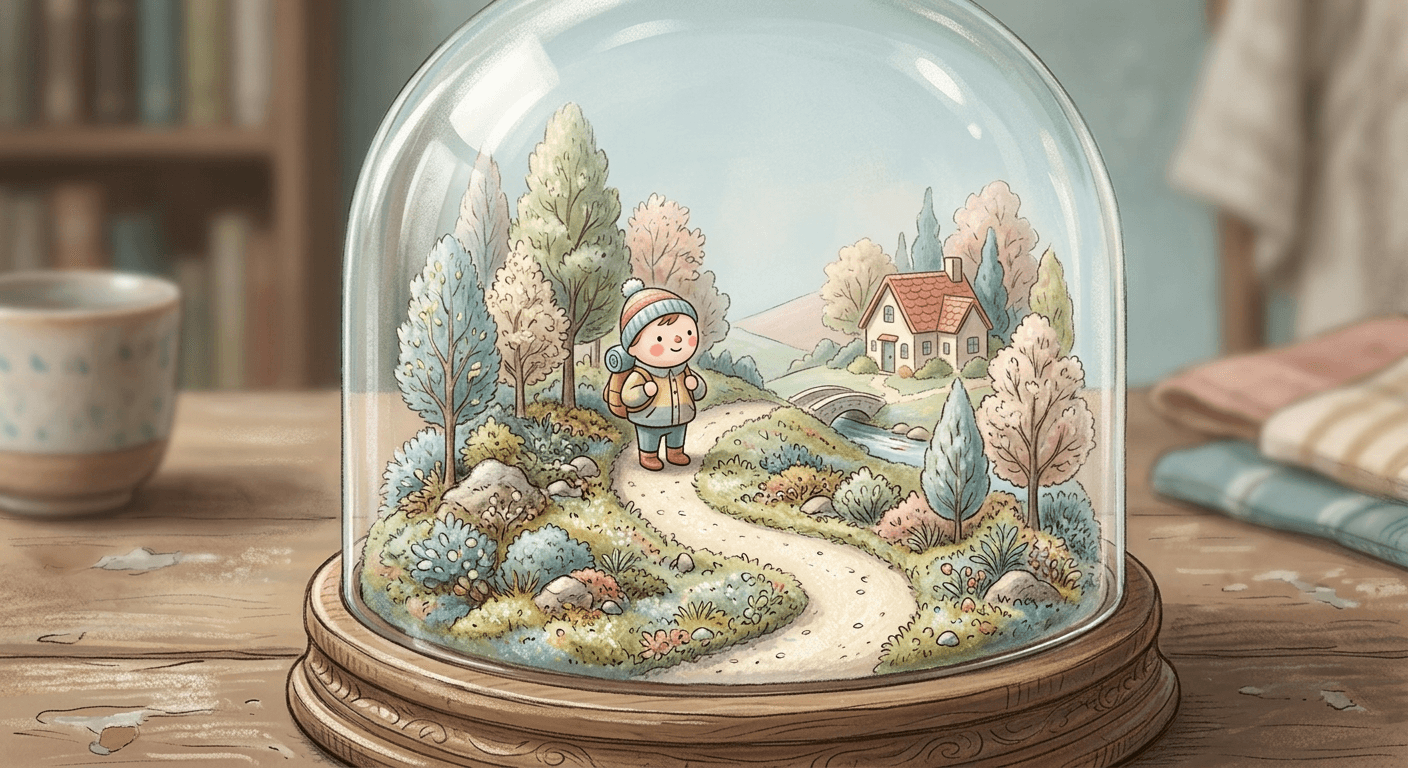
Prompt 17: Cozy room diorama
Create a miniature diorama scene of the subject in the reference photo as a small figure standing in a tiny modeled version of a cozy room, complete with miniature furniture scaled to match, enclosed under a glass display dome, soft warm lighting, no readable text, no real brand names.
Prompt 18: Outdoor hillside diorama
Generate a miniature diorama of the subject in the reference photo as a small figure standing on a tiny modeled hillside with miniature trees and a winding path, displayed on a round wooden base, natural soft lighting, no readable text, no real brand names.
Prompt 19: Photography studio diorama
Create a miniature diorama of the subject in the reference photo as a small figure standing on a tiny modeled photography studio set, complete with miniature scaled lighting stands and a backdrop, soft even lighting, no readable text, no real brand names.
Prompt 20: City street diorama
Generate a miniature diorama of the subject in the reference photo as a small figure standing on a tiny modeled city street corner, with miniature scaled lamp posts and storefront facades in soft blurred focus behind the figure, warm late afternoon lighting, no readable text, no real brand names.
Prompt 21: Nighttime rooftop diorama
Create a miniature diorama of the subject in the reference photo as a small figure standing on a tiny modeled rooftop at night, with tiny warm string lights strung overhead and a soft glowing moon in the background, enclosed under a glass display dome, no readable text, no real brand names.
To see this entire workflow, photo to figure to finished packaging shot, done step by step, this walkthrough of turning a photo into an action figure covers the process end to end, useful context before running your own reference photo through the prompts above.
How to Customize These Prompts
Start with a clear, front-facing reference photo, since the model needs enough detail to preserve a recognizable likeness through the stylization. From there, the variables worth changing are the pose, the accessory or prop next to the figure, the base shape, and the background scene, while keeping the core structural phrasing intact: scale reference like 1/6 scale, a named base material, and an explicit "no text on the base" or "no real brand names" instruction to keep the output clean and usable. Mixing formats works well too, take a chibi figure from group two and place it inside a diorama scene from group five for a combination neither group covers alone.
Common Mistakes Creators Make With This Trend
- Using a blurry, low-resolution, or heavily angled reference photo, which is the single biggest cause of an unrecognizable result. A clear, front-facing, well-lit photo produces a noticeably better likeness.
- Forgetting the "no text on the base" or "no real brand names" instruction, which is what keeps a generation clean instead of accidentally inventing a garbled logo the model was never asked for.
- Only ever generating the plain studio version. The packaging, mascot and diorama variations above tend to perform better specifically because they are less common in most people's feeds than the standard desk-figure shot.
- Defaulting to a stereotypically gendered pose or styling when the subject or brief does not call for one. Neutral, natural poses read as more authentic and age and hold up better across a wider audience.
- Publishing without a quick proofread of any visible text on the packaging, since even strong text rendering occasionally drops or misaligns a character.
Where to Generate and Finish These
The AI Image Generator in Miraflow AI supports the image-to-image workflow this entire trend depends on, upload your reference photo, apply one of the 21 prompts above, and iterate on the pose or scene without leaving the workspace. If you are turning a finished figurine shot into a YouTube thumbnail or profile image, the YouTube Thumbnail Maker in Miraflow AI can add clean text on top afterward. For a broader look at the model most associated with this trend, our Nano Banana Pro vs Seedream 5.0 Pro comparison breaks down its strengths in more depth, and the Nano Banana 2 Lite batch generation guide is useful if you want to generate an entire mascot lineup like group four above in one batch instead of one at a time. You can browse more prompt guides like this on the Miraflow AI blog, and every tool named here lives at miraflow.ai.
Frequently Asked Questions
Do I need a specific app to use these prompts? No. These describe a technique, a 1/6 scale figurine style with packaging or a scene, rather than app-specific syntax, so they work in any image-to-image tool, including the AI Image Generator in Miraflow AI.
What kind of reference photo works best? A clear, front-facing, well-lit photo with the subject's face and upper body visible. Heavily angled, blurry, or low-resolution photos produce a noticeably weaker likeness.
Can I do this with a pet or a fictional character instead of a person? Yes. The same prompt structure works for pets, original characters, and even products, as the mascot group above shows.
Why does the packaging text sometimes come out garbled? Text rendering quality varies by generation even with an identical prompt. If a result comes back with distorted text, regenerate once or twice before assuming the prompt itself is the problem.
Is this the same as the earlier 2025 action figure trend? Same core idea, upgraded execution. The format that went viral in 2025 has carried into 2026 largely unchanged in concept, but current models handle the packaging text and material realism noticeably better than the tools available when the trend started.
What is the easiest prompt to start with? Prompt 1, the office desk figure, is the closest to the original viral template and the easiest to judge likeness accuracy on before trying the more stylized chibi, mascot or diorama variations.
Conclusion
The AI figurine trend has outlasted most of its peers because it is genuinely flexible, one core technique, five very different finished looks depending on packaging, scale, style and scene. The 21 prompts above cover the classic figure, the chibi variation, standalone packaging shots, brand mascots and full dioramas, so there is a starting point here whether you are making personal content, testing a character design, or building product marketing visuals. Start with a strong reference photo, keep the core structural phrasing intact when you adapt a prompt, and pick the format that fits what you are actually posting this week.