18 AI Decade Progression Prompts: Turn Any Place Into a 1986-2026 Time Capsule (Copy & Paste)

Written by
Aerin Kim
The 1986-2026 decade progression trend keeps a place, room, or person fixed while the era changes around them. Here are 18 copy-paste prompts across five subjects, built for Miraflow's AI Image Generator.
A new format has been spreading across TikTok and Instagram this month, and unlike most viral photo trends, it is not built around one single striking image. It keeps a person, a room, a car, or a storefront in exactly the same position and camera angle, and changes only the decade around it, 1986, 1996, 2006, 2016, 2026, so viewers watch forty years pass across a handful of frames without the subject ever moving [1]. It works on a café, a bedroom, a car, or a person's own face, which is exactly why it has traveled so fast: it is a format, not a single template, and anyone can point it at whatever they already have a photo of.
This post is a copy-paste prompt pack, 18 prompts across five subject categories, each one a working decade snapshot you can generate directly. Every prompt is written for Miraflow's AI Image Generator, which supports both text-to-image and image-to-image generation, so you can start from a blank prompt or from your own real photo and regenerate it era by era while keeping the composition locked in place.
Why This Trend Actually Works
Most viral AI photo trends live or die on a single well-executed image. This one is structurally different, and understanding why makes the prompts below far easier to adapt to your own subject.
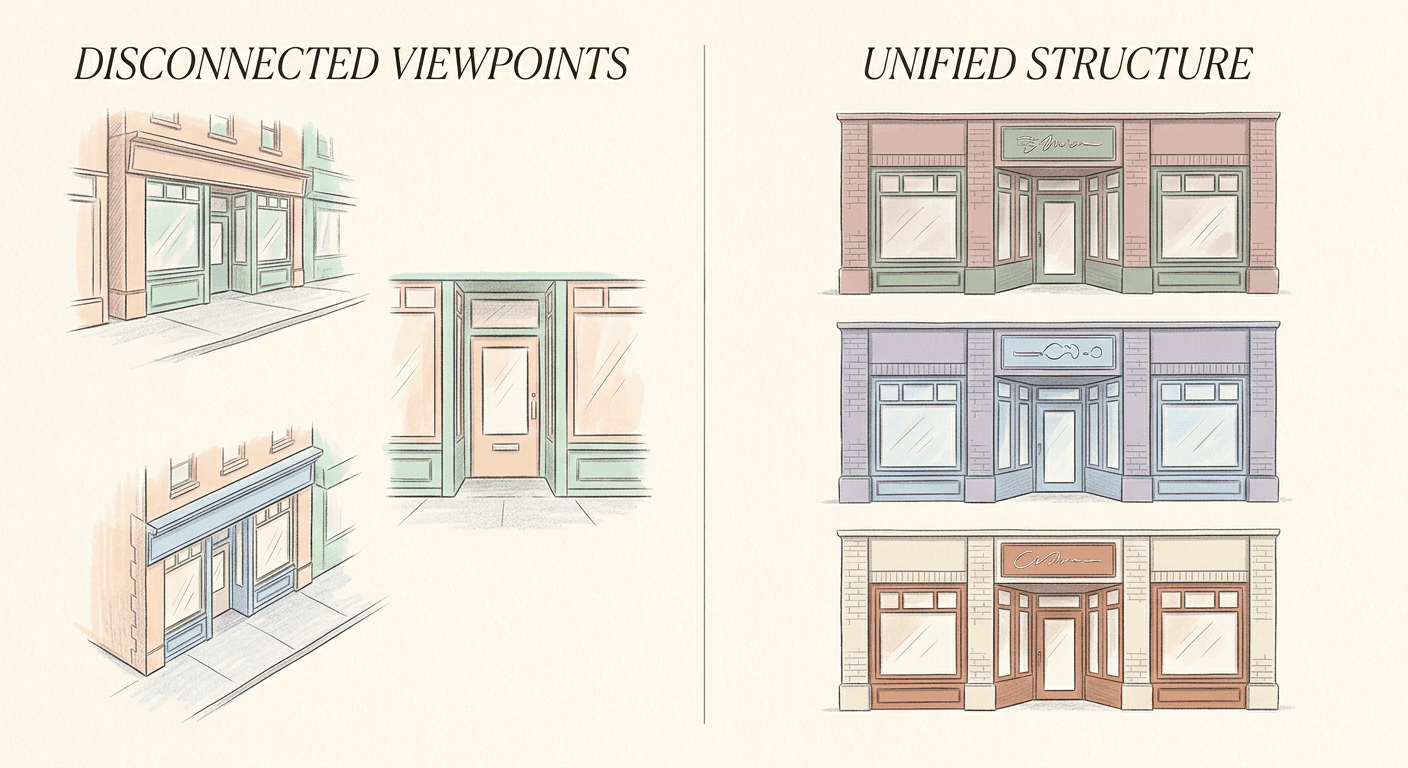
The format is really a constraint, not a picture: keep everything about the framing, the composition, and the subject's core identity fixed, and change only the details that would realistically shift with the decade. A location trend keeps the same building, the same camera position, the same time of day, and changes the signage, the vehicles, the clothing on passersby, the visible technology, and the film or sensor characteristics of the photograph itself. A personal trend keeps the same person in the same pose and changes their hairstyle, clothing, and the room or technology around them. That constraint is what makes the result read as a genuine progression instead of five unrelated pictures, and it is also what makes the trend endlessly reusable, since the same fixed-composition, variable-decade logic works on almost any subject you already have in mind.
The Real Technique Behind a Convincing Decade Photo
Getting one decade snapshot to look convincing is one thing. Getting a full set that reads as a coherent timeline takes a bit more care, and there are four specific details worth locking down before you generate.
Anchor the composition first, in writing, before touching the decade. Every prompt in a set needs to open with the exact same framing description, camera angle, and unchanging structural elements. This is the single most important habit for this trend, and it is why every prompt below opens with an identical anchor sentence before the decade-specific details begin.
Match the photographic quality to the year, not just the fashion. A 1986 photo should carry the grain, slightly faded color, and softer focus of consumer film photography from that era. A 2006 photo should carry the specific flatter color response and mild noise of an early digital point-and-shoot. A 2026 photo should look like a modern phone camera, sharp, high dynamic range, slightly oversaturated. Skipping this and only changing clothing is the single most common reason a decade set looks unconvincing.
Change technology and signage as deliberately as clothing. Visible screens, phones, cars, and store signage date a photo just as fast as an outfit does, and viewers notice period-inaccurate details in the background faster than they notice anything about the subject's face.
Keep the environment's bones the same and let only the surface details shift. A café's window shape, tile pattern, or awning position, a bedroom's wall and window placement, a car's basic silhouette, all of that should stay recognizable across every version, or the set stops reading as one place across time and starts reading as five different places.
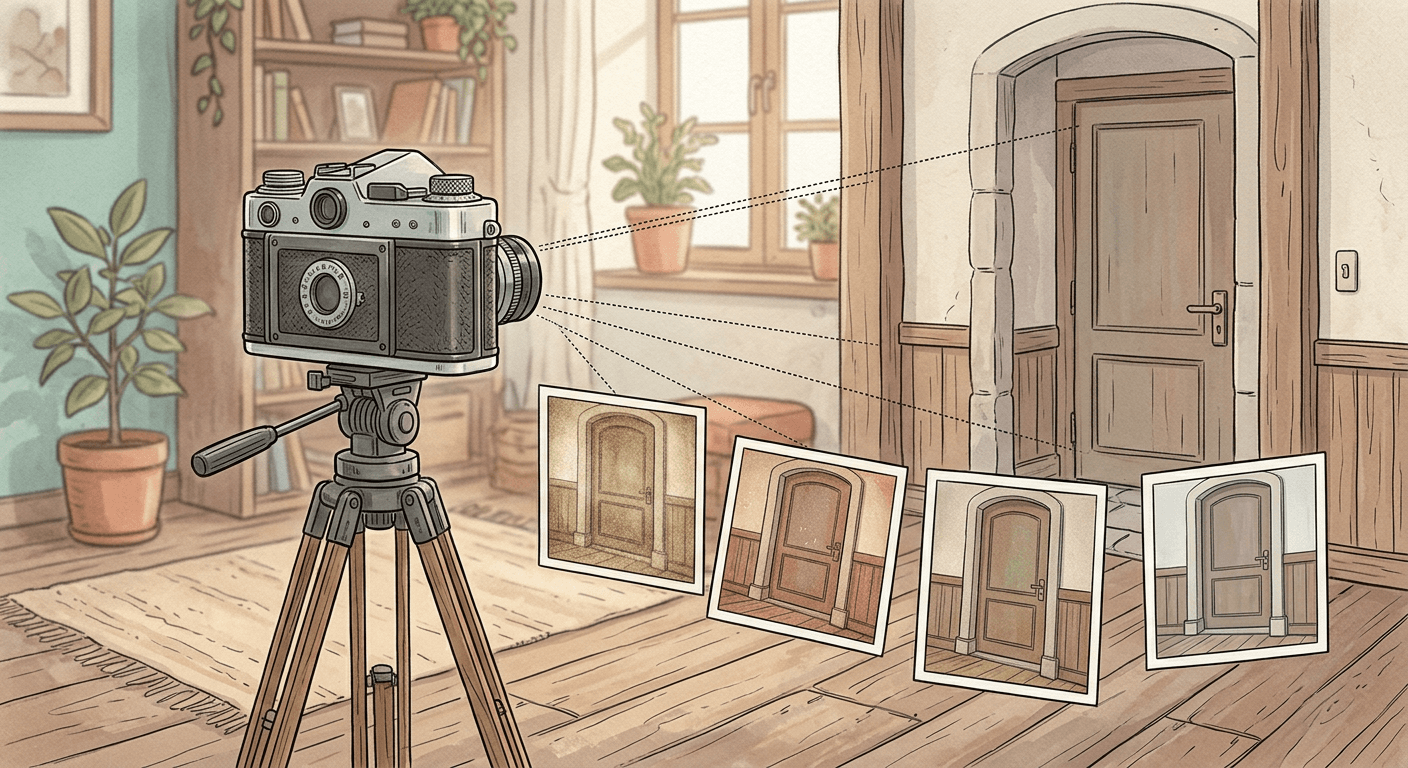
How This Works Inside Miraflow's AI Image Generator
If you are starting from an actual photo of a real place, a real room, or yourself, Miraflow's AI Image Generator supports image-to-image generation directly in the browser, upload your reference photo, apply one of the decade prompts below, and the model regenerates the scene with that decade's details while preserving your original composition and subject. Running the same base photo through each decade prompt in a group, one generation at a time, is the fastest way to build a convincing full set. If one generated version drifts, a signage detail that reads as the wrong decade, or a piece of modern tech that slipped into an older frame, the tool's inpainting feature lets you mask just that region and regenerate it without redoing the whole image.
1) Corner Café and Storefront Prompts
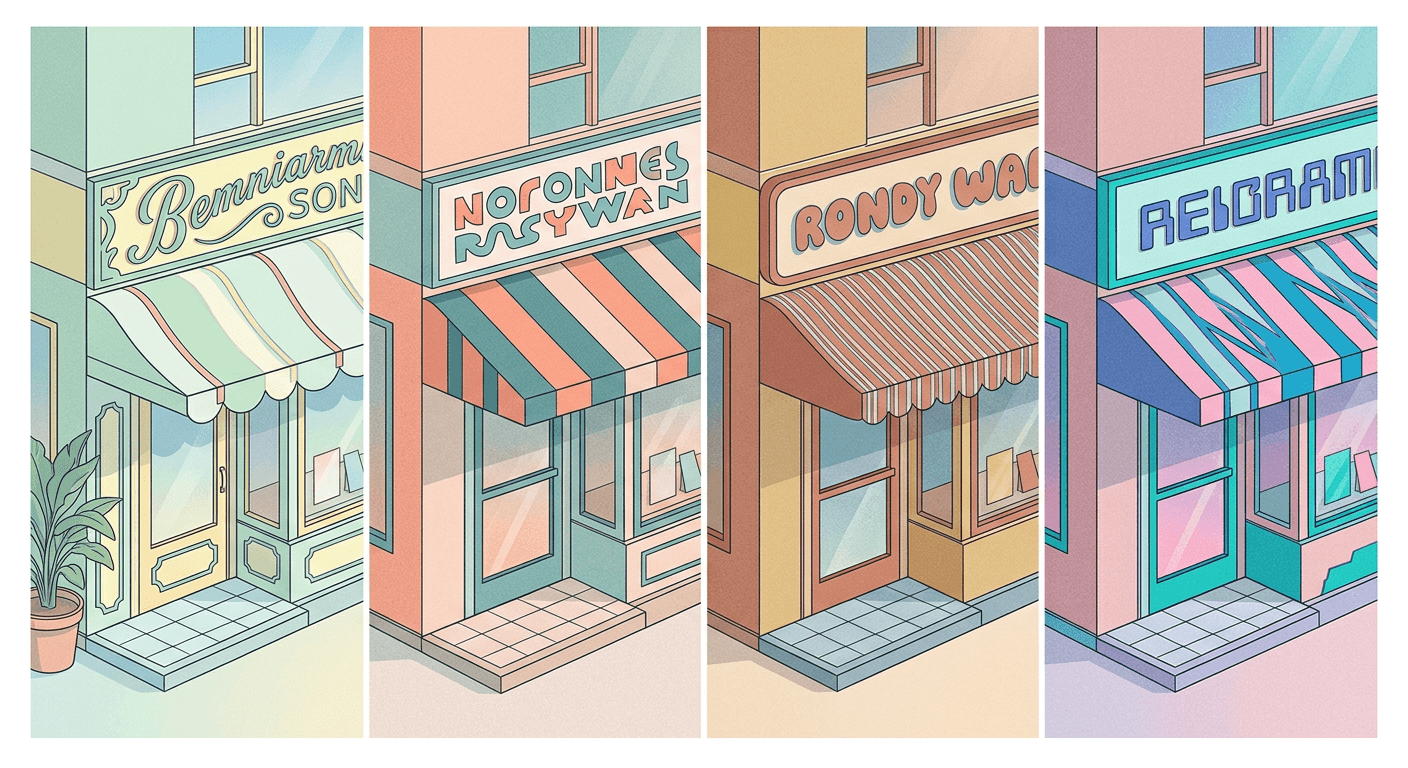
Café and storefront versions of this trend are some of the most shared, since a small, detail-rich exterior gives the model plenty of period-specific signage, awnings, and street furniture to work with.
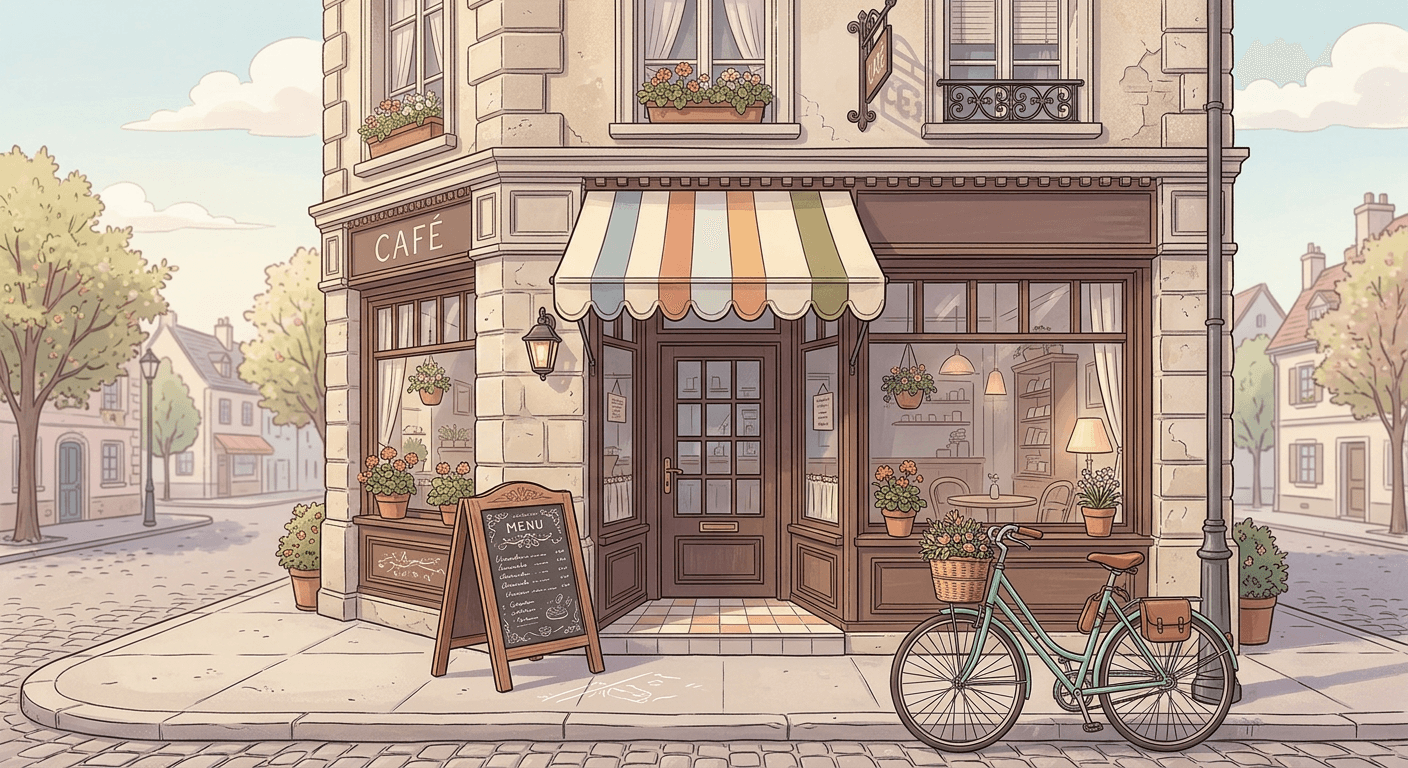
Prompt 1: The café in 1986
The same narrow corner café photographed from directly across the street, camera held at chest height and perfectly level, keep the two front windows, the tiled entrance step, the striped awning, and the balcony railing above in the exact same position and proportions in every version. Add painted wooden menu boards with hand-lettered specials, a rack of bicycles near the curb, patrons in boxy blazers and high-waisted jeans, warm faded color film grain, slightly soft focus, muted orange and brown tones typical of consumer film photography from the mid-1980s. No modern logos, no screens, no plastic outdoor furniture, no contemporary cars.
Prompt 2: The café in 1996
The same narrow corner café photographed from directly across the street, camera held at chest height and perfectly level, keep the two front windows, the tiled entrance step, the striped awning, and the balcony railing above in the exact same position and proportions in every version. Add a simple printed paper menu taped inside the window, a payphone visible at the corner, patrons in flannel and loose denim, slightly cooler and flatter color film grain typical of mid-1990s consumer photography, a boxy early cellphone visible in one patron's hand. No modern smartphones, no digital signage, no contemporary cars.
Prompt 3: The café in 2006
The same narrow corner café photographed from directly across the street, camera held at chest height and perfectly level, keep the two front windows, the tiled entrance step, the striped awning, and the balcony railing above in the exact same position and proportions in every version. Add a laminated menu board with a small digital price display, a few patrons using flip phones and an early digital camera, flatter and slightly noisy early-digital color response typical of a mid-2000s point-and-shoot camera, visible chain-style coffee cups. No modern smartphones, no touchscreens, no contemporary car silhouettes.
Prompt 4: The café in 2026
The same narrow corner café photographed from directly across the street, camera held at chest height and perfectly level, keep the two front windows, the tiled entrance step, the striped awning, and the balcony railing above in the exact same position and proportions in every version. Add a slim digital menu screen beside the door, patrons checking modern smartphones, an outdoor charging station bolted near the entrance, sharp high dynamic range modern phone-camera clarity with slightly saturated color, clean contemporary signage typography. No visible readable brand text, no logos.
2) Bedroom and Interior Prompts
A bedroom set is one of the most personal versions of this trend, since the technology and posters on the wall date a room almost as precisely as a calendar.
Prompt 5: The bedroom in 1986
The same small bedroom photographed from the doorway looking toward the window, camera height and angle held exactly level, keep the window position, the bed's placement against the left wall, and the room's basic proportions identical in every version. Add a boxy television on a wooden stand in the corner, a wall covered in posters with hand-torn edges, a cassette player and a stack of cassette tapes on the desk, warm faded film grain, slightly soft focus typical of consumer photography from the mid-1980s. No modern electronics, no flat-panel screens, no smartphones.
Prompt 6: The bedroom in 1996
The same small bedroom photographed from the doorway looking toward the window, camera height and angle held exactly level, keep the window position, the bed's placement against the left wall, and the room's basic proportions identical in every version. Add a slightly larger television with a game console beneath it, a boombox on the dresser, a corded telephone on the nightstand, cooler and flatter film color typical of mid-1990s photography, band posters on the wall. No modern flat-panel screens, no smartphones, no laptops.
Prompt 7: The bedroom in 2006
The same small bedroom photographed from the doorway looking toward the window, camera height and angle held exactly level, keep the window position, the bed's placement against the left wall, and the room's basic proportions identical in every version. Add a boxy desktop computer with a CRT monitor on the desk, a small portable music player with white earbud cords, a corkboard with printed photos pinned to it, flatter early-digital color response typical of a mid-2000s camera. No modern smartphones, no flat ultra-thin laptops, no smart displays.
Prompt 8: The bedroom in 2026
The same small bedroom photographed from the doorway looking toward the window, camera height and angle held exactly level, keep the window position, the bed's placement against the left wall, and the room's basic proportions identical in every version. Add a slim modern laptop open on the desk, a smart speaker on the nightstand, a large thin wall-mounted display, sharp high dynamic range modern phone-camera clarity with crisp detail and slightly saturated color. No readable on-screen text, no logos.
3) Self-Portrait and Person Prompts
This version is the one most likely to get shared as a standalone post, since it puts the viewer's own decade progression front and center. Starting from a real photo of yourself with image-to-image editing keeps every version recognizably you.
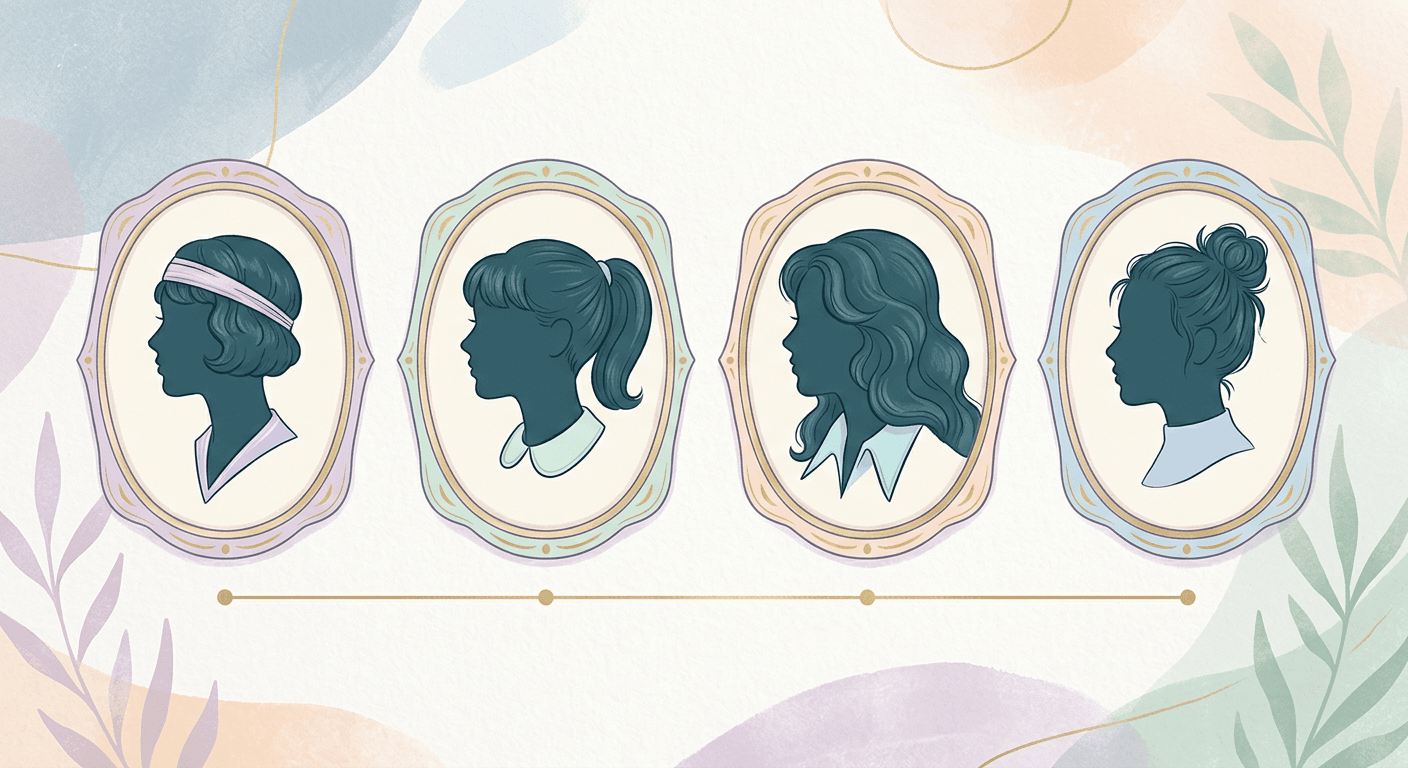
Prompt 9: Portrait in 1986
The same person in the same three-quarter seated pose, shoulders angled slightly toward the camera, same neutral studio background, same framing from the chest up in every version. Give the subject a feathered mid-1980s hairstyle and a boxy blazer with shoulder pads, warm faded film grain, slightly soft focus, muted color palette typical of consumer film photography from the era. No modern clothing, no visible modern technology in frame.
Prompt 10: Portrait in 1996
The same person in the same three-quarter seated pose, shoulders angled slightly toward the camera, same neutral studio background, same framing from the chest up in every version. Give the subject a center-parted mid-1990s hairstyle and a flannel shirt layered over a plain tee, cooler and flatter film color typical of mid-1990s photography, slightly grainy texture. No modern clothing, no visible modern technology in frame.
Prompt 11: Portrait in 2006
The same person in the same three-quarter seated pose, shoulders angled slightly toward the camera, same neutral studio background, same framing from the chest up in every version. Give the subject a chunky-highlighted early-2000s hairstyle and a fitted zip-up hoodie with a popped collar underneath, flatter early-digital color response typical of a mid-2000s point-and-shoot photo, slight digital noise. No modern clothing, no visible modern technology in frame.
Prompt 12: Portrait in 2026
The same person in the same three-quarter seated pose, shoulders angled slightly toward the camera, same neutral studio background, same framing from the chest up in every version. Give the subject a natural modern hairstyle and simple contemporary layered clothing, sharp high dynamic range modern phone-camera clarity, crisp detail and slightly saturated color, clean even studio lighting. No readable logos on the clothing.
4) Car and Street Scene Prompts
Vehicles are one of the fastest-reading period markers there is, which makes a street scene an efficient way to sell four decades in a single glance.
Prompt 13: The street in 1986
The same street corner photographed from the sidewalk looking down the block, camera held at eye level and perfectly level, keep the building line and the street's basic layout identical in every version. Add boxy sedans and station wagons parked along the curb, storefronts with hand-painted signage, pedestrians in period-accurate high-waisted clothing, warm faded film grain typical of the mid-1980s. No modern car silhouettes, no digital signage, no smartphones.
Prompt 14: The street in 2006
The same street corner photographed from the sidewalk looking down the block, camera held at eye level and perfectly level, keep the building line and the street's basic layout identical in every version. Add rounder early-2000s sedans and a hatchback parked along the curb, storefronts with printed vinyl signage, pedestrians using flip phones, flatter early-digital color response typical of a mid-2000s camera. No modern car silhouettes, no smartphones, no touchscreen signage.
Prompt 15: The street in 2026
The same street corner photographed from the sidewalk looking down the block, camera held at eye level and perfectly level, keep the building line and the street's basic layout identical in every version. Add sleek modern electric vehicles parked along the curb, storefronts with slim digital signage, pedestrians checking modern smartphones, sharp high dynamic range modern phone-camera clarity with crisp detail. No readable signage text, no logos.
5) Desk and Tech Setup Prompts
A desk setup is a fun variation for tech and productivity channels, since the visible hardware alone tells almost the entire story of which decade you are looking at.
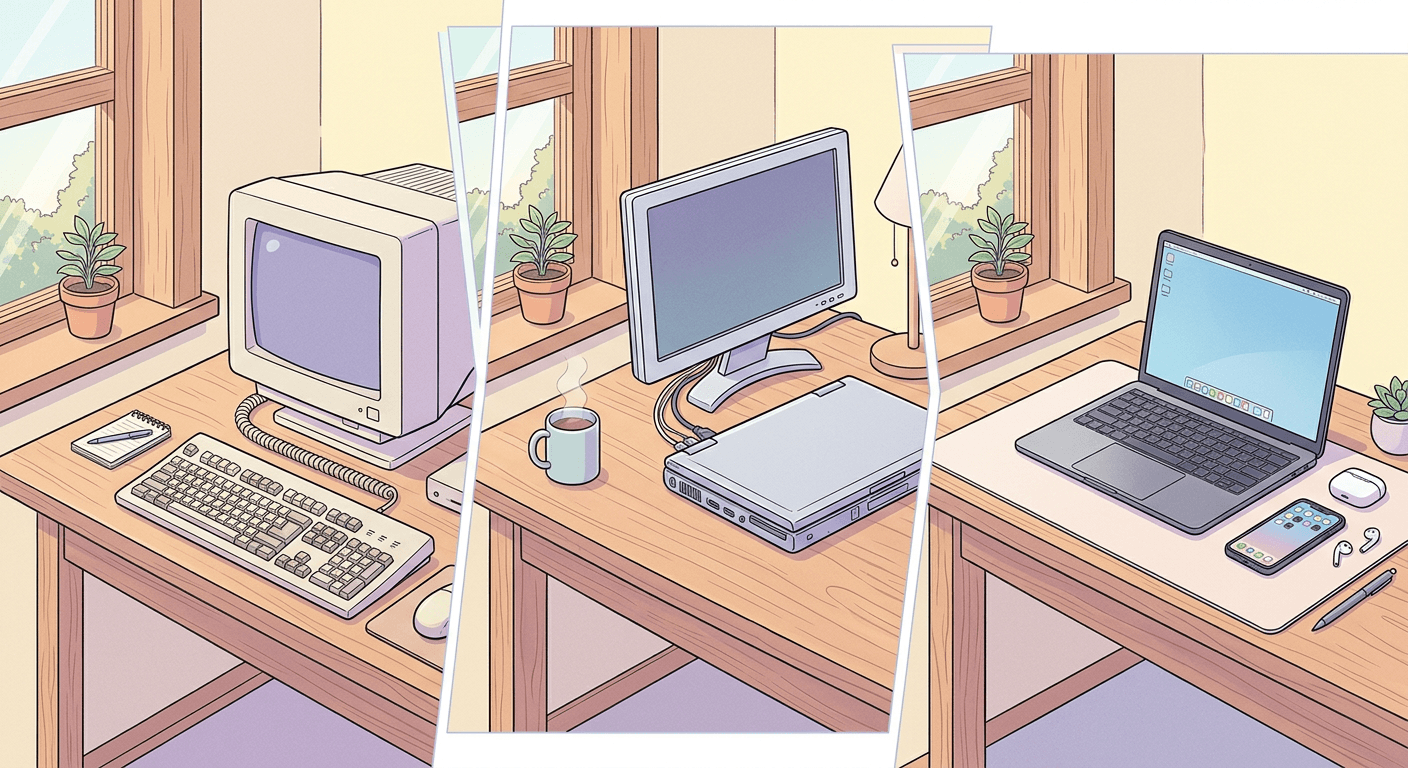
Prompt 16: The desk in 1986
The same desk photographed from a slightly elevated angle looking straight down its length, camera position held exactly level, keep the desk shape, the window behind it, and the wall color identical in every version. Add a boxy beige computer with a small green-tinted monitor, a mechanical keyboard, a rotary telephone, stacks of floppy disks, warm faded film grain typical of the mid-1980s. No flat-panel monitors, no laptops, no smartphones.
Prompt 17: The desk in 2006
The same desk photographed from a slightly elevated angle looking straight down its length, camera position held exactly level, keep the desk shape, the window behind it, and the wall color identical in every version. Add a bulky CRT monitor beside an early flat-panel monitor, a corded mouse, a stack of burned CDs, a flip phone charging nearby, flatter early-digital color response typical of a mid-2000s camera. No modern ultra-thin laptops, no smartphones.
Prompt 18: The desk in 2026
The same desk photographed from a slightly elevated angle looking straight down its length, camera position held exactly level, keep the desk shape, the window behind it, and the wall color identical in every version. Add a slim modern laptop, a wireless mouse and keyboard, a smartphone charging on a wireless pad, sharp high dynamic range modern phone-camera clarity with crisp detail and slightly saturated color. No readable on-screen text, no logos.
How to Customize These Prompts
The fastest way to point this trend at your own subject is to write your own anchor sentence, the fixed camera angle and unchanging structural detail, once, then copy it unchanged across every decade version you generate. Everything after that anchor is where the actual decade-specific work happens: swap in period-accurate technology, signage, vehicles, and clothing, and match the photographic grain and color response described above for that specific decade. If you only have time to nail one detail per version, make it the photographic quality note, film grain for the eighties and nineties, early digital flatness for the two-thousands, sharp modern phone-camera clarity for 2026, since that single detail does more to sell the era than clothing alone.
If you want a second consistency-focused technique to pair with this one, our guide to making consistent AI characters across multiple images covers the same underlying challenge, keeping a subject recognizable across several separate generations, applied to character work instead of a decade timeline.
Common Mistakes Creators Make With This Trend
- Changing the camera angle between decades. Even a small shift in framing breaks the illusion that this is one place photographed over time rather than five different renders. Lock the angle in your anchor sentence and do not vary it.
- Only updating clothing and skipping the photographic quality. A period-accurate outfit in front of a background rendered with 2026-sharp digital clarity immediately reads as wrong for a 1986 or 1996 version. The grain and color response matter as much as the wardrobe.
- Using modern technology or signage in an older decade by accident. A visible smartphone, a modern car silhouette, or a contemporary logo style in a supposedly 1986 frame is the single fastest way viewers will call out an inaccurate version in the comments.
- Making the eras too similar to each other. 1996 and 2006 in particular can blur together if you do not deliberately push the technology and color details apart. Exaggerate the specific, well-known markers of each decade rather than playing it subtle.
- Skipping a real reference photo for the personal version. A self-portrait timeline is far more convincing generated from your own actual photo through image-to-image editing than generated as a fictional face from a text prompt alone.
Making a Full Timeline Inside Miraflow
Once you have your anchor sentence and your first prompt from this pack, Miraflow's AI Image Generator is where you actually build out the rest of the set, generate each decade version from the same base description or reference photo, then arrange the results into a carousel or side-by-side grid for posting. If you are turning the finished set into a video rather than a static post, Text2Shorts on Miraflow can turn a short script about the transformation into a finished vertical video with the decade images as scene visuals, and the YouTube Thumbnail Maker can turn your favorite single frame from the set into a thumbnail for that video.
This same fixed-composition, image-to-image workflow is behind several of the other trend formats we have covered recently. Our meet your younger self prompt pack uses a related age-progression idea applied to a single subject rather than a full decade timeline, and the how different our lives are trend prompts apply the same side-by-side comparison logic to a completely different kind of contrast. If you want something further from photorealism, the AI knitted world trend prompt pack is worth a look, and you can browse the rest of the prompt packs and trend breakdowns on the Miraflow AI blog, or explore the full toolset at Miraflow.
Frequently Asked Questions
Do I need a real photo to start, or can I generate everything from a text prompt? Either works. Starting from a real photo of an actual place or a real photo of yourself and using image-to-image editing generally produces a more convincing, more personal result, but every prompt in this pack is also written to work as a standalone text-to-image generation if you do not have a starting photo.
How many decades should a set actually include? The trend as it is currently spreading uses five points, 1986, 1996, 2006, 2016, 2026, but three or four well-chosen decades work just as well for a shorter post. What matters more than the exact count is that the camera angle and core subject stay identical across whichever decades you choose.
What is the single most important detail for making a decade look convincing? Matching the photographic quality, film grain and softer focus for the eighties and nineties, flatter early-digital color for the two-thousands, sharp modern clarity for 2026, to the actual decade. Clothing and props matter too, but the overall image quality is what most convincingly sells the era at a glance.
Can this trend work on something other than a place or a person? Yes. A car, a product, a piece of technology, or even a single room's tech setup all work well, since each of those categories has strong, easily recognizable period markers of its own.
Why do 1996 and 2006 versions sometimes look too similar? Those two decades share more visual overlap than the more extreme eighties-versus-today comparison, so it helps to deliberately push the specific, well-known markers of each, chunkier early flip phones and CRT monitors for 1996, early flat-panel monitors and the first camera phones for 2006, rather than relying on a vague sense of "a bit more modern."
Conclusion
The decade progression trend has spread fast because it is genuinely a format rather than a single image, one fixed composition, five changing time periods, that works on almost any subject a creator already has in mind. The 18 prompts above give you a working starting set across cafés, bedrooms, self-portraits, streets, and desks, each one built around the same anchor-sentence-plus-decade-detail structure that makes a convincing timeline instead of five unrelated pictures. Pick the category closest to what you want to make, lock in your anchor sentence, and generate your way across the decades inside Miraflow's AI Image Generator to see how far back you can convincingly take your own photo.