16 AI Pet-to-Human Transformation Prompts (Copy & Paste)

Written by
Aerin Kim
The pet-to-human AI trend has creators turning dogs, cats and every animal in between into full human characters. Here are 16 grouped prompts to copy and paste, plus what makes a result feel believable.
Turning a pet into a person has become one of the most consistently shared AI image formats of 2026. Upload a photo of a dog or cat, ask an AI image tool what that animal would look like as a human, and the internet does the rest. It started as a ChatGPT trick that spread across TikTok and Reddit, and it has stayed popular for the same reason the meet-your-younger-self trend has, it takes one photo people already have, requires no design skill, and produces something that is both funny and strangely accurate at the same time.
The format that works best is not a vague costume swap. The strongest results remove the obviously animal features, fur, ears, whiskers, a muzzle, a tail, while carrying over everything that actually reads as the pet's personality: its expression, its posture, its coloring translated into hair and clothing, and whatever specific trait made that pet recognizable in the first place. A goofy, tongue-out golden retriever should become a goofy, approachable-looking person, not a generic model. That translation of personality, not just appearance, is what separates a pet-to-human image that gets shared from one that gets scrolled past.
Below are 16 ready-to-use prompts across five groups, built for the AI Image Generator in Miraflow AI, which handles this exact image-to-image workflow directly in the browser from a single uploaded photo.
How This Trend Actually Works
The original viral prompt structure asks the model to transform the animal into a human character by removing animal features like fur, ears, whiskers, and a tail, while preserving the animal's personality and distinctive traits through expression, posture, and visual elements like color scheme. That single sentence is doing a lot of work, and it is worth understanding why it holds up as well as it does.
Most weak attempts at this prompt just describe a costume, a person wearing dog ears and a collar, which reads as a Halloween photo rather than a genuine transformation. The strong version treats the pet's coloring as a hair and clothing palette, a black and tan dog becomes a person with dark hair and warm brown-toned clothing, and treats its expression and body language as the character direction for the human figure's pose and face, an alert, ears-perked dog becomes an alert, wide-eyed person leaning slightly forward. Getting that translation right is what makes a result feel like it is genuinely the pet's human counterpart rather than an arbitrary person standing next to a costume prop.
The trend also extends well beyond dogs and cats. Reptiles, birds, and even more unusual pets have all shown up in this format, and the same core prompt structure adapts to any animal as long as the description of its distinctive traits is specific enough for the model to translate.
1) Career and Hobby-Themed Human Prompts
This group gives the human version of the pet a specific job or hobby that matches its real personality, a natural extension of the base trend that tends to perform especially well because it adds a second layer of humor on top of the transformation itself.
Prompt 1: Energetic dog becomes a marathon runner
Using the reference photo, transform the pet into a human character by removing animal features like fur, ears, whiskers, and a tail, while preserving the pet's personality and distinctive coloring. Show the human version as an energetic marathon runner mid-stride, wearing athletic gear in colors matched to the pet's real coat, crossing a finish line, bright outdoor lighting, photorealistic skin and fabric texture, no real brand names or logos.
Prompt 2: Lazy cat becomes a coffee shop regular
Using the reference photo, transform the pet into a human character by removing animal features like fur, ears, whiskers, and a tail, while preserving the pet's relaxed personality and coloring. Show the human version relaxed at a small coffee shop table, wearing cozy clothing in colors matched to the pet's coat, warm interior lighting, photorealistic detail, no readable text, no real brand names.
Prompt 3: Alert, watchful dog becomes a security guard
Using the reference photo, transform the pet into a human character by removing animal features like fur, ears, whiskers, and a tail, while preserving the pet's alert, watchful expression. Show the human version as a security guard standing attentively, uniform colors matched to the pet's real coat pattern, even indoor lighting, photorealistic detail, no readable text or logos.
Prompt 4: Playful pet becomes a children's party entertainer
Using the reference photo, transform the pet into a human character by removing animal features like fur, ears, whiskers, and a tail, while preserving the pet's playful energy. Show the human version as a cheerful children's party entertainer mid-laugh, colorful clothing matched to the pet's coat tones, bright warm lighting, photorealistic detail, no readable text.
Matching the career or hobby to something your specific pet is actually known for, not a generic default, is what makes this group land. A dog that only ever wants to nap should not become a marathon runner just because that is the popular reference prompt; find the version that actually fits.
2) Everyday Candid Human Portrait Prompts
Rather than a themed costume or career, this group keeps the setting neutral and puts the focus entirely on the personality translation itself, useful when you want the transformation to feel as natural and believable as possible.
Prompt 5: Casual outdoor portrait, natural light
Using the reference photo, transform the pet into a human character by removing animal features like fur, ears, whiskers, and a tail, while preserving the pet's exact expression and posture. Show a casual outdoor portrait in natural daylight, hair and clothing colors matched closely to the pet's real coat, relaxed natural pose, photorealistic skin and fabric texture.
Prompt 6: Relaxed indoor portrait on a couch
Using the reference photo, transform the pet into a human character by removing animal features like fur, ears, whiskers, and a tail, while preserving the pet's relaxed body language. Show the human version relaxed on a couch in a cozy home setting, soft warm indoor lighting, hair and clothing colors matched to the pet's coat, photorealistic detail.
Prompt 7: Candid laughing expression, mid-motion
Using the reference photo, transform the pet into a human character by removing animal features like fur, ears, whiskers, and a tail, while preserving the pet's playful, animated expression. Show the human version mid-laugh, caught in a candid natural moment outdoors, bright daylight, photorealistic motion and detail, hair and clothing colors matched to the pet's coat.
Prompt 8: Close-up headshot style portrait
Using the reference photo, transform the pet into a human character by removing animal features like fur, ears, whiskers, and a tail, while preserving the pet's exact eye color and facial expression as closely as possible. Show a close-up headshot style portrait against a simple neutral background, soft even studio lighting, photorealistic skin texture.
These four are the best starting point if this is your first attempt, since a plain, well-lit setting makes it easier to judge whether the personality translation actually worked before adding a themed scene on top.
3) Fantasy and Costume Character Prompts
This group leans into a specific fictional or fantasy character type built around the pet's coloring and build rather than a realistic everyday setting, popular for pets with a distinctive or unusual coat pattern that gives the model a lot to work with.
Prompt 9: Fantasy adventurer, coloring matched to the pet's coat
Using the reference photo, transform the pet into a human fantasy adventurer character by removing animal features like fur, ears, whiskers, and a tail, while translating the pet's exact coat pattern into the character's clothing and hair coloring. Rugged adventurer outfit, natural outdoor lighting, photorealistic fabric and leather texture, no readable text.
Prompt 10: Royal or noble-styled portrait
Using the reference photo, transform the pet into a human character styled as royalty by removing animal features like fur, ears, whiskers, and a tail, while translating the pet's coat pattern into rich fabric and hair coloring. Ornate but tasteful royal-style clothing, dramatic warm studio lighting, photorealistic fabric texture, no real brand names.
Prompt 11: Retro decade-styled character, matched to pet's energy
Using the reference photo, transform the pet into a human character styled in a retro decade fashion look matched to the pet's energetic personality, removing animal features like fur, ears, whiskers, and a tail. Vintage-styled clothing and hair in colors matched to the pet's real coat, warm nostalgic lighting, photorealistic detail.
These work especially well for cats and dogs with striking or unusual coat patterns, since a distinctive marking translates naturally into a distinctive costume or hairstyle detail that makes the result more recognizable, not less.
4) Multi-Pet Group and Family Prompts
For anyone with more than one pet, this group transforms an entire household into a human group portrait, which tends to outperform single-pet posts specifically because the interaction between the human versions mirrors the real dynamic between the pets.
Prompt 12: Two-pet sibling group portrait
Using the reference photos of both pets, transform each into human characters by removing animal features like fur, ears, whiskers, and tails, while preserving each pet's individual personality, coloring, and their real relationship dynamic. Show both human versions together in a natural sibling-style group portrait, warm even lighting, photorealistic detail, no readable text.
Prompt 13: Full household group photo, three or more pets
Using the reference photos of all the pets, transform each into human characters by removing animal features like fur, ears, whiskers, and tails, while preserving each individual's personality and coloring. Arrange all human versions together in a natural full household group photo, consistent warm lighting across all figures, photorealistic detail, no readable text.
Describe the actual relationship dynamic between your pets in the prompt, which one is the troublemaker, which one is the calm one, and the model carries that into the body language and framing of the human group photo rather than just placing generic figures side by side.
5) Species-Specific and Unusual Pet Prompts
The base trend format works for any pet, not just dogs and cats. This group covers a few less common starting points.
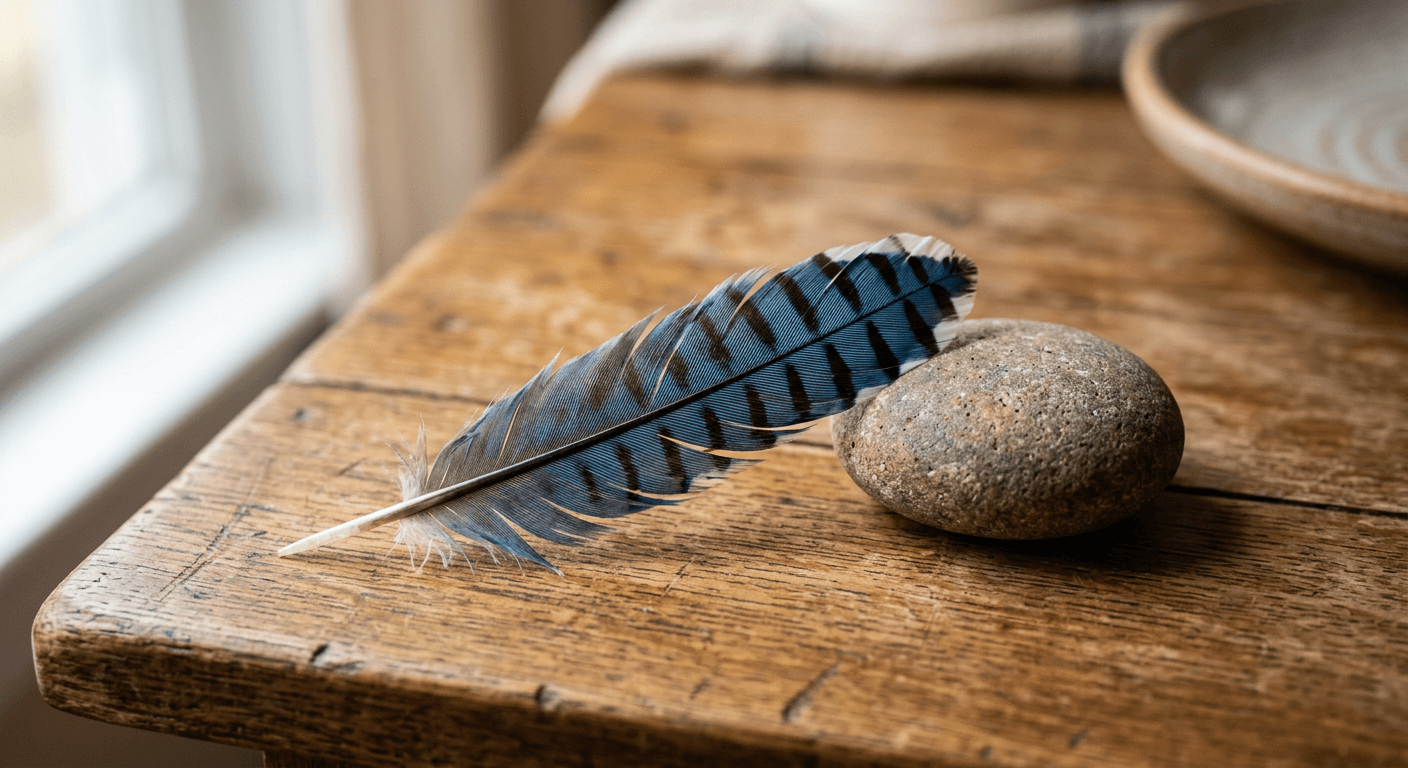
Prompt 14: Bird becomes a stylish, colorful-dressed human
Using the reference photo, transform the bird into a human character by removing animal features like feathers and a beak, while translating the bird's exact plumage colors into a stylish, colorful outfit and hairstyle. Bright natural lighting, photorealistic fabric and skin texture, confident expressive pose, no readable text.
Prompt 15: Reptile becomes a calm, minimalist-dressed human
Using the reference photo, transform the reptile into a human character by removing animal features like scales and a tail, while translating the reptile's coloring into a calm, minimalist clothing palette. Soft even lighting, photorealistic fabric and skin texture, composed neutral expression, no readable text.
Prompt 16: Small mammal, rabbit or hamster, becomes a soft-featured human
Using the reference photo, transform the small mammal into a human character by removing animal features like fur, ears, and a tail, while translating its coloring into soft-toned clothing and hair. Gentle, soft-featured human expression matching the animal's real demeanor, warm natural lighting, photorealistic detail, no readable text.
For a full demonstration of the base technique before trying the themed variations above, this video walks through the pet-to-human prompt from a single starting photo to a finished result.
How to Customize These Prompts for a Better Likeness
Start with a clear, well-lit photo where your pet's face and coloring are fully visible, a blurry or heavily backlit reference photo is the single most common reason a result looks generic instead of specific to your actual pet. From there, be explicit about the traits that make your pet recognizable in real life: a specific coat pattern, an expression it makes constantly, a particular posture or habit, and describe how that trait should carry into the human version rather than leaving it to the model's default interpretation. If the first result looks like a random person rather than your specific pet, add more detail about coloring and expression before trying a completely different prompt.
Common Mistakes Creators Make With This Trend
- Using a photo where the pet is mid-motion, blurry, or too far from the camera, which gives the model too little detail to translate coloring and expression accurately.
- Describing only the costume or theme and skipping the personality translation entirely, which is what separates a strong result from a generic costume photo.
- Defaulting to a stereotypically gendered human result when the prompt does not call for one. A neutral, natural-looking human translation usually reads as more genuine and works for a wider range of pets and audiences.
- Choosing a career or theme that does not actually match the pet's real personality, just because it is the most popular reference prompt, rather than picking the trait your specific pet is actually known for.
- Posting only the single-pet version. The multi-pet group prompts in section four often get more engagement because they capture a real relationship dynamic rather than an isolated portrait.
Where to Generate These
The AI Image Generator in Miraflow AI handles the single-photo image-to-image workflow this entire trend depends on, upload a clear photo of your pet, apply one of the 16 prompts above, and adjust the setting or theme without leaving the workspace. If you are turning your favorite result into a video, Text2Shorts can narrate a quick before-and-after clip, and the YouTube Thumbnail Maker in Miraflow AI is useful if you are covering this trend on a channel and need a thumbnail built around your result. This trend pairs naturally with the same reference-photo workflow behind our meet your younger self prompt pack and our AI figurine and toy box prompt guide, both worth rotating alongside this one if personal, reference-photo-based content is performing well for your account. For more on the image model family behind this kind of transformation, see our Nano Banana Pro vs Seedream 5.0 Pro comparison and our Meta Muse Image vs Nano Banana Pro breakdown. You can browse more prompt guides like this on the Miraflow AI blog, and every tool named here lives at miraflow.ai.
Frequently Asked Questions
Does this work for any type of pet, not just dogs and cats? Yes. The same core technique, remove the animal features while preserving personality and coloring, works for birds, reptiles, rabbits, and most other pets, as shown in the species-specific group above.
Why does my result look like a generic person instead of my actual pet? Usually the reference photo lacked clear detail, or the prompt did not describe specific enough traits. Add detail about your pet's exact coloring, expression, and posture rather than relying on a general description.
Can I combine multiple pets into one photo? Yes, the multi-pet group prompts in section four are built for exactly this, and describing the real relationship dynamic between your pets produces a more accurate group result than treating them as separate individual portraits.
What is the best photo to start with? A clear, well-lit, front-facing photo where your pet's face, coloring, and a recognizable expression are all visible. Blurry, dark, or heavily cropped photos produce noticeably weaker results.
Is this the same tool as the meet your younger self trend? Both use the same single-photo, image-to-image transformation workflow, just applied to a different subject and outcome. Both can be generated the same way inside the AI Image Generator in Miraflow AI.
Should I pick a career theme or a plain candid portrait first? Start with a candid portrait from group two to judge whether the base personality translation is working, then move on to a themed career or fantasy prompt once you are happy with the likeness.
Conclusion
The pet-to-human trend has held up because it rewards a small amount of extra thought without requiring any real effort, describe what actually makes your pet recognizable, and the result comes back feeling specific instead of generic. The 16 prompts above cover five different directions to take that same core idea, a matched career, a plain candid portrait, a fantasy character, a full household group, or a less common species, so there is a starting point here no matter what kind of pet or what mood you are going for. Start with a clear photo, describe the personality traits that make your pet unmistakably itself, and pick the format that fits what you would actually want to see in your own feed.