Can You Monetize Videos with AI Music in 2026? What Creators Need to Know

Written by
Jay Kim

Wondering if you can monetize videos that use AI-generated music in 2026? This guide explains when it’s safe, what’s risky, and how to protect your channel.
If you’re using AI music in your content, this is probably your biggest fear:
Will YouTube or other platforms demonetize my video because of AI music?
In 2026, the answer is:
Yes, you can monetize videos with AI music, if you use it correctly and understand a few rules.
This post breaks down, in plain language:
- When AI music is safe for monetized content
- When it can still cause copyright claims or problems
- How YouTube, TikTok, and Instagram treat AI audio
- A practical workflow to stay safe using tools like Miraflow AI Music Generator
1. The Short Answer: Yes, You Can Monetize AI Music, But Not All of It
Most platforms don’t ban AI music. They care about rights and ownership, not the tool.
- YouTube’s copyright rules apply regardless of how the music was created. If you don’t own or license it, you can get claims or takedowns.
- A YouTube help thread confirmed that AI-generated music can be uploaded and monetized as long as it doesn’t infringe existing copyrights and you have permission to use it.
- Some music companies already have licensing deals with AI music tools, where creators can use outputs in monetized content under clear terms.
So the real question isn’t “Is AI music allowed?”
It’s:
Do I have clear rights to use this AI track in a monetized video?
If the answer is yes, monetization is generally fine. If the answer is “I don’t know,” you’re gambling.
2. Three Types of AI Music (From Safest to Riskiest)
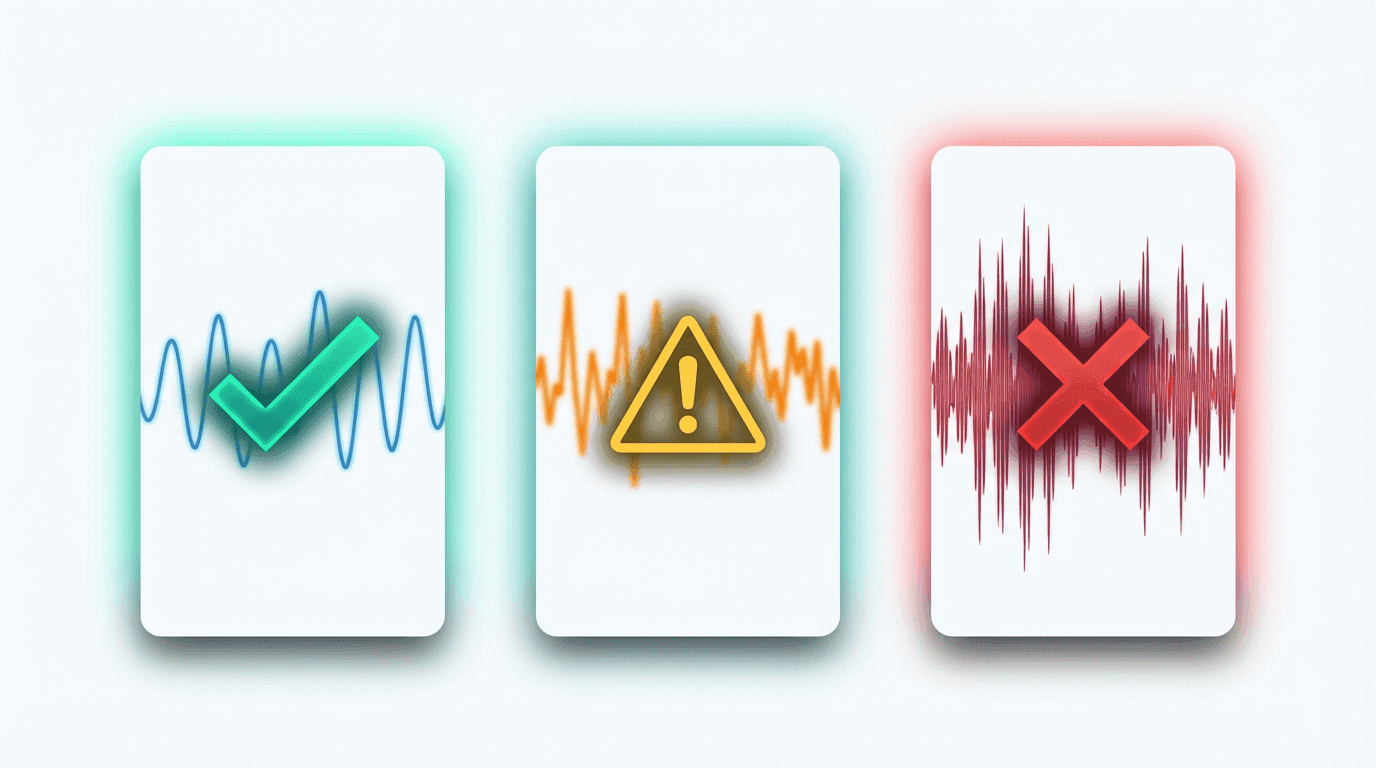
Not all AI music is equal. Think of it like this:
1) AI Music from Tools With Explicit Creator Licenses
These tools:
- Use licensed or in-house training data
- Give you explicit rights to use the generated tracks in monetized videos
- Often say this clearly on their Terms / FAQ / Licensing pages
This is the bucket a tool like Miraflow AI Music Generator aims for:
Type a prompt → get a track → you can use it in your content (within our terms).
Best for:
- Background music in YouTube videos
- YouTube Shorts / Reels / TikTok
- Product promos & client work (if the license allows commercial use)
Always check:
- Does the tool allow commercial use?
- Are YouTube / social platforms explicitly allowed?
- Does it forbid certain use cases (e.g. reselling the music as your own library)?
2) AI Music from Models That Don’t Talk About Licensing Clearly
Some AI music sites or models:
- Let you generate audio
- But say almost nothing about:
- Monetization
- Commercial use
- YouTube / social usage
Or they hide it in a vague TOS.
In that case:
- You might be okay
- But you don’t have clear proof if a dispute happens
- This is risky for channels that depend on consistent income
3) AI Music That Imitates Copyrighted Songs or Artists
This is where creators get into trouble:
- Make a song that sounds exactly like [popular track]
- Clone [famous singer]’s voice and make them sing this
Even if the underlying audio is new, it may:
- Infringe the rights of the original songwriters/labels
- Trigger Content ID matches if it’s too close
- Raise right-of-publicity issues if you imitate a real singer’s voice
For monetized channels, this category is essentially:
Just don’t.
3. How YouTube Handles AI Music in 2026
YouTube’s public stance is:
- Its copyright rules apply equally whether content is AI-generated or not
- It uses Content ID and other detection to enforce rights for music owners
- It introduced policies for AI-generated content, especially when it imitates real musicians, but hasn’t banned general AI music in videos
In practice:
- If your AI track is unique and from a tool that allows usage, YouTube usually treats it like any other royalty-free music
- If your AI track is similar to a known song, Content ID can flag it
- If someone else claims your AI track (for example, a scam distributor uploaded something similar to a DSP), you may need proof that:
- You generated it, and
- You have a license to use it
YouTube also offers its own Audio Library, where tracks are free and safe for monetized videos when used according to rules.
Good practice: If a video is really important, upload it as unlisted first and let YouTube’s “Checks” scan it before going public.
4. What About TikTok & Instagram Reels?
For TikTok, Instagram, and Reels-style platforms:
- They usually offer their own built-in music libraries & licensed tracks
- If you use their library, you’re generally safe for use on that platform (not necessarily outside it)
- If you upload videos with original AI music, the platform typically treats it like any other original audio
That means:
- You can upload AI-generated tracks as original audio
- You can build a sound identity for your brand / channel
- You still need to avoid obvious copying of famous songs or artists
For cross-posting (YouTube Shorts ⇆ Reels ⇆ TikTok), using your own AI tracks is often easier than worrying about each platform’s licensed songs in different regions.
5. Common Ways Creators Accidentally Lose Monetization with AI Music
Even with safe AI tools, creators still run into issues. Here’s what usually goes wrong:
1) Using AI Tracks From Random Sites With No Licensing Info
If a site:
- Doesn’t clearly say what you’re allowed to do, or
- Feels like a demo playground with no terms
then using those tracks in monetized content is risky. You have no proof later.
2) Accidentally Using Pre-Made Tracks That Were Not Cleared for Commercial Use
Some AI sites:
- Offer a mix of:
- AI-generated pieces
- Pre-existing, curated tracks
- Only some of them are allowed for commercial or monetized use
If the UI isn’t clear, it’s easy to grab the wrong one.
3) Relying on “It’s AI, So It Must Be Free”
This is the biggest misconception.
AI is a tool, not a license.
Platforms and rights holders don’t care if a human, AI, or alien wrote the music, they care who owns the rights and whether they were licensed.
6. A Safe Workflow to Monetize Videos with AI Music
Here’s how to treat AI music like a real asset in your monetized workflow.
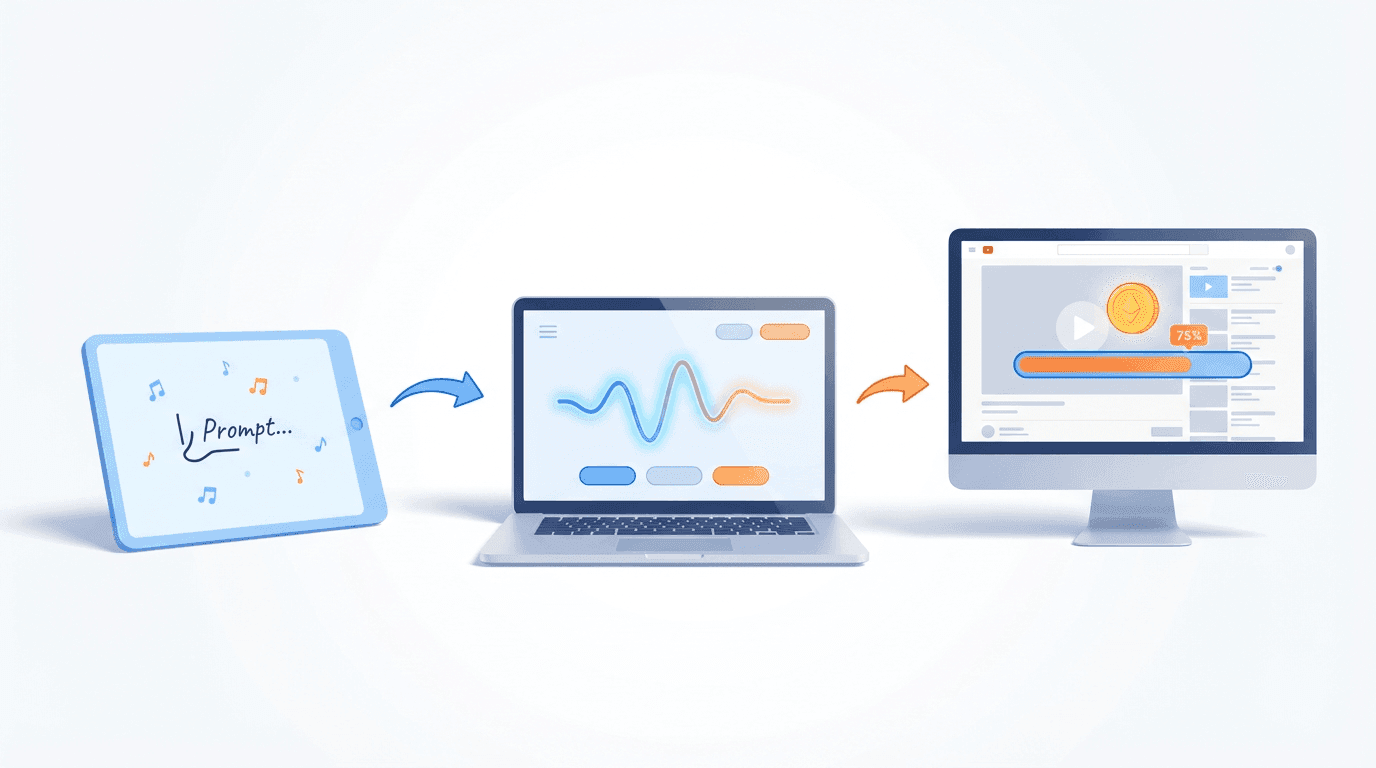
Step 1: Pick a Reputable AI Music Source
Use an AI Music Generator like Miraflow AI, that:
- Lets you generate music via your prompts
- Clearly states:
- You can use generated tracks in YouTube videos
- Monetization is allowed under their terms (if that’s how you structure it)
This way, you’re not relying on random outputs with unknown origin.
Step 2: Write Purpose-Based Music Prompts
Don’t just type 'cool music'.
Be explicit about:
- Use case: YouTube tutorial / Shorts / product ad / study mix
- Mood & energy: calm, hype, inspiring, relaxed
- Instruments: piano, synths, guitars, pads, etc.
- Restrictions: “no vocals”, “no sudden volume changes”, etc.
Example for YouTube tutorial:
Soft lo-fi background track for YouTube tutorials, mellow drums, warm Rhodes piano chords, subtle bass, no vocals, medium-slow tempo, designed to sit under voiceover without distracting.
Example for Shorts / Reels:
High-energy electronic beat for short vertical videos, punchy drums, bright synths, fast tempo, clean drops, loopable, ideal as background audio for YouTube Shorts and Instagram Reels.
You’re telling the AI exactly how the track will be used, that helps both quality and consistency.
Step 3: Save Proof of Creation
Treat your AI track like any licensed asset:
- Save the audio file
- Save the prompt you used
- Note the date and tool name (e.g. Generated in Miraflow AI Music Generator, May 2026)
- Bookmark or screenshot relevant license / usage terms
If something weird happens later (someone claims your music), you have a paper trail.
Step 4: Upload & Check Before Relying on It
For important videos:
- Upload as unlisted on YouTube
- Let YouTube Checks scan the video for potential claims
- If it’s clean, then publish normally
If a claim appears:
- Double-check that you didn’t accidentally:
- Use a built-in demo track not intended for commercial use
- Grab a track that someone else also uploaded to a music distributor
In many cases, having proof from your AI tool helps you dispute bad claims.
7. FAQ: Monetizing With AI Music in 2026
Q: Can I run ads on videos that use AI-generated music?
Yes, as long as you have the rights to use the music. Platforms care about copyright, not whether a human or AI composed the track.
Q: Can I start a “lo-fi / study music” channel using AI tracks and monetize it?
In many cases, yes. If:
- AI music generator allows commercial use
- You follow YouTube’s content & spam policies
- You’re not copying specific known songs or artists
Pair this with your AI visuals or simple static scenes and thumbnails.
Q: Can a brand sponsor a video that uses AI music?
Yes, but be extra careful:
- Brands are more risk-averse
- They may ask where the music came from and what the license is
- Have your AI tool’s license and generation logs ready
Q: Can I upload AI music to streaming platforms as “my” songs?
That’s a different question. Many distributors have their own rules about pure AI tracks, and copyright law around AI authorship is still evolving. For YouTube video monetization, you mostly care about usage rights and platform policies, not necessarily owning the copyright as a composer.
Q: Does using AI music reduce my ad revenue share?
Not by itself. Revenue share is primarily affected when:
- You use copyrighted commercial songs, and
- Labels claim part of the ad revenue via Content ID
If your AI track is treated as your own or licensed background music, you keep your normal share.
8. When AI Music Makes the Most Sense for Monetized Creators
AI music shines in situations like:
- YouTube tutorials / explainers
- YouTube Shorts & Reels (hook + beat)
- Product / startup videos (especially if you also use cinematic video generation in Miraflow)
- Faceless channels (study, ambiance, productivity, café vibes)
- Client work where you need flexible, custom background tracks
When you control your own music, you:
- Avoid sudden Content ID claims from trending songs
- Can safely reuse tracks across platforms
- Build a consistent audio brand for your channel
AI Music Is Safe, When You Treat It Like Real Music
AI music is not a free magic loophole.
It’s a new way to compose, but old rules still apply:
- You need tools with clear usage rights
- You should keep proof of how the track was made
- You must avoid obvious copying of existing songs or singers
If you do that, then:
Yes, you can monetize videos that use AI music in 2026.
For creators, the big advantage is control:
- You don’t have to fight other channels over the same tracks
- You don’t depend on external libraries guessing your vibe
- You can generate music that fits your specific video, niche, and brand
If you’re already using Miraflow AI for things like:
- Text2Shorts (turn ideas into vertical content)
- Cinematic video generation
- YouTube Thumbnail Maker
then adding AI Music Generator gives you the last piece of the puzzle:
custom, monetizable soundtracks that belong to your content and your channel.