YouTube Session Time in 2026 How Your Videos Keep Viewers on the Platform

Written by
Jay Kim
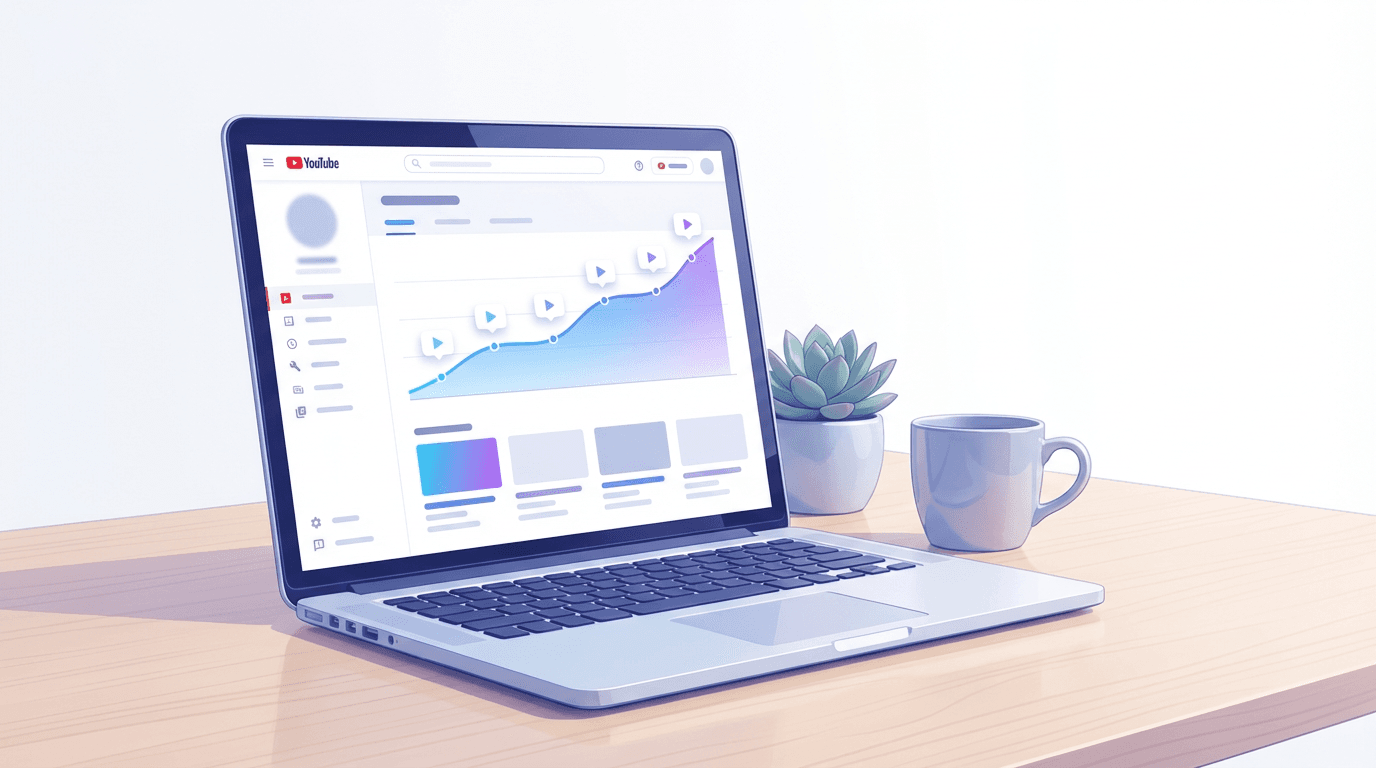
YouTube session time in 2026 is the hidden lever behind real growth. Learn how your videos influence full viewing sessions and how to keep viewers on the platform longer.
If your YouTube strategy in 2026 is only about getting more views, you are missing the real game.
YouTube cares about whether viewers stay on the platform after they click your video. Do they watch one clip then leave, or do they fall into a long viewing session
That hidden metric is often called session time. You do not see it as one number in YouTube Studio, but the algorithm uses signals like watch time, click through rate, satisfaction, and viewing habits to decide which videos help extend sessions.
This guide breaks down
- What YouTube session time really means in 2026
- How your videos influence it, even when viewers leave your channel
- Formats and structures that keep people watching longer
- How to package videos for higher CTR so sessions start in the first place
- A simple workflow to build session friendly videos, with a short Miraflow AI section near the end
What YouTube session time means in 2026
Watch time versus session time
Most creators look at watch time and average view duration. Both are important.
- Watch time
Total minutes or hours viewers spend watching your videos or playlists - Average view duration
The average number of seconds viewers watch per view
Session time is wider
- Session time
The total time a viewer spends on YouTube during one visit, across all channels and formats
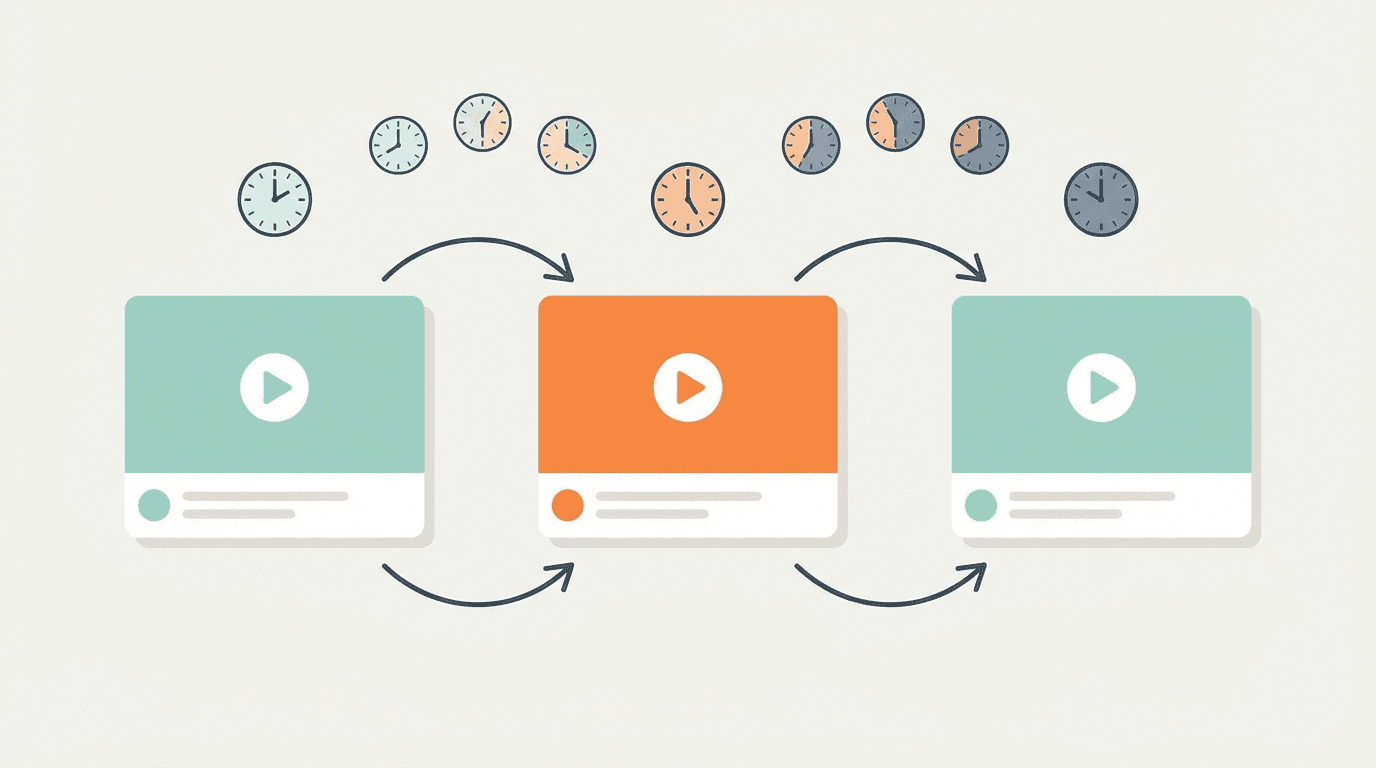
Imagine this timeline:
- A viewer opens the YouTube app
- They tap your video on the home feed
- They watch seven minutes
- They tap your end screen to another video
- They watch two more videos from other channels
Your video started that session. YouTube wants more videos that start or extend sessions like this, because longer sessions usually mean viewers are satisfied and the platform can serve more ads.
You never see a label called session time in Studio, but you see the shadows:
- Audience retention graphs
- Average views per viewer
- End screen click through rates
- Playlist performance
- How many new viewers become casual or regular viewers over months
The channels that win in 2026 think in terms of sessions, not only single video performance.
Why YouTube cares so much about sessions now
YouTube has repeated the same idea for years: the algorithm is trying to show each viewer videos they are most likely to watch and enjoy, using signals like watch time, CTR, satisfaction surveys, and viewing behaviour.
In 2025 and 2026, guides for creators keep highlighting two points:
- High watch time and retention signal that viewers are happy
- Content that extends overall viewing sessions tends to get more recommendations and browse traffic
Longer sessions matter because they
- Increase ad impressions and Premium viewing minutes
- Train the algorithm that your videos help keep people engaged
- Build habits so viewers return to YouTube more often, which benefits everyone
So when you think about a new video now, you ask two questions:
- Will people click this
- Once they click, does this video help start or continue a strong viewing session
Everything in the rest of this article is about improving your odds on both questions.
How your videos influence session time
Even though you cannot control every step of a viewer’s session, you control three huge levers
- The first thirty seconds
- What happens in the middle of the video
- Where you send viewers at the end
1. The first thirty seconds: session opener or session killer
A large benchmark study found that only about one in six videos keep more than fifty percent of viewers to the end, and most drop a big chunk in the first sixty seconds.
If viewers click then bounce quickly, they may swipe away from the platform entirely. That ends the session.
Strong intros in 2026 tend to
- Confirm the topic in plain language
- Show a micro result or preview early
- Avoid long intros, thank you messages, or slow life updates
- Use at least one visual that feels distinct from generic talking head framing
Think in terms of:
- Hook sentence for the first three to five seconds
- Visual pattern that looks different from the usual feed
- Small promise, such as a graph, screenshot, or outcome you will reveal later
The goal is not only to avoid drop off. The goal is to convince the viewer to commit mentally to watching longer.
2. The middle: structure that stops people from drifting away
Session friendly videos are not just long. They are structured to keep attention.
Practical habits that work in 2025 and 2026 include:
- Preview the main sections early, so viewers know where they are in the journey
- Break content into clear beats or chapters
- Use pattern interrupts: a change of angle, B roll, a diagram, a quick story
- Drop mini payoffs along the way, not only at the very end
If you look at your audience retention graphs, you will usually see:
- A steep slope at the start
- One or two noticeable dips where people drop off or skip ahead
- Sometimes a rewatch spike on a valuable moment
Those dips tell you where the session is at risk. Improving those sections, even a little, can turn single video views into multi video sessions.
3. The end: do you end the session or pass viewers forward
The most brutal pattern on YouTube is
- Fade to black
- Long outro with no visual call to action
- No end screen that actually gets clicked
YouTube recently added a hide button for end screens, because many viewers complained that recommendations cover the final moments. Testing showed that letting people hide end screens reduced clicks from those elements by only about one and a half percent, which means end screens still drive meaningful traffic when you design them well.
For session time, a good ending
- Summarises the payoff quickly
- Gives exactly one or two clear next steps
- Visually highlights a specific video or playlist on the end screen
Think of your ending as a hand off: you are passing the viewer to the next relevant part of their session.
Four content types that naturally boost session time
Some formats naturally invite longer watching and more follow up clicks.
1. Series and playlists
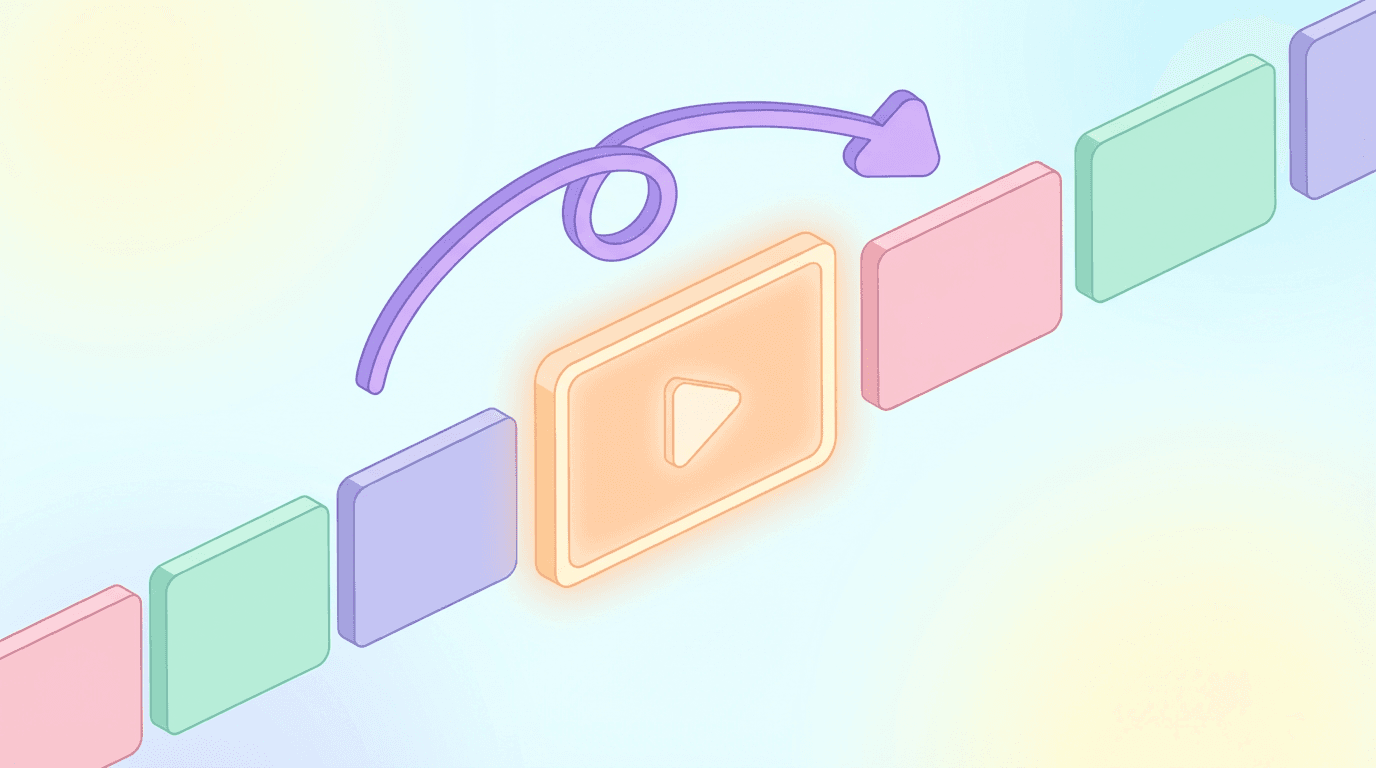
Series content makes viewers think in terms of episodes instead of random isolated videos.
Examples:
- Ten part beginner tutorial
- Weekly creator diary
- Multi video exam prep plan
When you group related videos into focused playlists, people are more likely to watch multiple videos from that set instead of leaving after one. Guides on watch time and playlists continue to push creators toward clear series rather than mixed playlists that try to cover everything.
Key tips
- Keep titles consistent: same structure, small variations
- Design thumbnails as a visual set, for example similar layout or number tag
- Order playlists thoughtfully: start with the most beginner friendly or most satisfying video
2. Case studies and narrative videos
Case studies work well because the story opens loops: viewers want to know what happens.
Formats that tend to perform:
- Thirty day challenges
- Before and after channel or business results
- Study or skill journeys across months
Storytelling focused advice for YouTube often recommends showing the outcome early, then walking through the process, because viewers stay longer when they know there is a clear payoff ahead.
Structure these videos as:
- Result upfront
- Timeline with checkpoints
- Specific decisions and mistakes
- Final metrics and lessons
3. Evergreen tutorials
Good how to content is one of the best session starters from search.
Examples:
- How to fix a specific software error
- How to set up a tool for the first time in 2026
- How to reach a clear result, such as a certain audio or video quality
When people find a tutorial that works, they often watch more videos from the same creator or playlist, especially if you link to deeper content and related topics.
4. Bingeable Shorts lanes
Session time does not only come from long form. Shorts sessions are real.
The Shorts algorithm looks at average watch time, overall engagement, and how many people watch instead of swiping away.
If you publish Shorts that all sit in one lane, for example quick CapCut tips or study hacks, you increase the chance that:
- A viewer taps one Short
- Then keeps scrolling through your Shorts tray
- Then taps through to a long form video or playlist
Patterns that help:
- One clear idea per Short
- Consistent music or sound identity
- Reusable visual style, like a recognisable room or layout
How to package videos for high CTR in 2026
Session time does not matter if nobody clicks in the first place. Click through rate is still one of the core signals YouTube uses alongside watch time and satisfaction.
Think of CTR as the outcome of three things:
- Topic
- Title
- Thumbnail
They must all tell the same story.
Title patterns that invite strong sessions, not only clicks
For session friendly content, you want titles that promise a journey or transformation, not just one tiny tip.
Examples you can adapt:
- I tried posting one Short every day for thirty days in 2026 here is what happened
- How I turned a dead video into a session starter in YouTube analytics
- One tutorial that finally fixed my watch time in 2026
- Turning random views into binge sessions what changed in my channel
Patterns to reuse:
- I tried X for Y days in 2026
- How I went from A to B with metric or result
- The system behind X result in Y timeframe
Thumbnail concepts that support longer sessions
For CTR, thumbnails should be simple and readable, especially on mobile. Recent growth guides still push:
- One main subject in the frame
- Clear emotion or reaction if you show a face
- One object or graph that represents the topic
- High contrast between subject and background
Ideas for this topic:
- A laptop screen with a YouTube analytics graph that slopes upward, your head slightly in frame looking at it
- Side by side cards labelled visually as short session versus long session, with different length bar charts
- A simple timer or clock next to a YouTube style video grid
Text on the thumbnail, if you use it, should be two to four words at most, for example:
- keep them watching
- longer sessions
- stop single video views
Avoid stuffing full titles on the image. Let the title and thumbnail work together, not fight each other.
Aligning topic, title, and thumbnail
If the title promises a long term improvement, but the thumbnail screams drama about one small feature, viewers feel tricked. That tends to hurt retention and session time.
Ask before publishing:
- Does the thumbnail show the same result or idea as the title
- Is it clear what kind of story or tutorial this will be
- Is there a natural next video viewers will want after this one
If those three line up, your CTR and session potential both improve.
Reading your analytics with a session mindset
YouTube Studio gives you plenty of indirect data about session strength.
Audience retention and key moments
Check per video:
- Average view duration
- Relative audience retention compared to similar videos
- Key moments such as spikes, dips, and most rewatched segments
Use these insights to:
- Fix weak intros in future uploads
- Insert visual changes where viewers usually drop
- Repeat the pacing of videos that keep graphs flat for longer
End screen and playlist performance
Look at:
- End screen element click rates
- Watch time from playlists
- Average views per viewer on key playlists
If a video has strong retention but low end screen clicks, work on:
- Clearer verbal call to action
- Simpler end screen layout with fewer competing options
- A more obvious next video, such as a case study or deeper tutorial
Viewer types and returning viewers
YouTube is moving from a single returning viewers metric to richer viewer categories such as new, casual, and regular viewers.
The more your content encourages:
- Casual viewers to become regular viewers
- New viewers to watch multiple videos in their first session
the more signals you are feeding into the recommendation system that your channel delivers consistent value over time.
Watch for:
- Which videos most often bring in new viewers
- Which ones those viewers watch next
- Which series or topics bring people back in later weeks
Use that to decide where to invest in sequels, remasters, or full series.
How to build session friendly videos faster with Miraflow AI
You can do all of this manually, but Miraflow AI helps reduce friction at each step of the workflow.
A simple way to use it for session focused content:
- Outline and hooks with Text2Shorts
- Paste your topic and ask for three or four hook variations and a chapter style outline
- Use one hook for long form video and turn the rest into Shorts that feed into the main video
- Visual variety with AI images and cinematic clips
- Use the AI Image Generator to create graphs, dashboards, room scenes, or metaphors
- Turn your favourite images into short cinematic clips for intros and pattern interrupts
- Background music that matches session mood
- Use AI Music Generator to create safe background tracks for tutorials, case studies, and B roll loops
- Thumbnails that support high CTR
- Use the YouTube Thumbnail Maker to design clear, bright thumbnails that match the story in the title and video
You still decide the topic and strategy. Miraflow AI just shrinks the time between idea and finished video, so you can test more session friendly concepts without burning out.
Practical next steps
Here is a simple checklist you can act on this week.
- Pick one video that already performs well
- Study its retention, end screen clicks, and playlist behaviour
- Identify one spot where sessions break
- Maybe a long intro, a messy mid section, or a weak ending
- Plan a new video on a similar topic
- Use a stronger hook and more deliberate structure
- Package it with CTR in mind
- One clear benefit in the title
- One clear idea in the thumbnail
- Guide viewers to a next step
- A related case study
- A focused playlist
- A deeper tutorial
- Use Miraflow AI where it saves you time
- Script outline, visuals, music, and thumbnail
If you repeat this process across a handful of videos each month, your watch time graph starts to look less like random spikes and more like a staircase. That staircase is built from sessions, not just isolated clicks.