22 AI Halloween Prompts for 2026: Costumes, Portraits, and the Ghostface Y2K Trend (Copy & Paste)

Written by
Aerin Kim
22 copy-paste AI Halloween prompts covering the viral Ghostface Y2K trend, classic costumes, cozy autumn scenes, and a real posting calendar for October.
Halloween content planning starts earlier every year, and 2026 is no exception. Google Trends data on costume searches consistently shows interest climbing through September and peaking in the final week of October, which means the creators posting the strongest Halloween content right now are not the ones scrambling on October 30th, they are the ones who already generated their profile picture crops, costume portraits, and spooky video hooks weeks in advance.
This year's dominant aesthetic is not classic gore or jump-scare horror. It is nostalgic horror: the Ghostface Y2K portrait became the single most shared Halloween AI image trend of the season, built on keywords like Y2K bedroom, VHS film grain, and 1970s kitchen horror rather than anything explicitly gory. It is a mashup of retro camcorder nostalgia and slasher-movie iconography, and it works precisely because it feels like a rediscovered photo rather than a generated costume shot.
This post gives you 22 ready-to-use Halloween AI prompts, grouped by category, built around specific wardrobe, lighting, and setting language so the results look like real photographs instead of costume-party clip art. You can generate every one of these directly in the AI Image Generator in Miraflow AI, and turn the strongest ones into a spooky season Short with Text2Shorts once you've picked your favorites.
Why Halloween AI Content Works So Well Right Now
Three things are converging this particular October that make this a genuinely good moment to plan Halloween content rather than a generic seasonal suggestion.
The nostalgic horror aesthetic is measurably outperforming straightforward costume photos. The keywords driving the most engagement this year cluster around Y2K bedroom setups, VHS and camcorder artifacts, and grainy 1970s-style kitchen horror scenes, the same nostalgic camera-artifact aesthetic that has been trending across AI photo content all year, applied to a Halloween-specific mood. If you already tested camcorder or VHS-style prompts earlier this year, this is the natural seasonal extension of that same visual language.
The timing window is real and specific. Costume search interest is not flat through fall, it accelerates sharply in the final two to three weeks of October. That means content posted in mid-September through early October, before the feed gets crowded with everyone else's Halloween posts, gets meaningfully more organic reach than the same content posted the week of the holiday. A practical sequence that tracks how the actual search curve moves: generate and bank a set of profile-picture-ready crops in late September or early October, post full costume portraits through the middle of the month while the feed is still relatively uncrowded, and hold your most polished, highest-effort piece for the final week before Halloween itself when search volume peaks.
AI-generated Halloween content solves a real production problem, not just a novelty one. A genuine period-appropriate vampire portrait, a foggy cemetery ghost bride scene, or a full werewolf transformation used to require either an expensive costume and location shoot or skipping the concept entirely. Generating it instead means a creator with zero costume budget and no access to a foggy forest can still produce the exact same visual concept a well-funded shoot would, which is a large part of why this category performs so well for smaller creators specifically.
What Makes a Halloween Prompt Actually Work
The prompts that read as a real, atmospheric photograph rather than a flat costume-party snapshot share the same handful of ingredients, in this order of importance:
A specific, motivated light source tied to the scene, not generic "spooky lighting." Candlelight from below the chin, a single carved pumpkin glowing warm orange from just out of frame, cold blue moonlight through bare branches, or a harsh direct on-camera flash for the deliberately washed-out party-snapshot look, each produces a completely different, recognizable mood, and naming the actual source is what sells it.
A real, described setting, not just an adjective like "spooky." A stone path through fog lit by a single street lamp is a setting. "A creepy background" is not. The more specific and physically plausible the setting, a harvested cornfield at dusk, a candlelit library shelf, a foggy cemetery at dawn, the more convincingly the model renders it.
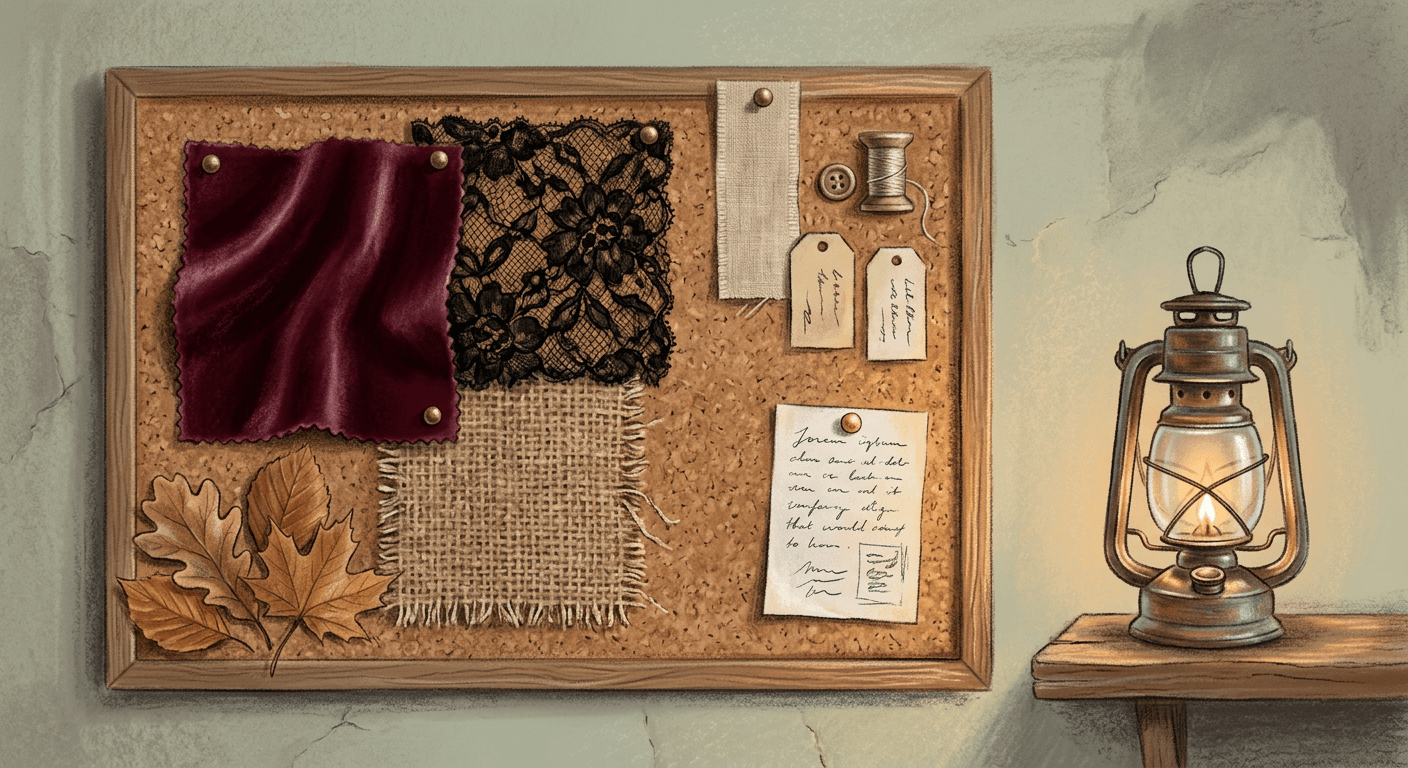
Costume and wardrobe details specific enough to sew from, fabric type, color, era-appropriate cut, rather than a costume category name alone. "Black velvet suit with a crimson silk shirt" produces a sharper, more consistent result than "vampire costume."
An explicit mood or genre reference that tells the model what emotional register to hit, elegant and gothic rather than horror-gory, nostalgic and grainy rather than crisp and modern, playful and cozy rather than atmospheric and dark.
Identity preservation language when you're using your own face, the same principle from professional headshot prompts applies here: describe the costume, lighting, and setting in detail, and instruct the model to preserve your real facial structure from a reference photo rather than reinventing your face along with the costume.
1) The Viral Nostalgic Horror Trend
These five are built specifically around 2026's dominant aesthetic, the mashup of retro camera artifacts and slasher-movie nostalgia that is driving the most shares this season.
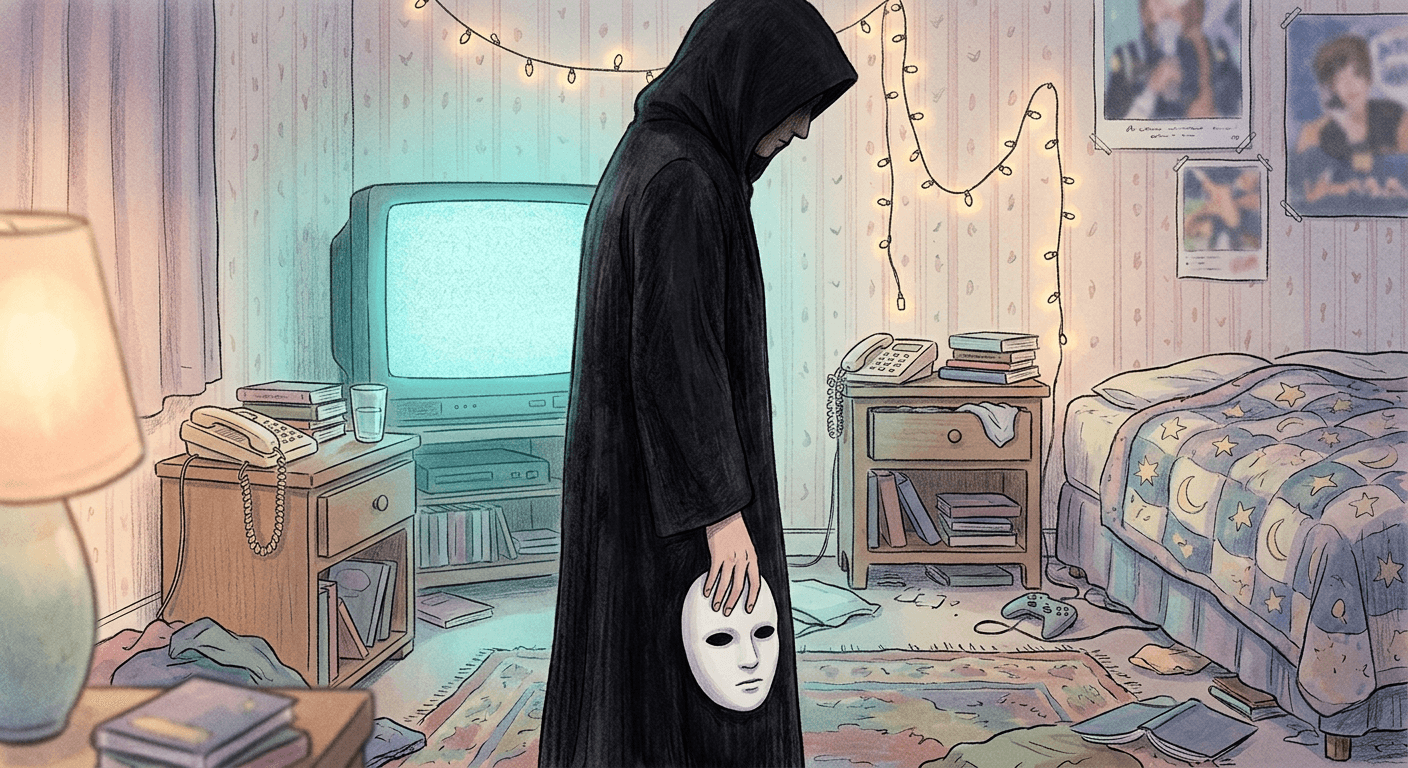
Prompt 1: Ghostface Y2K Bedroom Portrait
Preserve exact facial structure from the reference photo where visible. A person in a black hooded robe holding a classic white featureless mask down at their side rather than wearing it, standing in a cluttered early-2000s bedroom, string lights, a CRT television glowing in the background, a corded phone on the nightstand. Harsh direct on-camera flash, slightly overexposed skin tones, visible grain, cool blue ambient light bleeding in from a window. Shot like a rediscovered digital camera photo from 2003, not a modern polished portrait.
Prompt 2: VHS Camcorder Horror Snapshot
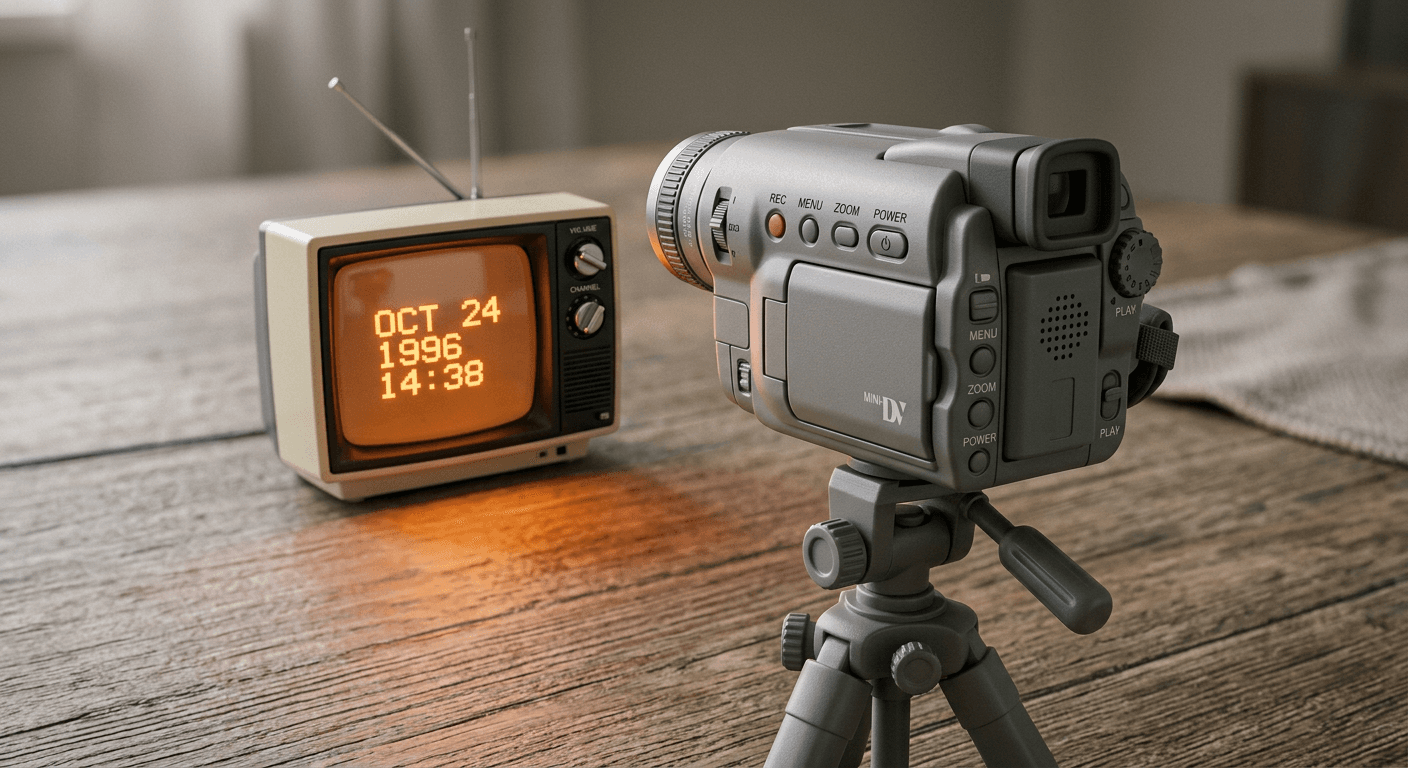
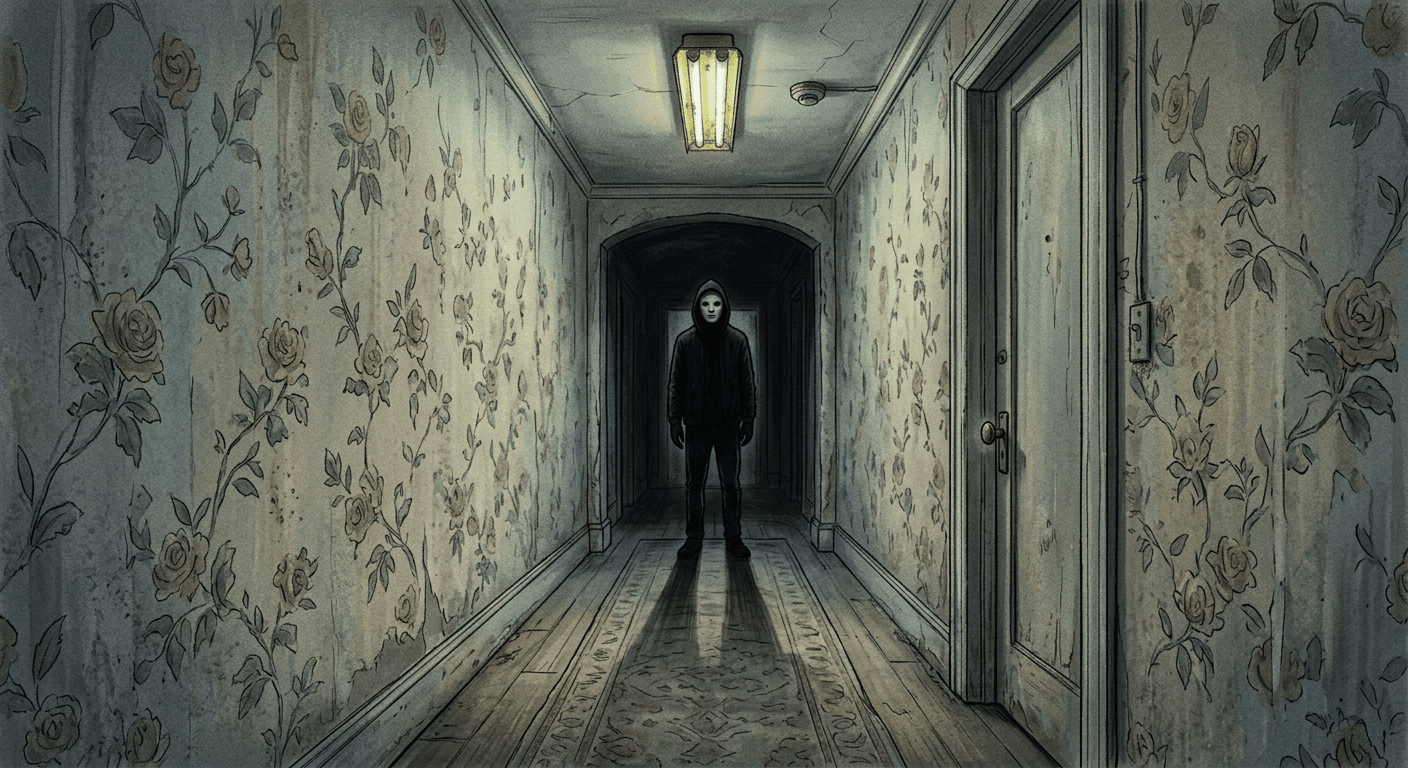
A figure in a plain white mask standing at the far end of a dim hallway, shot as if captured on a cheap early-2000s camcorder. Add visible timestamp overlay in the corner, VHS tracking distortion lines, soft chromatic blur, low resolution grain, and cool fluorescent overhead lighting. The framing should feel accidental and slightly shaky, like a single frame paused from a home video rather than a composed photograph.
Prompt 3: 1970s Kitchen Horror Scene
A dim, retro-styled kitchen with harvest-gold appliances, patterned wallpaper, and a single overhead bulb casting long shadows. A shadowy figure stands just at the edge of the doorway, mostly out of focus. Warm but sickly toned lighting, heavy film grain, slightly faded vintage color grading like an aged 1970s photograph, no gore, the fear comes entirely from the mood and the silhouette in the doorway.
Prompt 4: Y2K Party Flash Portrait
Preserve exact facial structure from the reference photo. A person in a metallic silver slip dress with a cropped black leather jacket, standing in a dim living room decorated with orange string lights and paper bat cutouts. Harsh direct on-camera flash exactly like an early digital camera, slightly washed-out colors, visible grain, red-eye effect faintly present. The overall feel should be a candid party snapshot from 2001, not a staged portrait.
Prompt 5: Polaroid Instant Film Halloween Snapshot
Take the same costume and setting as a candid party moment and render it as an instant film photograph: white polaroid border, slightly warped exposure with the corners a touch darker than the center, harsh direct flash, faded and slightly yellow-shifted colors. The subject should be caught mid-laugh or mid-motion rather than posed, like a real photo someone pulled out of a shoebox years later.
2) Classic Costume Portraits
These five lean into traditional Halloween costume archetypes, built with enough period and material detail to look like a genuine editorial shoot rather than a store-bought costume photo.
Prompt 6: Elegant Gothic Vampire
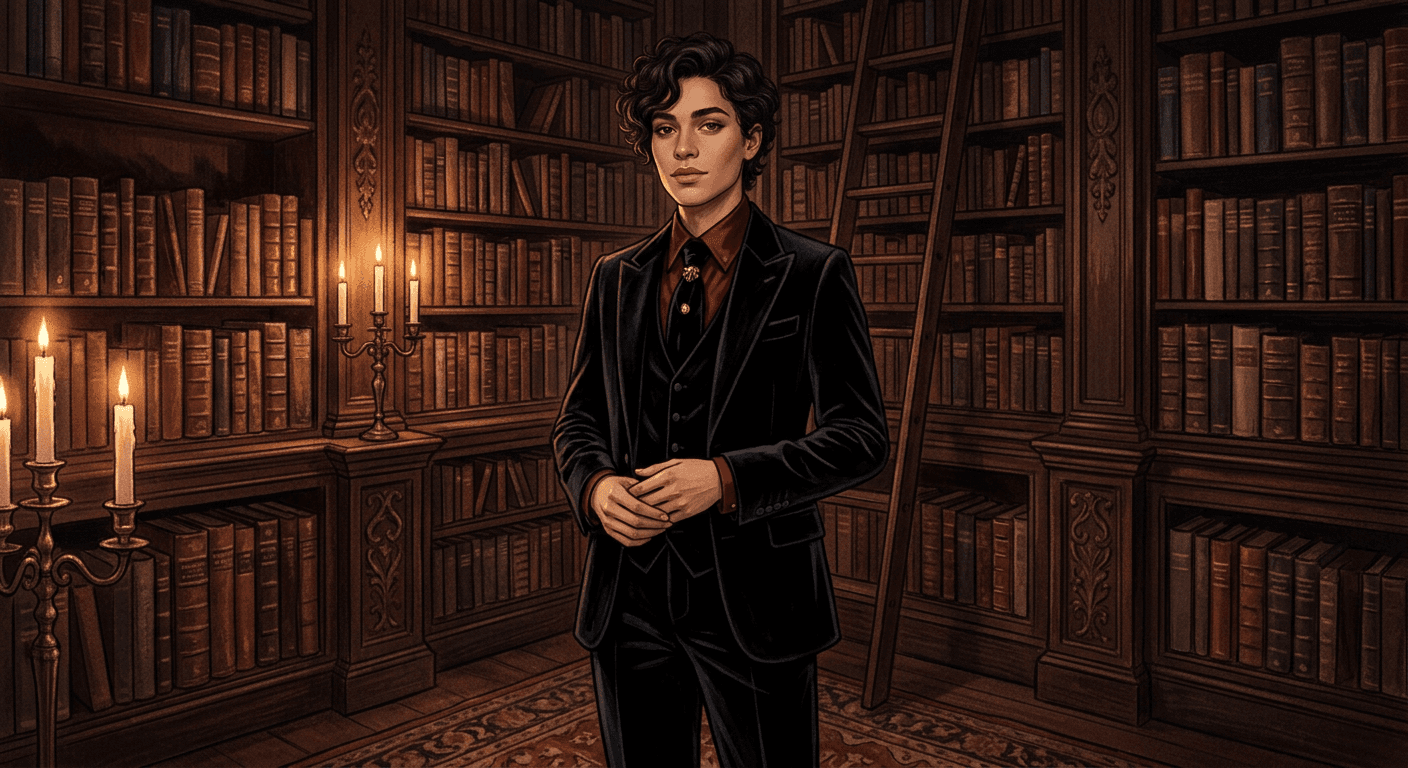
Preserve exact facial structure from the reference photo. A person in a tailored black velvet suit with a deep crimson silk shirt underneath, standing in a candlelit gothic library surrounded by leather-bound books. Warm, low candlelight from multiple points creating dramatic shadow across the face, three-quarter framing, an elegant and composed expression rather than a menacing one. Rich, moody color grading, visible fabric texture on the velvet.
Prompt 7: Witch Walking Through Autumn Woods
Preserve exact facial structure from the reference photo. A person in a hooded black cloak over a deep emerald dress, walking through a forest at golden hour, backlit sunlight catching the edges of falling autumn leaves, a thin layer of ankle-height fog drifting across the forest floor. Warm, low, directional light from behind the subject, full-body framing, natural windswept hair and cloak movement.
Prompt 8: Ghost Bride in a Misty Cemetery
Preserve exact facial structure from the reference photo. A person in a long, flowing white Victorian lace gown, standing among old stone grave markers in a misty cemetery at dawn. Cool blue-toned light, soft diffused fog throughout the scene, full-body framing with a slightly ethereal soft focus at the edges of the frame, veil fabric caught mid-movement in a light breeze.
Prompt 9: Pirate Captain at Dusk
Preserve exact facial structure from the reference photo. A person in a burgundy coat with tarnished gold buttons over a loose white shirt, a weathered tricorn hat, standing on a wooden dock as the sun sets. Warm lantern light mixing with the last of the dusk sky, wood grain visible on the dock planks, confident stance, full-body framing.
Prompt 10: Scarecrow in a Harvested Cornfield
Preserve exact facial structure from the reference photo. A person in a patched burlap jacket over a checked flannel shirt with a straw collar, a wide-brimmed hat pushed back, standing in a harvested cornfield at dusk. Warm, low, golden-hour side light, visible straw texture, slightly tattered fabric detail, muted orange and brown color grading throughout.
3) Cozy Autumn and Halloween Lifestyle
Not every piece of Halloween content needs a costume. These four cover the warm, cozy autumn aesthetic that performs just as well for lifestyle and personal brand accounts.
Prompt 11: Halloween Movie Night on the Couch
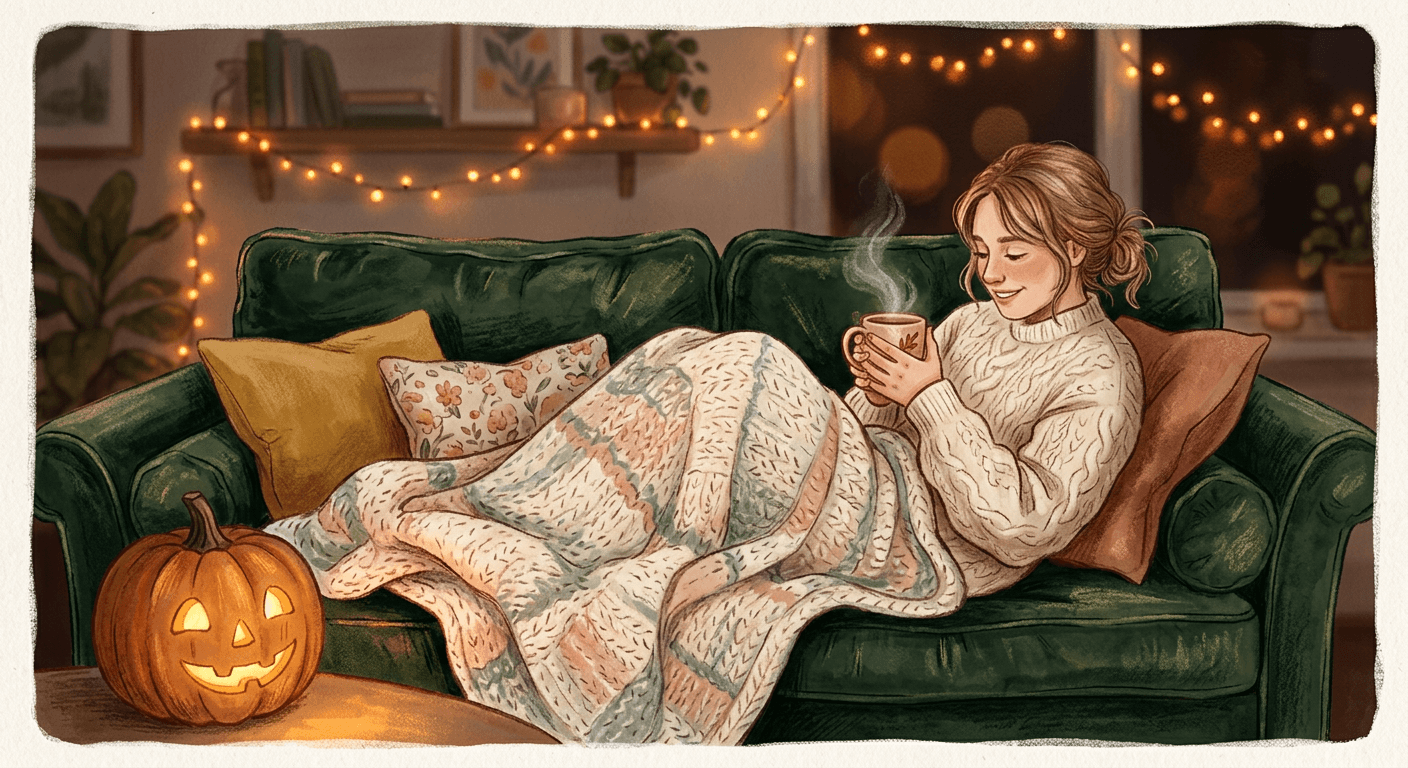
Preserve exact facial structure from the reference photo. A person in a cream cable-knit sweater curled up on a deep green velvet couch with a soft blanket, a mug of hot cocoa in hand. A carved pumpkin glows warmly in the foreground, strings of small orange fairy lights softly blurred in the background. Warm, low ambient light from the pumpkin and fairy lights only, cozy and relaxed expression.
Prompt 12: Pumpkin Patch Portrait
Preserve exact facial structure from the reference photo. A person in a cream chunky knit sweater and dark jeans, sitting on a hay bale in a pumpkin patch during late afternoon. Warm, soft directional light, rows of pumpkins extending into a softly blurred background, genuine relaxed smile, natural outdoor color grading.
Prompt 13: Trick-or-Treat Suburban Street
Preserve exact facial structure from the reference photo. A person in an oversized cream cable-knit sweater holding an orange candy bucket, walking down a suburban street lined with carved jack-o-lanterns on porch steps. Blue-hour sky transitioning to dusk, warm porch lights and pumpkin glow scattered through the scene, natural candid framing.
Prompt 14: Autumn Coffee Shop Moment
Preserve exact facial structure from the reference photo. A person in a rust-orange cashmere sweater seated at an outdoor cafe table with a cappuccino and a slice of pumpkin bread, surrounded by golden fallen leaves. Soft overcast natural light, warm and inviting color grading, candid unposed expression looking slightly off camera.
4) Spooky Atmospheric Portraits
For creators who want the dark, moody register without leaning on gore, these four use lighting and setting alone to carry the atmosphere.
Prompt 15: Candle-Lit Horror Portrait
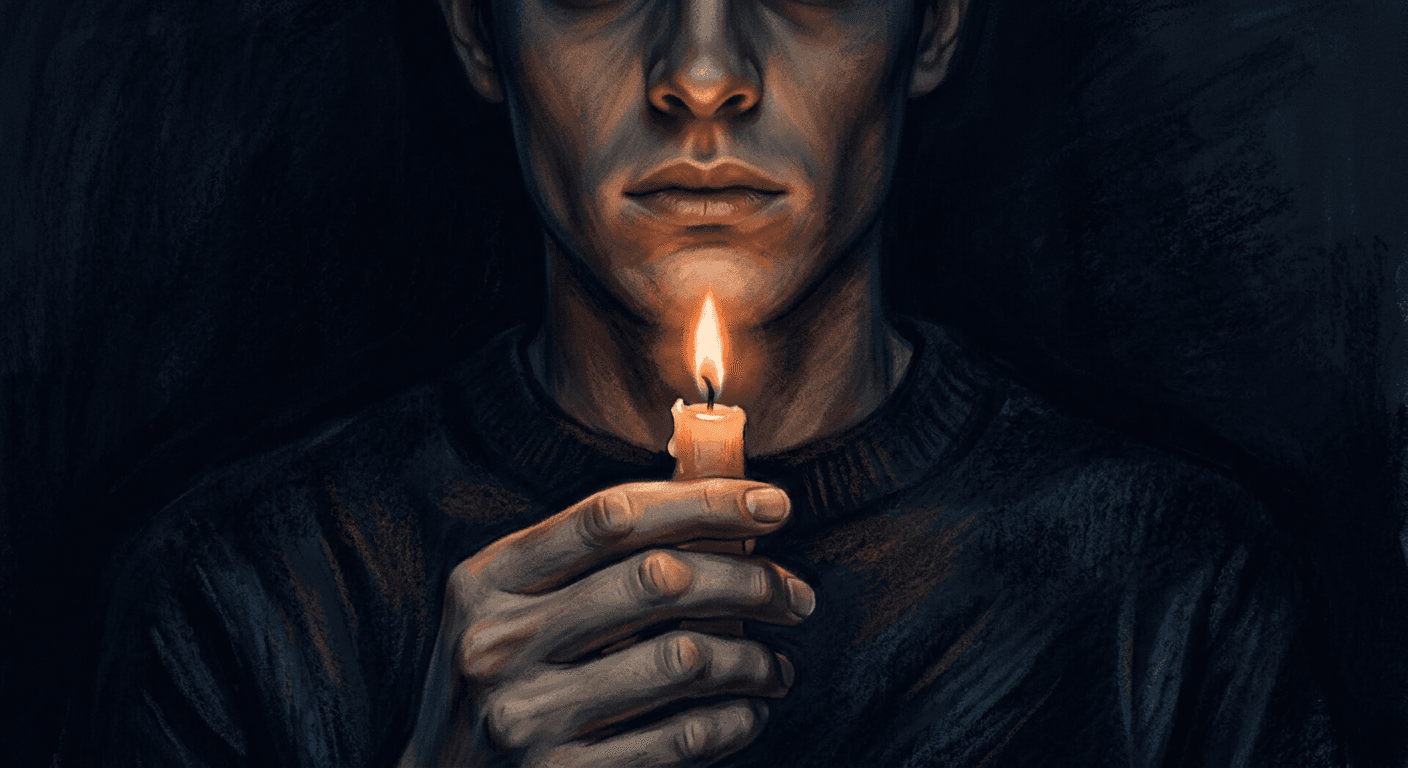
Preserve exact facial structure from the reference photo. A person holding a single lit candle just below chin height in complete darkness, the candle as the only light source in the frame, casting deep upward shadow across the face. Neutral, unreadable expression, film-noir style high-contrast black and white or deeply desaturated color grading, extreme close framing on the face and hand.
Prompt 16: Werewolf Beneath a Full Moon
A figure in a wolf-gray faux fur coat over a torn flannel shirt, windswept hair, standing at the edge of a pine forest beneath a full moon. Cold, blue-toned moonlight as the primary light source, thin mist drifting between the trees, tense and alert body language, full-body framing.
Prompt 17: Cloaked Figure in the Fog
A figure in a floor-length charcoal hooded cloak, hood pushed back just enough to reveal a shadowed face, walking along a stone path through thick fog at night. A single distant street lamp providing the only warm light source, backlighting the fog into soft glowing haze, full-body framing with the figure partially obscured by mist.
Prompt 18: The Masked Figure Behind You
Preserve exact facial structure from the reference photo. A person taking a casual selfie-style photo in a warmly lit bedroom, calm and unaware expression, while a tall figure in a plain white featureless mask stands slightly out of focus in the doorway behind them. Warm lamp light on the subject in the foreground contrasted against the dim, cooler-toned hallway behind, unsettling because of the calm mismatch between subject and background rather than anything overtly graphic.
5) Profile Pictures, Pets, and Formats That Travel
These final four are built around specific formats and use cases rather than costumes, the profile picture crop, the pet costume post, and the paired set that reads as a two-part story instead of a single image.
Prompt 19: Halloween Profile Picture Square
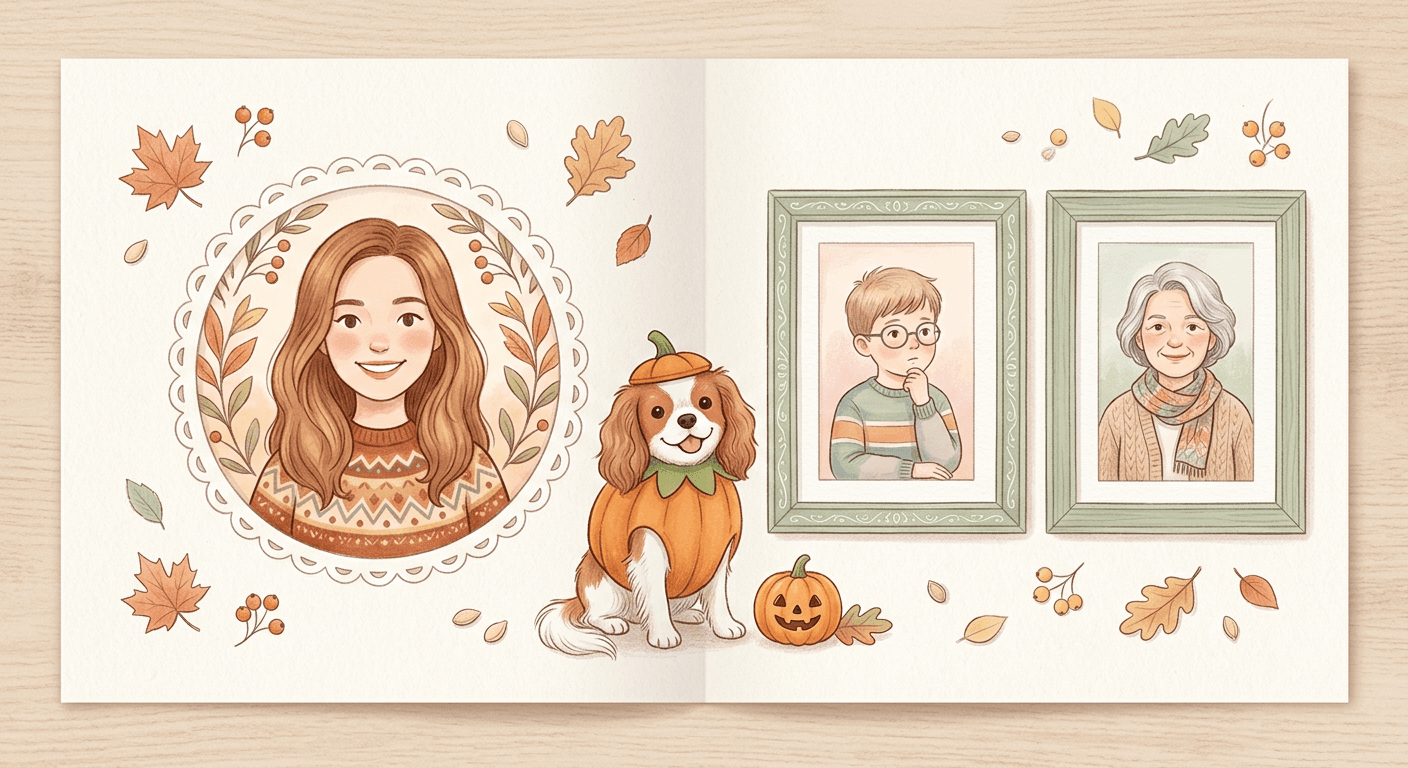
Preserve exact facial structure from the reference photo. Head-and-shoulders crop in a plain black turtleneck, centered 1:1 composition. Warm orange light from a carved pumpkin glowing just below and out of frame, a cool blue moonlight rim light from behind the left shoulder for contrast. Sharp focus on the eyes, designed to read clearly even as a small circular profile thumbnail.
Prompt 20: Pet in a Small Costume
A small dog or cat wearing a simple, well-fitted pumpkin or bat costume, sitting on a porch step surrounded by carved jack-o-lanterns at dusk. Warm porch light mixing with the last of the sunset, genuine candid pet expression, shallow depth of field with the pumpkins softly blurred behind.
Prompt 21: Paired Portrait Set for a Two-Part Post
Generate two separate portraits designed to be posted side by side as a matched pair rather than one composite image. First portrait: a person in a flowing white silk gown against a pale stone wall. Second portrait: a person in deep crimson velvet against a matching dark stone wall. Match the lighting angle, framing, and camera distance exactly between both so they read as a coordinated set when placed next to each other.
Prompt 22: Halloween YouTube Thumbnail Hook
A dramatic close-up composition designed for a YouTube thumbnail, a single hand holding a glowing carved pumpkin close to the camera lens, face partially lit by the pumpkin's warm glow with the rest of the frame falling into cool blue darkness. Leave clear open space in the upper third of the frame for a title overlay to be added afterward, high contrast between the warm foreground light and the dark background for strong thumbnail visibility at a small size.
Timing Your Content to the Actual Search Curve
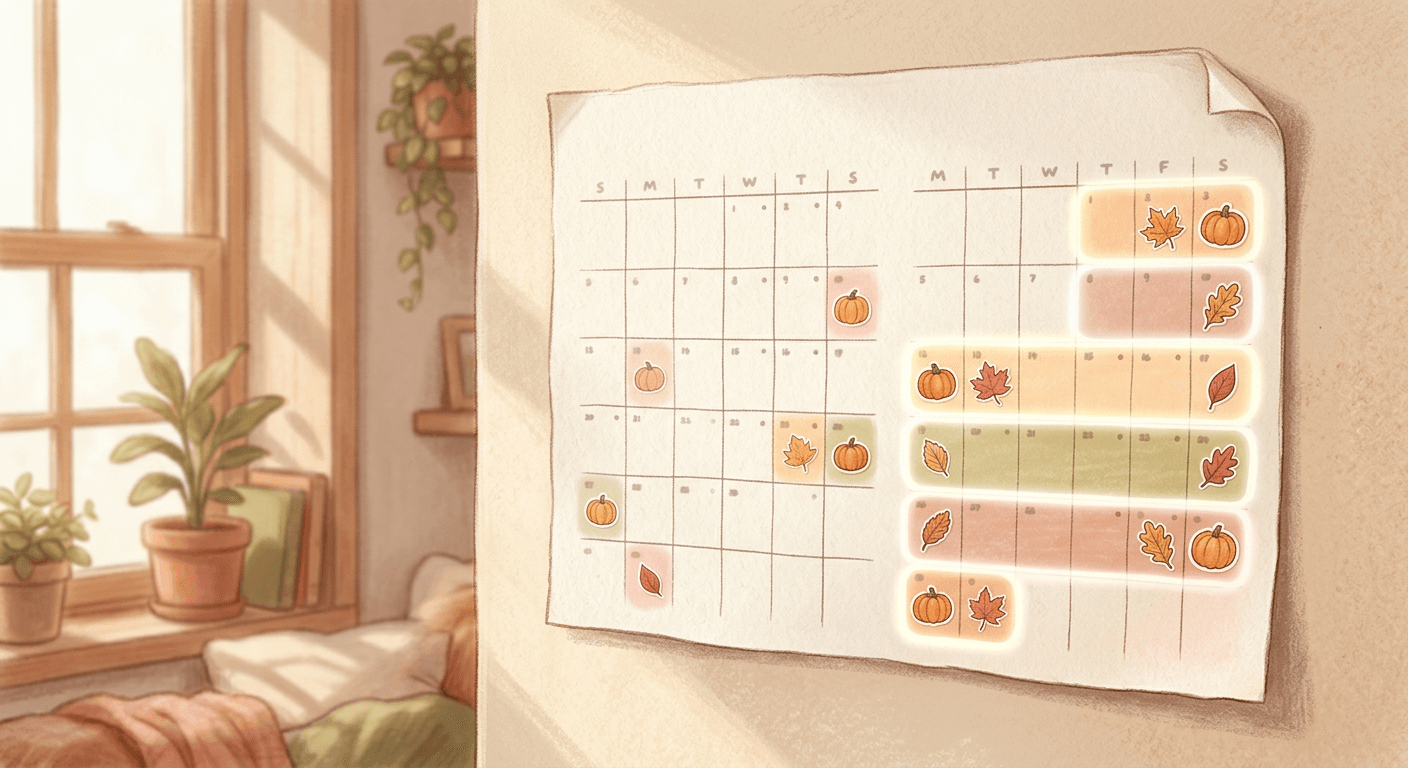
Halloween search interest is not a flat plateau through October, it is a curve that climbs sharply in the final two to three weeks, and posting with that curve in mind matters more than most creators account for. A practical schedule that tracks it:
Late September through the first week of October, generate and bank your profile picture crops (Prompt 19) and any paired sets (Prompt 21), since these work as a soft, early signal that Halloween content is coming without committing to your biggest piece yet.
Early to mid-October, post the bulk of your costume portraits (Prompts 6 through 10) and the cozy lifestyle content (Prompts 11 through 14). The feed is still relatively uncrowded with Halloween content at this point, which means each individual post gets more attention than the same post would the week of the holiday.
The final week before Halloween, hold back your single most polished, highest-effort piece, ideally one built from the viral nostalgic horror trend (Prompts 1 through 5), since this is when search volume and general Halloween attention peak across every platform. This is also the window where the atmospheric portraits (Prompts 15 through 18) land hardest, since audiences are actively primed for spookier content right before the holiday itself.
If you built a decade-progression or nostalgic photo series earlier this year, this is a natural moment to revisit that same visual language with a Halloween twist. Our guides to AI decade progression prompts and Y2K camcorder and CRT photo prompts cover the exact retro camera artifacts, timestamp overlays, tracking distortion, CRT glow, that Prompts 1 through 3 above are built on, and the ChatGPT 80s photo trend guide walks through the broader nostalgic-photo format these fit into.
Turning Your Best Prompts Into Halloween Video Content
A still image is only half the format this season. Once you've picked your strongest two or three concepts from the prompts above, Text2Shorts can turn the underlying concept into a short vertical video for YouTube Shorts, Reels, or TikTok, enter the costume or scene as your topic, choose a realistic visual style to match the mood of your generated images, and let it handle the script, scene generation, and voice so you have a complete video instead of a static post.
If you already have longer Halloween-season video sitting on your channel from a past year, whether that's a costume tutorial, a haunted house walkthrough, or a horror movie reaction, running it through AI Clipping can surface the specific moments worth re-cutting into fresh vertical Shorts for this year's audience, complete with auto-captions and a viral score for each clip, without recording anything new.
If your Halloween content includes the same costumed persona across several posts, a recurring character rather than a one-off portrait, keeping that character visually consistent across scenes is its own skill. Our step-by-step guide to making consistent AI characters across multiple images covers exactly how to keep the same face, costume, and styling locked across a whole series of Halloween posts instead of having the look shift slightly with every new generation.
How to Customize These Prompts
Swap the wardrobe color and fabric to match a costume you can actually recreate for a real-life event, if you want the AI version and the in-person version to visually match. Keep the lighting and setting description the same and only change the costume details, since the lighting and setting are what carry most of the atmosphere.
If you're using your own face, always start from a clear, well-lit reference photo and keep the "preserve exact facial structure" instruction in place, the same principle covered in more depth in our guide to AI headshot prompts, applied here to costume portraits instead of professional ones. If a first generation gets the costume and scene right but a small detail wrong, a stray shadow, an odd hand position, use targeted inpainting to fix just that region rather than regenerating the whole image from scratch.
For brand accounts posting Halloween content around a product, swap the human subject for the product itself in a matching atmospheric scene, a product photographed by candlelight next to old books for the gothic vampire mood, or lit by a single carved pumpkin glow for the cozy autumn mood, keeping the same lighting and setting language from the relevant prompt above.
Common Mistakes Creators Make With Halloween AI Content
Posting everything the week of Halloween. This is the single biggest reach mistake in this category. By the last few days of October, every account in a given niche is posting Halloween content simultaneously, which means the same post gets a fraction of the attention it would have gotten two weeks earlier when the feed was less crowded.
Naming the costume instead of describing it. "A witch costume" or "a vampire outfit" gives the model far less to work with than describing the actual fabric, color, and cut, and tends to produce a generic, store-bought-looking result instead of an editorial one.
Relying on the word "spooky" instead of an actual light source. Atmosphere comes from where the light is coming from and what it's doing to the shadows, a single candle, a carved pumpkin's glow, cold moonlight, not from a vague mood adjective layered on top of flat, even lighting.
Going straight to horror-gore for a brand or personal account. Most of the highest-performing Halloween content this year leans nostalgic and atmospheric rather than graphic, gothic elegance, cozy autumn warmth, retro camcorder nostalgia. Save explicit horror imagery for accounts where that's already the established tone.
Skipping the profile picture and thumbnail formats. A full costume portrait is the obvious piece of content, but the smaller, faster formats, a profile picture crop, a paired set, a thumbnail hook, are what actually travel across a feed and often take less effort to generate than the flagship piece.
Forgetting cultural sensitivity around costumes with real cultural or religious origin. Some traditional aesthetics carry real cultural weight and are easy to render disrespectfully if approached as a generic costume category. When a concept has genuine cultural origin, research it, keep the representation dignified and accurate rather than reducing it to a caricature, and when in doubt, choose a different concept from this list instead.
Frequently Asked Questions
When should I actually start posting Halloween content in 2026? Search interest climbs steadily through September and peaks in the final week of October, so a good sequence is banking profile picture and paired-set content in late September, posting the bulk of your costume portraits through early and mid-October, and saving your single most polished piece for the final week before the holiday.
What's the Ghostface Y2K trend everyone keeps mentioning? It's 2026's dominant Halloween aesthetic, a mashup of early-2000s camcorder and flash-photography nostalgia with classic slasher-movie iconography like the plain white mask. Prompts 1 through 5 above are built specifically around that combination.
Can I use these prompts without showing my own face? Yes. Every prompt in the classic costume, atmospheric, and nostalgic horror sections works with a generic subject description if you'd rather not use a personal reference photo, and several, like the werewolf, cloaked figure, and masked figure concepts, read just as well or better without a specific identifiable face.
How do I make my costume portrait look like a real photo instead of an obvious AI image? Use a specific, motivated light source rather than a vague mood word, describe the actual fabric and setting in physical detail, and add a period-appropriate camera artifact where relevant, film grain, a flash-photo look, or VHS distortion for the nostalgic horror category specifically.
Are there Halloween prompt ideas here that work for a brand or product account, not just personal content? Yes, the customization section above covers swapping the human subject for a product placed in the same atmospheric lighting and setting, which keeps the seasonal mood without needing a person in the shot at all.
How many of these should I actually post, and in what order? You don't need all 22. Pick three or four that fit your account's existing tone, and use the timing section above to spread them across September and October rather than posting them all in one batch.
Can I turn one of these into a video instead of just a photo? Yes, Text2Shorts can take the same costume or scene concept and generate a full short vertical video from it, complete with script and voice, which works especially well for the atmospheric and nostalgic horror concepts where a few seconds of motion adds real tension a still image can't.
Is it okay to base a costume on a real cultural tradition? Approach it carefully. Some traditional aesthetics carry genuine cultural or religious meaning, and a respectful, accurate depiction is very different from a reduced caricature. When you're not confident you can represent something accurately and respectfully, it's better to choose a different concept from this list.
Conclusion
Halloween content has a real, measurable timing window, and the creators who post ahead of the late-October crowding consistently get more reach for the same piece of content than the ones who wait until the last week. The 22 prompts above cover this year's dominant nostalgic horror trend, classic costume portraits, cozy lifestyle content, atmospheric horror, and the smaller formats, profile pictures, pet costumes, thumbnails, that travel fastest across a feed. Start with a profile picture crop or a paired set now, generate your flagship costume portrait through the AI Image Generator in Miraflow AI over the next couple of weeks, and turn your favorite concept into a short video with Text2Shorts before the search curve peaks in the final week of October.