AI Prompts for Logo Design: 15 Brand-Ready Concepts You Can Generate Today

Written by
Jay Kim
15 copy-paste AI prompts for logo design. Tech startups, luxury brands, restaurants, law firms, athletic brands, and more — brand-ready logo concepts you can generate today.
A logo is the most compressed form of brand communication that exists. It is a single visual mark that must carry the full weight of a company's identity, values, personality, and promise — and it must do so in a fraction of a second, at any size from a favicon to a billboard, across every medium from a phone screen to embroidered thread on a uniform. No other design asset operates under such extreme constraints. A headline can use fifty words. A website can use thousands. A logo gets one mark, maybe one wordmark beside it, and the viewer's attention for less time than it takes to blink. In that compressed instant, the logo either communicates something coherent and memorable or it does not. There is no second chance at a first visual impression.
This is why logo design has historically been one of the most expensive and time-intensive categories of professional design work. The logos that define the world's most recognized brands — the marks for Apple, Nike, Mercedes-Benz, Chanel, FedEx, Target — are the products of extensive research, strategic positioning, iterative sketching, typographic refinement, and the accumulated expertise of designers who understand how shape, color, proportion, and negative space create meaning in the human visual system. A single logo project from a top-tier branding agency can cost tens of thousands of dollars and take months of development. Even at the freelance level, a quality custom logo from an experienced designer represents a significant investment for a small business, a startup, or a solo entrepreneur.
AI image generation has not replaced the strategic depth of professional brand identity design, and for established companies building comprehensive brand systems, working with experienced designers remains the gold standard. But AI has opened an entirely new tier of access to high-quality logo concept generation that did not exist before. Today, a founder with a clear vision for their brand can generate dozens of polished, professional-looking logo concepts in minutes — concepts that serve as finished marks for early-stage businesses, as detailed creative briefs for designers, as visual exploration tools for brand strategy sessions, or as high-quality starting points that a designer can refine into final production-ready logos at a fraction of the cost of starting from scratch. The barrier between having a brand idea and seeing that idea rendered as a professional visual mark has effectively collapsed.
This post provides 15 ready-to-copy prompt templates for AI-generated logo designs, spanning the major logo styles, industry contexts, and visual aesthetics that define contemporary brand identity. Each template is engineered to produce clean, professional logo concepts with the compositional clarity, typographic sensibility, color sophistication, and stylistic coherence that distinguish credible brand marks from amateur attempts. Whether you are a startup founder exploring visual directions for a new brand, a freelance designer accelerating your concept phase, a marketing professional developing sub-brand or campaign identities, a small business owner creating a logo without a design budget, or a creative director building mood boards for a branding project, these templates give you a production-ready toolkit for generating brand-quality logo concepts without a design studio.
If you have worked with AI prompts for other visual branding applications — such as blog featured images, product photography, or Instagram post images — the generation workflow will be familiar, but logo prompts require a fundamentally different visual vocabulary. Where photography prompts describe light, texture, and physical space, logo prompts describe shape, geometry, negative space, typographic style, and the abstract visual language of brand identity. The prompts in this post are calibrated to speak that language fluently, producing results that look like they came from a design studio rather than an image generator.
Why Logo Quality Is the Foundation of Brand Credibility
The relationship between logo quality and business perception is not a matter of aesthetic preference. It is a cognitive reality rooted in how humans process visual information and form trust judgments.
When a potential customer encounters a brand for the first time — on a website, a social media profile, a business card, a storefront, a product package, or an advertisement — the logo is almost always the first visual element they process. Within milliseconds, before any conscious evaluation occurs, the viewer's brain has already formed an impression based on the visual sophistication of that mark. A logo that looks polished, intentional, and professionally crafted triggers an unconscious inference: the business behind this mark is legitimate, competent, and worth trusting. A logo that looks amateurish, generic, or poorly constructed triggers the opposite inference: this business is unestablished, unreliable, or not serious. This happens automatically, without the viewer choosing to make the judgment, and it colors every subsequent interaction with the brand.
This credibility effect is especially pronounced in competitive markets where customers choose between multiple options offering similar products or services. When a consumer is comparing two coffee brands on a grocery shelf, two law firms in search results, two SaaS products on a comparison page, or two restaurants on a delivery app, the brand with the more professional visual identity receives the benefit of the doubt. The logo does not close the sale on its own, but it opens or closes the door through which the sales conversation must pass. A weak logo closes doors before the brand ever gets a chance to demonstrate its actual quality.
For startups and early-stage businesses, this dynamic is particularly critical because the logo is often doing the heaviest lifting. An established company with decades of market presence, customer reviews, press coverage, and word-of-mouth reputation can survive a mediocre logo because trust has been built through other channels. A new business has none of those trust signals. Its logo, its website design, and its visual presentation are the primary evidence the customer uses to assess whether this unknown entity is worth their time, attention, and money. Investing in a professional-quality logo — whether through a designer or through AI-generated concepts refined to production standards — is not a cosmetic choice. It is a strategic investment in the first impression that determines whether the brand gets a fair hearing.
The Visual Principles That Define Professional Logo Design
Before working through the templates, understanding the design principles that separate professional logos from amateur ones will help you evaluate generated concepts and customize prompts effectively. These principles are not arbitrary aesthetic rules. They are functional requirements that ensure a logo works across the demanding range of applications a brand mark must survive.
Simplicity is the supreme virtue in logo design. The most enduring and effective logos in the world are remarkably simple. They use a minimal number of shapes, a restrained color palette, and clean uncluttered composition. This is not a stylistic preference — it is a functional necessity. A logo must be recognizable at the size of a social media avatar (as small as 32 by 32 pixels), legible when embroidered on a hat, clear when printed in a single color on a receipt, and distinctive when glimpsed for a fraction of a second on a passing vehicle. Complexity is the enemy of all these requirements. Every unnecessary element, every decorative detail, every additional color adds visual noise that degrades the logo's performance at small sizes, in monochrome, and in brief exposure. The prompts in this post consistently specify clean, minimal, and uncluttered compositions because simplicity is the non-negotiable foundation of a logo that works.
Negative space creates visual intelligence. The most admired logos in the design world use negative space — the empty or background areas within and around the mark — as an active design element rather than passive emptiness. The arrow hidden in the FedEx wordmark, the bear concealed in the Toblerone mountain, the hidden meanings in countless award-winning logos all demonstrate how negative space transforms a simple mark into a clever, memorable, and conversation-worthy design. While not every logo needs a hidden-symbol trick, thoughtful use of negative space — allowing shapes to breathe, using the space between elements to create secondary meanings or visual balance — is a hallmark of professional design thinking. Several templates in this post explicitly reference negative space as a design element.
Typography carries as much meaning as imagery. In logo design, the typeface selection is not a secondary decision made after the icon is designed. It is a co-equal component of the brand mark that communicates personality, era, industry, and positioning as powerfully as any graphic element. A geometric sans-serif communicates modernity, precision, and technology. A classic serif communicates tradition, authority, and sophistication. A humanist sans-serif communicates warmth, approachability, and friendliness. A hand-lettered or script typeface communicates artisanal craft, creativity, and personal touch. A bold condensed typeface communicates strength, energy, and confidence. The prompts in this post specify typographic styles calibrated to the brand personality each template represents, because a mismatch between icon style and typography style is one of the most common signs of amateur logo work.
Color psychology is real and measurable in branding. Color is the most immediately processed element of a logo, perceived even before shape or typography register in conscious awareness. The color associations that influence brand perception are deeply embedded: blue communicates trust, stability, and professionalism; red communicates energy, passion, and urgency; green communicates growth, health, and nature; black communicates sophistication, luxury, and authority; orange communicates creativity, friendliness, and enthusiasm; purple communicates imagination, premium quality, and wisdom; yellow communicates optimism, warmth, and attention. These associations are not universal across all cultures, but they are remarkably consistent within Western markets and widely influential globally. Each template specifies colors aligned with the industry and brand personality it represents.
Scalability and versatility are functional requirements. A professional logo must function across an enormous range of applications: a 16-pixel favicon, a social media profile picture, a business card, a letterhead, a website header, a product label, a billboard, a vehicle wrap, an embroidered uniform patch, a neon sign. It must work in full color, in single color, in black, in white reversed out of a dark background, and potentially in grayscale. It must be recognizable with and without its wordmark component. These versatility requirements are why professional logos are typically designed as vector graphics — infinitely scalable mathematical curves rather than pixel-based images. AI-generated logo concepts are raster images, not vectors, which means they serve as concept visualizations that may need to be redrawn as vectors for final production use. The prompts are designed to produce concepts with the visual clarity and simplicity that translate well to vectorization.
Distinctiveness within category conventions. A logo must accomplish two seemingly contradictory goals simultaneously: it must look like it belongs in its industry category (a law firm logo should look like a law firm logo, not a children's toy brand), and it must be visually distinct from every competitor in that category. This means working within the visual vocabulary of the industry — the expected color families, typographic styles, and iconographic traditions — while finding a unique angle, combination, or execution that sets the brand apart. The templates in this post are designed to produce logos that read correctly for their intended industry while offering enough distinctive character to stand out within the category.
15 AI Prompt Templates for Logo Design
Each template includes the design concept, the complete ready-to-copy prompt, and deployment notes explaining which brand types and applications it best serves. All prompts are formatted for the Miraflow AI Image Generator and are compatible with any high-quality AI image generation tool. Generate at 1:1 square aspect ratio for maximum versatility and clean presentation.
Template 1: Minimalist Geometric Tech Logo
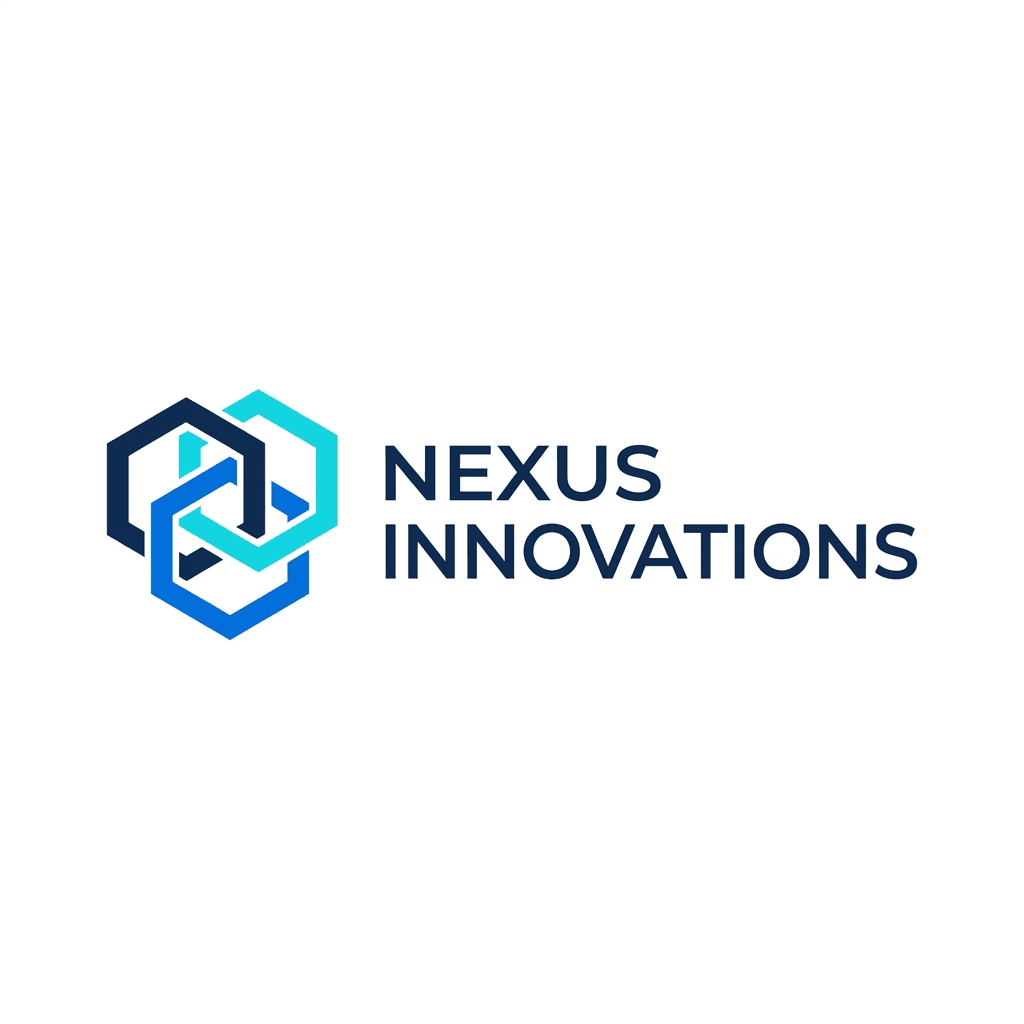
The geometric minimalist logo is the dominant visual language of the technology industry. From established giants to emerging startups, the clean geometry and restrained palette of this style communicate innovation, precision, and forward-thinking intelligence. This template produces a logo concept that would look at home as the brand mark for a SaaS platform, a fintech company, an AI startup, a developer tools company, or any technology-forward business.
Prompt:
professional minimalist logo design for a modern technology company on a clean white background, a simple geometric mark composed of clean abstract shapes such as interlocking triangles overlapping circles or connected hexagonal forms that suggest connectivity innovation and forward momentum, the mark uses precise mathematical geometry with perfect symmetry or deliberate asymmetry that creates visual tension and interest, rendered in a sophisticated color palette of deep navy blue or electric blue with a single accent tone of teal or bright cyan, beside the geometric mark a clean modern sans-serif wordmark reads the company name in a geometric typeface with even letter spacing and medium weight, the overall composition is balanced with generous white space around the mark and wordmark, the design feels precise clean and intelligent, flat design with no gradients no shadows no 3D effects no textures, the logo is simple enough to work at very small sizes as a favicon or app icon, professional brand identity design quality, vector-style clean edges, no background patterns, no decorative elements, no photographic elements, no mockup context, isolated logo on pure white background
Best for: SaaS companies, fintech startups, AI and machine learning brands, developer tools, cloud computing services, data analytics companies, technology consultancies, digital transformation firms
Template 2: Elegant Serif Luxury Brand Logo
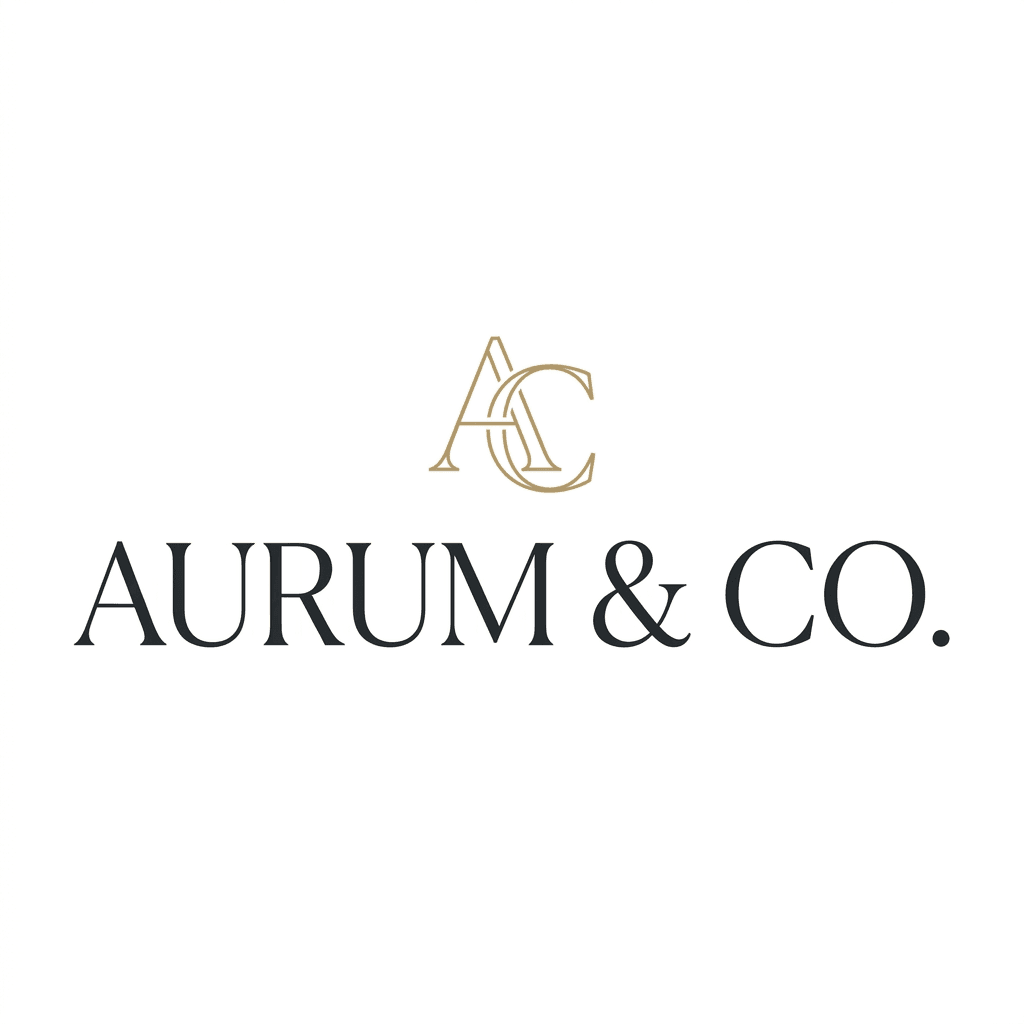
The luxury brand logo operates in a visual register defined by restraint, heritage, and quiet confidence. Where technology logos communicate innovation through geometric modernity, luxury logos communicate value through typographic sophistication, generous spacing, and the kind of understated refinement that signals exclusivity without shouting for attention. This template produces a logo with the typographic elegance that defines premium positioning.
Prompt:
elegant luxury brand logo design on a clean white background, a refined wordmark set in a sophisticated high-contrast serif typeface with thin hairline strokes and elegant thick-thin transitions reminiscent of Didone or modern serif type classification, the letterforms are perfectly spaced with generous tracking that allows each character to breathe and conveys exclusivity and refinement, above or beside the wordmark a minimal monogram or symbol composed of the brand initials is rendered in fine delicate lines with an interlocking or overlapping arrangement that suggests craftsmanship and heritage, the color palette is restrained and sophisticated using either pure black on white or a deep charcoal paired with a muted gold or warm champagne accent used sparingly, the overall composition is horizontally oriented with classical proportional balance, the design evokes the visual language of haute couture fashion houses fine jewelry brands and premium lifestyle companies, no bold heavy fonts no bright saturated colors no playful or casual elements, extremely refined and understated, flat design with no shadows no gradients no 3D effects, professional brand identity design quality, vector-style clean edges, isolated logo on pure white background, no mockup context, no decorative borders or frames, no photographic elements
Best for: Fashion and apparel brands, fine jewelry companies, luxury hospitality, premium beauty and skincare brands, high-end real estate, private wealth management, luxury automotive accessories, artisan spirits and wine labels
Template 3: Friendly Rounded Startup Logo
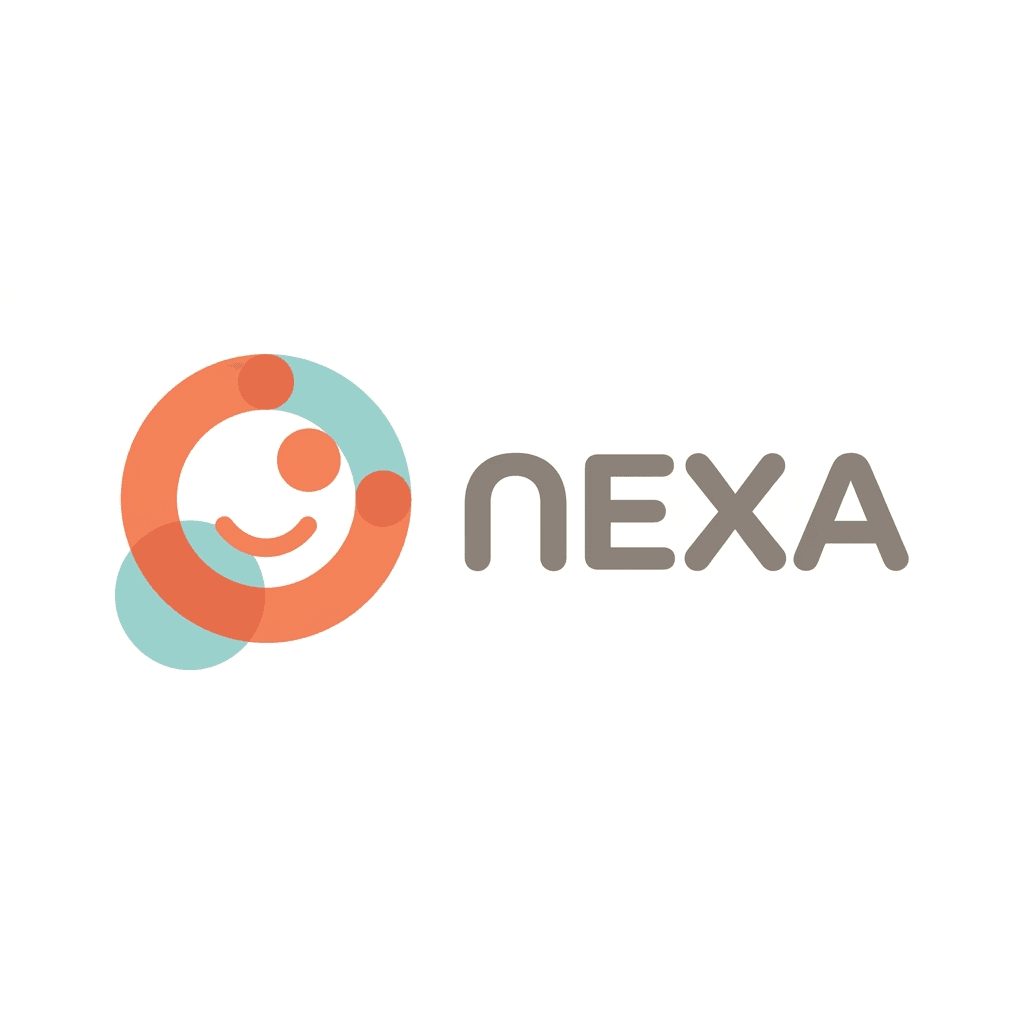
The friendly startup logo occupies a specific cultural and visual space: approachable enough to feel welcoming, modern enough to feel current, and polished enough to feel credible. It is the visual language of consumer-facing tech companies, health and wellness startups, education platforms, and community-oriented brands that want to feel like a helpful friend rather than a faceless corporation. The rounded forms, warm colors, and approachable typography of this style lower the psychological barrier between brand and customer.
Prompt:
friendly modern logo design for a consumer startup brand on a clean white background, a simple cheerful icon mark using soft rounded geometric shapes with generous corner radii, the icon might suggest connection community growth or positivity through abstract forms such as overlapping rounded shapes a stylized smile or speech bubble a rising arc or a friendly abstract character formed from simple circles and rounded rectangles, rendered in a warm inviting color palette of coral orange or warm peach as the primary color with a complementary accent of soft teal or sky blue, beside the icon a clean rounded sans-serif wordmark with a friendly approachable feel uses medium weight with slightly rounded terminals and comfortable letter spacing, the overall composition is compact and balanced with the icon and wordmark working together as a unified horizontal lockup, the design feels warm optimistic accessible and trustworthy without being childish, flat design with no gradients no shadows no 3D effects, simple enough to work as a small app icon or social media avatar, professional brand identity design quality, vector-style clean edges, isolated logo on pure white background, no mockup context, no decorative elements, no photographic elements
Best for: Consumer apps, health and wellness platforms, education technology, community platforms, subscription services, marketplace startups, pet care brands, family-oriented services, nonprofit organizations
Template 4: Bold Athletic and Sports Brand Logo
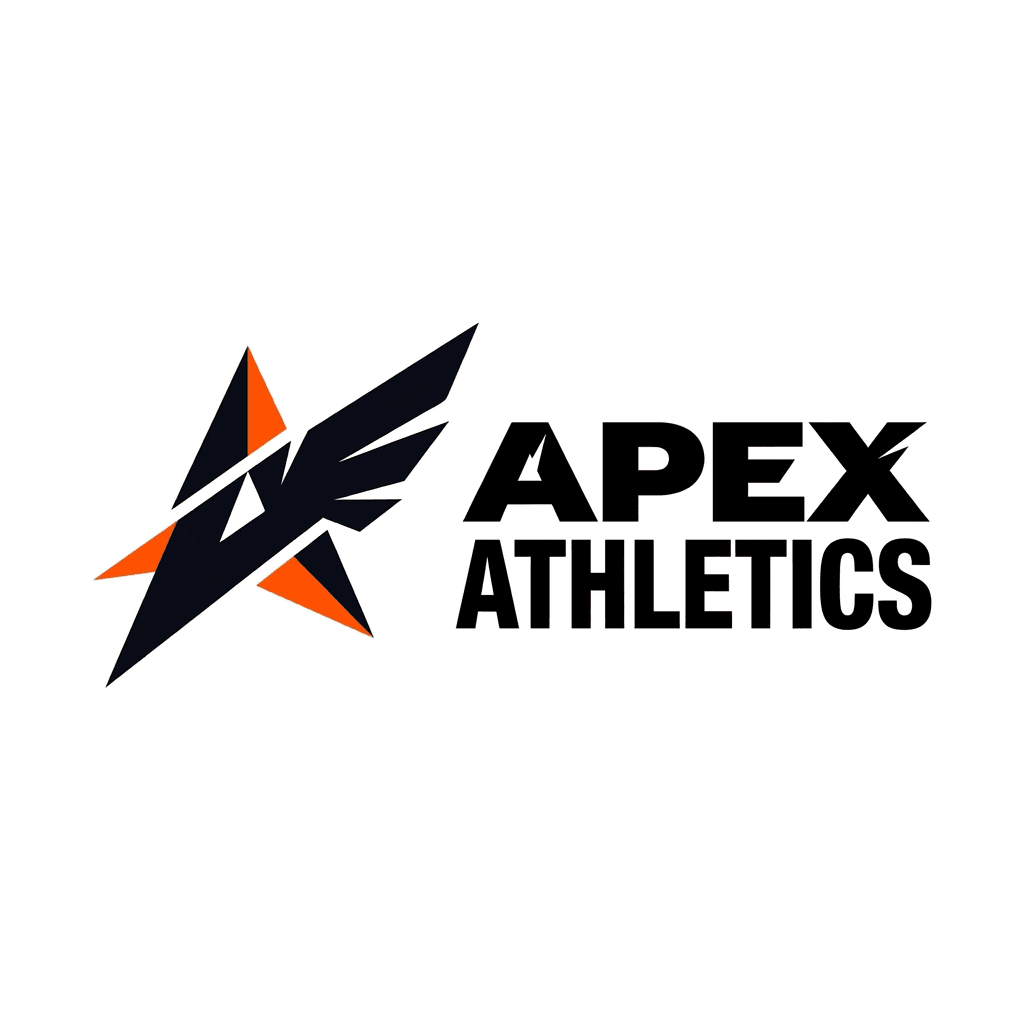
Athletic brand logos demand visual aggression that matches the physical intensity of sport. Sharp angles, bold weight, dynamic implied motion, and high-contrast color create the visual energy that resonates with athletes and fitness enthusiasts. This template produces a logo with the kinetic power and competitive edge that define sports brand identity.
Prompt:
bold dynamic logo design for an athletic or sports brand on a clean white background, a strong angular icon mark that conveys speed power and competitive energy through sharp geometric forms such as a stylized forward-leaning arrow a dynamic wing shape an abstract figure in motion or intersecting angular planes that suggest explosive movement, the mark uses sharp points decisive angles and asymmetric composition that creates a sense of forward momentum and aggressive energy, rendered in a high-contrast color palette of deep black as the primary color with a bold accent of electric red or vibrant orange that adds intensity and energy, beside the mark a bold condensed sans-serif wordmark in uppercase letters with tight tracking and strong visual weight creates a commanding presence, the letterforms may feature custom cuts or angular modifications that echo the sharpness of the icon, the overall composition is horizontally oriented with the mark and wordmark creating a powerful unified lockup, the design feels aggressive confident and performance-driven, flat design with no gradients no shadows no 3D effects, strong enough to work on athletic apparel merchandise and equipment, professional brand identity design quality, vector-style clean edges, isolated logo on pure white background, no mockup context, no decorative elements, no photographic elements
Best for: Fitness brands and gym chains, athletic apparel companies, sports equipment manufacturers, personal training businesses, competitive esports organizations, sports event branding, performance supplement brands, adventure and outdoor sports companies
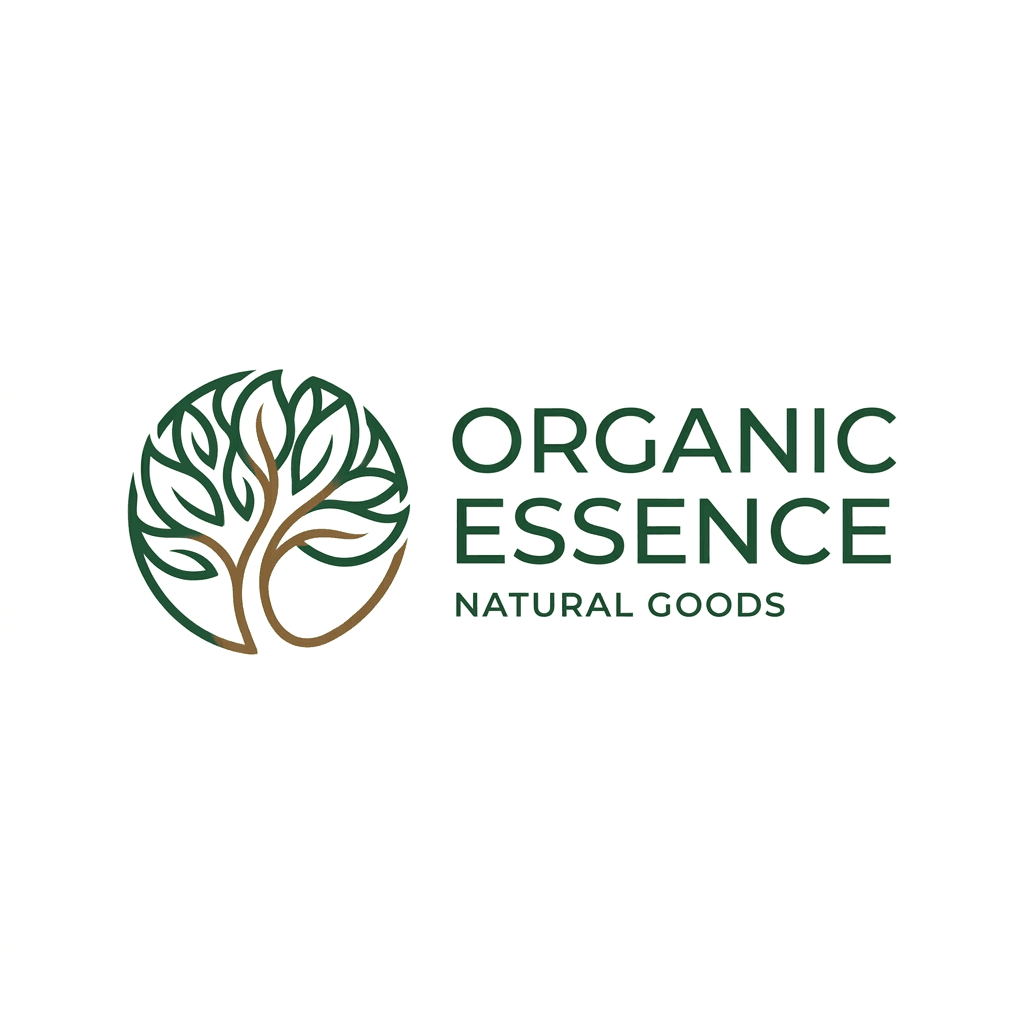
Template 5: Organic Natural and Eco Brand Logo
Brands in the natural, organic, and sustainability space need logos that visually communicate their values: connection to nature, environmental responsibility, purity, and wholesome quality. The visual vocabulary of this category uses botanical elements, earthy color palettes, organic shapes, and typography that feels grounded and authentic rather than corporate and synthetic. This template creates a logo that immediately reads as natural and environmentally conscious.
Prompt:
natural organic brand logo design on a clean white background, a refined botanical or nature-inspired icon mark featuring a stylized leaf arrangement a simple elegant plant form a minimalist tree silhouette or an abstract seed or growth symbol rendered in clean simple lines with organic flowing curves that feel natural rather than rigid or mechanical, the mark uses fine to medium line weight with enough detail to be recognizable but simple enough to remain clean at small sizes, rendered in an earthy sophisticated color palette of deep forest green or sage green as the primary color with accents of warm earth brown or soft terracotta, beside the icon a clean serif or humanist sans-serif wordmark with a warm organic feel uses regular weight with comfortable generous spacing that suggests openness and transparency, the overall composition is balanced and grounded with a horizontal or stacked arrangement that feels stable and rooted, the design evokes the visual language of organic food brands natural skincare companies sustainable fashion labels and eco-conscious lifestyle brands, no harsh angles no neon or synthetic colors no heavy industrial typography, the mood is calm natural trustworthy and wholesome, flat design with no gradients no shadows no 3D effects, professional brand identity design quality, vector-style clean edges, isolated logo on pure white background, no mockup context, no decorative elements, no photographic elements
Best for: Organic food and beverage brands, natural skincare and beauty companies, sustainable fashion labels, eco-friendly product companies, farm-to-table restaurants, wellness and holistic health brands, environmental organizations, garden and plant businesses
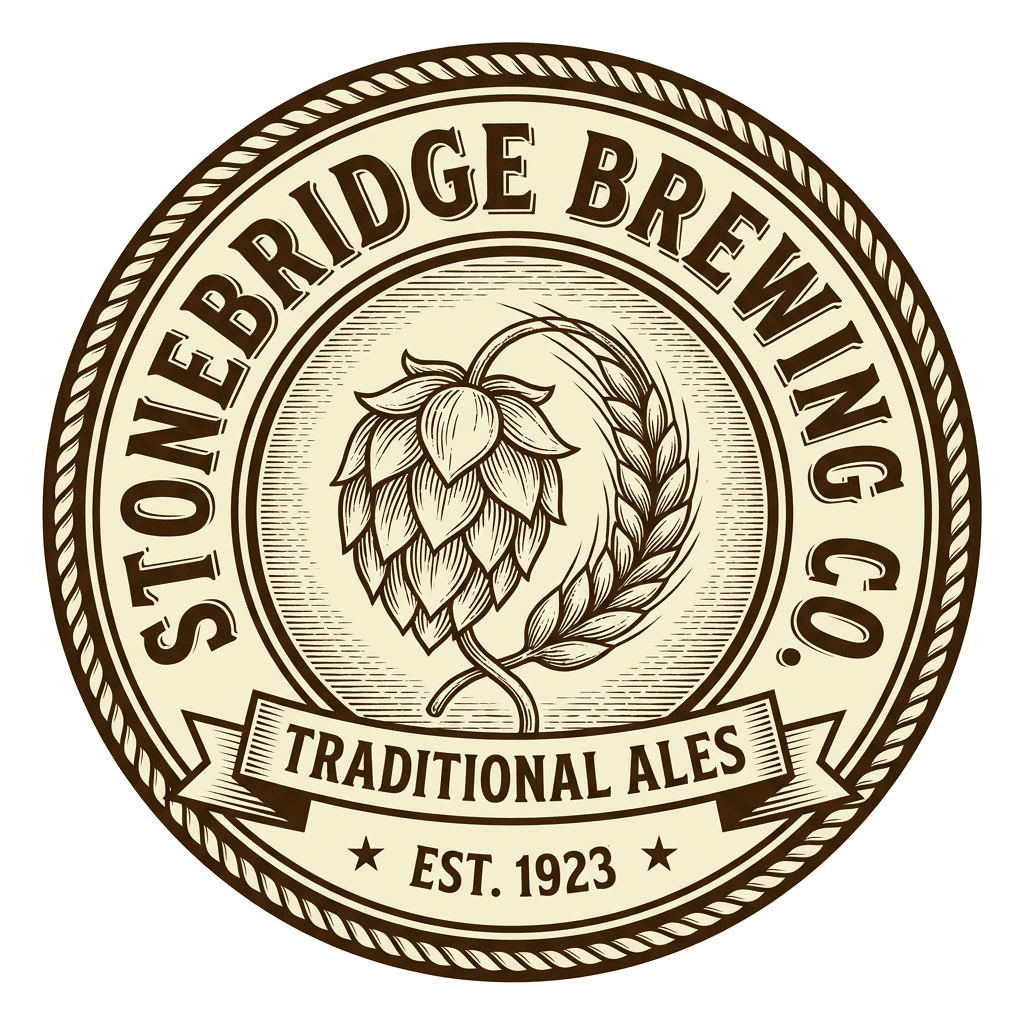
Template 6: Vintage Heritage Craft Logo
The vintage heritage aesthetic communicates history, craftsmanship, authenticity, and the kind of time-tested quality that mass production cannot replicate. It is the visual language of craft breweries, artisan workshops, heritage clothing brands, and businesses that position their value in tradition and handmade quality. This template produces a logo with the rich, detailed, old-world character that signals artisanal credibility.
Prompt:
vintage heritage-style logo design with a craft artisanal aesthetic on a clean white background, a detailed emblem or badge-style composition with the brand name set in a bold vintage serif or slab serif typeface arranged in an arc or along the top of a circular or shield-shaped border, within the emblem a hand-drawn style illustration element related to the brand's craft such as a stylized hop flower for a brewery wheat sheaf for a bakery anchor for a maritime brand mountain for an outdoor brand or crossed tools for a workshop rendered in a detailed line art style with fine crosshatching or engraving-inspired linework, decorative typographic elements include the establishment year small banner ribbons with secondary text and decorative stars or dots as dividers, the color palette is limited and vintage-feeling using deep warm brown or dark amber as the primary tone with cream or aged parchment as the contrast color creating a two-tone vintage print aesthetic, the overall composition is contained within the emblem shape creating a self-contained badge that works as a stamp seal or label, the design evokes the visual language of craft breweries heritage workwear brands traditional apothecaries and established artisan workshops, detailed but balanced with clear visual hierarchy, professional brand identity design quality with a hand-crafted authentic feel, isolated logo on pure white background, no mockup context, no photographic elements, no modern minimalist elements
Best for: Craft breweries and distilleries, artisan bakeries and coffee roasters, heritage clothing and workwear brands, barbershops and grooming brands, leather goods and handmade product companies, vintage-inspired restaurants, woodworking and craft workshops, outdoor and adventure heritage brands
Template 7: Clean Medical and Healthcare Logo
Healthcare and medical brand logos must navigate a precise emotional channel: they need to communicate professional competence and scientific credibility while simultaneously conveying warmth, care, and human compassion. The visual language uses clean lines, calming colors, and subtle symbolic references to health, protection, and well-being. This template creates a logo that patients and clients trust instinctively.

Prompt:
clean professional logo design for a healthcare or medical brand on a clean white background, a simple refined icon mark that subtly suggests health care or protection through abstract forms such as a stylized cross or plus symbol a gentle protective shield shape an abstract figure with outstretched arms suggesting care a subtle heart form integrated into a geometric structure or a clean leaf shape suggesting vitality and growth, the mark uses smooth clean curves and soft rounded geometry that feels caring and approachable rather than cold or clinical, rendered in a calming trustworthy color palette of medium blue or soft teal as the primary color suggesting trust and calm with a warm accent of light green or soft coral suggesting vitality and compassion, beside the icon a clean modern sans-serif wordmark with a humanist quality uses regular to medium weight with open generous letter spacing that feels transparent and welcoming, the overall composition is horizontal and balanced with a professional polished feel, the design communicates trustworthiness expertise compassion and wellbeing, no aggressive angles no dark heavy colors no overly playful or casual elements, clean enough to work on medical signage uniforms and professional documents, flat design with no gradients no shadows no 3D effects, professional brand identity design quality, vector-style clean edges, isolated logo on pure white background, no mockup context, no decorative elements, no photographic elements
Best for: Medical practices and clinics, telehealth platforms, health technology companies, pharmaceutical brands, wellness centers, mental health services, dental practices, veterinary clinics, health insurance companies, senior care services
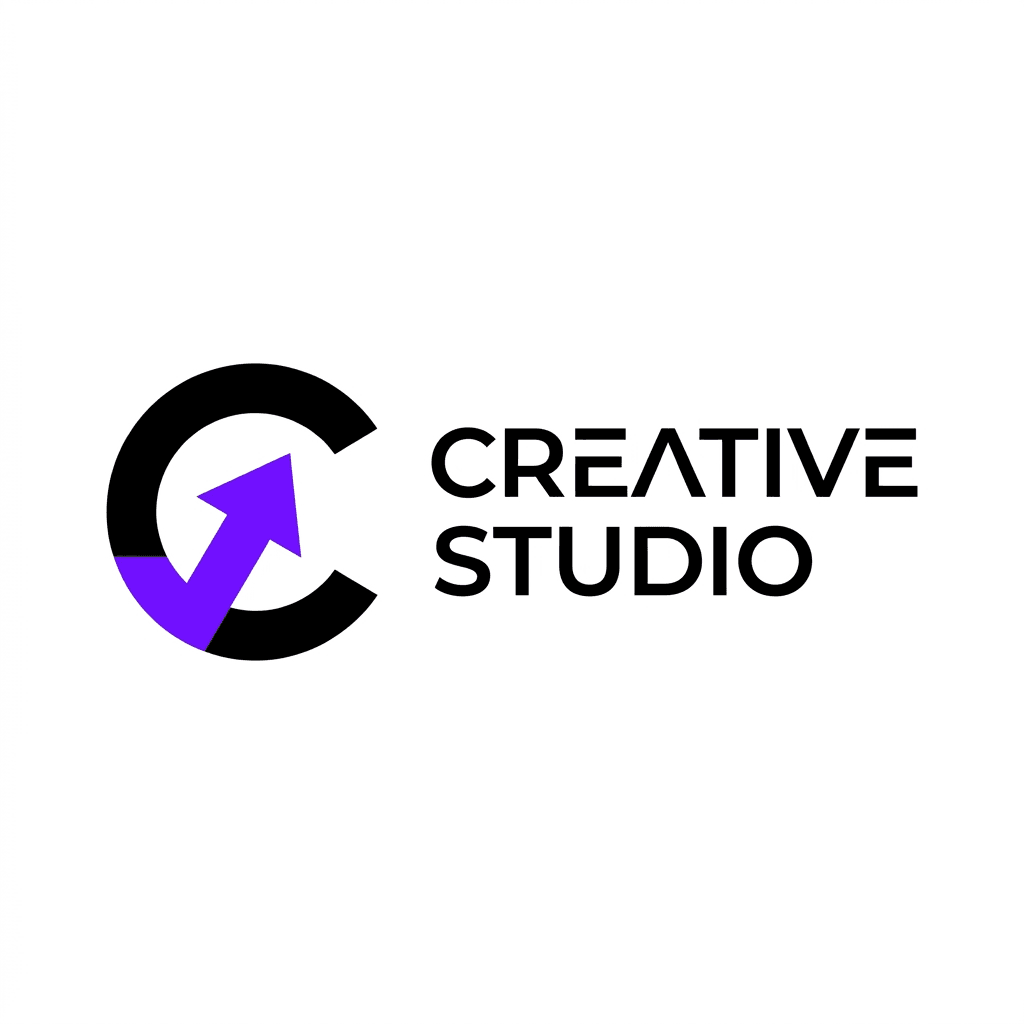
Template 8: Creative Agency and Studio Logo
Creative agencies, design studios, and artistic businesses need logos that demonstrate the very quality they sell: creative vision. The logo must be itself a piece of creative work that signals imagination, originality, and design sophistication. This is the category where visual cleverness, unexpected form, and artistic confidence are not just welcome but expected. This template produces a logo with the creative intelligence that positions a studio or agency as a leader in its craft.
Prompt:
creative and distinctive logo design for a design agency or creative studio on a clean white background, an artistically inventive icon mark that demonstrates creative thinking through clever use of form such as a letterform that transforms into an unexpected shape negative space that reveals a hidden secondary image an abstract mark that plays with perception and visual ambiguity or a geometric composition that creates an optical illusion or impossible shape, the mark should feel conceptually smart and visually surprising rewarding close inspection while remaining clean and legible at first glance, rendered in a bold confident color palette of pure black as the primary color with a single striking accent of vivid electric violet or bold magenta or bright yellow that adds creative energy and distinction, beside the mark a distinctive wordmark set in a contemporary sans-serif with a slightly unusual characteristic such as custom-cut letters a distinctive alternate character or a unique spacing treatment that feels intentionally designed rather than simply typed, the overall composition is precise and considered with the kind of meticulous alignment and spatial relationships that signal professional design sensibility, the design should look like it was created by the kind of studio it represents: confident original and impeccably executed, flat design with no gradients no shadows no 3D effects, professional brand identity design quality, vector-style clean edges, isolated logo on pure white background, no mockup context, no decorative elements, no photographic elements
Best for: Design agencies and studios, creative consultancies, advertising agencies, branding firms, architecture studios, photography studios, film and video production companies, digital creative agencies, art direction portfolios
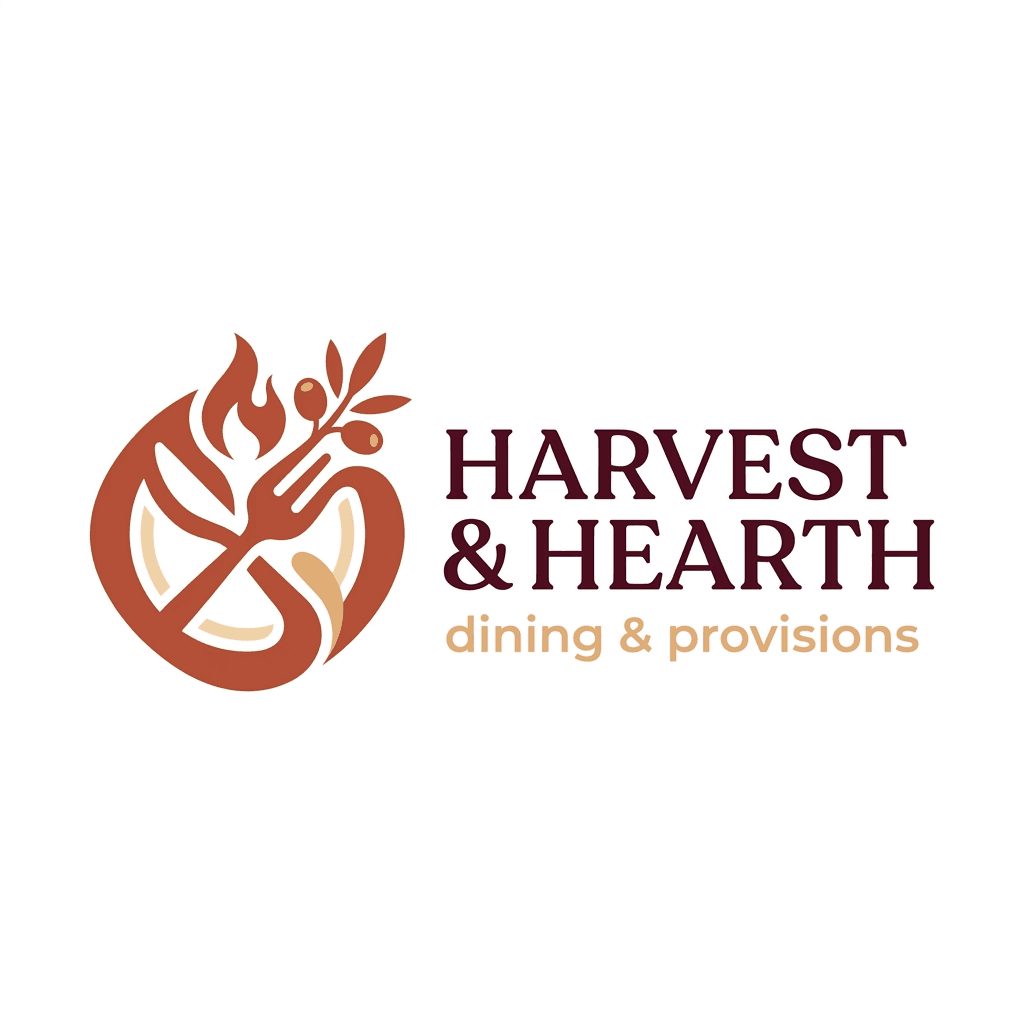
Template 9: Warm Restaurant and Food Brand Logo
Restaurant and food brand logos must accomplish the specific emotional task of making people feel welcome, hungry, and confident in the quality of what they are about to eat. The visual language balances warmth and sophistication, using typography and iconography that communicate both the style of cuisine and the dining experience the brand promises. This template creates a versatile restaurant logo that works across the range of food service contexts.
Prompt:
warm inviting logo design for a restaurant or food brand on a clean white background, a refined icon mark related to food or dining such as a minimalist stylized fork and knife crossed elegantly a simple abstract flame suggesting cooking heat a clean illustration of a characteristic ingredient like an olive branch or wheat stalk or a warm abstract shape suggesting a plate or bowl, the mark uses clean lines with a slight organic warmth to the curves avoiding rigid mechanical geometry, rendered in a warm appetizing color palette of deep burgundy or rich terracotta as the primary color with accents of warm cream or golden wheat tone, beside the icon an elegant wordmark that balances sophistication with warmth set in either a refined serif typeface for upscale dining or a warm humanist sans-serif for casual contemporary dining with medium weight and comfortable tracking, the overall composition is horizontally arranged with the mark and wordmark creating a unified balanced lockup, the design should feel welcoming trustworthy and quality-focused evoking the experience of a thoughtfully run restaurant or a carefully crafted food brand, sophisticated enough for a fine dining context but not so formal that it feels cold or exclusive, flat design with no gradients no shadows no 3D effects, professional brand identity design quality, vector-style clean edges, isolated logo on pure white background, no mockup context, no decorative elements, no photographic elements
Best for: Restaurants from casual to fine dining, food product brands, catering companies, food delivery brands, bakeries and cafés, wine bars and bistros, meal kit services, culinary event companies, food blog brand identities
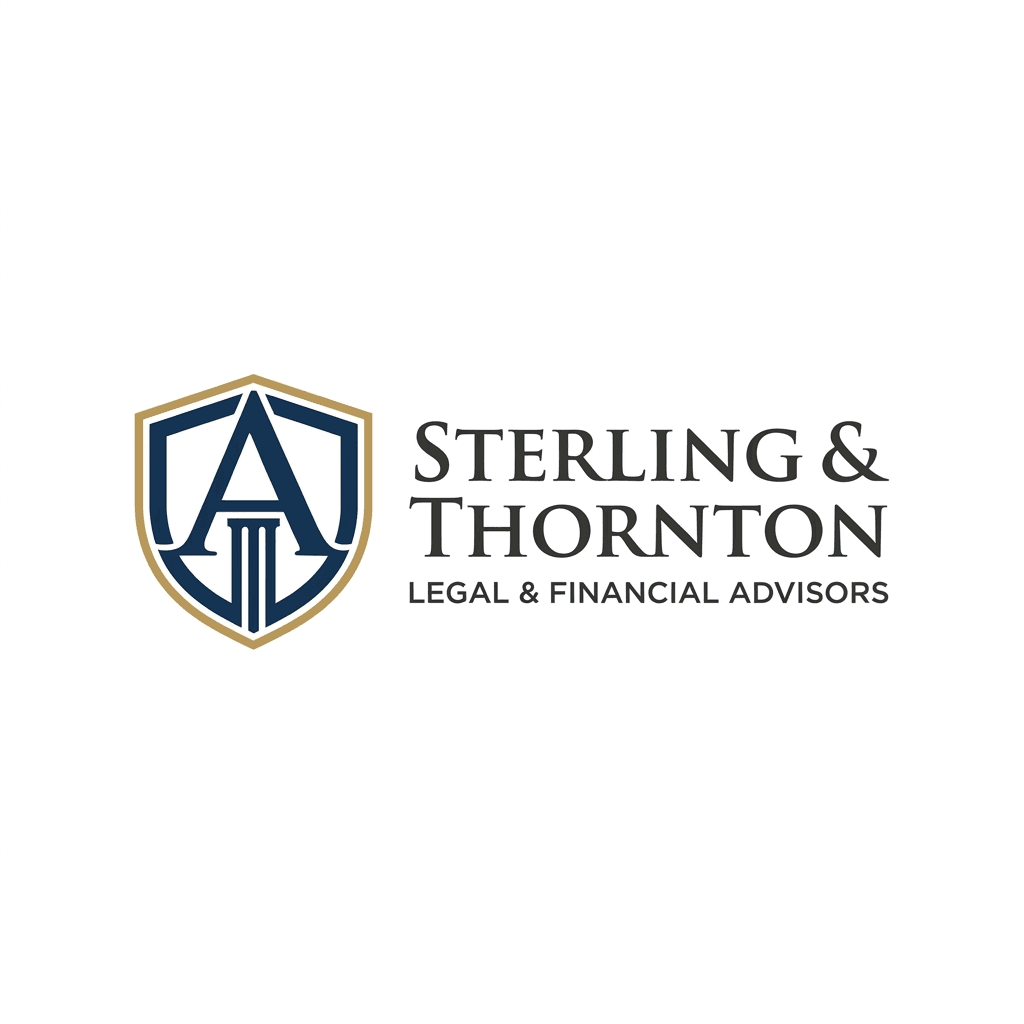
Template 10: Professional Law and Finance Logo
Law firms, financial services companies, and professional services brands operate in a visual environment where credibility, stability, and authority are the primary emotional currencies. The logo must communicate that the firm is established, trustworthy, and serious without crossing into intimidating or unapproachable. This template produces the kind of authoritative, dignified logo that clients in these sectors expect and trust.
Prompt:
authoritative professional logo design for a law firm or financial services company on a clean white background, a refined minimal icon mark that conveys stability trust and institutional authority through classic forms such as a simple balanced column or pillar element a clean shield with minimal interior detail a precise geometric monogram of the firm initials rendered in fine classic lines or an abstract mark suggesting an open book scales of balance or upward growth chart reduced to its simplest geometric essence, the mark uses precise geometry clean symmetry and classical proportions that feel timeless and established rather than trendy, rendered in a conservative authoritative color palette of deep navy blue or dark charcoal as the primary color with an accent of muted gold or rich dark burgundy suggesting established quality and heritage, beside the mark a wordmark set in a refined traditional serif typeface with strong vertical strokes and classical proportions uses medium weight with measured tracking that conveys formality and precision, the overall composition is horizontal and meticulously balanced with the kind of formal proportional relationships that suggest institutional stability, the design should feel trustworthy established competent and authoritative, no casual or playful elements no bright saturated colors no rounded friendly shapes, flat design with no gradients no shadows no 3D effects, professional brand identity design quality, vector-style clean edges, isolated logo on pure white background, no mockup context, no decorative elements, no photographic elements
Best for: Law firms, financial advisory companies, accounting firms, investment firms, private banking, insurance companies, consulting firms, corporate advisory services, wealth management firms, real estate brokerages
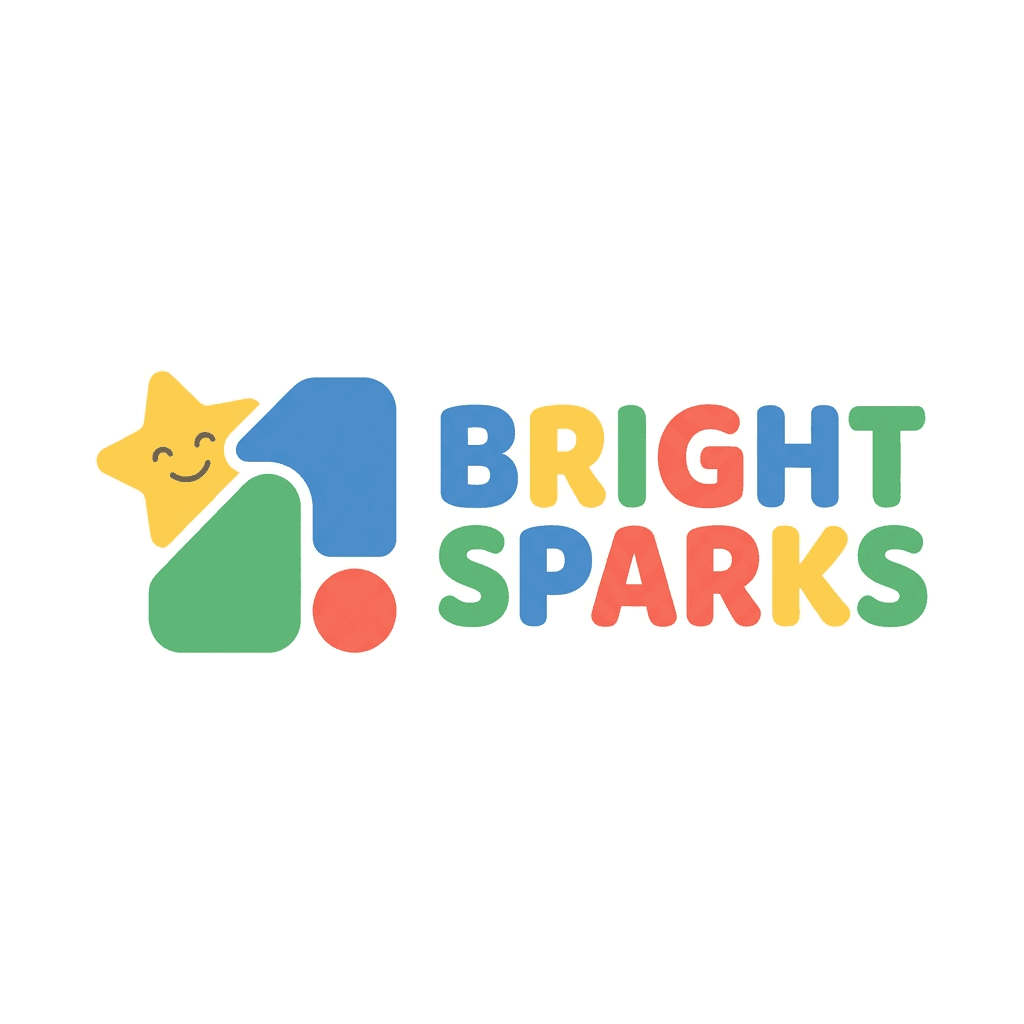
Template 11: Playful Children's and Education Brand Logo
Brands targeting children, families, and educational contexts need logos that radiate joy, energy, safety, and the kind of fun that parents feel comfortable trusting with their kids. The visual language uses bright colors, rounded friendly shapes, playful typography, and simple imagery that children can recognize and remember. This template produces a logo that is simultaneously playful enough for kids and polished enough for parents.
Prompt:
playful colorful logo design for a children's brand or education company on a clean white background, a cheerful simple icon mark that appeals to children and families using friendly rounded shapes such as a smiling star a happy abstract animal character formed from simple geometric shapes a playful book or pencil illustration a colorful building block arrangement or a bright abstract shape suggesting play growth or learning, the mark uses very rounded soft forms with no sharp angles or pointed edges creating a safe friendly visual feeling, rendered in a bright cheerful multi-color palette using three to four harmonious colors such as bright sky blue sunshine yellow playful red or coral and fresh grass green that feel energetic and joyful without being chaotic, beside the icon a clean rounded sans-serif wordmark with a friendly bouncy quality uses bold weight with generous spacing and very rounded terminals or a slightly playful custom lettering style that feels fun but still legible and professional, the overall composition is compact and balanced with the colorful icon and wordmark creating an energetic but organized lockup, the design should feel joyful safe educational and trustworthy appealing to both children and their parents, bright and fun but not garish or overwhelming, flat design with no gradients no shadows no 3D effects, professional brand identity design quality, vector-style clean edges, isolated logo on pure white background, no mockup context, no decorative elements, no photographic elements
Best for: Children's education platforms, toy and game brands, kids' clothing lines, family entertainment venues, children's publishing, pediatric healthcare, daycare and preschool brands, family-oriented apps, children's food brands, educational content creators
Template 12: Monogram and Lettermark — Typographic Identity
The monogram logo is one of the oldest and most enduring approaches to brand identity. By transforming initials into a unified graphic mark, the monogram creates an icon that is simultaneously a letter, a shape, and a symbol. The best monogram logos — IBM, HBO, CNN, Louis Vuitton's LV, Chanel's interlocking C's — prove that letterforms alone, when designed with skill and intention, can carry the full weight of a brand identity. This template produces a sophisticated monogram concept that functions as both typography and symbol.

Prompt:
sophisticated monogram logo design featuring two or three interlocking or overlapping letterforms on a clean white background, the letters are arranged in a unified geometric composition where they share strokes intersect elegantly or nest within each other creating a single cohesive mark that reads as both individual letters and a unified symbol, the letterforms are rendered in a refined geometric or transitional typeface style with consistent stroke width and precise mathematical relationships between the forms, the interlocking arrangement creates interesting negative space shapes within and between the letters adding visual depth and design intelligence, rendered in a sophisticated minimal color palette of either pure black for maximum versatility or deep navy blue with the option of a single subtle accent line or element in muted gold, the overall composition fits within a square or circular boundary creating a compact self-contained mark that works as a standalone icon, the design should feel refined established and authoritative with the timeless quality of classic European monogram traditions updated with contemporary precision and clean execution, no decorative serifs no ornamental flourishes no casual or handwritten qualities, flat design with no gradients no shadows no 3D effects, professional brand identity design quality, vector-style clean edges, isolated monogram on pure white background, no additional wordmark needed, no mockup context, no decorative elements, no photographic elements
Best for: Personal brands, luxury fashion houses, boutique professional services, architecture firms, premium hospitality brands, private clubs, bespoke service providers, law firm partner brands, high-end real estate development, editorial and publishing imprints
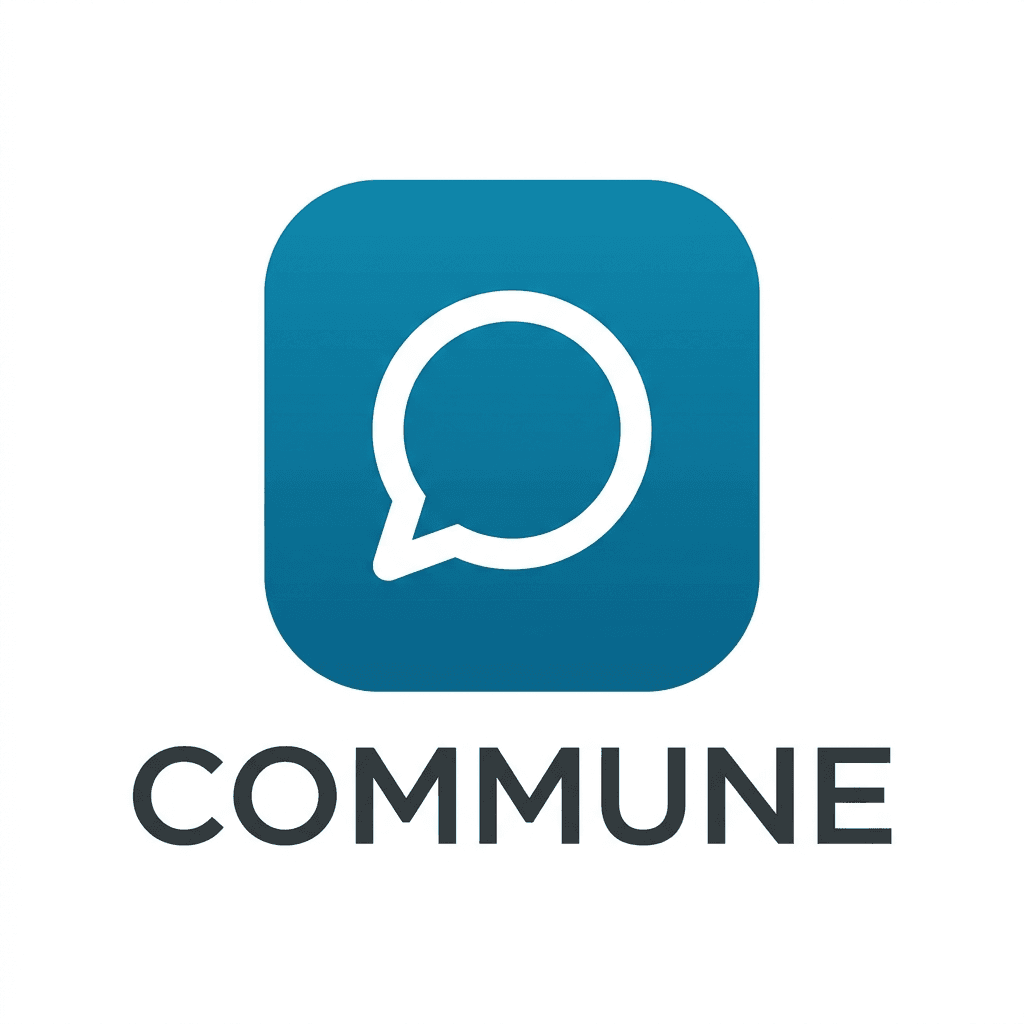
Template 13: Tech Startup App Icon Logo
In the mobile-first era, many brands are experienced primarily as app icons — small square marks with rounded corners that must be instantly recognizable in a grid of competing icons on a phone screen. The app icon logo is a specific design discipline that demands extreme simplicity, bold color, and a mark that reads clearly at 60 by 60 pixels. This template produces a logo concept optimized for this exacting context.
Prompt:
modern app icon style logo design for a technology startup on a clean white background, the design shows a rounded square app icon shape with a bold vibrant background color such as a rich gradient-free blue a vivid purple or a bold coral, centered within the rounded square a simple white icon mark uses minimal strokes or geometric shapes to create an instantly recognizable symbol related to the app's function such as a stylized chat bubble for communication a simplified compass or location pin for navigation a clean play button or sound wave for media an abstract connection symbol for social networking or a minimal document or list icon for productivity, the mark uses the absolute minimum number of elements needed for recognition: no more than three to four simple shapes or strokes, the white icon on the colored background creates maximum contrast and legibility at very small sizes, beneath the app icon on the white background a clean simple wordmark in a modern sans-serif typeface shows the app name in a neutral dark gray or the same color as the icon background, the overall presentation shows the icon and wordmark as a brand system, the design should feel contemporary clean and instantly functional, optimized for recognition at small sizes in a crowded app store or phone home screen, flat design with absolutely no gradients no shadows no 3D effects no fine details that would be lost at small sizes, professional brand identity design quality, vector-style clean edges, isolated on pure white background, no mockup context, no phone mockup, no photographic elements
Best for: Mobile app startups, consumer technology products, digital platform brands, social media tools, productivity apps, fintech apps, health tech apps, communication platforms, any brand where the app icon is the primary brand touchpoint
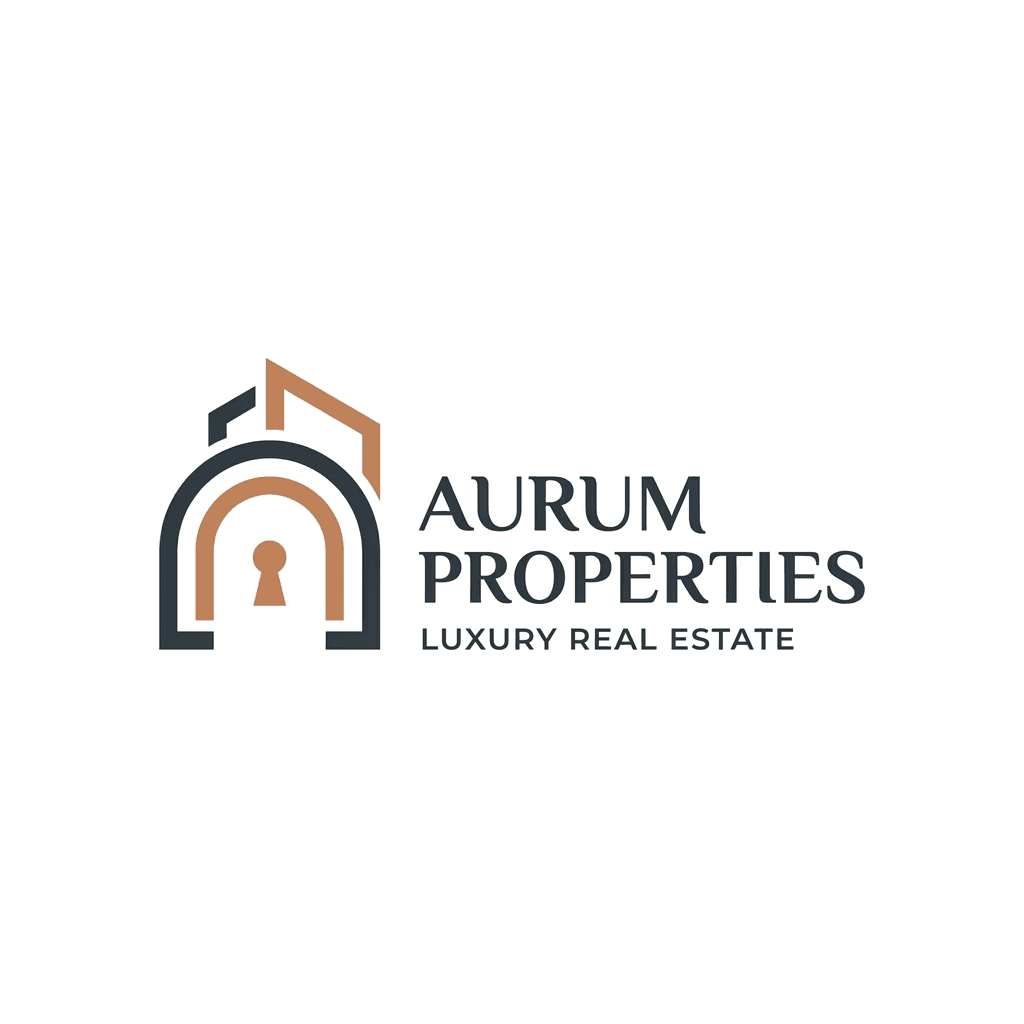
Template 14: Real Estate and Property Brand Logo
Real estate brands occupy a specific position in the trust spectrum: they represent the largest financial transactions most people will ever make, which demands a logo that communicates both professional competence and aspirational lifestyle. The visual language balances the authority of financial services with the warmth of home and the aspiration of property ownership. This template produces a logo that works for the full range of real estate contexts.
Prompt:
professional elegant logo design for a real estate or property company on a clean white background, a refined icon mark that suggests property architecture or home through clean abstract forms such as a minimalist geometric roofline silhouette a simple abstract building or skyline element reduced to essential geometric shapes a clean doorway or window arch form or an elegant abstract key symbol, the mark uses clean precise lines and balanced proportions that feel architectural and structurally sound, rendered in a sophisticated color palette of deep slate blue or charcoal as the primary color paired with a warm metallic gold or rich copper accent that suggests premium value and aspiration, beside the icon an elegant wordmark set in a refined serif or clean contemporary sans-serif typeface with medium weight and generous tracking that conveys established professionalism and quiet confidence, the overall composition is horizontally balanced with a premium feel that would look appropriate on a luxury property listing a building signage panel or a high-end business card, the design should communicate trust stability aspiration and expertise, sophisticated enough for luxury residential and commercial markets while remaining approachable, flat design with no gradients no shadows no 3D effects, professional brand identity design quality, vector-style clean edges, isolated logo on pure white background, no mockup context, no decorative elements, no photographic elements, no literal house illustration
Best for: Real estate brokerages, property development companies, luxury real estate agents, commercial real estate firms, property management companies, real estate investment firms, architectural development brands, home building companies, interior design firms
Template 15: Abstract Gradient-Free Corporate Logo
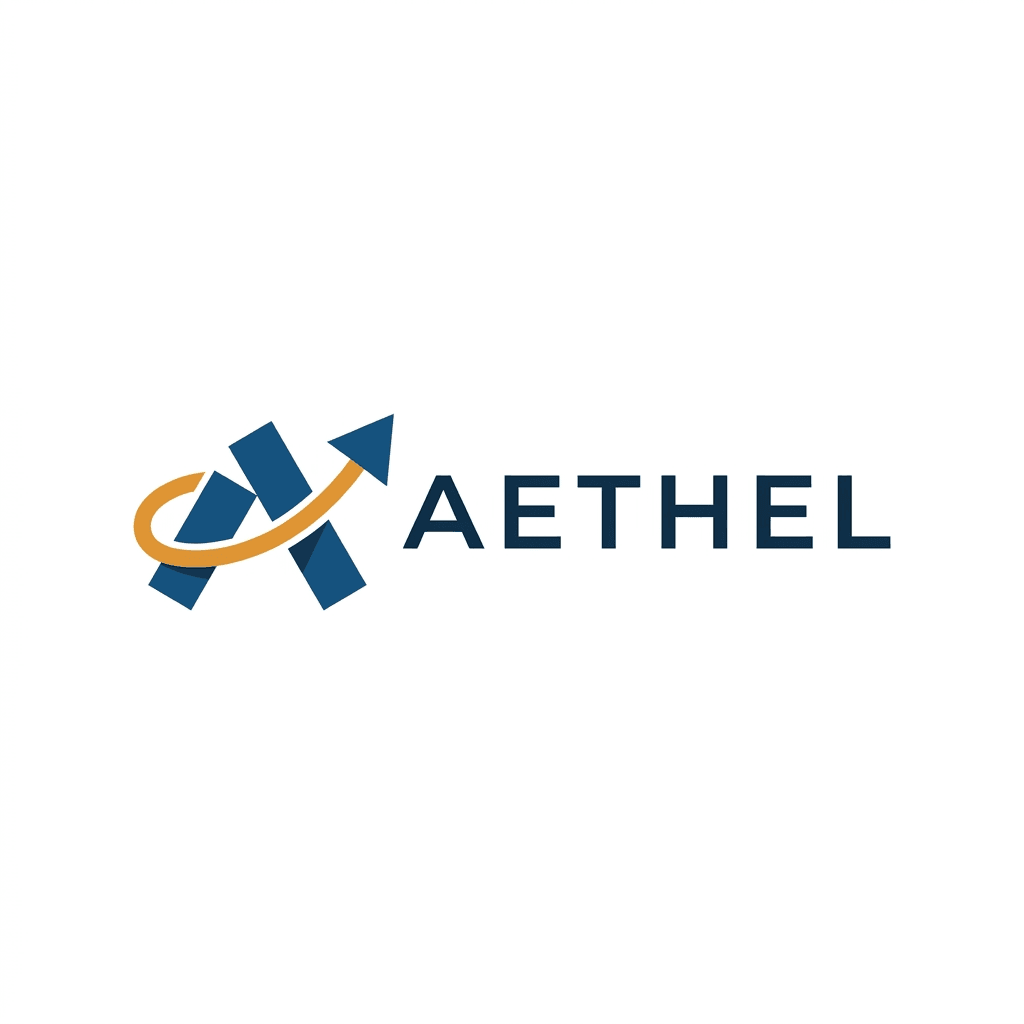
The abstract corporate logo is the most versatile category of brand mark. Freed from literal representation — no house for real estate, no leaf for nature, no gear for engineering — the abstract mark creates meaning purely through shape, color, and composition. This allows a single mark to represent a broad company vision without limiting the brand to a specific product or service. The world's most valuable brands — Nike's swoosh, Airbnb's bélo, Pepsi's circle — use abstract marks precisely because abstraction scales with the brand. This template produces a sophisticated abstract mark suitable for corporate identity at any scale.
Prompt:
sophisticated abstract corporate logo design on a clean white background, a distinctive abstract geometric mark that does not literally represent any specific object but instead conveys concepts of forward motion growth connection or transformation through pure geometric relationships, the mark might use intersecting planes that create depth through overlapping forms, a dynamic spiral or rotation that suggests evolution, connected nodes that suggest network and integration, or flowing geometric curves that suggest progress and momentum, the shapes should feel intentional and meaningful not random or decorative with clear internal logic governing the relationships between elements, rendered in a refined corporate color palette of deep blue as the primary color with a contrasting accent of warm amber or bright teal that adds energy and prevents the mark from feeling cold or generic, beside the abstract mark a clean authoritative wordmark set in a modern sans-serif typeface with consistent stroke weight and precise letter spacing, the overall composition is horizontally balanced and scalable with the abstract mark functioning equally well as a standalone symbol and as part of the full lockup with wordmark, the design should feel strategic intelligent and globally appropriate suitable for a company that operates across multiple sectors or markets, no literal representational imagery, flat design with no gradients no shadows no 3D effects, professional brand identity design quality, vector-style clean edges, isolated logo on pure white background, no mockup context, no decorative elements, no photographic elements
Best for: Holding companies and conglomerates, management consulting firms, global technology corporations, infrastructure and engineering companies, telecommunications brands, logistics and supply chain companies, diversified corporate groups, venture capital firms, innovation labs, any brand that needs a mark unconstrained by literal industry representation
Customizing These Templates for Your Brand
The templates provide the compositional structure, stylistic direction, and visual principles for each logo category. Making them work for your specific brand requires customization along several key dimensions.
Insert your actual brand name. Where the prompts reference a generic company name or wordmark, replace the placeholder with your real brand name. AI generators respond to the specific letterforms in a name, and different names produce different typographic compositions. A short, punchy name like "Volt" will produce a different visual rhythm than a longer name like "Meridian Ventures." If your brand name has specific capitalization conventions (all lowercase, all uppercase, title case), specify this in the prompt. If your brand uses a specific abbreviation or initialism for the monogram template, include the exact letters.
Specify your industry context. While each template is designed for a category of brands, adding your specific industry to the prompt helps the AI generate more contextually appropriate results. Adding "for a sustainable fashion brand" to the organic logo template, or "for a cybersecurity company" to the tech logo template, provides context that influences the icon choices and stylistic details the generator produces. Be specific about what your company does, not just what category it falls into.
Define your color requirements. If your brand has established colors or you have specific color preferences, replace the color descriptions in the template with your exact requirements. Use specific color names rather than vague descriptions: "deep forest green hex 2D5016" is more precise than "green." If you want to explore color options, generate the same prompt multiple times with different color specifications to compare options side by side.
Adjust the personality register. The same logo type can be executed at different points on the personality spectrum. A restaurant logo can feel rustic and casual or polished and refined depending on the typography, color, and icon style. If the template's default personality does not match your brand, modify the descriptive adjectives: swap "warm and rustic" for "sleek and contemporary," change "bold and aggressive" to "confident and measured," replace "playful and energetic" with "calm and assured." These personality descriptors significantly influence the generated output.
Request variations for exploration. Logo design is inherently an exploratory process. Generate each template multiple times, and generate variations with modified descriptions, to build a collection of concepts you can compare, combine, and refine. Professional logo designers typically explore dozens of directions before converging on a final mark. Use the speed and volume capability of AI generation to replicate this exploratory breadth — generate ten or twenty concepts in the time it would take to sketch two, then identify the directions that resonate most strongly and refine from there.
From AI Concept to Production-Ready Logo
Understanding the gap between an AI-generated logo concept and a final production-ready logo is important for setting expectations and planning your workflow.
AI-generated logos are raster images — grids of pixels at a fixed resolution. Final production logos need to be vector files (typically SVG, AI, or EPS formats) — mathematical curves that scale to any size without quality loss. This means that an AI-generated logo concept, no matter how visually polished, is the starting point of the production process rather than the end point. The concept establishes the visual direction: the shapes, the spatial relationships, the color palette, the typographic style, and the overall character of the mark. Converting that concept into a production-ready vector logo requires either manual redrawing in vector software like Adobe Illustrator or Figma, or the use of automated vector tracing tools followed by manual cleanup.
For many applications — particularly digital-only use cases like social media profiles, website headers, email signatures, and digital marketing materials — a high-resolution AI-generated logo image may be directly usable without vectorization. The logo will display correctly on screens and in digital contexts at the resolution it was generated. The limitations emerge when the logo needs to be printed at large scale (signage, banners, vehicle wraps), when it needs to be reproduced in specific Pantone or spot colors for brand consistency, when it needs to be embroidered or engraved, or when it needs to be delivered as part of a formal brand identity package with multiple file formats and color space versions.
The most efficient workflow for most users is to generate AI logo concepts to establish the visual direction, then either refine the chosen concept personally in vector software, hire a designer to vectorize and refine the selected concept (which is significantly less expensive than commissioning a logo from scratch, since the creative direction is already established), or use the concept as a detailed creative brief when working with a logo designer. Each of these approaches leverages the AI-generated concept as a visual communication tool that eliminates the ambiguity and miscommunication that often plague the early stages of logo design projects.
If you need to make targeted adjustments to a generated logo concept — changing a color, modifying a specific element, cleaning up an artifact — the Image Inpainting tool can make localized edits while preserving the overall composition. This is useful for iterating on a concept that is close to your vision but needs specific refinements before presentation or production.
Deploying Your Logo Across Brand Touchpoints
Once you have a logo concept you are confident in, deploying it consistently across your brand's visual presence is what transforms a mark from an image into an identity.
Digital presence deployment includes your website header, favicon, social media profile pictures across all platforms, email signature graphics, and any digital marketing materials. For these contexts, generate or export your logo at the specific pixel dimensions each platform requires. Social media profile pictures, for example, are displayed as circles on most platforms, which means your logo needs to be composed in a way that works within a circular crop — typically the icon mark alone, without the full wordmark, centered within a square frame with adequate padding.
Print and physical applications include business cards, letterheads, envelopes, packaging, signage, merchandise, uniforms, and vehicle graphics. These applications require the vector version of your logo and demand that you have defined your brand colors in both RGB (for screen) and CMYK (for print) color spaces. If your logo includes a metallic accent like gold, you will need to specify a Pantone metallic ink or a print simulation. Work with your printer to ensure the logo reproduces correctly in the specific print process being used.
Brand collateral and marketing materials include pitch decks, proposals, social media post templates, advertising creative, trade show materials, and branded content. For these applications, having your logo in multiple lockup configurations (horizontal, stacked, icon-only) and multiple color versions (full color, single color, reversed white on dark background) provides the flexibility needed to maintain brand presence across varied layouts and contexts. Generate separate versions of your chosen logo concept in these configurations to build a basic brand toolkit.
Video and motion content is an increasingly important brand touchpoint. The Cinematic Video Generator can create animated logo reveals and branded video intros using your logo concept, adding subtle motion that brings the static mark to life for video content on YouTube, Instagram Reels, TikTok, and other video platforms. A clean logo animation at the opening of your video content creates professional brand consistency across your video presence. Combined with AI-generated background music, you can produce complete branded video intros that match the personality and mood of your brand identity.
Common Mistakes That Undermine AI-Generated Logo Quality
Awareness of these recurring pitfalls helps you generate stronger concepts and evaluate generated results with a critical, design-informed eye.
Excessive complexity is the most common failure. The single most frequent problem with AI-generated logos is that they are too complex. The generator adds too many elements, too many colors, too much detail, too many interlocking parts. A logo with five colors, three shapes, a detailed illustration, and a decorative border may look impressive at large size on screen but will collapse into an illegible muddle at 32 pixels. If your generated concept is too complex, simplify your prompt: reduce the number of elements described, emphasize "simple," "minimal," and "clean," and explicitly state "no more than two colors" or "no more than three simple shapes." The best logos in history use very few elements. Aim for the same economy in your prompts.
Illegible or garbled text is a known AI limitation. AI image generators frequently struggle with text rendering, producing letterforms that are almost right but contain subtle errors: missing strokes, extra serifs, garbled characters, or inconsistent letter spacing. Always examine the wordmark portion of any generated logo at full resolution and check every letter for accuracy. If the text is not perfect — and it often is not — you have two options: regenerate until the text is correct, or plan to replace the AI-generated text with properly set type in a design tool. Many designers use the AI-generated concept for the icon mark and spacing relationships, then reset the wordmark in actual fonts for production.
Generic icon choices produce forgettable logos. When an AI generator defaults to the most obvious icon for a category — a house for real estate, a tooth for a dentist, a graduation cap for education — the result is a logo that looks like every other logo in the category. Push for abstraction and uniqueness in your prompts. Instead of "a house icon," try "an abstract geometric form that suggests shelter and structure without literally depicting a house." The more you push the generator away from literal representation and toward abstract interpretation, the more distinctive the results.
Inconsistent visual style between mark and wordmark. A common flaw in generated logos is a stylistic disconnect between the icon mark and the wordmark — a hand-drawn organic icon paired with a rigid geometric typeface, or a sleek modern mark paired with a decorative vintage font. These mismatches create visual friction that makes the logo feel unresolved. Your prompt should ensure that the adjectives describing the icon style and the adjectives describing the typography are compatible: if the icon is "clean, geometric, and modern," the type should be "clean, geometric, and modern" too.
Trendy design elements that will date quickly. AI generators are trained on current and recent design trends, which means they may produce logos heavy with whatever is currently fashionable — specific gradient styles, trendy illustration techniques, popular shape language. Some of these trends will look dated within two to three years. A logo should aim for longevity. Emphasize "timeless," "enduring," and "classic" in your prompts if you want a mark that will still look current in a decade. Avoid specifying trendy stylistic effects unless you are intentionally creating a short-lived campaign identity or event logo.
Colors that do not reproduce well across media. Very bright, highly saturated colors that look vivid on a backlit screen may reproduce poorly in print (CMYK printing has a narrower color gamut than RGB screens). Neon colors, electric brights, and certain vivid blues and purples are particularly prone to appearing dull or shifted in print. If your logo will be used in print applications, test the colors in CMYK before committing. Alternatively, choose colors with good cross-media reproduction — the deep blues, greens, reds, and warm tones specified in most templates in this post are selected partly for their reliable reproduction across screen and print.
Beyond a Single Logo: Building a Visual Brand System
A logo is the anchor of a brand identity, but it does not operate alone. The most effective brand presentations surround the logo with a consistent visual system that extends the logo's personality across every piece of communication.
The color palette established in your logo becomes the foundational palette for your entire brand. A logo using deep navy and muted gold should lead to a website, social media templates, and marketing materials that use the same navy and gold as primary colors, supplemented by a defined set of supporting neutral and accent tones. This chromatic consistency is what makes a brand feel cohesive across touchpoints.
The typographic style of your logo wordmark should inform your broader brand typography choices. If your logo uses a clean geometric sans-serif, your website headings, social media text overlays, and marketing materials should use the same typeface or a closely related one. Typographic consistency is one of the most impactful and least expensive elements of brand cohesion.
The mood and visual personality expressed in your logo — whether minimal and modern, warm and rustic, bold and athletic, or refined and luxurious — should extend to your photography style, illustration approach, social media aesthetic, and overall visual tone. If you are using AI-generated imagery for your broader content needs, the visual direction established by your logo should guide the prompts you write for blog featured images, social media content, product photography, and any other visual assets. A rustic heritage brand logo paired with sleek minimal product photography creates a dissonant brand experience. Consistency across the visual system is what transforms individual design decisions into a recognizable brand identity.
FAQ
Can an AI-generated logo be trademarked?
Trademark law protects the use of a mark in commerce to identify a brand, and trademark registration typically evaluates the distinctiveness of the mark and its potential for confusion with existing marks — not the method by which the mark was created. However, copyright ownership of AI-generated imagery is an evolving and jurisdiction-dependent legal question. Some jurisdictions have indicated that purely AI-generated works may not be eligible for copyright protection because they lack a human author. If your logo will be a significant business asset or you need to enforce intellectual property rights around it, consult with an intellectual property attorney in your jurisdiction. Using an AI-generated concept as the basis for a human-redesigned final logo strengthens your creative ownership position.
What file formats do I need for a production-ready logo?
A complete logo file package for production use typically includes: vector formats (SVG, AI, EPS, or PDF) for scalable use in print, signage, and professional design applications; high-resolution PNG files with transparent backgrounds for digital use; and specific versions for different applications including full-color, single-color (black), reversed (white), horizontal lockup, stacked lockup, and icon-only variations. AI generators produce raster images (typically PNG or JPG), which means you will need to vectorize your chosen concept — either manually or through auto-tracing tools — and create the additional format variations as part of your production process.
How do I choose between the 15 templates?
Start with your industry category and brand personality. If you are a tech startup, begin with Templates 1, 13, or 15. If you are a luxury or premium brand, Template 2 or 12. If you are consumer-facing and want to feel approachable, Template 3. Then consider your brand's specific personality: is it bold and aggressive (Template 4), warm and organic (Template 5), heritage and artisanal (Template 6), creative and distinctive (Template 8)? Generate concepts from two or three templates that feel closest to your brand vision, compare the results, and then refine the most promising direction with customized prompts.
Can I combine elements from different templates?
Combining elements from different templates can produce unique results, but proceed with care. The templates are designed with internal stylistic consistency — the icon style, typography, color palette, and mood are calibrated to work together within each template. Mixing a vintage heritage icon (Template 6) with a minimalist tech wordmark (Template 1) may create a stylistic conflict rather than a creative fusion. If you want to blend influences, identify the specific elements you want from each template and write a new unified prompt that integrates them with consistent personality descriptors throughout.
How many concepts should I generate before choosing a direction?
Professional logo designers typically explore thirty to fifty rough concepts before narrowing to three to five developed directions for client presentation. The speed of AI generation allows you to approach this volume easily. Generate each relevant template at least three to five times (AI generators produce different results from the same prompt each time), then generate additional variations with modified descriptions for the most promising directions. Build a collection of fifteen to thirty concepts, evaluate them with fresh eyes after a break, and identify the two or three strongest directions for further development and refinement.
Should I use AI-generated logos for an established business rebrand?
For an established business with existing brand equity, customer recognition, and a comprehensive brand system, a rebrand is a strategic undertaking that typically benefits from the full scope of professional brand strategy and design services. AI-generated concepts can play a valuable role in the early exploration phase — generating visual directions to discuss with stakeholders, testing stylistic approaches, and communicating vision to a design team — but the final rebrand execution usually requires the strategic thinking, stakeholder management, brand architecture expertise, and comprehensive identity system development that professional branding agencies provide. For new businesses, sub-brands, campaign identities, personal brands, and early-stage startups where the brand system is still being established, AI-generated logos can serve as the primary design tool with excellent results.
What if I need a logo quickly for a launch or deadline?
This is one of the strongest use cases for AI-generated logos. When time pressure makes the traditional design process impossible — a startup launching next week, an event brand needed tomorrow, a side project going live this weekend — AI generation provides professional-quality concepts in minutes. Generate multiple concepts, select the strongest, make any necessary refinements with the Image Inpainting tool, and deploy the high-resolution raster version for immediate digital use. You can always invest in professional vectorization and refinement after launch, using the AI concept as the established visual direction. A good logo deployed on time is worth more than a perfect logo delivered late.
What aspect ratio should I use when generating logo concepts?
Generate at 1:1 square aspect ratio for the most versatile presentation. This gives the logo generous white space on all sides and works well for both horizontal lockups (mark plus wordmark side by side) and stacked lockups (mark above wordmark). If you specifically need a horizontal logo format, you can generate at 3:2 or 16:9, but square gives you the most flexibility for evaluation and comparison.
Conclusion
A logo is the smallest and most powerful unit of brand communication. It is the mark that appears on everything your brand touches — every screen, every page, every product, every sign, every piece of communication between your business and the world. The quality of that mark shapes first impressions, builds or erodes trust, and establishes the visual foundation on which every other brand experience is built. Getting the logo right is not a vanity exercise. It is a strategic necessity.
The 15 templates in this post span the full landscape of contemporary logo design: minimalist geometry for technology brands, refined typography for luxury positioning, friendly warmth for consumer startups, bold energy for athletic brands, organic forms for natural and sustainable businesses, vintage craftsmanship for heritage brands, clinical trust for healthcare, creative intelligence for agencies, warm invitation for restaurants, institutional authority for professional services, playful joy for children's brands, typographic monograms for personal and premium brands, app-optimized icons for mobile-first companies, aspirational elegance for real estate, and abstract sophistication for corporate identity. Whatever your brand, your industry, or your aesthetic vision, there is a template here that provides the structural foundation for your logo exploration.
Copy the template that matches your brand category, customize it with your brand name, industry specifics, and personality preferences, generate it inside Miraflow AI, and evaluate the results with the design principles outlined in this post. Generate liberally, evaluate critically, and refine iteratively. The concepts that emerge from this process give you something that has never before been available outside the design profession: a rapid, affordable, professional-quality visual exploration of your brand's identity, ready to deploy immediately or to serve as the creative foundation for further design development.
Your brand's visual identity starts with a single mark. These templates help you find it.