DeepSeek V4 Explained: The Open-Source AI That Rivals GPT-5.5 at 1/7th the Price

Written by
Jay Kim
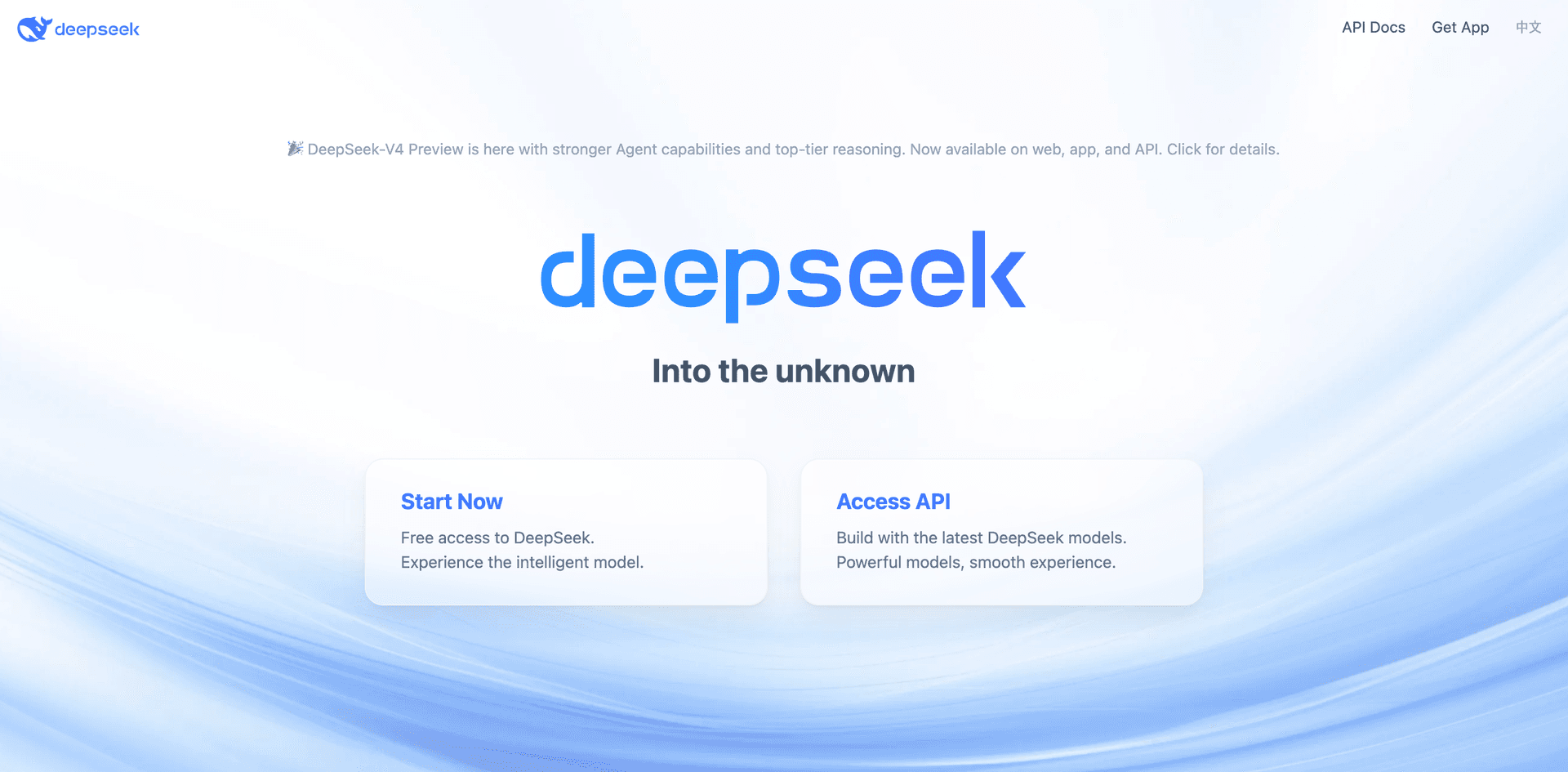
DeepSeek V4 benchmarks comparably to GPT-5.5 at roughly one-seventh the API cost. Here is what it does, how it compares, and what it means for creators building AI workflows in 2026.
If you have been following AI model releases in 2026, DeepSeek V4 is probably the most-discussed development of the year in the open-source community. A Chinese AI lab producing a model that benchmarks comparably to GPT-5.5 on reasoning, coding, and language tasks while running at a fraction of the API cost is a significant shift in how developers, businesses, and creators think about which AI infrastructure to build on.
For creators, marketers, and entrepreneurs who rely on AI tools for content production, this matters beyond the technical headlines. Cheaper, more accessible frontier-level AI changes what is possible at different budget levels, which tools platforms can afford to build with, and ultimately how powerful the AI features in the products you use every day can be.
This guide covers what DeepSeek V4 actually is, what it can and cannot do, how its capabilities compare to closed models like GPT-5.5 and Claude, why the cost differential matters so much, and what it means practically for creators building AI-assisted content workflows in 2026.
What Is DeepSeek V4
DeepSeek V4 is the fourth major release from DeepSeek AI, a Chinese research lab that has consistently produced open-weight models that outperform expectations relative to their compute costs. The V4 designation follows DeepSeek V3, which itself attracted significant attention in late 2024 by matching or exceeding the performance of much larger closed models on several standard benchmarks.
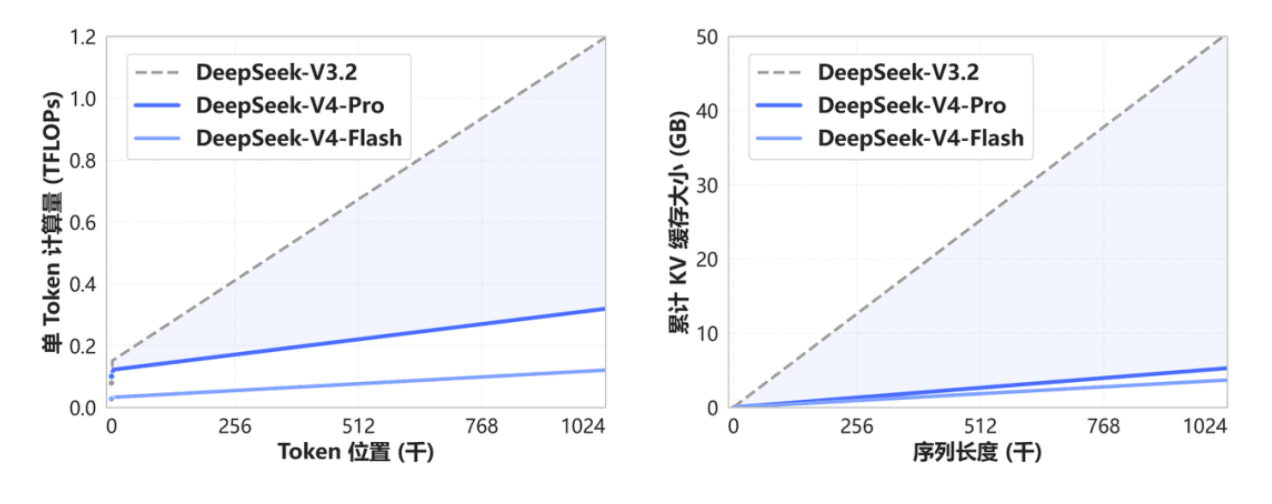
V4 extends that trajectory with architectural improvements focused on reasoning depth, instruction following, multilingual performance, and coding accuracy. The model is released under an open-weight license that allows researchers and developers to download and run it directly, modify it for specific use cases, and build applications on top of it without paying per-token API fees to a centralized provider.
The open-weight availability is the crucial differentiating factor. Models like GPT-5.5 from OpenAI and Claude from Anthropic are closed models accessible only through paid APIs. DeepSeek V4 can be run on sufficiently powerful local hardware or accessed through third-party API providers that charge significantly less than the rates for comparable closed model access, which is where the roughly one-seventh price comparison comes from in realistic production deployment scenarios.
How DeepSeek V4 Compares Other Frontier Models
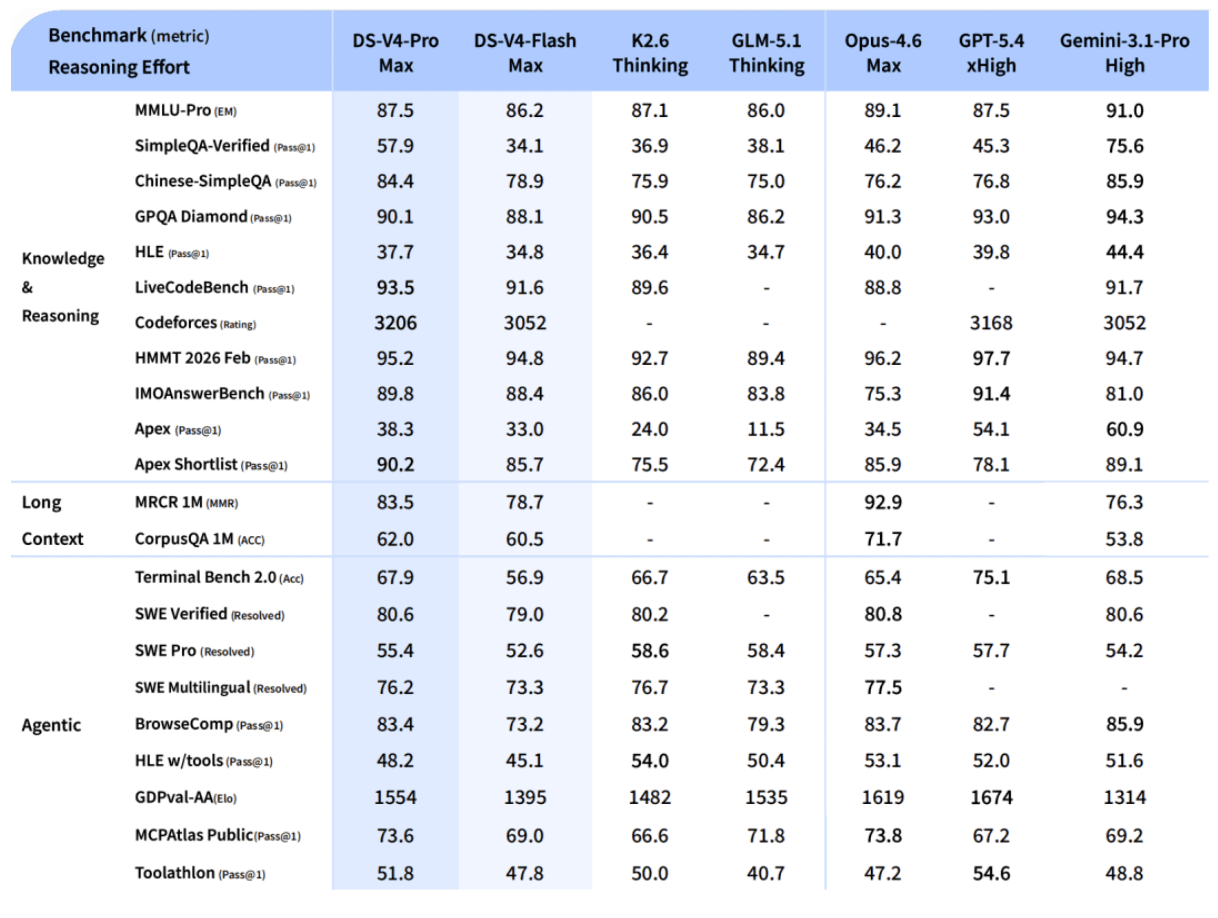
Model comparisons in AI are inherently nuanced because performance varies significantly by task type, prompt formulation, and evaluation methodology. With that caveat clearly stated, here is what the independent benchmark results and developer community testing show about DeepSeek V4's capabilities relative to closed frontier models.
Reasoning and mathematical problem solving
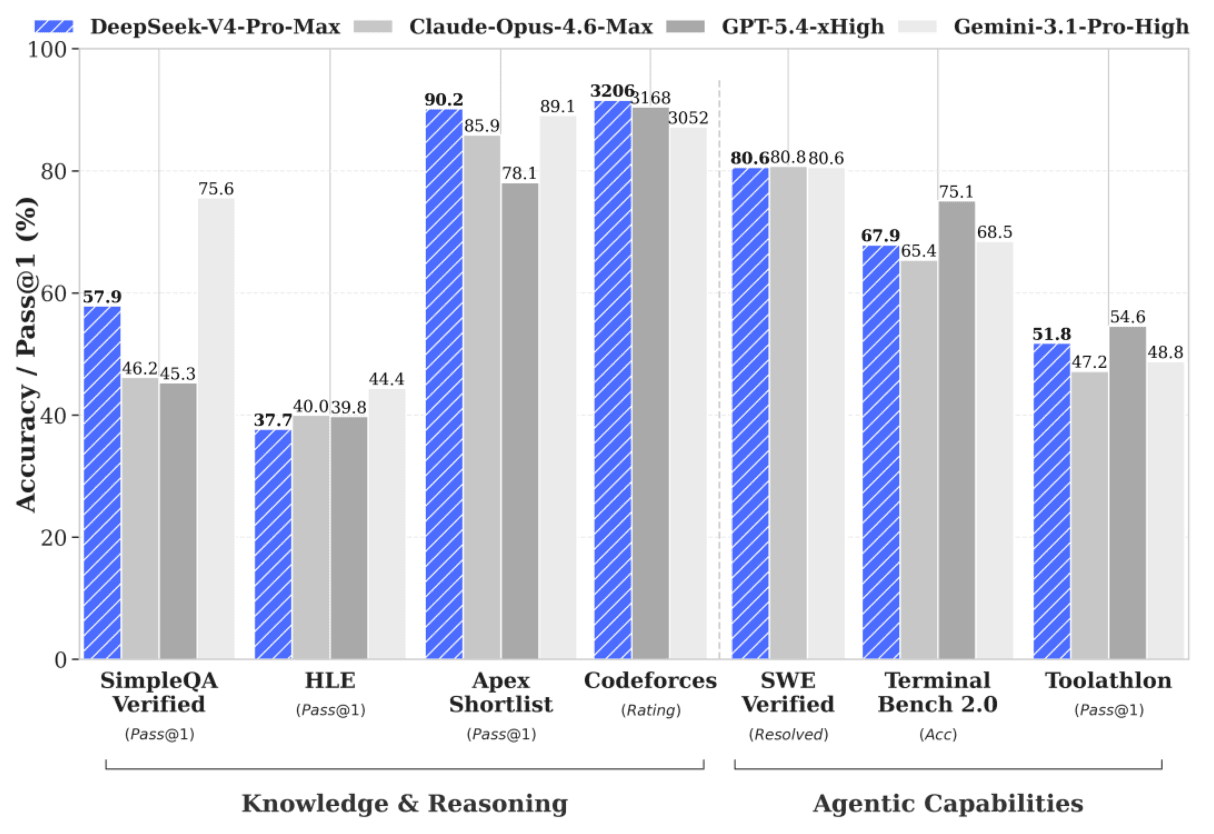
DeepSeek has consistently performed strongly on reasoning benchmarks in previous releases, and V4 continues this pattern. On structured reasoning tasks including multi-step mathematical problems and logical inference chains, V4 results are competitive with GPT-5.5 and significantly ahead of older model generations from both OpenAI and Anthropic.
Coding and technical tasks
V4 performs at a level competitive with the top closed models on standard coding benchmarks. For developers building AI-assisted applications or using AI for code generation and review, the practical coding capability gap between V4 and GPT-5.5 is narrow enough that the cost differential becomes the dominant decision factor for most use cases.
Creative writing and content generation
This is an area where closed models like GPT-5.5 and Claude retain advantages, particularly for nuanced tone, stylistic consistency across long-form content, and the subtle craft elements that separate good content from merely accurate content. V4 produces quality output in this category but developers using it for creative production tasks often note that closed models have an edge at the top end of creative quality.
Multilingual performance
DeepSeek V4's multilingual capabilities are particularly strong, reflecting the lab's base in a multilingual research environment. For creators and platforms serving global audiences, V4's non-English performance is a genuine advantage over some Western-developed models that were primarily optimized for English.
Context length and instruction following
V4 supports substantial context windows appropriate for long-form content processing and maintains instruction following quality well across extended interactions, though very complex multi-constraint instruction sets still favor the best closed models.
The Cost Differential: Why 1/7th the Price Matters
The roughly one-seventh price comparison between deploying DeepSeek V4 through competitive third-party API providers versus GPT-5.5 through OpenAI's API represents a meaningful infrastructure cost difference that compounds significantly at scale.
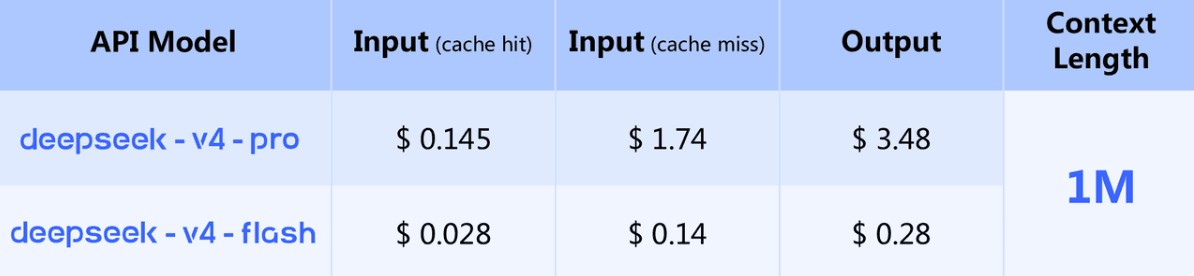
For an individual creator running occasional queries, the absolute dollar difference per use is small. For a platform processing millions of API calls per month to power AI features for users, the difference between paying frontier closed model rates and paying competitive open-source rates changes the financial model of the business significantly.
This cost dynamic is why many AI-powered tools and platforms are now evaluating whether their use cases can be served well by open models like DeepSeek V4 rather than exclusively relying on closed model APIs. When the performance gap is narrow and the cost gap is large, the business case for open models strengthens considerably.
For creators building their own AI workflows or choosing which AI platforms to use, understanding this cost dynamic helps explain why some tools are able to offer more generous usage tiers or lower pricing than others. Platforms built on open-source infrastructure can pass savings to users in ways that closed model-dependent platforms structurally cannot.
Why DeepSeek V4 Changed the Conversation About Open-Source AI
Before the DeepSeek releases, the conventional wisdom in AI was that frontier performance required frontier compute budgets, which only a small number of well-capitalized labs could access. The best open-source models were good but clearly below the capability ceiling set by GPT and Claude.
DeepSeek's successive model releases challenged that assumption by achieving frontier-comparable performance through architectural efficiency innovations rather than through raw compute scaling. The implication is that the performance gap between open and closed models is not primarily a function of how much money was spent training the model but of the architectural and algorithmic choices made in designing it.
This changes the competitive dynamics of the AI industry in ways that are still playing out. It means that a well-resourced but not hyperscale-capitalized lab can produce frontier models. It means that the closed model moat is less durable than it appeared. And it means that the community of developers, researchers, and builders who can access and work with frontier-level AI capabilities has expanded significantly.
For the creator economy specifically, this matters because it means the AI tools available to independent creators and small platforms can access capabilities that would have required enterprise-level budgets just a year or two ago.
What DeepSeek V4 Means for AI Content Creation Tools
The practical implication of capable, lower-cost AI models for content creation is straightforward: more powerful AI features become financially viable to offer at more accessible price points.
AI content platforms that can build on open-source model infrastructure have more flexibility in how they price their services, how generous their usage tiers are, and how many AI-powered features they can offer without passing unsustainable infrastructure costs to users. This competitive pressure benefits everyone who uses AI tools for content production.
For creators specifically, the tools in your workflow are increasingly likely to be powered by a mix of open and closed models chosen based on which model best suits each specific task. Script generation, image creation, video production, and music composition may each draw on different underlying AI systems optimized for those specific modalities.
Miraflow AI offers an integrated content creation platform where AI handles the production pipeline from idea to finished Short, image, thumbnail, and music without creators needing to manage which underlying model is handling each task. The value of integrated AI tools is not just the capability of any individual model but the coherence of the workflow that connects them. For more on how AI video generation in particular has evolved, how to use Veo3 free covers one of the most significant AI video model developments available to creators right now.
DeepSeek V4 vs GPT-5.5: Which Should Creators Use
For most creators using AI tools through platforms rather than building directly on APIs, the choice between DeepSeek V4 and GPT-5.5 as the underlying model is not a decision you make directly. The platform you use makes infrastructure choices based on performance, cost, and use case fit.
But if you are building your own AI workflows, using AI platforms that offer model selection, or making decisions about which AI writing or coding tools to use, here is a practical framework for thinking about the choice.
Use cases where V4 performs comparably to GPT-5.5
Structured content generation from templates or outlines, coding assistance and code review, information extraction and summarization, question answering from provided context, and translation all represent areas where the performance gap between V4 and GPT-5.5 is narrow enough that the cost differential often becomes the deciding factor.
Use cases where GPT-5.5 and Claude retain advantages
Long-form creative writing with high stylistic requirements, complex multi-step reasoning over ambiguous problems, nuanced brand voice maintenance across extended content, and tasks requiring the subtle judgment that comes from the most sophisticated instruction tuning are areas where the best closed models currently maintain an edge worth paying for.
The hybrid approach
Many sophisticated AI users and platforms use different models for different tasks within the same workflow, defaulting to open models for cost-effective high-volume tasks and using frontier closed models for the small number of tasks where that quality premium is worth the price. This hybrid approach often produces better results per dollar than using a single model for everything.
Understanding DeepSeek's Architecture: Why It Is Efficient
The technical foundation of DeepSeek V4's efficiency is worth understanding at a conceptual level because it explains why the model can achieve frontier performance without frontier compute costs.
DeepSeek's models use a Mixture of Experts architecture, which means the model is not a single large neural network where every parameter is used for every query. Instead, it routes each query through a subset of specialized expert subnetworks, using only a fraction of the model's total parameters for any given computation. This design allows the model to have the capacity equivalent of a very large model while running the computational efficiency of a much smaller one.
The result is a model that can handle the complexity required for difficult reasoning and coding tasks without requiring the same compute resources that a dense model of equivalent capability would need. This architectural efficiency is the primary explanation for why DeepSeek can achieve competitive benchmark performance at lower inference costs.
For context on how different AI models and approaches compare for content creation specifically, the ChatGPT vs Claude vs Gemini for content creation in 2026 guide covers the practical task-by-task comparison that matters most for creators choosing which AI writing tools to use.
The Open-Source vs Closed Model Debate in 2026
DeepSeek V4 has reinvigorated the debate about whether open-source AI development is ultimately better for the ecosystem than the closed model approach taken by OpenAI and Anthropic. This debate has both technical and philosophical dimensions.

Arguments for open-source dominance
Open-weight models can be run locally, ensuring data privacy without sending content to third-party servers. They can be fine-tuned for specific domains or use cases that general-purpose closed models are not optimized for. They remove dependence on single vendors whose pricing, availability, and policies can change. And they allow the broader research community to build on and improve the underlying technology.
Arguments for closed model advantages
Frontier closed models benefit from continuous reinforcement learning from human feedback at a scale that open-source projects struggle to match. They receive ongoing safety and alignment research investment that reduces harmful output rates. And the best closed model providers offer reliability, support, and enterprise-grade infrastructure guarantees that running your own open-source model deployment requires significant engineering to replicate.
The practical 2026 reality
Both approaches are viable and the choice depends on use case, scale, technical resources, and risk tolerance. The existence of strong open models like DeepSeek V4 gives developers and platforms real alternatives to closed model dependence, which creates competitive pressure that benefits the whole ecosystem regardless of which model any individual user ends up choosing.
How DeepSeek V4 Affects the Creator Economy
The broader implication of capable open-source AI for creators goes beyond individual tool choices. It changes the economics of AI-powered content creation in ways that compound over time.
When AI capabilities that previously required expensive closed API access become available through open or lower-cost alternatives, the barrier between creators who can afford sophisticated AI tools and those who cannot narrows. This democratization trend has been consistent across the history of AI development, but models like DeepSeek V4 represent a significant step because they are bringing frontier-level language capabilities into the accessible tier rather than just bringing older capability levels down in price.
For faceless YouTube channel creators, AI video producers, and marketers using AI for content at scale, this means the tools available to independent creators are catching up to what was previously only accessible to large teams with enterprise budgets. For a deeper look at how faceless AI channel creation has evolved and which niches are performing well with AI-generated content, faceless YouTube Shorts AI niches in 2026 covers the current opportunity landscape.
Practical Applications of DeepSeek V4 for Content Creators
If you are a creator or marketer thinking about how DeepSeek V4 might affect your workflow, here are the most practical applications where its capabilities are most directly relevant.
Script generation at scale
V4's strong instruction following and structured content generation makes it well suited for producing script drafts, outlines, and content frameworks for YouTube videos, Shorts, and social media posts. At the lower cost point of open model access, generating multiple script variations for testing becomes economically viable where it previously required more careful token budget management.
Research summarization and information extraction
For creators who produce educational or informational content, V4's information extraction capabilities make it effective for summarizing source material, extracting key points from long documents, and synthesizing information from multiple sources into content briefs.
Multilingual content adaptation
V4's strong multilingual performance makes it particularly useful for creators adapting content across language markets, which is increasingly relevant as YouTube and other platforms emphasize regional content distribution.
Code assistance for no-code AI tool building
For technically inclined creators building their own AI-assisted production tools, V4's coding capabilities provide a cost-effective foundation for automating repetitive content production tasks.
Prompt Pack: Visual Prompts for AI Technology Content
These prompts work for creators producing educational or explainer content about AI models, technology comparisons, and the AI development landscape.
AI model comparison concept visual

Prompt
two large glowing server towers side by side, one with a bright open flame representing open source and one with a locked padlock icon representing closed systems, clean futuristic data center background, cool blue and gold lighting, dramatic technology contrast composition, no text no logos
AI processing and inference visual
Prompt
abstract neural network visualization showing a complex web of interconnected glowing nodes with data flowing through multiple parallel pathways simultaneously, deep dark background with bright teal and gold network elements, futuristic intelligent systems aesthetic, no text no logos
Cost efficiency concept visual
Prompt
two identical scales in a balance comparison, one side with a large stack of gold coins and the other with a small stack of coins but equal weight balance, clean minimal white background, financial efficiency and value theme, warm gold accent lighting, no text no logos
Open source collaboration visual

Prompt
global map visualization with interconnected glowing data pathways connecting multiple continents, representing open collaboration and distributed development, dark background with bright network connection lines, futuristic collaborative technology aesthetic, no text no logos
AI model benchmark concept visual
Prompt
clean bar chart visualization showing several colored bars at similar heights suggesting comparable performance between different options, bright white background, minimal data visualization design, professional analytical aesthetic, warm accent colors on the bars, no text no logos
These can all be generated inside Miraflow AI's image generator for use in technology explainer content, blog thumbnails, or educational video visuals.
What to Watch for With DeepSeek V4 Going Forward
DeepSeek V4 represents a point in time in a rapidly evolving landscape. A few developments are worth watching as the model matures and as the broader AI ecosystem responds.
Safety and alignment considerations
Open-weight models receive less ongoing safety refinement than continuously maintained closed models. As DeepSeek V4 sees broader deployment, the community's understanding of its failure modes and alignment characteristics will develop. Responsible use of any AI model includes awareness of its limitations and the contexts where its outputs require careful human review.
Fine-tuning community development
One of the most valuable aspects of open-weight models is the fine-tuning work that the broader community produces. Specialized versions of DeepSeek V4 optimized for specific tasks, domains, or languages will emerge from the research community and from companies building on the base model, which will expand its practical applications beyond what the base model alone offers.
Platform integration
As the developer community validates V4's capabilities across production use cases, more AI platforms and tools will integrate it as one of their underlying model options. This will make V4's capabilities accessible to creators who are not building directly on APIs but are using AI-powered content tools. For creators following AI content creation developments, the ChatGPT vs Claude vs Gemini content creation comparison for 2026 provides useful context on how different AI models are currently being used for creator workflows.
Conclusion
DeepSeek V4 is a genuinely significant development in the 2026 AI landscape, not because it makes closed models irrelevant but because it meaningfully narrows the performance gap while maintaining a substantial cost advantage for the open-source approach. For developers, platforms, and technically sophisticated users, it provides a viable alternative to closed API dependence for many high-volume use cases.
For creators using AI content tools, the direct impact is less about choosing between DeepSeek V4 and GPT-5.5 yourself and more about benefiting from the competitive pressure that capable open models create across the ecosystem. When open-source frontier models are viable, closed model providers face pricing pressure. When closed model providers face pricing pressure, the tools built on their APIs become more affordable. And when AI content tools become more affordable, more creators can access the production capabilities that were previously reserved for those with larger budgets.
The practical takeaway is that the AI content creation landscape in 2026 is significantly more capable and more accessible than it was a year ago, and DeepSeek V4 is one of the forces driving that accessibility improvement. Understanding the landscape helps you make better decisions about which tools and platforms to build your content workflow around as the capabilities continue to develop.
For a broader look at how AI tools are transforming content creation across video, image, and music production, Miraflow AI provides an integrated platform where these capabilities come together in a single browser-based workflow designed specifically for creators and marketers.
FAQ
What is DeepSeek V4?
DeepSeek V4 is an open-weight large language model released by DeepSeek AI, a Chinese research lab. It uses a Mixture of Experts architecture to achieve frontier-competitive performance on reasoning, coding, and language tasks while operating at lower inference costs than comparably capable closed models like GPT-5.5.
How does DeepSeek V4 compare to GPT-5.5?
Independent benchmarks show V4 performing comparably to GPT-5.5 on structured reasoning, mathematical problem solving, and coding tasks. GPT-5.5 retains advantages in nuanced creative writing and complex instruction-following tasks. The most significant practical difference is cost, with V4 accessible through third-party providers at roughly one-seventh the API cost of GPT-5.5 at comparable usage levels.
Is DeepSeek V4 free to use?
DeepSeek V4 is open-weight, meaning the model weights can be downloaded for free. Running the model requires appropriate hardware infrastructure. API access through third-party providers incurs usage costs, though these are significantly lower than comparable closed model API rates. Running the model locally on appropriate hardware eliminates per-query API costs entirely.
Is DeepSeek V4 safe to use for business applications?
Like all large language models, V4 produces outputs that require review and validation before use in high-stakes contexts. Open-weight models receive less continuous safety maintenance than closed models with dedicated safety teams. For business applications, implementing appropriate output review and validation processes is important regardless of which underlying model is used.
Why is DeepSeek V4 so much cheaper than GPT-5.5?
The cost difference comes from two factors: the Mixture of Experts architecture that makes V4 computationally more efficient than dense models of equivalent capability, and the competitive market of third-party API providers that host and serve open-weight models. Closed model APIs like GPT-5.5 are priced to support the ongoing research, safety, and infrastructure investment of the provider. Open models accessed through competitive third-party providers do not carry the same cost structure.
Can DeepSeek V4 be used for YouTube content creation?
V4's script generation, content summarization, and multilingual capabilities make it well suited for many content creation use cases. For video production that requires AI image generation, video synthesis, or voice, V4 as a language model would need to be combined with multimodal tools. Integrated content creation platforms that handle the full production pipeline from script to video typically combine multiple AI capabilities beyond what any single language model provides.
What does DeepSeek V4 mean for AI content creation tools?
Capable open models like V4 expand the range of tools that can offer advanced AI capabilities at accessible price points. Platforms built on open-source infrastructure can offer more generous usage tiers and lower prices than those dependent on expensive closed model APIs, which ultimately benefits creators who use AI for content production at any scale.