23 AI Prompts to Create Your Own Italian Brainrot Character (Copy & Paste)

Written by
Aerin Kim
Italian brainrot characters are now worth fighting over in court. Here are 23 AI prompts to design, animate, and voice your own original animal-object hybrid character in 2026.
If you have opened TikTok in the last few months, you have almost certainly seen a three-legged shark in sneakers, a crocodile fused with a bomber plane, or a wooden log carrying a baseball bat, all narrated in breathless, nonsensical pseudo-Italian. That is Italian brainrot, and as of this week it is no longer just a meme, it is the subject of an actual courtroom fight over who owns AI-generated characters.
On August 21, 2026, NPR reported on a California case that could reshape how AI-generated art gets treated under copyright and trademark law, centered on the wildly popular Roblox game Steal a Brainrot and the ownership of characters like Tung Tung Tung Sahur [1]. That character, a wooden-stick creature with human feet and arms holding a baseball bat, was reportedly built from just seven prompts in an AI image generator by a young Indonesian creator, Fernanda Bagas Indrastata, in about fifteen minutes [1]. The game built around characters like his has reportedly generated hundreds of millions of dollars, and now two companies, Do Big Studios and the French startup Mementum Lab, are arguing in court over who actually owns that value [1].
That lawsuit is exactly why this is the right moment to stop generating existing brainrot characters and start designing your own. This guide walks through 23 copy-paste AI prompts to concept, name, animate, voice, and package an original animal-object hybrid character from scratch, using tools like Miraflow AI's image generator, cinematic video generator, and AI music generator so the character, and whatever it earns, is actually yours.
Why Italian Brainrot Blew Up, and Why Originality Is the Smarter Bet Now
The genre's formula is simple once you see it: pair an ordinary object with an animal in a way that makes no sense, give it a rhythmic, alliterative, made-up Italian-sounding name, narrate it with dramatic pseudo-Italian voiceover, often generated with tools like ElevenLabs, and animate the whole thing in eight to fifteen second clips using text-to-video models [2]. Characters like Tralalero Tralala, a three-legged shark in blue sneakers, Bombardino Crocodilo, a crocodile merged with a bomber plane, and Ballerina Cappuccina, a dancer with a cappuccino cup for a head, built an entire shared mythology, complete with breakout characters, remix accounts, and physical plushie merchandise appearing every few weeks [2].
The legal fight now underway is specifically about whether AI-generated characters like these can be copyrighted at all. Do Big Studios argues that copyright protection requires human authorship and that AI-generated material does not qualify, while Mementum Lab is leaning on trademark law instead, arguing that if these characters become genuine entertainment franchises, their original creators deserve a share of that success [1]. A UCLA legal expert quoted in the coverage put it plainly: nobody has a confident answer yet for exactly how much human creative input a prompt needs before the result becomes ownable [1].
That uncertainty cuts a specific way for creators. Recreating Tung Tung Tung Sahur or Bombardino Crocodilo puts you inside someone else's unsettled legal claim, with no upside if the character takes off. Designing your own original hybrid character, in the same visual language and comedic tone the genre made popular, sidesteps that entirely, and it is also just more interesting content, since the format is oversaturated with the same twelve or so recycled characters at this point.
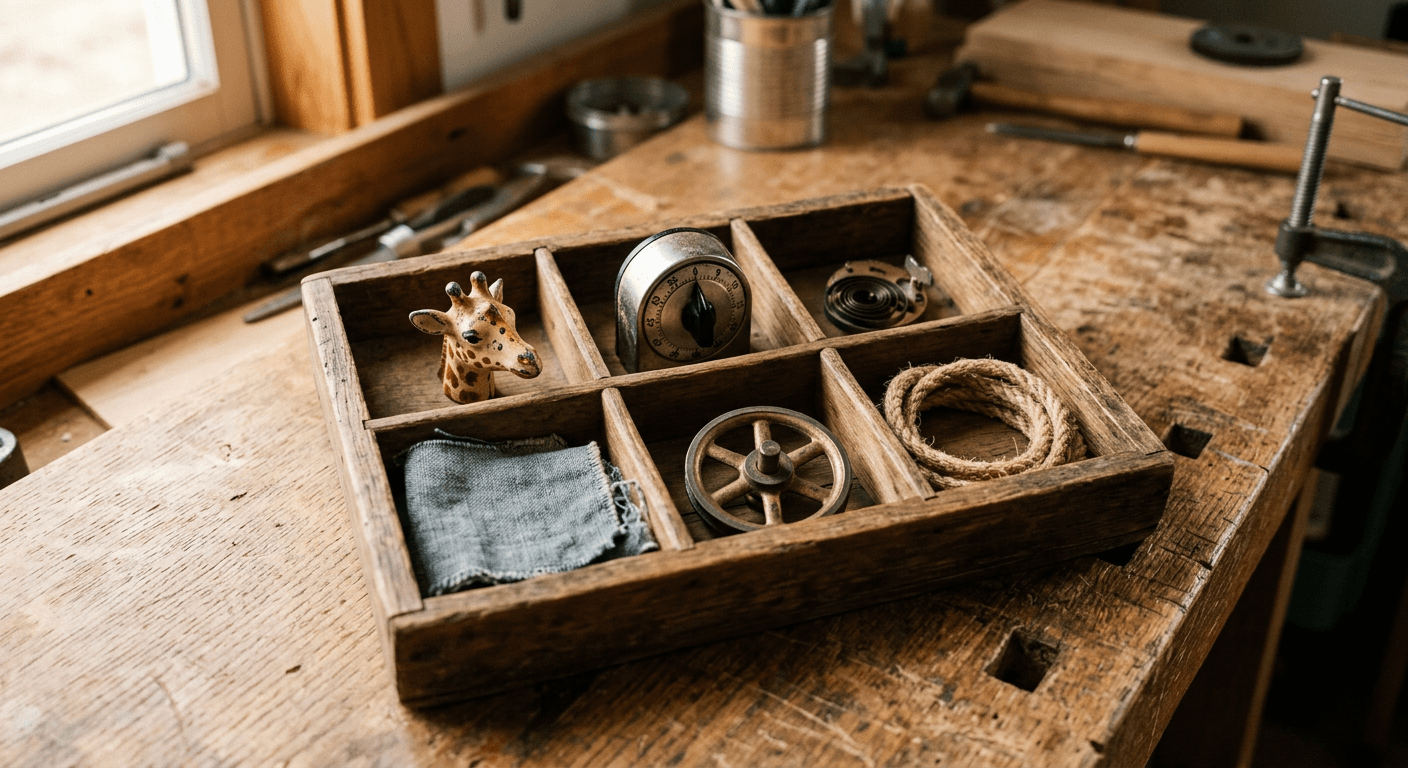
1) Character Concept and Design Prompts
The entire genre runs on one simple creative move: take one ordinary object and one animal, and physically fuse them in a way that keeps recognizable pieces of both. Start broad, generate a handful of options, and keep whichever one makes you laugh first. These six prompts are usable directly in Miraflow's AI image generator, and pair well with the character-consistency techniques covered in our guide on how to make consistent AI characters across multiple images, which matters once you start generating this same character from different angles for animation.
Prompt 1: Telephone and hedgehog
A small whimsical creature that fuses a vintage rotary telephone with the body and legs of a hedgehog, brass dial rings serving as its curled spines, a coiled phone cord acting as a tail, standing upright on tiny clawed feet, rendered as a 3D toy figurine with matte painted plastic texture, soft studio lighting, plain light gray background, centered composition, high detail.
Prompt 2: Accordion and wading bird
A small whimsical creature that fuses an accordion with the body of a long-legged wading bird, the bellows folding and unfolding like a chest, brass buttons running down its front like buttons on a coat, thin stilt legs ending in small round feet, rendered as a 3D toy figurine with matte painted texture, soft studio lighting, plain light gray background, centered composition, high detail.
Prompt 3: Step-ladder and snail
A small whimsical creature that fuses a wooden step-ladder with the body of a snail, the ladder rungs forming a spiraled shell on its back, small round wheels for feet, a single paint-splattered eye peering out from the top step, rendered as a 3D toy figurine with matte painted texture, soft studio lighting, plain light gray background, centered composition, high detail.
Prompt 4: Bicycle bell and pufferfish
A small whimsical creature that fuses a bicycle bell with the body of a round pufferfish, the bell mounted on top like a helmet, chrome spokes radiating outward like fins, a tiny bicycle pedal serving as its tail, rendered as a 3D toy figurine with matte painted texture, soft studio lighting, plain light gray background, centered composition, high detail.
Prompt 5: Colander and turtle
A small whimsical creature that fuses a kitchen colander with the body of a turtle, the colander forming a perforated domed shell that lets soft light shine through the holes, two small wooden spoon handles acting as front legs, rendered as a 3D toy figurine with matte painted texture, soft studio lighting, plain light gray background, centered composition, high detail.
Prompt 6: Alarm clock and rabbit
A small whimsical creature that fuses a wind-up alarm clock with the body of a rabbit, the round clock face forming its belly with hands that visibly point to a silly time, two curled bell hammers on top acting as ears, rendered as a 3D toy figurine with matte painted texture, soft studio lighting, plain light gray background, centered composition, high detail.
A trick worth stealing from the genre's actual top performers: the object should still be clearly recognizable as that object, not abstracted into a vague shape. Tralalero Tralala's sneakers still look like real sneakers, Bombardino Crocodilo's bomber plane wings still look like real wings. The comedy comes from the specific, literal collision of two clearly-identifiable things, not from a blurry blend of both. If your first generation reads as one confused shape instead of two obvious things stuck together, regenerate with more emphasis on keeping distinct, separable parts.
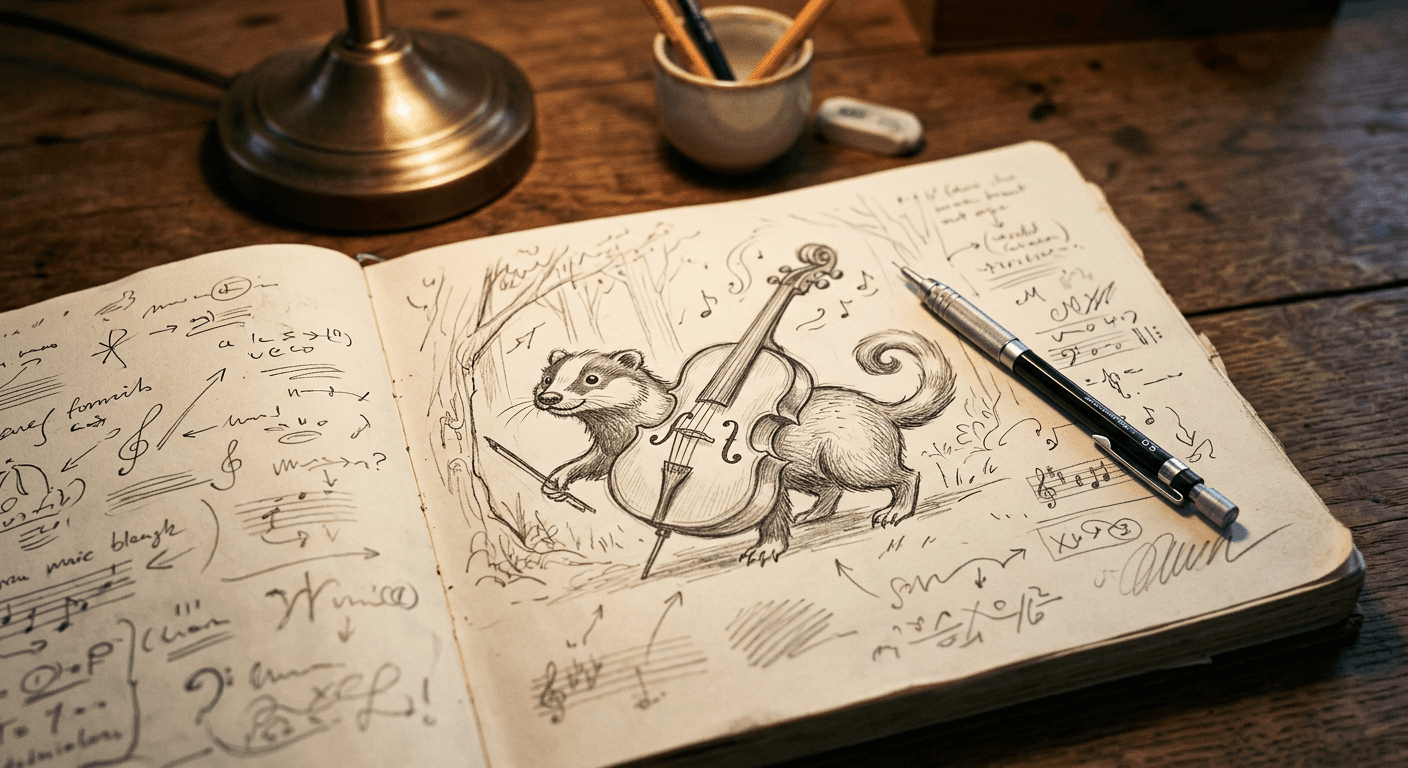
2) Backstory and Name Prompts
A hybrid creature is a shape. A character needs a name, a personality, and a reason people remember it, which is what actually turns a fun image into something people share, remix, and come back for. These four prompts are meant for a general-purpose AI chat assistant rather than an image generator, and work well as the very first step before you touch any visual tool at all.
Prompt 7: Original name and lore generator
Invent an original object-animal hybrid character in the style of Italian brainrot internet trends: a creature that combines [object] with [animal]. Give it: a rhythmic, alliterative, invented pseudo-Italian-sounding name, a one-sentence absurd backstory that explains nothing seriously, a signature catchphrase under ten words, and one silly special ability. Keep the tone deadpan and nonsensical rather than trying to be clever. Do not reference any existing brainrot character by name.
Prompt 8: A connected mini-cast
I am building a small original cast of three to five Italian-brainrot-style hybrid characters that all share one visual theme (for example: all combine kitchen objects with animals, or all combine musical instruments with animals). For each character, generate a short name, a one-line absurd bio, and a note on how they relate to the others in the group, so the set reads like a connected mini-universe rather than five unrelated jokes.
Prompt 9: A trivial rivalry
Write a short, deadpan one-paragraph rivalry backstory between two original hybrid characters I will describe: [character A] and [character B]. The conflict should be about something trivial and absurd, not a real threat, in the same nonsensical tone as viral internet creature memes. End with an unresolved, silly cliffhanger rather than a clean ending.
Prompt 10: A pack of catchphrases
Generate 10 short, rhythmic, nonsensical catchphrases (five words or fewer each) for an original hybrid creature character, in the same absurdist, sing-song, meme-ready tone as viral internet creature trends. Avoid real words that form coherent sentences with clear meaning, aim for playful sound and rhythm over logic.
Notice these prompts explicitly avoid naming any existing character. That is not just a legal precaution, it also forces genuinely new output instead of a thin remix of Tralalero Tralala with the serial numbers filed off, which is the trap most "brainrot generator" content falls into right now. If you want a broader library of character and story-driven prompt patterns, our guides on AI pet-to-human transformation prompts and AI action figure and toy box prompts use a similar character-first approach, just for different viral formats.
3) Animation Prompts
Once you have a character design and a name, the next step is making it move. Brainrot clips are typically eight to fifteen seconds, favor a static or slowly orbiting camera, and lean on toy-like, stop-motion style movement rather than smooth, lifelike animation, which is part of what makes the genre feel intentionally low-fidelity and shareable rather than polished. These five prompts work with Miraflow's cinematic video generator, and the JSON-structured example follows the same kind of field-by-field format covered in our Qwen Image 3.0 Pro prompts for infographics and dense layouts post, adapted here for motion instead of a static image.
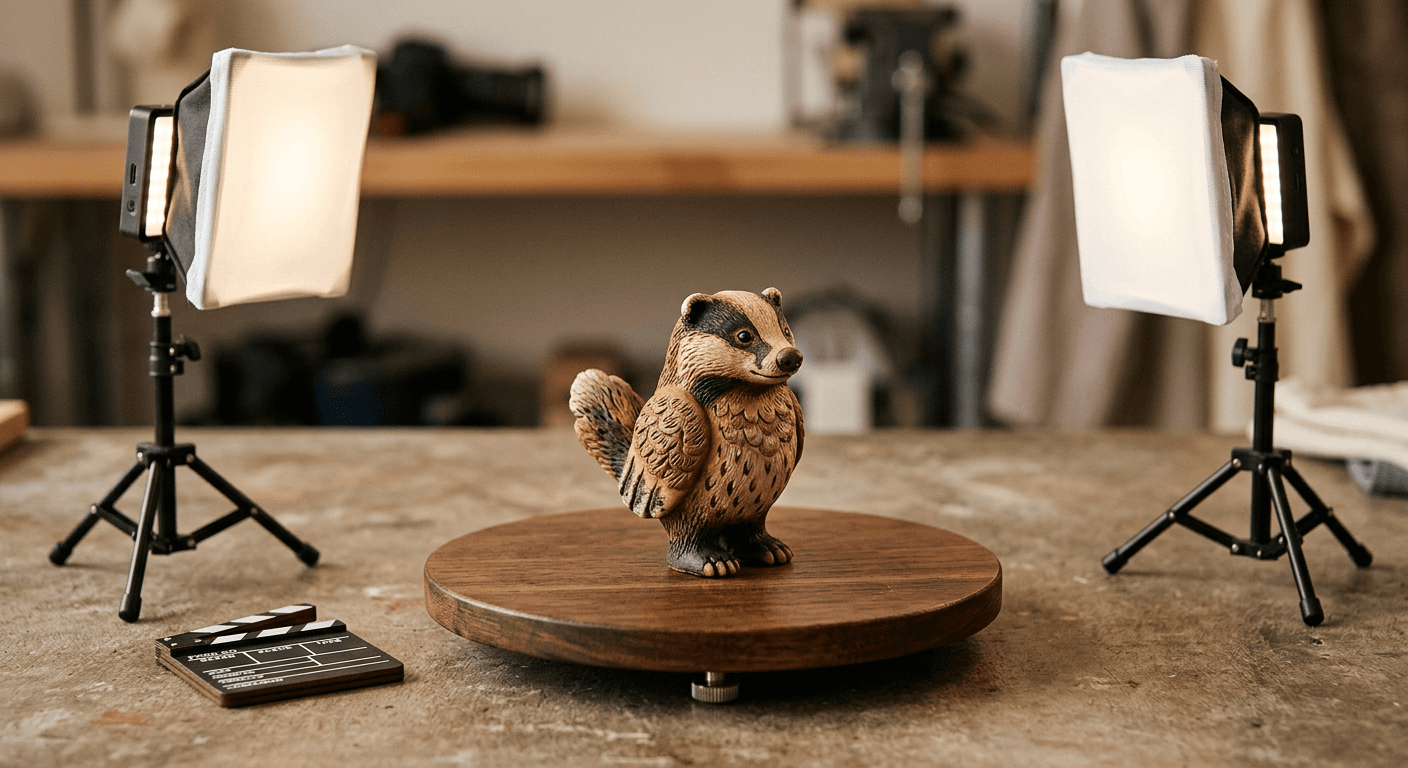
Prompt 11: Idle turntable loop (structured JSON prompt)
json/code
{
  "subject": "a small handcrafted toy figurine of an object-animal hybrid creature standing on a round wooden turntable",
  "action": "gently rocks side to side and blinks once, as if alive but stationary, no walking or leaving the turntable",
  "camera": "slow 180 degree orbit around the turntable at a low angle, smooth and steady",
  "lighting": "warm even studio lighting with soft shadows",
  "background": "plain seamless light gray backdrop",
  "duration_seconds": 6,
  "style": "stop-motion toy photography look, tactile material texture, no text overlays, no logos"
}
Prompt 12: Surprised reaction
The same handcrafted toy hybrid creature figurine from a fixed camera angle, suddenly perks up and leans toward the camera as if reacting to something surprising off-frame, ears or antenna-like parts twitching, then settles back to a resting pose, six seconds, stop-motion toy photography style, warm even studio lighting, plain light gray background, no text overlays, no logos.
Prompt 13: A simple hop
The same handcrafted toy hybrid creature figurine hops twice in place on a wooden tabletop, small dust puffs at its feet on landing, camera locked in a static low-angle shot, warm natural window lighting, shallow depth of field, six seconds, stop-motion toy photography style, no text overlays, no logos.
Prompt 14: Spotlight intro
A short title-card style intro shot: the handcrafted toy hybrid creature figurine sits centered on a wooden turntable under a single spotlight that slowly brightens from black, camera pushes in slowly, four seconds, cinematic stop-motion toy photography style, no text overlays, no logos, no people.
Prompt 15: Seamless spin loop
A seamless five second loop of the handcrafted toy hybrid creature figurine slowly spinning a full 360 degrees in place on its wooden turntable under soft even studio lighting, designed to loop cleanly with no visible cut, stop-motion toy photography style, no text overlays, no logos, no people.
A seamless loop, like Prompt 15, is worth generating for every character you build, since it becomes your default reusable asset: a profile picture animation, a channel intro bumper, or a background element you can drop behind other footage without regenerating anything. If you are packaging these clips into a full short rather than standalone loops, Miraflow's Text2Shorts can carry the same character through a scripted narrative arc instead of one-off clips, and our guide on how to make AI videos that go viral on TikTok and YouTube Shorts covers pacing choices that apply directly to this format.
4) Voice and Theme Song Prompts
The pseudo-Italian narration is arguably the single most recognizable ingredient in the genre, more than any individual character design. You do not need to imitate any specific existing voice pattern to capture that energy, an upbeat, slightly chaotic instrumental theme does a lot of the same work, especially paired with a chanted catchphrase from Prompt 10 above. These four prompts are built for Miraflow's AI music generator, which can turn a description like these into a finished, downloadable track in under a minute.
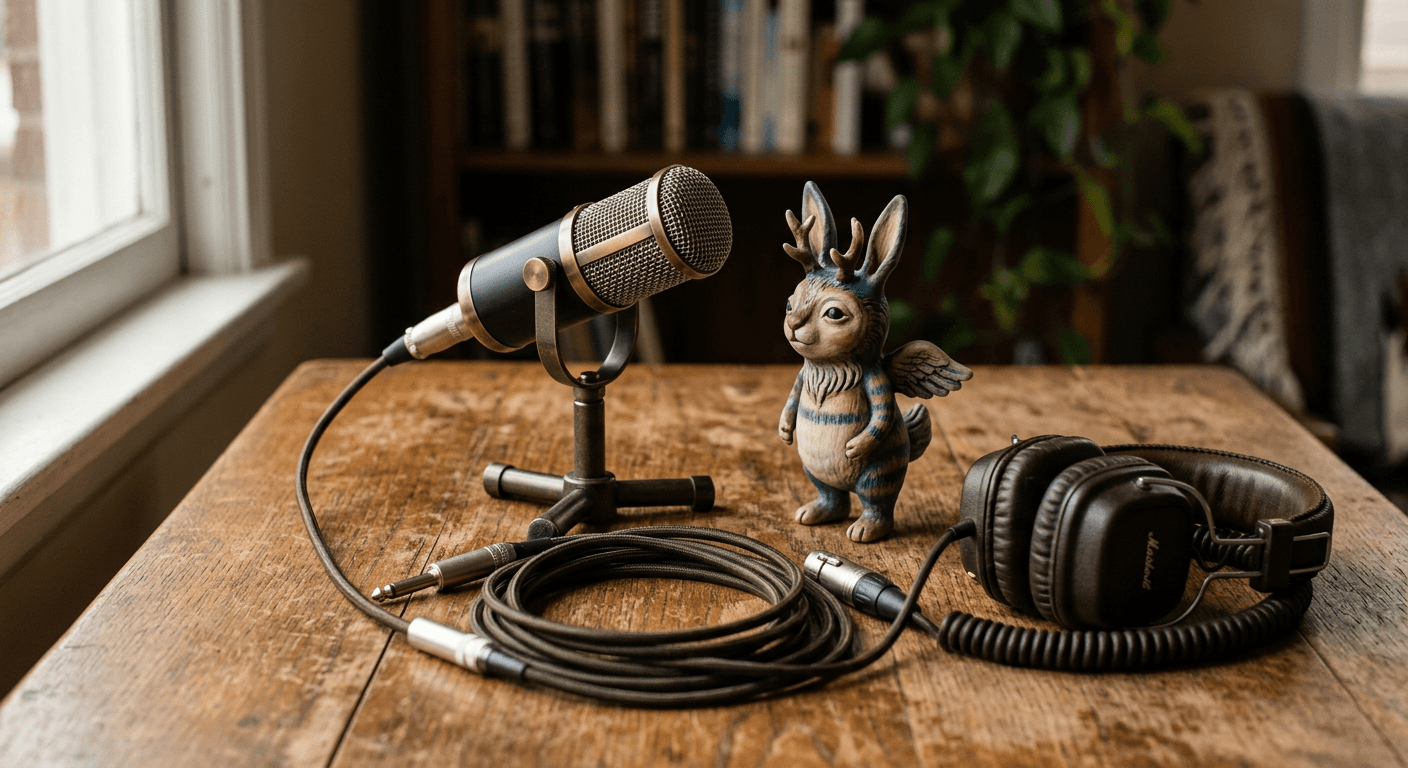
Prompt 16: Character theme song
A short 15 second instrumental theme song for a whimsical, nonsensical internet creature character, upbeat and playful accordion and light percussion, a bouncy sing-song melody with a repeating three-note hook, no lyrics, mixed to feel slightly chaotic and silly rather than polished, suitable as a loopable character intro jingle.
Prompt 17: A bed for rhythmic narration
A short 10 second instrumental audio bed with a light, playful, bouncy rhythm and a single recurring melodic phrase repeated with slight variation each time, built to sit under a rhythmic spoken chant, no lyrics, upbeat and slightly comedic in tone, clean loop point at the end.
Prompt 18: Call-and-response chant bed
A 20 second instrumental music bed with a marching, rhythmic pulse and a call-and-response feel built into the arrangement, bright playful instrumentation, no lyrics, designed so a chanted catchphrase could be layered rhythmically on top of the beat.
Prompt 19: A calmer alternate version
A slow, gentle 15 second instrumental variant of a playful character theme, using soft music box and light strings instead of upbeat percussion, calm and slightly whimsical, no lyrics, suitable as an alternate mellow version of a character's usual energetic theme.
Once you have an instrumental bed, layering a chanted catchphrase from Prompt 10 on top, even just your own voice or a simple text-to-speech read, gets you most of the way to the genre's signature sound without depending on any single voice model. Our roundup of 20 AI music prompts for YouTube, Reels, and TikTok has more variations on short, loopable, platform-ready tracks if you want additional starting points beyond character themes specifically.
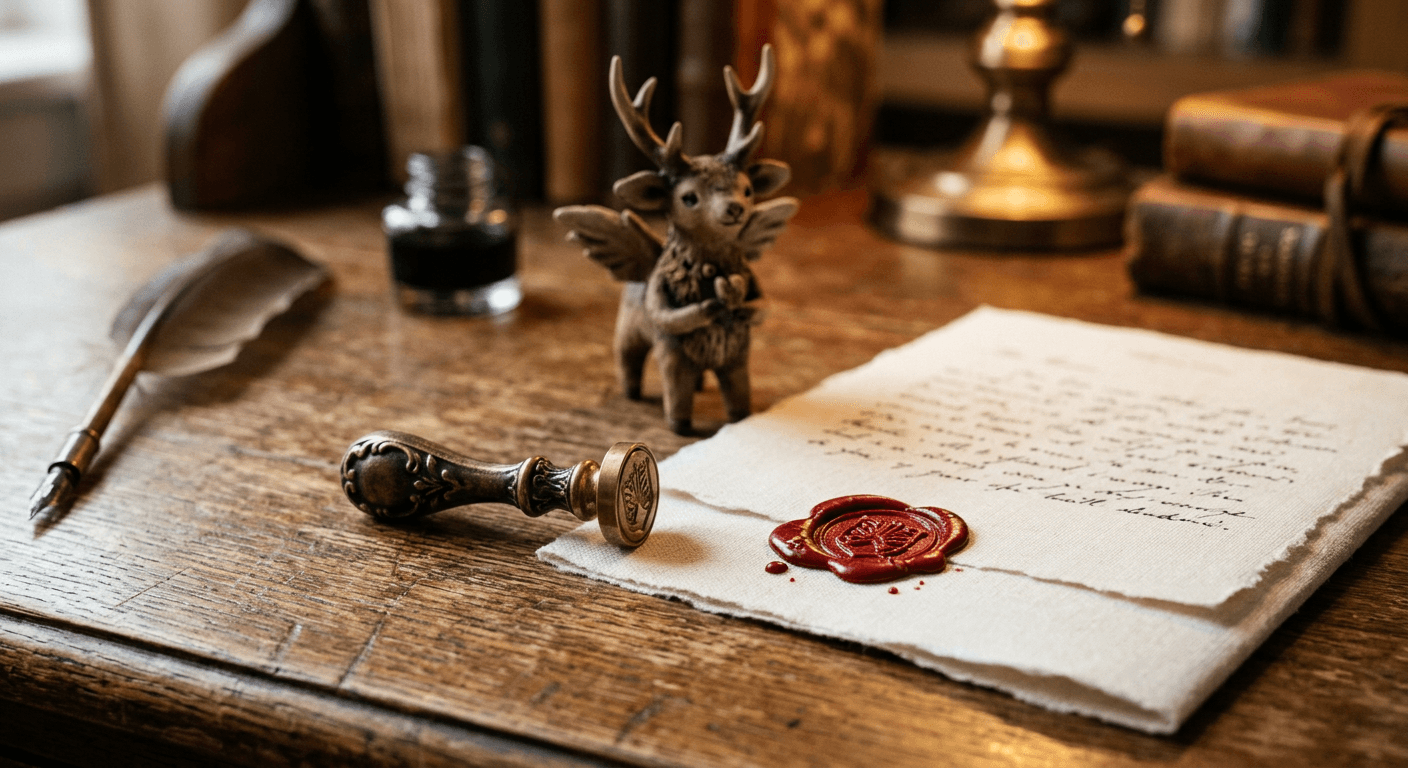
5) Thumbnail and Social Prompts
A great character design still needs a thumbnail that stops the scroll, and brainrot content lives or dies on the first frame someone sees in their feed. These four prompts are built for Miraflow's YouTube Thumbnail Maker, and lean on the same high-contrast, subject-forward composition principles covered in our best AI prompts for YouTube thumbnails guide.
Prompt 20: Hero close-up thumbnail
A bold YouTube thumbnail composition featuring a close-up of a colorful handcrafted toy hybrid creature figurine centered against a bright, high-contrast solid color background, dramatic rim lighting, slight low camera angle to make the figurine feel larger than life, plenty of empty space at the top reserved for bold text to be added later, punchy saturated colors, no text baked into the image.
Prompt 21: Two-character comparison thumbnail
A split-composition YouTube thumbnail showing two different colorful handcrafted toy hybrid creature figurines facing each other from opposite sides of the frame with a bold diagonal divider line between them, dramatic contrasting rim lighting on each side, bright saturated background colors, empty space near the top and bottom for text to be added later, no text baked into the image.
Prompt 22: Character roster grid
A neat two by three grid of six small colorful handcrafted toy hybrid creature figurines, each photographed from a slightly different angle on a plain bright background, evenly spaced with consistent lighting across all six, designed to work as an Instagram carousel cover or a character roster graphic, no text baked into the image.
Prompt 23: Behind-the-scenes Shorts cover
A YouTube Shorts cover image showing a colorful handcrafted toy hybrid creature figurine sitting on a small turntable surrounded by visible miniature studio lights and a tiny clapperboard prop, framed to feel like a behind-the-scenes peek at how the character was filmed, bright even lighting, vertical 9:16 composition, empty space near the top for a short caption to be added later, no text baked into the image.

Note that every thumbnail prompt above deliberately leaves empty space and skips baked-in text. Generate the visual first, then add your actual title text as a separate layer, since AI image models still render small text unreliably, and a clean composition gives you full control over exactly what the title says. If you are scripting out a full video around the character rather than a single clip, our AI prompts for YouTube Shorts scripts post covers hook-writing patterns that translate well to introducing a new character for the first time.
How to Customize These Prompts
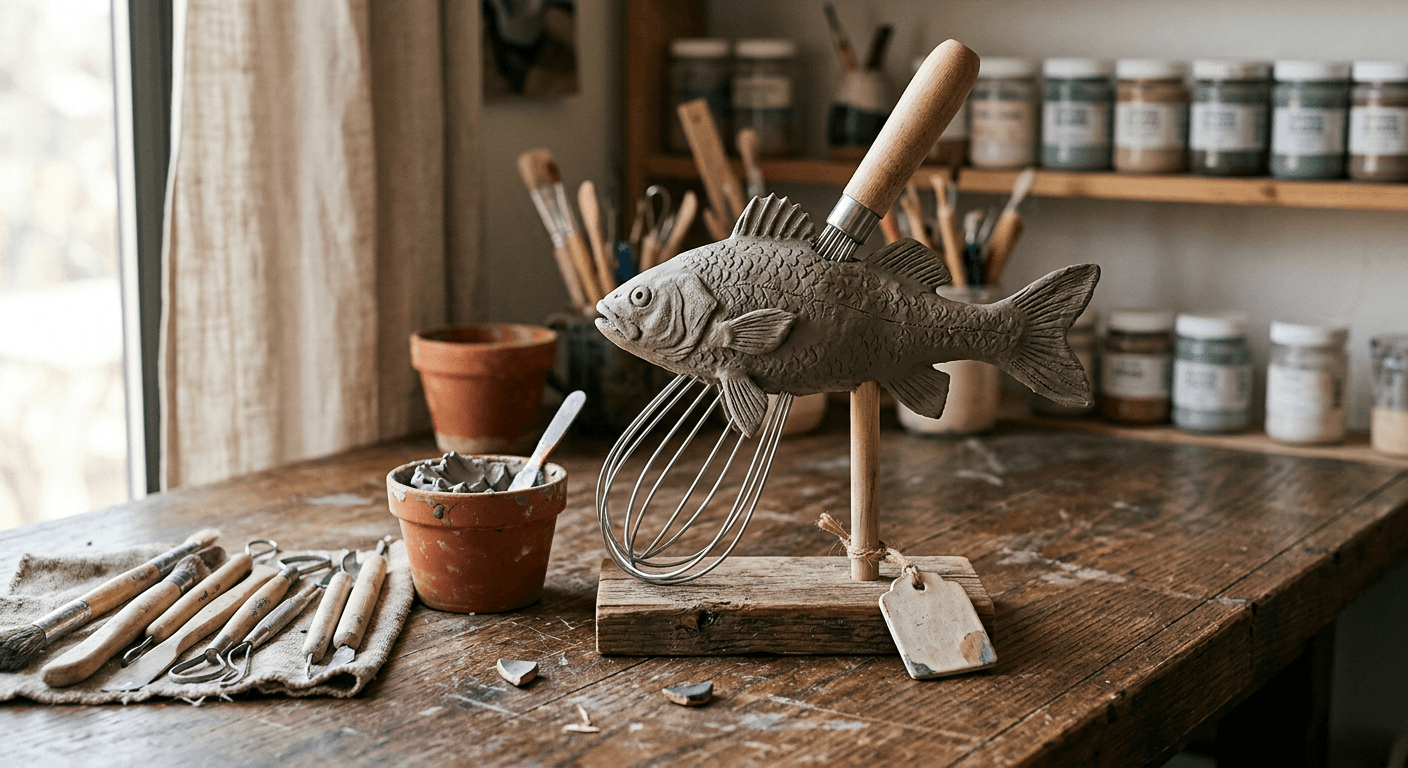
Swap the object and animal pairing in Prompts 1 through 6 for anything specific to your own niche. A cooking channel could build a whisk-and-octopus hybrid, a fitness page could build a dumbbell-and-cheetah hybrid, a tech channel could build a keyboard-and-owl hybrid. The underlying formula, one clearly recognizable object plus one clearly recognizable animal, stays identical no matter what you plug in, which is exactly why it scales into a recurring content series instead of a single one-off post.
Keep a consistent color palette and material style, matte painted plastic toy texture is used throughout the prompts above on purpose, across every image and clip for the same character. Consistency across generations is what makes a character feel like an actual established character rather than a series of disconnected images, and it is the same principle covered in more depth in our guide on making consistent AI characters across multiple images.
Common Mistakes Creators Make With This Trend
The most common mistake is regenerating an existing named character instead of building an original one. Beyond the live legal uncertainty over who actually owns those designs, it also means competing directly with thousands of other creators posting the exact same character, in a genre where the appeal already leans heavily on novelty.
Another frequent mistake is over-explaining the joke. Brainrot content works because it commits fully to nonsense without winking at the camera or narrating why it's funny. A caption that explains the concept kills the format's core appeal, which depends on total deadpan commitment to something that makes no sense.
A third mistake is skipping the loop-friendly animation entirely and only ever posting single static images. The genre's replay value comes specifically from short, tight, repeatable video loops, which is why Prompt 15's seamless spin loop is worth generating for every character, even ones you mainly think of as image-first.
Finally, many creators abandon a character after one post instead of building a small connected cast, the way Prompt 8 encourages. The actual breakout franchises in this space, the ones that spawned merchandise and games, all built an ongoing universe with recurring characters rather than a single disconnected joke, and that repeat exposure is what turns a fun image into an actual recognizable brand.
Bringing It All Together in Miraflow AI
Every step in this workflow, concept art, animation, voice, and thumbnail, can run through Miraflow AI without switching tools or exporting between separate apps. Design the character in the AI image generator, animate it with the cinematic video generator or Text2Shorts, score it with the AI music generator, and package the result with the YouTube Thumbnail Maker, all from one browser tab. That matters more than it sounds for a format like this one, where the whole appeal is how fast a new character idea can go from a two-line description to a finished, postable clip.
Frequently Asked Questions
Is it legal to recreate an existing Italian brainrot character like Tung Tung Tung Sahur? The ownership status of these characters is currently being litigated in court, so it is genuinely unsettled. Building your own original character sidesteps that uncertainty entirely and gives you a design you can actually claim as yours.
Do I need any special AI tools to make brainrot-style content? No. An AI image generator for the character design, a text-to-video tool for animation, and an AI music generator for the theme are the three core ingredients, all of which are available inside Miraflow AI in one place.
Why do these characters use pseudo-Italian names and narration? It started as a specific stylistic choice among the earliest viral examples in the genre and became a genre convention that audiences now expect, similar to how a specific font or color grade becomes associated with a content style.
How long should a brainrot-style clip actually be? Most successful examples in the genre run eight to fifteen seconds, short enough to loop or rewatch instantly, which matters more for this format than a longer, more polished production.
Can I build a whole channel around one original character? Yes, and it tends to perform better than one-off posts. Building a small connected cast with recurring characters, as covered in Prompt 8 above, gives an audience a reason to keep following rather than scrolling past a single joke.
What if my character idea doesn't feel funny enough? Generate several object-and-animal pairings quickly rather than overthinking one. The genre rewards volume and specificity, a very literal, very recognizable combination usually lands better than a clever or subtle one.
Conclusion
Italian brainrot's court fight is a genuine turning point for anyone making this kind of content, not just a footnote for lawyers. Instead of adding to the pile of Tralalero Tralala remixes, use the 23 prompts above to design, name, animate, voice, and package a character that is actually your own, built entirely with tools you already have access to inside Miraflow AI. The format's formula is simple enough to run again and again: pick an object, pick an animal, commit fully to the nonsense, and give your character a reason to come back for a second video.