AI Prompts for TikTok Content: 20 Templates That Get Views

Written by
Jay Kim

Most TikTok creators have ideas but no structure. These 20 copy-paste AI content templates give you the hook, the arc, and the format for TikTok videos that actually perform algorithmically.
Most TikTok creators are not running out of ideas. They are running out of time to turn their ideas into well-structured, fully produced content fast enough to post consistently. The gap between having a concept and having a finished video that hooks attention in the first two seconds, delivers value across 30 to 60 seconds, and ends with something viewers want to share is where most posting schedules fall apart.
AI tools have changed this workflow significantly in 2026. When you can generate a script structure, produce visual content, and create background audio in a single session, the bottleneck shifts from production to ideation. The 20 templates in this guide are designed to solve the ideation side: each one is a complete content prompt that tells you the format, the hook structure, the content arc, and the production approach for a TikTok video that performs well algorithmically.
These are not vague topic suggestions. They are specific, actionable templates you can paste into an AI script generator or use directly as a content brief, organized by content format and audience intent.
Why TikTok Content Templates Outperform Open-Ended Ideation
Generating TikTok content ideas from scratch every day produces diminishing returns quickly. The ideas you come up with under time pressure tend to be either variations of content you have already made or overly broad concepts that do not translate naturally into a strong hook.

Templates solve this by giving you a proven structure to fill with your specific topic knowledge. The format determines the hook type, the pacing, and the way information is delivered. Your expertise or niche provides the specific content. When a proven structure meets specific, relevant content, the resulting video has a much higher probability of clearing the algorithmic threshold that pushes it to a broad audience.
TikTok's algorithm in 2026 distributes content based on how viewers behave in the first few seconds and across the full video. A video that earns a high completion rate and strong engagement signals from its initial test audience gets pushed to progressively larger audiences. The templates in this guide are built around the content structures that consistently produce those behavioral signals, which is what makes them worth using as a systematic starting point rather than just a creative crutch.
For context on how short-form video algorithms respond to content structure and behavioral signals, the new creator stack for AI Shorts, Reels, and TikTok covers the cross-platform algorithm dynamics that affect TikTok distribution alongside YouTube and Instagram.
How to Use These Templates
Each template includes a format description, the hook structure, the content arc, and a complete prompt you can paste directly into an AI script generator or use as a production brief.
The prompts are written to work as inputs for AI content tools that generate scripts from text descriptions. They also work as briefs for manually produced content, giving you the structure and angle without requiring you to figure out the creative direction from scratch.
Adapt the bracketed variables in each template to your specific niche, topic, and audience. The structure is the reusable part. The content inside it is yours.
Category 1: Educational and Informational Templates
These formats perform consistently well on TikTok because the platform's For You Page actively distributes content that teaches viewers something specific. Educational content earns strong saves and shares, which are the engagement signals that drive the widest algorithmic distribution.
Template 1: The Single Fact That Changes Everything
For creators covering science, history, psychology, finance, health, and any niche where one specific piece of information shifts how the viewer thinks about a topic.
Prompt
Write a 30-second TikTok script structured around a single surprising or counterintuitive fact about [topic]. Open with the fact stated directly in the first 3 seconds without preamble. Spend the next 15 seconds explaining why this fact is true and what most people misunderstand about it. End with one practical implication or action the viewer can take based on what they just learned. Tone: authoritative but conversational, no filler words, no vague opening statements.
Template 2: The 3 Things You Did Not Know
For niche expertise content where the creator positions themselves as a knowledgeable insider sharing information the general audience has not encountered before.
Prompt
Write a 45-second TikTok script structured as three specific things most people do not know about [topic or industry]. Open with a curiosity hook in the first 3 seconds that implies the viewer is missing important information. Deliver each of the three points in 10 to 12 seconds with a specific fact or insight for each one. End with a brief summary statement that ties all three together. No generic advice, only specific and surprising information a genuine expert would share.
Template 3: The Common Mistake Breakdown
One of the highest-performing TikTok formats because it activates a viewer's fear of doing something wrong, which drives both watch-through and save behavior.
Prompt
Write a 40-second TikTok script about a common mistake people make with [topic or task]. Open the first 3 seconds by naming the mistake directly and implying that many viewers are making it right now. Spend 20 seconds explaining specifically why the mistake happens and what damage it causes. Spend the final 15 seconds explaining the correct approach with one actionable step. Tone: helpful and non-judgmental, positioned as a creator who has seen this mistake frequently and wants to help.
Template 4: The Expert Shortcut
For content positioning the creator as someone with insider knowledge that saves viewers significant time, money, or effort.
Prompt
Write a 35-second TikTok script structured around one specific shortcut, trick, or insider approach to [topic or task] that most people in the niche do not know. Open with a direct statement of the benefit the viewer will get from the shortcut in the first 3 seconds. Explain exactly how the shortcut works in the middle 20 seconds with specific steps, not general principles. End with a hook inviting the viewer to follow for more insider approaches. Specific and practical throughout, no vague general advice.
Template 5: The Myth vs Reality
For creators who want to correct widespread misconceptions in their niche while positioning themselves as a trustworthy authoritative source.
Prompt
Write a 45-second TikTok script structured around a widely believed myth about [topic] and the reality that contradicts it. Open with the myth stated confidently as if you believe it, then in second 5 shift to challenging it. Spend 25 seconds presenting the real evidence or correct understanding with specific supporting details. End with a practical takeaway that helps the viewer apply the correct understanding. No hedging language, be specific about what the evidence actually shows.
Category 2: Storytelling and Personal Experience Templates
Storytelling formats earn the highest watch-through rates on TikTok because narrative tension mechanically carries viewers forward. These templates structure personal or observed stories into formats that maximize the behavioral signals TikTok's algorithm rewards most.
Template 6: The Lesson I Learned the Hard Way
Authentic personal experience content consistently earns strong engagement because it combines entertainment value with practical insight.
Prompt
Write a 50-second TikTok script structured as a personal story about learning a hard lesson related to [topic or life experience]. Open mid-story in the moment when things went wrong, do not start from the beginning. Build context across the first 20 seconds without resolving the tension. Deliver the lesson and resolution in the next 20 seconds with specific detail about what changed. End with a one-sentence takeaway the viewer can apply to their own situation. Tone: honest and reflective, not self-pitying, genuine rather than performative.
Template 7: The Thing Nobody Told Me
For content that positions the creator as an honest insider sharing what they wish they had known before starting something that the viewer may be about to attempt.
Prompt
Write a 40-second TikTok script about something the creator wishes someone had told them before they started [experience, career, project, or life stage]. Open with a direct statement of what nobody told you and why it would have mattered. Spend 25 seconds explaining specifically what you had to figure out the hard way and what knowing it earlier would have changed. End with practical advice for someone who is about to start the same journey. Conversational and honest, no motivational language or generic life advice.
Template 8: The Unexpected Outcome Story
Stories built around unexpected or counterintuitive outcomes earn high completion rates because viewers want to find out what happened.
Prompt
Write a 45-second TikTok script about a situation related to [topic] where the outcome was completely different from what was expected. Open by describing the setup and the reasonable expectation of how it would go, in the first 10 seconds. Build tension in the middle 20 seconds by escalating what was at stake. Deliver the unexpected outcome and explain why it happened in the final 15 seconds. Tone: engaging storytelling with a clear payoff, do not reveal the outcome in the opening.
Category 3: Opinion and Perspective Templates
Opinion content on TikTok drives comment engagement and shares more consistently than most other formats because it invites viewers to respond. These templates structure opinions in ways that generate discussion rather than passive consumption.
Template 9: The Hot Take
Structured contrarian opinions that challenge popular views in a specific niche generate the comment engagement that TikTok's algorithm treats as a strong distribution signal.
Prompt
Write a 35-second TikTok script presenting a specific contrarian opinion about [topic] that the majority of people in the niche would disagree with. Open with the opinion stated directly and confidently in the first 3 seconds. Spend 20 seconds presenting the reasoning behind the opinion with specific evidence or examples, not just assertion. End with a question that invites viewers to share their perspective in the comments. Tone: confident but not dismissive, make the argument genuinely and acknowledge that others will disagree.
Template 10: The Unpopular Advice
For creators who want to offer genuine contrarian practical advice that goes against the common wisdom in their niche.
Prompt
Write a 40-second TikTok script presenting advice about [topic] that goes against what most people in the space recommend. Open by naming the common advice directly and acknowledging that most people give it. Spend 20 seconds explaining specifically why this advice is wrong or incomplete in practical terms, using concrete examples. Deliver the alternative advice in the final 10 seconds. Tone: practical and grounded, not inflammatory, the goal is to be genuinely more useful than the standard advice.
Template 11: The Question Everyone Is Afraid to Ask
Addresses a topic that viewers privately wonder about but rarely see discussed directly on the platform.
Prompt
Write a 35-second TikTok script that directly addresses an uncomfortable or taboo question about [topic or industry] that people think about but rarely ask publicly. Open by naming the question directly in the first 3 seconds. Spend 20 seconds giving an honest, specific answer without deflecting or hedging. End with the practical implication of the honest answer for the viewer. Tone: direct and honest without being sensational, the value is in saying what others avoid saying.
Category 4: Tutorial and How-To Templates
Tutorial content on TikTok performs well when the process being taught is specific enough to be completed within the video's timeframe and valuable enough that viewers save it for reference. These templates are structured to maximize both completion rate and save rate.
Template 12: The 60-Second Tutorial
For skills or processes that can be meaningfully demonstrated or explained in one minute with enough specificity to be immediately useful.
Prompt
Write a 60-second TikTok tutorial script teaching viewers how to [specific skill or task] in a step-by-step format. Open by stating exactly what the viewer will be able to do by the end of the video, in 5 seconds. Walk through 4 to 6 specific numbered steps in the remaining 50 seconds, spending 8 to 10 seconds on each step. End with a brief statement of the result they should now be able to achieve. No preamble, no motivation speech, begin immediately with step one after the opening promise.
Template 13: The Before and After Process
Visual transformation content earns strong watch-through because viewers want to see the finished result, and strong saves because they plan to attempt the process themselves.
Prompt
Write a 45-second TikTok script structured around showing the before state and after state of [transformation, project, or process], with the steps connecting them in the middle. Open by showing or describing the unsatisfying before state in 5 seconds. Walk through 3 to 4 specific steps in 30 seconds that produce the transformation. End with the after state in 10 seconds and a brief statement of how long or how much effort the process required. Keep the steps specific and practical enough that viewers could actually follow them.
Template 14: The Tool or Resource Recommendation
For content that introduces viewers to a specific tool, resource, or approach they were not aware of before watching.
Prompt
Write a 40-second TikTok script introducing viewers to a specific tool, app, or resource that helps with [task or problem]. Open by describing the problem the tool solves in 5 seconds in a way the viewer will immediately recognize. Spend 25 seconds demonstrating or explaining exactly how the tool addresses the problem with specific feature or capability references. End with a clear statement of where to find or access the tool and who it is most useful for. Tone: informative and enthusiastic without overselling.
Category 5: Trending and Timely Content Templates
Trend-based content on TikTok benefits from the platform's active distribution of content related to trending topics and sounds. These templates help creators produce relevant, high-quality content around trends faster than organic ideation allows.
Template 15: The Trend Explanation
For creators who want to explain why a trend is happening, positioning themselves as an analyst or expert commentator rather than just a participant.
Prompt
Write a 45-second TikTok script explaining why [current trend or viral topic] is actually happening, going deeper than the surface-level version most people know. Open by acknowledging that viewers have probably seen or heard about the trend already, in 5 seconds. Spend 30 seconds explaining the real underlying reasons, mechanisms, or history that most viewers do not know. End with a prediction or implication about what happens next. Tone: analytical and informed, the value is the depth of explanation not just acknowledgment of the trend.
Template 16: The Timely Lesson
For connecting a current event, trend, or cultural moment to a broader principle that is relevant to the creator's niche and audience.
Prompt
Write a 40-second TikTok script that uses [current event or trend] as the hook to teach a principle related to [creator's niche topic]. Open with a reference to the current event in 5 seconds that will immediately be recognized by the viewer. Spend 25 seconds drawing a specific connection between the event and the lesson, using the event as an illustrative example rather than the point itself. End with a practical takeaway that applies beyond the specific event. Tone: thoughtful and insightful, not opportunistic.
Category 6: Community and Engagement Templates
These formats are specifically designed to generate comment engagement and shares rather than purely passive consumption. High comment engagement rates signal viewer investment to TikTok's algorithm and drive distribution to audiences beyond your current followers.
Template 17: The This or That
Comparison content invites immediate opinion-sharing and generates comments because viewers have low friction responses to simple choice prompts.
Prompt
Write a 30-second TikTok script structured as a direct comparison between two approaches, philosophies, or options related to [topic], ending with a question asking viewers which they prefer. Open by introducing the comparison in 5 seconds. Spend 20 seconds giving a fair and specific one-sentence case for each option. End with a direct question to the viewer asking which they choose and why. Make the comparison genuinely interesting rather than obviously favoring one side, the goal is to generate real discussion not just a predictable outcome.
Template 18: The Would You Rather Scenario
Hypothetical scenario content generates strong comment engagement because every viewer has an opinion and the stakes are low enough to make sharing it feel easy.
Prompt
Write a 30-second TikTok script presenting a specific would-you-rather scenario related to [topic or life experience]. Open by presenting the scenario clearly in 10 seconds with the two options stated specifically. Spend 15 seconds explaining why both options have genuine appeal and genuine downsides, making the choice feel genuinely difficult. End by sharing your own choice and the reason, then asking viewers what they would choose. The scenario should feel relevant to the creator's niche and audience rather than random.
Template 19: The Relate If
Shared experience content earns strong like rates and saves because viewers use it to express identity and share it with people who they think will relate.
Prompt
Write a 30-second TikTok script structured as a series of specific, highly relatable experiences related to [shared experience, lifestyle, or identity]. Open with one specific relatable moment in the first 5 seconds that immediately signals to the target viewer this content is about them. Deliver 4 to 6 additional specific relatable moments across 20 seconds, each one more specific and accurate than the last. End with a direct invitation to comment if they relate or to tag someone who will understand. The specificity of the observations is what makes these videos work, avoid generic relatable statements that apply to everyone.
Template 20: The Prediction or Challenge
For creators who want to make bold specific claims or set challenges that generate responses, follow-up content opportunities, and strong engagement signals.
Prompt
Write a 35-second TikTok script in which the creator makes a specific bold prediction about [topic or trend] and explains the reasoning behind it. Open with the prediction stated directly and specifically in the first 5 seconds. Spend 20 seconds laying out the specific evidence or reasoning that supports the prediction. End by acknowledging what would have to be true for the prediction to be wrong and inviting viewers to respond with their own predictions or push back. Tone: confident but intellectually honest, the goal is to generate genuine discussion not just controversy.
How to Turn These Templates Into Full TikTok Videos Using AI
Having a strong script structure is the first step, but turning it into a published TikTok video still requires visual content, audio, and editing. AI production tools have made this full pipeline significantly faster in 2026.

For creators building faceless TikTok content or content with AI-generated visuals rather than face cam footage, Miraflow AI's Text2Shorts generates complete vertical videos from a topic description, including script generation, scene-specific visual prompts, voiceover, and pacing. The workflow aligns well with the template approach in this guide: you define the content angle using a template, input it into Text2Shorts, edit the generated script to match your voice, and produce the finished video without switching between multiple tools.
For TikTok content that requires more visually cinematic production, such as dramatic storytelling formats, product showcase videos, or high-quality lifestyle content, the cinematic video generator produces original video clips from prompts that can be used as visual foundations for more complex TikTok productions.
What Makes TikTok Content Perform Well in 2026
Understanding the platform dynamics helps you make better decisions about which templates to prioritize for your specific audience and content goals.

TikTok's distribution algorithm in 2026 evaluates content primarily through viewer behavior in the first distribution window. When a video earns a high completion rate, strong like-to-view ratio, and comment or share engagement from the initial small audience it is shown to, the algorithm expands distribution to progressively larger audiences. This sequence is the mechanism behind every piece of TikTok content that breaks out to wide organic reach.
The templates in this guide are structured around the content formats that consistently produce strong behavioral signals in that initial distribution window. Educational content earns saves. Opinion content earns comments. Story content earns completion. Each format activates different viewer behaviors, and the strongest TikTok strategies use multiple formats to generate diverse signal types rather than optimizing for a single engagement category.
Hook quality is the single biggest variable Across all 20 templates, the hook, the first two to three seconds of the video, is the element that determines whether viewers watch further or scroll away. TikTok's feed is a continuous stream of alternatives, and the decision to stay or leave happens essentially instantly. Every template in this guide is structured with an explicit hook instruction for this reason. The hook is not optional or flexible. It is the mechanism that makes everything else in the video matter.
For a detailed breakdown of hook psychology and the specific hook structures that earn the highest completion rates on short-form video platforms, YouTube video hooks in 2026 covers the principles that apply equally to TikTok despite being framed around YouTube.
Completion rate beats raw view count A TikTok video watched completely by 50,000 people is algorithmically more valuable than a video seen by 200,000 people who mostly scroll away in the first three seconds. The templates that produce the highest completion rates are the ones built around narrative tension, information that builds across the video, and structures where the viewer needs to watch through to get the value they came for.
The comment section extends distribution TikTok actively pushes content that generates comments because comment activity extends the time users spend on the app and on that specific content piece. Templates 9 through 11 and 17 through 20 are specifically designed to end with questions or scenarios that invite comment responses. For creators trying to maximize reach from each piece of content, building comment generation into the structure from the start is more effective than hoping viewers will comment organically.
Adapting These Templates for Instagram Reels and YouTube Shorts
All 20 templates in this guide were developed for TikTok but work equally well for Instagram Reels and YouTube Shorts because the fundamental content dynamics are the same across all three platforms: short vertical video, algorithm-driven distribution based on behavioral signals, and viewers who make an instant decision about whether to keep watching.
The primary adaptation required for YouTube Shorts specifically is that the hook needs to be front-loaded even more aggressively, since YouTube Shorts viewers include a larger proportion of users who discovered the content through search rather than pure feed scrolling. For search-discovered Shorts, the first few seconds need to confirm that the video delivers exactly what the title or search query promised.
For Instagram Reels, the templates that perform best tend to be the visually distinctive ones where the opening frame creates strong visual curiosity alongside the verbal or text hook. Instagram's audience responds strongly to aesthetic quality and visual hooks in a way that slightly differs from TikTok's more personality-driven engagement patterns.
For creators building content across all three platforms simultaneously from the same templates, the new creator stack for AI Shorts, Reels, and TikTok covers the workflow and adaptation strategies for multi-platform short-form content production efficiently.
5 Common Mistakes When Using AI Prompts for TikTok Scripts
Generating scripts that sound like AI The most immediate way to lose TikTok viewers is producing content that sounds written by an algorithm rather than spoken by a person. AI-generated scripts need human editing before recording. Read every generated script out loud and revise any sentence that you would not naturally say. The goal is a script that sounds like you talking, not a document that was optimized for information density.
Using the same template too often Rotating through multiple template types across your posting schedule keeps your content feeling fresh to regular viewers and generates diverse engagement signals to the algorithm. Using the same structural format for every video makes your channel feel monotonous regardless of how different the topics are. Aim to use each template no more than once in any five-video run.
Ignoring the niche-specificity requirement The templates work because of their structure, but they only convert viewers into followers when the content inside them is specific and credible to your niche. Generic content that could apply to any niche in any template does not build the audience relationship that converts viewers into engaged subscribers. Fill each template with the most specific, accurate knowledge you have rather than safe generalizations.
Skipping the call to action Several of the templates above include explicit calls to action at the end. These matter because TikTok viewers who are not prompted to engage often do not, even if they enjoyed the content. A direct question, a save reminder, or an invitation to follow for more serves as the behavioral prompt that converts a passive watch into the engagement signals that expand your reach.
Treating the template as the final script Templates are starting structures, not finished scripts. The best TikTok creators use templates as frameworks and then inject their specific voice, personality, and perspective into every line. A template used verbatim across multiple creators produces identical content. A template used as a framework with individual creator voice produces something distinctive. The structure is the reusable part. Everything else should be uniquely yours.
Building a 30-Day TikTok Content Calendar From These Templates
Using all 20 templates across a 30-day calendar gives you a rotation that covers all major engagement signal types, reaches viewers in different mindsets and intent states, and builds multiple dimensions of creator authority with your audience simultaneously.
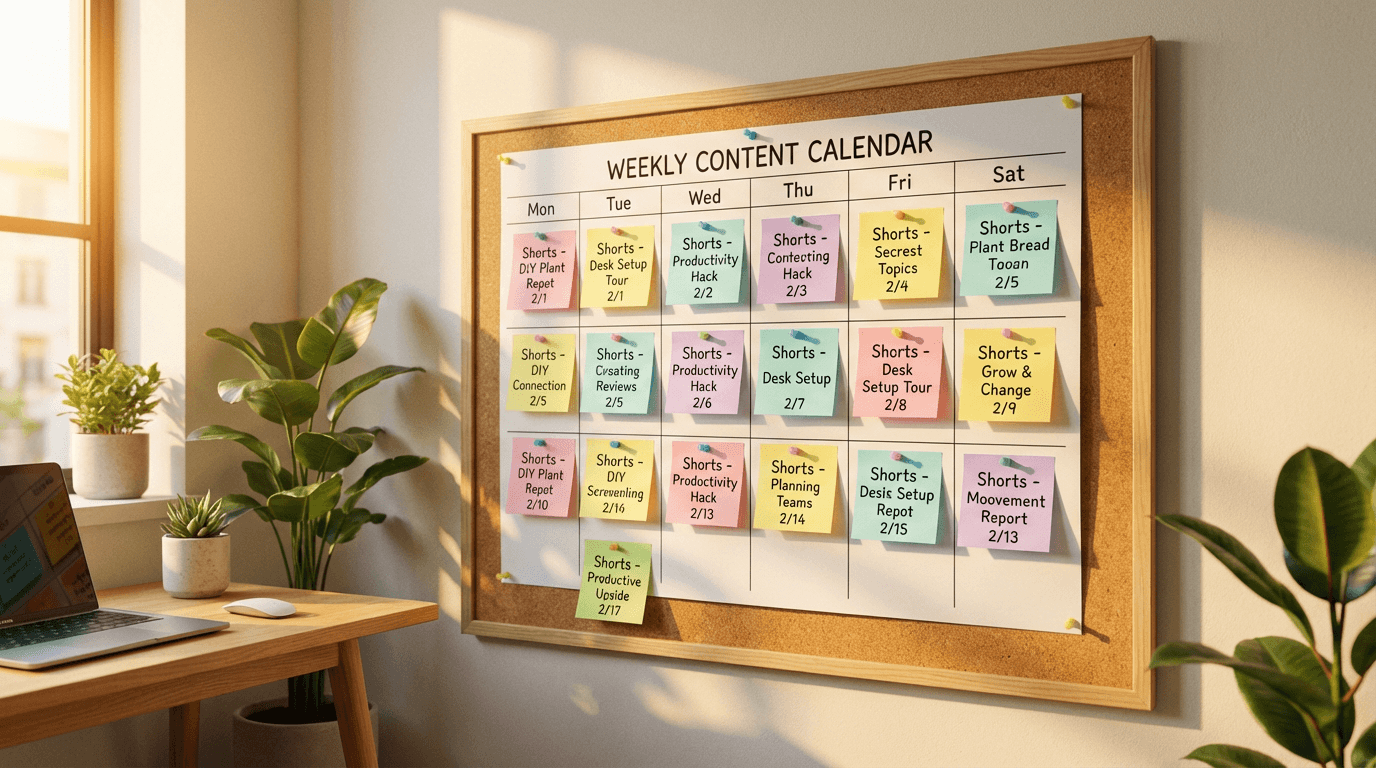
A practical 30-day rotation might look like this:
- Week 1: Mix educational (Templates 1, 2, 3) with one storytelling template (Template 6 or 7)
- Week 2: Include one opinion template (Template 9 or 10), one tutorial (Template 12 or 13), and continue educational
- Week 3: Introduce engagement-focused templates (Template 17, 18, or 19) alongside educational and tutorial content
- Week 4: Mix trend-based templates (Template 15 or 16) with your highest-performing format from the first three weeks
This rotation ensures your audience experiences your channel as varied and dynamic rather than formulaic, while still giving you the structural efficiency of working from templates rather than starting from scratch for each video.
For creators also building a YouTube channel alongside their TikTok presence, the 30-day YouTube Shorts plan for 2026 covers how to run a parallel content calendar for Shorts using a similar template-based approach.
How Miraflow AI Supports Your TikTok Content Workflow
For creators using these templates to build a consistent TikTok production schedule, having a platform that handles the production layer as efficiently as the template handles the ideation layer is what makes scaling sustainable.
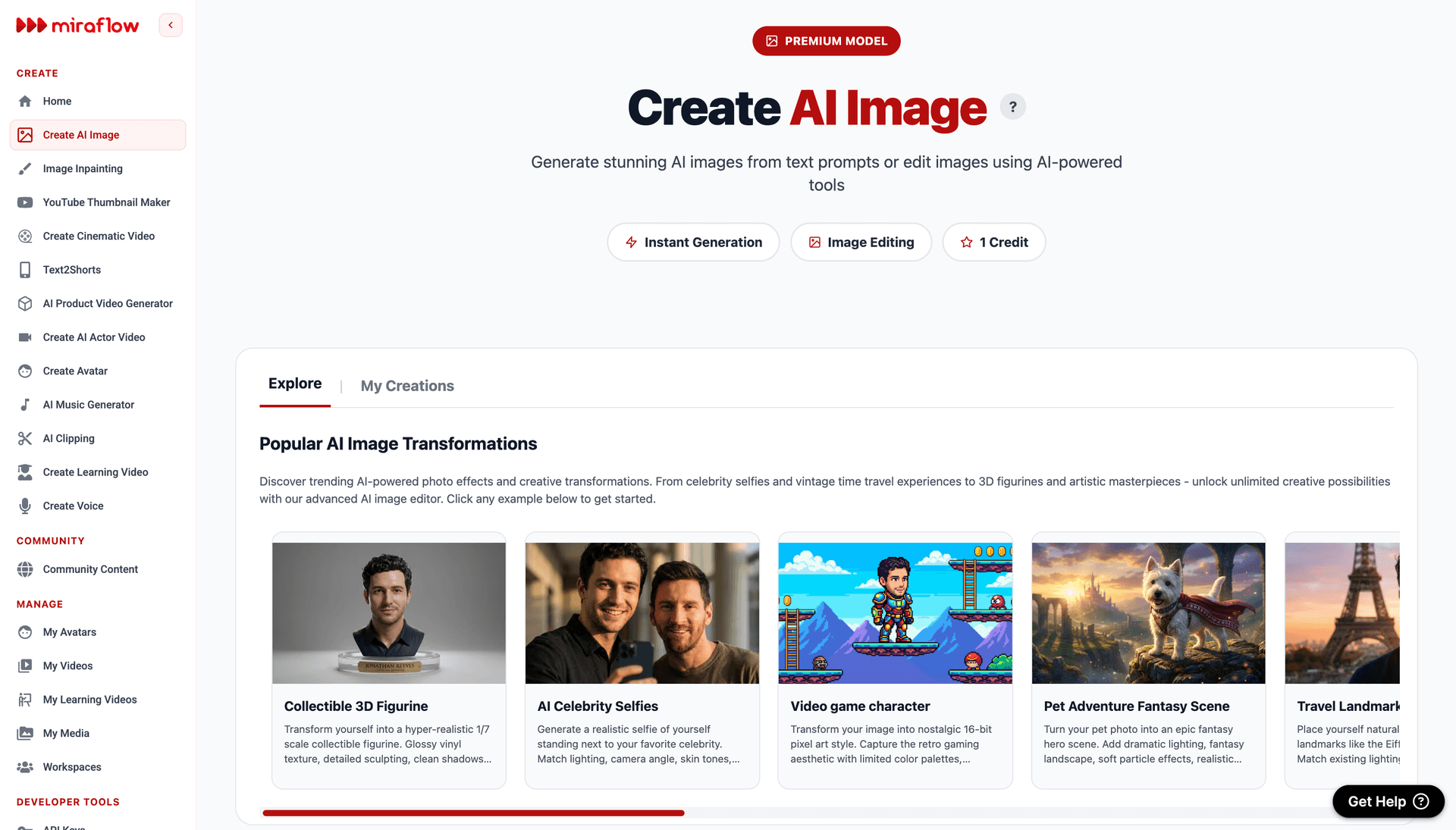
Miraflow AI covers the full production chain that follows the scripting stage. Once you have a script structure from one of these templates, Text2Shorts handles visual generation, voiceover, and video assembly in a single workflow. For TikTok content that requires specific visual assets rather than AI-generated scenes, the AI image generator produces original images from detailed prompts that can be used as visual backgrounds, overlay images, or supplementary content for your videos.
For the audio side, generating original background music for each TikTok video removes copyright risk while also giving each piece of content a sonic identity that matches its mood. Miraflow AI's music generator produces original tracks in under a minute with controls for mood, BPM, key, and duration that let you match the music precisely to each content type. For more on how to approach AI music for short-form video specifically, AI music prompts for YouTube, Reels, and TikTok covers prompting strategies across all three platforms.
Conclusion
TikTok content performance in 2026 is determined by two things: the quality of the hook and the structural strength of the format. Both are controllable. Templates solve the format problem by giving you a proven content arc built around the behavioral signals TikTok rewards most. Your niche knowledge and voice solve the quality problem by filling that structure with specific, credible, and distinctive content that viewers cannot get elsewhere.
The 20 templates in this guide cover the full range of high-performing TikTok content formats: educational explanations, personal storytelling, opinion and analysis, tutorials, trend commentary, and community engagement. Using them systematically across a posting calendar produces a content mix that builds multiple audience relationships simultaneously and generates the diverse engagement signals that compound into consistent algorithmic distribution.
Start by selecting the two or three templates that fit most naturally with your current niche and content style. Produce one video from each template in the next week, track which format earns the strongest behavioral response from your specific audience, and then double down on the formats that are working while continuing to test the others. The templates are starting points, and the feedback loop from your own audience is what eventually makes your specific version of each format better than anyone else's.
For a deeper look at how content consistency and format diversity contribute to channel growth on short-form platforms, AI Shorts formats that go viral in 2026 covers the structural patterns producing the strongest results across TikTok, YouTube Shorts, and Instagram Reels this year.
FAQ
What are the best AI prompts for TikTok content in 2026? The most effective AI prompts for TikTok content specify the format structure, the hook type, the content arc, and the intended viewer behavior rather than just describing the topic. Prompts that include a specific opening instruction, a middle section with a defined information or story structure, and a closing call to action consistently produce better scripts than open-ended topic descriptions.
How do I use AI to write TikTok scripts? Paste a structured template prompt describing the format, hook, and content arc into an AI text generator, specifying your topic and niche. Edit the generated script for natural speech by reading it aloud and revising any sentences that do not sound conversational. The template provides the structure and the AI fills in language, but your voice and niche knowledge should shape the final script before recording.
What TikTok content formats get the most views in 2026? Content formats that earn strong completion rates and engagement in their initial distribution window get pushed to the widest audiences. In 2026, the highest-performing formats consistently include single-insight educational content with a strong counterintuitive hook, storytelling structured around unexpected outcomes, and opinion content that generates genuine comment discussion. Tutorial formats earn the highest save rates which also contributes to extended distribution.
Can AI-generated TikTok content actually grow a channel? Yes, when AI is used to handle the production workload rather than to replace the creator's editorial judgment and voice. AI-generated scripts edited for a creator's specific voice, combined with original visuals and audio, produce content that performs on the same algorithmic terms as any other TikTok content. The format, hook quality, and content specificity matter more than the production method.
How many TikTok videos should I post per week in 2026? Consistency matters more than maximum frequency. Three to five posts per week at consistent quality outperforms daily posting that sacrifices quality for volume in most niches. The key metric to watch is completion rate across your videos rather than total post count.
How do I make AI TikTok scripts sound more natural? Read every AI-generated script out loud before recording. Mark every sentence that you would not naturally say in conversation and rewrite it in your own voice. The structural elements of the script (the hook, the information arc, the call to action) can come from AI, but the specific phrasing should sound like you talking to a friend about something you know well. Natural speech rhythm, occasional informal word choices, and sentence structures that match your real speaking patterns are the elements that make AI-assisted scripts feel authentic.
What is the difference between TikTok prompts for scripts and prompts for visuals? Script prompts specify the narrative structure, hook type, pacing, and tone of the content. Visual prompts specify the imagery, style, composition, lighting, and aesthetic of generated images or video clips. Both are essential for a complete TikTok production workflow but serve different stages of the process. The templates in this guide are script prompts. For visual prompt strategies, AI prompts for YouTube thumbnails covers the visual prompting approach in detail, and most of those principles apply to TikTok visual content as well.