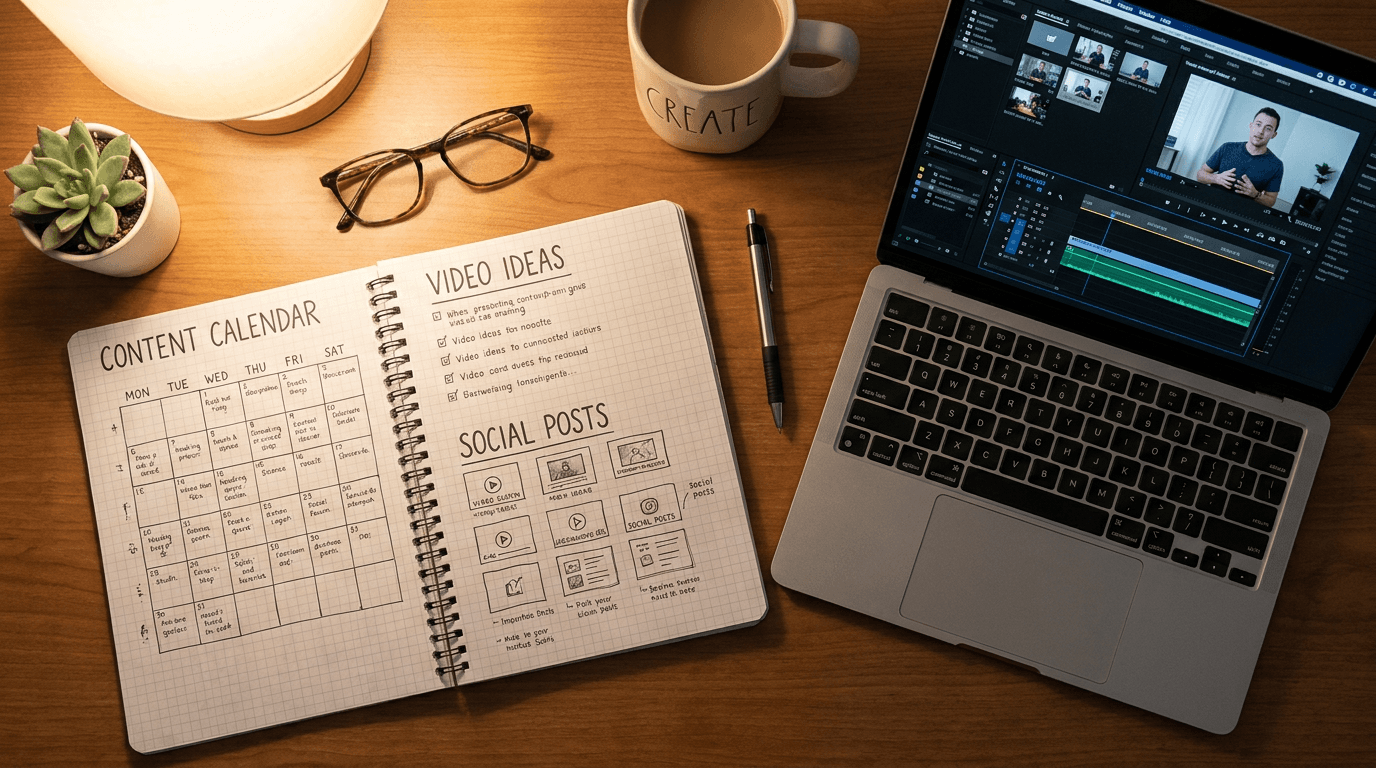
We Had ChatGPT Make Us a Script: Inside 2026's Deadpan TikTok Trend

Written by
Aerin Kim
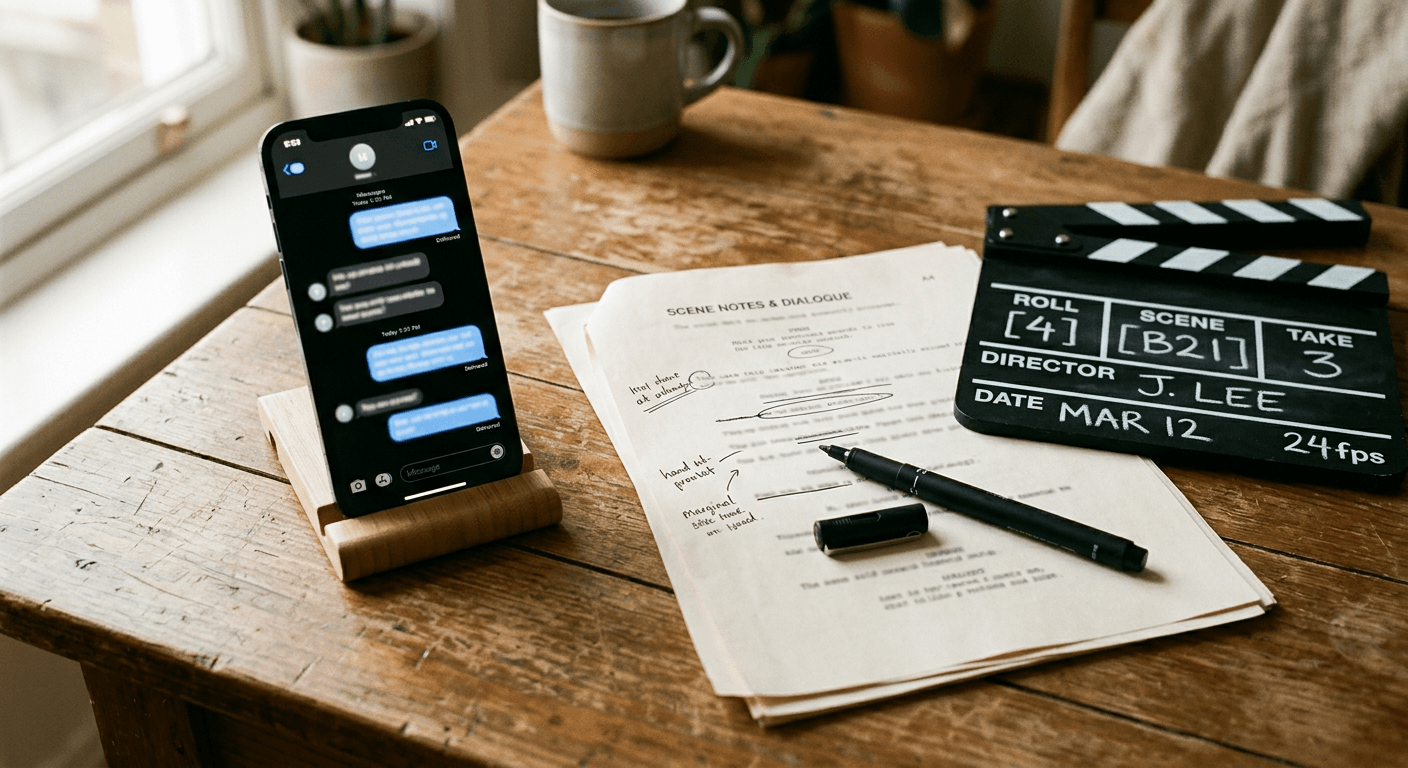
The viral trend where friends prompt ChatGPT for a scene, read it once, and film it deadpan in one take. How it works, why it is funny, and 24 ready prompts to try.
If your group chat has ever tried to film something funny together, you already know the real bottleneck. Somebody has to write the bit. Somebody has to be funny on command in front of a phone camera without overthinking it, and by the time everyone agrees on a plan, the moment is usually gone.
The trend currently spreading across TikTok, Instagram Reels, and every duet and stitch chain in between solves that problem by outsourcing the writing entirely. It is called, plainly, "we had ChatGPT make us a script," and by August 2026 it has become one of the fastest ways for a friend group to make something genuinely funny with almost no prep time.
This post breaks down what the trend actually is, why it lands so well comedically, and how creators are filming it in practice. Then you get a full library of ready-to-use ChatGPT prompts organized by scenario, from breakup scenes to group chat drama, so you can run this with your own friends today. Text2Shorts on Miraflow AI comes up naturally later on, for anyone who wants to turn a script, whether one of these prompts or a scene you write yourself, into a finished vertical video without needing a friend group or a camera at all.
TL;DR: What This Trend Is and How to Use It
One person in the group prompts ChatGPT for a short scene, a fight, a breakup, an awkward first day at work, or whatever premise sounds funny that day. Everyone reads the script once so they know their lines. Then they film it in a single take, playing it as seriously as possible no matter how ridiculous the AI-written dialogue gets. The on-screen text usually says something close to "we had ChatGPT make us a script" and the caption does the rest of the explaining.
Below you will find why this format works, a complete set of copy-paste ChatGPT prompts grouped by scenario, and practical filming notes on delivery and pacing. If you would rather skip the group chat coordination altogether, Text2Shorts on Miraflow AI writes a script automatically from a topic and turns it into a finished vertical video end to end, which is worth knowing about even if you plan to film this trend the traditional way first.
What "We Had ChatGPT Make Us a Script" Actually Is
The mechanics are almost aggressively simple, which is part of why the format spread so fast. A friend group picks a scenario, types one prompt into ChatGPT describing the scene they want, and gets back a short piece of dialogue in return. Nobody edits it much. Nobody rehearses it more than once. The group reads through the lines together so everyone knows who says what, then someone hits record and they perform the whole thing in one take, completely straight-faced, treating the most absurd lines with the same seriousness as the mundane ones.
The reveal, usually delivered through simple on-screen text at the start or end of the clip, is that the entire scene was written by AI. That single piece of context reframes everything the viewer just watched. A line that seemed oddly formal or strangely specific suddenly makes sense as something a language model would generate, and rewatching the clip with that knowledge is often funnier than the first viewing.
This format has been showing up across TikTok trend roundup coverage throughout August 2026, and it fits neatly into a broader pattern of creators using AI tools as a comedic prop rather than hiding the AI involvement, similar to how AI prompts for TikTok content templates have leaned into transparency about AI involvement as part of the joke instead of against it.
Why This Trend Actually Works
A lot of AI content trends fade quickly because the novelty runs out once viewers have seen the same output style a few times. This one has stuck around because the comedy does not come from the AI output alone. It comes from the collision between AI writing and human performance, and that collision has three specific ingredients worth understanding if you want to run this well.
The Gap Between AI Dialogue and Human Delivery
Language models write dialogue that sounds plausible on the page but often carries a strange formality or oddly specific detail that a real script written by a person would not include. A breakup line might reference an oddly precise statistic. A workplace scene might have a manager speak in slightly too much corporate jargon for the stakes involved. None of that reads as funny in text form. It becomes funny the moment a real person has to say it out loud with a straight face, in their actual voice, to someone they actually know.
Straight-Faced Commitment Is the Real Punchline
The trend rewards commitment over cleverness. A group that laughs partway through, breaks character, or visibly cannot keep it together loses most of the effect. The funniest versions of this trend involve everyone treating an objectively ridiculous scene with total emotional sincerity, the same way a courtroom drama treats its stakes. That contrast between low-stakes premise and high-stakes delivery is doing most of the comedic work, more than the actual words on the page.
Escalating Absurdity Nobody Breaks Character For
Because the script comes from a single prompt with no back and forth editing, the dialogue often escalates in ways a human writer might have toned down. A scene planned as a mild disagreement can end with a genuinely bizarre final line, and part of the appeal for viewers is watching to see how far the group is willing to commit before someone cracks. The best clips never crack.
How Creators Are Actually Filming It
The process people are using is close to identical across the clips currently circulating, and the simplicity is the entire point.
- Pick a scenario as a group, usually something mundane on the surface: a breakup, a family dinner, a customer complaint.
- Type one detailed prompt into ChatGPT describing the scene, the number of characters, and roughly how long it should run.
- Read the returned script out loud once as a group so everyone knows their lines and their cues.
- Film it in a single take with no cuts, playing every line completely straight regardless of how absurd it gets.
- Add simple on-screen text near the start, something like "we had ChatGPT make us a script," so the premise is clear before the punchlines land.
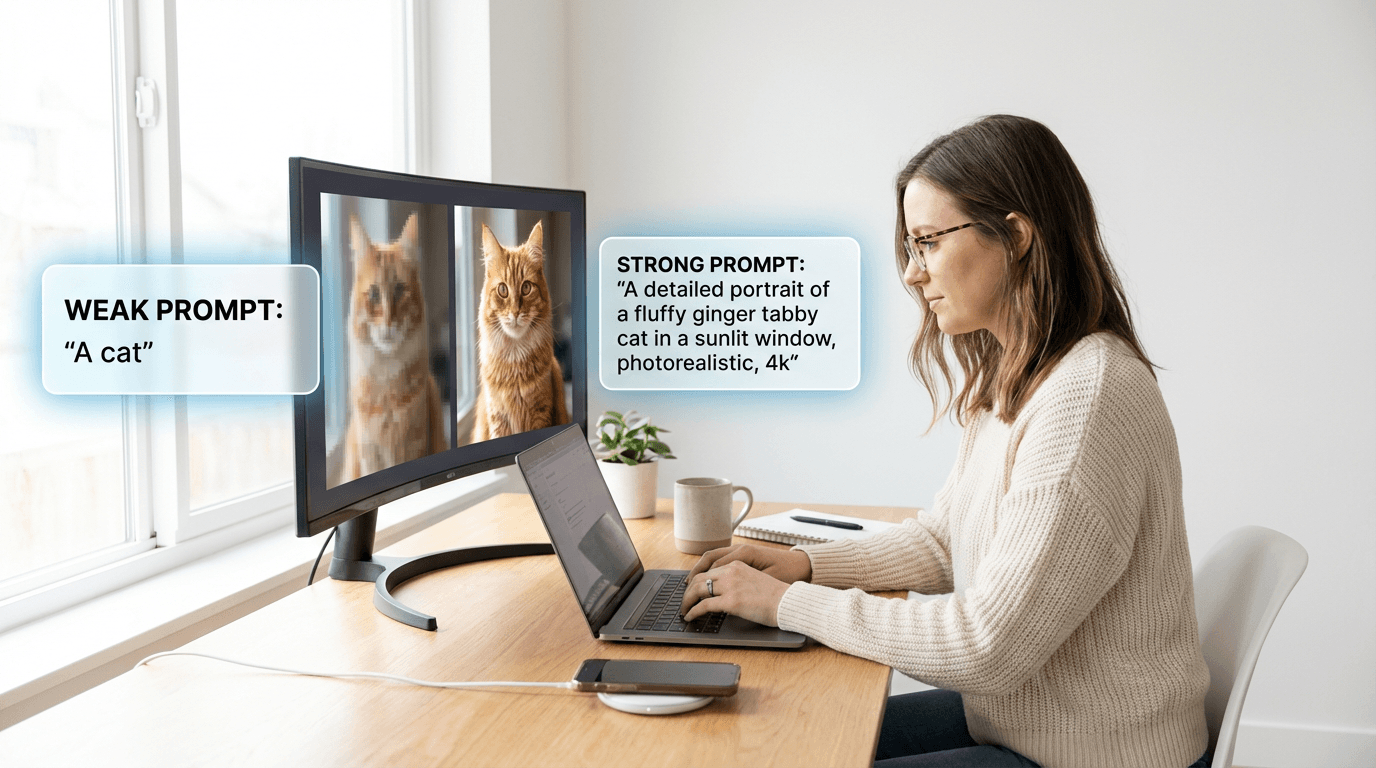
Nobody is memorizing a script over multiple rehearsals here. That is intentional. A slightly rough, half-remembered delivery actually reads as more authentic than a polished performance, and it matches the one-take, low-effort setup that makes the format spread so easily through duets and stitches. For more general guidance on writing prompts that consistently produce usable creative output, how to write AI prompts for visual content in 2026 covers the same specificity principles that make a good scene prompt work.
Ready-to-Use ChatGPT Script Prompts
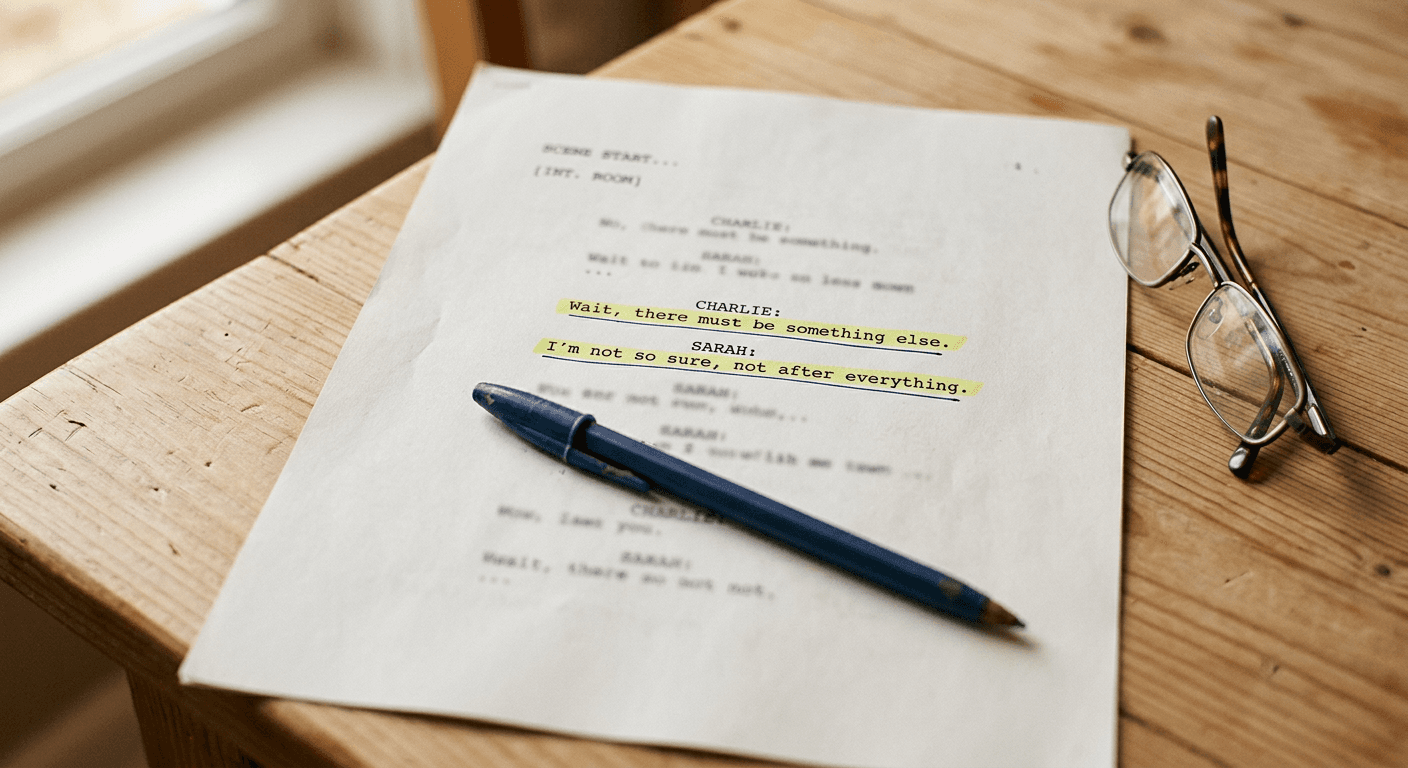
Everything below is written to paste directly into ChatGPT. Each prompt names the scenario, the number of speaking characters, a rough length, and a formatting instruction so you get clean dialogue back instead of a wall of stage directions. Swap in your own group's names, running jokes, or real inside references once you have the base scene, since that is usually what turns a generic script into one that actually lands with people who know you.

1) Breakup and Relationship Drama Prompts
These scenes work because breakups already carry real emotional weight, so treating a trivial reason with that same weight is an easy setup for deadpan delivery.
1. Trivial reason breakup
Write a 40 second two person scene where one friend is breaking up with the other over an extremely trivial reason, like how they load the dishwasher, but treat it with the emotional weight of a real breakup. Give me only dialogue lines labeled by character name, no stage directions, and end on the most dramatic line you can write.
2. Reconciliation attempt
Write a short two person script where an ex is showing up uninvited to win someone back using the worst possible argument, like citing a horoscope compatibility reading as proof they belong together. Keep it under 45 seconds of dialogue, label each line by speaker, and make the ex fully sincere the whole time.
3. Double texting confrontation
Write a scene between two people where one is confronting the other for double texting too much, treating it like a serious betrayal of trust. Include one line where a character cites a specific fake statistic about texting frequency to sound more official. Format as dialogue only, two speakers, no stage directions.
4. Friend group intervention
Write a scene where three friends stage an intervention for a fourth friend who they think is texting their ex too much, but every argument they make is deeply overblown. Give each of the four characters at least two lines, keep the whole thing under a minute of dialogue, and label speakers clearly.
2) Roommate and Family Chaos Prompts
Shared living spaces already come with low-stakes conflict built in, which makes them an easy setup for a scene that escalates fast.
5. Kitchen trial for stolen leftovers
Write a scene where a roommate puts another roommate on trial in the kitchen for eating their labeled leftovers, complete with an opening statement and a closing argument. Format it as courtroom style dialogue between two people, label each speaker, keep it under a minute.
6. Chore wheel standoff
Write a two person argument between roommates about who forgot to take the chore wheel seriously, escalating until one roommate threatens to move out over a single missed dish. Dialogue only, two speakers, no stage directions, end on an overly dramatic exit line.
7. Family dinner confession
Write a family dinner scene where one relative reveals a mildly embarrassing secret, like using the wrong turn signal once years ago, and the whole table reacts as if it were shocking news. Include four speaking family members, dialogue only, keep it under a minute.
8. Thermostat negotiation
Write a scene where two roommates negotiate over the thermostat like it is a hostage situation, each making increasingly serious demands. Dialogue only, two speakers, label each line, end with an unexpected twist neither side saw coming.
3) Workplace and First Day Awkwardness Prompts
Office settings give the AI an easy excuse to write overly formal dialogue, which is exactly the kind of language that sounds strange coming out of a real coworker's mouth.
9. First day icebreaker disaster
Write a scene set on someone's first day at a new job where the icebreaker question in the morning meeting goes horribly wrong because of one oversharing answer. Include three coworkers speaking, dialogue only, no stage directions, keep it under a minute.
10. Printer blame meeting
Write a scene where two coworkers argue over who broke the office printer as if they are negotiating a corporate merger. Dialogue only, two speakers, label each line, and have one character bring up a completely irrelevant statistic to win the argument.
11. Onboarding confusion
Write a scene where a new hire is being onboarded by a manager who keeps giving contradictory instructions with total confidence. Two speakers, dialogue only, keep it under 45 seconds, end with the new hire agreeing to something absurd.
12. Mock performance review
Write a mock performance review scene where a manager delivers deeply confusing, overly formal feedback about something trivial, like how someone stirs their coffee. Two speakers, dialogue only, no stage directions, end on the most bureaucratic line you can write.
4) Friend Group Betrayal Prompts
These lean into the mock-serious energy of treating a small social slight as a major event, which tends to get the biggest reactions from viewers who recognize the exact dynamic from their own group chat.
13. Uninvited event confrontation
Write a scene where a friend group confronts one member for not inviting them to something small, treating it like a major betrayal that requires a formal apology. Four speaking characters, dialogue only, keep it under a minute, end with an over the top ultimatum.
14. Canceled plans cross examination
Write a two person scene where one friend confronts another for repeatedly canceling plans, escalating the accusation until it sounds like a courtroom cross examination. Dialogue only, two speakers, label each line clearly.
15. Social media like accusation
Write a scene where a friend confronts another for liking an ex's photo online, treating it as the ultimate act of disloyalty. Two speakers, dialogue only, no stage directions, end with a dramatic reveal neither expected.
16. Splitting the bill dispute
Write a scene where a friend group argues over splitting a restaurant bill down to the exact cent, each person defending their math like it is a legal case. Four speaking characters, dialogue only, keep it under a minute.
5) Absurd Customer Service and Interview Prompts
Customer service and interview settings already have a built in script of forced politeness, so pushing that politeness further is one of the easiest ways to get an unhinged line out of ChatGPT.
17. Obvious return policy standoff
Write a scene between a customer trying to return an obviously used item and a customer service worker refusing with escalating corporate politeness. Two speakers, dialogue only, no stage directions, end with the customer making an outrageous final demand.
18. Unusual job interview questions
Write a mock job interview scene where the interviewer asks a series of oddly specific, slightly absurd questions and the candidate answers with total confidence. Two speakers, dialogue only, keep it under a minute, end with a job offer given for the wrong reason.
19. Nonsensical tech support call
Write a tech support call scene where the support agent gives increasingly nonsensical troubleshooting steps and the customer follows every one of them seriously. Two speakers, dialogue only, no stage directions, end with the problem somehow being solved.
20. Restaurant complaint scene
Write a scene where a customer complains to a server about something extremely minor, like the ice being too cold, and the server responds with theatrical, over the top customer service energy. Two speakers, dialogue only, keep it under 45 seconds.
6) Group Chat Drama Brought to Life Prompts
This category performs especially well because the premise is already familiar to anyone with an active group chat, which makes the deadpan delivery hit even harder.
21. Read receipt diplomatic incident
Write a scene where a friend confronts another for leaving a message on read for three days, treating the delay like a formal diplomatic incident. Two speakers, dialogue only, no stage directions, end with a surprising resolution.
22. Texting style intervention
Write a scene where a friend group has a serious meeting to address one member's habit of sending long paragraph texts with no punctuation. Three speaking characters, dialogue only, keep it under a minute, end with a group vote.
23. Meme ownership dispute
Write a scene where two friends argue over who found a meme first and gets credit for sending it into the group chat, treating it like an intellectual property dispute. Two speakers, dialogue only, no stage directions.
24. Scheduling summit
Write a scene where a friend group negotiates a hangout date with the seriousness of an international summit, each person defending their one conflicting commitment. Four speaking characters, dialogue only, keep it under a minute, end on an unresolved cliffhanger.
Filming and Delivery Tips
Having a good script only gets you part of the way there. The delivery and pacing choices below are what separate a clip that gets watched to the end from one that gets scrolled past.
- Keep the whole thing between 30 and 60 seconds. Anything longer loses the one-take, low-effort energy that makes the format work, and attention on short-form video drops off fast past the first minute.
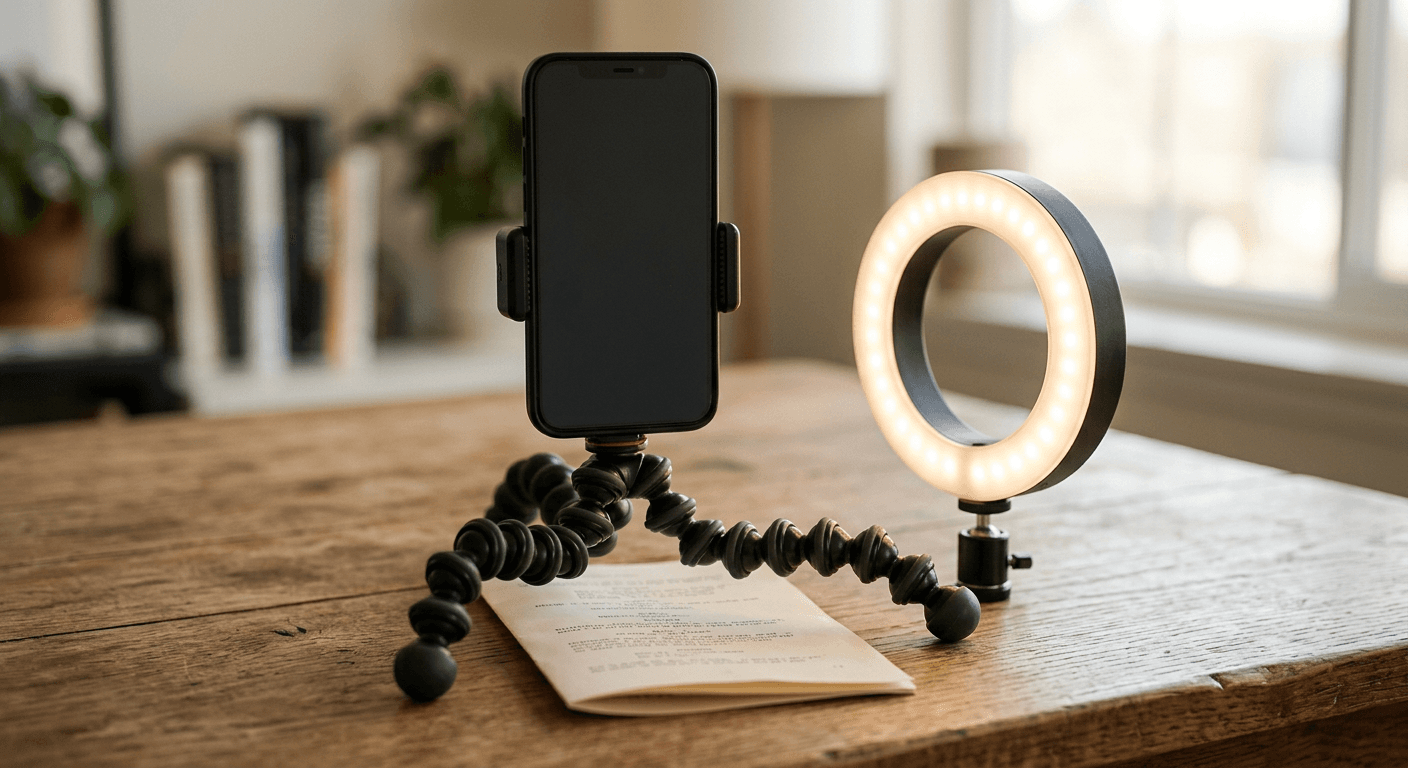
- Film vertically from the start rather than cropping horizontal footage after the fact. A phone mounted upright on even a small tripod keeps framing consistent for the whole take.
- Do not over rehearse. One read-through is usually enough, and a slightly imperfect delivery reads as more authentic than a polished one for this specific format.
- Keep the on-screen text simple and early. Viewers need to know this is an AI-written script within the first couple of seconds, or the joke does not land the same way on rewatch.
- Resist the urge to cut between multiple takes. The single unbroken take is part of what sells the commitment, and editing it into pieces undercuts the exact thing that makes the format believable.

Framing for vertical video matters more than people expect. Keep the camera at roughly eye level, leave a little headroom, and make sure every speaking character stays in frame for their own lines without the camera operator scrambling to reposition. A small tripod or stand, even an improvised one, solves most framing problems better than someone holding the phone by hand for a full minute.
Once you have a take you like, a trending audio layer under the reveal moment or the caption card can help the clip travel further. AI music for YouTube Shorts and copyright-free tracks walks through generating a short, clean backing track in seconds if you would rather not dig through a trending sounds library.
Common Mistakes Creators Make With This Trend
- Breaking character partway through. Even a small smirk undercuts the deadpan commitment that makes the format funny, and most of the best performing clips have zero visible breaks.
- Over-rehearsing until the delivery sounds memorized. A slightly rough read is part of the authenticity, and rehearsing a scene like a real short film actually works against the format.
- Letting the script run too long. A two minute scene loses viewers well before the punchline, where a tight 30 to 45 second scene keeps the pacing sharp from start to finish.
- Skipping the on-screen text explaining the premise. Viewers who do not know a script was AI-generated will just see a strange, poorly written scene instead of the intended joke.
- Cutting the footage into multiple takes or adding heavy editing. The single unbroken take is core to why this format reads as spontaneous and low-effort in the best way.
Turning a Good Bit Into a Repeatable Series
Filming this trend once with friends is a fun weekend activity. Turning it into a recurring content format is a different problem, since coordinating a group, a location, and everyone's schedule every week is not always realistic. This is where the same underlying mechanic, AI writes a script and someone produces it, can be automated further.
Text2Shorts on Miraflow AI takes a topic or idea, automatically generates a script, and lets you edit or regenerate that script before it moves on to generating scene visuals and a finished vertical video. If you already have a scenario style you know performs well from filming this trend with friends, you can feed that same premise into Text2Shorts and get a polished, repeatable version without needing to schedule a group shoot every time. It is also a useful option for creators who want to build a faceless YouTube channel around a similar scripted-scene format without appearing on camera at all.
If you already have hours of raw footage from filming these bits over time, turning long videos into viral shorts automatically with AI Clipping can scan a longer recording session and automatically pull out the moments that are most likely to perform, complete with auto-generated captions. And if you have old skits or scenes sitting in a channel archive that never got the views they deserved, turning old YouTube videos into fresh AI-generated shorts is a straightforward way to give that footage a second life in a format built for today's short-form feeds. A written recap of a bit that did well can also become its own piece of content, and turning a blog post into a viral YouTube short in three minutes covers that specific workflow if you end up writing about your own trend experiments.
The core idea across all of these tools is the same one this trend already proved works on camera. Someone, or something, writes the script, and a person or a pipeline turns it into a finished piece of content. Text2Shorts just moves that second half of the process into the browser, which matters most on the weeks your friend group cannot all get together to film.
Frequently Asked Questions
What exactly does "we had ChatGPT make us a script" mean? It refers to a trend where a group prompts ChatGPT to write a short scene, reads it once together, and then films the whole thing in one take while playing it completely straight, no matter how strange the dialogue gets.
Why is deadpan delivery so important to this trend? The comedy mostly comes from the contrast between a low-stakes or absurd premise and a fully serious performance. Breaking character, laughing, or acknowledging how ridiculous a line is removes that contrast and flattens the joke.
Do I need a big group of friends to try this? No. Many of the prompts above work with just two speaking characters, and some are written for three or four. Pick a prompt that matches how many people you actually have available that day.
How long should the finished clip be? Most successful versions of this trend run between 30 and 60 seconds. Anything longer starts to lose the low-effort, one-take energy that makes the format work in the first place.
Can I use an AI tool to write the whole video instead of filming it myself? Yes. Text2Shorts on Miraflow AI generates a script automatically from a topic, lets you edit or regenerate it, and then produces the finished vertical video, which is a useful option if you want a scripted-short format without coordinating a live filming session every time.
What if the script ChatGPT gives me is not funny enough? Regenerate it. Small changes to the prompt, like naming a more specific trivial detail or asking for a more dramatic final line, usually produce a noticeably funnier result on the second or third try.
Conclusion
This trend works because it strips content creation down to almost nothing: one prompt, one read-through, one take. The AI handles the writing, and the entire comedic payoff sits in how seriously a real person is willing to deliver a line that should not be delivered seriously at all. Start with a prompt from the categories above, get your group together for a single take, and keep the on-screen text simple so the premise lands fast.
If you want to keep this format going without scheduling a shoot every time, Text2Shorts on Miraflow AI can take the same idea, an AI-written script performed as a finished short, and generate the whole thing automatically from a topic. Whether you are filming this with friends this weekend or building it into a repeatable series, the mechanic underneath is the same one this entire trend already proved works.