18 AI Bob Haircut Prompts for the 2026 Try-On Trend (Copy & Paste)

Written by
Aerin Kim
The bob is 2026's most forecasted haircut, and the AI try-on trend lets anyone preview one first. Here are 18 copy-paste prompts for bevelled, liquid, fairy, French, and pixie bobs.
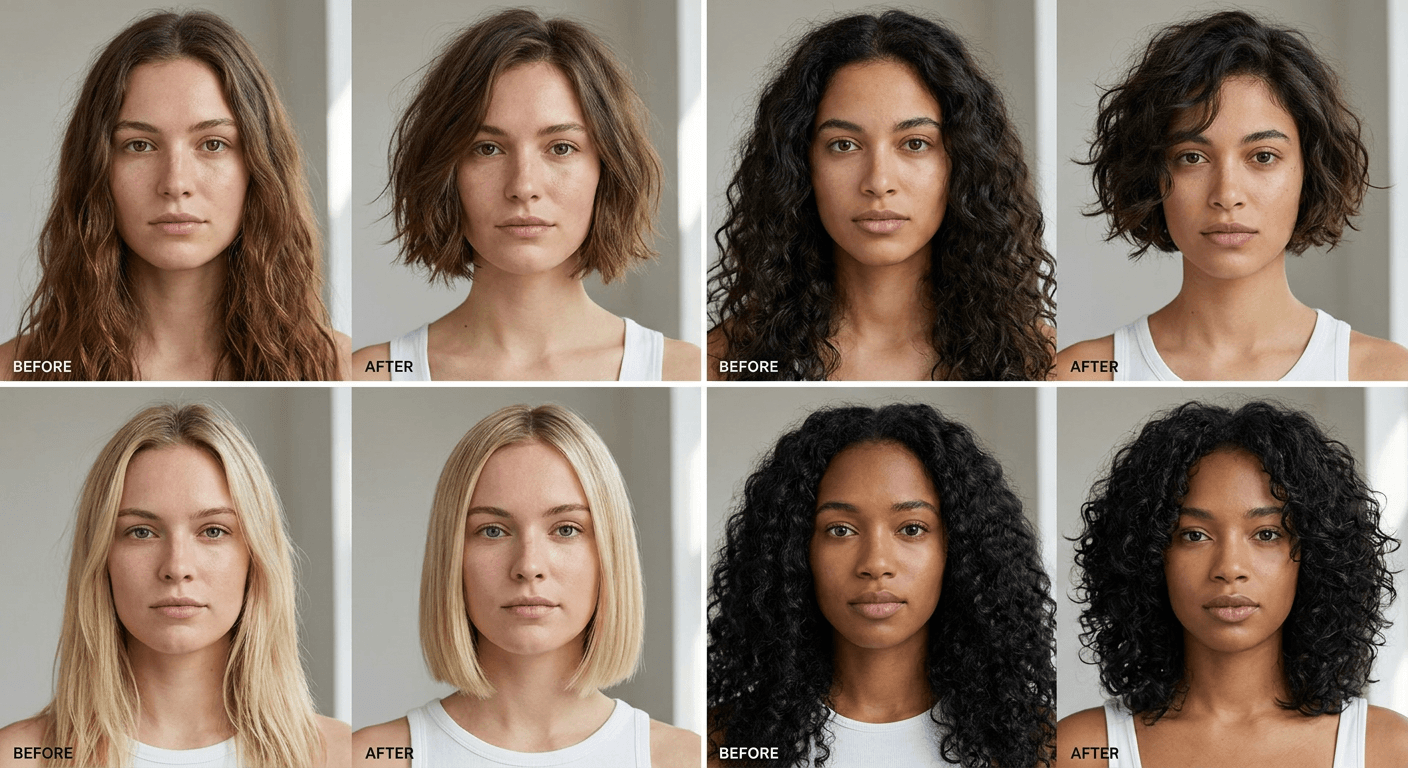
If you have opened TikTok or Instagram Reels at any point this month, you have probably seen it: someone uploads a plain selfie, taps through a quick edit, and three seconds later they are staring back at themselves with a completely different haircut. No scissors, no salon chair, no risk. Just an AI preview of what a bob would actually look like on their actual face.
That mechanic has attached itself to the single haircut every major hairstyling trend report is naming as the defining cut of 2026: the bob. Not one bob, though. A whole family of them, the bevelled bob, the liquid bob, the fairy bob, a looser French bob, and shorter pixie-bob hybrids, each with its own distinct shape, layering, and hair physics. Hairstylists quoted in Who What Wear's coverage of the bevelled bob describe it as the haircut equivalent of fine jewelry, soft, curved, and deliberate, which is a big part of why it photographs and films so well for a try-on reel.
This post is a prompt pack, not a trend explainer padded out with filler. Below are 18 copy-paste AI prompts, grouped by bob variation, built specifically for turning a real photo into a realistic bob preview without distorting the person's actual face. Every prompt is written for image-to-image editing, meaning you start from a real photo of yourself or someone else, not a face generated from scratch, which is what makes the "glow-up reveal" and "hairstyle challenge" format actually work.
Why This Works Inside Miraflow
The reason this trend is spreading so fast right now is that the underlying tool got good enough to make it believable. A hairstyle swap is not really a "generate a new photo" problem, it is a masking problem: change one region of an image, the hair, and leave everything else, the face, the skin tone, the lighting, the background, exactly as it was. That is precisely what the AI Image Generator in Miraflow AI is built for. Its image-to-image and inpainting tools let you mask just the hair region of an uploaded photo and regenerate only that area, instead of asking a text-to-image model to guess your face from a written description and hope it looks like you.
That distinction matters more than it sounds. A lot of early attempts at this trend fail for one simple reason: the tool regenerated the whole photo instead of just the hair, and the result looks like a different person wearing a bob, not the actual creator. Every prompt in this pack is written to keep the face, skin tone, and expression locked while only the hairstyle changes, which is the difference between a convincing glow-up reveal and an obviously fake one.
Why the Bob Is 2026's Defining Haircut
Trend forecasts rarely agree on much, but the bob has shown up at the top of nearly every major 2026 hair trends roundup, and it is worth understanding why before jumping into prompts, because the reasoning shapes which variation actually suits a given face and hair type.
The overall direction in 2026 hairstyling is softer and less severe than the ultra-blunt, razor-sharp bobs that defined the last few years. Stylists are moving toward cuts with more visible movement and less rigid structure, which is exactly why so many named sub-variations have emerged instead of one single "the bob" silhouette:
- The bevelled bob takes its name from the curved, sloping cut you see on a piece of fine jewelry. The ends sweep inward toward the chin instead of falling in a straight line, creating a soft, rounded frame around the jaw rather than a hard geometric edge.
- The liquid bob is built around seamless internal layering and a glossy, weightless finish. The name is literal: the hair is styled to move and pool like liquid, catching light evenly rather than sitting in a flat, static block.
- The fairy bob prioritizes lightness and undone texture over polish. Wispy internal layers create volume at the crown without adding density, and the ends are deliberately soft rather than blunt, closer to a "just woke up like this" look than a fresh-from-the-salon one.
- The looser French bob takes the classic jaw-length, minimally layered French silhouette and relaxes it further for 2026, less structured, slightly grown-out, with soft rather than crisp movement.
- The pixie-bob (sometimes called a "bixie") splits the difference between a short pixie crop and a bob, cropping the sides and back close while leaving a longer, jaw-grazing section in front.
Five names, five genuinely different silhouettes, all sitting under the same "bob" umbrella. That variety is exactly why the AI try-on mechanic caught on so fast: a text description alone struggles to convey the difference between a liquid bob's glassy fall and a fairy bob's wispy texture, but a photo preview shows it instantly.
How the AI Try-On Mechanic Actually Works
The viral version of this trend usually starts on CapCut, where a one-click template applies a preset bob look to an uploaded selfie for a quick before-and-after reveal. That template approach is fast, but it is also generic, everyone using the same template ends up with a similar-looking result, and the tool has no real way to distinguish a bevelled bob from a French bob beyond a couple of preset options.
Running the same idea through a proper AI image editor instead of a fixed template gives creators actual control over which specific bob variation shows up, which is the entire point of a prompt pack like this one. The workflow is simple and works the same way whether the goal is a hairstyle-challenge reel, a glow-up transformation post, or a duet-bait before-and-after:
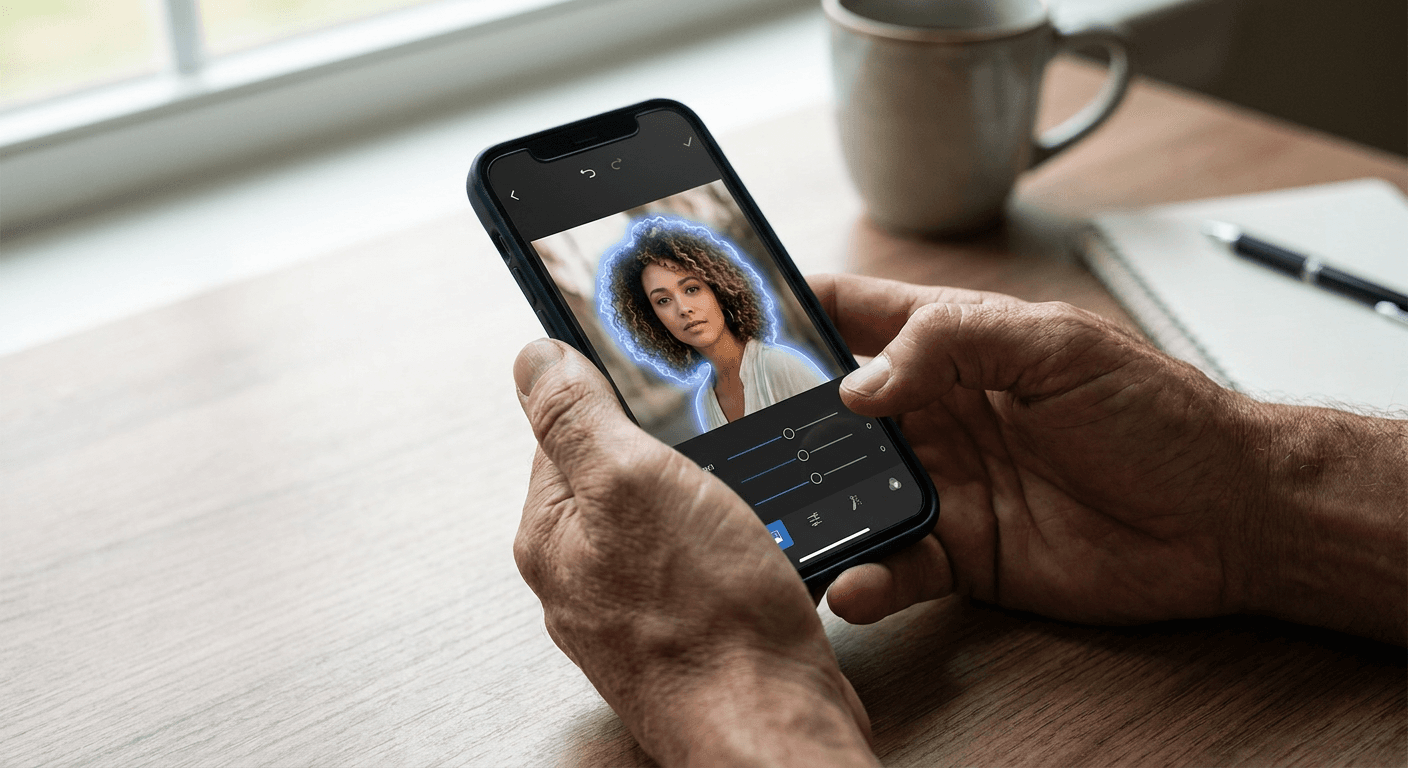
- Upload a clear, front-facing, well-lit photo. A recent selfie works, and so does an existing headshot.
- Mask or describe the hair region specifically, this is what keeps the face untouched.
- Apply one of the prompts below, matched to the specific bob variation you want to preview.
- Generate several variations before picking a favorite, since hair length and shape can shift meaningfully between attempts.
One thing worth saying plainly: this trend is not, and should not be treated as, an exclusively feminine format. Bobs get cut on every hair type and every gender presentation, and the strongest hairstyle-challenge content right now includes masc-presenting and androgynous creators trying the exact same liquid bob or bevelled bob prompts as anyone else. If a prompt or a result defaults to an overly styled, stereotypically feminine look, that is a prompting problem, not a property of the haircut itself, and it is worth adjusting the styling language (softer waves versus a sleek blowout, natural texture versus heavy volume) rather than assuming the trend only works one way.
1) Classic and Bevelled Bob Prompts
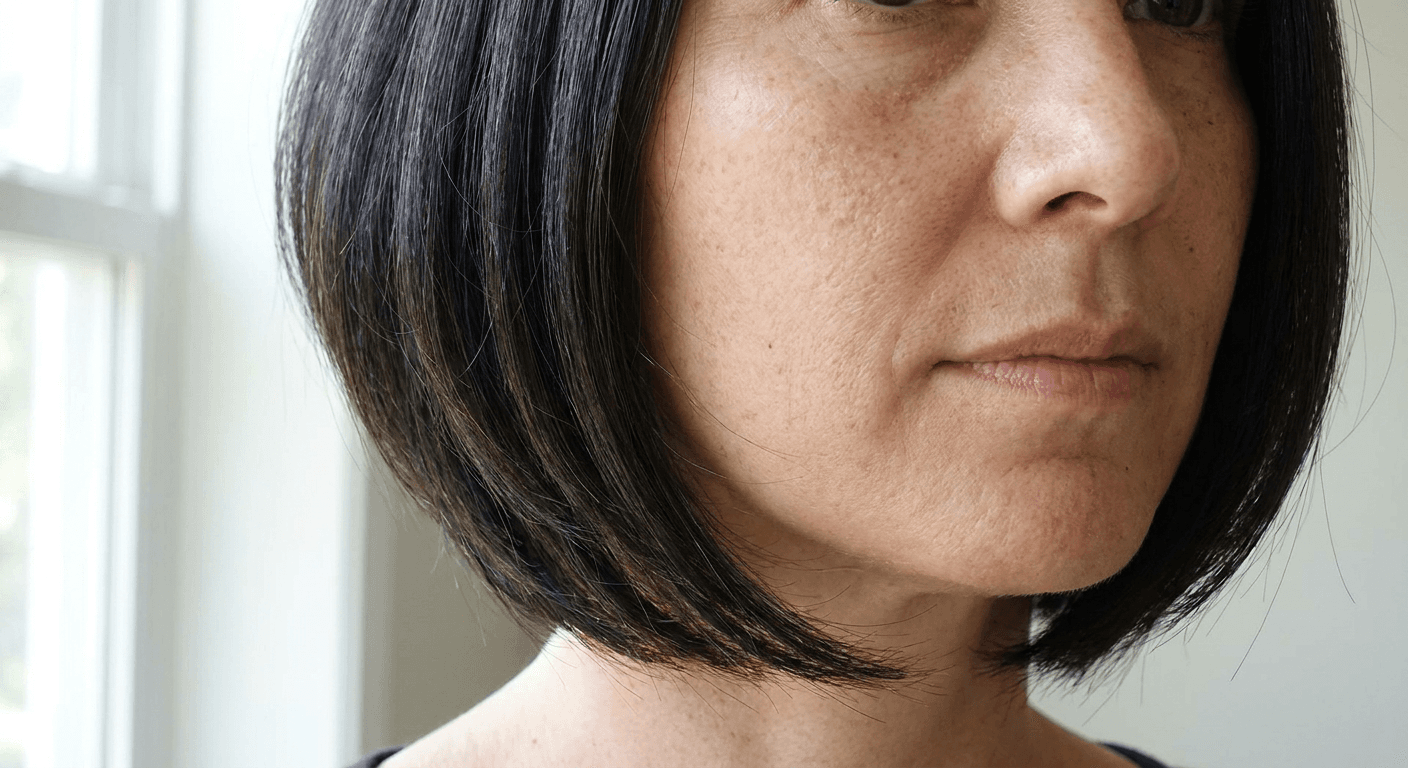
The bevelled bob is the name most trend reports are pointing to as 2026's single biggest cut, so it earns the first group. These three prompts cover the classic blunt version most people picture when they hear "bob," plus two takes on the curved, jewelry-inspired bevelled shape.
Prompt 1: Classic blunt bob
Using the reference photo, keep this person's face, skin tone, and expression exactly as shown, and change only the hairstyle to a classic blunt bob that falls precisely at the chin. One-length ends cut in a clean, sharp horizontal line with no layering, natural hair texture and shine appropriate to the person's hair type, consistent lighting and background from the original photo, photorealistic detail.
Prompt 2: Bevelled bob with curved, inward-sweeping ends
Using the reference photo, keep this person's face, skin tone, and expression exactly as shown, and change only the hairstyle to a bevelled bob. The ends curve gently inward toward the jaw and chin in a rounded, jewel-like sweep rather than a straight line, subtle graduated layering underneath for movement, natural hair shine, consistent lighting and background from the original photo, photorealistic detail.
Prompt 3: Deep side-part bevelled bob
Using the reference photo, keep this person's face, skin tone, and expression exactly as shown, and change only the hairstyle to a deep side-parted bevelled bob, with fuller rounded volume built up at the jawline on the heavier side and the ends curving inward toward the chin. Natural hair texture and a visible part-line shadow, consistent lighting and background from the original photo, photorealistic detail.
2) Liquid and Glossy Bob Prompts
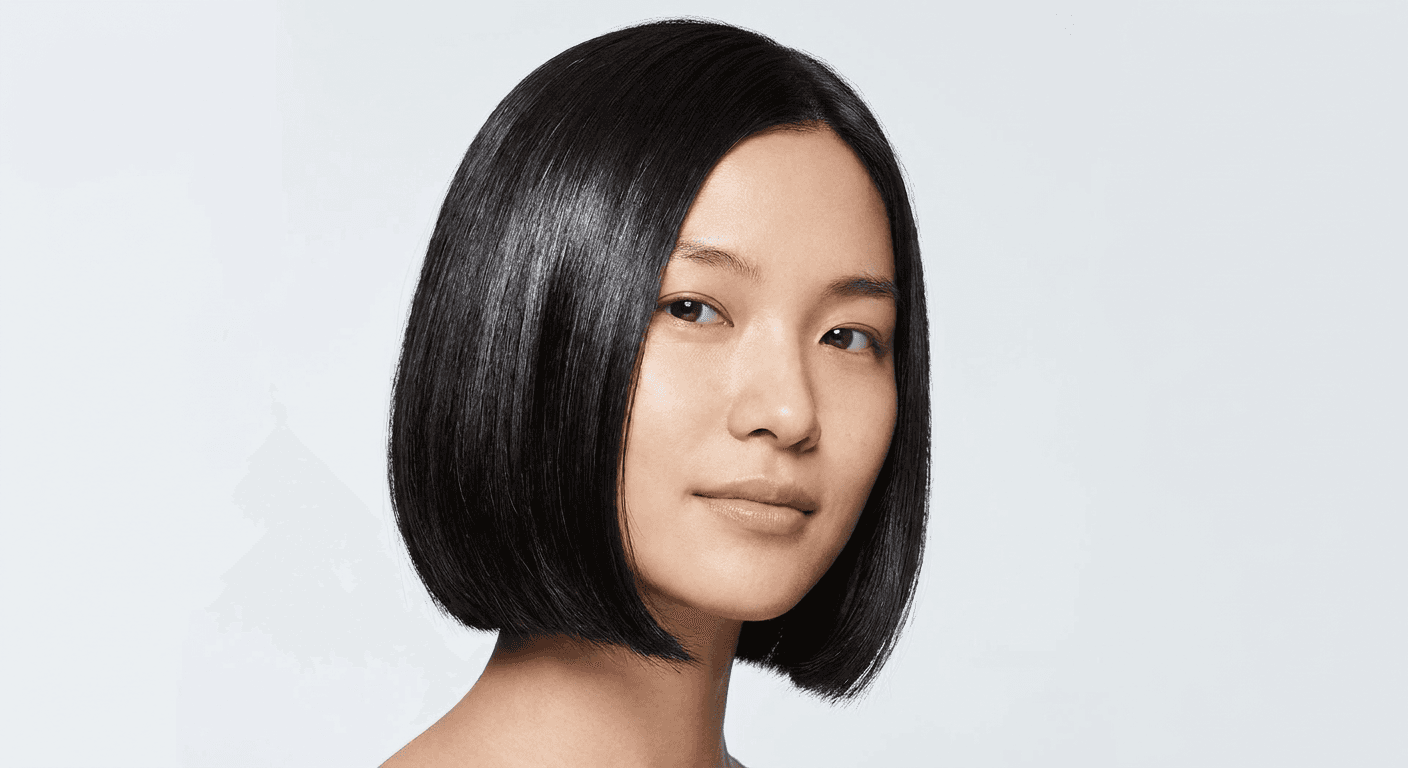
A liquid bob lives or dies on how convincingly the hair reads as smooth, seamless, and reflective. These prompts describe the actual physics of that finish, how the light catches it and how the ends fall, rather than just saying "shiny," which tends to produce a flatter, less believable result.
Prompt 4: Seamless liquid bob, glass-like shine
Using the reference photo, keep this person's face, skin tone, and expression exactly as shown, and change only the hairstyle to a liquid bob, seamless internal layers with polished, glass-like ends that curve smoothly inward as if the hair is moving like liquid. High shine with minimal flyaways, natural light reflections along the surface of the hair, consistent lighting and background from the original photo, photorealistic detail.
Prompt 5: Center-parted liquid bob
Using the reference photo, keep this person's face, skin tone, and expression exactly as shown, and change only the hairstyle to a center-parted liquid bob, sleek and weightless with a glass-hair sheen catching the light evenly on both sides, ends tucking slightly inward at the jaw, consistent lighting and background from the original photo, photorealistic detail.
Prompt 6: Liquid bob with a soft curtain fringe
Using the reference photo, keep this person's face, skin tone, and expression exactly as shown, and change only the hairstyle to a liquid bob with a soft curtain fringe that blends into the length at the cheekbones rather than a hard fringe line, glossy seamless layers throughout the rest of the cut, natural strand-level texture, consistent lighting and background from the original photo, photorealistic detail.
3) Fairy Bob and Textured Layer Prompts
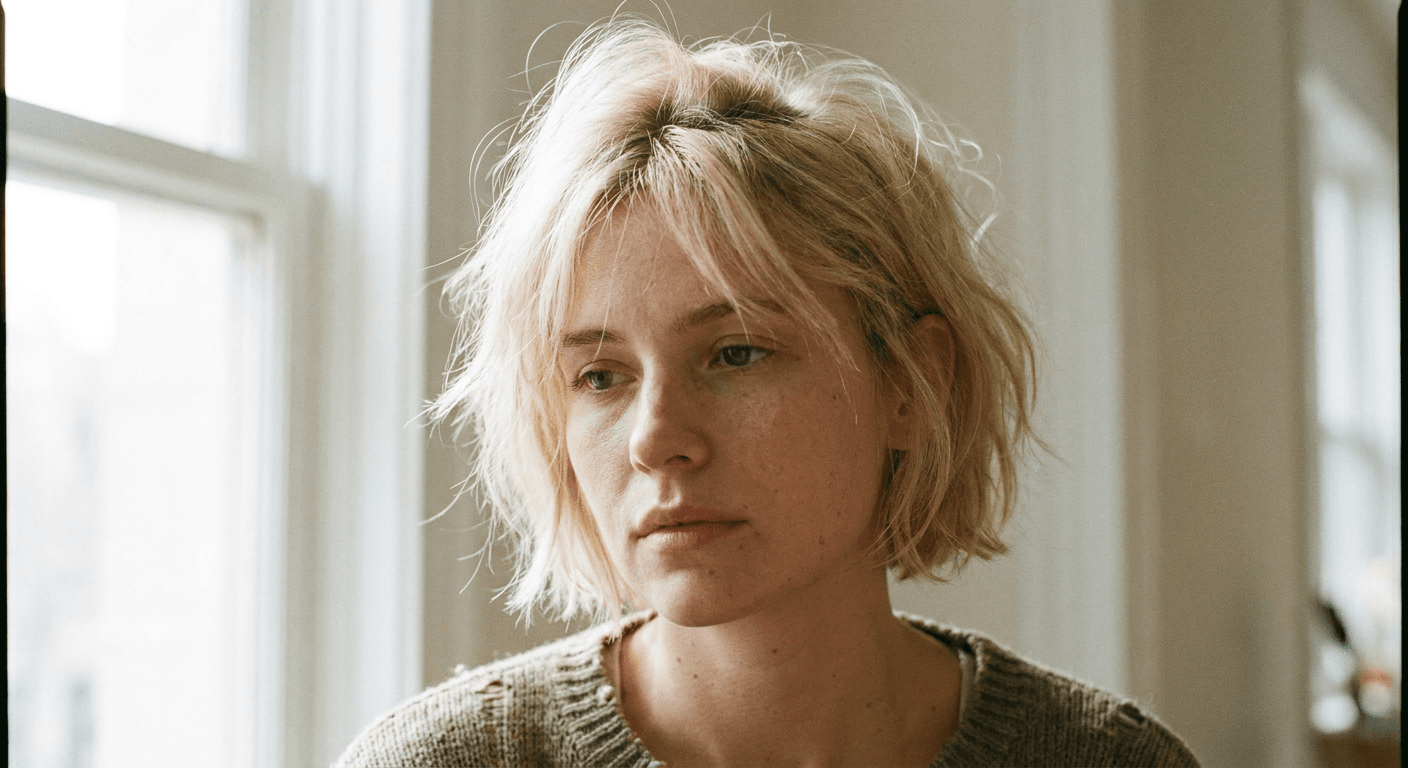
The fairy bob is the opposite instinct from the liquid bob: instead of a smooth, glassy surface, it is built on visible, wispy, individual strands and internal layering that reads as light rather than polished. These prompts specifically call out that strand-level texture, since a vague "layered bob" prompt tends to default back to a smoother, more generic result.
Prompt 7: Wispy fairy bob with crown volume
Using the reference photo, keep this person's face, skin tone, and expression exactly as shown, and change only the hairstyle to a fairy bob, light internal layering that creates airy volume at the crown and soft, undefined ends rather than a blunt line. Individual wispy strands visible rather than a solid block of hair, natural movement, consistent lighting and background from the original photo, photorealistic detail.
Prompt 8: Fairy bob with feathered face-framing pieces
Using the reference photo, keep this person's face, skin tone, and expression exactly as shown, and change only the hairstyle to a fairy bob with soft feathered pieces framing the cheekbones, internal shaping that adds lightness without added density, natural flyaway strands, consistent lighting and background from the original photo, photorealistic detail.
Prompt 9: Fairy bob with curtain bangs and natural flyaways
Using the reference photo, keep this person's face, skin tone, and expression exactly as shown, and change only the hairstyle to a fairy bob with soft curtain bangs parted naturally at the center, wispy internal layers throughout, an undone, lived-in texture rather than a freshly styled look, consistent lighting and background from the original photo, photorealistic detail.
4) French Bob and Looser, Undone Prompts
The French bob has been trending for a couple of years now, and the 2026 version of it is deliberately less structured than earlier iterations, more relaxed, slightly grown-out, closer to something you would not notice was recently cut. These three prompts move from the classic version to a looser, more undone take.
Prompt 10: Classic French bob, minimal layering
Using the reference photo, keep this person's face, skin tone, and expression exactly as shown, and change only the hairstyle to a classic French bob, jaw-length with minimal layering and soft natural movement rather than heavy structure. Effortless, slightly imperfect ends, consistent lighting and background from the original photo, photorealistic detail.
Prompt 11: Looser, grown-out French bob
Using the reference photo, keep this person's face, skin tone, and expression exactly as shown, and change only the hairstyle to a looser, slightly grown-out French bob that falls just below the jaw, softer and less structured than a fresh cut, natural texture and minimal styling, consistent lighting and background from the original photo, photorealistic detail.
Prompt 12: French bob with a soft blunt fringe
Using the reference photo, keep this person's face, skin tone, and expression exactly as shown, and change only the hairstyle to a French bob paired with a soft blunt fringe sitting just above the brows, minimal layering through the rest of the length, natural matte texture rather than high shine, consistent lighting and background from the original photo, photorealistic detail.
5) Pixie-Bob and Cropped Variation Prompts
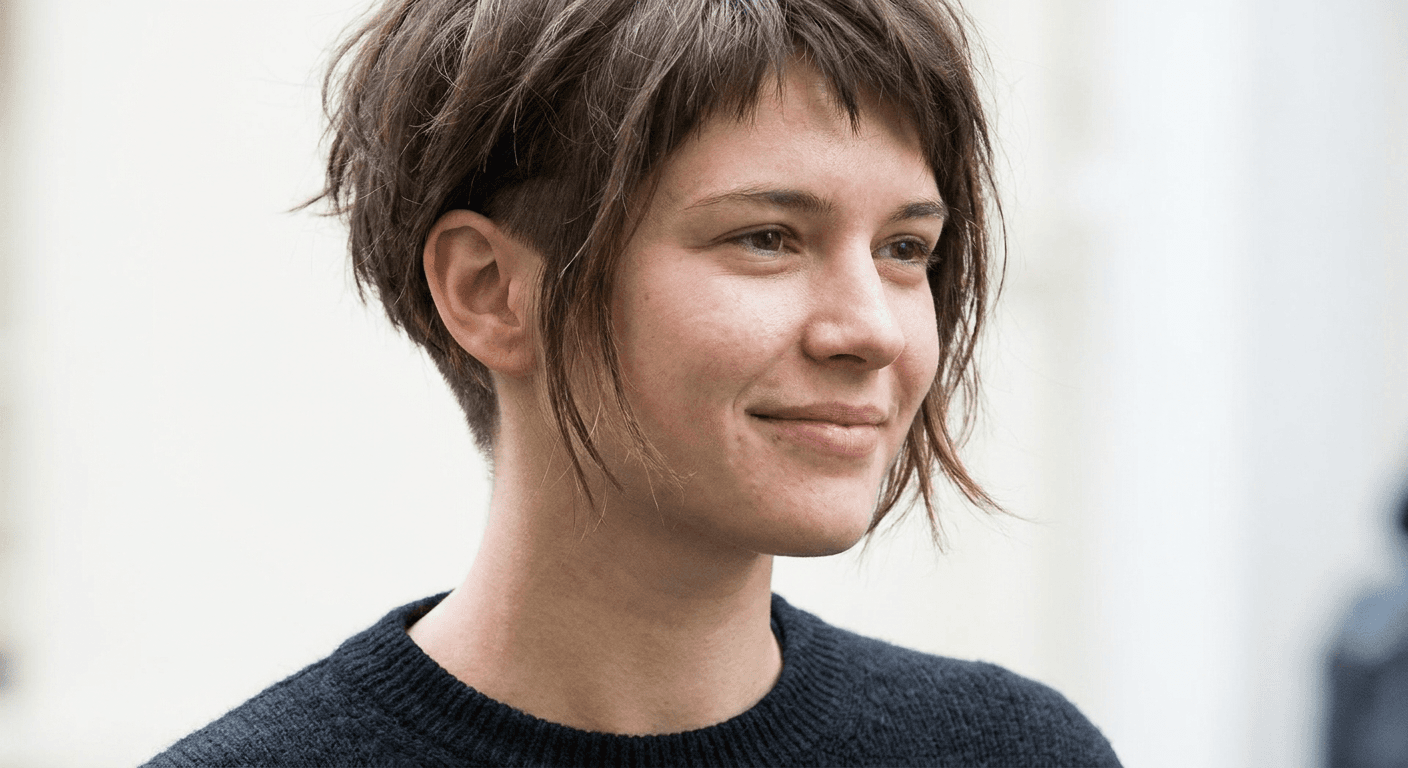
For anyone who wants to preview something shorter without committing to a full pixie cut, the pixie-bob hybrid keeps a jaw-grazing front section while cropping the sides and back. It is also one of the most gender-neutral variations in this entire pack, since a close-cropped back and sides reads the same regardless of who is wearing it.
Prompt 13: Pixie-bob hybrid crop
Using the reference photo, keep this person's face, skin tone, and expression exactly as shown, and change only the hairstyle to a pixie-bob hybrid, short cropped sides and back that taper close to the head, with a longer, slightly choppy top and jaw-grazing length left in the front. Natural texture and clean taper lines, consistent lighting and background from the original photo, photorealistic detail.
Prompt 14: Nape-grazing cropped bob
Using the reference photo, keep this person's face, skin tone, and expression exactly as shown, and change only the hairstyle to a nape-grazing cropped bob, closely cut at the back and sides with textured, slightly lifted volume at the crown, natural hair texture throughout, consistent lighting and background from the original photo, photorealistic detail.
Prompt 15: Textured pixie-bob with a longer front section
Using the reference photo, keep this person's face, skin tone, and expression exactly as shown, and change only the hairstyle to a textured pixie-bob with shorter sides and a longer, face-framing front section that reaches the jaw, natural piecey texture rather than a slicked finish, consistent lighting and background from the original photo, photorealistic detail.
6) Glow-Up Reveal and Duet-Style Prompts
These last three prompts are built specifically for the reveal format itself, the split-frame before-and-after, the mirror moment, and the duet or stitch style thumbnail. They are less about a single hairstyle and more about the presentation, which is where most of the actual viral traction in this trend comes from.
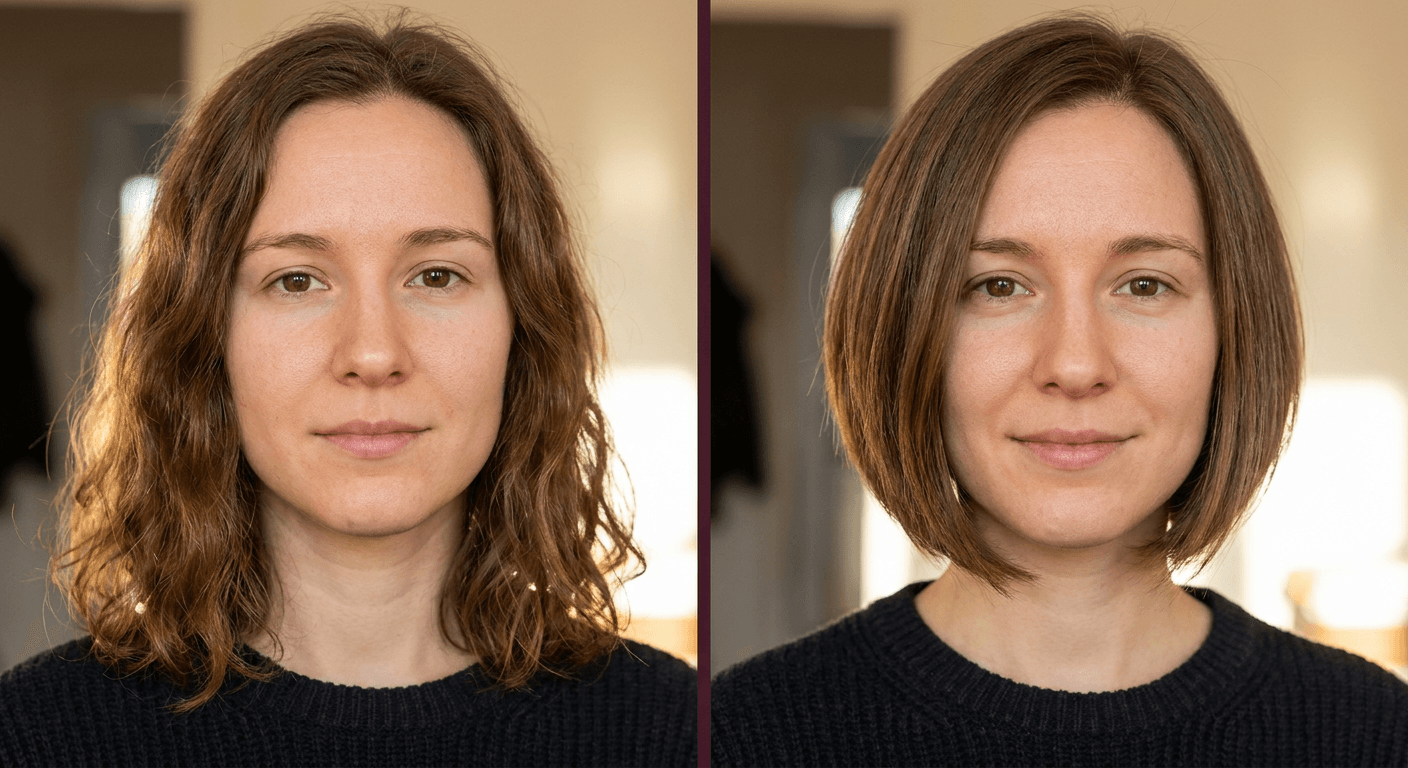
Prompt 16: Split-frame before-and-after reveal
Using the reference photo, generate a split-frame image divided by a thin vertical line. The left half shows this person exactly as in the original photo. The right half shows the same person, same pose, same expression, and same lighting, with the hairstyle changed to a bevelled bob. Keep the face, skin tone, and background identical on both sides so the only visible difference is the hair, photorealistic detail.
Prompt 17: Mirror reveal moment
Using the reference photo, generate this person looking into a mirror in a simple, softly lit bathroom or salon setting. Their real reflection in the mirror shows the new hairstyle, a glossy liquid bob, while their face and expression stay consistent with the original photo. Natural single-source lighting, realistic mirror reflection and glass texture, photorealistic detail.
Prompt 18: Duet or stitch style two-panel reaction
Using the reference photo, generate a two-panel composition suited for a duet or stitch style video thumbnail. The left panel shows this person exactly as in the original photo with their current hair. The right panel shows the same person, same lighting and framing, with a fairy bob and a genuine, camera-facing reaction expression. Consistent identity and skin tone across both panels, photorealistic detail, no added text.
For more ideas on framing a reveal moment specifically for a thumbnail rather than a feed post, our hero object thumbnail prompt pack has useful composition patterns for making the "after" half of a reveal read clearly even at a small thumbnail size.
How to Customize These Prompts
Every prompt above follows the same base structure on purpose: lock the face, skin tone, and expression, describe the specific bob variation with real physical detail, and keep the lighting and background from the original photo. That structure is what actually preserves likeness, so keep it intact even when adjusting the rest.
A few specific things worth changing based on the actual photo and the actual goal:
Starting hair texture. If the reference photo shows naturally curly or coily hair, add that directly into the prompt, for example "curly liquid bob" or "coily fairy bob with natural curl pattern," instead of leaving it out. Skipping this detail tends to produce a result with straight, silky hair regardless of the original texture, which defeats the point of a realistic preview.
Hair color. None of the 18 prompts above specify a color change on purpose, so the result keeps the subject's existing color by default. Add a specific, named shade directly into the prompt if a color change is part of the preview, and mention that the color should match the person's natural undertone for a believable result.
Face shape framing. A bevelled bob's inward curve tends to suit rounder or squarer face shapes especially well, while a French bob's straighter line can work well on an oval face. None of this needs to be an exact science in the prompt itself, but mentioning "soften the jawline" or "elongate the face slightly" as a styling note can nudge the result toward a more flattering fit.
Accessories and glasses. If the reference photo includes glasses, piercings, or a specific accessory, name it explicitly and ask the model to keep it unchanged. Hair-region edits sometimes drift into adjacent details like ear jewelry or glasses frames if they are not called out directly.
For a related single-photo transformation technique that uses the exact same image-to-image approach, our meet your younger self prompt pack covers how to keep a likeness consistent across a bigger age gap, which is a useful reference for troubleshooting identity drift on a bob prompt too.
Common Mistakes Creators Make With This Trend
A handful of the same mistakes show up again and again in bob try-on attempts that do not land.
- Regenerating the whole photo instead of masking just the hair. This is the single most common failure. If the tool redraws the entire image, the face, lighting, and background all shift slightly, and the result reads as a different person rather than the same one with new hair. Use a masking or inpainting workflow specifically for the hair region whenever the tool supports it.
- Ignoring the person's actual hair texture. A prompt that does not mention curl pattern, density, or thickness tends to default to a generic straight, medium-density result, which looks obviously wrong on someone whose real hair is thick, coily, or fine.
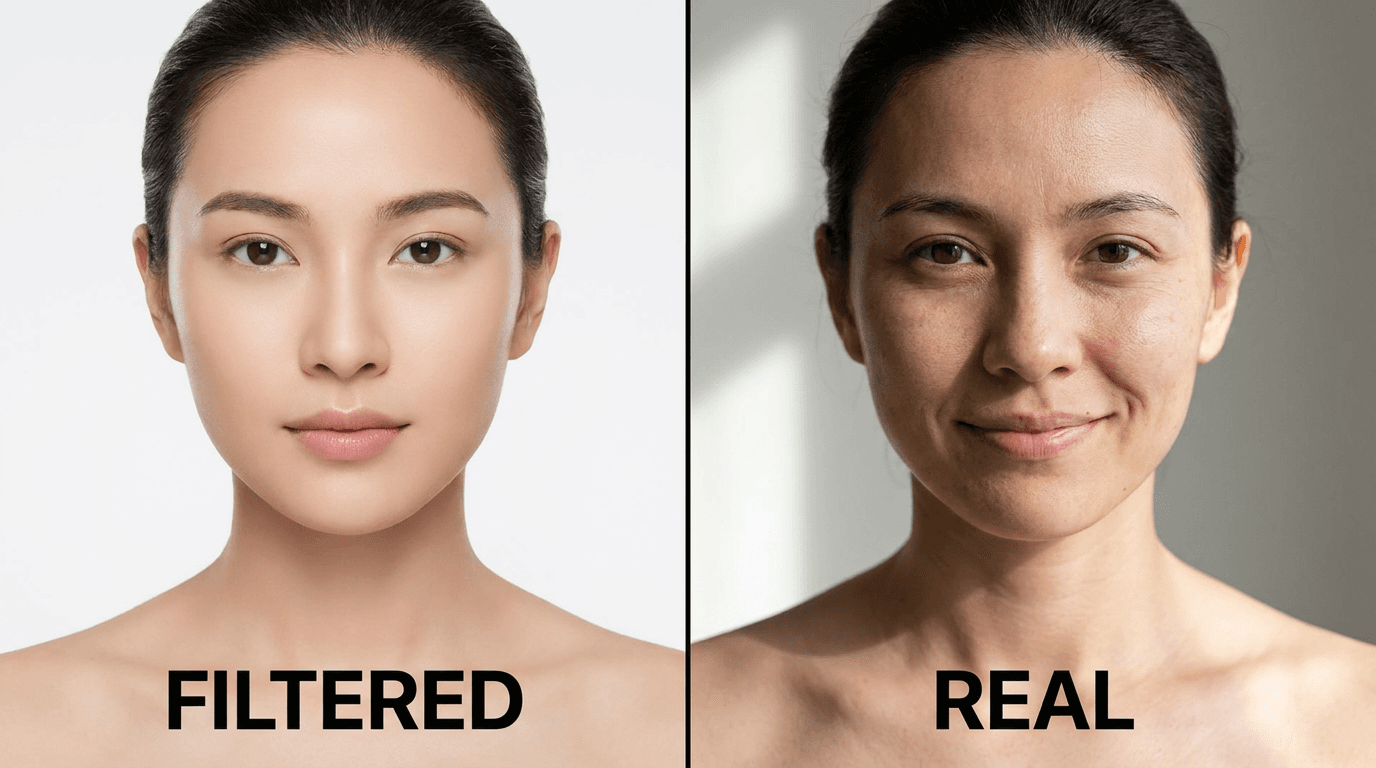
- Using a blurry, angled, or heavily filtered reference photo. A three-quarter angle or a low-resolution selfie gives the model too little clean facial detail to preserve consistently, which is the same problem that shows up in most face-preserving prompt formats, not just this one.
- Defaulting every prompt to an overly feminine styling choice. Bobs get cut on every hair type and gender presentation. If a result comes back styled more femininely than intended, adjust the styling language directly (natural texture instead of a blown-out finish, for example) rather than assuming that is just how the cut has to look.
- Posting only one variation. Since there are five genuinely distinct sub-styles in this trend, a "which bob suits me" carousel or reel showing three or four variations on the same photo tends to outperform a single static reveal, since it gives the viewer more reason to comment on which one they liked best.
- Skipping a real face-lock instruction. Even a strong masking tool benefits from an explicit prompt line like "keep this person's face, skin tone, and expression exactly as shown." Leaving that out increases the odds of subtle identity drift, especially across several generations in a row.
If the broader goal is making any AI-generated portrait look genuinely photographed rather than synthetic, not just the hair specifically, our Proof of Human thumbnail prompt pack breaks down the exact visual tells, skin texture, asymmetry, single-source lighting, that separate a convincing result from an obviously AI one, and every one of those techniques applies directly to a bob preview too.
Generating These Inside Miraflow
Once a prompt from this pack matches the bob variation being tried, the AI Image Generator in Miraflow AI handles the actual generation directly in the browser. Upload the reference photo, mask the hair region if the photo has a busy background or the tool supports region selection, paste in the prompt, and generate. Because the tool supports image-to-image editing and inpainting rather than only text-to-image generation, the same real face carries through into every variation, which is the entire point of a believable hairstyle-challenge post.
For creators turning a bob reveal into a short-form video rather than a single static post, Text2Shorts can turn a script around the reveal into a narrated vertical video, and the YouTube Thumbnail Maker in Miraflow AI is a fast way to turn a favorite result into a thumbnail if the reveal is going into a longer video instead of a Short. Anyone repurposing an existing long-form video into clips around the same theme can also run it through AI Clipping to pull out the strongest moments automatically.
If this kind of single-photo transformation trend is working well for an account, a few other prompt packs on the blog follow the exact same underlying mechanic with a different visual hook: the pet-to-human transformation pack, the decade progression trend from 1986 to 2026, and the AI action figure and toy box prompts all start from one reference photo the same way this pack does. And if a character-style spinoff makes sense for a channel, the face sticker sheet prompt pack and the Italian brainrot character prompts are two of the better-performing formats built on the same reference-photo foundation.
For background on the actual image models doing this kind of face-preserving edit well right now, our Nano Banana Pro vs Seedream 5.0 Pro comparison breaks down how each one handles a regional, masked edit like a hair swap differently.
Frequently Asked Questions
What is the actual difference between a bevelled bob and a liquid bob? A bevelled bob is defined by its shape, the ends curve inward toward the chin in a rounded, jewelry-like sweep instead of a straight line. A liquid bob is defined more by its finish, seamless internal layering and a glossy, weightless fall that reads as smooth and reflective. A cut can technically combine both, but the two names describe different things, one is about the silhouette, the other is about the texture and shine.
Will an AI preview accurately show how a bob will actually look on curly or coily hair? Only if the prompt specifically mentions the real curl pattern and density. A generic bob prompt tends to default to straight, medium-density hair regardless of the reference photo's actual texture, which produces a preview that will not match how the cut behaves once it is actually done. Naming the texture directly in the prompt, as covered in the customization section above, fixes this in most cases.
Is this trend only for women, or can anyone try it? Anyone can try it. Bobs, including bevelled, liquid, fairy, and pixie-bob variations, are cut on every hair type and every gender presentation, and the styling language in a prompt controls how feminine or masculine the finished look reads, not the haircut itself. Masc-presenting and androgynous creators running the exact same prompts in this pack will get results that match their own face and styling preferences, not a default feminine look, as long as the prompt does not push toward one.
Do I need CapCut, or does a general AI image tool work just as well? A CapCut template is fast but limited to a handful of preset looks. An AI image editor with image-to-image and inpainting support, like the one inside Miraflow, gives more direct control over which specific bob variation shows up and keeps the face locked more reliably, which matters most for a glow-up reveal where the audience needs to recognize the "before" and "after" as clearly the same person.
How do I stop the AI from changing my face along with my hair? Use a masking or region-based edit whenever the tool supports it, so only the hair pixels are touched. When masking is not available, add an explicit instruction in the prompt to keep the face, skin tone, and expression exactly as shown in the reference photo, which is built into every prompt in this pack already.
Which bob variation works best for a duet or stitch reveal specifically? The bevelled bob and the liquid bob tend to read most clearly at a glance because their shapes are the most visually distinct from long or unstyled hair, which matters when a viewer only has a second or two to register the change before deciding whether to keep watching. The fairy bob and French bob are subtler and can work better for a slower-paced glow-up post where the caption or audio is doing more of the storytelling work.
Conclusion
The bob is not trending because it is new, it is trending because 2026's hairstyling world has split it into five genuinely distinct, nameable variations, and because an AI preview finally makes it possible to see any of them on your actual face before committing to a haircut. The 18 prompts above cover all five, plus three formats built specifically for the reveal moment itself, so there is a real starting point here whether the goal is a single glow-up post or a full hairstyle-challenge series testing every variation back to back. Start with a clear, well-lit reference photo, keep the face-lock instruction in every prompt, and generate the AI Image Generator in Miraflow AI directly from the browser to see which cut actually earns the comments before anyone picks up a pair of scissors. You can browse more prompt packs like this one on the Miraflow AI blog, and every tool mentioned here lives at Miraflow.