Best Posting Times for Instagram in 2026 (By Niche)

Written by
Jay Kim
Posting at the wrong time buries your content before anyone sees it. This guide breaks down the best Instagram posting times in 2026 by niche, content format, and day of week, with scheduling strategies that actually work.
You can create the best Reel, write the sharpest caption, and use every relevant hashtag, but if you publish it when your audience is asleep or scrolling somewhere else, the algorithm has very little engagement signal to work with in the first critical minutes. And on Instagram in 2026, those first minutes still determine whether your content reaches hundreds of people or hundreds of thousands.
The frustrating part is that generic advice like "post between 9 AM and 11 AM" is technically not wrong, but it is so broad that it is almost useless. A fitness creator and a B2B marketing consultant do not share the same audience behavior patterns. A food blogger posting recipe Reels operates on a completely different engagement cycle than a travel photographer posting carousel guides. The best posting time depends on who your audience is, what niche you operate in, what format you are publishing, and what day of the week it is.
This guide provides specific posting time recommendations broken down by niche, format, and day of the week. It also covers how Instagram's 2026 algorithm uses early engagement signals, how to find your own best times using Instagram Insights, and how to build a sustainable scheduling system that removes guesswork from your content calendar.
How Instagram's Algorithm Uses Posting Time in 2026
Before diving into specific time slots, it helps to understand why timing matters algorithmically. Instagram does not simply show content to all of your followers in chronological order. The platform uses a ranked feed system where content is scored based on predicted engagement, and one of the strongest early signals is velocity of initial interaction.
When you publish a post or Reel, Instagram shows it to a small subset of your followers first. If that subset engages quickly through likes, comments, saves, shares, or extended watch time, Instagram interprets this as a quality signal and distributes the content more broadly. If the initial subset ignores it, distribution slows or stalls.
This means that posting when your most engaged followers are actively using the app gives your content the best possible chance of clearing that initial distribution gate. It does not guarantee virality, but it removes a preventable disadvantage.
In 2026, Instagram has also increased the weight of saves and shares relative to likes. Content that gets saved or sent to friends within the first 30 to 60 minutes receives a stronger distribution boost than content that accumulates passive likes over several hours. This makes timing even more important because saves and shares tend to happen during active browsing sessions, not during quick scroll-and-like behavior.
The takeaway is straightforward. Timing does not override content quality, but it gives quality content the initial momentum it needs to reach the audience it deserves.
General Best Posting Times for Instagram in 2026
Across all niches and formats, certain patterns emerge consistently from aggregated engagement data in 2026.
Weekdays tend to outperform weekends for most niches. Tuesday through Thursday consistently shows the highest engagement rates across categories. Monday engagement is moderate, with many users easing into the work week. Friday engagement starts strong in the morning but drops after lunch as attention shifts toward weekend plans.
The morning window between 7 AM and 9 AM local time is strong across almost every niche. This aligns with commute times and the habitual morning scroll that most Instagram users engage in before their day starts.
The lunch window between 11:30 AM and 1:30 PM local time captures a second engagement peak. Users check Instagram during lunch breaks, between meetings, or during midday downtime. This window works especially well for visually driven content like food, fashion, and lifestyle.
The evening window between 7 PM and 9 PM local time is the highest-volume browsing period. More users are on the platform during this window than any other, but competition is also at its peak. Content published during this window has access to the largest potential audience, but also faces the most noise.
Late night posting between 10 PM and midnight works for specific niches where audiences skew younger or where the content is consumable in a relaxed, low-attention state. Entertainment, memes, and personal storytelling content often performs surprisingly well during this window.
These general patterns are a starting point, not a final answer. The niche-specific breakdowns below provide much more actionable guidance.
Best Posting Times by Niche
Fitness and Wellness
Fitness audiences tend to be early risers. Gym-goers, runners, and wellness enthusiasts are among the most active Instagram users in the early morning window.
Best times: 6:00 AM to 7:30 AM and 5:30 PM to 7:00 PM, weekdays. The morning window catches people planning or finishing their workout. The evening window catches post-work gym traffic and people winding down who engage with health content as part of their routine.
Best days: Monday, Tuesday, Wednesday. Monday motivation content performs consistently well. Mid-week sustains momentum. Weekend engagement drops because fitness audiences are more likely to be active outdoors rather than scrolling.
Format notes: Reels showing quick workout demonstrations or form corrections perform strongest in the morning window. Carousel posts with meal prep guides or weekly training plans perform better in the evening when users are planning ahead. Stories with daily check-ins and polls do well throughout the day.
Food, Cooking, and Recipe Content
Food content follows meal-based engagement cycles that are among the most predictable of any niche.
Best times: 11:00 AM to 1:00 PM and 5:00 PM to 7:00 PM, every day. The lunch window is when people are deciding what to eat or browsing food content during their break. The dinner window catches meal planning behavior and the visual appeal of food content pairs well with the hunger cue of approaching dinner time.
Best days: Sunday, Tuesday, Wednesday, Friday. Sunday is the highest single day for recipe saves because many users plan their weekly meals on Sunday. Tuesday and Wednesday capture steady mid-week engagement. Friday sees higher engagement for restaurant recommendations and weekend cooking projects.
Format notes: Recipe Reels published around 11 AM tend to get the highest save rates of any content format in this niche. Carousel recipe cards work extremely well at 5 PM when people are actively deciding what to cook tonight.
Fashion and Beauty
Fashion and beauty audiences are most active during transitional moments in the day when they are getting ready, taking breaks, or unwinding.
Best times: 8:00 AM to 10:00 AM and 7:00 PM to 9:00 PM, weekdays. Morning engagement aligns with the getting-ready routine. Evening engagement aligns with browsing and discovery behavior when users are relaxed.
Best days: Tuesday, Thursday, Friday. Thursday and Friday see a spike in outfit inspiration searches as users plan weekend looks. Tuesday captures the mid-week engagement peak.
Format notes: "Get ready with me" Reels and styling tutorials perform best in the morning window. Product reviews and haul content perform best in the evening when users are in a shopping-adjacent mindset. Instagram Stories with polls asking followers to choose between outfits or products generate strong engagement throughout the day.
Business, Marketing, and Entrepreneurship
B2B and business-focused content follows a professional schedule. Audiences are most engaged during the workday when they are in a professional mindset.
Best times: 7:00 AM to 8:30 AM and 12:00 PM to 1:00 PM, weekdays only. The early morning window catches professionals during their commute or morning routine when they consume industry content. The lunch break window is when business content gets the most deliberate engagement through comments and saves.
Best days: Tuesday, Wednesday, Thursday. These are the highest-productivity days of the work week and when business audiences are most receptive to educational and strategic content. Monday morning is also viable but faces heavy competition. Friday afternoon engagement drops sharply.
Format notes: Carousel posts with frameworks, checklists, and how-to guides dominate this niche. They have the highest save rate of any format in the business category. Reels work for quick tips and contrarian takes. Stories with Q and A stickers drive direct interaction.
Travel and Adventure
Travel content engagement patterns depend heavily on whether the audience is travel-dreaming or actively planning trips.
Best times: 8:00 AM to 10:00 AM and 8:00 PM to 10:00 PM, all days. Morning engagement is driven by aspirational scrolling. Evening engagement captures the relaxed browsing window when users linger on visually rich content.
Best days: Thursday, Friday, Sunday. Thursday and Friday see the highest engagement as users begin thinking about weekend trips or daydreaming about future travel. Sunday evening is strong for destination inspiration and trip planning.
Format notes: Cinematic Reels showing destinations in motion perform best in the evening window when users are in a relaxed, visual-consumption mode. Carousel guides with travel tips, itineraries, and packing lists see the highest saves during the morning window. Stories with location tags and interactive stickers drive strong engagement throughout the day.
Education and How-To Content
Educational audiences engage when they are in an active learning mindset, which tends to align with structured parts of the day.
Best times: 9:00 AM to 11:00 AM and 4:00 PM to 6:00 PM, weekdays. The morning window catches students and professionals during focused learning time. The late afternoon window captures the post-work self-improvement crowd.
Best days: Monday, Tuesday, Wednesday. Early-week days align with the fresh start mentality when people are most motivated to learn something new. Engagement tapers through the week as mental fatigue increases.
Format notes: Carousel posts are the dominant format in education. A well-structured ten-slide carousel with a clear title slide, teaching slides, and a call-to-action slide consistently outperforms other formats for saves and shares. Reels work well for quick explainers that tease deeper content.
Entertainment, Memes, and Personal Content
Entertainment audiences are the most active during downtime. Evenings and weekends dominate.
Best times: 12:00 PM to 2:00 PM and 7:00 PM to 11:00 PM, every day. The lunch window captures casual scrolling. The long evening window is when entertainment content consumption peaks.
Best days: Friday, Saturday, Sunday. Weekend engagement is significantly higher for entertainment content than for any other niche. People have more time, longer browsing sessions, and higher appetite for casual content.
Format notes: Reels are the primary format here. Short, punchy content under 30 seconds with strong hooks in the first frame consistently outperforms longer content. The hook principle that drives YouTube Shorts retention applies equally to Instagram Reels.
Real Estate and Local Business
Local business audiences are geographically concentrated and follow local daily rhythms.
Best times: 8:00 AM to 10:00 AM and 6:00 PM to 8:00 PM, weekdays. Morning commute browsing and evening wind-down capture the two main attention windows. For real estate specifically, Sunday between 10:00 AM and 12:00 PM is a high-engagement window as house hunting tends to spike on Sunday mornings.
Best days: Tuesday, Wednesday, Sunday. Mid-week sees steady engagement. Sunday is disproportionately strong for real estate and home-related content.
Format notes: Carousel posts with property walkthroughs and neighborhood guides perform well. Reels showing property tours or behind-the-scenes business content drive strong engagement and are increasingly expected by audiences in these categories.
Best Posting Times by Content Format
Different Instagram formats have different engagement dynamics, and the ideal posting time shifts depending on what you are publishing.
Reels
Reels are discovery-driven content. They reach far beyond your follower base through Explore and the Reels tab. Because Reels depend heavily on early engagement velocity to trigger broader distribution, timing is especially critical.
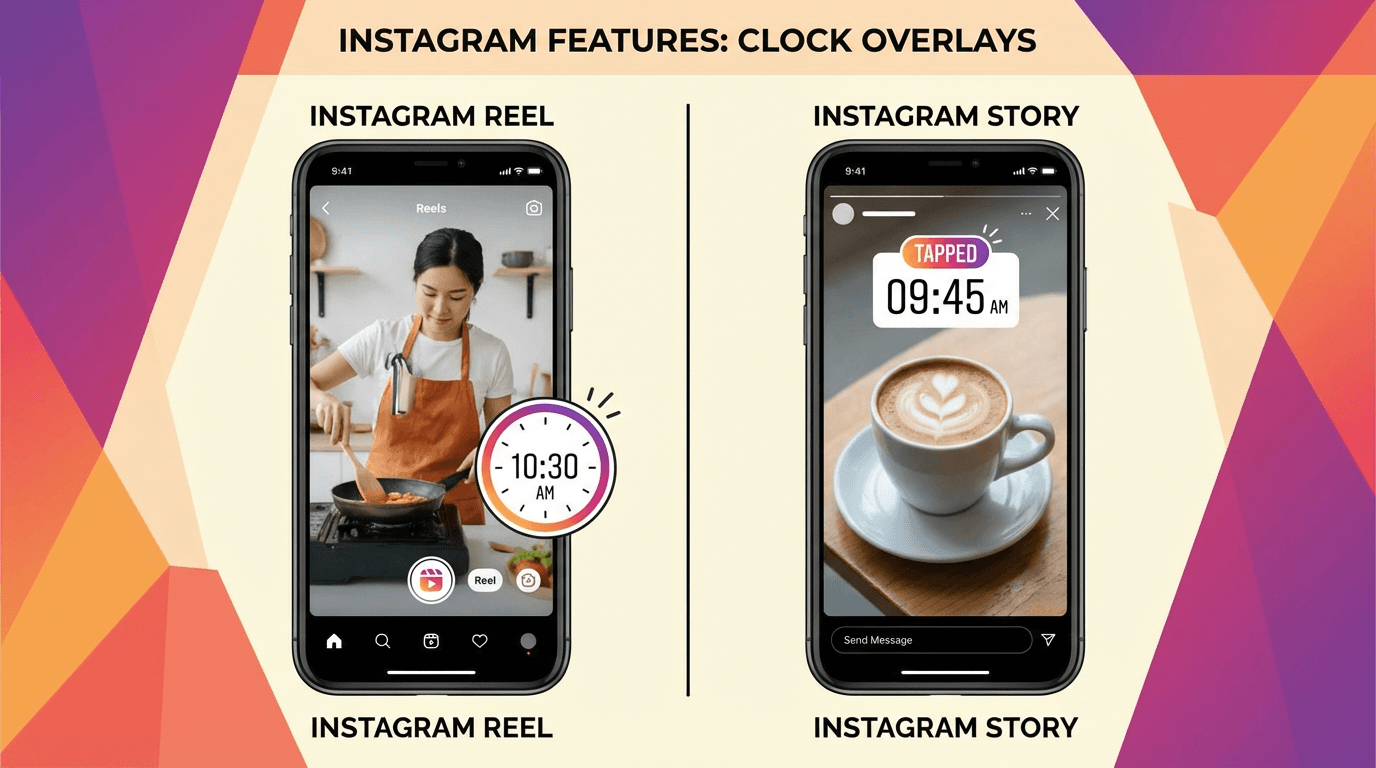
Optimal posting window: 30 to 60 minutes before your audience's peak active time. This gives your Reel time to accumulate initial engagement from followers before the algorithm pushes it to non-followers during peak hours. If your audience peaks at 8 PM, publishing at 7 PM or 7:15 PM is ideal.
Worst posting window: Late at night unless your audience is specifically active then. A Reel published at 2 AM will sit with minimal engagement for hours, giving the algorithm no early signal to work with.
Carousel Posts
Carousels are engagement-intensive content. Users spend more time on carousels than single images because they swipe through multiple slides. Instagram interprets this extended interaction as a strong engagement signal.
Optimal posting window: During active browsing periods when users have time to swipe and read, not during quick-check moments. Lunch breaks and evening relaxation windows work best. The 12 PM to 1 PM and 7 PM to 9 PM windows consistently produce the highest carousel engagement.
Worst posting window: Early morning rush hours when users are scrolling quickly. Carousels need attention time that the 6 AM quick-check scroll does not provide.
Stories
Stories are consumed throughout the day but have the highest completion rates during habitual check-in moments.
Optimal posting window: Stories can be posted more frequently and do not need to be timed as precisely as feed content. However, the first Story of the day should go up in the morning between 7 AM and 9 AM to appear at the top of the Stories bar when users open the app. Additional Stories can be spread through the day to maintain presence.
Strategic note: Posting multiple Stories throughout the day keeps your profile icon at the front of the Stories bar. Instagram prioritizes accounts that post Stories consistently and recent Stories from accounts that users interact with frequently.
Single Image Posts
Single images have the lowest organic reach of any format in 2026 but still serve a purpose for portfolio-style content, announcements, and personal brand moments.
Optimal posting window: Same as carousels. Lunch and evening windows. Single images need strong captions to drive engagement since the visual interaction is brief compared to Reels or carousels.
How to Find Your Own Best Posting Times Using Instagram Insights
The niche-based recommendations above provide a strong starting framework, but your specific audience may deviate from general patterns. The most reliable way to identify your personal best times is through Instagram's built-in analytics.
Step 1: Access your audience activity data. Open the Instagram app, go to your Professional Dashboard, tap Insights, then navigate to Total Followers. Scroll down to Most Active Times. This section shows you which hours and days your followers are most active on the platform.
Step 2: Identify your top three activity windows. Look for the hours with the tallest bars on each day. Most accounts will see two to three distinct peaks. Note which days show the highest overall activity.
Step 3: Test posting 30 to 60 minutes before peak activity. This pre-peak publishing strategy gives your content time to accumulate initial engagement before the largest wave of your audience comes online.
Step 4: Track results over two to four weeks. Compare engagement rates, reach, and saves across different posting times. Do not draw conclusions from a single post. Variability is high on any individual piece of content. Patterns emerge over 10 to 20 posts.
Step 5: Adjust and re-test quarterly. Audience behavior shifts with seasons, time changes, and life patterns. A posting time that works perfectly in January may underperform in July when daily routines shift.
The key insight here is that Instagram Insights shows you when your current followers are online. If you are trying to grow and reach new audiences through Reels and Explore, you should also consider when your target audience, not just existing followers, is active. This is where niche-based timing data becomes valuable as a complement to your personal analytics.
Time Zones: The Problem Most Creators Ignore
If your audience is concentrated in a single time zone, posting time optimization is straightforward. But many Instagram creators, especially those producing English-language content, have audiences spread across multiple time zones. A creator based in California with followers in New York, London, and Sydney faces an impossible task if they try to hit every audience's peak time with a single post.
The practical approach is to identify where your largest audience concentration lives and optimize for that time zone. If 60 percent of your audience is in US Eastern Time, your posting schedule should be built around ET windows. The remaining 40 percent across other time zones will still see your content, just not at their absolute peak moment.
For creators with a truly global audience split, posting twice per day at different times can capture two separate geographic peaks. Morning content can target European and East Coast US audiences while evening content can target West Coast US and Asia-Pacific audiences.
Instagram Insights shows your audience's geographic distribution in the Followers section. Use this data to make informed decisions rather than guessing.
Day-by-Day Posting Strategy for 2026
Here is a realistic weekly framework that incorporates niche patterns, format considerations, and engagement cycles.
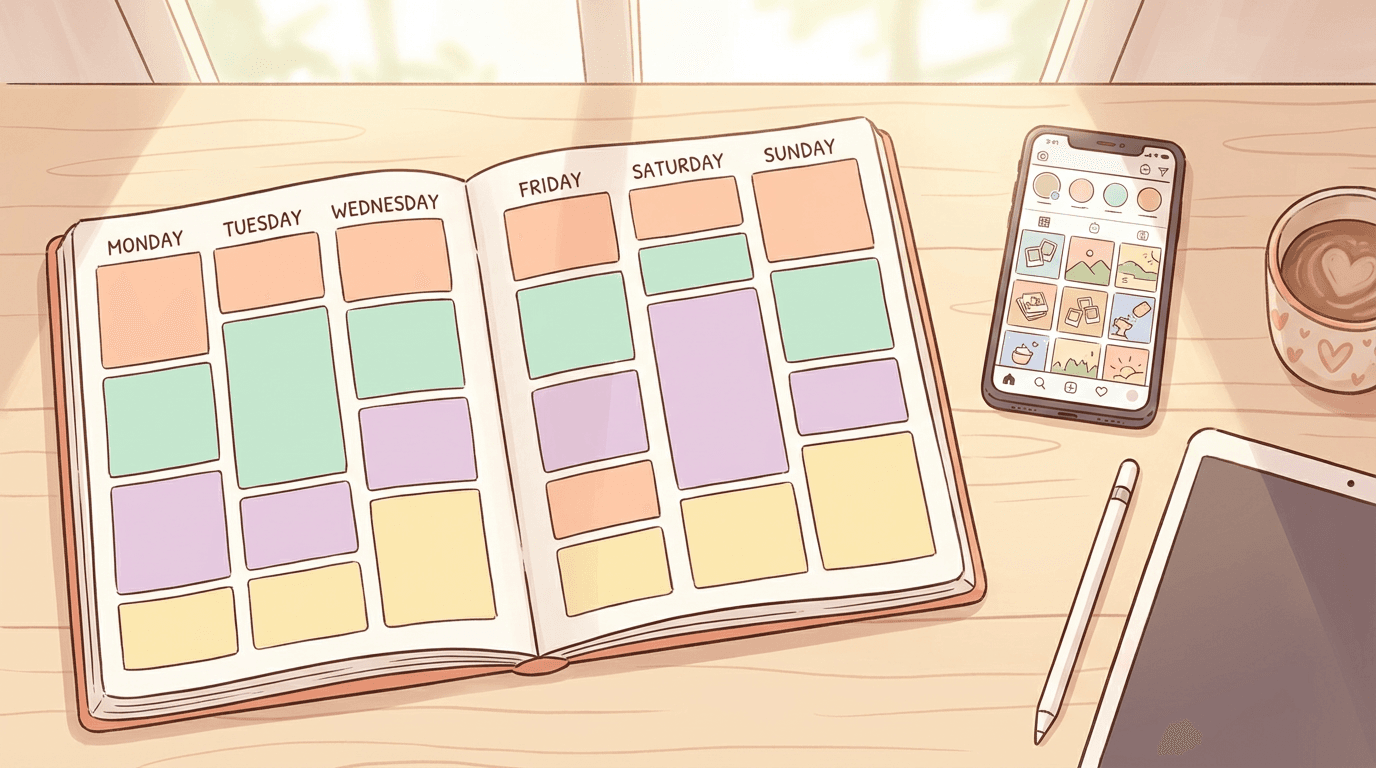
Monday is a moderate engagement day. Audiences are transitioning back into their weekly routine. Educational and motivational content performs well. Carousel posts with frameworks, plans, and tips align with the fresh-start energy. Post in the morning window between 7 AM and 9 AM.
Tuesday is one of the highest engagement days across nearly every niche. Audiences are fully engaged in their week and actively consuming content. This is your best day for high-effort content like detailed carousels, polished Reels, or important announcements. Post during your peak window, typically morning or lunch.
Wednesday sustains Tuesday's momentum. Mid-week content that provides value, teaches something, or entertains performs consistently. This is a strong day for Reels because mid-week discovery browsing tends to be high. Post during the lunch or early afternoon window.
Thursday is the second-best day for most niches. It captures audiences beginning to think about the weekend while still in an active, engaged mindset. Fashion, food, and travel content sees a Thursday spike. Post in the morning or early evening.
Friday morning engagement is solid but drops after lunch. If you are posting on Friday, publish before noon. Friday is a good day for lighter, personality-driven content, behind-the-scenes Stories, and weekend preview Reels.
Saturday engagement varies dramatically by niche. Entertainment, travel, food, and lifestyle see strong Saturday numbers. Business and education drop off. If your niche is weekend-friendly, post mid-morning between 9 AM and 11 AM. Otherwise, consider skipping Saturday or using it for Stories only.
Sunday is the strongest weekend day for content planning and aspirational browsing. Recipe saves, travel inspiration, and fitness motivation content perform well on Sunday evening. Post between 5 PM and 7 PM for niches that benefit from the "planning for next week" mindset.
Posting Frequency: How Often Is Enough
Timing matters, but consistency matters more. Instagram's algorithm rewards accounts that publish reliably. An account that posts three times per week at consistent times will generally outperform an account that posts seven times in one week and then disappears for two weeks.
In 2026, the recommended posting cadence for growth-focused Instagram accounts is three to five feed posts per week (Reels and carousels combined), plus daily Stories. This cadence keeps your account active in the algorithm without burning through content ideas or exhausting your audience.
For Reels specifically, three to four per week is the sweet spot for most creators. YouTube data consistently shows that daily uploads improve algorithmic response, and similar patterns hold on Instagram. The algorithm favors accounts that demonstrate consistent creative output.
The challenge is that maintaining this cadence requires efficient production. Spending three hours editing a single 30-second Reel is not sustainable at three to four posts per week unless content creation is your full-time job.
Building a Sustainable Content Production System
The creators who maintain consistent posting schedules in 2026 are not working harder than everyone else. They are batching production and using tools that compress creation time.
Content batching means dedicating specific blocks of time to create multiple pieces of content at once rather than creating each post individually throughout the week. A typical batching workflow looks like this: spend one session brainstorming and scripting five pieces of content, spend another session creating all the visuals, spend a third session writing captions and scheduling everything. Three focused sessions replace five scattered daily creation efforts.
For Reels, the production bottleneck is usually visuals and editing. Scripting a Reel takes five minutes. Filming and editing takes an hour or more. This is where AI-powered creation tools become a practical advantage rather than a gimmick.
Text2Shorts on Miraflow AI is built for exactly this workflow. You enter a topic, select between animation or realistic visual styles, and the tool generates a complete vertical video with script, AI-generated scene visuals, voiceover, and captions. The one-click generation mode produces a finished Reel from a single idea. The step-by-step mode lets you review and edit the script, adjust visual descriptions for each scene, choose a voice and speed, and then generate the final video. Either mode compresses what would normally be an hour of filming and editing into minutes.
This matters for posting time strategy because the best schedule in the world is useless if you cannot produce enough content to fill it. Removing production friction is what makes consistent scheduling actually sustainable.
For visual posts like carousels and single images, the AI Image Generator handles creation from text prompts. You describe the image you want, choose your aspect ratio, and generate. It supports text-to-image for creating visuals from scratch and image-to-image for transforming existing photos with new styles, backgrounds, or lighting. For Instagram content specifically, 1:1 and 4:5 aspect ratios align with feed display. For creators who want to explore viral visual styles, the Nano Banana prompt guide provides over ten proven prompt templates that work well for social media content.
Why Most Posting Time Advice Fails
The reason so much timing advice feels unhelpful is that it treats all Instagram accounts as interchangeable. A study that aggregates engagement data across millions of accounts and declares "the best time to post is Wednesday at 11 AM" is measuring an average that may not represent any single account accurately.
Your audience is specific. Their daily patterns are shaped by their jobs, time zones, age groups, and content consumption habits. A 22-year-old college student and a 40-year-old working parent both use Instagram, but their active hours look nothing alike. A niche-level recommendation gets you closer to reality, but your own Instagram Insights data gets you the rest of the way.
The other reason timing advice fails is that creators treat it as a one-time decision. You find a recommended time, set your schedule, and never revisit it. But audience behavior changes. New followers shift your demographic mix. Seasonal patterns alter daily routines. Algorithm updates change distribution mechanics. A posting time that delivered strong engagement in February may underperform by June if your audience composition has shifted.
The most effective approach is to start with niche-based recommendations, validate with your own data, and re-evaluate every 8 to 12 weeks. Treat posting time as a variable you continuously optimize, not a setting you configure once.
The Relationship Between Posting Time and Content Quality
Timing amplifies quality. It does not replace it. A mediocre Reel posted at the perfect time will still underperform a great Reel posted at an okay time. But a great Reel posted at the perfect time will outperform the same great Reel posted at a bad time.
This means investing in content quality remains the highest-leverage activity for any creator. The opening hook of your Reel, the visual clarity of your carousel, the value density of your caption, and the emotional resonance of your Story all matter more than whether you posted at 11:47 AM or 12:03 PM.
Where timing becomes critical is when you are consistently producing quality content and want to squeeze maximum reach from each piece. At that stage, even small timing optimizations compound over weeks and months into measurably larger audiences.
The hook principle is worth emphasizing for Reels. The first three seconds determine whether viewers stay or scroll, and this is true on Instagram just as it is on YouTube Shorts and TikTok. Posting at the right time gets your Reel in front of more people. A strong hook keeps them watching. Together, these two factors create the engagement velocity that triggers algorithmic distribution.
Cross-Platform Timing Considerations
Many creators in 2026 publish content across Instagram, YouTube Shorts, and TikTok simultaneously. Each platform has slightly different peak usage patterns, but there is enough overlap that a coordinated posting strategy is practical.
Instagram and TikTok share similar peak windows because their user demographics overlap significantly. The morning scroll between 7 AM and 9 AM, the lunch break between 12 PM and 1 PM, and the evening window between 7 PM and 10 PM are strong on both platforms. YouTube Shorts has a slightly different pattern with stronger afternoon engagement and a broader evening window.
For creators who repurpose content across platforms, the practical approach is to publish on your primary platform first during its optimal window, then post on secondary platforms within one to two hours. This avoids splitting your own audience's attention and gives each platform's algorithm a clean engagement signal.
The new creator stack for AI-powered Shorts, Reels, and TikTok covers how creators are building multi-platform workflows in 2026 using AI tools to produce platform-adapted versions of the same content idea without manual re-editing for each platform.
Seasonal Timing Adjustments
Posting time is not static across the year. Seasonal patterns meaningfully shift when audiences are online and how they engage.
January through March: New Year motivation drives higher morning engagement as people consume self-improvement, fitness, and productivity content. Post earlier in the day. Business and education niches see a post-holiday engagement spike.
April through June: As days get longer, evening engagement windows extend later. Outdoor and travel content engagement shifts toward mid-morning and early evening. Graduation season creates spikes for fashion and lifestyle content.
July through August: Summer schedules disrupt normal patterns. Commute-based browsing drops as many professionals take vacations or work flexible hours. Weekend engagement increases across most niches. Evening windows shift later as people stay up later in summer.
September through October: Back-to-school and back-to-routine energy restores weekday engagement patterns. This is often one of the best periods for consistent engagement because audiences are settling into predictable daily schedules.
November through December: Holiday content drives massive engagement spikes but also massive competition. Shopping-related content sees the highest engagement of the year. Evening engagement peaks later in December as people are on holiday schedules. Gift guide carousels and holiday recipe Reels should be published earlier in the day to capture the extended browsing sessions.
Quick Reference: Best Times by Niche (Summary)
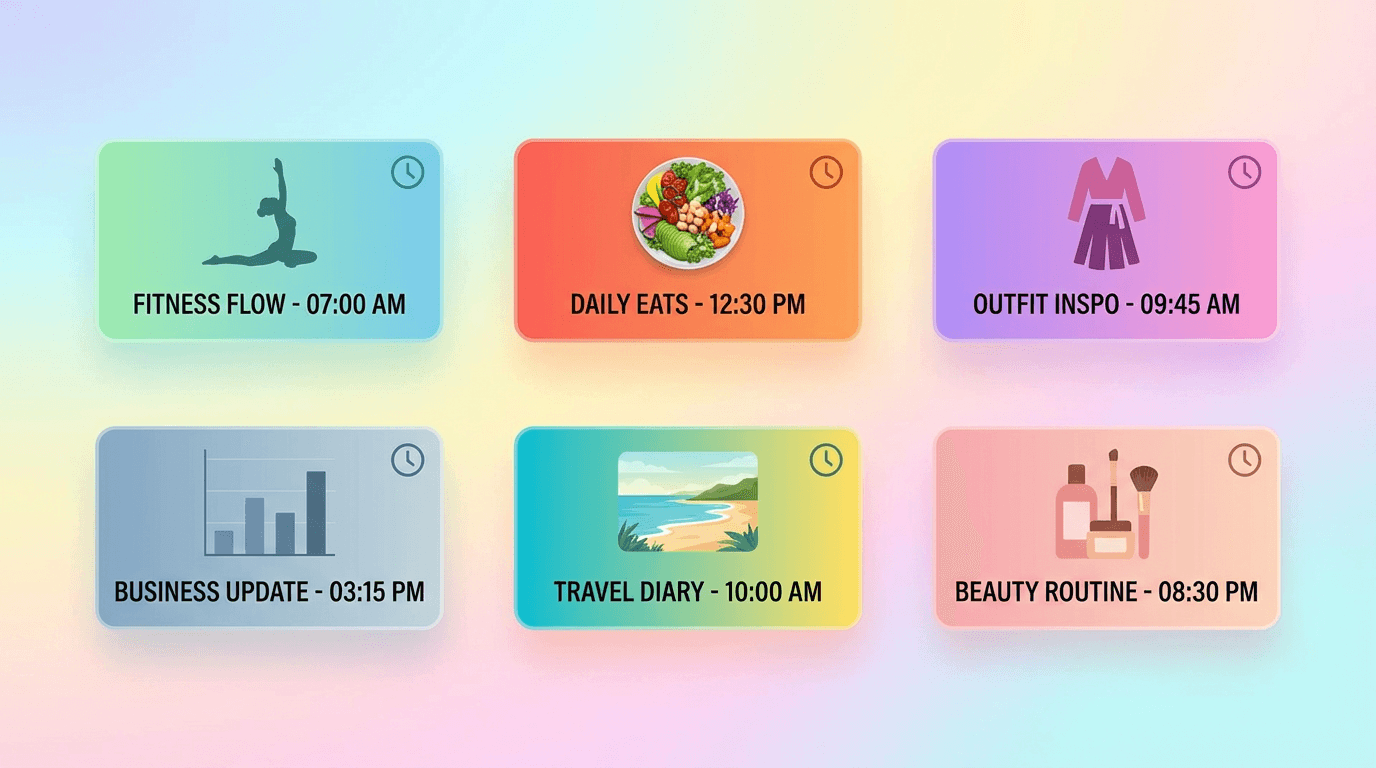
Fitness and Wellness: 6:00 to 7:30 AM and 5:30 to 7:00 PM. Best days: Monday, Tuesday, Wednesday.
Food and Cooking: 11:00 AM to 1:00 PM and 5:00 to 7:00 PM. Best days: Sunday, Tuesday, Wednesday, Friday.
Fashion and Beauty: 8:00 to 10:00 AM and 7:00 to 9:00 PM. Best days: Tuesday, Thursday, Friday.
Business and Marketing: 7:00 to 8:30 AM and 12:00 to 1:00 PM. Best days: Tuesday, Wednesday, Thursday.
Travel and Adventure: 8:00 to 10:00 AM and 8:00 to 10:00 PM. Best days: Thursday, Friday, Sunday.
Education and How-To: 9:00 to 11:00 AM and 4:00 to 6:00 PM. Best days: Monday, Tuesday, Wednesday.
Entertainment and Memes: 12:00 to 2:00 PM and 7:00 to 11:00 PM. Best days: Friday, Saturday, Sunday.
Real Estate and Local Business: 8:00 to 10:00 AM and 6:00 to 8:00 PM. Best days: Tuesday, Wednesday, Sunday.
Making Timing Part of Your Content System
The creators who actually benefit from posting time optimization are the ones who build it into a repeatable system rather than treating it as a daily decision. Here is a practical framework.
Week 1 through 2: Use the niche recommendations from this guide as your starting schedule. Post consistently at those times for at least two weeks to establish a baseline.
Week 3 through 4: Check Instagram Insights for your audience's most active hours. Compare your engagement rates across different posting times. If your data confirms the niche recommendations, continue. If it shows a different pattern, adjust.
Month 2 forward: Lock in your schedule. Use a content calendar to plan what goes out on which day and at what time. Batch your production so you are not scrambling to create content 20 minutes before your posting window opens.
For the production side of this system, having tools that accelerate creation matters. The AI Image Generator in Miraflow AI supports text-to-image creation and image-to-image editing, which means you can generate carousel visuals, transform photos for different aesthetics, and produce polished social content without a design tool. The AI Image Editor is especially useful for creators who want to adapt a single reference photo into multiple visual styles or apply trending aesthetics like the viral Nano Banana use cases that perform well on Instagram.
Creators producing Reels at scale can pair Text2Shorts for video creation with the AI Music Generator on Miraflow AI for custom background audio. The music tool lets you describe the mood and style, set duration and BPM, toggle instrumental-only if needed, and generate a unique track in under a minute. This avoids copyright issues and gives each Reel a distinctive audio identity without spending hours browsing music libraries. Our guide on AI music prompts for YouTube, Reels, and TikTok includes ready-to-use prompt templates for different content moods.
What to Do When Your Content Gets Zero Engagement
Sometimes you post at the right time, in the right niche window, with what you believe is strong content, and nothing happens. Zero traction.
Before assuming your timing is wrong, check these other variables first.

Hook failure. If your Reel's first frame or your carousel's cover slide does not stop the scroll, timing is irrelevant. The content never had a chance to engage because users scrolled past it. Invest more in your opening frame.
Hashtag and caption issues. Instagram's search and Explore distribution uses captions and hashtags to categorize your content. If your hashtags are overly broad or your caption is empty, the algorithm has less context for distribution.
Account health. If you have been inactive for a long period and suddenly return, Instagram's algorithm may take time to re-prioritize your content in followers' feeds. Consistency over two to three weeks usually restores distribution.
Content-audience mismatch. You may be producing content that your existing followers do not engage with, which sends negative signals to the algorithm. A gradual content shift is better than an abrupt pivot.
If you have confirmed that your content is strong and your account is healthy, then timing is the variable worth testing. Try shifting your posting time by two to three hours and comparing engagement over 10 posts. Sometimes the difference between a dead time slot and an active one is smaller than you think.
For creators experiencing the zero-view problem on YouTube as well, our guide on why videos get zero views covers the algorithmic and strategic reasons content fails to gain traction.
Conclusion
The best posting time for Instagram in 2026 is not a single universal answer. It is a niche-specific, format-aware, data-informed decision that you refine over time. Fitness creators and food bloggers operate on different engagement clocks. Reels and carousels need different timing strategies. Morning scrollers and evening browsers respond to different content at different hours.
Start with the niche recommendations in this guide. Validate them against your own Instagram Insights data. Build a consistent posting schedule around the times that perform best for your specific audience. And invest the time you save on scheduling decisions into producing content that is actually worth engaging with.
The tools exist to make this practical at scale. Miraflow AI compresses the content creation pipeline from idea to finished Reel, thumbnail, or visual, which means you can fill your content calendar without sacrificing quality or burning out on production. The creators who win on Instagram in 2026 are not the ones who post at a magically perfect minute. They are the ones who post great content, consistently, at a time their audience is ready to see it.