How to Build a Personal Brand on Social Media From Scratch

Written by
Jay Kim
A complete guide to building a personal brand on social media from scratch in 2026. Covers niche selection, content strategy, platform choice, visual branding, engagement tactics, and how to use AI tools to scale your brand.
Everyone talks about personal branding like it is a strategy you can download. Pick a niche, post consistently, use the right hashtags, and wait for the followers to arrive. That advice is not wrong exactly, but it skips the part that actually matters: figuring out what you stand for, why anyone should pay attention, and how to communicate that clearly across platforms that each have their own rules.
Building a personal brand from scratch in 2026 is both easier and harder than it was five years ago. Easier because the tools available now, especially AI-powered content creation, remove most of the production barriers that used to keep people stuck. Harder because every platform is more crowded, attention spans are shorter, and audiences can detect inauthenticity faster than ever.
This guide walks through the entire process of building a personal brand on social media starting from zero. Not the theory. The actual decisions you need to make, the content you need to create, and the systems you need to build so that your brand grows even when you are not actively thinking about it.
What a Personal Brand Actually Is and Why It Matters
A personal brand is not a logo, a color palette, or a catchy bio. Those things are surface-level details that come later. A personal brand is the reputation you build through what you say, what you share, and how you show up consistently over time. It is what people think of when they hear your name in a professional context.
The reason personal branding matters more in 2026 than it did a decade ago is that trust has shifted from institutions to individuals. People hire freelancers they follow on LinkedIn. They buy products recommended by creators they trust on Instagram. They choose consultants based on Threads conversations and YouTube videos. The personal brand is not a vanity project. It is a business asset.
For small business owners, a strong personal brand drives customer acquisition without paid ads. For professionals, it creates career opportunities that never show up on job boards. For creators, it is the foundation that makes every platform, product, and partnership more valuable.
The key distinction is that personal branding is not about becoming famous. It is about becoming known and trusted within a specific community or industry. You do not need a million followers. You need the right people to know who you are and what you do.
Starting From Zero: The Foundation Decisions
Before you post anything, you need to make three foundational decisions that will shape everything else. Most people skip these and end up with a scattered presence that confuses audiences and stalls growth.
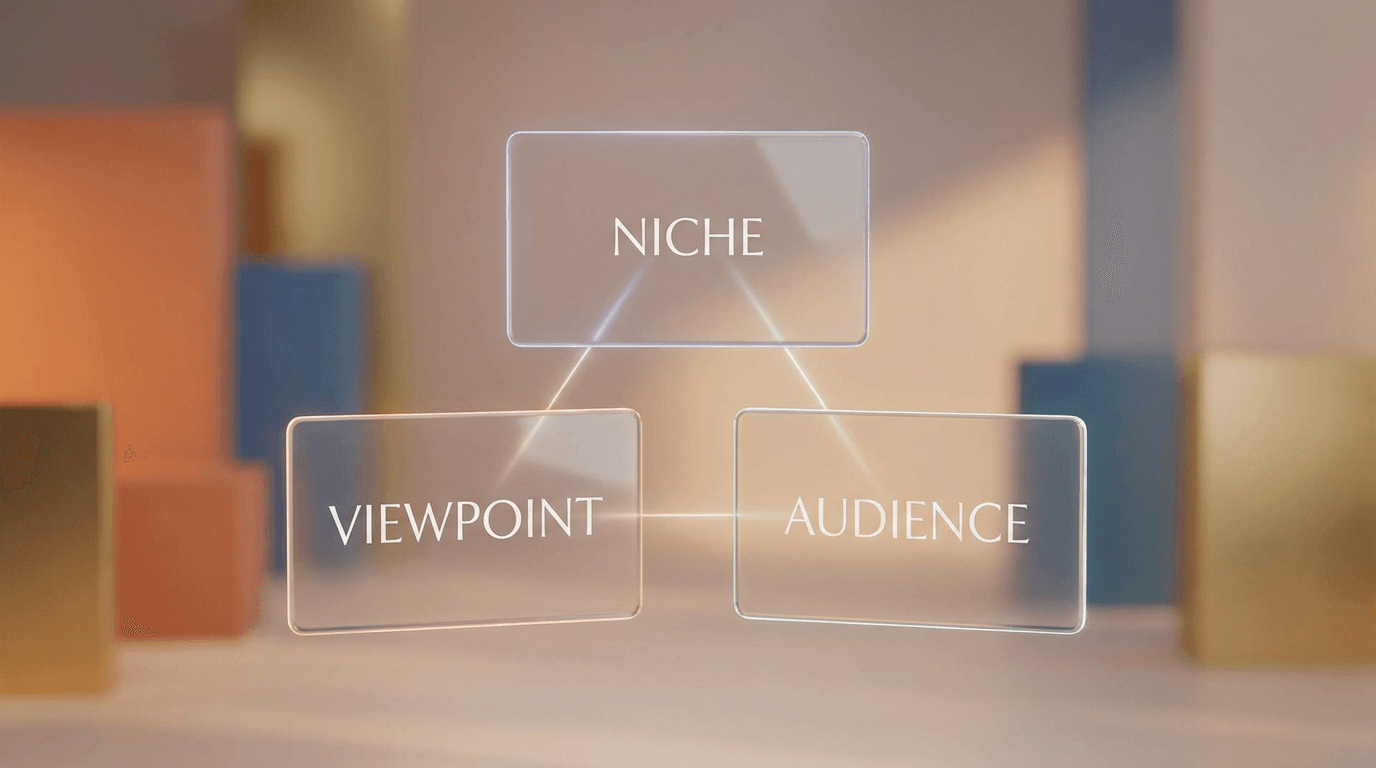
Decision one: What is your area of focus? This is your niche, but think of it more broadly than just a topic. Your area of focus is the intersection of what you know well, what you care about, and what other people want to learn or hear about. If you are a graphic designer who specializes in brand identity for startups, that is more specific and useful than "design." If you are a fitness coach who works with busy parents, that is more compelling than "health and wellness."
The mistake most people make is choosing a niche that is too broad because they are afraid of limiting their audience. The opposite is true. Specificity attracts attention. When someone lands on your profile and immediately understands what you are about and who you help, they are far more likely to follow than if your content covers a dozen unrelated topics.
Decision two: What is your point of view? Having a niche is not enough. Thousands of people share content about marketing, fitness, finance, or whatever your topic is. What separates you is your perspective. Your point of view is how you see your field differently from others, what you believe that goes against conventional wisdom, or what unique experience shapes your advice.
A marketing consultant whose point of view is "most small businesses should ignore social media until they have a referral system" stands out from every other marketing consultant posting generic tips. A fitness coach who believes "you do not need to enjoy exercise to be consistent" offers a refreshing alternative to the motivation-driven fitness content that floods every platform.
Your point of view does not need to be radical. It just needs to be honest and specific enough that people can identify it as yours.
Decision three: Who is your audience? Define the specific person you are creating content for. Not a demographic profile, but a real type of person with specific problems, goals, and frustrations. When you write a post, you should be able to picture that person reading it and thinking "this is exactly what I needed to hear."
The clearer your audience definition, the easier every content decision becomes. You will know what topics to cover, what tone to use, what platforms to prioritize, and what kind of engagement to pursue.
Choosing Your Platforms in 2026
You do not need to be on every platform. In fact, trying to be everywhere is one of the fastest ways to burn out and produce mediocre content across the board. The better approach is to choose one primary platform and one secondary platform, then expand only after you have built momentum.
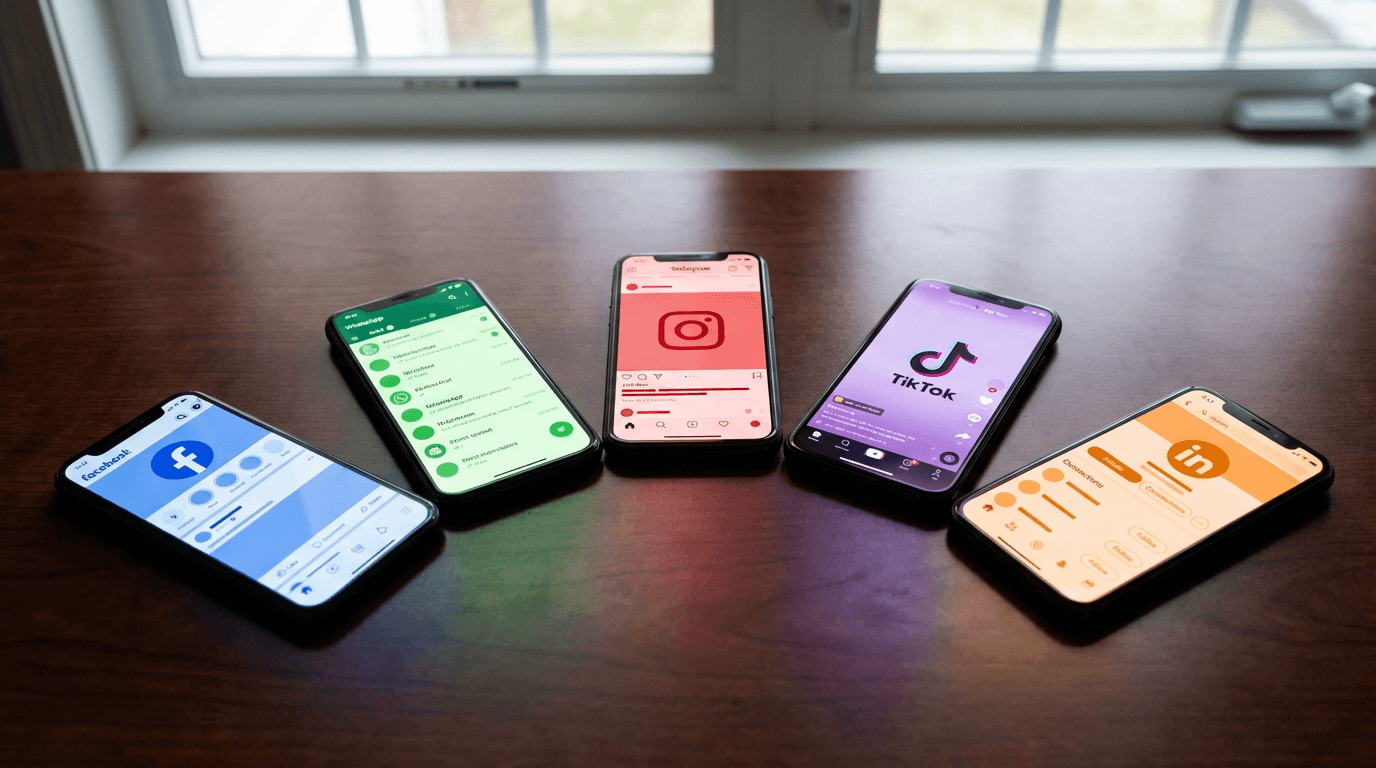
Your primary platform should be the one where your target audience spends the most time and where the content format plays to your strengths. If you are a strong writer, Threads or LinkedIn should be your primary. If you are comfortable on camera, Instagram Reels, YouTube Shorts, or TikTok make more sense. If you can go deep on topics and explain complex ideas, long-form YouTube is powerful.
Your secondary platform should complement your primary one. If your primary is a video platform, your secondary should be a text platform, and vice versa. This gives you two different formats to work with and two different discovery channels.
Here is how the major platforms break down for personal branding in 2026.
Instagram remains one of the strongest platforms for personal branding because it combines visual content, short video, text (through captions and Threads integration), and direct messaging. Its algorithm in 2026 heavily favors Reels and original content over reposts. For anyone building a consumer-facing personal brand, Instagram is often the best starting point.
YouTube is the best platform for building deep trust and authority. Long-form videos allow you to demonstrate expertise in a way that short-form content cannot match. YouTube Shorts also provide a discovery mechanism that feeds viewers into your longer content. If you are willing to invest in video production, YouTube compounds more than any other platform over time.
LinkedIn is the dominant platform for professional and B2B personal branding. Its algorithm still rewards text-based posts and document shares. For consultants, coaches, freelancers, and anyone whose audience is other professionals, LinkedIn offers the highest return on time invested for text content.
Threads has matured into a strong conversation platform with real discovery potential. For people who enjoy writing short-form, opinion-driven content and engaging in public conversations, Threads offers faster growth than most text platforms in 2026.
TikTok continues to have the largest raw reach potential for short video, though its audience skews younger. For personal brands targeting consumers under 35, TikTok remains a powerful discovery tool.
The platform you choose matters less than your consistency on it. A personal brand built with three posts per week on one platform will outperform a brand built with sporadic posting across five platforms.
Crafting Your Profile for First Impressions
Your profile is the most important piece of content you will create because every potential follower sees it before they decide whether to follow you. A strong profile converts visitors into followers. A weak profile leaks potential followers regardless of how good your content is.
Your profile photo should be a clear, well-lit headshot. This is not the place for logos, illustrations, or group photos. People follow people. A professional-looking headshot that shows your face clearly builds trust instantly. You do not need a professional photographer. A well-lit photo taken with a modern smartphone in front of a clean background works perfectly.
Your bio should answer three questions in order: Who are you? Who do you help? What do they get from following you? Most bios fail because they are either too vague ("Passionate about helping people succeed") or too focused on credentials ("MBA, 15 years experience, keynote speaker"). Neither tells a potential follower what they will gain by following you.
A strong bio example: "I help freelance designers land clients without cold pitching. Daily tips on positioning, pricing, and proposals." This is specific, audience-focused, and gives a clear reason to follow.
Your pinned posts or featured content should showcase your best work. Most platforms let you pin posts or highlight specific content. Use this to surface posts that represent your best thinking, your most helpful advice, or content that performed well. A new visitor who sees your pinned posts and finds them valuable is much more likely to follow.
The Content Pillar System for Personal Branding
Posting random thoughts and hoping something sticks is not a strategy. A content pillar system gives you a framework for generating ideas consistently while staying on brand.
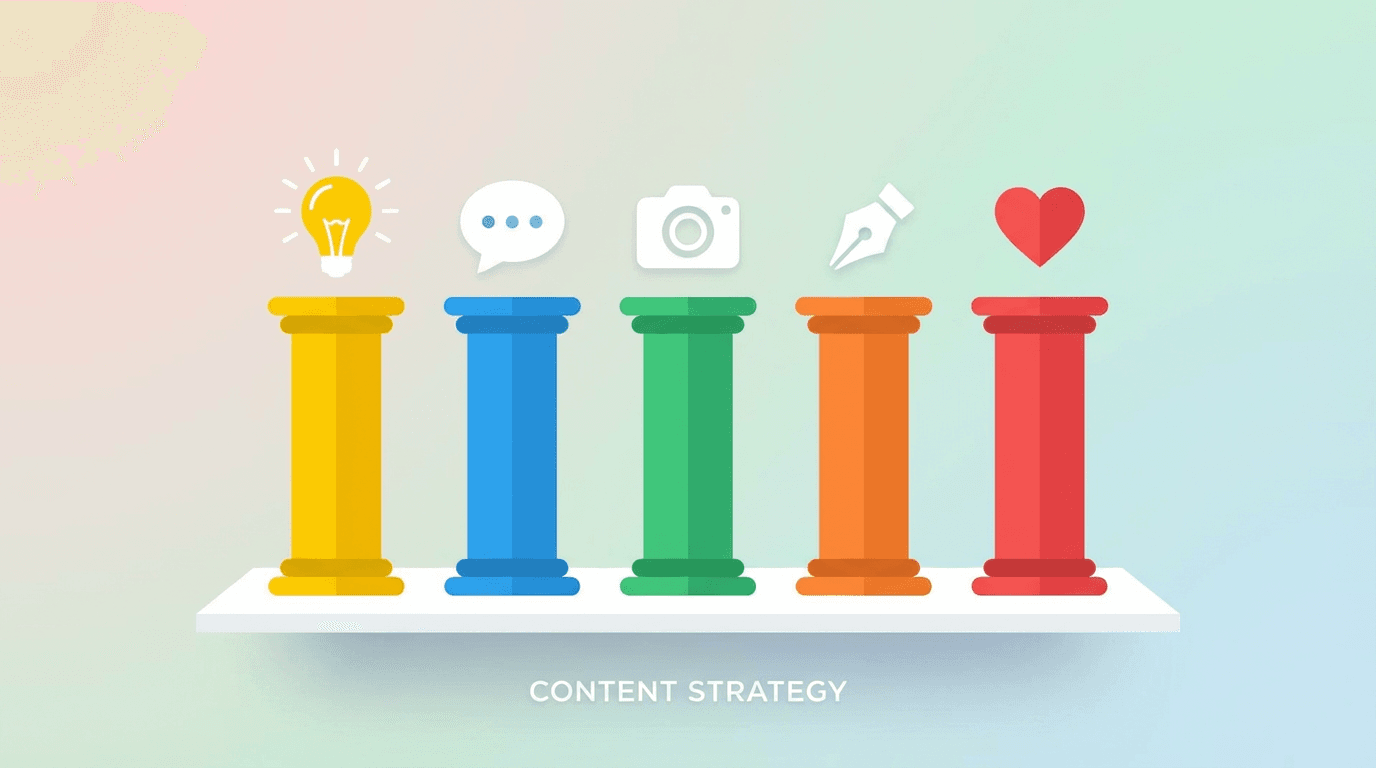
Content pillars are three to five recurring themes that all your content falls under. Each pillar connects to your niche and your audience's interests. Together, they create a complete picture of what your brand stands for.
For example, a freelance copywriter building a personal brand might use these pillars: copywriting techniques and breakdowns, freelance business advice, client communication and project management, behind-the-scenes of their own business, and industry opinions and trends. Every piece of content they create fits into one of these five categories.
The power of pillars is that they make content creation predictable. When you sit down to create, you do not stare at a blank screen wondering what to post. You pick a pillar and create something within that category. Over time, your audience begins to associate you with these themes, which strengthens your brand identity.
Within each pillar, you rotate between different content types: educational posts, opinion posts, storytelling posts, question posts, and behind-the-scenes posts. This rotation keeps your content fresh while maintaining thematic consistency.
Creating Content That Builds Your Brand
The content you publish is your brand in action. Every post either strengthens or weakens how people perceive you. Understanding what types of content build a personal brand versus what types just chase engagement is critical.
Educational content establishes expertise. When you teach something specific and useful, your audience begins to see you as an authority. The key is specificity. A post titled "How I Reduced My Client Onboarding Time From Two Weeks to Three Days" teaches more and builds more credibility than "Tips for Better Client Onboarding." Specific results, specific methods, and specific examples demonstrate real expertise.
Opinion content differentiates you. Sharing what you believe about your industry, especially when it challenges common assumptions, makes your brand memorable. People follow personal brands partly because they want to know what that person thinks. If you only share information without perspective, you are replaceable by a search engine.
Story content creates emotional connection. Stories about your journey, your failures, your turning points, and your clients' transformations make your brand human. People remember stories far longer than they remember tips. A post about the time you lost a major client and what it taught you about your business creates a deeper connection than any how-to post.
Behind-the-scenes content builds trust through transparency. Showing your process, your workspace, your decision-making, or even your struggles makes your audience feel like they know you. This sense of familiarity is what turns casual followers into loyal advocates.
Engagement content starts conversations. Questions, polls, and prompts that invite your audience to share their experiences create two-way relationships. A personal brand that only broadcasts without listening feels like a lecture. One that invites participation feels like a community.
The ratio that works for most personal brands is roughly 40 percent educational, 20 percent opinion, 20 percent story, 10 percent behind-the-scenes, and 10 percent engagement. Adjust based on what resonates with your specific audience.
The First 30 Days: A Practical Launch Plan
The first month of building a personal brand sets the tone for everything that follows. Here is a practical approach to launching from zero.
Days 1 through 3: Set up your foundation. Finalize your niche, point of view, and audience definition. Set up or optimize your profiles on your chosen platforms. Write a strong bio. Choose or take a profile photo. Pin or feature placeholder content if you have any existing content worth highlighting.
Days 4 through 7: Publish your first content. Post once per day on your primary platform. For your first posts, introduce yourself and your perspective. Share why you are passionate about your topic. Post something educational that demonstrates your expertise. Do not worry about engagement numbers during this phase. You are establishing your presence and getting comfortable with the rhythm of posting.
Days 8 through 14: Build the engagement habit. Continue posting daily, but add a daily practice of engaging with other accounts in your space. Spend 15 to 20 minutes per day leaving thoughtful comments and replies on content from people in your niche. This is how you get discovered by potential followers who do not yet know you exist.
Days 15 through 21: Experiment with formats. Try different content types within your pillars. Test opinion posts, ask questions, share a story, post a quick tutorial. Pay attention to what generates the most replies and saves. This data tells you what your audience values most.
Days 22 through 30: Evaluate and adjust. Review your first month of content. Identify which posts performed best and which fell flat. Look for patterns. Did educational posts outperform opinion posts? Did posts with specific numbers in the hook get more engagement? Use these insights to refine your approach for month two.
During this first month, do not obsess over follower count. The goal is to establish your content rhythm, test what resonates, and begin building relationships through engagement. Growth accelerates after the foundation is solid.
Visual Branding Without a Design Background
Consistent visual presentation makes your personal brand look professional and recognizable, but you do not need to be a designer or hire one to achieve this. In 2026, AI tools handle most of the visual production work that used to require professional skills.
Start with a simple visual identity: one or two brand colors, one font style, and a consistent approach to imagery. This does not need to be elaborate. Pick colors that feel right for your brand personality. A bold, energetic brand might use bright oranges and blacks. A calm, thoughtful brand might use soft blues and whites. The specific colors matter less than using them consistently.
For creating branded images for your posts, profile banners, and thumbnails, AI image generation tools make the process fast and free. Using Miraflow's AI image generator, you can create professional-quality visuals by describing what you want in plain language. This is especially useful for creating blog thumbnails, social media graphics, and visual content that matches your brand aesthetic without needing Photoshop skills.
For video content, which is essential for personal branding on most platforms in 2026, you have more options than ever. If you are comfortable on camera, a smartphone with good lighting is all you need to get started. If you prefer not to be on camera initially, tools like Text2Shorts let you generate complete short-form videos from a text prompt, including visuals, voiceover, and music.
The important principle is that visual consistency builds recognition. When someone scrolls through their feed and sees your content, the visual style should be recognizable before they even read your name. This happens through consistent color usage, consistent imagery style, and consistent formatting.
Building Your Brand With Short-Form Video
Short-form video is the single most powerful format for personal branding in 2026. Platforms including Instagram Reels, YouTube Shorts, and TikTok all prioritize short video in their algorithms, which means this format offers the highest organic reach potential for new accounts.
For personal branding specifically, short video works because it lets your audience see and hear you. Text content can establish expertise, but video builds familiarity and trust in a way that text cannot replicate. When someone watches you speak about your topic, they form a much stronger impression of who you are than when they read your words.
The barrier most people face with video is not technical. It is psychological. They feel awkward on camera, they think they need expensive equipment, or they believe their production quality needs to match established creators. None of this is true.
The content of your video matters far more than the production quality. A well-lit smartphone video where you share a specific, useful insight will outperform a professionally produced video with vague, generic advice every time. Audiences on short-form platforms are accustomed to casual, unpolished content. What they are not accustomed to is someone who actually has something specific and valuable to say.
If you are building a personal brand and are not yet comfortable on camera, start with voiceover videos where you speak over relevant visuals. This lets you practice your delivery without the pressure of being on screen. As you build confidence, transition to showing your face, even if only briefly at the beginning and end of videos.
For understanding what short-form video formats are working right now and how to structure them for maximum reach, the patterns driving the most views in 2026 are covered in detail in this breakdown of AI shorts formats that perform best.
Writing a Content Strategy That Compounds
Most personal brands stall because their content strategy is linear rather than compounding. A linear strategy means every piece of content starts from scratch, tries to reach new people, and dies after a day or two. A compounding strategy means each piece of content builds on previous content, creates entry points for new followers, and remains useful over time.
Here is how to build a compounding content strategy.
Create cornerstone content first. Cornerstone content is your best, most comprehensive thinking on your core topics. These are the posts, videos, or threads that you would want a new follower to see first. They demonstrate your expertise, communicate your point of view, and provide genuine value. On YouTube, these might be your pillar videos. On Instagram, these are your most valuable Reels or carousels. On LinkedIn or Threads, these are your most in-depth written posts.
Build satellite content around your cornerstones. Every cornerstone piece can be broken into five to ten smaller pieces of content. A 10-minute YouTube video about pricing strategies for freelancers can become a Threads post about one specific pricing mistake, an Instagram Reel about how to raise your rates, a LinkedIn post about the psychology of pricing, and several more variations. Each satellite piece links back conceptually to your cornerstone content.
Repurpose across platforms systematically. The idea of repurposing is not new, but most people do it haphazardly. A systematic approach means that every piece of content you create has a planned path across platforms. You create the primary version for your main platform, then adapt it for your secondary platform, then extract smaller pieces for additional distribution.
This approach means you are not creating content from scratch every day. You are building a content ecosystem where ideas flow from one format to another and one platform to another. The work you do today continues generating value for weeks and months.
For executing this repurposing workflow efficiently, AI tools are essential. A text post that performed well on Threads can be turned into a visual video using Miraflow's cinematic video generator, then paired with a custom thumbnail from the YouTube thumbnail maker. This process that would have taken hours of manual editing can now be done in minutes.
Engagement Strategy: Growing Through Conversations
Posting content is only half of the personal branding equation. The other half is engagement, meaning how you interact with other people's content and respond to people who engage with yours.
Strategic commenting is the most underrated growth tactic. When you leave a thoughtful, substantive comment on a popular post in your niche, you are putting yourself in front of that creator's audience. If your comment adds genuine value, people will click on your profile. If your profile is strong and your content is relevant, they will follow.
The key word is thoughtful. Comments like "Great post!" or "So true!" add nothing and get ignored. A comment that shares a relevant personal experience, adds a new perspective, or asks a specific follow-up question stands out. Aim for comments that are three to five sentences long and contribute something the original post did not cover.
Reply to every comment on your own content, especially when you are small. When someone takes the time to comment on your post, they are signaling interest in your brand. Replying to them builds a personal connection that turns a casual engager into a loyal follower. It also signals to the algorithm on most platforms that your content is generating genuine conversation.
Build relationships with peers, not just followers. Identify five to ten other people in your niche who are at a similar stage of growth. Engage with their content regularly. Support their work genuinely. These peer relationships often lead to collaborations, shout-outs, and shared audiences that accelerate everyone's growth.
Use direct messages sparingly but intentionally. When someone engages meaningfully with your content multiple times, sending a brief, genuine DM to thank them and start a conversation can deepen the relationship. Do not pitch anything. Do not ask for anything. Simply acknowledge their engagement and express genuine interest in what they do.
Personal Branding Mistakes That Kill Growth
Understanding the common mistakes helps you avoid the traps that stall most personal brands before they gain traction.
Trying to appeal to everyone. The fear of alienating potential followers leads people to water down their message until it says nothing specific. A personal brand that tries to speak to everyone ends up resonating with no one. The brands that grow fastest are the ones willing to be specific about who they serve and what they believe.
Copying another creator's style instead of developing your own. It is natural to be inspired by creators you admire, but directly imitating their tone, format, or content topics makes you a less interesting version of them. Study what makes successful creators effective, then apply those principles through your own lens and your own voice.
Prioritizing aesthetics over substance. Beautiful graphics and perfectly edited videos do not build a personal brand if the content underneath is generic. Audiences follow personal brands for insight, perspective, and value. Visual quality matters, but it is a multiplier on substance, not a replacement for it.
Being inconsistent with posting. The single most common reason personal brands fail is that the person stops posting. They start strong, life gets busy, they miss a few days, and then the gap stretches into weeks and months. Building a personal brand is a long-term commitment. A mediocre post published on schedule builds more brand equity than a perfect post published once a month.
Avoiding showing your personality. A personal brand that reads like a corporate communications document will not connect with anyone. Your quirks, your humor, your specific way of explaining things, and even your occasional frustrations are what make your brand human and relatable. Do not edit out everything that makes you interesting.
Ignoring analytics. If you are not reviewing which content performs best, which topics resonate, and where your followers are coming from, you are guessing instead of optimizing. Every platform provides basic analytics. Check them weekly and adjust your approach based on what the data tells you.
Waiting until you feel ready. There is no moment when you will feel completely prepared to put yourself out there. Every successful personal brand started with imperfect first posts and grew through iteration. The experience of posting, getting feedback, and improving is how you develop your voice. You cannot develop it by waiting.
Using AI to Scale Your Personal Brand
AI tools in 2026 are not a shortcut to building a personal brand. They are a leverage tool that lets one person produce the volume and variety of content that used to require a team.
The personal brand itself, your ideas, your perspective, your voice, cannot be outsourced to AI. If you use AI to generate your opinions and your posts, your brand will feel generic because it will lack the specific lived experience that makes personal brands valuable. The writing, the thinking, and the engagement should come from you.
Where AI transforms the game is in production and distribution. Once you have created a strong piece of content, AI tools can help you turn it into multiple formats, generate visuals, create video versions, and produce thumbnails. This multiplication effect is what allows solo creators to maintain a presence across multiple platforms without spending all their time on production.
The new creator stack that many successful personal brands use in 2026 involves writing your core ideas manually, then using AI to handle the visual and video production layers. A single strong idea can become a Threads post, an Instagram Reel, a YouTube Short, a LinkedIn post, and a blog article. The idea is yours. The production is assisted by AI.
For visual content creation, Miraflow AI provides the full toolset in one place. You can generate AI images for social posts and blog content, create cinematic videos from text descriptions, design YouTube thumbnails that match your brand style, and produce blog thumbnails for written content. Everything runs in the browser, which means you can go from idea to published content across multiple formats in a single session.
The creators who are growing fastest in 2026 are not the ones with the biggest production budgets. They are the ones who have mastered the combination of authentic personal content and AI-powered production.
Monetizing Your Personal Brand
A personal brand without a monetization path is a hobby. There is nothing wrong with hobbies, but if you are investing significant time into building your brand, having a clear path to generating revenue makes the effort sustainable.
The most common monetization paths for personal brands in 2026 are freelance or consulting services, digital products, brand partnerships, community memberships, and content creator funds.
Services are the fastest path to revenue. If your personal brand demonstrates expertise in a valuable area, potential clients will find you. A strong personal brand on LinkedIn can generate consulting leads. A fitness brand on Instagram can attract coaching clients. The brand serves as a trust-building mechanism that makes sales conversations easier.
Digital products scale beyond your time. Once your brand has an engaged audience, you can create products that serve that audience without requiring your direct time for each sale. Online courses, templates, ebooks, and toolkits are common digital products that personal brands sell successfully.
Brand partnerships leverage your audience's trust. When your audience trusts your recommendations, brands in your niche will pay you to share their products or services. The key is being selective. Promoting products you do not actually use or believe in erodes the trust that makes your brand valuable.
Community memberships create recurring revenue. A paid community, whether on a platform like Discord, Circle, or Skool, lets your most engaged followers access deeper content, direct interaction, and peer connections. This model works especially well for personal brands with highly engaged niche audiences.
You do not need thousands of followers to start monetizing. Many personal brands generate significant revenue with relatively small but highly engaged audiences. A consultant with 2,000 targeted LinkedIn followers who trust their expertise can generate more revenue than an influencer with 100,000 followers who have no buying intent.
Personal Branding Across Text and Video Platforms
The strongest personal brands in 2026 exist across both text and video platforms. Text content builds depth and demonstrates thinking. Video content builds familiarity and emotional connection. Together, they create a more complete brand experience than either format alone.

The practical challenge is creating for both formats without doubling your workload. The solution is a hub-and-spoke model where you create one core piece of content and adapt it for each platform.
For example, you might start with a detailed Threads post about a lesson you learned in your business. That same lesson becomes a 60-second Reel where you tell the story on camera. The Reel gets adapted as a YouTube Short. The core idea gets expanded into a LinkedIn article. Each format reaches a different audience segment and reinforces the same brand message.
This multi-format approach is where AI content tools provide the most value. A strong text idea can be turned into a visual short-form video using tools like Text2Shorts, which generates complete videos from written prompts. The video can be posted to Instagram Reels, YouTube Shorts, and TikTok simultaneously.
For visual assets to accompany your text posts, AI image generation creates custom graphics that match your brand without requiring design skills. This means a single person can maintain a visually consistent, multi-platform personal brand that looks like it has a full production team behind it.
Building Authority Through Consistency, Not Virality
The most common fantasy in personal branding is that one viral post will change everything. It rarely works that way. Viral posts bring temporary attention, but they do not build a brand unless there is consistent content and a clear identity for new visitors to connect with.
The personal brands that last are built through steady, consistent output over months and years. They grow through a pattern that is predictable but powerful: post valuable content, engage with your community, attract new followers, repeat. Each cycle builds on the previous one.
Consistency does not mean posting every day forever. It means showing up regularly enough that your audience expects to hear from you and the algorithm recognizes you as an active creator. For most people, three to five posts per week on their primary platform is sustainable and effective.
The compounding effect of consistency is real but invisible in the early months. You might post for 60 days and feel like nothing is happening. Then in month three, a post takes off and thousands of new people discover your profile. Because you have 60 days of consistent, high-quality content on your profile, those visitors see a credible, established brand and follow. Without that backlog of content, the same viral moment would not convert nearly as many followers.
Think of consistency as building an asset. Every post you publish adds to the body of work that defines your brand. Over time, that body of work becomes your most powerful marketing tool.
A Weekly Personal Branding Routine
Sustainability comes from routine. Here is a weekly schedule that balances content creation, engagement, and strategy without requiring more than five to seven hours per week.
Monday: Plan your content for the week. Review your content pillars and decide what you will post each day. Write or outline your posts in advance. This prevents the daily stress of figuring out what to say.
Tuesday through Friday: Post and engage daily. Publish one piece of content per day on your primary platform. Spend 15 minutes engaging with other accounts in your niche. Reply to all comments on your own posts.
Wednesday: Create one piece of video content. Dedicate time midweek to producing one short-form video. This could be a Reel, a Short, or a TikTok. If you batch-create, use this session to film two to three videos to cover the following week as well.
Saturday: Repurpose your best content. Take your top-performing post from the week and adapt it for your secondary platform. Turn a text post into a video, or a video into a written post. Use AI tools to handle the visual production.
Sunday: Review and reflect. Check your analytics for the week. Note what worked and what did not. Adjust your plan for the following week based on what you learned.
This routine is a starting point. Adjust the days and time allocations to fit your schedule. The structure matters more than the specific days. Having a predictable rhythm for content creation, engagement, and review prevents personal branding from feeling like an overwhelming, undefined task.
Measuring Personal Brand Growth
Follower count is the most visible metric, but it is not the most important one. A personal brand can be extremely valuable with a modest following if the audience is engaged, targeted, and trust-based.
The metrics that matter most for personal brand growth are engagement rate, profile visits, direct messages and inbound inquiries, content saves and shares, and follower quality.
Engagement rate tells you whether your content is resonating with the people who see it. A high engagement rate with a smaller following is more valuable than a low engagement rate with a large following. Track likes, comments, saves, and shares as a percentage of your reach or follower count.
Profile visits indicate that your content is creating curiosity about who you are. A spike in profile visits after a specific post tells you that post was effective at attracting new attention. Study what those posts have in common.
Direct messages and inbound inquiries are the strongest signal that your personal brand is working. When people reach out to ask for advice, inquire about services, or express interest in working with you, your brand has achieved its core purpose of building trust and attracting opportunities.
Content saves and shares indicate that people find your content valuable enough to return to or recommend. These are high-intent actions that correlate with brand loyalty.
Follower quality matters more than quantity. A hundred followers who are ideal potential clients, collaborators, or community members are worth more than ten thousand followers who have no connection to your niche. Pay attention to who is following you, not just how many.
Track these metrics monthly and look for trends over 90-day periods. Personal branding is a long game, and meaningful patterns only emerge over weeks and months, not days.
Conclusion
Building a personal brand from scratch is not complicated, but it requires clarity, consistency, and patience. The process starts with defining what you stand for and who you serve. It grows through content that demonstrates your expertise, shares your perspective, and invites conversation. It compounds through consistent posting, genuine engagement, and strategic repurposing across platforms.
In 2026, the tools available to solo creators are more powerful than ever. AI handles visual production, video creation, and content repurposing, which means the only irreplaceable element is you: your ideas, your experience, your voice, and your willingness to show up consistently.
Start with one platform. Define your niche and your point of view. Post daily for 30 days. Engage with your community. Review what works and do more of it. Repurpose your best content using AI tools to extend your reach without extending your workload.
The personal brands that win are not the flashiest or the most produced. They are the ones that show up consistently with something real to say. That is available to anyone willing to do the work.