12 Ways to Make Money with YouTube Shorts in 2026 (Beyond Ad Revenue)

Written by
Jay Kim

Learn 12 ways to make money with YouTube Shorts in 2026 beyond ad revenue. Covers affiliate marketing, digital products, brand deals, courses, and AI production workflows.
If your entire YouTube Shorts income strategy is waiting for ad revenue to add up, you are leaving most of the money on the table. Shorts ad revenue exists and it is real, but for most creators, the RPM is low enough that millions of views are needed just to earn a meaningful payout.
The creators who are actually building income from Shorts in 2026 are not relying on ad revenue as their primary source. They are using Shorts as a distribution engine that feeds into higher-value income streams. The Short itself is not the product. The Short is the attention magnet that drives people toward products, services, affiliates, memberships, and other revenue channels.
This guide covers 12 proven ways to make money with YouTube Shorts in 2026 that go beyond the ad revenue share. Every strategy here is practical, based on how real creators are earning, and includes specific tactics you can implement this week.
Why Ad Revenue Alone Is Not Enough
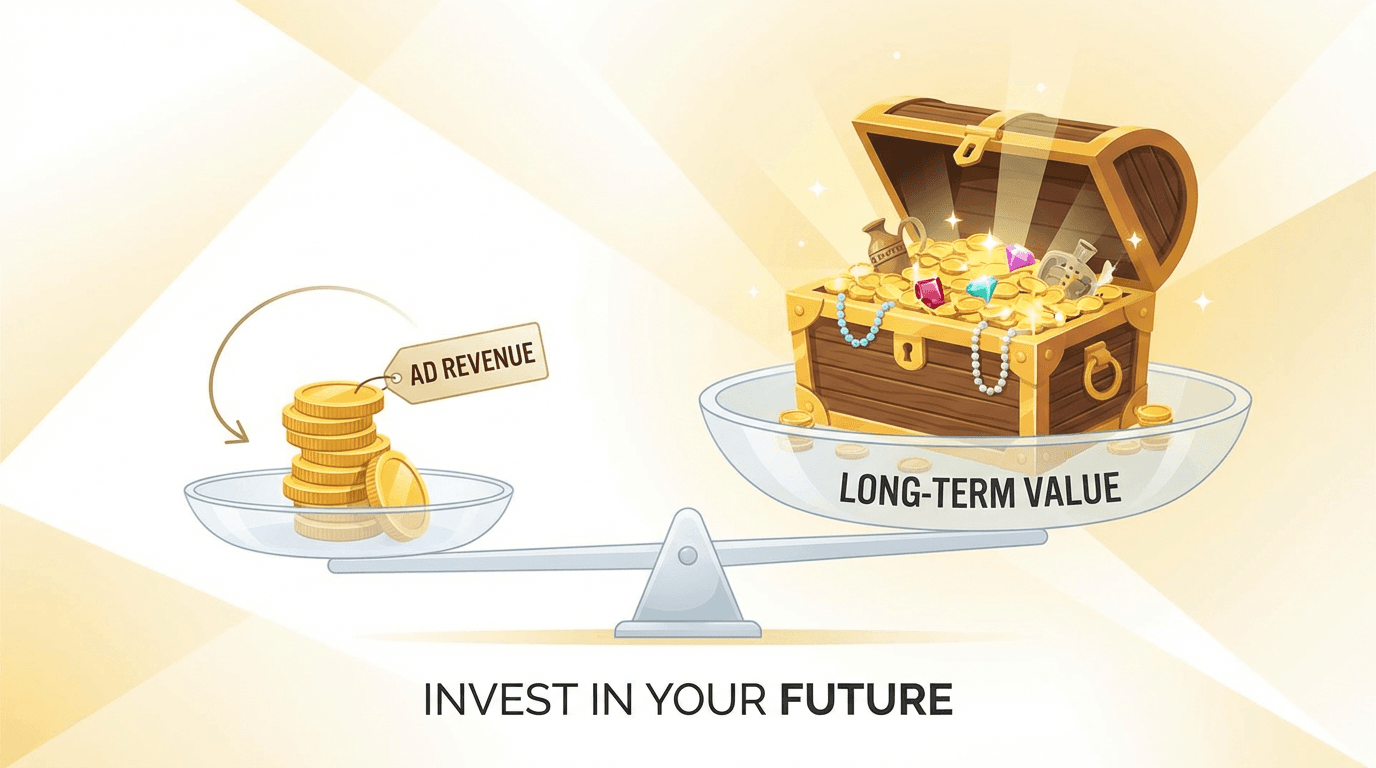
YouTube Shorts ad revenue works through a revenue-sharing model. Ads play between Shorts in the feed, the revenue is pooled, and creators earn a share based on their portion of total Shorts views. The system works, but the per-view earnings are significantly lower than long-form YouTube ad revenue.
For a detailed breakdown of current Shorts earnings, see the guide on YouTube Shorts monetization in 2026 and how much they pay.
The core issue is simple. Shorts RPM varies by niche but tends to range from a few cents to a modest amount per thousand views. Even a Short that gets 500,000 views might only generate enough ad revenue to cover a few meals. Compare that to a single affiliate sale, a digital product purchase, or a consulting lead that came from that same Short, and the math shifts dramatically.
This does not mean ad revenue is worthless. It adds up over time, especially at scale. But treating it as your only income source from Shorts is a mistake that keeps most creators stuck.
The real opportunity with Shorts is using the reach and attention they generate to drive revenue through channels that pay significantly more per conversion.
The Shorts Monetization Mindset Shift
Before diving into specific strategies, it helps to reframe how you think about Shorts and money.
Most creators think of monetization as something that happens after content is made. You create a Short, it gets views, and YouTube pays you a share of ad revenue. This is a passive model where the creator has almost no control over how much money each view generates.
The shift is to think of every Short as a potential entry point into a revenue funnel. The Short captures attention. What happens next determines how much that attention is worth.
A Short about productivity tips could drive viewers to a digital planner you sell. A Short about cooking could link to an affiliate kitchen tool. A Short about AI tools could lead to a paid course or a software referral. The Short itself does not need to make money directly. It needs to make the viewer curious enough to take the next step.
This mindset change is what separates creators earning a few dollars per month from those earning thousands.
Strategy 1: Affiliate Marketing Through Shorts
Affiliate marketing is one of the most accessible and scalable monetization methods for Shorts creators in 2026.
The concept is straightforward. You recommend a product or tool in your Short, include an affiliate link in your channel description or pinned comment, and earn a commission when someone purchases through that link.
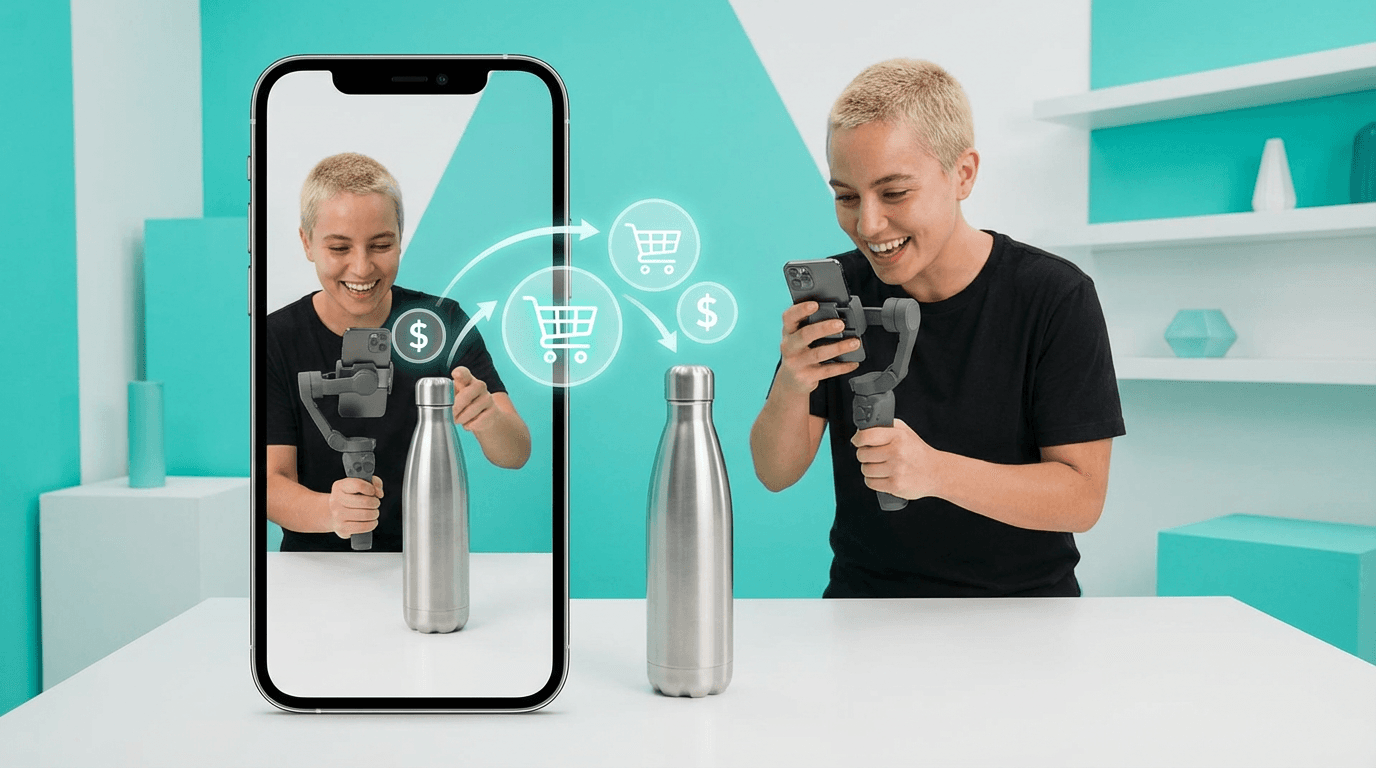
What makes affiliate marketing work well with Shorts is the format itself. A 30 to 60 second Short is perfect for quick product demonstrations, before-and-after comparisons, and "tool I use daily" style content. These formats naturally showcase products without feeling like an advertisement.
Niches where affiliate marketing through Shorts performs well include tech and software, beauty and skincare, fitness equipment, kitchen gadgets, books, online tools, and educational platforms.
The key to making this work is consistency. One Short about a product will not generate meaningful affiliate income. But a channel that regularly features useful products within its niche builds trust, and that trust converts over time.
Place affiliate links in your channel description with clear labels. Mention in the Short that the link is in the description. Keep it natural. Viewers respond better to genuine recommendations than to hard sells.
Strategy 2: Digital Products
Selling digital products is one of the highest-margin monetization strategies available to Shorts creators. There is no inventory, no shipping, and near-zero marginal cost per sale.
Digital products that Shorts creators sell successfully include ebooks, templates, prompt packs, presets, checklists, planners, spreadsheets, design assets, and mini courses.

The strategy works because Shorts demonstrate your expertise in a specific area. A creator who posts Shorts about photo editing can sell Lightroom presets. A creator who posts Shorts about productivity can sell Notion templates. A creator who posts Shorts about AI image generation can sell prompt packs.
The Short serves as a free sample of your knowledge. It proves you know what you are talking about in 30 seconds. The digital product is the full version of that knowledge, packaged for convenience.
To make this work, create Shorts that solve a specific problem partially, then position the digital product as the complete solution. "Here are 3 AI prompts that work great for thumbnails. I have 50 more in my prompt pack, link in description." This approach feels helpful rather than salesy because the Short itself delivers real value.
Platforms like Gumroad, Lemonsqueezy, and Payhip make it easy to sell digital products with minimal setup.
Strategy 3: Driving Traffic to Long-Form Content
This is not a separate income stream by itself, but it is one of the most powerful monetization multipliers for YouTube creators.
Long-form YouTube videos generate significantly higher ad revenue per view than Shorts. A creator whose long-form content earns strong RPM can use Shorts as a discovery tool that funnels new viewers into their higher-earning videos.
The strategy is to create Shorts that act as teasers, previews, or highlights from your long-form content. A 45-second Short that covers one interesting point from a 15-minute video makes viewers curious enough to watch the full thing. That long-form view generates more ad revenue, more watch time, and stronger subscriber loyalty.
This approach works especially well for educational content, tutorials, reviews, and storytelling formats where the Short can present a hook and the long-form video delivers the payoff.
If your channel has both Shorts and long-form content, the interaction between the two formats creates a compounding revenue effect that neither format achieves alone.
Strategy 4: Brand Deals and Sponsorships
Brand deals are where the real money is for many Shorts creators, especially in niches like tech, finance, health, beauty, and lifestyle.
In 2026, brands are actively seeking Shorts creators for sponsored content because short-form video offers high engagement rates and targeted reach. A brand deal for a single Short can pay anywhere from a modest amount for smaller creators to thousands of dollars for channels with strong engagement and niche authority.
What matters to brands is not just your view count. They care about your niche relevance, audience demographics, engagement rate, and how naturally you can integrate their product into your content.
To attract brand deals, focus on building a channel with a clear niche identity. A channel that posts random Shorts about different topics is harder for brands to work with than a channel that consistently covers one area. Brands want to reach a specific audience, and your niche focus tells them exactly who watches your content.
Create a simple media kit that includes your niche, average views per Short, audience demographics from YouTube Studio, and examples of previous sponsored content if you have any. Reach out to brands directly or sign up for creator marketplaces that connect brands with short-form video creators.
Even creators with smaller audiences can land brand deals if their niche is specific and their engagement is strong. A creator with 10,000 subscribers in a focused niche like home automation or meal prep can be more valuable to a brand than a general creator with 100,000 subscribers.
Strategy 5: YouTube Channel Memberships
Channel memberships allow your subscribers to pay a monthly fee in exchange for exclusive perks. These perks can include members-only Shorts, behind-the-scenes content, early access, custom badges, and exclusive community posts.
Memberships work well for Shorts creators who have built a loyal audience that wants more. The public Shorts attract new viewers and build the community. The membership offers deeper access for fans who want to support the creator and get exclusive content.
The key to successful memberships is making the perks genuinely valuable. Exclusive content that viewers cannot get anywhere else, early access to new Shorts or long-form videos, and direct interaction with the creator through community posts are all strong membership offerings.
Memberships create recurring monthly revenue, which is more predictable than ad revenue or one-time product sales. Even a small number of members paying monthly can add up to meaningful income, and the amount grows as your channel grows.
To qualify for memberships, your channel needs to meet YouTube's Partner Program requirements, which include subscriber and watch time thresholds.
Strategy 6: Selling Services
Shorts are an excellent showcase for service-based businesses. If you offer a skill like video editing, graphic design, consulting, coaching, copywriting, or marketing, your Shorts can serve as a portfolio and lead generation tool at the same time.
A video editor who posts Shorts showing before-and-after edits is demonstrating their skill to potential clients every day. A marketing consultant who shares quick tips in Shorts is building credibility that leads to inbound inquiries. A fitness coach who posts workout Shorts is attracting potential clients who want personalized training.
The Short proves your expertise. The service is how you monetize that expertise.
Include a clear call to action in your channel description that tells viewers how to hire you or learn more about your services. Keep it simple. A link to a booking page, a portfolio site, or even just an email address is enough.
Service-based monetization often generates more revenue per conversion than any other Shorts monetization method. A single client acquired through Shorts can be worth more than months of ad revenue.
Strategy 7: Course Sales and Paid Education
If your Shorts consistently teach something valuable, a paid course is the natural next step.
Shorts work as free micro-lessons. Each one teaches a small concept in under 60 seconds. Over time, viewers who watch multiple Shorts from your channel develop trust in your ability to explain things clearly. When you offer a comprehensive course that goes deeper than any individual Short can, those viewers are pre-sold on your teaching quality.
Courses can be sold on platforms like Teachable, Udemy, Skillshare, or your own website. The pricing depends on the depth and niche, but even a modestly priced course generates significantly more per sale than ad revenue from the Shorts that promoted it.
The content strategy for this works best when your Shorts follow a consistent topic thread. If you post Shorts about YouTube growth, your course could cover a complete YouTube strategy. If you post Shorts about AI image generation, your course could teach advanced prompting techniques.
Each Short becomes a free preview of what the paid course contains.
Strategy 8: Merchandise and Physical Products
Merch works best for creators with strong personal brands or recognizable catchphrases, visual styles, or community identity.
YouTube integrates with merch platforms through the Shopping shelf, which allows creators to display products directly below their videos and Shorts. This reduces friction between seeing a product and buying it.
For Shorts creators, merch works well when it is tied to content themes. A creator known for a specific phrase, a recurring visual style, or a niche identity can turn that into products that fans want to own.
The barrier to entry is lower than ever. Print-on-demand services handle production and shipping, so creators do not need to invest in inventory upfront. You design the product, list it, and earn a margin on every sale.
Merch revenue from Shorts is usually supplementary rather than primary, but for creators with engaged communities, it adds a meaningful income layer.
Strategy 9: Email List Building
This is the most underrated monetization strategy for Shorts creators, and it compounds over time more than almost anything else.
Building an email list from your Shorts audience gives you a direct communication channel that no algorithm controls. You own the list. You can reach your audience anytime without depending on YouTube's feed to show your content.

The strategy works like this. Offer a free resource related to your Shorts content, such as a checklist, template, or guide. Mention it in your Shorts and link to a simple landing page in your description. Viewers who want the free resource sign up with their email address.
Once you have an email list, you can promote digital products, courses, affiliate offers, services, and new content directly. The conversion rates from email are consistently higher than from social media because subscribers chose to be on your list.
Even a small email list of a few hundred engaged subscribers can generate meaningful revenue when you launch a product or promote an affiliate offer. And unlike YouTube views, which fluctuate based on algorithmic changes, your email list is yours permanently.
Strategy 10: Licensing Content
If your Shorts contain original footage, animations, or visual content that is visually striking or unique, licensing is a monetization path worth considering.
Media companies, news outlets, brands, and other creators sometimes pay to use clips that went viral or that fit a specific visual need. This is more common than most creators realize, especially for content that captures unusual moments, stunning visuals, or trending cultural moments.
Creators who produce AI-generated cinematic content can also explore licensing opportunities. High-quality AI-generated clips and visuals have commercial value for brands and agencies that need content quickly. If your Shorts contain visually impressive AI-generated scenes, those assets can be repurposed and licensed separately.
Register your content with licensing platforms or respond to inbound licensing requests when they come. Even a single licensing deal can generate more revenue than months of ad earnings from the same Short.
Strategy 11: Cross-Platform Monetization
A Short created for YouTube can also be posted on TikTok, Instagram Reels, and Facebook Reels. Each platform has its own monetization programs, and the same piece of content can generate revenue on multiple platforms simultaneously.
This is not about blindly reposting. Each platform has different audience behavior and algorithmic preferences. But the core content can be adapted with small changes, such as adjusting the opening, adding platform-specific captions, or tweaking the pacing.
The result is that one piece of content generates multiple income streams across platforms. Ad revenue from YouTube Shorts plus TikTok creator payments plus Instagram bonuses plus affiliate link clicks from all platforms adds up to more than any single platform pays alone.
For creators managing cross-platform posting, the guide on the new creator stack for AI Shorts, Reels, and TikTok covers how to structure efficient workflows.
Strategy 12: Consulting and Coaching
Once your Shorts channel demonstrates expertise in a specific area, consulting and coaching become high-value monetization options.
This works particularly well in niches like business, marketing, finance, health, fitness, creative skills, and technology. Viewers who learn from your free Shorts and want personalized guidance will pay for direct access to your knowledge.
Consulting and coaching are the highest per-hour monetization method available to most creators. A single coaching session can generate more than thousands of Short views worth of ad revenue.
The Shorts build your authority. The consulting converts that authority into premium income.
Which Niches Support the Most Monetization Methods
Not every niche supports every monetization strategy equally. Here is how different Shorts niches align with the strategies covered above.
- Finance and investing. Strong for affiliate marketing (brokerage platforms, apps), courses, consulting, and brand deals. Ad revenue RPM tends to be higher in this niche as well.
- Tech and software. Strong for affiliate marketing (tools, apps, subscriptions), digital products (templates, guides), and brand deals.
- Health and fitness. Strong for coaching, courses, merch, affiliate marketing (supplements, equipment), and brand deals.
- Beauty and skincare. Strong for affiliate marketing (products), brand deals, and merch.
- Education and tutorials. Strong for courses, digital products, and consulting. Works well for faceless channels.
- AI tools and creative skills. Strong for digital products (prompt packs, presets), affiliate marketing, courses, and consulting.
- Cooking and food. Strong for affiliate marketing (kitchen tools, ingredients), brand deals, and cookbook or recipe product sales.
For a deeper look at which niches work well for AI-generated faceless content, see the guide on faceless YouTube Shorts AI niches in 2026.
Content Formats That Drive Revenue Beyond Ad Earnings
Certain Shorts formats are better at driving viewers toward monetization actions. These formats do not just get views. They build trust, demonstrate expertise, and create natural opportunities to mention products, services, or links.
- The tool recommendation. "3 tools I use every day for X." Each tool can include an affiliate link. This format is informative and naturally product-focused without feeling like an ad.
- The before and after. Showing a transformation demonstrates skill and creates curiosity about the process. This drives interest in courses, services, and digital products that teach the full process.
- The quick tutorial. Teaching one specific skill in under 60 seconds establishes expertise. Viewers who want the complete process become course buyers or coaching clients.
- The mistake callout. "The biggest mistake people make with X." This format positions you as an authority and creates urgency to learn more, which drives traffic to paid resources.
- The result showcase. Showing impressive results without fully explaining how you achieved them creates curiosity. Viewers want the full method, which you can offer through a course or paid guide.
For a breakdown of which Shorts formats perform best in 2026, see the guide on AI Shorts formats that go viral.
How to Structure Your Shorts for Monetization
Not every Short needs to sell something. In fact, the best monetization strategy involves a mix of content types.
A sustainable ratio looks something like this. For every 4 to 5 value-driven Shorts that purely educate or entertain, include 1 Short that has a clear monetization angle, whether that is mentioning an affiliate product, teasing a digital product, or driving viewers to a long-form video.
This keeps your channel feeling helpful rather than promotional. Viewers stay because they get genuine value from most of your content. When you do include a monetization element, they are receptive because you have already built trust.
The first 3 seconds of every Short still need to hook the viewer regardless of whether the Short has a monetization angle. If nobody watches past the opening, no amount of monetization strategy will help.
Production Speed and Monetization
One of the biggest barriers to making money with Shorts is production time. If it takes 2 hours to create one Short, posting daily becomes unsustainable. And without consistent posting, the algorithm does not have enough content to test and distribute.
The YouTube Shorts algorithm responds positively to daily uploads because more uploads mean more chances for the algorithm to find content that resonates with audiences. But daily posting only works as a monetization strategy if the production process does not consume all your time.
This is where AI-powered production workflows change the economics of Shorts creation. Instead of scripting, filming, editing, and producing each Short manually, creators can generate complete Shorts from a single topic input.
Text2Shorts on Miraflow AI lets creators enter a topic, choose between animation or realistic visuals, and generate a complete vertical video with script, scene visuals, voiceover, and pacing handled automatically. The step-by-step mode gives more control over the script and individual scenes for creators who want to fine-tune the output.
This production speed means creators can focus their time on monetization strategy, audience engagement, and business development rather than spending hours in editing software.
For creators who also need thumbnails for their Shorts, the YouTube Thumbnail Maker on Miraflow AI generates thumbnails from prompts with options for reference images and text overlays. Custom thumbnails improve click-through rate from YouTube Search and channel pages, which drives more views toward monetizable content.
Building a 30-Day Monetization Plan
If you are starting from scratch, here is a realistic 30-day plan for setting up multiple income streams from Shorts.
During week one, pick your niche and create your first 7 Shorts. Focus on value-driven content that establishes your expertise. Set up your channel description with links to any existing products, affiliates, or services.
During week two, sign up for 2 to 3 affiliate programs relevant to your niche. Create Shorts that naturally incorporate product recommendations. Start building a free resource for email list building.
During week three, launch your email list with a free lead magnet. Create a Shorts series that teases a digital product or course you plan to sell. Continue posting daily value content alongside monetization-oriented Shorts.
During week four, launch your first digital product or compile your best affiliate offers into a resource page. Review your analytics to see which Shorts drove the most clicks and conversions. Double down on what worked.
For a more detailed content plan, see the 30-day YouTube Shorts plan for 2026.
Common Monetization Mistakes
Several mistakes consistently prevent Shorts creators from earning beyond ad revenue.
Only promoting in the Short itself. Many creators forget that the channel description, pinned comments, and community tab are all monetization surfaces. A viewer might not click a link the first time they see a Short, but after watching 5 or 10 Shorts from your channel, they might visit your profile and find your links.
Being too promotional too early. Channels that start selling before they have established trust tend to grow slowly. Build value first. Monetize after viewers see you as a reliable source.
Ignoring email list building. Social media reach is unpredictable. An email list is the most reliable way to convert attention into revenue over time.
Not tracking what works. YouTube Studio shows you which Shorts drive the most engagement and traffic. If you are running affiliate links, use trackable URLs so you know which Shorts generate actual sales.
Spreading too thin across monetization methods. Trying to do all 12 strategies at once leads to mediocre execution across all of them. Pick 2 to 3 that fit your niche and focus on those first. Expand after they are working.
Neglecting Shorts quality for the sake of volume. Posting daily matters, but each Short still needs to hook viewers and deliver value. A bad Short that nobody watches generates zero revenue regardless of how many monetization links you have set up.
Tracking Revenue Across Multiple Streams
Once you have multiple income streams running, tracking becomes important.
YouTube Studio tracks ad revenue automatically. For affiliate income, most programs provide dashboards that show clicks and conversions. For digital product sales, platforms like Gumroad and Lemonsqueezy provide sales analytics. For email list revenue, your email platform tracks opens, clicks, and conversions.
Create a simple monthly spreadsheet that tracks income from each source. This helps you see which Shorts and which strategies generate the most revenue per effort invested. Over time, you will notice patterns. Certain content formats might drive more affiliate sales. Certain topics might attract more coaching inquiries. These patterns inform your content strategy going forward.
The guide on YouTube Shorts analytics in 2026 covers how to read your YouTube data to understand what is driving performance.
Scaling Income with AI-Generated Music
Background music is a small but meaningful detail that affects Shorts performance and monetization potential. Shorts with clean, well-matched audio tend to have higher retention rates, which means more views, which means more opportunities to convert viewers into customers.
Using copyrighted music creates risk. A copyright claim can demonetize a Short or limit its distribution. Using royalty-free AI-generated music eliminates that risk entirely.
Miraflow AI's Music Generator lets creators describe the mood, style, and instruments they want, then generates a complete track in under a minute. For Shorts creators who post daily, having a library of custom tracks that match their brand keeps audio consistent and copyright-free.
For more on generating music for short-form content, see the guide on free AI music generators for YouTube Shorts and Reels in 2026.
What Successful Shorts Monetization Looks Like
Creators who successfully monetize Shorts beyond ad revenue tend to share a few characteristics.
They post consistently. Daily or near-daily Shorts give the algorithm enough content to work with and keep the channel active in viewers' feeds.
They have a clear niche. A focused topic makes it easier to attract a specific audience, which makes affiliate recommendations, digital products, and brand deals more relevant and effective.
They use multiple income streams. Relying on one source is risky. Combining 2 to 3 streams creates stability.
They think beyond the Short. Every Short is part of a bigger system. It drives subscribers, email signups, product interest, and brand awareness. The Short is the top of the funnel, not the entire business.
They invest in production efficiency. Using AI tools to handle scripting, visuals, thumbnails, and music frees up time to focus on strategy and audience relationships.
Start Building Your Shorts Income Today
Ad revenue from YouTube Shorts is a nice bonus, but it should not be your only plan. The creators earning meaningful income from Shorts in 2026 are the ones who use the reach that Shorts provide to drive revenue through higher-value channels.
Pick 2 to 3 strategies from this guide that fit your niche. Set them up this week. Start posting Shorts that deliver value and naturally guide viewers toward your monetization channels. Track what works, refine your approach, and scale what generates the best return.
If you need to produce Shorts faster so you can focus on monetization instead of editing, visit Miraflow AI and start creating complete Shorts from a single topic. The entire pipeline from idea to finished video to thumbnail to music runs in one place, so you can spend your time building income streams instead of wrestling with production tools.
Frequently Asked Questions About Making Money with YouTube Shorts
Can you make money from YouTube Shorts in 2026?
Yes. YouTube Shorts can generate income through multiple channels. The most direct is the YouTube Shorts ad revenue sharing program, where creators earn a share of ad revenue based on their portion of total Shorts views. However, ad revenue per view on Shorts is significantly lower than on long-form videos, which means most creators earn more by using Shorts as a distribution tool that drives viewers toward higher-value income streams like affiliate marketing, digital product sales, courses, brand deals, coaching, channel memberships, and email list building. The Shorts themselves capture attention, and the monetization happens through what the viewer does after watching.
How much do YouTube Shorts pay per 1,000 views?
YouTube Shorts RPM varies by niche, audience geography, and time of year, but it is substantially lower than long-form video RPM. Exact figures fluctuate, but most creators report that Shorts ad revenue alone requires hundreds of thousands or millions of views to produce meaningful income. This is why relying solely on ad revenue from Shorts is not a sustainable strategy for most creators. The higher-earning approach is to use the reach that Shorts provide to drive revenue through affiliate commissions, digital product sales, services, and other channels where a single conversion can be worth more than tens of thousands of Shorts views in ad earnings.
How many views do you need on YouTube Shorts to make money?
To earn ad revenue from Shorts, your channel must be accepted into the YouTube Partner Program, which requires meeting subscriber and watch time or Shorts view thresholds. Once accepted, you earn a share of ad revenue from every monetized Short regardless of view count, though the actual earnings at low view counts are negligible. For monetization strategies beyond ad revenue, the view count matters less than the quality of the audience and how well your content drives specific actions. A Short with 10,000 views that sends 200 people to an affiliate link or a product page can generate more income than a Short with 500,000 views and no monetization funnel attached to it.
What is the best way to make money with YouTube Shorts beyond ad revenue?
The most effective strategies depend on your niche, but the highest-return methods for most Shorts creators are affiliate marketing, digital product sales, and driving traffic to long-form content that earns higher ad revenue. Affiliate marketing works well because Shorts are a natural format for quick product demonstrations and recommendations. Digital products like templates, prompt packs, presets, and mini courses have near-zero marginal cost and can be promoted through Shorts that demonstrate related expertise. Driving viewers from Shorts to longer videos multiplies your ad revenue because long-form RPM is significantly higher. The best approach is to combine two or three of these methods rather than relying on any single one.
How does affiliate marketing work with YouTube Shorts?
You recommend a product or tool in your Short, place an affiliate link in your channel description or pinned comment, and earn a commission when a viewer purchases through that link. Shorts formats that work well for affiliate marketing include quick product demonstrations, tool comparisons, "things I use daily" roundups, and before-and-after transformations that showcase a product's results. The key is consistency. One Short about a product rarely generates significant affiliate income, but a channel that regularly features useful product recommendations within its niche builds trust over time, and that trust converts into clicks and sales. Niches with strong affiliate potential include tech and software, beauty and skincare, fitness equipment, kitchen gadgets, and online tools.
Can you sell digital products through YouTube Shorts?
Yes, and digital products are one of the highest-margin monetization methods available to Shorts creators. The strategy works because your Shorts demonstrate expertise in a specific area, and the digital product packages that expertise into something viewers can buy. A creator who posts Shorts about photo editing can sell Lightroom presets. A creator who posts productivity Shorts can sell Notion templates. A creator who posts AI-related Shorts can sell prompt packs. The Short delivers a small piece of value for free and positions the digital product as the complete version. Platforms like Gumroad, Lemonsqueezy, and Payhip handle payment processing and delivery with minimal setup.
How do you get brand deals for YouTube Shorts?
Brands look for Shorts creators with clear niche focus, strong engagement rates, and audience demographics that match their target market. To attract brand deals, build a channel with a consistent topic identity so brands can immediately understand who your audience is. Create a simple media kit that includes your niche, average views per Short, audience demographics from YouTube Studio, and examples of content. Reach out to brands directly or join creator marketplaces that connect brands with short-form video creators. Even smaller creators can land brand deals if their niche is specific and their engagement is strong, because a focused audience is often more valuable to a brand than a large but unfocused one.
Is it worth building an email list from YouTube Shorts viewers?
Yes. Email list building is one of the most underrated monetization strategies for Shorts creators because it creates a direct communication channel that no algorithm controls. You own the list and can reach your audience anytime without depending on YouTube's feed to show your content. The strategy involves offering a free resource related to your Shorts content, mentioning it in your videos, and linking to a simple landing page in your channel description where viewers sign up. Once you have a list, you can promote digital products, courses, affiliate offers, and services directly. Conversion rates from email are consistently higher than from social media because subscribers actively chose to join. Even a small list of a few hundred engaged subscribers can generate meaningful revenue when you launch a product.
Can you make money with YouTube Shorts without showing your face?
Yes. Many of the monetization strategies that work for Shorts do not require the creator to appear on camera. Faceless Shorts channels can earn through affiliate marketing, digital product sales, ad revenue, and cross-platform distribution. Niches that work particularly well for faceless monetization include educational content, AI tools and tutorials, finance explainers, tech reviews, cooking demonstrations, and motivational content. The key is that the content still needs to demonstrate expertise and build trust with the audience. A faceless channel that consistently delivers valuable information on a specific topic can build the same kind of audience loyalty that drives product purchases, affiliate clicks, and email signups.
How do you use YouTube Shorts to drive traffic to long-form videos?
Create Shorts that act as teasers, previews, or standalone highlights from your long-form content. A 45-second Short that covers one interesting point from a 15-minute video makes viewers curious enough to watch the full version. Mention the longer video at the end of the Short and pin a comment with a direct link to it. The long-form video generates higher ad revenue per view, more watch time for your channel, and stronger subscriber loyalty. This funnel effect means a single Short that drives even a few hundred viewers to a long-form video can generate more total revenue than the Short's own ad earnings, especially in niches with high long-form RPM like finance, tech, and education.
How many monetization strategies should a Shorts creator use at once?
Start with two or three strategies that naturally fit your niche and focus on those until they are producing consistent results. Trying to implement all available monetization methods simultaneously leads to mediocre execution across all of them. For most creators, a strong starting combination is affiliate marketing plus one of either digital products, email list building, or driving traffic to long-form content. Once those are running smoothly and generating revenue, you can layer in additional strategies like brand deals, memberships, or courses. The goal is depth of execution on a few methods rather than surface-level implementation of many.
What is the biggest mistake creators make when trying to monetize YouTube Shorts?
The biggest mistake is treating ad revenue as the only income source and not building any additional monetization channels. Shorts ad revenue per view is low enough that even channels with strong view counts often earn modest amounts from ads alone. The second most common mistake is being too promotional too early, before the channel has built enough trust through value-driven content. Viewers who feel like every Short is a sales pitch stop watching. The most effective approach is to post primarily value-driven content that builds trust and expertise, then include monetization elements in roughly one out of every five Shorts. This ratio keeps the channel feeling helpful while still creating consistent opportunities to drive revenue through affiliate links, product mentions, and calls to action.