Can AI-Generated Content Get Monetized on YouTube?

Written by
Jay Kim

Learn whether AI-generated videos, Shorts, and music can be monetized on YouTube in 2026. Covers policies, common rejections, and how to build a monetizable AI channel.
If you are building a YouTube channel using AI tools for visuals, voiceovers, music, or even full video generation, you have probably asked yourself this question at least once: will YouTube actually let me monetize this content?
The answer is not a simple yes or no. YouTube does allow AI-generated content to be monetized, but there are specific rules, expectations, and best practices that determine whether your channel qualifies and stays in good standing. Getting this wrong can mean rejected applications, demonetized videos, or worse, a channel strike.
This guide covers everything you need to know about monetizing AI-generated content on YouTube in 2026. It breaks down what YouTube's policies actually say, which types of AI content qualify, what gets rejected, and how to build a monetizable channel using AI tools the right way.
What YouTube's Monetization Policy Actually Says About AI Content
YouTube has not banned AI-generated content from monetization. That is the most important thing to understand upfront.
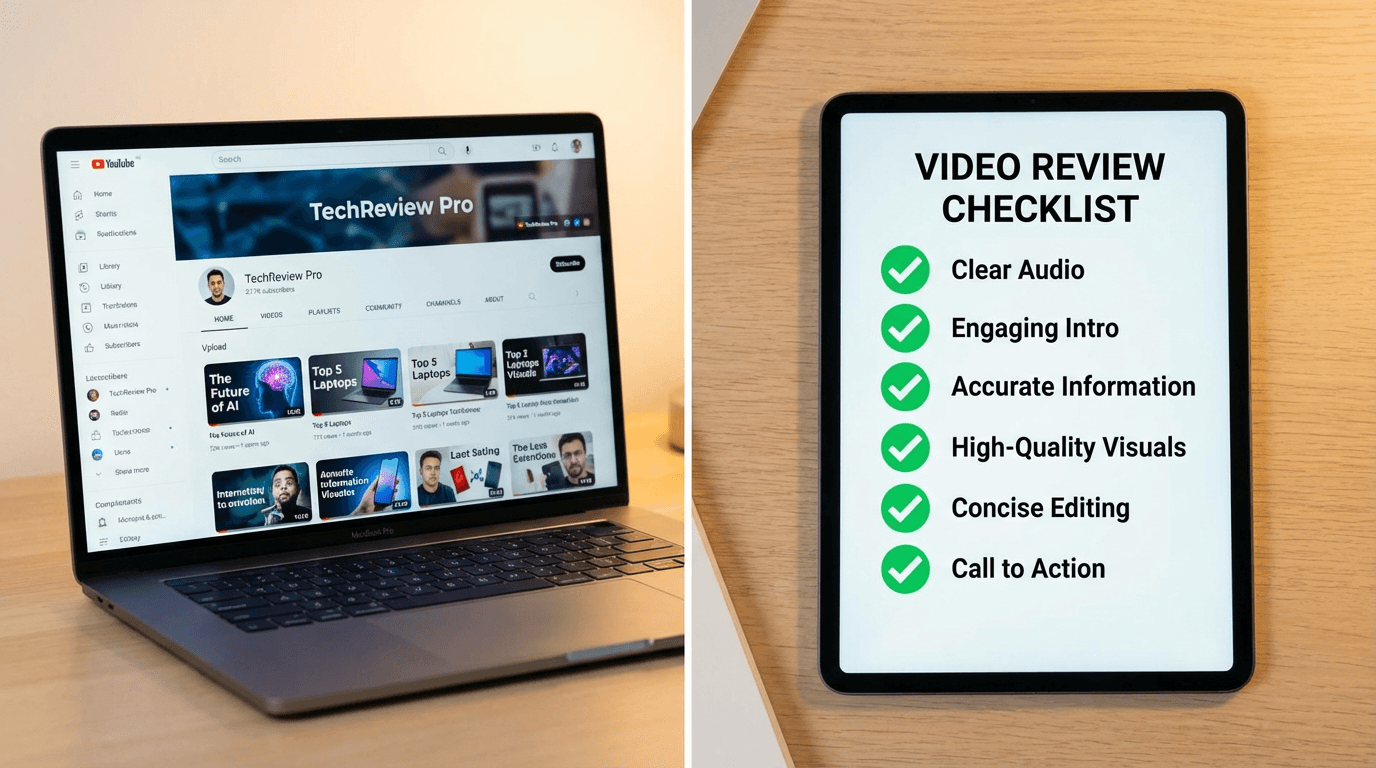
What YouTube does require is that content provides value to viewers. The YouTube Partner Program (YPP) eligibility criteria focus on originality, viewer engagement, and adherence to community guidelines. Whether you use a camera, screen recording software, or AI generation tools, the standard is the same: does this content offer something meaningful to the audience?
YouTube's guidelines around reused content and repetitive content are where most AI creators run into trouble. If your videos look like they were mass-produced with no creative input, minimal editing, and no unique perspective, YouTube may classify them as "reused content" and reject your monetization application. This applies to AI-generated content the same way it applies to compilation channels or text-to-speech slideshows.
The key distinction YouTube makes is between content that uses AI as a tool and content that is purely auto-generated with no human creativity involved. Using AI to generate visuals, music, or even scripts is fine as long as the final product reflects genuine creative decisions and delivers value.
The AI Disclosure Requirement
Starting in 2024 and continuing into 2026, YouTube requires creators to disclose when content contains AI-generated or synthetic material that could be mistaken for real people, places, or events. This disclosure appears in the video description and sometimes as a label on the video itself.
This requirement does not prevent monetization. It is a transparency measure. If your AI-generated video shows realistic scenes that viewers might interpret as real footage, you need to check the disclosure box when uploading. Failing to disclose can result in content removal or channel penalties.
For most AI creators, this is straightforward. If you are creating animated Shorts, stylized visuals, or clearly artistic content, the disclosure is simple and does not affect your revenue. If you are generating hyper-realistic scenes that look like documentary footage, the disclosure becomes more important.
The disclosure system is designed to build trust, not to penalize creators. YouTube has been clear that using AI tools is not a violation. Misleading viewers about what they are watching is.
Types of AI Content That Qualify for Monetization
Not all AI-generated content is treated equally by YouTube's review team. Some formats have a strong track record of getting approved for monetization, while others consistently get rejected.
Formats that typically qualify include educational content with AI visuals, where creators use AI-generated images or video clips to illustrate concepts they are explaining. Storytelling channels also perform well, where AI visuals serve a narrative that the creator has written and structured. Niche tutorial content that uses AI tools to demonstrate workflows or teach skills is another strong category. Product reviews and comparison videos that incorporate AI-generated visuals alongside original commentary also tend to pass review.
The common thread is human creative involvement. YouTube reviewers look for evidence that a real person made deliberate choices about the content. That could mean writing the script, selecting and arranging visuals, providing voiceover, or adding commentary that gives the video a unique perspective.
If you are creating AI Shorts, the same principles apply. Channels that post AI Shorts in formats that consistently go viral can absolutely be monetized, as long as the content reflects creative effort and is not just auto-generated filler.
Types of AI Content That Get Rejected
Understanding what fails monetization review is just as important as knowing what passes. YouTube's review team has become increasingly familiar with AI-generated content patterns, and certain formats trigger automatic rejection.
Mass-produced content with no editing is the biggest red flag. If you generate 50 videos using the same template, same voice, same structure, and upload them all with minimal variation, YouTube will likely classify this as repetitive or reused content. Even if each video technically covers a different topic, the lack of creative differentiation signals low effort to reviewers.
AI voiceover slideshows with stock images are another common rejection. These videos typically feature a robotic-sounding narration over a series of loosely related images. There is no unique perspective, no creative arrangement, and no reason for a viewer to watch one channel over another.
Content that copies existing videos using AI is also rejected. If you take a popular video concept, regenerate it with AI visuals and a different voice, and upload it as your own, YouTube treats this similarly to re-uploaded content.
The pattern is clear: YouTube rejects AI content that looks like it was created to game the system rather than serve an audience. If a human reviewer cannot identify what creative choices you made, the application will likely be denied.
How YouTube Evaluates AI Channels During Monetization Review
When you apply for the YouTube Partner Program, a human reviewer examines your channel. They look at your recent uploads, your content patterns, your engagement metrics, and the overall impression your channel gives.
For AI-generated content, reviewers specifically look for signs of originality. This includes unique scripting or narration, consistent creative direction such as a recognizable visual style or theme, evidence of editing and curation rather than raw AI output, audience engagement signals like comments, watch time, and subscriber growth, and a clear niche or topic focus.
Channels that demonstrate a cohesive identity tend to pass review more easily. If your channel has a specific topic, a consistent visual style, and content that builds on itself over time, reviewers can see that a real creator is behind it.
This is one reason why having a consistent thumbnail style matters beyond just click-through rate. It signals to both viewers and reviewers that your channel has intentional creative direction.
Monetizing AI-Generated YouTube Shorts
YouTube Shorts have their own monetization structure, and AI-generated Shorts are eligible. The Shorts revenue model is based on ad revenue sharing from the Shorts feed, and the real RPM ranges vary by niche.
For AI Shorts specifically, the monetization rules are the same as for long-form content. The Shorts need to be original, provide value, and reflect creative effort. The format itself does not disqualify content. What matters is the quality and originality of each Short.
Many creators are building monetized channels entirely around AI-generated Shorts. The approach that works best involves picking a specific niche, developing a recognizable format, and posting consistently. Channels that follow a 30-day YouTube Shorts plan with intentional topic selection and visual consistency tend to reach monetization thresholds faster than channels that post randomly.
One practical advantage of AI-generated Shorts is production speed. Because you can create Shorts from prompts rather than filming and editing manually, it becomes realistic to post daily without burning out. The YouTube Shorts algorithm responds positively to daily uploads, which helps channels reach the subscriber and watch hour thresholds needed for YPP eligibility.
Can You Monetize Videos with AI Music?
Yes. Videos that use AI-generated music can be monetized on YouTube, but there are important considerations.
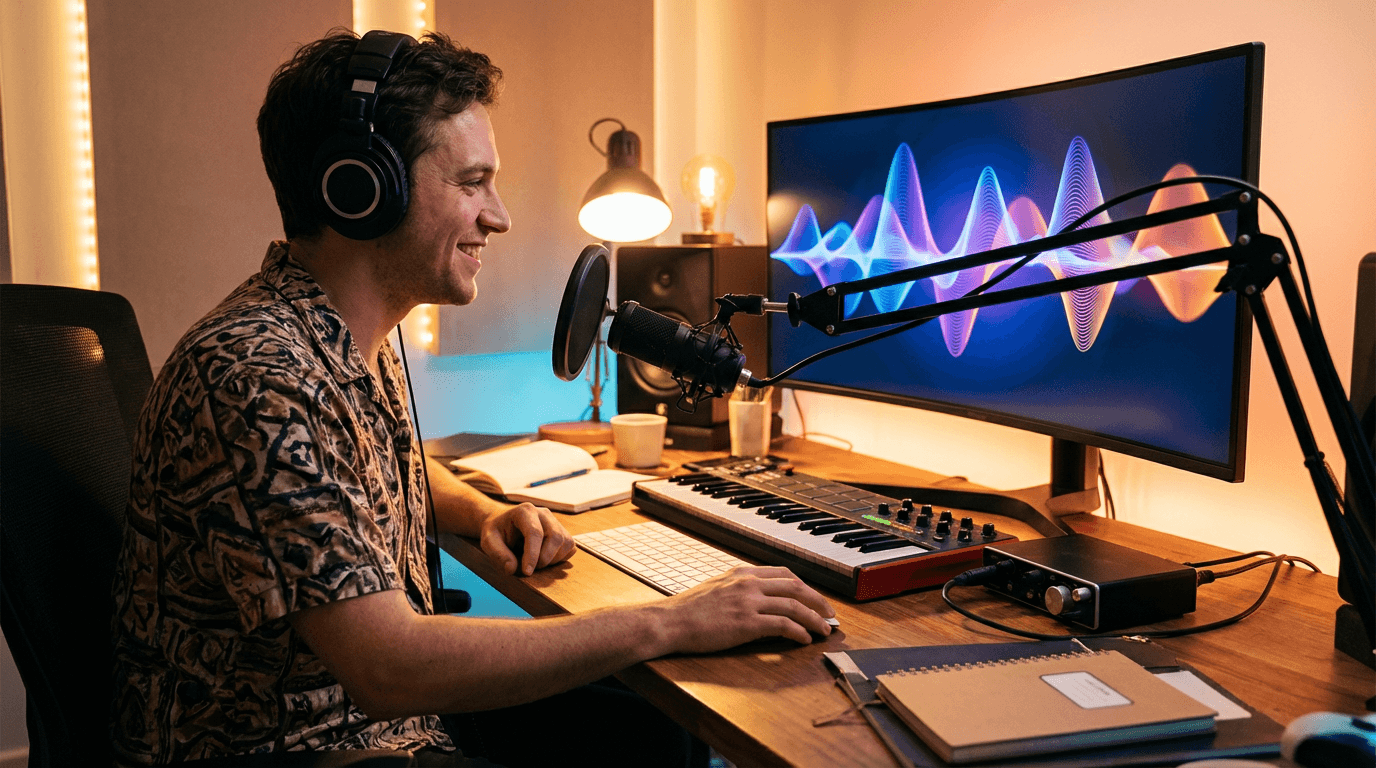
The primary concern with any music on YouTube is copyright. If you use copyrighted music, the rights holder can claim your video's ad revenue through Content ID. AI-generated music avoids this problem entirely because there is no existing copyright holder. The music is original at the point of generation.
However, the terms of service of the AI music tool you use matter. Some tools grant full commercial rights to generated music, while others retain partial ownership or restrict commercial use. Before monetizing videos with AI music, check the licensing terms of whatever tool you used to generate the tracks.
For creators who want to generate no-copyright music for YouTube, AI music generators are one of the most reliable options available in 2026. You describe the mood, style, and instruments you want, and the tool produces an original track that you can use freely.
Miraflow AI's music generator lets you create tracks in under a minute using either Simple Mode or Custom Mode. In Custom Mode, you can set lyrics structure, BPM, key, and duration. The generated music can be downloaded and used in your YouTube videos without copyright concerns.
This is especially useful for Shorts creators who need background music for every upload. Instead of searching through royalty-free libraries and risking accidental copyright matches, you can generate unique tracks for each video. If you want inspiration for music prompts, the AI music prompts guide for YouTube, Reels, and TikTok covers specific prompt structures that work well.
Can You Monetize Faceless AI Channels?

Faceless channels, where the creator never appears on camera, are one of the most popular applications of AI content creation. And yes, faceless AI channels can be monetized.
YouTube does not require creators to show their face. What YouTube requires is original, valuable content. Many successful monetized channels have never shown the creator's face. Think of channels focused on history, science, finance, or storytelling that use narration over visuals.
The challenge for faceless AI channels is standing out during the monetization review. Without a face or personality to anchor the content, the reviewer relies more heavily on production quality, topic consistency, and audience engagement. Channels that feel generic or interchangeable with hundreds of other AI channels are more likely to be flagged as reused content.
The creators who succeed with faceless YouTube Shorts niches typically choose a specific topic, develop a consistent visual and audio style, and build a library of content that clearly belongs together. The niche focus is what separates a monetizable faceless channel from a rejected one.
Building a Monetizable AI Channel: Step by Step
If you are starting a YouTube channel with AI-generated content and your goal is monetization, here is a practical framework to follow.
Pick a specific niche. The narrower your topic, the easier it is to demonstrate expertise and attract a consistent audience. "AI-generated videos" is not a niche. "Ancient history explained with cinematic visuals" is. "Quick cooking tips with animated demonstrations" is. The niche should be something you can produce 50 to 100 videos about without running out of ideas.
Develop a consistent format. Choose a video structure and stick with it. Consistency makes your channel feel intentional rather than random. This includes your intro style, visual approach, narration tone, and video length. For Shorts, the best practices for YouTube Shorts in 2026 cover format, length, and structure in detail.
Write or heavily edit your scripts. Even if you use AI to generate an initial draft, review and revise every script before producing the video. This is where your creative input becomes evident. Unique phrasing, specific examples, and a distinctive voice all signal originality.
Use AI for visuals, not as a replacement for creativity. Generate cinematic clips, images, and thumbnails with AI tools, but make deliberate choices about what visuals to use and how to arrange them. If you are generating video clips, the guide to writing effective prompts for cinematic AI video helps you create clips that look intentional rather than randomly generated.
Create professional thumbnails. Thumbnails affect both click-through rate and the overall impression your channel makes during monetization review. A channel with polished, consistent thumbnails looks more professional than one with auto-generated screenshots. You can generate thumbnails directly inside Miraflow AI's thumbnail maker using prompts, reference images, and custom text.
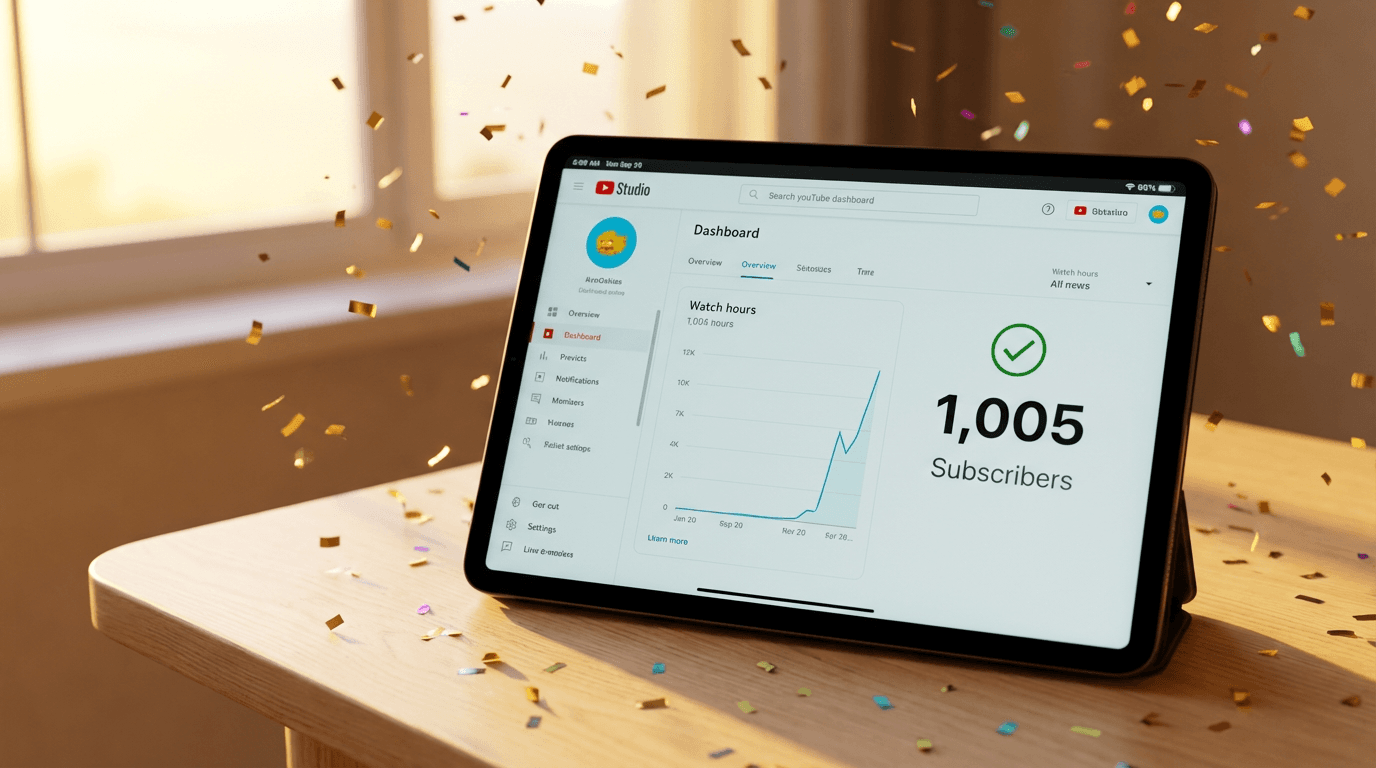
Post consistently. YouTube's monetization thresholds require either 1,000 subscribers plus 4,000 watch hours, or 1,000 subscribers plus 10 million Shorts views in 90 days. Consistent posting is the fastest way to accumulate these numbers. AI tools make daily or near-daily posting sustainable by reducing production time.
Engage with your audience. Reply to comments, ask questions in your videos, and build community. Engagement signals help the algorithm distribute your content and also demonstrate to monetization reviewers that real people are watching and interacting with your channel.
What to Do If Your Monetization Application Gets Rejected
Rejection is not permanent. YouTube allows you to reapply 30 days after a rejection, and many creators get accepted on their second or third attempt after making adjustments.
If your application is rejected for "reused content," review your recent uploads and look for patterns that might trigger that classification. Are your videos too similar to each other? Do they follow an identical template with no variation? Is there enough original commentary or narration to differentiate them?
Common fixes include adding more original narration or voiceover, varying your visual style across videos, creating stronger intros that demonstrate creative intent, removing videos that are clearly low effort or repetitive, and improving thumbnails and titles to show intentional branding.
After making changes, wait the 30-day period, then reapply. Many creators report that simply adding more personal commentary to their AI-generated videos was enough to flip the decision.
The Long-Term Outlook for AI Content Monetization
YouTube's stance on AI content has become more defined over time, and the trajectory points toward continued acceptance with increasing expectations for quality.
In early 2024, there was significant uncertainty about whether AI content would be treated differently. By 2026, the picture is much clearer. YouTube treats AI tools the same way it treats any other production tool. The content itself is what matters, not how it was made.
That said, the bar for quality is rising. As more creators adopt AI tools, the volume of AI-generated content on the platform increases. This means standing out requires more creative effort, better production choices, and stronger audience connection than it did even a year ago.
The creators who will succeed long-term are those who use AI to amplify their creativity rather than replace it. If AI handles the tedious parts of production, like generating visuals, editing clips, creating thumbnails, and producing music, you can focus your energy on the parts that matter most: choosing topics, crafting stories, and building an audience that keeps coming back.
Platforms like Miraflow AI are built around this idea. The entire pipeline from prompt to finished video, including Shorts generation, cinematic clips, images, thumbnails, and music, runs in the browser. The tools handle execution. Your job is the creative direction.
Conclusion
AI-generated content can absolutely be monetized on YouTube in 2026. The platform's policies do not penalize AI usage. They penalize low-quality, repetitive, or misleading content, regardless of how it was made.
The path to monetization with AI content follows the same principles as any YouTube channel: pick a niche, create valuable content, post consistently, and build an audience. AI tools just make the production side faster and more accessible.
If you are building an AI-powered YouTube channel, focus on the creative decisions that make your content unique. Write your own scripts or heavily edit generated ones. Choose visuals intentionally. Develop a recognizable style. Engage with your viewers.
YouTube rewards channels that serve their audience well. Use AI to help you do that more efficiently, and monetization will follow.