TikTok RPM and Monetization in 2026: How Much TikTok Pays Creators

Written by
Jay Kim
Learn how much TikTok pays creators in 2026. This guide covers TikTok RPM ranges by niche, the Creator Rewards Program, and strategies to increase your earnings.
If you are posting consistently on TikTok and wondering why your payouts feel low, you are not imagining things. TikTok's creator payments have always been a source of confusion, and in 2026, the landscape has shifted again with updated programs, changing RPM ranges, and new eligibility requirements.
The biggest frustration for TikTok creators is not the content itself. It is the gap between views and earnings. You can get millions of views on a single video and still earn less than you expected. Understanding how TikTok RPM actually works, what affects it, and how it compares to other platforms is the only way to set realistic expectations and build a strategy that makes financial sense.
This guide breaks down TikTok monetization in 2026. How much TikTok actually pays, what RPM ranges look like by niche, what the Creator Rewards Program requires, and what smart creators are doing to maximize their earnings across platforms.
What Is RPM and Why It Matters on TikTok
RPM stands for Revenue Per Mille, which means the amount you earn per 1,000 views. It is the most practical way to compare earnings across platforms because it normalizes everything into a single, comparable number regardless of total view count.
On TikTok, RPM is not displayed directly in your analytics dashboard the way it is on YouTube. You have to calculate it yourself by dividing your total earnings by your total qualified views, then multiplying by 1,000. This extra step means many creators never actually know their real RPM, which makes it harder to evaluate whether TikTok is worth prioritizing as an income source.
RPM is influenced by several factors: your audience's geographic location, the niche you create in, the length of your videos, how engaged your viewers are, and which monetization program you are enrolled in. Two creators with identical view counts can have very different RPMs depending on these variables.
TikTok's Monetization Programs in 2026
TikTok has iterated on its creator payment structure multiple times over the past few years. In 2026, the primary monetization paths available to creators include the Creator Rewards Program, TikTok Pulse, live gifts, and brand partnerships through TikTok Creator Marketplace.
Creator Rewards Program

The Creator Rewards Program (formerly known as the Creativity Program Beta, which replaced the original Creator Fund) is TikTok's main ad-revenue-sharing program for organic content. It was designed to address the biggest complaint about the old Creator Fund: that payouts were too low and did not scale with views.
The Creator Rewards Program pays based on qualified video views, with RPM influenced by factors like originality, audience engagement, search value, and region. To be eligible, creators generally need to meet minimum follower and view thresholds, be at least 18 years old, and post original content longer than one minute.
The one-minute minimum length is a critical requirement. Videos shorter than 60 seconds do not qualify for the Creator Rewards Program. This is a major distinction from platforms like YouTube, where even short-form content under 60 seconds can generate revenue through the Shorts monetization program.
TikTok Pulse
TikTok Pulse is an ad placement program where brands can place their ads alongside the top-performing content in the For You feed. Creators whose videos qualify for Pulse placements receive a share of the ad revenue generated from those specific placements.
Pulse is not something creators apply to directly in the traditional sense. TikTok identifies top-performing content and matches it with Pulse advertisers. The revenue share from Pulse tends to be higher than standard Creator Rewards payouts, but it is inconsistent because it depends on whether your specific video gets selected for a Pulse campaign.
Live Gifts and Tips
TikTok Live allows viewers to send virtual gifts that convert to real earnings. This remains a significant income source for creators who stream regularly, particularly in entertainment, music, and lifestyle niches. Live gifting is separate from video-based monetization and has its own conversion rates and payout structures.
TikTok Creator Marketplace
The Creator Marketplace connects brands with creators for sponsored content deals. This is not direct platform monetization, but it is one of the most lucrative income streams on TikTok. Brand deals on TikTok are typically negotiated per video or per campaign, and rates vary widely based on follower count, engagement rate, niche, and content quality.
For more context on how TikTok's payment model compares to YouTube's short-form monetization, our breakdown of YouTube Shorts monetization in 2026 provides a direct comparison of the two platforms.
Realistic TikTok RPM Ranges in 2026
TikTok RPM varies significantly depending on your niche, audience location, and which monetization program your content qualifies for. Here are realistic ranges based on what creators have reported across different programs.
Creator Rewards Program RPM
For content that qualifies for the Creator Rewards Program (original videos over one minute), RPMs tend to fall in the range of $0.40 to $1.50 per 1,000 qualified views for creators with primarily US-based audiences. Some niches report higher averages, while others consistently fall toward the lower end.
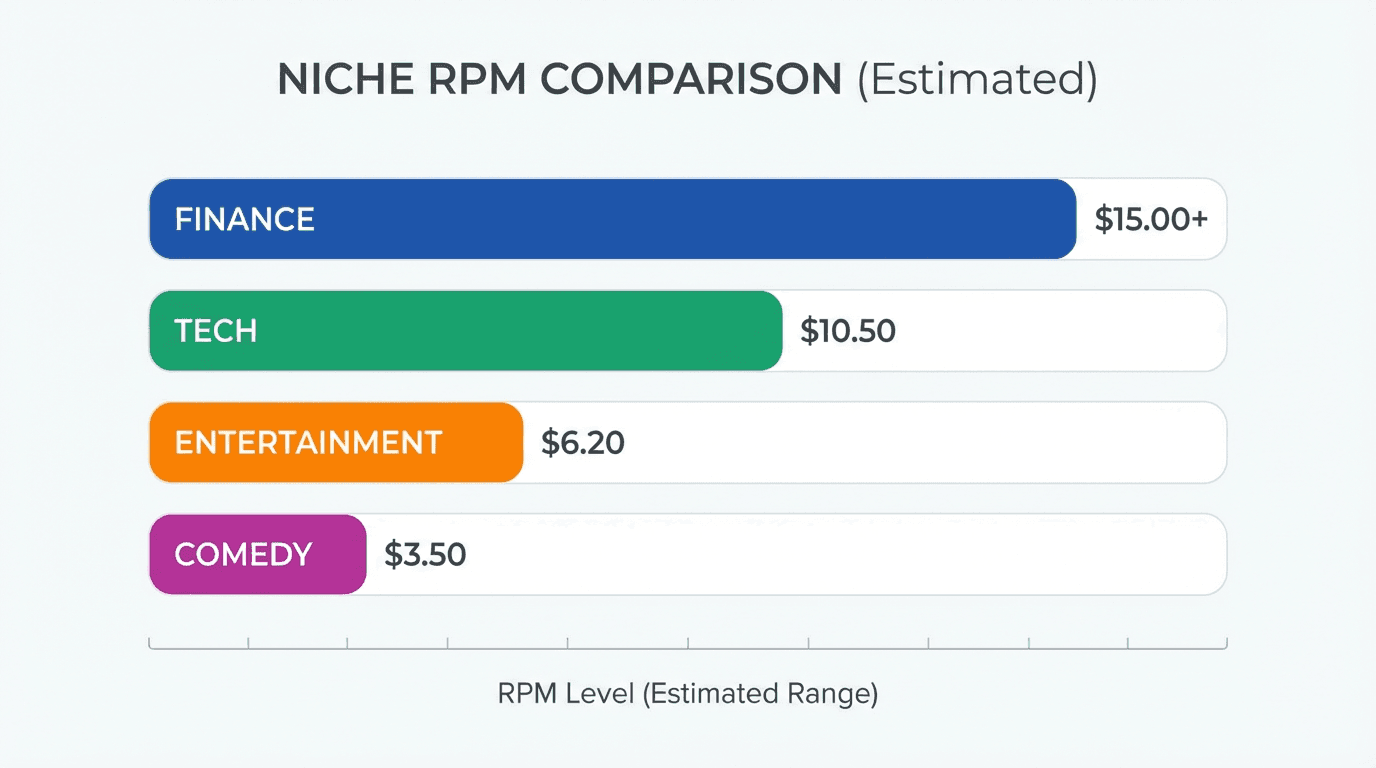
Higher-RPM niches on TikTok tend to include finance and investing, technology and software, business and entrepreneurship, health and wellness, and education. These niches attract advertisers willing to pay more per impression because the audience has higher purchasing intent.
Lower-RPM niches tend to include general entertainment, comedy, dance, and meme-style content. These niches generate massive view counts but attract lower-value advertising because the audience intent is less commercially specific.
For creators with audiences primarily outside the US, RPMs are generally lower. Audiences in regions like Southeast Asia, South America, and parts of Africa tend to generate significantly less ad revenue per view compared to audiences in the US, UK, Canada, and Western Europe.
TikTok Pulse RPM
When a video qualifies for TikTok Pulse placement, the RPM for that specific video can be noticeably higher than standard Creator Rewards payouts. However, Pulse revenue is sporadic. Most creators cannot rely on it as a consistent income stream because it depends on advertiser demand and whether your content lands in the top tier of the For You feed during a Pulse campaign window.
How This Compares to YouTube Shorts RPM
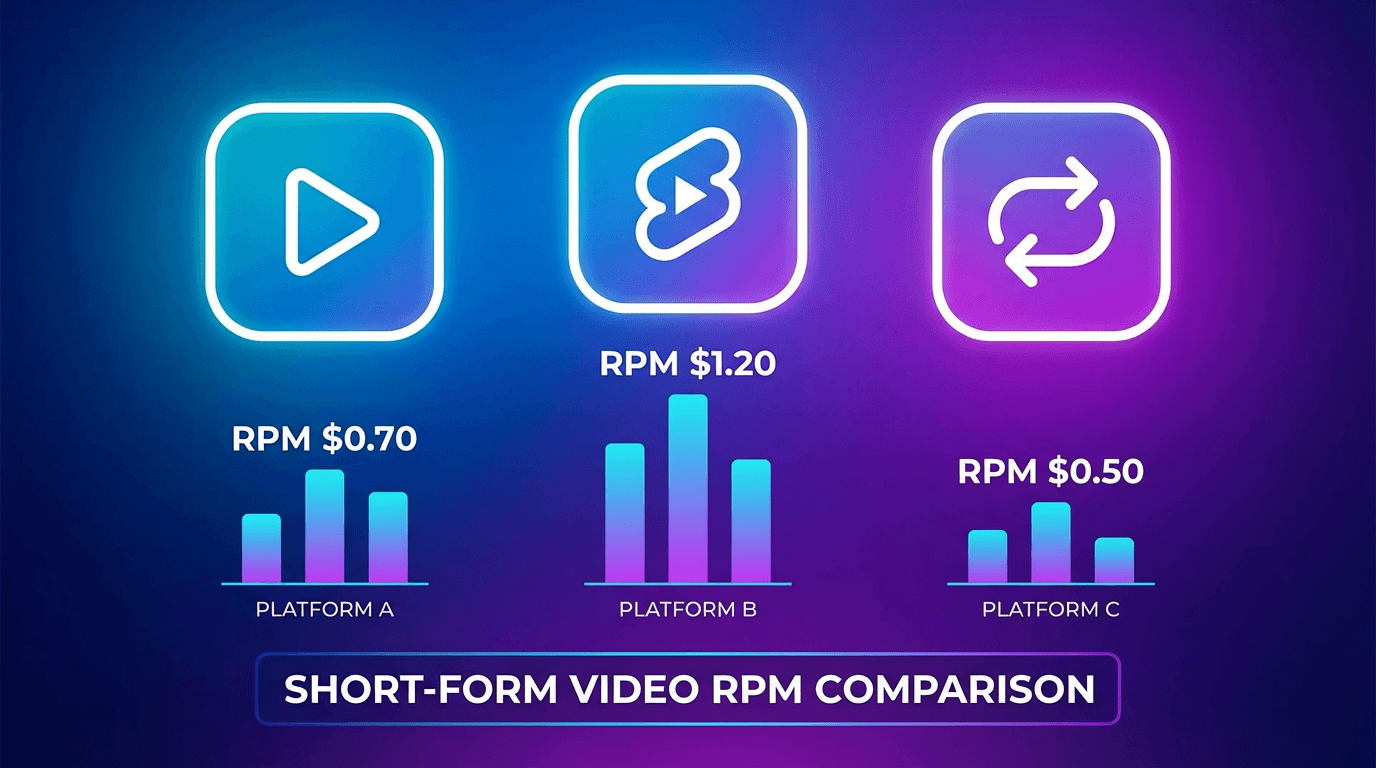
YouTube Shorts RPM tends to be in a similar low range for short-form content, though the structure is different. YouTube pools ad revenue from the Shorts feed and distributes it based on views, with music licensing costs deducted before creator payouts. The resulting RPM for YouTube Shorts varies by niche and region as well.
For a detailed look at YouTube Shorts RPM ranges across different content categories, check out our guide on YouTube Shorts RPM in 2026 with real ranges by niche. Comparing the two side by side helps you decide where to allocate your production effort.
The key takeaway is that both TikTok and YouTube Shorts pay relatively low RPMs compared to long-form YouTube content. The advantage of short-form content is volume and reach, not high per-view payouts.
What Affects Your TikTok RPM
Understanding what moves your RPM up or down helps you make better content decisions. Several factors directly influence how much you earn per thousand views on TikTok.
Audience Geography
This is the single biggest factor. A video viewed primarily by audiences in the United States will generate significantly more revenue than the same video viewed primarily by audiences in lower-CPM regions. Creators who intentionally create content that appeals to US, UK, Canadian, and Australian audiences tend to see higher RPMs.

You cannot directly control who sees your content, but you can influence it through language, topic selection, posting times, and cultural relevance. Creating content about topics that are specifically relevant to high-CPM markets increases the likelihood that your audience skews toward those regions.
Video Length
On TikTok, the Creator Rewards Program requires videos to be at least one minute long. But length beyond that minimum also matters. Longer videos that maintain strong watch-through rates tend to generate more revenue because they create more ad inventory. A three-minute video with high retention gives TikTok more opportunities to serve ads compared to a 65-second video.
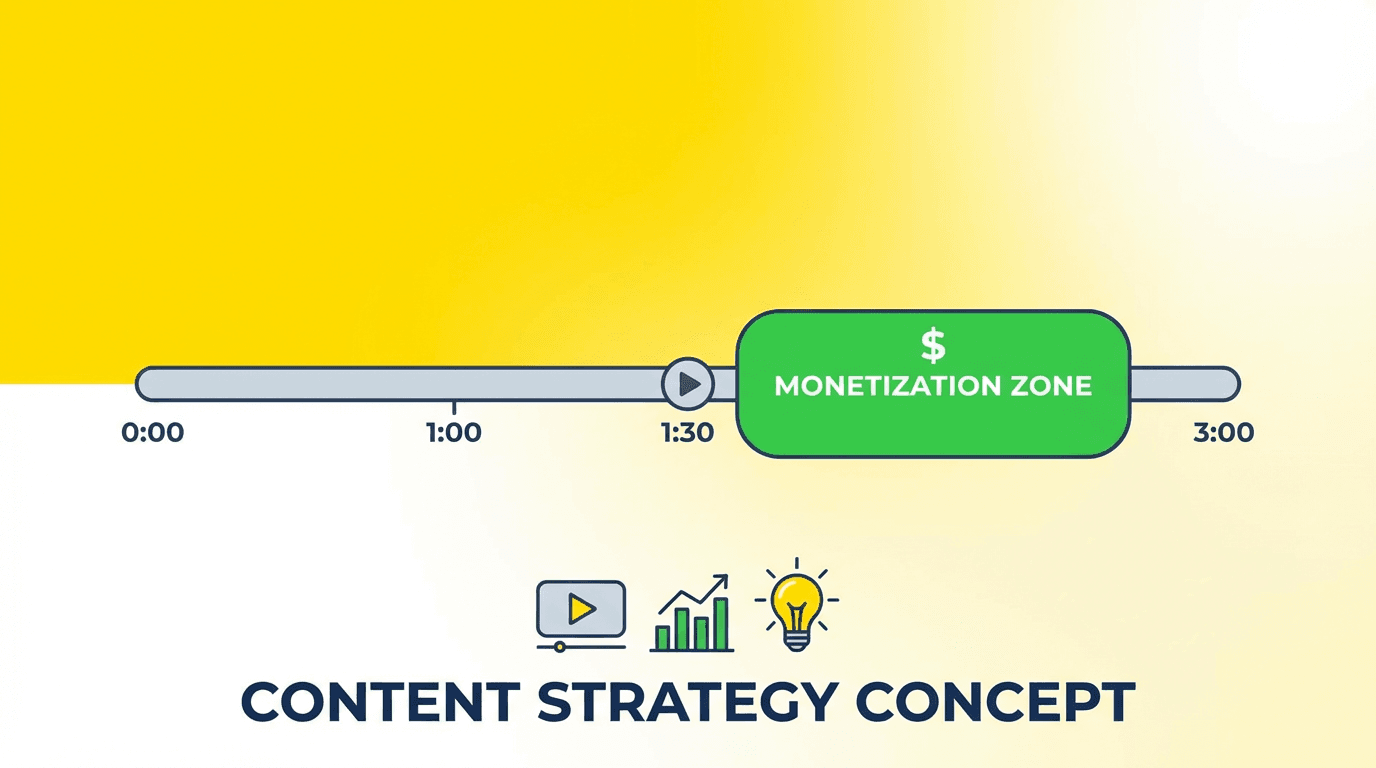
That said, length without retention is counterproductive. A long video that viewers abandon quickly performs worse than a shorter video that holds attention. The goal is to make your content as long as it needs to be while keeping the audience engaged throughout.
Content Originality
TikTok's algorithm and monetization system both prioritize original content. Videos that are re-uploaded from other platforms, use heavy amounts of stock footage without transformation, or closely replicate trending formats without adding original value tend to receive lower distribution and lower monetization rates.
The Creator Rewards Program specifically evaluates originality as a factor in determining payouts. Creating content that features your own perspective, voice, visuals, or expertise gives you a better chance at higher RPMs.
Engagement Signals
Videos with strong engagement, including likes, comments, shares, and saves, tend to perform better in both algorithmic distribution and monetization. High engagement signals to TikTok that the content is valuable, which can influence how the platform prioritizes it for ad placements.
Niche and Advertiser Demand
Advertisers bid for placements in specific content categories. If your niche attracts high-spending advertisers, your RPM benefits directly. This is why finance, tech, and business content tends to pay more. The advertisers in those spaces have higher customer lifetime values and are willing to pay more to reach potential customers.
Common TikTok Monetization Mistakes
Several mistakes consistently prevent creators from maximizing their TikTok earnings. Avoiding these can make a meaningful difference in your monthly payouts.
Posting Videos Under One Minute
This is the most common and most costly mistake. If the majority of your TikTok content is under 60 seconds, none of it qualifies for the Creator Rewards Program. You might be generating millions of views with zero direct monetization from TikTok's ad revenue sharing.
Many creators who built their audience on short clips continue posting sub-60-second content out of habit. Transitioning to longer-form TikTok content while maintaining engagement is one of the fastest ways to unlock higher earnings.
Ignoring Audience Geography
Creators who post content with broad global appeal but low relevance to high-CPM markets often see disappointing RPMs despite strong view counts. If your content naturally attracts audiences in lower-CPM regions, consider creating complementary content that targets English-speaking markets.
Not Diversifying Revenue Streams
Relying solely on TikTok's ad revenue sharing is risky for two reasons. First, the RPMs are low compared to other monetization methods. Second, TikTok's payment structure and policies can change at any time, as they have multiple times in the past.
Smart creators treat TikTok ad revenue as one component of a broader monetization strategy that includes brand deals, affiliate marketing, merchandise, courses, and cross-platform revenue.
Publishing Unoriginal Content
Re-uploading content, using heavy amounts of unedited stock footage, or posting slideshows with minimal creative effort results in lower monetization rates. TikTok actively deprioritizes unoriginal content in both distribution and payouts. Investing in original visuals and unique perspectives directly impacts your bottom line.
How to Increase Your TikTok RPM
Increasing your TikTok RPM requires a combination of content strategy, audience targeting, and production quality decisions. Here are practical steps that move the needle.
Create Longer Content That Holds Attention
The sweet spot for monetized TikTok content in 2026 tends to be between 1 and 5 minutes. This range qualifies for the Creator Rewards Program while being short enough to maintain strong retention rates. The key is pacing. Every section of the video needs to earn its place. Dead time, slow intros, and unnecessary padding kill retention and hurt RPM.
Strong hooks at the beginning of your videos are critical for keeping viewers engaged. The same principles that apply to YouTube Shorts hooks apply to TikTok. If you lose the viewer in the first few seconds, the rest of the video does not matter. Our guide on why the first 3 seconds of short-form content matter covers hook strategies that work across platforms.
Focus on High-CPM Niches
If you are flexible about your content niche, leaning toward topics that attract higher-value advertisers directly increases your RPM. Finance, technology, business, career advice, health, and education consistently attract higher ad spending.
This does not mean you need to completely change your content. Even adding a financial, educational, or practical angle to your existing niche can shift your audience profile and advertiser appeal.
Optimize for US and English-Speaking Audiences
Posting during peak hours for US time zones, using English-language content, and covering topics relevant to Western audiences increases the proportion of high-CPM views in your analytics. Small adjustments like these can shift your RPM noticeably over time.
Improve Production Quality
Higher production quality signals professionalism and originality, both of which TikTok's system rewards. This does not mean you need expensive equipment. It means clean audio, good lighting, steady camera work, and thoughtful editing.
For creators who use AI-generated visuals in their content, tools like the AI Image Generator in Miraflow AI can help produce polished visual assets without professional design skills. Better visuals contribute to better engagement, which feeds back into higher RPMs.
Build Series and Recurring Formats
Series content encourages viewers to follow you and return for future installments. This builds a loyal audience that watches longer, engages more, and generates more consistent monetization. Recurring formats also make content creation more efficient because you are not starting from scratch every time.
The formats that perform well on TikTok overlap significantly with what works on YouTube Shorts and Instagram Reels. Our guide on AI Shorts formats that go viral in 2026 covers structures that drive strong engagement across all three platforms.
TikTok vs. YouTube Shorts vs. Instagram Reels: Monetization Comparison
Creators in 2026 rarely post on just one platform. Understanding how monetization differs across TikTok, YouTube Shorts, and Instagram Reels helps you allocate your time and effort strategically.
TikTok
TikTok offers the Creator Rewards Program for videos over one minute, TikTok Pulse for top-performing content, live gifts, and brand partnerships through the Creator Marketplace. RPMs for ad revenue tend to be low but views are easier to accumulate due to strong algorithmic discovery. TikTok favors new content and can push unknown creators to large audiences quickly.
YouTube Shorts
YouTube Shorts monetization works through a revenue-sharing model where ad revenue from the Shorts feed is pooled and distributed to creators based on views. YouTube also offers Super Thanks, channel memberships, and integration with long-form content monetization. One advantage of YouTube is that Shorts viewers can convert into long-form video viewers, where RPMs are significantly higher.
If you are curious about how YouTube's Shorts algorithm distributes content and how posting frequency affects performance, our guide on how the YouTube Shorts algorithm responds to daily uploads covers the dynamics in detail.
Instagram Reels
Instagram Reels monetization has been less consistent and less transparent than both TikTok and YouTube. Instagram has shifted its creator payment programs multiple times. In 2026, Reels monetization exists but is generally considered less reliable as a standalone income source compared to TikTok and YouTube. Instagram's strength lies more in driving traffic to external products, services, and brand deals.
The Cross-Platform Strategy
The most financially successful short-form creators in 2026 do not rely on a single platform. They repurpose content across TikTok, YouTube Shorts, and Instagram Reels. This triples the monetization potential of each piece of content with minimal additional effort.
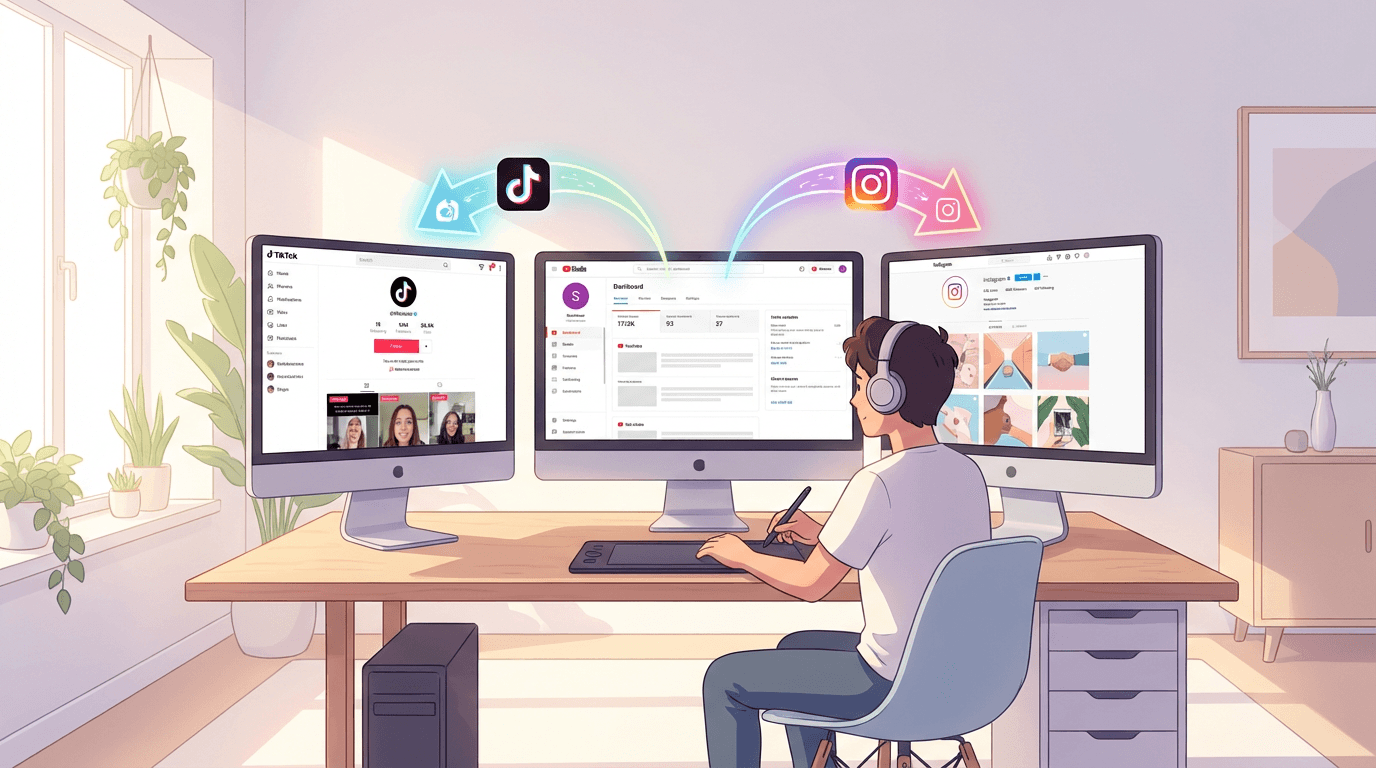
The challenge is production volume. Creating enough content to post daily across three platforms is time-intensive if done manually. This is where AI-powered creation tools become practical. Using Text2Shorts in Miraflow AI, creators can generate complete vertical short-form videos from a single topic, then distribute them across all three platforms. The same video earns TikTok Creator Rewards revenue, YouTube Shorts ad revenue, and Instagram Reels engagement simultaneously.
For a broader look at how creators are building cross-platform workflows with AI tools, our guide on the new creator stack for Shorts, Reels, and TikTok breaks down the full production pipeline.
TikTok Monetization Beyond Ad Revenue
Direct ad revenue from TikTok is just one piece of the earning puzzle. Many successful TikTok creators earn significantly more from indirect monetization methods than from TikTok's own payment programs.
Brand Deals and Sponsorships
Brand partnerships are often the highest-paying income stream for TikTok creators. Rates depend on your niche, follower count, engagement rate, and the brand's budget. Even creators with relatively small followings in high-value niches can command strong rates per sponsored post.
The key to attracting brand deals is demonstrating engaged, targeted audiences rather than just large view counts. Brands care about whether your audience matches their customer profile, not just how many people saw your video.
Affiliate Marketing
Promoting products through affiliate links allows creators to earn commissions on sales driven by their content. TikTok's integration with e-commerce through TikTok Shop has made affiliate marketing more accessible on the platform. Creators in product review, fashion, beauty, and tech niches frequently earn more from affiliate commissions than from ad revenue.
Selling Your Own Products or Services
TikTok is an effective discovery engine for driving sales to your own products, courses, consulting services, or digital downloads. The low-friction nature of TikTok content means viewers can discover your brand and convert into customers quickly, especially when your content demonstrates expertise in a specific area.
Driving Traffic to Higher-RPM Platforms
One underused strategy is using TikTok's strong discovery algorithm to build audiences that you then direct to higher-monetizing platforms. For example, using TikTok to grow your YouTube channel means you can eventually earn from YouTube's significantly higher long-form RPMs while continuing to benefit from TikTok's reach.
Building a Sustainable TikTok Content Workflow
Consistency is one of the strongest predictors of TikTok growth and monetization. The algorithm rewards regular posting, and brand partnerships tend to go to creators who demonstrate reliable output. But maintaining daily or near-daily posting schedules is unsustainable without an efficient workflow.
Batching content creation is the most practical approach. Instead of creating and posting one video at a time, dedicate specific sessions to scripting, filming, and editing multiple videos at once. This reduces context-switching and allows you to maintain a posting schedule even during busy weeks.
For creators who use AI-assisted workflows, the production bottleneck is even smaller. You can generate scripts, visuals, and even background music within a single session using browser-based tools. The AI Music Generator in Miraflow AI, for example, lets you create original background tracks for your TikTok content in under a minute. This eliminates the need to search for royalty-free music or worry about copyright claims. For more on this workflow, see our guide on generating no-copyright music for content creators.
The goal is to build a system where creating content takes less time than the content itself is worth. When your production workflow is efficient, you can focus your energy on the creative and strategic decisions that actually drive RPM higher.
What Most Creators Misunderstand About TikTok Pay
There are several persistent misconceptions about TikTok monetization that lead creators to make poor strategic decisions.
The first misconception is that more views automatically means more money. Views only translate to revenue if the content qualifies for monetization. Millions of views on a 30-second video earn nothing from the Creator Rewards Program because the video is too short. Qualified views matter far more than total views.
The second misconception is that TikTok pays the same as YouTube. Per-view, TikTok's ad revenue tends to be lower than YouTube's, especially compared to YouTube's long-form content. Creators who expect TikTok RPMs to match YouTube's long-form RPMs will be consistently disappointed. The value of TikTok is reach and discovery, not per-view revenue.
The third misconception is that RPM is fixed. Your RPM fluctuates based on seasonality, advertiser demand, audience composition, and content type. RPMs tend to be higher during Q4 (October through December) when advertisers increase spending for holiday campaigns, and lower during Q1 (January through March) when ad budgets reset. Planning your content calendar around these cycles can help you capitalize on higher-paying periods.
The fourth misconception is that going viral once will make you money. A single viral video generates a one-time payment. Sustainable TikTok income comes from consistent publishing, audience retention, and diversified revenue streams. Chasing virality without building a loyal audience is a losing strategy long term.
Faceless and AI-Generated Content on TikTok
A growing segment of TikTok creators operates faceless channels using AI-generated visuals, voiceover narration, and automated editing workflows. These channels can be monetized through the Creator Rewards Program as long as the content meets TikTok's originality and length requirements.
The key for faceless TikTok channels is producing content that feels intentional and valuable, not generic or low-effort. AI tools can handle the production, but the strategy, topic selection, and audience understanding still need to be strong.
Creators exploring this approach on YouTube as well can find relevant niche ideas in our guide on faceless YouTube Shorts niches using AI in 2026. Many of these niches translate directly to TikTok.
Planning Your First 30 Days of Monetized TikTok Content
If you are starting fresh or transitioning from short clips to monetizable content, here is a practical approach for your first month.
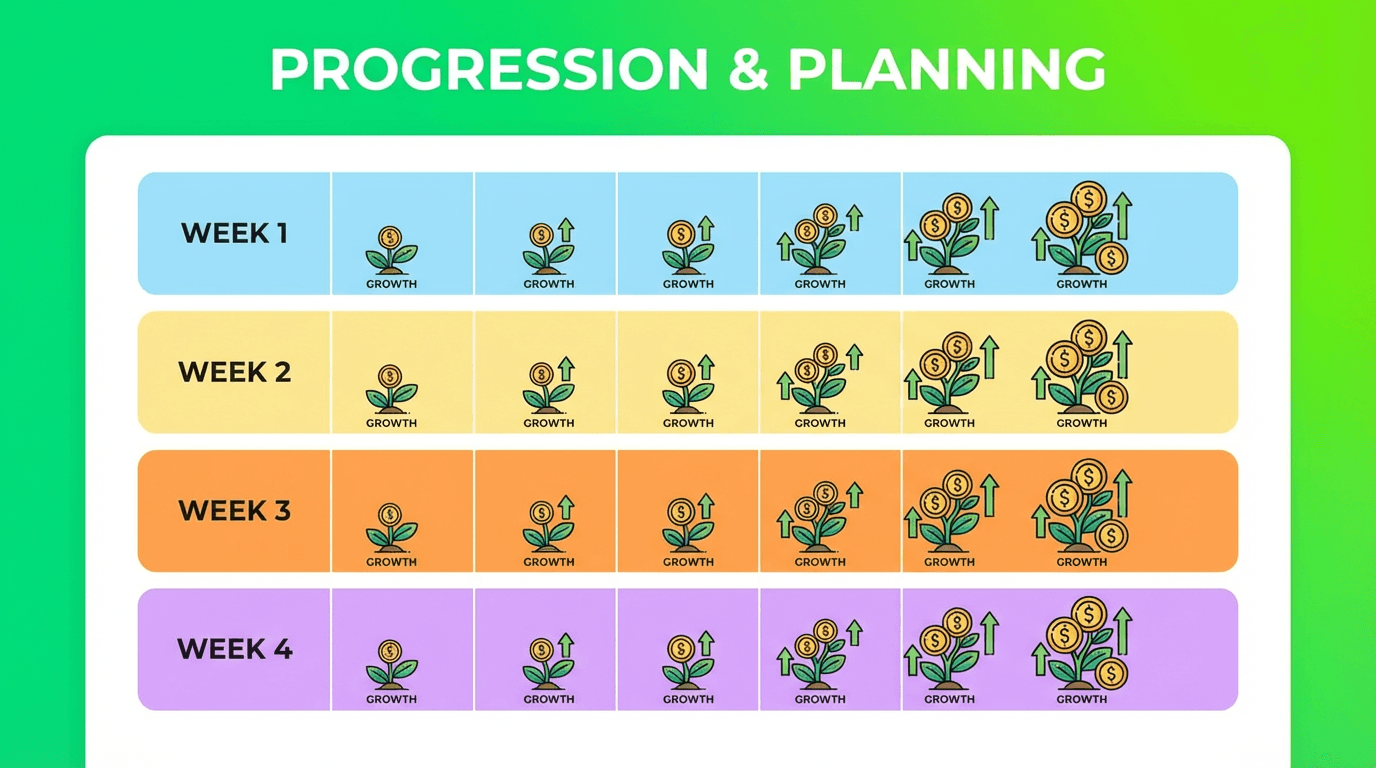
During the first week, audit your existing content. Identify which videos are under one minute and which are over. Check your analytics to understand your audience demographics, especially geographic distribution. This baseline tells you where you stand and what to optimize first.
During the second week, start creating content that is at least one minute long. Focus on your strongest niche topic and experiment with formats that naturally support longer watch times: tutorials, storytelling, product reviews, behind-the-scenes content, and educational breakdowns.
During the third week, analyze your first batch of longer videos. Compare their retention rates to your shorter content. Identify where viewers drop off and adjust your pacing and hooks accordingly. Start pinning comments that encourage engagement.
During the fourth week, double down on what worked. Increase your posting frequency for the formats that showed the strongest retention and engagement. Begin exploring cross-platform posting to YouTube Shorts and Instagram Reels to multiply your monetization.
Conclusion
TikTok monetization in 2026 is more structured than it was in the early Creator Fund days, but it still requires strategic thinking to earn meaningful income. RPMs vary widely based on niche, audience geography, content length, and originality. The Creator Rewards Program is the primary ad-revenue path, and it requires videos over one minute with strong engagement signals.
The creators who earn the most on TikTok do not rely on ad revenue alone. They combine Creator Rewards income with brand deals, affiliate marketing, product sales, and cross-platform distribution. They post consistently, optimize for high-CPM audiences, and treat TikTok as one component of a broader content business.
If your goal is to build sustainable income from short-form video, understanding your RPM is the starting point. From there, every decision about niche, format, length, and distribution should be informed by what actually moves that number.
FAQ: TikTok RPM and Monetization in 2026
How much does TikTok pay creators per 1,000 views in 2026?
TikTok pay per 1,000 views can vary a lot in 2026 depending on the monetization program, audience location, niche, and video performance. For creators in the Creator Rewards Program, realistic RPMs often fall around $0.40 to $1.50 per 1,000 qualified views for primarily US-based audiences, though some creators may see lower or higher results depending on content quality and viewer geography.
What is TikTok RPM?
TikTok RPM stands for revenue per 1,000 views. It is the amount a creator earns for every 1,000 qualified views on monetized content. TikTok does not always show RPM directly in analytics, so many creators calculate it manually by dividing earnings by qualified views and multiplying by 1,000.
Does TikTok pay for every video view?
No, TikTok does not pay for every single view. Earnings usually depend on whether the views are qualified under the monetization program you are using. For example, under the Creator Rewards Program, videos generally need to meet eligibility requirements such as originality, minimum length, and program participation before views count toward payouts.
Do TikTok videos need to be over 1 minute to make money?
For the Creator Rewards Program, yes, videos generally need to be longer than one minute to qualify. This is one of the biggest reasons many creators get lots of views but still earn little or no direct platform revenue. Shorter clips may still help with growth, but they usually do not qualify for this specific program.
Why is my TikTok RPM so low?
Low TikTok RPM is usually caused by a few common factors: audience geography, low advertiser demand in your niche, shorter watch times, weak retention, or content that does not qualify well for monetization. Creators with audiences in lower-CPM regions or in broad entertainment niches often see lower RPMs than creators in finance, business, tech, or education.
Which TikTok niches have the highest RPM in 2026?
Higher-RPM TikTok niches in 2026 often include finance, investing, business, technology, health, wellness, and education. These categories tend to attract advertisers with higher budgets and stronger buying intent. In contrast, entertainment-heavy niches like dance, memes, or general comedy often get more views but lower RPMs.
Does audience location affect TikTok monetization?
Yes, audience location is one of the biggest factors affecting TikTok monetization. Views from the US, UK, Canada, and other high-CPM markets usually earn more than views from lower-CPM regions. Two creators with similar view counts can have very different payouts simply because their audiences are located in different countries.
Is TikTok Pulse better than the Creator Rewards Program?
TikTok Pulse can generate higher earnings for some videos because it places ads next to top-performing content, but it is not as predictable or consistent as the Creator Rewards Program. Most creators should think of Pulse as an extra upside rather than a reliable base income stream.
Can you make real money on TikTok in 2026?
Yes, but most creators do not make substantial income from ad revenue alone. Real TikTok income usually comes from combining multiple revenue streams such as Creator Rewards payouts, live gifts, brand deals, affiliate marketing, TikTok Shop commissions, and selling products or services. For many creators, direct platform pay is just one piece of the business.
Is TikTok monetization better than YouTube Shorts monetization?
It depends on your goals. TikTok is often stronger for reach and fast discovery, while YouTube can be better for building a broader monetization system, especially if Shorts viewers convert into long-form viewers. TikTok and YouTube Shorts both tend to have relatively low short-form RPM compared with long-form YouTube videos, so many creators use both platforms together instead of choosing only one.
How can I increase my TikTok RPM?
To increase TikTok RPM, creators usually focus on longer original videos, stronger retention, higher-value niches, and audiences in high-CPM countries. Improving production quality, building recurring series, and creating content that appeals to US and English-speaking viewers can also help move RPM higher over time.
Do faceless or AI-generated TikTok channels qualify for monetization?
They can qualify as long as the content meets TikTok’s originality and program requirements. The key is that the content still needs to feel valuable, intentional, and original rather than spammy or heavily recycled. Using AI tools does not automatically block monetization, but low-effort or repetitive content can hurt both distribution and payouts.