YouTube Shorts Brand Deals in 2026: How Creator Partnerships Actually Work

Written by
Jay Kim
Learn how YouTube Shorts brand deals actually work in 2026, from Creator Partnerships and disclosures to pricing, boosting, shopping links, and brand access.
If you are trying to make money with YouTube Shorts, one of the biggest misconceptions in 2026 is thinking brand deals only happen after you become huge.
That is not how creator partnerships actually work anymore.
YouTube now has a more formal brand-deal system built into the platform. In March 2026, YouTube said it was evolving BrandConnect and its creator-partnerships tools into a centralized platform called YouTube Creator Partnerships, integrated into YouTube Studio for creators and Google Ads and Display & Video 360 for advertisers. YouTube also said the goal is to make it easier for brands to find creators, manage campaigns, and measure results.
That matters for Shorts creators because brand deals on YouTube in 2026 are no longer just random email pitches and spreadsheet chaos. There is now a clearer system for discovery, brand inquiries, Media Kits, pricing preferences, paid-promotion disclosures, brand access to video metrics, and even Shorts-specific tools like brand-site links.
In this guide, you will learn:
- what a YouTube Shorts brand deal actually is in 2026
- how YouTube Creator Partnerships works
- who is eligible and how brands find creators
- what gets negotiated on-platform versus off-platform
- how paid promotion, brand access, and boosting actually work
- what mistakes creators still make with Shorts partnerships
- copy-paste prompts to help you pitch and package deals better
If you want the broader monetization context first, start with YouTube Shorts Monetization 2026: How Much They Pay, YouTube Shorts RPM 2026: Real Ranges by Niche, and YouTube Shorts Best Practices in 2026.
Why this matters more in 2026
Shorts is no longer just a top-of-funnel format.
YouTube’s own 2024 Shorts monetization update said more than 25% of channels in YPP were already earning through Shorts revenue sharing, and more than 80% of creators who joined YPP through the Shorts eligibility path were also earning through other YouTube monetization features such as long-form ads, fan funding, BrandConnect, and Shopping. In other words, Shorts is not only a view generator. It is also an entry point into broader creator business models.
YouTube also expanded YPP access so creators can qualify either through long-form watch hours or through Shorts performance. Its official YPP eligibility page says creators can apply once they hit 1,000 subscribers plus either 4,000 valid public watch hours in the last 12 months or 10 million valid public Shorts views in the last 90 days. That matters because the Creator Partnerships tab requires creators to already be in YPP and eligible for ad revenue sharing.
So in 2026, a realistic Shorts business model often looks like this:
- revenue share from Shorts ads
- brand deals
- YouTube Shopping affiliate revenue
- fan funding or memberships
- longer-form sponsorship spillover
That is a much broader opportunity than the old “post Shorts and hope AdSense is enough” mindset.
What a YouTube Shorts brand deal actually is
A lot of creators assume YouTube pays them directly for sponsored Shorts.
That is usually wrong.
YouTube’s official Creator Partnerships Module says that if a creator joins the off-platform Creator Partnerships program, advertisers can discover them to create content promoting products or services, but the terms are negotiated and paid for by advertisers outside of YouTube. YouTube explicitly says it is not responsible for those off-platform deal terms or payments, and that YouTube does not pay creators for participation in those off-platform deals.
That is one of the most important things to understand.
A YouTube Shorts brand deal in 2026 usually involves two layers:
Layer 1: YouTube as the connection and workflow layer
YouTube can help brands discover creators, send inquiries, surface channel data, manage campaign associations, apply paid-promotion features, share video-level metrics, and enable brand-specific tools.
Layer 2: the advertiser as the payer
The advertiser is still the party that negotiates deliverables, approves the work, and pays the creator for the sponsorship itself.
That is why “Creator Partnerships” is best understood as a brand-deal operating system, not as a replacement for actual sponsorship negotiation.
What changed from BrandConnect to Creator Partnerships
This is the most important 2026 update.
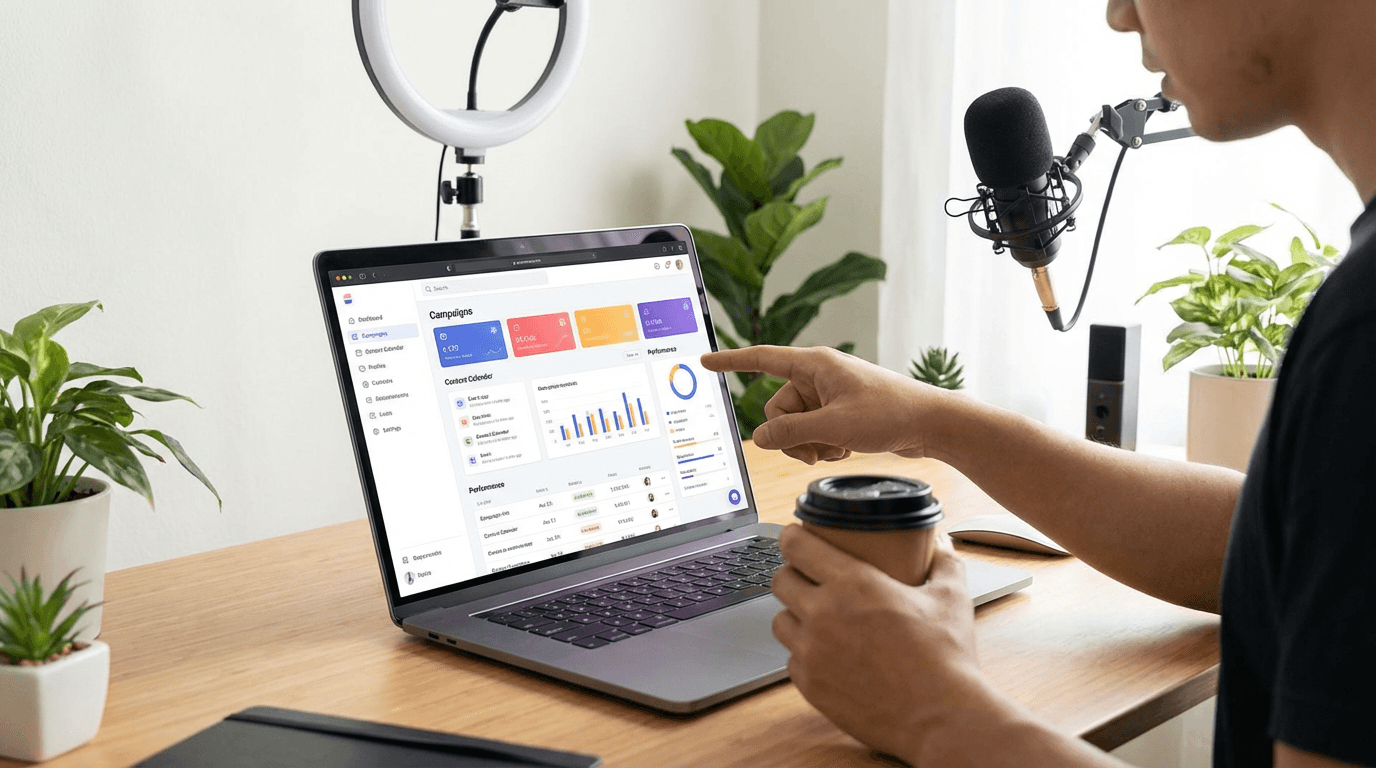
YouTube said in March 2026 that it was evolving BrandConnect into YouTube Creator Partnerships, a more centralized system integrated directly into YouTube Studio for creators and Google Ads / Display & Video 360 for advertisers. YouTube also said this lets brands find creators, manage outreach, and measure performance more confidently across organic and paid activity.
That means if you are still thinking in terms of old BrandConnect references, the newer framing is now:
- YouTube Creator Partnerships for the broader partnerships system
- Creator Partnerships tab in YouTube Studio for eligible creators
- Creator Partnerships Hub in Google Ads / DV360 for advertisers
- creator partnerships boost for paid promotion of creator videos in ads
YouTube’s own blog also says the new system is designed so advertisers can find creators, scale campaigns across formats like Shorts and in-stream, and measure both organic and paid impact more clearly.
Who can access YouTube Creator Partnerships
YouTube’s official help page says the Creator Partnerships tab is only available to eligible creators in supported countries and regions. To access it, a creator must:
- be at least 18 years old
- be in the YouTube Partner Program
- be eligible for revenue sharing from ads
- be based in a supported country or region
- have no active Community Guidelines strikes
YouTube’s supported-country list includes the United States, United Kingdom, Japan, India, Brazil, Canada, and South Korea, among others, and YouTube also notes that the Creator Partnerships experience can differ by country or region.
That last point matters.
Not every creator will see the exact same partnership workflow, even if Creator Partnerships is technically available in their market. YouTube’s country-specific help pages also show that some experiences may still rely more heavily on off-platform contact like email or social handles depending on region.
How brands actually find Shorts creators
This is where many creators still guess instead of using the tools YouTube already gives them.
YouTube says eligible creators have a Creator Partnerships tab inside the Earn section of YouTube Studio. That tab includes:
- streamlined brand inquiries
- a customizable Media Kit
- pricing preferences for long-form and Shorts partnerships
- business contact settings for an agent or manager email
YouTube also says creators can turn on channel insights sharing so advertisers can more easily discover them. The help page says this improves visibility in creator search and helps brands select creators suited to campaign goals. YouTube’s 2026 blog adds a stronger data point: creators who shared channel insights were surfaced 60% more in search results on average.
That means the practical discovery stack for brand deals looks like this:
- join YPP
- access Creator Partnerships if eligible
- turn on insights sharing
- keep your Media Kit clean and useful
- make your niche obvious
- make your Shorts performance and audience story easy to understand
What the Media Kit actually does
A lot of creators still build one-page PDFs manually and never look at the native YouTube Media Kit.
That is a missed opportunity.
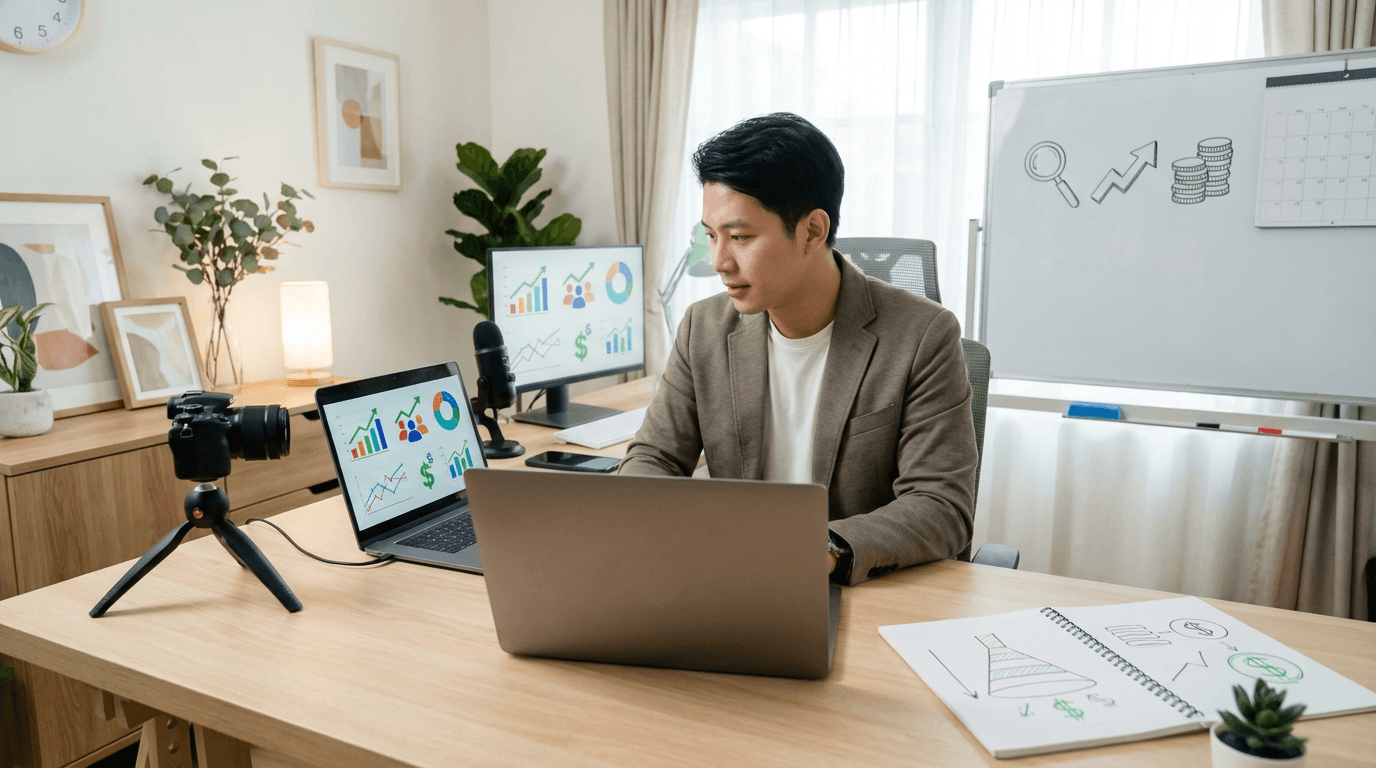
YouTube says Media Kit is available to all YPP creators, and it contains audience and channel data such as your banner and bio, top audience and shopping categories, key channel stats and demographics, paid product placement campaign videos, and top overall videos. It can be downloaded from the Earn page on desktop or viewed through Creator Partnerships.
That matters because brand deals rarely start with “What is your subscriber count?”
They start with questions like:
- who watches you
- what audience categories fit your channel
- whether your audience matches the brand
- whether you have handled sponsored content before
- whether your channel looks commercially usable
That is what a strong Media Kit helps answer.
How a Shorts brand deal actually moves from inquiry to payment
Here is the practical workflow.
1. the brand finds you or contacts you
YouTube says creators may receive inquiries through the Creator Partnerships tab, and also offline through email or social channels. In Google Ads, brands can use Creator Partnerships Hub to discover creators, review creator profiles, and initiate brand partnerships.
2. the creator reviews the brief
YouTube says campaign inquiries inside Creator Partnerships are meant to be clearer and more concise. Creators can also set suggested pricing for long-form and Shorts deals in the preferences section.
3. the actual sponsorship terms are negotiated
This is the part creators need to understand clearly: YouTube’s Creator Partnerships Module says off-platform deal terms are negotiated directly with the advertiser, and payment is handled outside YouTube.
4. the creator makes and uploads the Short
If the Short includes paid promotion, YouTube says the creator must disclose it by selecting the paid promotion box in video details. YouTube also says creators and brands are responsible for complying with legal obligations around disclosure.
5. the creator can share brand partner access
YouTube says brands can request brand partner access to long-form and Shorts videos. This allows brands and their agencies to view organic and paid performance metrics in Google Ads and promote the creator’s video in a creator partnerships boost campaign.
6. the brand can amplify the Short as paid media
YouTube’s 2026 blog says advertisers can use creator partnerships boost to turn creator content into ad assets on Shorts and in-stream. The help page says boosting and organic performance are separate processes and that boosting does not harm organic performance.
7. the creator is paid by the advertiser
Again, YouTube is very clear here: YouTube is not the party paying for off-platform brand deals, and creators should negotiate those payments directly with advertisers.
That is how creator partnerships actually work in practice.
What gets shared with brands when you give access
This is one of the most overlooked parts of modern YouTube brand deals.

YouTube says that when you share brand partner access to a video, the brand can see both public and non-public video-level performance metrics. The help page lists examples including views, engaged views, engagement rate, reach, total watch time, average view duration, average percentage viewed, comments, and some audience demographic and geography data. It also notes that several of those metrics are split by organic versus paid traffic.
This matters because in 2026, a Shorts brand deal is often not judged only by:
- view count
- likes
- comments
It is increasingly judged by a fuller performance story:
- organic reach
- paid amplification performance
- audience fit
- engagement quality
- downstream traffic or shopping behavior
That is why creators who treat Shorts sponsorships like simple shoutouts are increasingly behind the market.
Shorts-specific tools that matter for brand deals now
This is one of the biggest reasons this topic matters in 2026.
YouTube now has Shorts-specific partnership tools that make branded Shorts more measurable and actionable.
brand-site links in Shorts
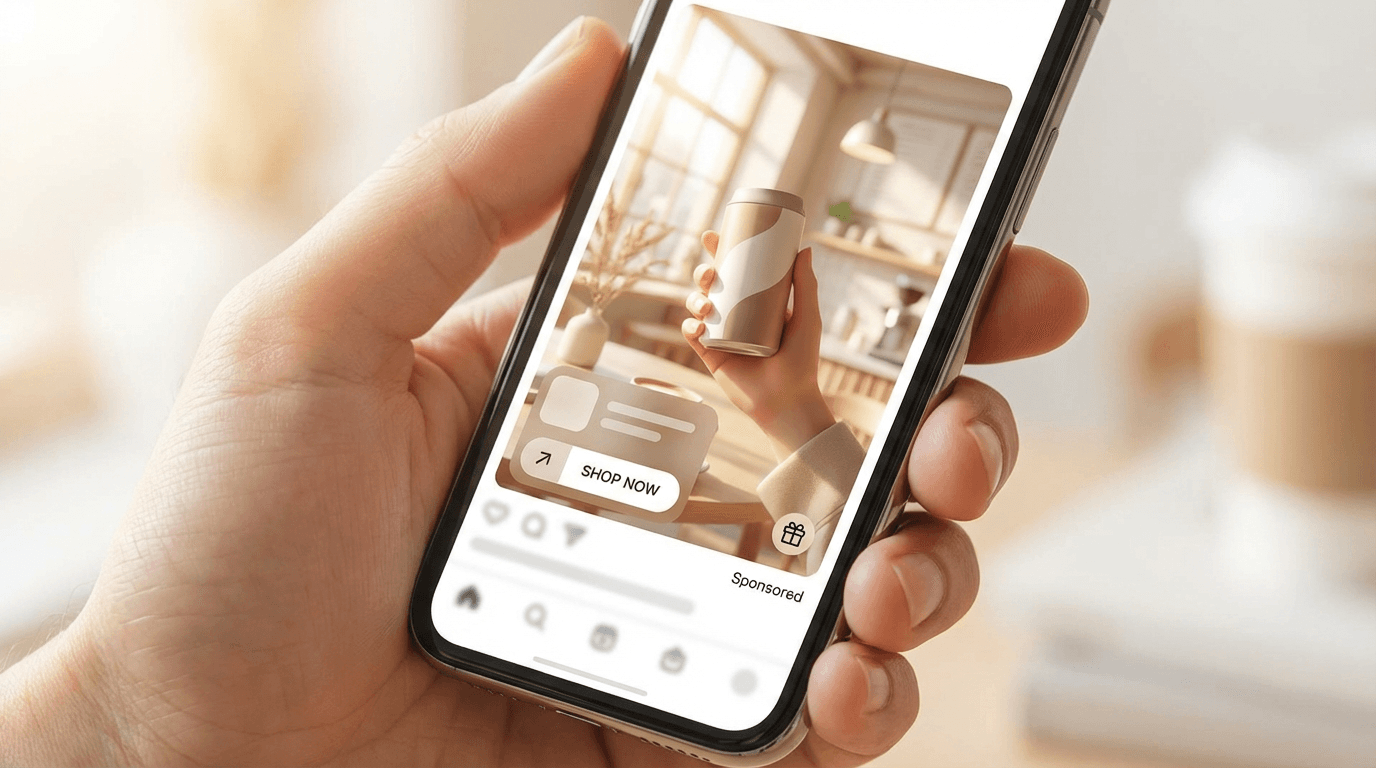
YouTube’s official help page says creators working with a partner brand on a sponsored Short can add a single link to the brand’s site. Viewers see that link on screen with a sticker and in the Shorts description, and those links are globally visible on mobile to organic viewers. YouTube also says this feature is currently an initial pilot for creators in the United States, and only for brand deals that have been reported through Creator Partnerships or the Creator Partnerships API.
creator partnerships boost
YouTube says brands can promote creator videos through creator partnerships boost, and its help page says this can increase visibility and reach while keeping organic and paid performance separate.
shopping overlap
YouTube’s Shopping affiliate program is separate from a sponsorship, but it matters for Shorts brand work because creators can tag products in Shorts and earn affiliate commission where eligible. YouTube also says that in a pilot, creators who tagged Shorts with relevant products saw up to an 8% increase in views on those Shorts on average.
That means in 2026, a YouTube Shorts brand campaign may include more than one monetization layer:
- sponsorship fee from the brand
- affiliate revenue from tagged products
- paid amplification by the brand
- longer-term channel growth from the exposure
What creators still misunderstand about pricing
The biggest pricing misconception is that there is some universal Shorts rate card.
There is not.
YouTube does let creators set a preferred price for long-form and Shorts partnerships inside Creator Partnerships, but that is a preference field, not a universal platform rate. The actual off-platform deal is still negotiated directly with the advertiser.
That means brand-deal pricing is usually shaped by things like:
- niche and audience fit
- whether the brand wants only organic posting or paid usage too
- whether the Short is part of a larger campaign
- whether shopping links or product features are involved
- whether the brand wants whitelisting / boosting access
- the creator’s track record and channel positioning
YouTube’s own docs do not publish a universal Shorts sponsorship rate card, and that is exactly the point. Creator partnerships are negotiated deals, not standardized CPM payouts.
Common mistakes creators make with Shorts brand deals
mistake 1: waiting for random emails
YouTube has a Creator Partnerships system, Media Kit, and insights sharing. Creators who ignore those tools are harder for brands to evaluate and discover.
mistake 2: not being in YPP
Creator Partnerships access requires YPP and ad-revenue eligibility. Shorts-only creators who have not crossed YPP thresholds may still land off-platform sponsorships, but they will not have the same native YouTube deal tools.
mistake 3: forgetting disclosure
YouTube says creators must tell YouTube when a video contains paid product placements, endorsements, or sponsorships by selecting the paid promotion box. It also says creators and brands are responsible for legal disclosure obligations in their jurisdiction.
mistake 4: not discussing rights separately
YouTube explicitly advises creators to discuss video usage rights with advertisers and obtain required agreements independently. That is especially important if the brand wants to boost the Short or use it more broadly in paid media.
mistake 5: treating the Short like a one-off post
In 2026, the stronger brand-deal mindset is not just “post and hope.” It is:
- create a Short the audience actually trusts
- disclose properly
- let the brand measure performance
- allow paid amplification if it fits the deal
- use the campaign as proof for the next deal
What most brands actually want from Shorts creators
Not every brand is buying the same thing.
But YouTube’s official Creator Partnerships and Google Ads materials make the current direction pretty clear. Brands increasingly want:
- trusted creators with strong audience fit
- creator content they can also amplify in paid media
- measurable results across organic and paid performance
- easier discovery and clearer collaboration workflows
That means Shorts creators who are easiest to buy are usually not just “viral.”
They are:
- clear in niche
- good at packaging a message fast
- commercially usable without feeling fake
- consistent enough that a Media Kit tells a strong story
- willing to work inside measurable campaign workflows
For packaging help, see YouTube Shorts Titles and Descriptions 2026 Templates, YouTube CTR 2026: Good Click Through Rate + AI Thumbnails, and Best AI Prompts for YouTube Thumbnails 2026.
A practical 2026 workflow for landing more Shorts brand deals
A good creator workflow now looks like this:
- get into YPP
- turn on insights sharing
- clean up your Media Kit
- make your niche obvious in your recent Shorts
- set a preferred Shorts rate in Creator Partnerships
- make it easy for brands to contact you
- when a deal comes in, negotiate deliverables and usage directly
- upload with the paid promotion label
- share brand partner access if the deal includes measurement or boosting
- use the results as proof for your next partnership
This is also where connected creation workflows help. If a creator can turn one sponsored concept into a clear script, platform-native Short, supporting visuals, and better packaging quickly, they become much easier to work with. That fits the Miraflow workflow context you provided, especially for creators moving from idea to script to visual to short-form output without rebuilding everything manually.
For adjacent workflow content, see From Prompt to Reel: Text2Shorts AI Shorts, How to Generate YouTube Thumbnails with AI, and AI Product Video Generator API Tutorial.
Copy-paste prompt pack for YouTube Shorts brand deals
prompt-1-brand-deal-positioning
Short description: Make your Shorts niche easier for brands to understand.
Prompt
Help me position my YouTube Shorts channel for brand deals.
Niche: [insert niche]
Audience: [insert audience]
Typical Shorts topics: [insert topics]
Goal: get clearer brand-fit positioning for 2026
Give me:
- a one-sentence creator positioning statement
- 5 sponsor-friendly content angles
- 5 audience-value points a brand would care about
- 3 reasons a brand should use Shorts with me instead of only long-form creators
prompt-2-media-kit-improver
Short description: Turn channel data into a stronger sponsorship story.
Prompt
Help me improve the story my YouTube Media Kit tells brands.
My channel data:
[paste subscriber count, Shorts views, audience location, niche, demographics, top videos]
Rewrite this into:
- a short creator bio for brands
- 5 audience insights phrased in brand-friendly language
- 3 examples of the kinds of campaigns I fit best
- 5 proof points I should highlight first
prompt-3-shorts-brand-brief-translator
Short description: Turn a vague brand brief into a better Short.
Prompt
I got this brand brief for a YouTube Short:
[paste brief]
Translate it into:
- the real audience goal
- the best Shorts angle
- 3 hook options
- one clean 20 to 35 second structure
- what should feel organic versus clearly branded
Make it practical, non-cringey, and native to YouTube Shorts.
prompt-4-rate-and-usage-checklist
Short description: Clarify what to discuss before accepting a deal.
Prompt
I’m reviewing a YouTube Shorts sponsorship.
Help me create a negotiation checklist.
Include:
- deliverables
- timeline
- revision expectations
- paid usage / boosting questions
- disclosure requirements
- links or shopping features
- reporting and success metrics
Make it written for a creator, not a lawyer.
prompt-5-post-campaign-proof-builder
Short description: Turn one brand deal into proof for the next one.
Prompt
I finished a YouTube Shorts brand deal.
Campaign details:
[paste details and performance]
Help me turn it into:
- a 1-paragraph case study for brands
- 5 bullet-point results or proof points
- 3 lines I can add to a Media Kit
- 1 follow-up pitch angle for similar brands
Two official links worth keeping open
The most useful official references for this topic are YouTube’s Creator Partnerships help page and YouTube’s paid product placements, sponsorships, and endorsements page.
If you want the newer platform direction, YouTube’s official 2026 blog post on Creator Partnerships is also worth reading because it explains how YouTube is positioning brand deals around creator discovery, paid amplification, and measurement.
Conclusion
In 2026, YouTube Shorts brand deals are much more structured than they used to be.
YouTube now has a clearer partnerships system, a Creator Partnerships tab in Studio for eligible creators, built-in Media Kits, pricing preferences, brand-access tools, paid-promotion workflows, Shorts brand-site links in pilot, and creator-partnerships boost so brands can amplify creator videos as ads. But the actual sponsorship contract and payment are still usually negotiated directly between the creator and the advertiser.
That is the big point most creators miss. YouTube Creator Partnerships helps the deal happen more cleanly.
It does not replace the deal itself. So if you want more Shorts brand deals in 2026, the real move is not waiting until you are “big enough.”
It is making yourself easier to find, easier to evaluate, easier to buy, and easier to measure. That is how creator partnerships actually work now.
FAQ
What is YouTube Creator Partnerships?
YouTube Creator Partnerships is YouTube’s newer centralized brand-deal system, which YouTube said in 2026 evolved from BrandConnect and related creator-partnerships tools into a more unified platform integrated into YouTube Studio for creators and Google Ads / DV360 for advertisers.
Do brands pay creators directly for YouTube Shorts brand deals?
Usually yes. YouTube’s Creator Partnerships Module says off-platform deal terms are negotiated and paid for by advertisers outside of YouTube, and YouTube does not pay creators for participation in those off-platform deals.
Who can use the Creator Partnerships tab in YouTube Studio?
YouTube says eligible creators must be at least 18, be in YPP, be eligible for ad revenue sharing, be in a supported country or region, and have no active Community Guidelines strikes.
Can Shorts creators set their own rates in Creator Partnerships?
Yes. YouTube says creators can set preferred pricing for long-form and Shorts partnerships in the Creator Partnerships preferences area.
Do I need to disclose a sponsored Short on YouTube?
Yes. YouTube says if your content includes a paid product placement, endorsement, sponsorship, or other commercial relationship, you need to tell YouTube by selecting the paid promotion box. Creators and brands are also responsible for local legal disclosure obligations.
What is brand partner access on YouTube?
Brand partner access lets brands or their agencies view organic and paid performance metrics for a creator’s video in Google Ads and promote that video in a creator partnerships boost campaign. YouTube says this works for both long-form and Shorts videos.
Will boosting a sponsored Short hurt its organic reach?
YouTube says boosting and organic performance are separate processes, and its help page says a creator partnerships boost campaign does not harm the video’s organic performance.
Can creators add a brand’s site link to a YouTube Short?
Yes, but currently in limited rollout. YouTube says creators working with a partner brand on a sponsored Short can add a single brand-site link, but the feature is currently an initial pilot for creators in the United States and only for reported brand deals.