YouTube Shorts Shadowban in 2026: How to Tell If You Have One and How to Fix It

Written by
Jay Kim
Your YouTube Shorts suddenly stopped getting views and there is no strike on your account. Here is how to tell if you have a shadowban in 2026 and exactly how to fix it.
If your YouTube Shorts suddenly stopped getting views and you cannot find a single policy violation or strike on your account, there is a good chance you are dealing with what the creator community calls a shadowban.
The term gets thrown around loosely, and YouTube has never officially confirmed that shadowbanning exists as a named feature. But the experience it describes is very real and extremely common in 2026: your Shorts stop appearing in the feed for non-subscribers, your impressions crater without explanation, your channel feels invisible despite consistent posting, and nothing in your YouTube Studio dashboard explains why.
This guide covers what a YouTube Shorts shadowban actually is, the specific signs that tell you whether you have one, the most common causes creators do not realize are triggering it, and a step-by-step recovery process that has worked for channels dealing with this exact situation.
What a YouTube Shorts Shadowban Actually Is
A shadowban on YouTube Shorts is not a formal penalty with a notification in your dashboard. It is a suppression of your content's reach that happens algorithmically, often without any explicit warning, and without the kind of clear feedback that a community guideline strike or monetization suspension would give you.
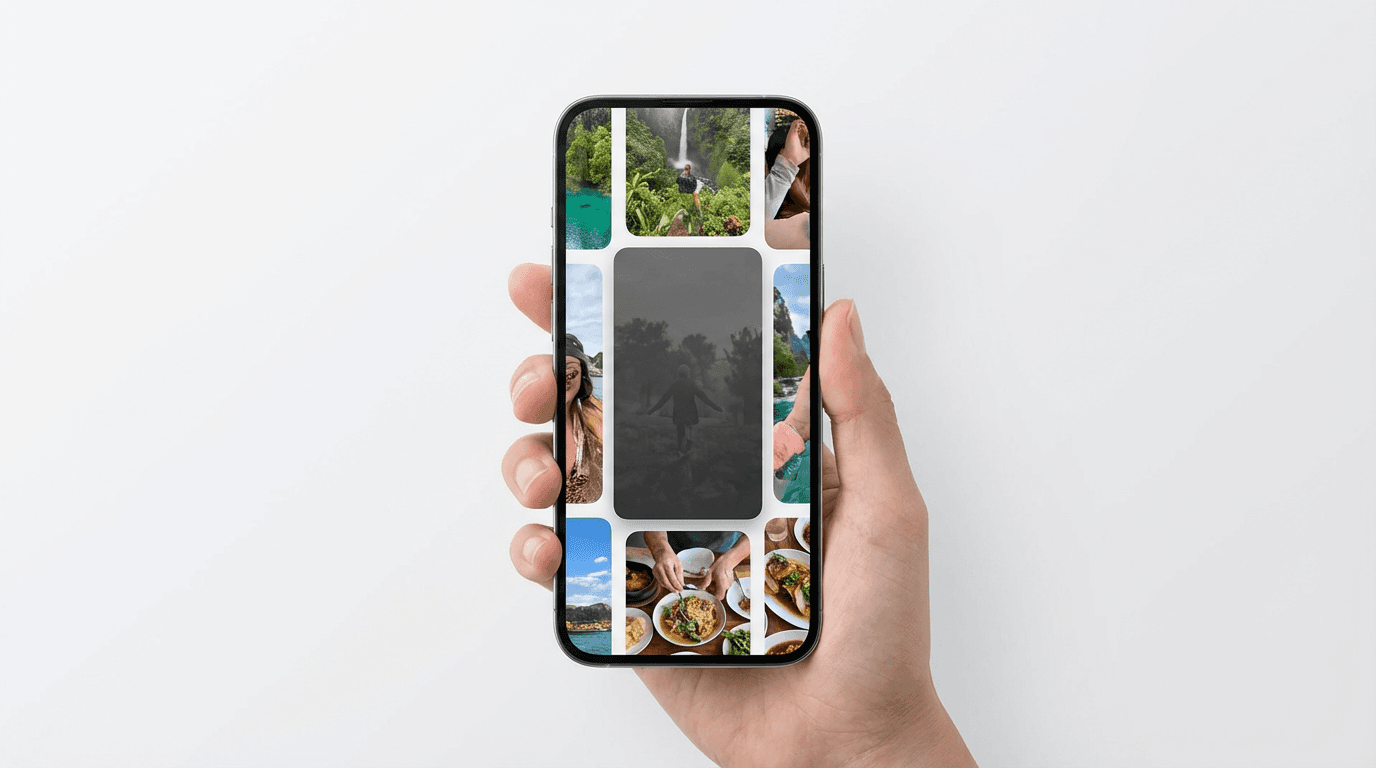
What it looks like in practice is that your Shorts get shown to far fewer people than usual, or in some cases almost exclusively to your existing subscribers rather than new audiences. The Shorts feed, which is the primary discovery mechanism for most channels, essentially stops distributing your content to people who do not already follow you.
The important distinction is between a shadowban and simply underperforming content. Bad content gets low views because people scroll past it. A shadowban produces low views even when the content that led to it was performing normally. The drop is sudden and disproportionate to any change in your content quality.
YouTube's algorithm makes thousands of distribution decisions based on behavioral signals, policy signals, and content classification signals simultaneously. What creators experience as a shadowban is the algorithm collectively downweighting their content across multiple distribution surfaces at once, usually because one or more of these signal categories has crossed a threshold that triggers suppression.
7 Signs You Have a YouTube Shorts Shadowban in 2026
Diagnosing a shadowban requires looking at several signals together rather than any single metric. Here are the indicators that, when they appear together, strongly suggest algorithmic suppression rather than just a content quality dip.
1. Sudden impressions drop with no obvious cause Your impression count falls sharply, often by 70 to 90 percent, without any change in your posting frequency or content quality. Your videos are still being uploaded successfully and show as public, but YouTube is simply not showing them to people. This is the most consistent indicator of suppression.
2. Views coming almost entirely from subscribers In YouTube Studio, you can see the breakdown of where your views come from. Under normal feed distribution, a significant percentage of your Shorts views come from non-subscribers who discovered your content through the Shorts feed. During a shadowban, that non-subscriber traffic drops dramatically and the remaining views are almost entirely from people already following your channel.
3. No new subscriber growth despite consistent posting Because your Shorts are not reaching new audiences, your subscriber count stagnates even as you keep posting regularly. If your channel was growing at a consistent rate and then stopped completely without any change in your output, suppressed reach is one of the most likely explanations.
4. Engagement rate holds but total engagement drops Existing subscribers who still see your content might engage at a normal rate, which means your like percentage and comment percentage look fine. But total engagement numbers drop because the absolute number of viewers has fallen sharply. This pattern, normal engagement rate with collapsed absolute engagement, is a specific signature of reach suppression rather than content quality decline.
5. Your Shorts do not appear in search results Search your own channel name or the specific title of a recent Short while logged out of your account. If your Shorts are not appearing in search results or are ranked very poorly for their own titles, the suppression extends beyond the feed and into YouTube's search indexing.
6. The drop happened right after a specific video or action Shadowbans rarely happen randomly. If you can identify a specific Short that preceded the drop, or a specific action you took around the same time your reach collapsed, that is usually the trigger. The suppression typically starts within a few days of the triggering event.
7. Other channels in your niche are not experiencing the same drop If reach is down across your entire niche, it could be an algorithm update or seasonal variation. If your channel specifically dropped while comparable channels in the same niche are performing normally, the issue is specific to your account rather than external.
For context on what normal algorithmic fluctuation looks like versus genuine suppression, YouTube views dropping in 2026 covers the full range of reasons channels see view drops and how to tell them apart.
What Triggers a YouTube Shorts Shadowban
Understanding the causes is essential because fixing a shadowban without removing the trigger just restarts the cycle. Here are the most common causes in 2026, including several that creators frequently overlook.
Repetitive or mass-produced content patterns YouTube's algorithm is increasingly capable of identifying content that follows an identical template across many videos with only surface-level variation. If your Shorts all have the same structure, the same pacing, the same visual style, and the same script format with just the topic swapped out, the system may classify them as low-value mass-produced content and reduce their distribution accordingly. Variety in structure and angle matters beyond just changing the topic.
Sudden posting frequency spikes Publishing significantly more content than your established baseline in a short period can trigger suppression, particularly if the additional content shows lower engagement rates than your historical average. The algorithm interprets a sudden volume spike accompanied by weaker performance signals as a sign that content quality has dropped under publishing pressure.
Copyright-adjacent content Using audio, music, or visual content that is either copyrighted or closely resembles copyrighted material can trigger content ID flags that suppress distribution even without a formal copyright strike. This is particularly common when creators use trending audio from other creators' videos or background music sourced from unverified libraries. Generating original music removes this risk entirely, which is one reason creators increasingly use tools like Miraflow AI's music generator for Shorts background tracks.
Misleading metadata or clickbait patterns If your titles, thumbnails, or descriptions consistently promise something the actual Short does not deliver, the behavioral signal pattern that results, high click rate followed by immediate viewer abandonment, is a strong suppression trigger. YouTube's system interprets this pattern as deceptive content and reduces distribution to protect viewer experience.
Engagement rate manipulation signals Any behavior that suggests artificial inflation of engagement, whether through engagement pods, purchased views, or any third-party service, is detected and penalized. Even if you stopped using these methods some time ago, the historical signal contamination can contribute to ongoing suppression.
Community guideline proximity Content that gets close to violating community guidelines without technically crossing the line, covering sensitive topics in ways that generate "not interested" signals, presenting borderline health claims, or touching on politically sensitive topics in ways that generate negative viewer feedback, can trigger suppression even without an official strike. YouTube's system does not require a violation to suppress content that generates consistent negative behavioral signals.
Negative viewer feedback accumulation The most common and most overlooked cause. If viewers are frequently hitting "not interested," swiping away immediately, or clicking dislike, the algorithm accumulates those signals and reduces your reach progressively. This can happen even with technically compliant content if the content is not matching viewer expectations well enough.
Understanding exactly how the algorithm uses these behavioral signals is covered in detail in the YouTube Shorts algorithm update for January 2026, which explains the specific changes to how viewer feedback is collected and used in distribution decisions this year.
How to Confirm It Is a Shadowban and Not Something Else
Before going through a recovery process, it is worth confirming that suppression is actually what you are dealing with rather than a different problem that looks similar.
Check for community guideline strikes Go to YouTube Studio and check your channel dashboard for any active strikes or warnings. If you have a strike, that is a formal penalty with a known resolution path, not a shadowban. Address the strike process directly rather than treating it as suppression.
Check for monetization or policy flags In YouTube Studio under the "Earn" tab or the content section, look for any videos flagged as not suitable for advertising or marked with limited distribution warnings. These are visible indicators that something specific triggered a policy response, which is a different situation from algorithmic suppression.
Check your impression-to-view ratio across a time window Pull your analytics for the 30 days before the drop and compare impressions and views to the 30 days after. A genuine shadowban shows a significant collapse in impressions, meaning YouTube stopped showing your content to people, not just a drop in views from stable impressions. If impressions stayed similar but views dropped, the problem is content quality or thumbnail performance rather than suppression. YouTube Shorts analytics in 2026 covers exactly how to read these numbers in your dashboard.
Post a test Short on a clean topic Create and publish a Short on a completely neutral, uncontroversial topic with clean original audio, no recycled content, and a genuine hook. Check its impressions after 48 hours. If even a clean, well-structured new Short gets near-zero impressions, the suppression is channel-level rather than video-specific. If the new Short gets normal impressions, the suppression was video-specific and has likely already resolved.
The Step-by-Step Recovery Process
Recovering from a YouTube Shorts shadowban in 2026 follows a consistent process that addresses both the immediate suppression and the underlying causes that triggered it.
Step 1: Identify and remove the likely trigger Go back through your recent uploads and identify anything that might have caused the suppression. A video that generated unusually high "not interested" feedback, a piece of content that used suspicious audio, a posting frequency spike, or anything that deviated significantly from your normal content pattern. If you can identify a specific trigger, consider making the video private temporarily while the channel recovers, though this does not guarantee faster resolution.
Step 2: Stop posting for 48 to 72 hours Continuing to post during active suppression adds more weak-signal content to the algorithm's picture of your channel, which can extend the suppression period. A brief posting pause while the algorithm recalibrates is generally a better strategy than continuing to publish into a suppressed state.
Step 3: Audit your last 20 Shorts for content quality signals Look honestly at your recent content and identify any videos with noticeably weaker hooks, lower information density, or content that does not fully deliver on what the title or thumbnail promises. These are the videos creating the negative behavioral signals that are feeding the suppression.
Step 4: Return with a high-quality, clean Short When you resume posting, come back with your best possible content. Strong hook, clear topic, original audio, visual consistency with your channel, and a genuine value delivery that matches the expectation set by the title. This first video after the pause sets the tone for the algorithm's recalibration of your channel's signal profile.
Step 5: Focus on watch-through rate above everything else During the recovery period, the single most important metric to optimize for is watch-through rate. Every Short you publish needs to earn most of its viewers all the way to the end. This rebuilds the positive behavioral profile that the algorithm uses to determine distribution scale. Why the first three seconds of YouTube Shorts matter covers how to construct hooks that drive the high completion rates needed during this period.
Step 6: Clean up your audio and visual sources If there is any possibility that copyright-adjacent audio or content was part of the trigger, switch to fully original audio going forward. Every Short during the recovery period should use audio that carries zero copyright risk, whether that is a recorded voiceover, an original AI-generated track, or a licensed sound that you can verify is commercially clear.
Step 7: Be patient and consistent Shadowban recovery is not instant. Even after you address the triggers and return with strong content, it can take two to four weeks before impressions return to pre-suppression levels. Consistent quality posting during this period is more important than volume.
What Most Creators Get Wrong About Shadowban Recovery
The creator community has a lot of advice circulating about shadowban recovery, and a significant amount of it is either ineffective or actively counterproductive. Here are the mistakes worth avoiding.
Deleting the suspected trigger video immediately Many creators delete the video they believe caused the suppression, assuming this removes the problem. In practice, the algorithm has already logged the behavioral data from that video and deleting it does not erase the signal. Deletion may be the right call eventually, but it should not be treated as a recovery action by itself.
Mass-deleting underperforming Shorts Some creators respond to suppression by deleting all their worst-performing videos in an attempt to clean up their channel's signal profile. Deleting content removes any residual traffic it might still generate and does not clearly improve the remaining channel's standing. Improving future content quality is a more effective approach than purging the past.
Increasing posting frequency to compensate The instinct when views drop is to post more. During a shadowban, this tends to extend the suppression rather than resolve it because more content with weak engagement signals continues building the negative profile that triggered the suppression in the first place.
Assuming the problem is permanent Many creators who experience suppression interpret the analytics drop as a terminal channel decline and give up. Algorithmic suppression is almost always temporary when the underlying causes are addressed. Channels that work through the recovery process consistently see impressions return over time.
Using engagement pods or services during recovery Some creators attempt to boost their way out of suppression by artificially inflating engagement during the recovery period. This typically deepens the suppression because it adds a new category of negative signal on top of whatever originally triggered the issue.
How to Prevent a Shadowban Before It Happens
The most effective approach to shadowbans is building content habits that make them unlikely in the first place. Here are the practices that keep channels in good algorithmic standing.
Maintain consistent posting frequency rather than spiking The algorithm responds well to predictable, consistent behavior. Posting four times per week consistently is better than posting twice for two weeks and then fifteen times in a single week. How the YouTube Shorts algorithm responds to daily uploads covers how frequency patterns affect algorithmic trust at the channel level.
Set and maintain a content quality floor Every Short you publish should meet a minimum standard for hook quality, information delivery, and audio cleanliness. When you have a weaker idea day, it is better to hold the video than to publish below your quality floor. A single weak Short can generate enough negative behavioral signals to affect your channel's standing more than the value of that additional post justifies.
Use original audio for every Short Copyright claims and content ID flags from audio are one of the most common and most avoidable shadowban triggers. Using original voiceover, AI-generated music, or properly licensed audio on every Short removes an entire category of risk from your content pipeline.
Match your hook to your actual content precisely The gap between what a Short promises in its hook and what it actually delivers is measured directly by viewer behavior. When viewers click out early because they expected something different from what they got, that signal accumulates rapidly. Keeping your hook honest and aligned with your content is one of the most effective long-term protection measures.
Monitor your "not interested" signal indicators While YouTube does not show you "not interested" counts directly in Studio, a consistently low non-subscriber view percentage in your traffic sources is a proxy signal that suggests viewers are frequently dismissing your content. If you notice this pattern developing, it is worth adjusting your content before it builds into a suppression trigger.
For a complete framework on building content that generates consistently positive behavioral signals, YouTube Shorts best practices for 2026 covers the full range of habits that keep channels in good algorithmic standing across posting frequency, content structure, and metadata quality.
The Difference Between a Shadowban and an Algorithm Slump
Not every view drop is a shadowban, and treating a normal content slump as a shadowban can lead you to make changes that are unnecessary or counterproductive. Here is how to tell the difference clearly.
A genuine shadowban tends to be sudden, affecting impressions across your entire recent library, producing a specific pattern where non-subscriber traffic drops disproportionately, and often traceable to a specific trigger event or time period.
An algorithm slump tends to be gradual, related to declining content quality or increasing competition in your niche, showing reduced impressions but maintaining some proportion of non-subscriber traffic, and correlated with other channels in the same niche experiencing similar patterns.
Seasonal variation is another factor. Certain niches see significantly reduced audience activity during specific periods of the year, and a view drop during those periods does not indicate suppression. Comparing your performance to the same period in the previous year, rather than to your recent peak, gives you a more accurate picture.
Platform-wide algorithm updates can also produce temporary disruptions that look like suppression. When YouTube rolls out significant algorithm changes, the recalibration period often produces erratic performance across many channels simultaneously. Checking creator community forums and YouTube's official communications around the time of your view drop helps identify whether your experience is isolated or part of a broader pattern.
How Content Quality Connects to Shadowban Risk
The clearest long-term protection against algorithmic suppression is building content that generates consistently strong behavioral signals. This is not just about avoiding violations. It is about producing Shorts that viewers actively choose to watch rather than passively encounter and dismiss.
The behavioral signals YouTube cares most about in 2026 center on watch-through rate, rewatch behavior, and what viewers do immediately after watching a Short. Channels that consistently produce Shorts with high watch-through rates are building a favorable signal profile that protects them algorithmically. Channels that consistently produce Shorts with early drop-off and high skip rates are building a profile that makes suppression increasingly likely over time.
This makes the hook the single most important element in shadowban prevention, not just for initial view performance but for the long-term health of your channel's algorithmic standing. A hook that accurately represents the content, creates genuine curiosity, and delivers on its promise drives the watch-through behavior that builds a protective signal profile.
For a practical guide to building hooks that consistently earn high watch-through rates, YouTube video hooks in 2026 covers the specific structures and techniques that keep viewers watching past the scroll decision point.
Using AI Tools to Rebuild After a Shadowban
The recovery period after a shadowban is a time when content quality matters more than usual, because every Short you publish is contributing to the recalibration of your channel's signal profile. This is also a period when most creators are under time and energy pressure, which creates a risk of rushing content out at lower quality in an attempt to recover reach quickly.
AI-assisted production helps resolve this tension by reducing the time cost of producing quality content. When scripting, visual generation, and audio can all be handled efficiently within a single workflow, the production effort required to maintain quality standards during a recovery period is significantly lower.
Miraflow AI's Text2Shorts lets you go from topic to finished Short with script editing, scene visual generation, voice selection, and pacing all in one place. For creators rebuilding after suppression, this means the time saved on production mechanics can be invested in choosing better topics, writing stronger hooks, and ensuring every video during the recovery period is genuinely good rather than just published on schedule.
For original music during the recovery period, Miraflow AI's music generator produces tracks with commercial licensing that carry no copyright risk, removing one of the most common re-suppression triggers that creators accidentally reintroduce when they return to posting.
For thumbnails and cover frames that represent the quality of your content accurately and attract genuine viewer interest without misleading anyone, the YouTube thumbnail maker generates visuals that match your content's topic and tone, supporting the metadata alignment that helps prevent negative behavioral signals from the first impression.
Prompt Pack: Visual Prompts for Shadowban Recovery and Channel Health Content
If you are creating content about YouTube growth, channel recovery, or algorithm strategy, here are visual prompts for generating strong section images and thumbnail concepts.
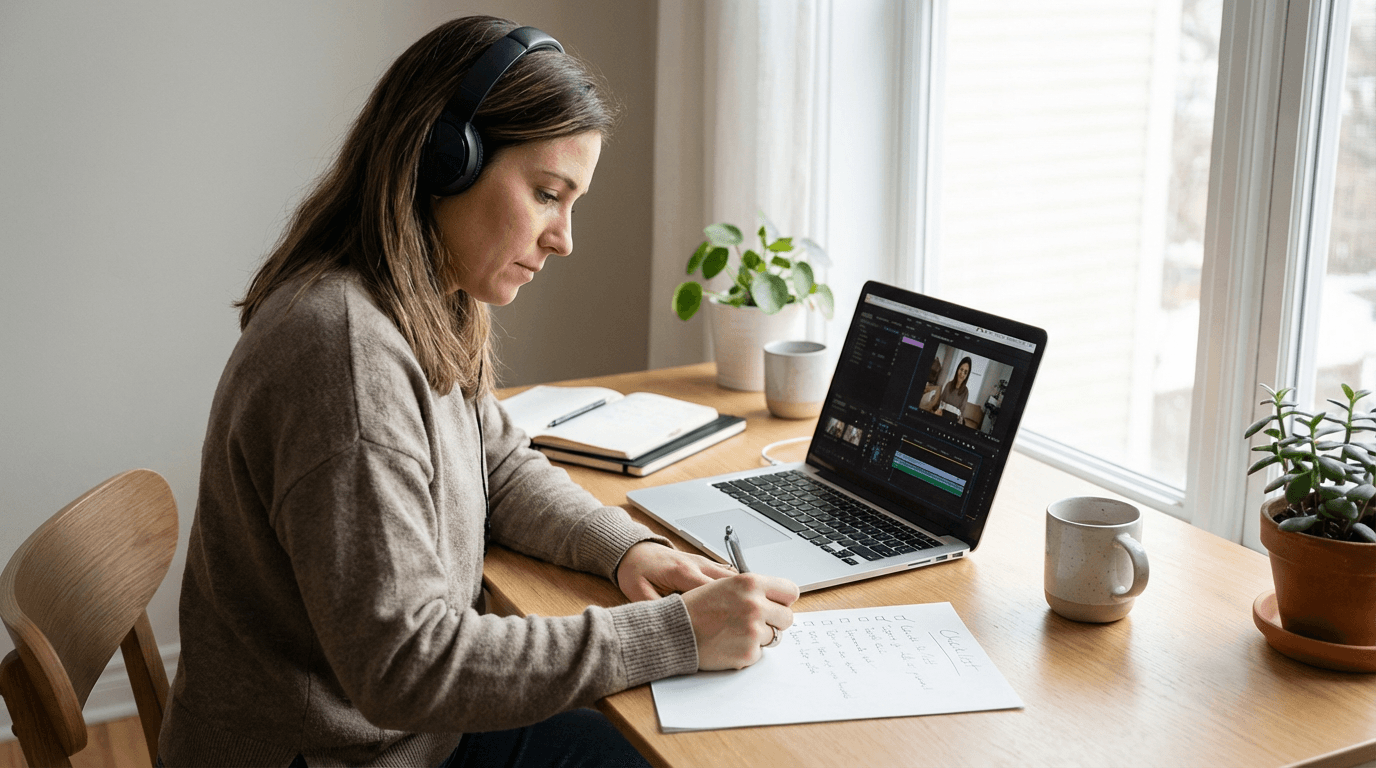
Shadowban awareness concept
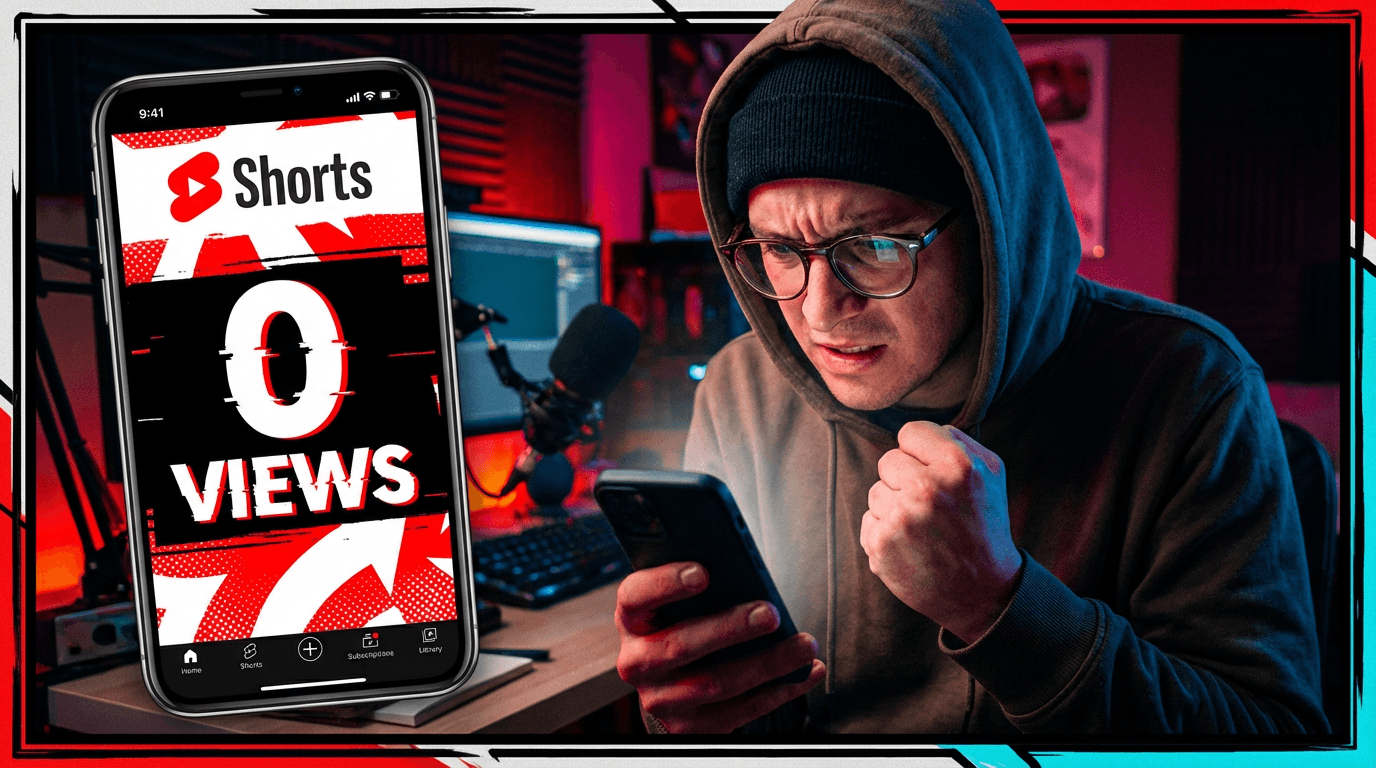
Prompt smartphone screen displaying a video with a dramatically low view counter highlighted in red, blurred and faded background suggesting reduced visibility, bright foreground contrast, clean minimal composition, no real app logos, no text
Channel recovery concept visual
Prompt upward trending analytics graph emerging from a low point on a bright clean background, warm optimistic lighting, glowing line chart with a clear recovery curve, professional data visualization aesthetic, no text no logos
Algorithm audit concept visual
Prompt creator sitting at a bright desk carefully reviewing analytics on a laptop screen, focused and analytical expression, organized workspace with natural window light, clean minimal background, no logos no text
Content quality floor concept visual
Prompt stack of video cards arranged from low quality at the bottom to high quality at the top, each slightly brighter and more polished than the last, clean white background, minimal editorial illustration style, no text no logos
Clean audio concept visual
Prompt professional microphone on a clean minimal desk with soft warm studio lighting, no background clutter, single focused subject, high quality product aesthetic, bright neutral background, no text no logos
These prompts can be generated directly inside Miraflow AI's image generator for use across your own content or as section visuals for educational posts about YouTube growth strategy.
Rebuilding Your Channel's Long-Term Algorithmic Health
Recovering from a shadowban is not just about getting back to where you were. It is an opportunity to build content habits that make your channel more algorithmically resilient than it was before the suppression happened.
The channels that recover most effectively are the ones that use the disruption as a diagnostic tool. The suppression identified something in the content strategy, posting behavior, or audio sourcing that was creating risk. Addressing those specific factors and building systems that prevent them from recurring makes the channel stronger going forward rather than just restored to its previous state.
Long-term algorithmic health in 2026 comes from three consistent habits: producing content that earns genuine watch-through rates, maintaining a posting frequency that your quality standards can sustain, and keeping your metadata honest enough that viewer expectations are consistently met. Channels that operate within those three parameters rarely experience significant suppression, and when they do, they recover faster because their historical signal profile is strong enough to support the recalibration.
For a structured approach to building these habits across a full month of content, the 30-day YouTube Shorts plan for 2026 maps out a complete content strategy with daily targets designed to build algorithmic trust progressively.
Conclusion
A YouTube Shorts shadowban in 2026 is a real experience that thousands of creators deal with every month, even though YouTube has never officially given it that name. The suppression is algorithmic, triggered by behavioral signals and content patterns rather than always by clear policy violations, and it is recoverable when the underlying causes are addressed systematically.
The signs are identifiable if you know what to look for: sudden impression collapse, near-zero non-subscriber traffic, stable engagement rates with collapsed absolute numbers, and a trigger event you can usually trace if you look carefully at the timeline.
The recovery process requires removing the trigger, pausing briefly, returning with your strongest content, and maintaining consistent quality through a recalibration period that typically takes two to four weeks. The creators who recover fastest are the ones who treat the suppression as information rather than punishment, use it to improve their content habits, and come back with a clearer understanding of what their channel needs to maintain algorithmic standing going forward.
If your Shorts are currently getting zero or near-zero impressions and you want to understand what else might be contributing beyond suppression, why are my videos getting 0 views covers the full range of causes and how to diagnose which one you are actually dealing with.
FAQ
Does YouTube officially confirm shadowbans on Shorts? YouTube has not officially acknowledged shadowbanning as a named feature. However, the algorithmic suppression that creators describe is consistent with how YouTube's distribution system responds to content that generates sustained negative behavioral signals or crosses certain content quality thresholds.
How long does a YouTube Shorts shadowban last? There is no fixed duration. Suppressions that are addressed quickly, where the trigger is removed and replaced with strong content, often resolve within two to four weeks. Suppressions where the underlying cause continues to generate negative signals can persist much longer.
Can you get shadowbanned on YouTube Shorts without a strike? Yes, and this is actually the most common scenario. Formal strikes and community guideline violations produce visible notifications in YouTube Studio. Algorithmic suppression happens without any formal notification and is triggered by behavioral signals rather than policy violations.
Will deleting the problem video fix a shadowban? Deleting a video that triggered suppression removes the content but does not erase the behavioral data the algorithm has already collected from it. Recovery requires improving future content quality rather than purely removing past content.
Does posting more frequently help you recover from a shadowban? Generally, posting more during active suppression tends to extend the problem rather than resolve it. A brief pause followed by consistently strong content is a more effective recovery approach than increasing volume into a suppressed distribution state.
How do you check if your Shorts are shadowbanned? Check your YouTube Studio analytics for a sudden drop in impressions rather than just views, look at your traffic sources to see if non-subscriber traffic has collapsed, and search your own Shorts titles while logged out to check search visibility. The combination of these checks gives you a clearer picture than any single metric alone.
Can AI-generated Shorts get shadowbanned? AI-generated content follows the same algorithmic rules as any other content. Shorts produced with AI tools that generate strong watch-through rates, use original audio, and deliver genuine value to viewers perform well algorithmically. The issue arises when AI-generated content is mass-produced with identical structures, low retention performance, or mismatched metadata, which are the same triggers that affect manually produced content.
What is the fastest way to recover from a YouTube Shorts shadowban? Remove the likely trigger, pause posting for 48 to 72 hours, return with your highest-quality content using original audio, and focus entirely on watch-through rate for the following two to four weeks. Consistency and quality during the recovery window is what determines how quickly the algorithm recalibrates your channel's distribution profile.