AI Prompts for YouTube Titles That Rank and Convert in 2026

Written by
Jay Kim
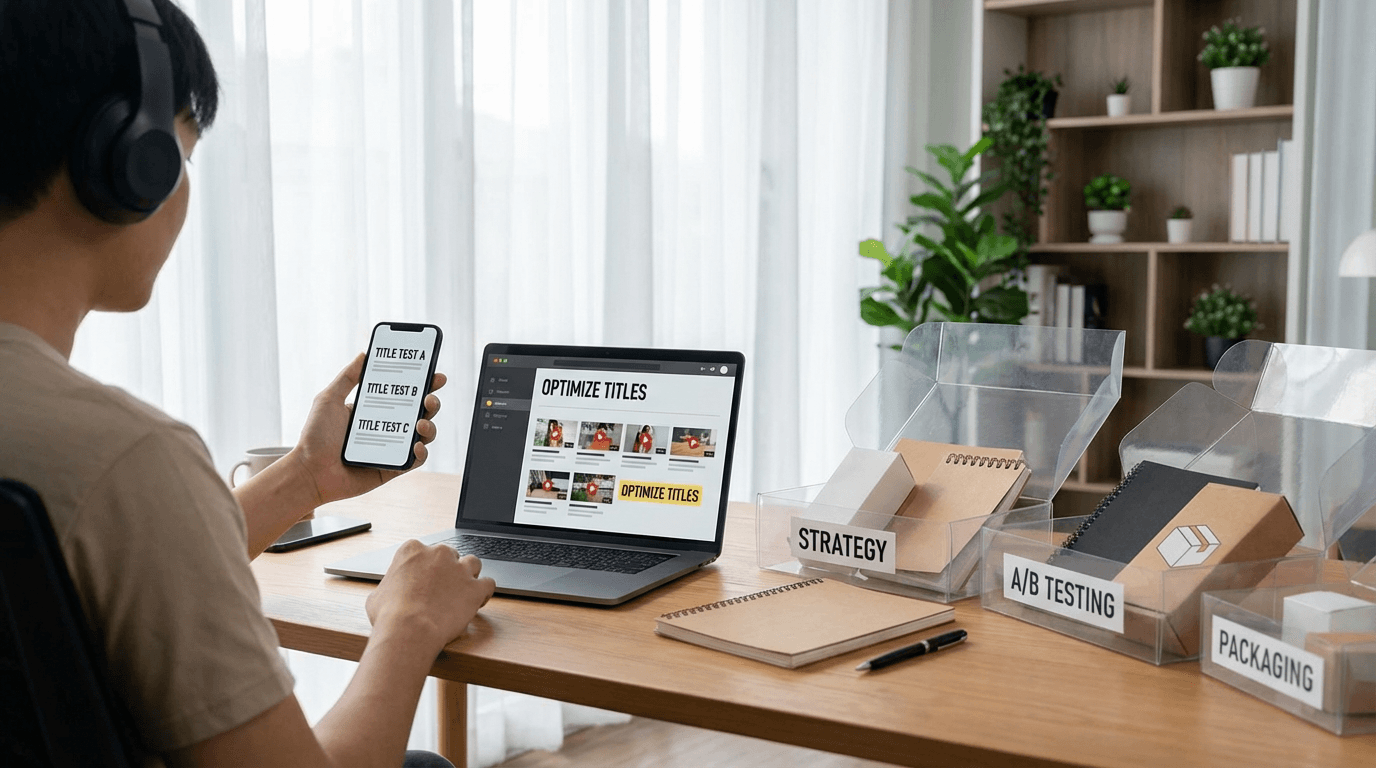
Use these AI prompts for YouTube titles in 2026 to create clearer, stronger titles that match search intent, improve clicks, and fit how YouTube discovery actually works.
If your YouTube videos are getting impressions but not enough clicks, or getting clicks but fading out fast, the title is usually one of the first places to look.
A lot of creators still treat titles like an afterthought. They spend hours on the script, the edit, the visuals, and the thumbnail, then write a rushed title in thirty seconds before publishing.
That is a mistake.
YouTube’s own guidance says titles should be accurate and succinct, and that the most important words should appear near the beginning because viewers may only see part of the title. YouTube also frames titles in two useful buckets: searchable titles and intriguing titles. On the search side, YouTube says relevance is estimated partly from how well the title, description, tags, and video content match the query, while engagement and quality also matter.
That is why “rank and convert” is the right framing for titles in 2026.
A strong title does two jobs:
- it helps the video match the right search intent
- it gives the viewer a clear reason to click
In this guide, you will get:
- a practical title framework for 2026
- the biggest mistakes creators still make
- copy-paste AI prompts for title generation
- title formulas for Shorts and long-form
- prompt workflows that help titles rank and convert
- tactics that can improve impressions, clicks, and average position
If you want the broader context first, start with YouTube Shorts Titles and Descriptions 2026 Templates, YouTube CTR 2026: Good Click Through Rate + AI Thumbnails, and YouTube CTR Benchmarks 2026.
Why titles matter more than many creators think
Creators often talk about “the algorithm” like it is one mystery system.
But YouTube’s own documentation is much more practical than that.

For search, YouTube says it prioritizes relevance, engagement, and quality. Relevance includes how well the title, tags, description, and video content match the search query. Engagement includes signals like watch time for that query. Quality includes signals that help determine expertise, authoritativeness, and trustworthiness on a topic.
That means titles are not magic by themselves.
But they are one of the clearest signals you control at upload time.
They affect:
- what the video appears relevant for
- what viewers think they are about to watch
- whether the click feels worth it
- whether the viewer feels misled after clicking
That last part matters more than many people realize. YouTube explicitly says titles should be accurate, and its spam policy prohibits misleading metadata or thumbnails that promise something the video does not actually deliver.
So a high-performing title in 2026 is not just catchy.
It is clear, relevant, clickable, and honest.
If you want the traffic-side view too, read YouTube Traffic Sources 2026: Browse, Search, Suggested, System and Why Are My Videos Getting 0 Views.
What “rank and convert” actually means for YouTube titles
A lot of creators only optimize for one side.
They either write:
- search-heavy titles that feel dry and easy to ignore
or
- curiosity-heavy titles that get clicks but do not clearly match the topic
The better goal is to do both.
Rank
The title should help YouTube understand what the video is about and what query or topic it belongs to. YouTube recommends identifying one or two main words that describe the video and featuring them prominently in both the title and description. It also recommends using the Research tab in YouTube Analytics and Google Ads Keyword Planner to find popular keywords and synonyms.
Convert
The title should help the viewer decide that this video is worth watching. YouTube says the title, thumbnail, and description are more important metadata than tags, and its title guidance specifically recommends being succinct, accurate, and front-loading the most important words.
That is why the best titles usually balance:
- search intent
- clarity
- specificity
- curiosity
- payoff
The 5 qualities of a strong YouTube title in 2026
These are the qualities I would optimize for.
1. clear topic language
The viewer should understand the topic quickly.
Bad:
- This Changes Everything
- You Need to See This
- My Honest Thoughts
Better:
- 5 YouTube Shorts Mistakes Killing Reach
- Best AI Thumbnail Prompts for 2026
- Why Your Shorts Get Views but No Subscribers
This matches YouTube’s own guidance to keep titles accurate and make the important words visible early.
2. front-loaded important words
YouTube says viewers may only see part of a title, so the most important words should appear near the beginning.
That means this is usually stronger:
- YouTube Shorts SEO in 2026: 7 Title Mistakes
than:
- 7 Title Mistakes That Hurt YouTube Shorts SEO in 2026
Both can work, but the first one surfaces the core topic faster.
3. one obvious promise
The video should feel like it answers a real need.
Examples:
- how to
- why
- best
- mistakes
- templates
- examples
- strategies
- real ranges
- beginner guide
Those words work because they map to actual viewer intent.
If you want more format ideas, AI Prompts for YouTube Titles, YouTube Video Hooks 2026: Save the First 30 Seconds, and YouTube Shorts Best Practices 2026 Complete Guide are good companion reads.
4. no metadata bait
Misleading titles can hurt trust fast. YouTube’s spam policy prohibits titles, thumbnails, or descriptions that lead viewers to believe they will see something that is not actually in the video.
That means:
- do not force fake urgency
- do not promise a result the video does not deliver
- do not use a completely unrelated shock angle just for clicks
A title should create curiosity, not confusion.
5. distinct wording
Google’s title-link best practices for web pages emphasize descriptive and concise titles, avoiding vague wording, keyword stuffing, and repeated boilerplate. While that guidance is for Google Search page titles, the principle is still useful for blog and video packaging: distinct, descriptive titles help users decide what to click.
That is especially important if you publish a lot of videos in one niche. If all your titles start sounding interchangeable, your click potential drops.
The biggest title mistakes creators still make
This is where a lot of performance gets lost.
mistake 1: writing for yourself, not the query
A creator knows what the video means, so they write a vague title that only makes sense from inside their own head.
Example:
- Why I Had to Change My Strategy
That might be meaningful to you, but it is weak for both search and cold discovery.
A better version:
- Why My YouTube Shorts Strategy Stopped Working in 2026
Now the viewer knows the topic, the angle, and the reason to click.
mistake 2: stuffing keywords
Google’s guidance for title links explicitly says to avoid keyword stuffing and repeated terms, and YouTube says tags play only a minimal role for most discovery outside misspellings. That should push creators away from spammy, repetitive phrasing.
Bad:
- YouTube Shorts SEO, YouTube Shorts Tips, YouTube Shorts Titles 2026
Better:
- YouTube Shorts SEO in 2026: Title Tips That Actually Help
mistake 3: saving the real topic for the end
If the first half of the title is vague, many viewers will never see the part that matters.
Bad:
- The One Thing Nobody Tells You About YouTube Titles
Better:
- YouTube Titles in 2026: The Mistake That Kills Clicks
mistake 4: overusing all caps and emoji
YouTube says to limit all caps and emoji and use them carefully.
That does not mean never use them. It means do not lean on them as the main strategy.
mistake 5: title and thumbnail mismatch
YouTube says the title and thumbnail are more important metadata for helping viewers choose what to watch. If they send mixed signals, click quality often suffers.
For more on that pairing, read YouTube Thumbnail Makeovers 2026: Before and After AI and AI YouTube Thumbnail Styles for More Views in 2026.
The 7 title formulas that still work in 2026
These formulas work well because they are easy for viewers to parse and easy for AI prompts to generate cleanly.
1. how-to formula
Examples:
- How to Write YouTube Titles That Get More Clicks
- How to Make Search-First YouTube Shorts in 2026
- How to Find Viral Sounds Before They Peak
Why it works:
- clear intent
- high search alignment
- easy promise
2. mistake formula
Examples:
- 5 YouTube Title Mistakes Killing Your CTR
- One Title Mistake That Hurts Shorts Discovery
- Why Your YouTube Titles Feel Clickable but Do Not Convert
Why it works:
- pain point
- curiosity
- strong value angle
3. best-for-use-case formula
Examples:
- Best YouTube Title Prompts for Shorts in 2026
- Best Title Formats for Search-First Videos
- Best AI Prompts for Thumbnail and Title Combos
Why it works:
- selection intent
- practical value
- easy to scale into series content
4. why-this-happens formula
Examples:
- Why Some YouTube Titles Rank but Do Not Get Clicks
- Why Your Shorts Titles Are Too Vague
- Why Curiosity Titles Fail in Competitive Niches
Why it works:
- problem awareness
- easy emotional pull
- good for educational creators
5. numbers-plus-outcome formula
Examples:
- 15 AI Prompts for YouTube Titles That Actually Work
- 10 Title Templates for Higher CTR in 2026
- 7 Title Rewrites That Made the Topic Clearer
Why it works:
- scannable
- specific
- good for CTR
6. comparison formula
Examples:
- Searchable vs Intriguing YouTube Titles: Which Works Better
- Shorts Titles vs Long-Form Titles in 2026
- Broad Titles vs Narrow Titles for YouTube Search
Why it works:
- evaluation intent
- easy click reason
- works well for educational channels
7. template formula
Examples:
- YouTube Title Templates for Shorts in 2026
- 25 Copy-Paste Title Prompts for Creators
- YouTube Title Prompt Pack for AI Workflows
Why it works:
- immediate utility
- strong search phrasing
- often strong blog and video crossover topic
Searchable titles vs intriguing titles
This distinction from YouTube is one of the most useful title frameworks creators can use.
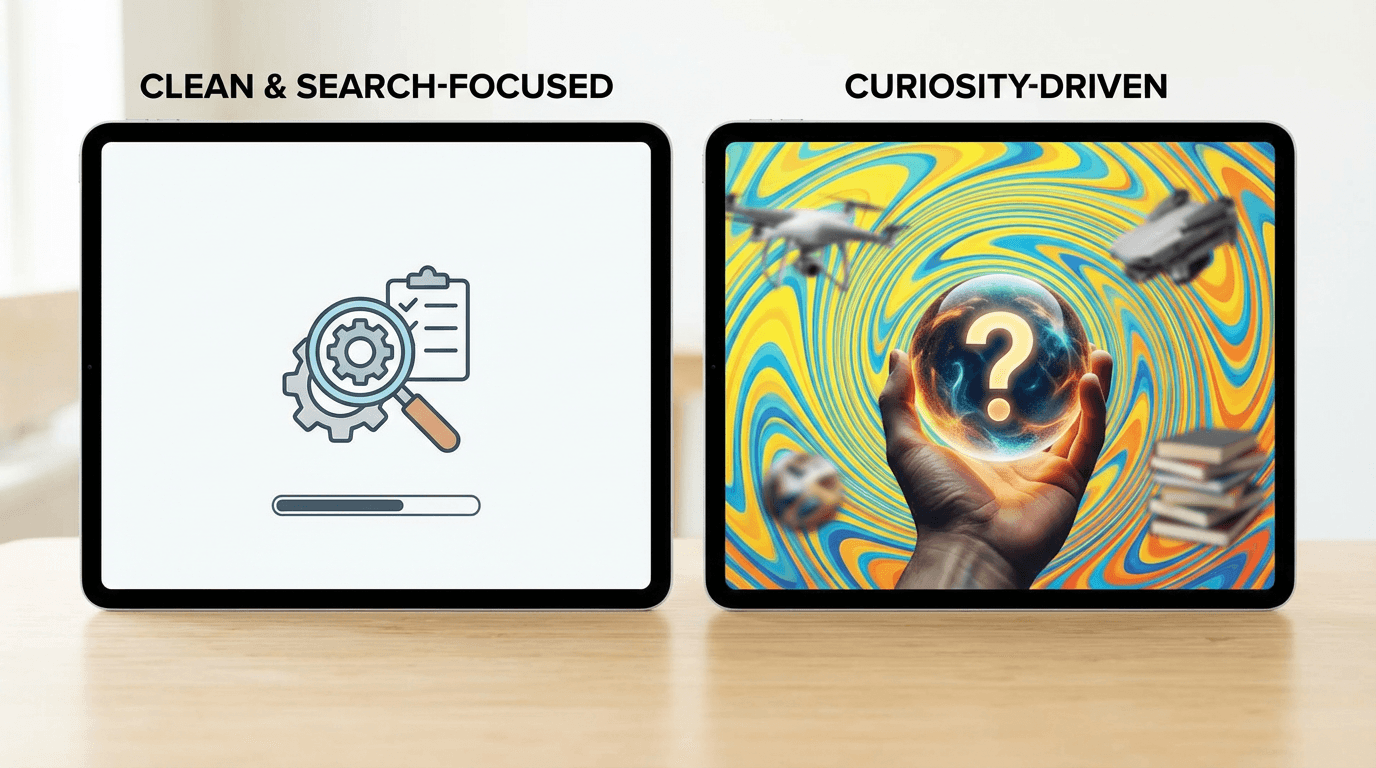
YouTube says creators can attract audiences with:
- searchable titles that clearly outline what to expect and help reach viewers searching for similar content
- intriguing titles that spark curiosity and appeal to viewers who may not be looking for topic-specific content
That is a very practical way to think about title strategy.
searchable titles are usually better when:
- the topic solves a clear problem
- the audience already knows what they want
- the query exists in strong search demand
- the video is educational, tactical, or niche-specific
Examples:
- How to Use YouTube Studio Research for Titles
- Best YouTube Shorts Hooks for Search Traffic
- AI Prompts for YouTube Titles in 2026
intriguing titles are usually better when:
- the concept is surprising
- the audience can be pulled by curiosity
- the thumbnail carries part of the story
- the topic is broader, entertainment-led, or narrative-led
Examples:
- The Title Change That Made the Topic Finally Click
- Why This Video Idea Was Strong but the Title Failed
- The Searchable Title Trick Most Creators Ignore
The best creators do not pick one forever. They choose based on the video type.
What AI should actually do for your title process
AI should not just make your titles “sound better.”
That is too vague.
A good AI title workflow should help you do these things:
- extract the real topic
- identify the likely search phrasing
- generate multiple title angles
- separate searchable vs intriguing versions
- reduce vagueness
- remove metadata bait
- create variations for Shorts vs long-form
- create title-thumbnails alignment ideas
That is the difference between using AI as a word generator and using it as a packaging assistant.
Copy-paste ai prompts for youtube titles that rank and convert in 2026
These are designed for creators who want outputs they can use immediately.
prompt-1-title-angle-generator
Prompt
Generate 25 YouTube title ideas for this video.
Topic: [insert topic]
Audience: [insert audience]
Video type: [Short / long-form]
Goal: titles that are clear, clickable, and aligned with YouTube search intent in 2026
Rules:
- keep titles accurate
- keep them concise
- put the most important words near the beginning
- avoid keyword stuffing
- avoid vague words unless they create real curiosity
- avoid misleading clickbait
- make 10 titles searchable
- make 10 titles intriguing
- make 5 titles hybrid, combining clarity and curiosity
For each title, label it as:
- searchable
- intriguing
- hybrid
Then rank the top 5 by:
- search clarity
- click potential
- viewer expectation match
prompt-2-vague-title-fixer
Prompt
I have weak YouTube titles. Rewrite them to be clearer and more clickable without becoming misleading.
Topic: [insert topic]
Audience: [insert audience]
Titles to fix:
[paste titles]
Rules:
- keep the real topic obvious
- make the payoff clear
- front-load the important words
- do not use keyword stuffing
- do not overuse caps or emoji
- make the title fit YouTube best practices for 2026
For each rewrite, explain:
- what was weak about the original
- what changed
- whether the new title is better for search, clicks, or both
prompt-3-search-first-title-pack
Prompt
Create 20 search-first YouTube titles for this topic.
Topic: [insert topic]
Search phrase cluster: [insert keywords or query ideas]
Audience intent: [what the viewer wants solved]
Rules:
- prioritize exact topic clarity
- make titles feel natural, not stuffed
- keep the main phrase near the front
- make each title clearly different
- do not write generic titles
- do not use filler words
Then give me:
- the best 5 titles for YouTube Search
- the best 5 titles for Google-driven blog/video crossover
- 5 alternate versions for Shorts
prompt-4-title-thumbnail-alignment
Prompt
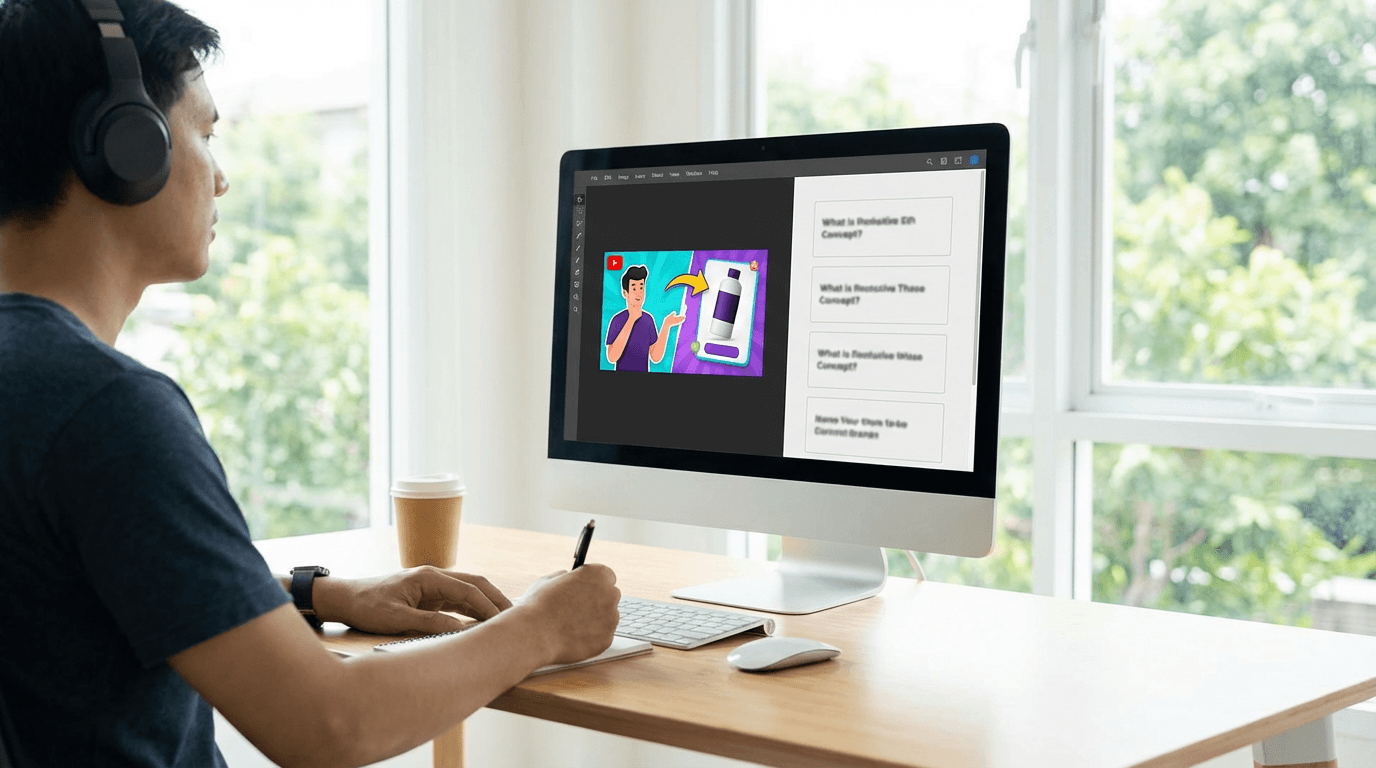
I want titles that work with the thumbnail, not against it.
Video topic: [insert topic]
Thumbnail concept: [describe thumbnail idea]
Generate 15 YouTube titles that complement the thumbnail.
Rules:
- do not repeat the exact same message as the thumbnail
- make the title add context, contrast, or payoff
- keep the title easy to understand fast
- avoid misleading curiosity
- keep the title aligned with viewer expectations
For each title, explain how it pairs with the thumbnail.
prompt-5-shorts-title-generator
Prompt
Generate 30 YouTube Shorts title ideas for this Short.
Topic: [insert topic]
Format: [mistake / how-to / comparison / trend / list / myth]
Audience: [insert audience]
Rules:
- prioritize speed of understanding
- keep titles concise
- front-load important words
- make them searchable or curiosity-driven, but not vague
- fit YouTube Shorts packaging in 2026
Group the results into:
- 10 searchable titles
- 10 intriguing titles
- 10 high-CTR hybrid titles
prompt-6-long-form-title-generator
Prompt
Generate 20 long-form YouTube title ideas for this video.
Topic: [insert topic]
Audience: [insert audience]
Promise: [what the video delivers]
Rules:
- make titles descriptive and concise
- keep the strongest words near the front
- use natural language
- avoid repeated boilerplate
- avoid keyword stuffing
- avoid misleading claims
Then choose:
- best title for search
- best title for browse
- best title for high-intent viewers
Explain why each one wins.
prompt-7-title-ab-test-builder
Prompt
Create A/B test title variants for this video.
Topic: [insert topic]
Current title: [insert title]
Make:
- 5 safer, clearer versions
- 5 more curiosity-driven versions
- 5 more search-driven versions
For each version, label:
- search strength
- click strength
- risk of mismatch
Then tell me which 3 are the best test candidates and why.
prompt-8-human-sounding-title-cleanup
Prompt
These AI-generated YouTube titles sound robotic. Rewrite them to sound more natural and human.
Titles:
[paste titles]
Rules:
- keep topic clarity
- remove repetitive phrasing
- keep strong search signals
- make them sound like something a smart creator would actually publish
- no exaggerated hype unless it truly fits the topic
Return:
- original title
- improved version
- why the improved one is better
prompt-9-title-cluster-builder
Prompt
Build a YouTube title cluster for one topic.
Core topic: [insert topic]
Subtopics: [insert subtopics]
Generate:
- 10 beginner titles
- 10 advanced titles
- 10 niche-specific titles
Goal:
create a group of titles that can rank for related queries without sounding repetitive.
For each title, show:
- main query angle
- promise
- title type
prompt-10-blog-to-video-title-converter
Prompt
Turn this blog topic into 20 YouTube title ideas.
Blog topic: [insert topic or blog headline]
Rules:
- make the titles video-first, not article-first
- keep the strongest terms near the front
- make the viewer benefit obvious
- create a mix of searchable and intriguing titles
- make 5 especially suitable for Shorts
Then choose the best 3 and explain why they are the strongest conversion titles.
How to prompt AI for better titles
The quality of the prompt changes the quality of the titles.
A weak prompt looks like this:
Give me 20 YouTube titles for my video
That usually produces generic, repetitive output.
A better prompt includes:
- the topic
- the viewer
- the promise
- the format
- whether you want searchable or intriguing
- rules around length, clarity, and accuracy
- what to avoid
That is also why using one title prompt once is not enough. The better workflow is:
- generate angles
- rewrite weak versions
- separate search vs curiosity
- align with the thumbnail
- choose the best fit for the specific video
Titles for shorts vs titles for long-form
These should not be identical.
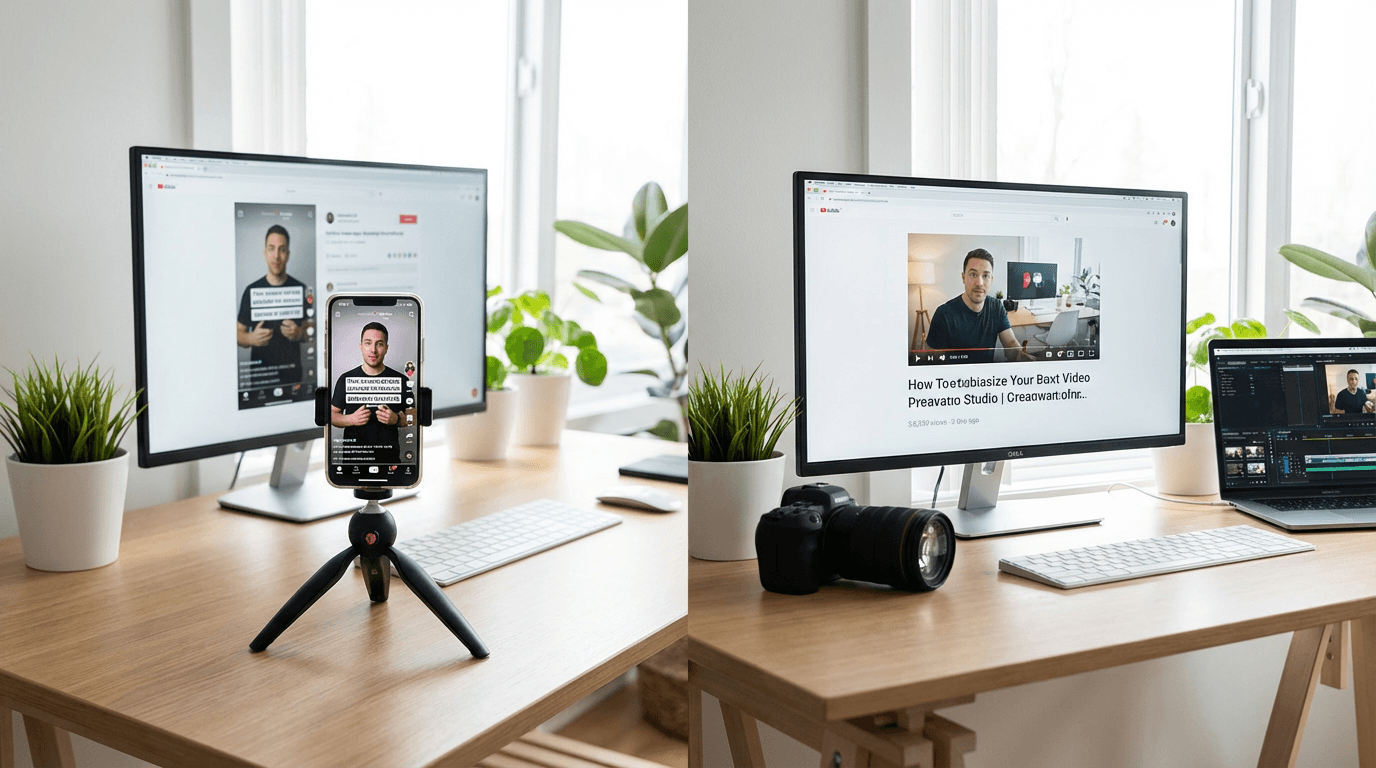
Shorts titles usually work better when they are:
- faster to parse
- more direct
- easier to connect to one specific hook
- strongly tied to the first second
That matches the reality of Shorts viewing behavior and YouTube’s guidance that the title should be succinct and front-loaded.
Examples:
- 3 Shorts Hooks That Pull More Clicks
- One Title Mistake Killing Reach
- Why Your Shorts Feel Too Generic
Long-form titles usually have a little more room for:
- context
- contrast
- framing
- layered promise
Examples:
- YouTube Title Strategy in 2026: How to Write Titles That Rank and Convert
- Why Some YouTube Titles Get Clicks but Hurt Retention
- Searchable vs Intriguing YouTube Titles: Which Works Better in 2026
A practical ai title workflow inside a real creator stack
The best use of AI is not “generate 50 random titles.”
It is building a repeatable packaging process.
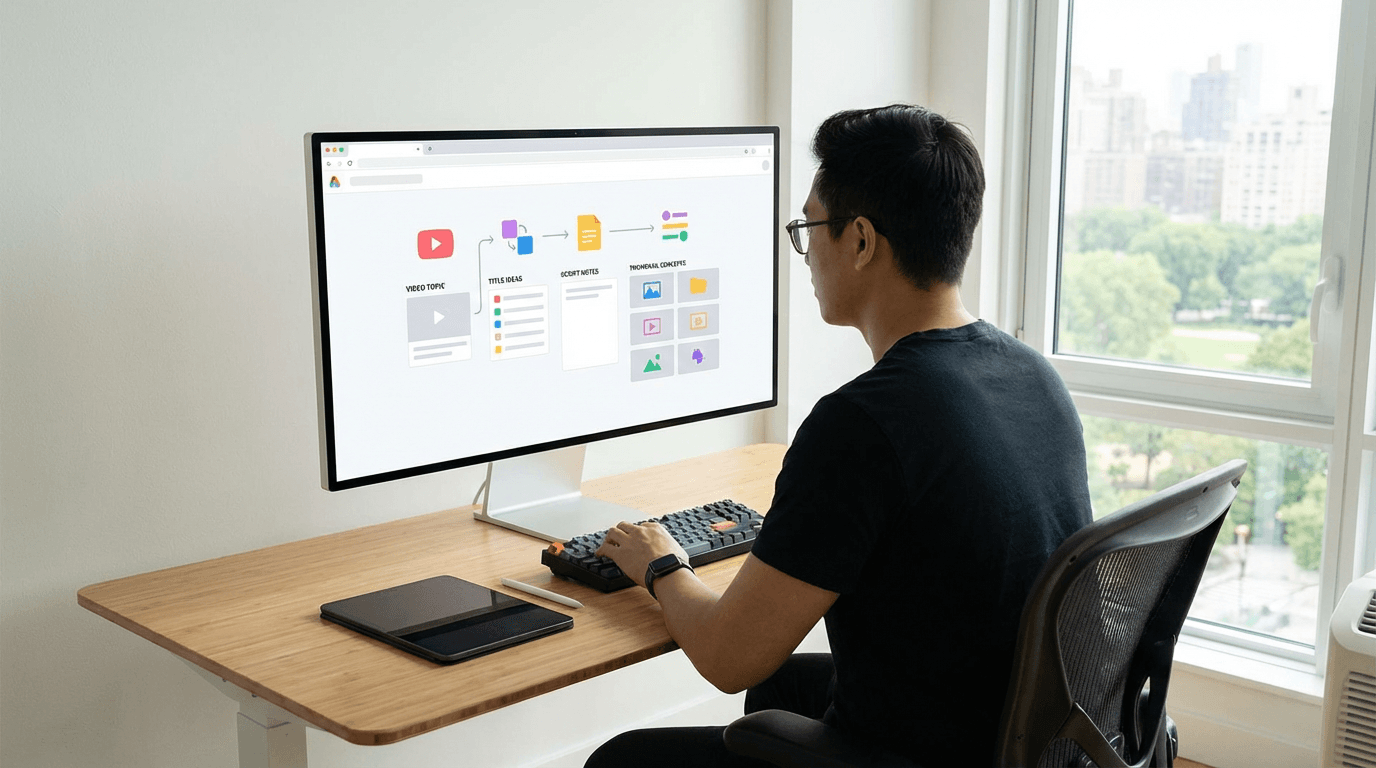
A practical workflow looks like this:
- start with the real topic
- define the audience and promise
- generate searchable titles
- generate intriguing titles
- align them with the thumbnail concept
- choose the best fit for the format
- track which title patterns win over time
That is also where a connected workflow matters. If a creator is already turning ideas into scripts, Shorts, visuals, thumbnails, and music inside one browser-based stack, it becomes much easier to keep the topic, title, and asset direction aligned instead of treating every part of content creation as a separate step. That is one reason workflow-based creation tools can help creators move faster without making their packaging feel random.
For related creation flows, read From Prompt to Reel: Text2Shorts AI Shorts, How to Generate YouTube Thumbnails with AI, and AI Prompts for YouTube Thumbnails.
What to measure after changing titles
Do not just say “the title is better” because it sounds nicer.
Watch:
- click-through rate
- impressions
- which traffic source the video is getting
- whether the title matches the actual viewer response
- whether search-driven videos perform differently from browse-driven videos
- whether the title cluster around one topic starts compounding
YouTube’s performance guidance says creator data helps reveal how viewers respond to content and whether viewers felt satisfied after watching, while its Search documentation emphasizes engagement signals for a query.
That is the real goal.
Not a clever title in isolation.
A title system that helps good content get understood and chosen.
20 quick title starters you can reuse
These are useful when you need a fast first draft.
- How to [result] in 2026
- Why [problem] keeps happening
- Best [thing] for [use case]
- [Number] mistakes killing [result]
- [Number] templates for [audience]
- The [thing] most creators get wrong
- Search-first [topic] in 2026
- [Topic] that actually works in 2026
- Why your [thing] is not converting
- [Number] examples that make this easier
- The title mistake hurting your clicks
- Best prompts for [outcome]
- [Topic] explained simply
- What changed about [topic] in 2026
- [Topic] for beginners
- [Topic] for small creators
- [Topic] vs [topic]
- How to fix [specific problem]
- One reason your [metric] is dropping
- The clearer way to title [topic]
Conclusion
In 2026, better YouTube titles are not about cramming in more keywords or sounding more dramatic.
They are about making the topic clearer, the promise stronger, and the click more justified.
That is why AI can be useful here.
Not because it magically knows the perfect title, but because it can help you generate angles, remove vagueness, separate search-first from curiosity-first packaging, and turn one topic into multiple stronger options.
So do not use AI just to make titles longer.
Use it to make titles clearer, sharper, more clickable, and more aligned with how YouTube discovery actually works.
That is how titles start ranking better.
And that is how they start converting better too.
FAQ
Do YouTube titles really affect ranking in 2026?
Yes. YouTube says Search relevance depends partly on how well the title, tags, description, and video content match the query, while engagement and quality also matter.
What makes a good YouTube title in 2026?
YouTube says good titles should be accurate and succinct, with the most important words near the beginning because viewers may only see part of the title.
Are tags still important for YouTube discovery?
Usually not very much. YouTube says tags mainly help with commonly misspelled terms and otherwise play a minimal role in discovery. It also says the title, thumbnail, and description are more important metadata.
Should I use searchable titles or intriguing titles?
Both can work. YouTube’s own title guidance describes searchable titles as clear expectation-setting titles for viewers searching similar content, and intriguing titles as curiosity-led titles for viewers who may not be searching for a specific topic.
Can misleading titles hurt performance?
Yes. YouTube says titles should be accurate, and its spam policy prohibits misleading metadata that promises something the video does not actually contain.
How should I use AI for YouTube titles?
Use AI to generate angles, separate search-first and curiosity-first options, rewrite vague titles, and align titles with thumbnails and audience intent. Do not use it just to produce more words.
Should Shorts titles and long-form titles be different?
Usually yes. Shorts titles usually need faster clarity and tighter phrasing, while long-form titles often have slightly more room for framing and contrast. That fits YouTube’s recommendation to keep titles concise and front-load important words.