How to Get Your First 1,000 Subscribers with YouTube Shorts in 2026

Written by
Jay Kim
A complete guide to reaching your first 1,000 YouTube Shorts subscribers in 2026. Covers niche selection, content strategy, subscribe triggers, analytics, and daily workflows.
Getting views on YouTube Shorts is not the hard part anymore. The Shorts feed is designed to push content to people who have never heard of you. Many new creators can get thousands or even tens of thousands of views within their first few weeks of posting.
But those views rarely convert into subscribers. And without 1,000 subscribers, you cannot monetize your channel, which means you are putting in effort with no financial return.
The gap between views and subscribers is where most new YouTube Shorts creators get stuck. They see the view count climbing and assume growth is happening. Then they check the subscriber number and it has barely moved. If that sounds familiar, you are not alone.
This guide walks through a complete, practical strategy for reaching your first 1,000 subscribers using YouTube Shorts in 2026. Not theory. Not vague advice about being consistent. Real tactics that address the specific reasons viewers watch Shorts but do not subscribe, and what to do about each one.
Why 1,000 Subscribers Matters More Than Ever in 2026
The 1,000 subscriber threshold is not just a vanity number. It is the entry point to the YouTube Partner Program, which means ad revenue, channel memberships, Super Thanks, and access to YouTube's monetization features. Without it, your channel earns nothing directly from YouTube no matter how many views your Shorts get.
In 2026, YouTube Shorts monetization has matured significantly. Creators who cross the 1,000 subscriber mark (along with the required watch hours or Shorts views threshold) unlock real earning potential. Understanding how much YouTube Shorts actually pay in 2026 helps set realistic expectations and motivates you to push through the early growth phase.
The other reason 1,000 subscribers matters is algorithmic. YouTube gives more distribution weight to channels that have demonstrated an ability to build an audience. A channel with 1,000 engaged subscribers tends to get better initial testing from the algorithm than a channel with 50 subscribers, even if the content is similar. This creates a compounding effect where reaching 1,000 makes growing to 5,000 and beyond significantly easier.
Why Shorts Get Views But Not Subscribers
Before jumping into tactics, you need to understand why this gap exists. Shorts are consumed differently than long-form videos. Viewers swipe through dozens of Shorts in a single session. They are in passive consumption mode. They watch, they react, and they swipe to the next one. Subscribing requires an active decision, and that decision needs a reason beyond just enjoying one video.
There are specific reasons why Shorts viewers do not subscribe, and each one has a fix.
The first reason is that viewers do not know what your channel is about. If someone watches a single Short and enjoys it, they have no context for what they would get by subscribing. Your Short might be great, but if it does not communicate a clear content promise, there is no incentive to hit the subscribe button.
The second reason is that your Shorts feel interchangeable with thousands of other Shorts on the same topic. If a viewer can get the same type of content from any creator, there is no reason to follow yours specifically.
The third reason is that you never ask. This sounds basic, but many creators assume the content will speak for itself. It does not. A clear, non-annoying call to action makes a measurable difference.
The fourth reason is weak first impressions. If a viewer lands on your channel page after watching a Short and sees inconsistent content, no clear theme, or a bare profile, they leave without subscribing.
We covered this topic in depth in our guide on why YouTube Shorts get views but no subscribers. If the views-to-subscriber gap is your main problem, that post is worth reading alongside this one.
Step 1: Pick a Niche That Builds Subscriber Intent
Not all niches convert views into subscribers at the same rate. Some topics are naturally better at building a reason to subscribe because viewers want ongoing content, not just a single answer.
Niches that convert well for Shorts subscribers tend to share a few characteristics. They involve learning over time, like skill-building or tutorial series. They feature a recurring format or character that viewers look forward to. They create curiosity about what comes next.
Examples of high-subscriber-conversion niches in 2026 include personal finance tips, cooking recipes with a specific twist, language learning in short daily lessons, fitness challenges and progress tracking, tech tips and app reviews, psychology and self-improvement facts, and niche hobby content like woodworking, drawing, or gardening.
Niches that get views but struggle with subscribers tend to be purely entertainment-based without a unique angle. Generic meme compilations, trend-chasing content without a personal stamp, and one-off viral attempts all fall into this category.
If you have not picked a niche yet, choose something where viewers would benefit from seeing more of your content over time. That built-in reason to subscribe is the foundation everything else builds on.
For creators exploring faceless YouTube Shorts niches using AI in 2026, the same principle applies. The niche itself needs to give viewers a reason to come back, regardless of whether you show your face.
Step 2: Design Your Channel for Conversion
Before you start publishing Shorts, your channel page needs to look like a place worth subscribing to. Many creators skip this step and lose potential subscribers every day because their profile looks empty or unfocused.
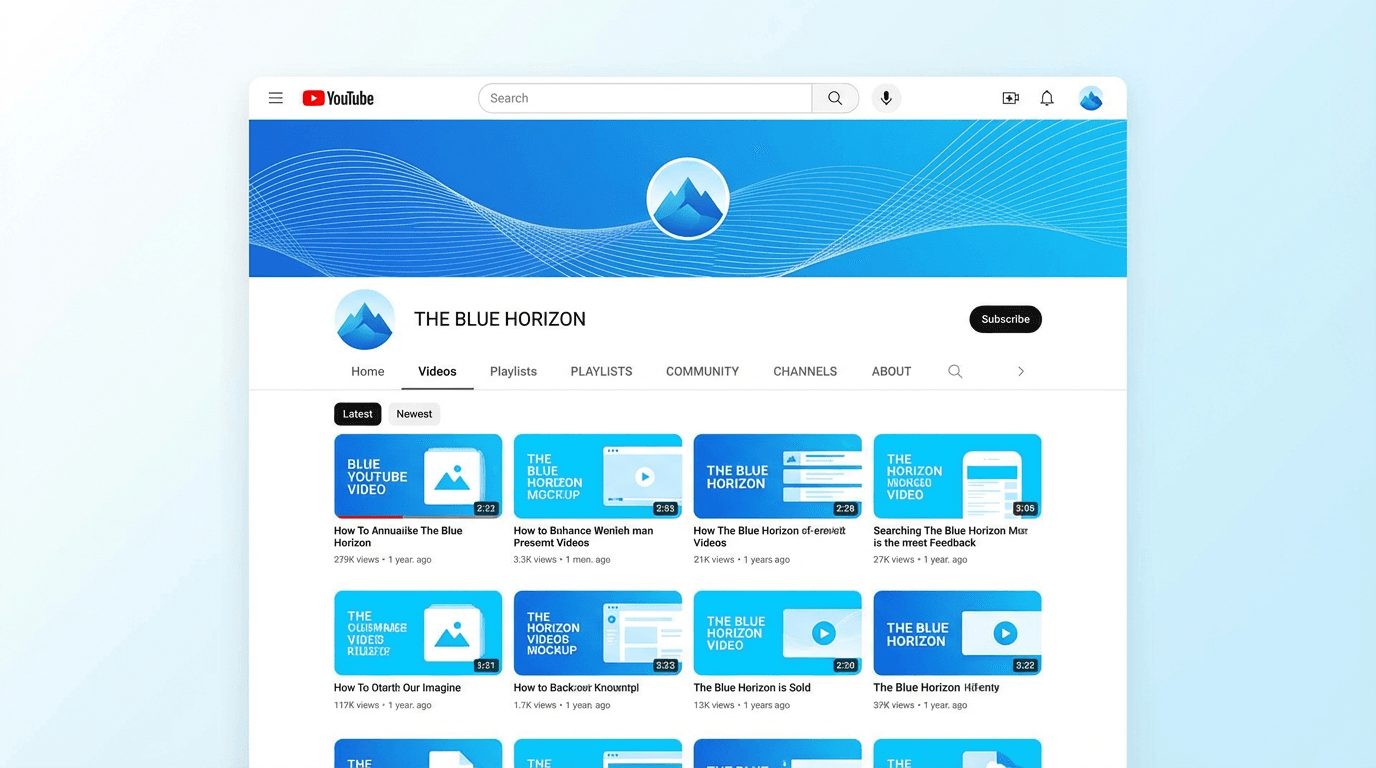
Your channel banner should clearly communicate what your channel is about and how often you post. Something as simple as a banner that says the topic and posting frequency gives new visitors instant context. You can generate professional-looking channel art and visual assets with the AI Image Generator in Miraflow AI if you do not have design tools.
Your profile picture should be recognizable at small sizes. For faceless channels, a strong logo or icon works. For personal brands, a clean headshot with good lighting is best.
Your channel description should include your main keywords and a clear statement about what viewers get by subscribing. This is not just for humans. YouTube uses the channel description to understand what your channel is about and who to recommend it to.
Your channel page should have at least 5 to 10 Shorts already published before you start actively trying to grow. When a new viewer clicks through to your channel from a Short they enjoyed, they need to see more content that confirms you are worth following. An empty channel with two Shorts does not inspire confidence.
Step 3: Create Shorts That Are Worth Subscribing For
This is the core of the strategy. Your Shorts need to do two things simultaneously: perform well in the feed so the algorithm pushes them, and make viewers feel like they need to see more from you.
Here is how to structure Shorts that accomplish both goals.
Hook in the First Second
The first frame and the first sentence of your Short determine whether someone watches or swipes. The Shorts feed moves fast. You do not get a slow build. You need to grab attention immediately.
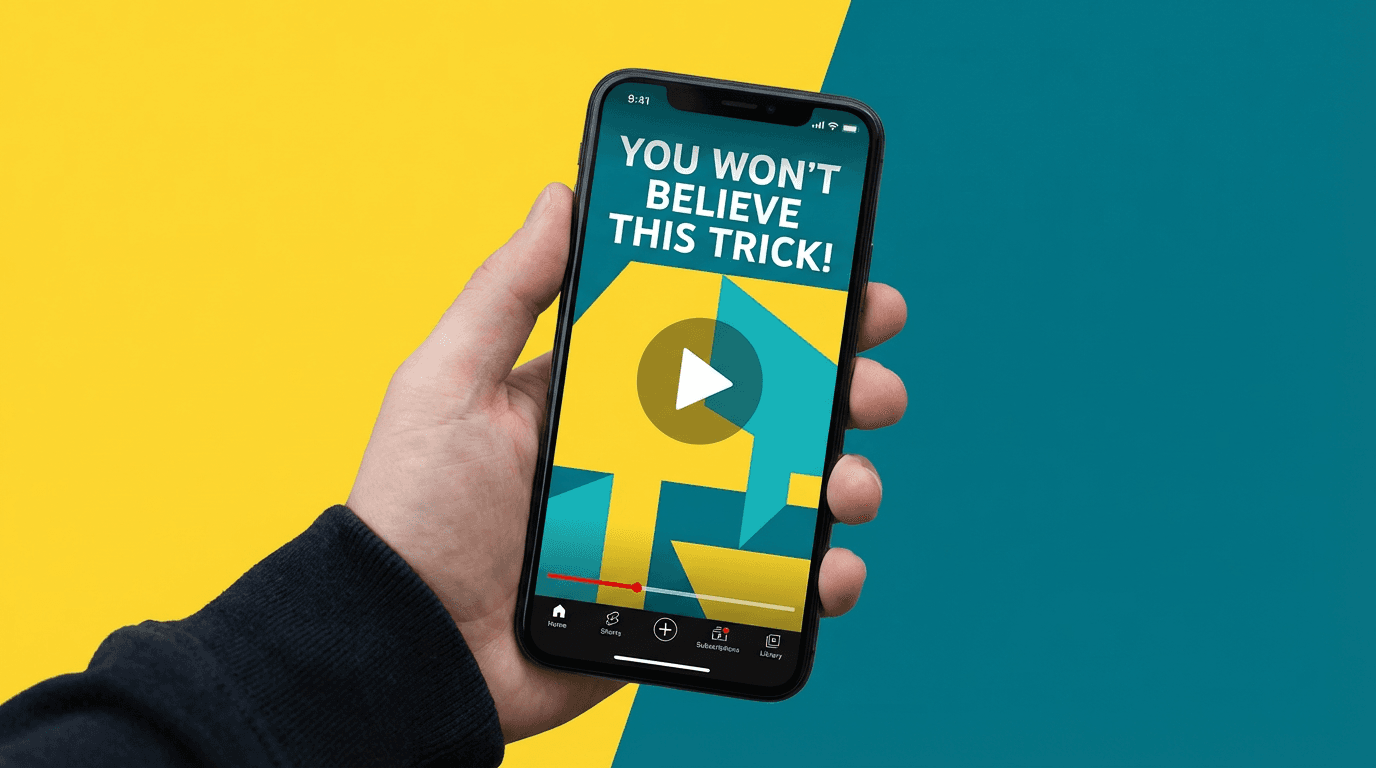
Strong hooks for subscriber-building Shorts usually fall into a few categories. Question hooks work well: start with a question your target audience wants answered. Contrast hooks create tension by showing an unexpected comparison or result. Promise hooks tell the viewer exactly what they will learn or see. Pattern interrupt hooks use a visual or audio element that stops the scroll.
Understanding why the first 3 seconds of YouTube Shorts matter will help you design hooks that keep viewers watching. If they do not watch, they definitely will not subscribe.
Deliver Value Fast
After the hook, deliver on the promise quickly. Shorts viewers have low patience. If you set up a question in the first second, start answering it by the third second. If you promised a tip, give the tip immediately and then add context.
The biggest mistake new creators make is treating Shorts like compressed long-form videos. They add long intros, slow transitions, and unnecessary setup. In a 30 to 60 second format, every second matters. Cut anything that does not directly contribute to the core value of the Short.
End With a Reason to Follow
The last few seconds of every Short should give viewers a reason to subscribe. This does not mean begging for subscribers. It means creating a natural bridge to more content.
Effective endings include teasing the next topic in a series, asking a question that you will answer in the next Short, referencing a related Short or video on your channel, or simply saying something like "follow for more daily tips on X."
The key is that the call to action feels like a natural extension of the content, not an interruption. If your Short is about a cooking hack, ending with "I post a new hack every day" is far more effective than "please subscribe and hit the bell."
Step 4: Use Series and Recurring Formats
One of the fastest ways to convert viewers into subscribers is to create content that naturally leads to more content. Series and recurring formats do this automatically.
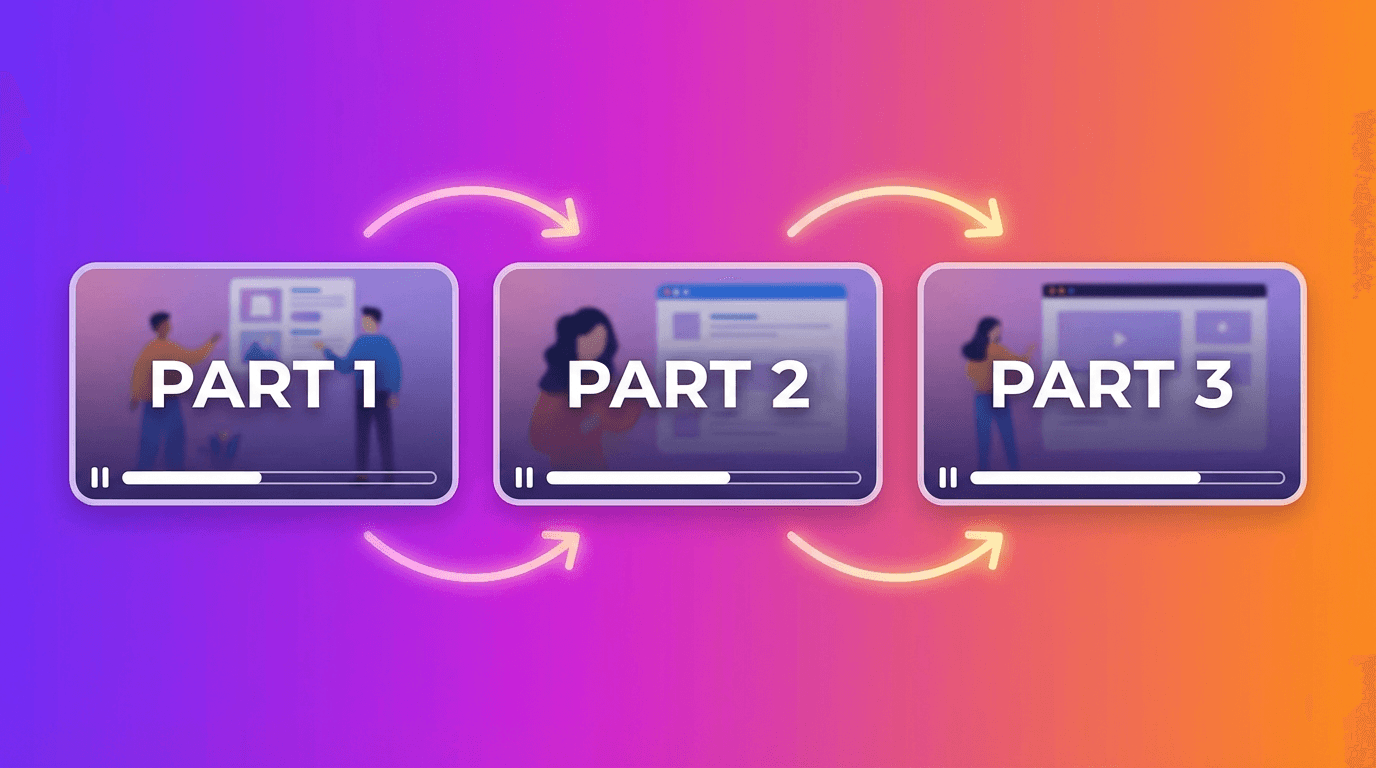
A series is a set of Shorts that connect to each other. For example, "Day 1 of learning Korean" implies there will be a Day 2, Day 3, and so on. Viewers who enjoy Day 1 have a built-in reason to subscribe because they want to see what happens next.
Recurring formats are slightly different. Instead of a numbered series, they use a consistent structure that viewers recognize and look forward to. For example, "One thing I wish I knew about investing" as a daily format creates a pattern that viewers associate with your channel.
Both approaches work because they transform a single viewing experience into an ongoing relationship. A viewer who watches a standalone Short thinks "that was good" and moves on. A viewer who watches Part 1 of a series thinks "I want to see Part 2" and subscribes.
If you are looking for format ideas that perform well right now, our guide on AI Shorts formats that go viral in 2026 covers the structures that are getting the most traction.
Step 5: Post Consistently and Strategically
Consistency matters more than perfection when you are trying to reach 1,000 subscribers. The algorithm favors channels that publish regularly because consistent uploads provide more data points for YouTube to test and distribute your content.
Posting one Short per day is a strong baseline for channels in the growth phase. Some creators post two or three per day, which can accelerate growth but also increases the risk of quality drops. Find a frequency you can maintain for at least 30 days without burning out.
The relationship between daily uploads and algorithm behavior is important to understand. When you post daily, YouTube has fresh content to test with new audiences every day. If one Short underperforms, the next one gets a fresh chance. Over time, the algorithm learns more about who responds to your content and gets better at distributing it. We covered this dynamic in detail in our guide on how the YouTube Shorts algorithm responds to daily uploads.
For creators who struggle with producing daily content manually, AI-powered workflows make this sustainable. Tools like Text2Shorts in Miraflow AI let you generate complete vertical Shorts from a single topic, including script, visuals, voiceover, and structure. This means you can batch-create a week of Shorts in one session and schedule them out.
Step 6: Optimize Your Shorts for Discovery
Getting views is the prerequisite for getting subscribers. More eyeballs means more chances to convert. There are several ways to increase the reach of each Short you publish.
Titles and Descriptions
YouTube Shorts titles and descriptions are often overlooked, but they influence how YouTube categorizes and recommends your content. Your title should include relevant keywords that match what your target audience searches for. Keep it concise but descriptive.
Your description should expand on the topic and include secondary keywords naturally. Adding relevant hashtags can also help with discovery, though they are less impactful than strong titles and descriptions.
For templates and examples of effective Shorts titles and descriptions, check out our guide on YouTube Shorts titles and descriptions in 2026.
Thumbnails
YouTube now shows thumbnails for Shorts in several places, including search results, channel pages, and the Shorts shelf. A good thumbnail can significantly increase clicks from these surfaces.
For Shorts thumbnails, bold visuals with clear subjects work best. The 9:16 format is small, so keep the composition simple and avoid clutter. You can generate custom Shorts thumbnails using the YouTube Thumbnail Maker in Miraflow AI. It supports vertical formats, lets you add thumbnail text, and generates results from prompts in seconds.
Length
Shorter is not always better, and longer is not always worse. The ideal length depends on your content and your ability to hold attention. A 20-second Short that loses viewers at second 10 performs worse than a 50-second Short that keeps viewers until the end.
Focus on making every second count and cutting anything that does not add value. If your topic naturally fits in 30 seconds, do not stretch it to 60. If it needs 55 seconds to deliver properly, do not cut it to 30.
Step 7: Convert Shorts Viewers Into Subscribers
Getting views is half the equation. Converting those viewers into subscribers requires deliberate effort. Here are specific tactics that work in 2026.
Pin a Comment With a Clear CTA
After publishing a Short, immediately pin a comment that gives viewers a reason to subscribe. Something like "I post a new tip every morning. Subscribe so you don't miss tomorrow's." This adds a second touchpoint beyond the video itself and catches viewers who read comments before leaving.
Create a Channel Trailer
YouTube lets you set a channel trailer that plays for non-subscribers who visit your page. Create a 30 to 60 second Short that introduces your channel, explains what you cover, and tells viewers what they will get by subscribing. This trailer converts casual visitors into subscribers at a higher rate than any individual Short.
Use End Screen Cards
While traditional end screens do not work on Shorts the same way they do on long-form videos, YouTube has been testing new ways to link content. Make sure your Shorts are organized into playlists so that viewers who enjoy one can easily find more. Playlists also contribute to watch time and session duration, which the algorithm rewards.
Respond to Comments
Engagement builds community, and community drives subscriptions. When viewers see that a creator responds to comments, they feel more connected and are more likely to subscribe. In the early growth phase, try to respond to every comment on every Short. As your channel grows, prioritize responding to questions and thoughtful comments.
Step 8: Analyze What Works and Double Down
Once you have published 20 to 30 Shorts, you will have enough data to start identifying patterns. Open YouTube Studio and look at which Shorts got the most views, which had the highest retention rates, and most importantly, which ones drove the most subscriber growth.

YouTube Studio shows you subscriber sources, which tells you exactly which videos brought in new subscribers. This data is invaluable. If three of your Shorts are responsible for 80% of your subscriber growth, study what those three have in common. Was it the topic? The format? The hook? The length? Then make more Shorts like those.
For a walkthrough of how to read and interpret these metrics, our guide on YouTube Shorts analytics in 2026 covers each graph and metric in detail.
The creators who reach 1,000 subscribers fastest are not the ones who guess. They are the ones who study their data, identify what converts viewers into subscribers, and systematically produce more of that content.
Step 9: Avoid the Mistakes That Kill Early Growth
Certain mistakes are common among new creators and can significantly slow your path to 1,000 subscribers. Knowing what to avoid saves you weeks of wasted effort.
Chasing Trends Without a Channel Identity
Trend-hopping can get views, but it rarely builds subscribers. If your channel has no consistent topic or format, viewers have no reason to subscribe because they do not know what to expect from you. It is fine to participate in trends occasionally, but make sure at least 70 to 80% of your content is consistent with your core niche.
Posting Inconsistently
Going hard for a week and then disappearing for two weeks is worse than posting every other day consistently. The algorithm needs regularity to build momentum for your channel. Pick a schedule you can maintain and stick with it.
Ignoring Retention
Views mean nothing if viewers are swiping away after 3 seconds. A Short with 10,000 views and 20% average retention performed worse in the algorithm's eyes than a Short with 2,000 views and 80% retention. Focus on making content that people actually watch through, not just content that gets initial impressions.
Not Having a Clear Subscribe Trigger
If a viewer watches your Short all the way through and enjoys it, there should be a clear moment where they are prompted to subscribe. Whether that is a verbal call to action, a pinned comment, or a teaser for upcoming content, something needs to bridge the gap between "good video" and "I should follow this creator."
If your channel is getting views but no growth at all, it may be worth checking whether there is a more fundamental issue at play. Our guide on why your videos might be getting zero views covers the common setup and distribution problems that can hold a channel back from the start.
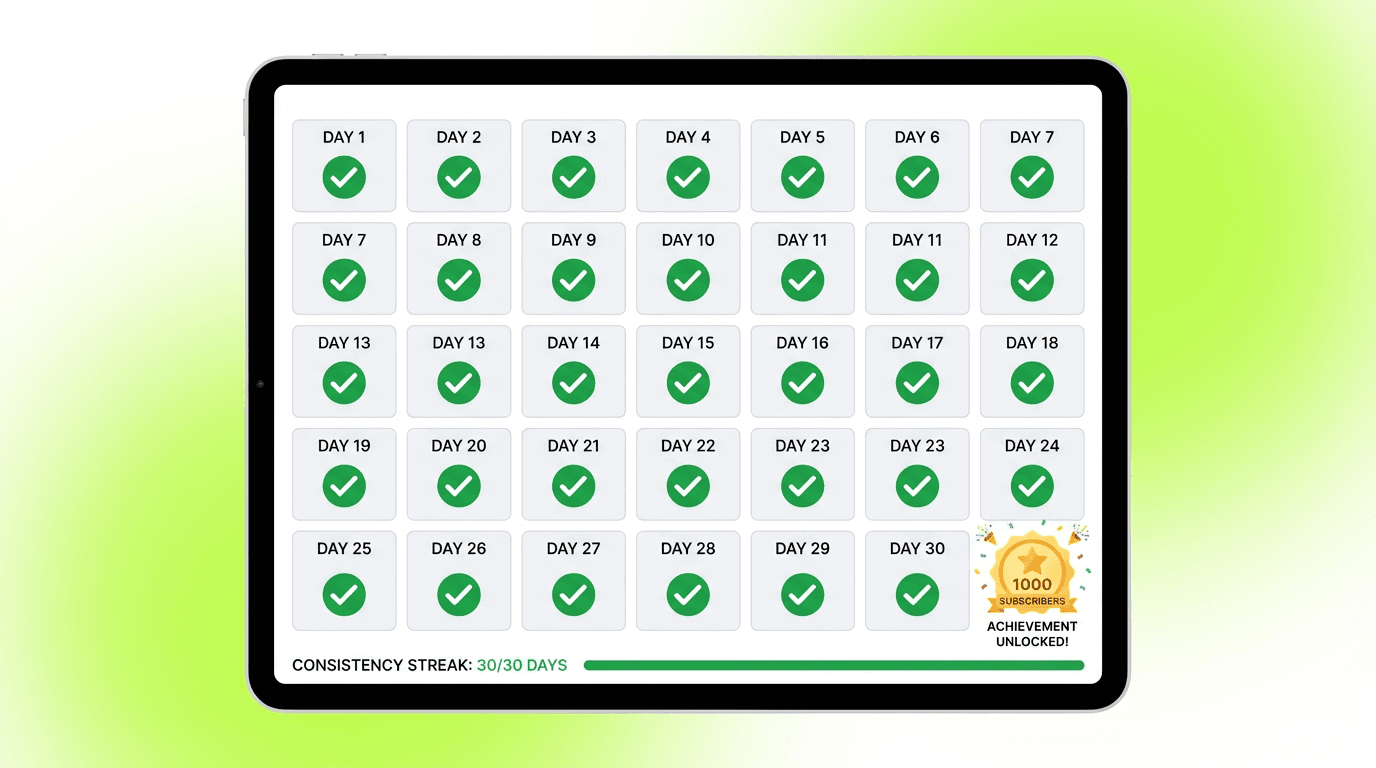
A 30-Day Plan to Reach 1,000 Subscribers
Here is a practical timeline that many creators can follow to reach or get close to 1,000 subscribers within their first month or two of consistent effort.
Week 1: Foundation
Set up your channel properly with a clear banner, profile picture, description, and at least one playlist. Decide on your niche and your primary Shorts format. Publish your first 5 to 7 Shorts, one per day. Focus on learning the workflow and getting comfortable with your format. Do not worry about performance yet.
Week 2: Iteration
Review the analytics from Week 1. Which Shorts got the most views? Which had the best retention? Start refining your hook strategy based on what the data shows. Continue posting daily. Start pinning comments with subscribe CTAs on every Short. Experiment with one or two variations of your format.
Week 3: Acceleration
By now you should have 14 to 21 Shorts published. Double down on the formats and topics that performed best. Start creating series content that encourages viewers to subscribe for the next installment. If you have the capacity, increase to two Shorts per day. Engage actively in comments.
Week 4: Optimization
Analyze your subscriber sources in YouTube Studio. Identify your top subscriber-driving Shorts and create more content in that exact style. Optimize your titles and descriptions using keywords your target audience searches for. Create a channel trailer if you have not already. Continue daily posting.
For a more detailed version of this plan with specific content ideas, check out our 30-day YouTube Shorts plan for 2026.
How to Maintain Momentum After 1,000
Reaching 1,000 subscribers is a milestone, but it is not the finish line. The strategies that got you to 1,000 are the same ones that will carry you to 5,000 and beyond. The difference is that after 1,000, you have more data, more experience, and access to monetization features that can fund better content.
Keep posting consistently. Keep studying your analytics. Keep refining your hooks, formats, and subscribe triggers. The compounding effect of consistent Shorts publishing means that growth tends to accelerate after the first 1,000 because the algorithm has more confidence in your channel and a larger base of viewers to recommend your content to.
Building Your Shorts Production Workflow
One of the biggest barriers to reaching 1,000 subscribers is production burnout. Creating a new Short every day sounds simple, but the cumulative effort of scripting, recording, editing, and publishing adds up fast.
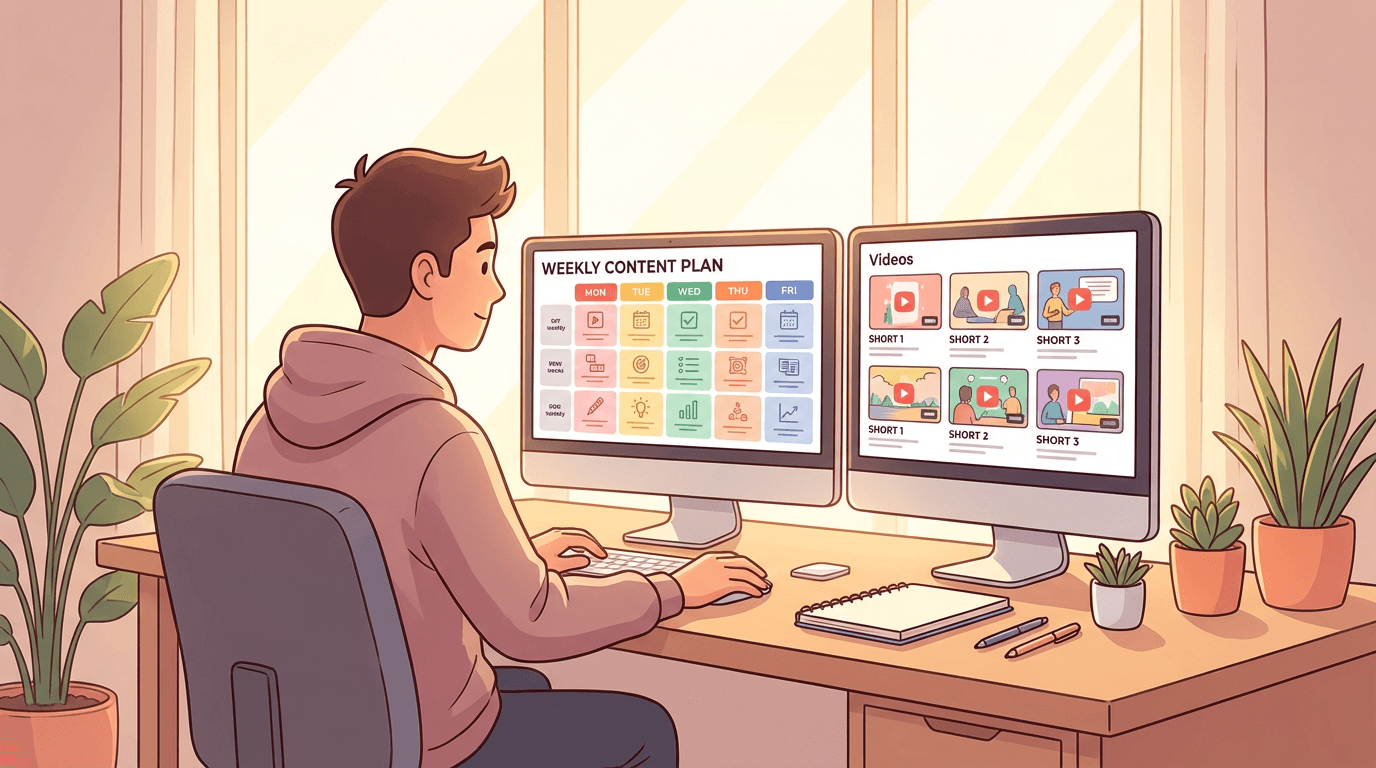
The creators who sustain daily publishing without burning out are the ones who build efficient workflows. This means batching content creation into focused sessions rather than producing one Short at a time. It means having templates for your recurring formats so you are not starting from scratch every day. And it means using tools that reduce manual work.
Miraflow AI is built for this kind of workflow. You can generate Shorts using Text2Shorts by entering a topic and letting the system handle script generation, visual creation, voiceover, and assembly. You can create matching thumbnails with the YouTube Thumbnail Maker. You can generate background music with the AI Music Generator. The entire pipeline from idea to published Short can happen inside a single platform, which cuts production time significantly.
This does not mean every Short needs to be AI-generated. But having an efficient production system means you can maintain consistency during busy weeks, test more ideas faster, and focus your creative energy on the decisions that actually matter rather than on repetitive editing tasks.
The Subscriber Mindset Shift
There is a mindset shift that separates creators who reach 1,000 subscribers quickly from those who struggle for months. The creators who grow fast do not think about individual Shorts in isolation. They think about their channel as a system.
Every Short is part of a larger body of work. Each one should reinforce what the channel is about, give viewers a reason to come back, and contribute to a recognizable identity. When a new viewer discovers one of your Shorts, they should be able to look at your channel and immediately understand what you offer and why subscribing is worth it.
This systems-level thinking applies to content, visuals, and branding. Your thumbnails should have a consistent style. Your hooks should follow recognizable patterns. Your topics should cluster around a clear theme. When everything feels cohesive, subscribing becomes a natural decision for viewers who enjoy your content.
Conclusion
Reaching your first 1,000 subscribers on YouTube Shorts in 2026 is achievable. It requires a clear niche, consistent publishing, strong hooks, deliberate subscribe triggers, and a willingness to study your analytics and adapt.
The creators who reach this milestone fastest are not necessarily the most talented. They are the most systematic. They pick a niche with subscriber intent, design their channel for conversion, create content that gives viewers a reason to follow, post daily, and optimize based on data.
The tools and strategies are available to every creator right now. The only variable is execution. Start today, stay consistent, and let the data guide your decisions. A thousand subscribers is closer than you think.
FAQ: How to Get Your First 1,000 Subscribers with YouTube Shorts in 2026
How do you get your first 1,000 subscribers with YouTube Shorts?
To get your first 1,000 subscribers with YouTube Shorts, you need more than views. The most effective approach is to choose a niche with strong subscriber intent, post consistently, create Shorts that clearly show what your channel is about, and end each Short with a natural reason to follow. Shorts can generate reach quickly, but subscriber growth usually comes from clarity, consistency, and repeatable formats.
Why do YouTube Shorts get views but not subscribers?
YouTube Shorts often get views without gaining subscribers because viewers consume Shorts passively and move on quickly. Many creators get attention, but they do not give viewers a clear reason to subscribe. Common problems include unclear channel identity, one-off content with no follow-up value, weak calls to action, and a channel page that does not reinforce what the creator offers.
Can YouTube Shorts help you reach 1,000 subscribers fast?
Yes, YouTube Shorts can help creators reach 1,000 subscribers faster than long-form video in many cases because the Shorts feed can expose new channels to large audiences quickly. However, fast views do not automatically turn into subscribers. The creators who grow fastest are the ones who combine reach with content formats that make viewers want more.
What kind of YouTube Shorts make people subscribe?
Shorts that make people subscribe usually have one of three qualities: they teach something over time, they are part of a series, or they follow a recognizable recurring format. Viewers are more likely to subscribe when they feel they will get continued value, not just one good clip. Daily tips, progress series, tutorials, and niche-specific recurring content often convert better than random viral attempts.
How often should I post YouTube Shorts to get 1,000 subscribers?
For most new creators, posting one Short per day is a strong starting point. Daily posting gives the algorithm more chances to test your content and gives viewers more opportunities to discover your channel. The key is not just frequency, but keeping the content consistent enough that viewers understand what they will get by subscribing.
Do I need a niche to get 1,000 subscribers on YouTube Shorts?
A clear niche helps a lot because it gives viewers a simple reason to follow your channel. If your Shorts jump between unrelated topics, viewers may enjoy one video but still have no idea what subscribing would actually mean. A focused niche makes your channel easier for both viewers and the algorithm to understand.
How important is the first hook in a YouTube Short?
The hook is extremely important because if people swipe away in the first second or two, they will never reach the part where they might subscribe. A strong hook increases retention, and retention helps distribution. Better distribution creates more chances to turn viewers into subscribers.
Should I ask people to subscribe in YouTube Shorts?
Yes, but it works best when the call to action feels natural. Instead of simply saying “please subscribe,” it is more effective to connect the CTA to the content itself. For example, telling viewers that you post daily tips, part two tomorrow, or more breakdowns like this gives them a real reason to follow.
Do series help you get more subscribers on YouTube Shorts?
Yes, series are one of the best ways to increase subscriber conversion. When a viewer watches part one of a series, they immediately have a reason to subscribe so they do not miss the next part. Numbered progress content, daily lessons, and recurring themed episodes all work well because they create anticipation.
Does my YouTube channel page matter for Shorts subscribers?
Yes, your channel page matters more than many creators realize. If someone clicks your profile after watching a Short, they should instantly understand what your channel is about. A clear banner, recognizable profile image, strong description, and several related Shorts already published can all improve the chance that a viewer subscribes.
How many views does it take to get 1,000 subscribers on YouTube Shorts?
There is no fixed number because subscriber conversion rates vary a lot by niche, format, and audience quality. Some channels may reach 1,000 subscribers with relatively modest views if the content has strong subscriber intent, while others may get hundreds of thousands of views and still grow slowly if their Shorts are too generic or disposable. What matters most is how well your content converts viewers into returning followers.
What is the fastest way to grow subscribers with YouTube Shorts in 2026?
The fastest way is usually to combine daily posting, a clear niche, repeatable high-performing formats, strong hooks, and direct subscriber-focused endings. Once you have 20 to 30 Shorts published, study which ones actually drove subscriber growth and make more content in that style. Creators who grow fastest usually treat Shorts as a system, not as random one-off uploads.