How to Get Your First 1,000 YouTube Subscribers in 2026

Written by
Jay Kim

Getting to 1,000 subscribers is the hardest milestone on YouTube. This guide breaks down what actually drives subscriber growth in 2026, why most new channels stall, and the specific strategies that move the needle from zero to monetization.
One thousand subscribers. It sounds modest compared to the channels with millions, but for a new creator, it is the most difficult milestone on the platform. Not because 1,000 is a large number. Because everything about YouTube is harder when nobody knows you exist yet.
At zero subscribers, you have no audience to notify when you upload. The algorithm has almost nothing to work with when deciding who to recommend your videos to. Every view has to be earned from scratch, and every subscriber represents someone who discovered you through the recommendation system or search and decided your channel was worth following. There are no shortcuts, no guaranteed hacks, and no amount of metadata optimization that replaces the fundamental requirement of making content that people want to watch.
The reason most creators never reach 1,000 is not that they lack talent or picked the wrong niche. It is that they do not understand what actually drives subscriber growth versus what feels productive but does not move the number. Posting consistently matters, but only if the content improves over time. Thumbnails matter, but only if the video delivers on their promise. Shorts can accelerate growth, but only if they are part of a coherent channel strategy.
This guide covers everything a new creator needs to understand about reaching 1,000 subscribers in 2026. Not theory. Not motivation. The actual mechanics of what makes someone click subscribe, and how to build a channel that consistently earns that click.
Why 1,000 Subscribers Matters

The 1,000-subscriber mark is not arbitrary. It is one half of the YouTube Partner Program threshold. To monetize your channel through ads, you need 1,000 subscribers and either 4,000 hours of long-form watch time in the past 12 months or 10 million Shorts views in the past 90 days. Until you hit that subscriber number, you cannot earn ad revenue regardless of how many views you get.
But monetization is only part of why this milestone matters. The more important effect is psychological and algorithmic. Reaching 1,000 subscribers means you have built a small but real audience. You have enough data in your analytics to understand what works. And the algorithm has enough signal from your content history to start making more accurate recommendations about who should see your videos.
The journey from 0 to 1,000 is where you develop the skills, habits, and content instincts that determine whether your channel will grow to 10,000, 100,000, or beyond. Almost every successful creator describes the first thousand as the period where they figured out what their channel was actually about, even if they started with a different vision entirely.
YouTube's official YouTube Partner Program requirements page outlines the current thresholds for monetization eligibility, including the 1,000-subscriber minimum and the corresponding watch time or Shorts view requirements.
The Subscriber Decision: What Makes Someone Click Subscribe
Before talking about strategy, it is worth understanding the psychology behind the subscribe action. A viewer clicks subscribe when they believe your channel will continue to produce content they want to see in the future. That is the entire equation. It is a forward-looking decision based on a prediction.
This means that a single viral video, no matter how many views it gets, does not necessarily translate into subscribers if the viewer does not believe the channel will produce more content like it. Conversely, a video with modest view counts can generate a high subscriber conversion rate if it clearly signals the type of content the channel will continue to make.
Three factors influence the subscribe decision most heavily. The first is content quality relative to the viewer's expectations. If the video is better than what they expected to find, the gap between expectation and reality creates a positive impression that makes subscribing feel worthwhile. The second factor is channel identity. When a viewer can quickly understand what a channel is about and who it is for, the subscribe decision becomes easier because the viewer can predict what future content will look like. The third factor is perceived consistency. A channel that has a regular upload pattern and a visible library of similar content signals that subscribing will be rewarded with ongoing uploads.
This is why channel page optimization matters more than most new creators think. When a viewer considers subscribing, they often visit your channel page first. What they see there, your banner, your video library, your channel description, your most recent uploads, either reinforces or undermines the subscribe impulse. A channel page that looks active, focused, and professional converts curious viewers into subscribers at a higher rate than one that looks abandoned or scattered.
Choosing a Niche That Can Actually Grow
Niche selection is the single highest-leverage decision a new creator makes, and it is the one most creators spend the least time thinking about. The niche you choose determines who your potential audience is, how much competition you face, and how easily the algorithm can match your content with interested viewers.
The ideal niche for a new channel has three characteristics. First, there is demonstrable audience demand. People are actively searching for content in this topic area, or they are engaging heavily with it on their feeds. Second, you can produce content about it consistently for at least a year without running out of ideas or losing interest. Third, there is a clear subscriber value proposition. Viewers in this niche have a reason to subscribe because they want ongoing content, not just one answer to one question.
Some niches are better for views than subscribers. A channel that answers one-off questions, like "how to fix a leaky faucet," may get views but struggle with subscribers because viewers find the answer and leave. They have no reason to come back. Niches that involve ongoing learning, entertainment, series-based content, or evolving topics naturally create the "I want to see more" feeling that drives subscriptions.
Research your niche before committing. Look at other channels in the same space. Check their subscriber-to-view ratios. Look at how often they upload and what formats they use. Watch their most popular videos and read the comments to understand what the audience values. This research does not take long, but it prevents the costly mistake of spending months building a channel in a niche that structurally resists subscriber growth.
For creators wondering which niches currently offer the best opportunity for new channels, our breakdown of AI Shorts formats that actually go viral in 2026 covers specific content categories where audience demand is high and competition is still manageable.
Content Strategy: The Foundation of Subscriber Growth

Content strategy is where most new creators go wrong, and it usually happens in one of two ways. Either they post whatever comes to mind with no coherent theme, or they over-plan and never actually publish anything. The effective middle ground is having a simple, repeatable framework that produces content consistently while leaving room for experimentation.
A strong beginner content strategy starts with two to three content formats that you can produce regularly. A format is not a topic. It is a repeatable structure. For example, a tech review channel might have a "first impressions" format where they react to new products, a "versus" format where they compare two products, and a "hidden features" format where they explore things most people miss. Each format can be applied to dozens of different topics over time.
Having repeatable formats solves the biggest bottleneck new creators face: coming up with ideas. When you have established formats, the question shifts from "what should I make a video about?" to "what topic should I apply this format to?" The second question is dramatically easier to answer and produces more consistent output.
The content itself needs to be structured around viewer retention. YouTube's algorithm weighs watch time and audience retention heavily in its recommendation decisions. A video that keeps 60 percent of viewers watching until the end will be recommended far more aggressively than a video that loses 70 percent of viewers in the first 30 seconds. This means the way you structure your video, particularly the opening, is just as important as the topic you choose.
Your opening needs to accomplish three things in the first 15 seconds: establish what the video is about, create a reason to keep watching, and set the tone for the content. A viewer who does not understand what value they will get from watching will leave. This is the same hook principle that governs short-form content, which we cover in depth in our guide on why the first 3 seconds matter on YouTube Shorts. The time window is slightly longer for long-form content, but the principle is identical.
How YouTube Shorts Accelerate Subscriber Growth

YouTube Shorts have fundamentally changed the growth trajectory for new channels. Before Shorts existed, growing a new channel meant competing exclusively in long-form search and recommendation, where established channels had enormous advantages. Shorts opened a parallel distribution channel where the algorithm evaluates content more independently of channel size.
A new channel with zero subscribers can publish a Short and have it shown to thousands or even millions of viewers through the Shorts feed. This exposure creates subscriber opportunities that simply did not exist at this scale for new creators before. Every viewer who watches your Short and decides to check out your channel is a potential subscriber who would have never found you through long-form alone.
The most effective approach is using Shorts and long-form together as complementary formats. Shorts serve as the discovery engine. They reach large audiences quickly and introduce new viewers to your channel. Long-form serves as the conversion engine. When a viewer discovers you through a Short and visits your channel, the long-form content gives them a deeper reason to subscribe because it demonstrates the ongoing value your channel provides.
This means your Shorts should be topically aligned with your long-form content. A cooking channel that posts cooking Shorts and cooking long-form creates a seamless viewer experience. A cooking channel that posts random meme Shorts might get views on those Shorts but will not convert those viewers into subscribers for cooking content because the audience mismatch is too large.
The optimal length and pacing for Shorts is its own topic. Our analysis of how long YouTube Shorts should be in 2026 covers the retention dynamics that drive Shorts performance, and understanding those dynamics helps you produce Shorts that actually feed your subscriber growth instead of just generating disconnected views.
For creators who want to use Shorts as a growth lever but struggle with the production volume required, Miraflow's Text2Shorts closes the gap. You type a single prompt describing your topic, and the tool generates a complete vertical video with visuals, voiceover, captions, and music — ready to publish. Instead of spending hours editing each Short manually, you can produce a week's worth of Shorts in a single sitting and focus your creative energy on refining hooks and topics rather than wrestling with editing timelines. We walk through that workflow in detail in our guide on creating AI Shorts from a single prompt.
Thumbnails and Titles: Your Two Biggest Growth Levers
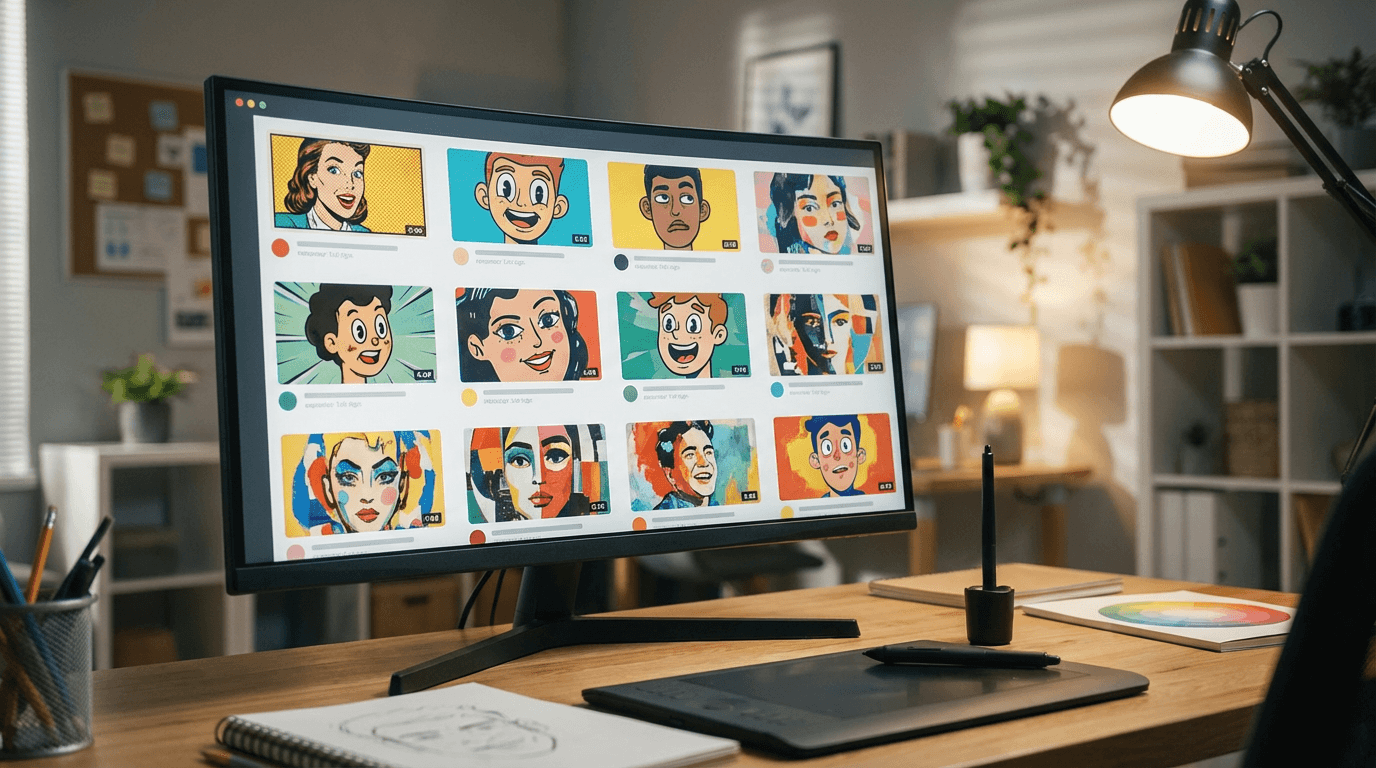
After content quality, thumbnails and titles are the most important factors in channel growth. They determine your click-through rate, which is the percentage of people who see your video in search results, recommendations, or browse features and decide to watch it. A video that the algorithm wants to recommend but that nobody clicks on will not get views. And videos that do not get views cannot generate subscribers.
Effective thumbnails share several characteristics. They are visually clear at small sizes, because most viewers see thumbnails on mobile screens where the image is barely larger than a postage stamp. They use contrast and color to stand out against the white and gray YouTube interface. They include a human face with an expressive emotion when possible, because faces draw attention and communicate the emotional tone of the video. And they create curiosity or tension that makes the viewer want to know more.
Titles work in partnership with thumbnails. The title should not repeat the information in the thumbnail but instead complement it. If the thumbnail shows a dramatic before-and-after image, the title should add context that completes the story. If the thumbnail shows a surprised face, the title should explain what caused the surprise. Together, the thumbnail and title should create a complete pitch that a viewer can absorb in under two seconds.
One mistake new creators make is writing titles for search engines instead of people. While searchable titles help with discoverability, a title stuffed with keywords that reads awkwardly will have a lower click-through rate than a title that reads naturally and sparks curiosity. The balance is to include your primary keyword naturally while making the title genuinely compelling to a human reader.
Designing thumbnails consistently is one of the most time-consuming parts of publishing for new creators, especially those without graphic design experience. Tools like Miraflow's YouTube Thumbnail Maker let you generate scroll-stopping thumbnails in seconds using AI. You describe the mood, topic, and style you want, and the tool produces professional-quality thumbnail options that follow the high-contrast, expressive design principles that drive clicks. For a new channel trying to maintain a weekly publishing cadence, removing the thumbnail bottleneck means you can spend more time on the content itself.
For Shorts specifically, the title and thumbnail dynamic works differently since Shorts are primarily discovered through the Shorts feed where titles are less prominent. Our guide on YouTube Shorts titles and descriptions covers how to optimize metadata specifically for the Shorts format.
Search vs. Browse: Two Paths to Discovery
YouTube has two primary discovery mechanisms, and understanding the difference helps you create content that performs on both.
Search discovery happens when viewers type a query into YouTube's search bar and find your video in the results. This is intent-driven traffic. The viewer already knows what they want and is looking for the best answer. Search-optimized content tends to be educational, tutorial-based, or answer-driven. "How to," "what is," and "best of" queries dominate YouTube search.
Browse and recommendation discovery happens when YouTube shows your video to viewers on the home page, in the suggested sidebar, or in the Shorts feed. This is algorithm-driven traffic. The viewer did not search for your content. YouTube predicted they would enjoy it based on their viewing history and behavior patterns.
New channels benefit enormously from starting with search-first content. The reason is that search traffic does not require the algorithm to already understand your channel. A well-optimized video answering a specific question can rank in search results within days of publishing, even on a brand new channel. This provides a baseline of views and data that helps the algorithm learn who your audience is.
Over time, as the algorithm accumulates data about your content and your viewers, recommendation traffic starts increasing. The transition from primarily search-driven views to a mix of search and browse traffic is one of the key inflection points in early channel growth. It means the algorithm is actively promoting your content to people who did not search for it, which dramatically expands your potential audience.
To accelerate this transition, focus on creating content that satisfies viewers who find you through search. When a viewer searches for a topic, clicks your video, watches most of it, and then watches another video on your channel, that sends a powerful signal to the algorithm that your content is worth recommending more broadly. The quality of the viewing experience you provide to search viewers directly impacts how quickly the algorithm starts giving you browse traffic.
Publishing Cadence: How Often Should You Upload?
Upload frequency is one of the most debated topics among new creators. Some advice says you need to post daily. Other advice says once a week is fine as long as the quality is high. The reality is more nuanced than either extreme.
For a brand new channel trying to reach 1,000 subscribers, the minimum effective frequency is one long-form video per week supplemented by two to three Shorts. This cadence gives the algorithm enough content to work with, gives viewers enough reason to subscribe because they can see you are active, and gives you enough repetitions to improve your skills.
More frequent publishing accelerates growth, but only if quality stays consistent. Publishing five mediocre videos per week will not outperform publishing two strong videos per week. The algorithm evaluates each video individually, and videos with poor retention actively hurt your channel's recommendation profile by signaling that your content does not hold attention.
The real constraint for most new creators is not time or ideas. It is the production bottleneck. Filming, editing, creating thumbnails, writing descriptions, and optimizing metadata for every video takes hours. This is where the channel growth math breaks down for many people. They have the ideas and the content knowledge, but the production overhead limits how much they can publish.
This production bottleneck is exactly what AI-assisted workflows are designed to solve. Rather than spending four hours editing a single Short, a creator can generate a complete vertical video from a text prompt and then spend their time refining the creative direction rather than wrestling with timeline editing. For creators juggling short-form content across YouTube, TikTok, and Instagram simultaneously, the workflow described in our guide on the new creator stack for Shorts, Reels, and TikTok covers how to maintain volume across platforms without multiplying your workload proportionally.
The Role of Watch Time in Subscriber Growth
Watch time is the most important metric for YouTube's recommendation algorithm, and it is directly tied to subscriber growth because the more YouTube recommends your videos, the more new viewers discover your channel.
Watch time is not just about total minutes viewed. It is about the proportion of each video that viewers watch. A 10-minute video where the average viewer watches 7 minutes is an extremely strong performer. A 10-minute video where the average viewer watches 2 minutes is a weak performer, even if the total view count is high.
YouTube's audience retention graph, available in your analytics for every video, shows you exactly where viewers stay and where they leave. Every video you publish generates a retention curve that tells a story about your content's pacing. A steep drop in the first 30 seconds means your intro is not compelling. A gradual decline throughout means the content is not holding interest. A spike midway through means something at that timestamp grabbed attention. A sharp drop near the end might mean your outro is too long.
New creators should study their retention graphs obsessively. They are the most direct feedback mechanism YouTube offers. Instead of guessing why a video underperformed, the retention curve shows you exactly which moments lost the audience.
Common retention killers in new creator content include long introductions that delay the main content, sections that repeat information the viewer already understood, tangents that take the video off its promised topic, and low-energy segments where the pacing drops. Fixing these issues systematically across your videos is the single fastest way to improve your channel's algorithmic performance.
If your videos are consistently underperforming despite what feels like solid content, the issues are usually identifiable through analytics. Our diagnostic guide on why videos get 0 views walks through the most common root causes and provides specific fixes for each one.
Building a Channel Identity That Converts Viewers to Subscribers
A viewer who enjoys one of your videos is not the same as a subscriber. The gap between "this was a good video" and "I want to see more from this channel" is bridged by channel identity. Channel identity is the combination of your topic focus, your presentation style, your visual branding, and your content promise that makes your channel feel like a coherent entity rather than a random collection of videos.
Strong channel identity starts with topical focus. A channel that covers one clear topic or serves one clear audience makes the subscribe decision easy. The viewer thinks "I like this type of content, this channel makes this type of content, so subscribing makes sense." A channel that covers many unrelated topics forces the viewer to wonder whether future uploads will be relevant to them, which adds friction to the subscribe decision.
Visual consistency reinforces channel identity. This includes your thumbnail style, your banner image, your video intro style, and any recurring visual elements that appear across your content. You do not need expensive graphic design. You need recognizable patterns. If every thumbnail on your channel uses the same color palette and layout structure, a viewer scanning your channel page instantly perceives it as organized and intentional.
Your presentation style is part of the identity as well. This is the combination of your energy level, your humor style, your pacing, and the way you address the camera. Viewers subscribe to creators partly because of personality. Two channels covering the exact same topic in the exact same niche can have completely different subscriber bases because the creators present information differently. One might be calm and methodical. The other might be energetic and irreverent. Neither approach is better. They simply attract different segments of the audience.
A practical exercise for new creators is to write a single sentence that describes what a subscriber gets from your channel. Not what your channel is about, but what value the subscriber receives. "Weekly tutorials that teach beginners how to edit photos in Lightroom" is a clear subscriber value proposition. "I post photography stuff" is not. If you cannot write that sentence, your channel identity needs refinement.
Calls to Action: Asking for the Subscribe
This might seem obvious, but asking viewers to subscribe actually works, and the way you ask matters.
The standard approach of saying "like and subscribe" at the beginning of every video has become so ubiquitous that most viewers tune it out. It is background noise. More effective calls to action are specific, contextual, and placed at moments when the viewer has just received value.
A call to action works best immediately after a moment of high value delivery. If you just demonstrated something useful, explained something clearly, or delivered an insight the viewer was not expecting, that is when they are most receptive to a subscribe request. At that moment, you have just proven your value, and asking for a subscribe feels like a natural next step rather than a generic plea.
The language matters too. "If this helped you, subscribing is the best way to see more content like this" is more compelling than "smash that subscribe button" because it connects the action to a specific benefit for the viewer. It reframes subscribing as something the viewer does for themselves, not something they do as a favor to you.
In Shorts, calls to action need to be even more concise because the format is shorter and the viewer's attention is more fragmented. A simple text overlay or a brief verbal mention at the end is sufficient. Anything longer feels disproportionate to the content length.
Leveraging Community and Collaboration
Growing in isolation is possible but slower than growing with connections. The YouTube creator community, even within specific niches, is more collaborative than many new creators realize. Small channels helping each other grow through genuine collaboration is one of the most effective and underutilized growth strategies.
Collaboration does not require finding channels with massive audiences. In fact, collaborating with channels at a similar size to yours is often more effective because the audience overlap is small enough that each creator introduces their content to a genuinely new viewer base. A collaboration between two channels with 300 subscribers each can introduce both channels to entirely new audiences.
The most natural form of collaboration is content that benefits both audiences. A joint video, a guest appearance, a shared project, or even a simple recommendation in a video all create cross-pollination. The key is that the collaboration needs to provide genuine value to the viewer. Two creators in the same niche discussing a topic they both have expertise in is valuable. Two creators awkwardly promoting each other with no content substance is not.
Beyond direct collaboration, engaging with your community through comments builds subscriber loyalty. Responding to comments on your videos, especially in the first few hours after publishing, increases engagement metrics and creates a sense of connection with your audience. Viewers who feel recognized by a creator are more likely to remain subscribed and more likely to share the content with others.
Common Mistakes That Stall Growth Before 1,000
Understanding what to do is only useful if you also understand what to avoid. Certain patterns reliably stall channel growth, and most new creators fall into at least one of them.
The first mistake is inconsistent uploading followed by bursts of activity. Channels that post three videos in one week, then nothing for a month, then two videos, then nothing for three weeks never build algorithmic momentum. The recommendation system responds to consistent signals. Irregular uploads produce irregular data, which makes the algorithm less confident about recommending your content.
The second mistake is chasing trends instead of building a library. Trends can bring short-term views, but if the trending content is not aligned with your channel's core topic, those views do not convert to subscribers. A personal finance channel that posts a viral meme Short might get 100,000 views, but if those viewers have no interest in personal finance, the subscriber conversion will be near zero. Worse, the algorithm may start showing your content to the wrong audience, which depresses engagement rates on your next videos.
The third mistake is comparing your growth to established channels. A channel with 500,000 subscribers gets algorithmic advantages you do not have yet. Their videos receive an initial boost from their existing subscriber base, which generates early engagement that feeds the recommendation cycle. Comparing your video performance to theirs is like comparing a local bakery's foot traffic to a national chain's. The fundamentals of making good products are the same, but the distribution infrastructure is completely different.
The fourth mistake is neglecting audio quality. New creators often invest in cameras and lighting but overlook audio. Viewers will tolerate mediocre video quality far longer than mediocre audio quality. A video shot on a phone with good audio sounds professional. A video shot on an expensive camera with echo-filled, quiet, or distorted audio sounds amateur regardless of how good it looks. If you are going to invest in one piece of equipment, make it a microphone.
The fifth mistake is giving up too early. The statistical reality is that most channels reach 1,000 subscribers somewhere between their 50th and 150th video. Creators who quit after 20 videos because growth felt too slow never gave the process enough time to work. Each video is a data point. Each data point teaches you something. The creators who reach 1,000 are not necessarily more talented than the ones who quit. They simply stayed in the game long enough for compounding improvement to take effect.
Using Analytics to Guide Your Growth
YouTube Studio provides detailed analytics for every video and for your channel overall. New creators who learn to read their analytics early have a significant advantage because they make decisions based on data rather than assumptions.

The most important metric for a new channel is click-through rate combined with average view duration. Click-through rate tells you how effectively your thumbnails and titles attract clicks. Average view duration tells you how well your content holds attention. A video with a high click-through rate but low average view duration means your thumbnail and title are compelling but the content is not delivering on the promise. A video with a low click-through rate but high average view duration means the content is strong but the packaging is not attracting viewers.
Subscriber sources tell you which videos are driving the most subscription activity. This is critical information because it tells you what content convinces viewers to commit to your channel. If one video generates 10 times more subscribers than your other videos, study what makes it different. The format, the topic, the presentation style, or the audience it reached may all provide clues about what your channel should focus on going forward.
Traffic sources tell you where your views are coming from. For new channels, the ideal progression is starting with search traffic, then seeing browse features and suggested video traffic increase over time. If your traffic is predominantly from external sources like social media shares, that is useful for initial exposure but does not indicate that YouTube's own algorithm is recommending your content.
Real-time analytics during the first 48 hours after publishing are particularly useful for understanding how the algorithm is treating a new video. A video that gains views steadily during this window is being actively distributed by the recommendation system. A video that flatlines quickly was likely tested and did not generate enough positive signals to warrant further distribution.
YouTube's own Creator Academy resources provide detailed tutorials on interpreting analytics data, understanding recommendation signals, and optimizing content for the platform's discovery systems. The official training materials are a useful complement to the practical strategies covered in this guide.
The Multi-Platform Advantage
Relying exclusively on YouTube's algorithm for discovery is a viable strategy, but creators who also maintain a presence on other platforms reach 1,000 subscribers faster because they have multiple discovery channels feeding into one destination.
TikTok and Instagram Reels can serve as powerful top-of-funnel platforms that drive viewers to your YouTube channel. A creator who posts Shorts on YouTube, reposts similar content on TikTok and Reels, and maintains a consistent cross-platform presence creates multiple entry points for potential subscribers. A viewer who discovers you on TikTok and enjoys your content may search for you on YouTube to find longer, more detailed versions of the same topics.
The key to making this work is cross-platform consistency. Your content should be recognizably "you" regardless of which platform someone finds you on. The topic focus, the presentation style, and the quality level should be consistent. This does not mean posting identical content everywhere. It means maintaining a coherent identity that viewers can follow across platforms.
For a deeper look at how to manage multi-platform publishing efficiently, our breakdown of the new creator stack for Shorts, Reels, and TikTok covers practical workflows that keep volume high without burning out. And for creators using AI tools to generate the visual layer of their content, understanding how to write effective prompts for AI video models helps you produce visually compelling content faster than traditional editing allows.
How Miraflow AI Helps You Reach 1,000 Faster
The biggest barrier between a new creator and their first 1,000 subscribers is not ideas, talent, or even strategy. It is production capacity. You know what content you should make. You understand your niche. But filming, editing, designing thumbnails, sourcing music, and publishing across platforms eats hours that could be spent on creative decisions that actually move the subscriber needle.
Miraflow AI is built specifically to remove these production bottlenecks for creators who are serious about growth but limited on time or technical skills.
Text2Shorts lets you generate complete, publish-ready vertical videos from a single text prompt. Describe your topic, and Miraflow produces a Short with AI-generated visuals, voiceover, captions, and background music. Instead of editing each Short for an hour, you can produce your entire weekly Shorts batch in one session. For creators who need to maintain a consistent Shorts cadence to feed the algorithm, this is the difference between publishing three times a week and publishing once every two weeks.
YouTube Thumbnail Maker generates high-converting thumbnails using AI. You describe the concept, and the tool produces professional thumbnail options designed around the principles that drive click-through rate: bold contrast, clear focal points, and emotional resonance. New creators who lack design skills or Photoshop experience can produce thumbnails that compete visually with established channels.
AI Music Generator creates custom, royalty-free music tracks matched to your video's mood and pacing. Instead of scrolling through generic music libraries or risking copyright claims, you describe the vibe you need and receive a unique track. Clean, well-matched audio is one of the most underrated factors in viewer retention, and having a tool that produces it on demand removes one more friction point from your workflow.
Cinematic Videos generates high-production-value video footage from text descriptions. For creators in niches where visual storytelling matters — education, history, science, travel, motivation — this tool provides the kind of cinematic B-roll and illustrative footage that makes content feel polished and authoritative. A single creator working from a laptop can produce visuals that used to require a camera crew and a stock footage budget.
The common thread across all of these tools is that they compress the production timeline without compressing the creative quality. The strategy, the niche selection, the hooks, the pacing, those still require your human judgment. Miraflow handles the parts of the workflow that consume the most time and require the most technical skill, freeing you to focus on the decisions that actually determine whether your channel grows.
Music and Audio: An Underrated Growth Factor
Audio quality and music selection affect viewer retention more than most new creators realize. Clean, well-balanced audio keeps viewers watching. Background music that matches the pacing and mood of your content creates an emotional layer that improves the viewing experience. Poor audio, whether it is bad microphone quality, inconsistent volume levels, or jarring music choices, increases the likelihood that viewers swipe away or click off.
For long-form content, background music should be subtle enough to support but not overpower your narration or main audio. For Shorts, music plays a bigger role because the format is more heavily influenced by audio trends and pacing.
AI music generation is increasingly solving this problem by letting creators generate custom tracks tailored to their video's mood, length, and pacing. Miraflow's AI Music Generator lets you create royalty-free tracks by describing the vibe you need — "upbeat lo-fi for a tech tutorial" or "cinematic tension for a documentary intro" — and produces a track matched to your specifications. No licensing fees, no copyright claims, and no hours spent scrolling through generic music libraries. Our guide on free AI music generators for Shorts, Reels, and TikTok covers how to use these tools effectively across platforms.
The Shorts Algorithm and How It Feeds Long-Form Growth
Understanding how YouTube's Shorts algorithm works is important for any new creator because Shorts are the fastest path to reaching new viewers. The Shorts algorithm operates somewhat independently from the long-form algorithm, evaluating each Short based on its own engagement signals rather than your channel's overall performance history.
When you publish a Short, YouTube shows it to a small test audience. If that audience watches it, replays it, likes it, and engages with it, the algorithm expands distribution. This staged testing model means that even a brand new channel can have a Short reach hundreds of thousands of viewers if the content resonates with the test audience.
The connection between Shorts views and subscriber growth is not automatic. A Short that gets a million views might generate very few subscribers if the content does not signal what the channel is about or does not prompt viewers to visit the channel page. The Shorts that convert viewers into subscribers are ones where the viewer finishes watching and thinks "I want more of this," then clicks through to the channel and finds a library of similar content waiting for them.
This is why channel page optimization and content consistency are so critical. Your Shorts do the work of getting you discovered. Your channel page and long-form library do the work of converting that discovery into subscriptions. Both parts of the system need to function for Shorts to actually contribute to your 1,000-subscriber goal.
We cover how the Shorts algorithm responds to different publishing patterns in our analysis of how the YouTube Shorts algorithm responds to daily uploads, which includes data on how frequency affects reach and what cadence produces the best results for growing channels.
A Realistic Timeline and Mindset
New creators often ask how long it takes to reach 1,000 subscribers. The honest answer is that it varies enormously depending on niche, content quality, publishing frequency, and whether you are using Shorts as a growth accelerator.
Some creators reach 1,000 in their first month. These are usually creators who hit a viral Short early, picked a high-demand niche with limited competition, or had an existing audience on another platform that migrated over. This is the exception, not the norm.
Most creators who are starting from zero with no existing audience reach 1,000 subscribers somewhere between three months and one year of consistent publishing. The timeline compresses significantly if you are publishing both long-form and Shorts content, optimizing based on analytics, and improving your thumbnails and titles over time. It stretches out if you are publishing infrequently, not studying your performance data, or frequently changing niches.
The mindset that gets creators to 1,000 is focused on improvement rather than outcomes. Obsessing over your subscriber count on a daily basis creates anxiety without providing useful information. Focusing on making each video slightly better than the last, based on what your analytics are telling you, builds the compound improvement that eventually produces visible results.
Think of your first 50 videos as your training period. Not every video will perform well. Some will get almost no views. That is normal and expected. The purpose of those early videos is not to go viral. It is to build skills, test ideas, accumulate data, and develop the production habits that make growth sustainable once the algorithm starts working in your favor.
Practical Action Plan for Your First 90 Days
Rather than providing a rigid schedule, here is a framework you can adapt to your specific situation and capacity.
During the first two weeks, focus on foundation. Define your niche, set up your channel page with a clear banner and description, and plan your first batch of content. Identify three repeatable formats you can use. Research competitors in your niche and note what works in their content. Record and publish your first three to five videos without overthinking quality. The goal is to start the feedback loop.
During weeks three through six, shift to optimization. Review your analytics for your initial videos. Identify which videos held attention best and which lost viewers earliest. Experiment with different thumbnail styles and title approaches. Start publishing Shorts alongside your long-form content if you have not already. Aim for one to two long-form videos and three to four Shorts per week.
During weeks seven through twelve, focus on refinement and consistency. By now you have enough data to see patterns. Double down on the content types and formats that generate the strongest retention and subscriber conversion. Improve your hooks based on retention curve data. Begin engaging with other creators in your niche through comments and potential collaborations. Maintain your publishing cadence without sacrificing quality.
Throughout this entire period, treat each video as an experiment. Some will outperform expectations. Others will underperform. Both outcomes provide valuable information if you study why.
What Happens After 1,000

Reaching 1,000 subscribers unlocks monetization eligibility, but the more impactful change is what happens to your channel's algorithmic trajectory. By the time you have earned 1,000 genuine subscribers, you have built enough content history and audience signal for the algorithm to recommend your videos more confidently and to a broader audience.
Many creators report that growth accelerates after 1,000. This is partly algorithmic and partly because the skills developed during the first-thousand grind make subsequent content better. Your thumbnails are more effective. Your hooks are tighter. Your pacing is more confident. Your understanding of your audience is deeper. All of these improvements compound, and the result is faster growth per video than you experienced during the early months.
The creators who stall after 1,000 are usually the ones who stop experimenting once they achieve the milestone. Reaching 1,000 does not mean you have figured everything out. It means you have a foundation to build on. The most successful channels continue testing, learning, and adapting long after they pass the initial threshold.
Your first 1,000 subscribers are the hardest to earn. They are also the most valuable, because earning them teaches you everything you need to know about earning the next 10,000.