3-Minute Reels in 2026: When Longer Reels Beat Short Reels

Written by
Jay Kim
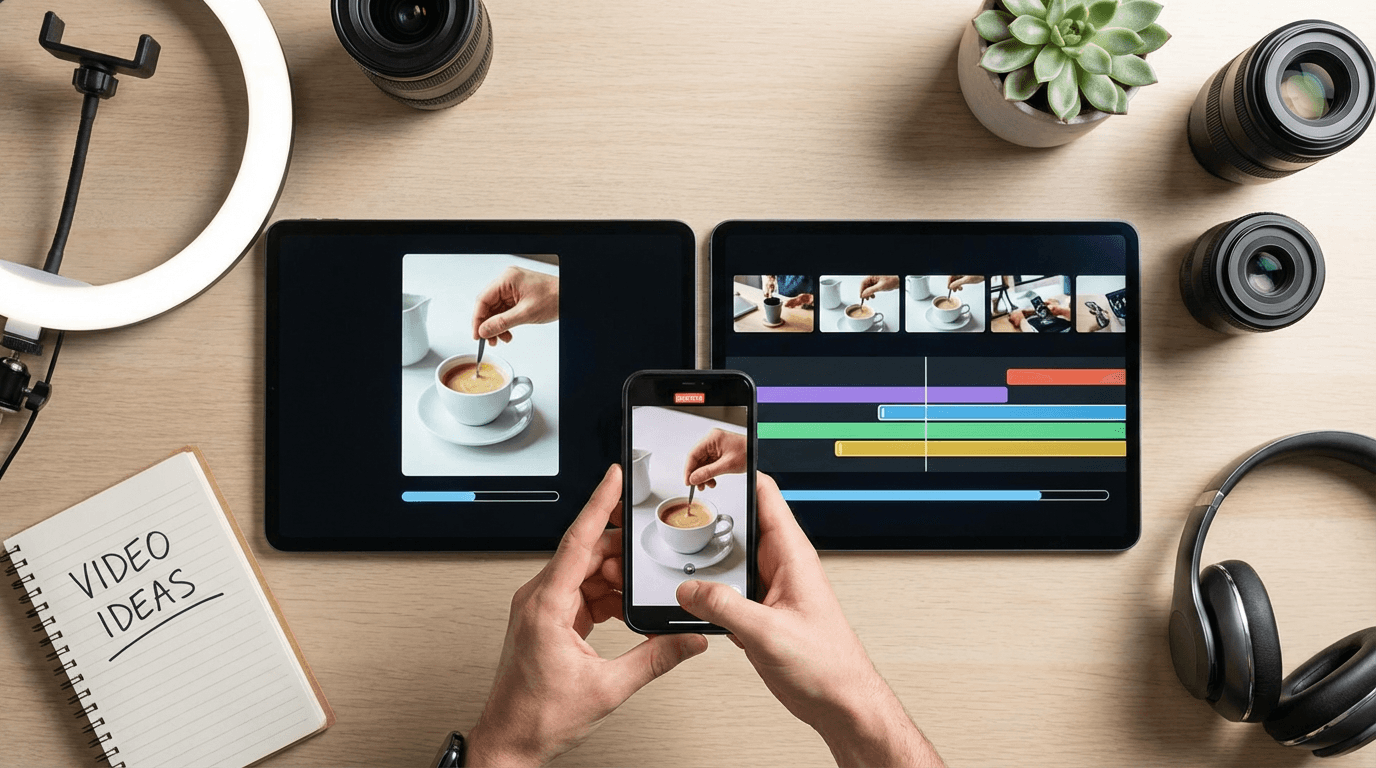
Learn when 3-minute Reels outperform short Reels in 2026, which formats deserve more time, and how to use longer Reels without hurting reach.
If you make Instagram Reels, one of the biggest mistakes in 2026 is assuming that shorter is always better.
That advice used to be safer. But now it is incomplete.
Instagram announced 3-minute Reels in January 2025, and Instagram Help now says creators can record and edit videos up to 3 minutes with Reels. At the same time, Instagram for Creators says videos recommended to unconnected audiences should be 3 minutes or less, which makes 3-minute Reels a real part of the discovery system rather than a side format.
That does not mean long Reels automatically beat short Reels.
It means creators now have a wider range to work with. In 2026, the better question is not “Should I always keep Reels short?” The better question is:
When does a longer Reel outperform a shorter one because the format actually needs more time?
That is what this guide is about.
You will learn:
- what changed with 3-minute Reels
- when longer Reels actually work better
- when short Reels still win
- the biggest mistakes creators make when stretching content
- practical frameworks for deciding Reel length
- copy-paste prompts to help plan longer Reels that still hold attention
If you want the broader short-form context first, start with The New Creator Stack: AI Shorts, Reels, TikTok, AI Shorts Formats That Go Viral in 2026, and YouTube Video Hooks 2026: Save the First 30 Seconds.
Why this matters more in 2026
The important shift is not just that Reels can be longer.
The important shift is that Instagram has added more creator tools around experimentation and production at the same time. Instagram announced 3-minute Reels together with Edits, its mobile video creation app, in January 2025, and officially launched Edits in April 2025. Instagram had also already launched Trial Reels in December 2024 so creators could share a Reel with non-followers first to see what performs best before sharing it more broadly.
That combination changes how creators should think about Reel length.
It is no longer just:
- make the shortest possible Reel
- hope it gets reach
- move on
Now it can be:
- test whether the idea needs 20 seconds, 45 seconds, or 2 minutes
- use Trial Reels to reduce risk
- produce more polished longer formats when the idea actually deserves it
- keep the length under 3 minutes if you want broader recommendation eligibility to unconnected audiences
That is a much more useful creative system.
A good official reference here is Instagram’s update on 3-minute Reels and Edits and its Creator FAQ.
What changed with 3-minute Reels
The core factual update is simple.
Instagram announced in January 2025 that creators can make 3-minute Reels, and Instagram Help says creators can record and edit videos up to 3 minutes inside Reels. Instagram’s Creator FAQ also says that Reels over 3 minutes are outside the recommendation guidance for unconnected audiences, while Reels that are 3 minutes or less can still be recommended more broadly.
That creates a practical middle ground.
A creator does not need to jump from a 15-second Reel straight to traditional long-form content.
Instead, there is now a bigger zone for:
- mini tutorials
- story-driven Reels
- longer comparisons
- behind-the-scenes breakdowns
- creator commentary with context
- product demos that need actual explanation
That is why 3-minute Reels matter.
They give creators room to explain more without leaving the Reels format.
What most creators misunderstand about longer Reels
Most creators hear “3-minute Reels” and immediately make one of two mistakes.
The first mistake is thinking longer automatically means deeper or better.
The second mistake is refusing to go longer because they assume short always wins.
Both are too simplistic.
A 20-second Reel can outperform a 2-minute Reel when the idea is simple, visual, and obvious. A 90-second or 2-minute Reel can outperform a 20-second Reel when the idea is too compressed to make sense at short length.
So the right rule is not “long” or “short.”
The right rule is:
Use the shortest length that still lets the idea fully land.
That is the real decision framework in 2026.
When longer Reels beat short Reels
This is the part creators actually care about.
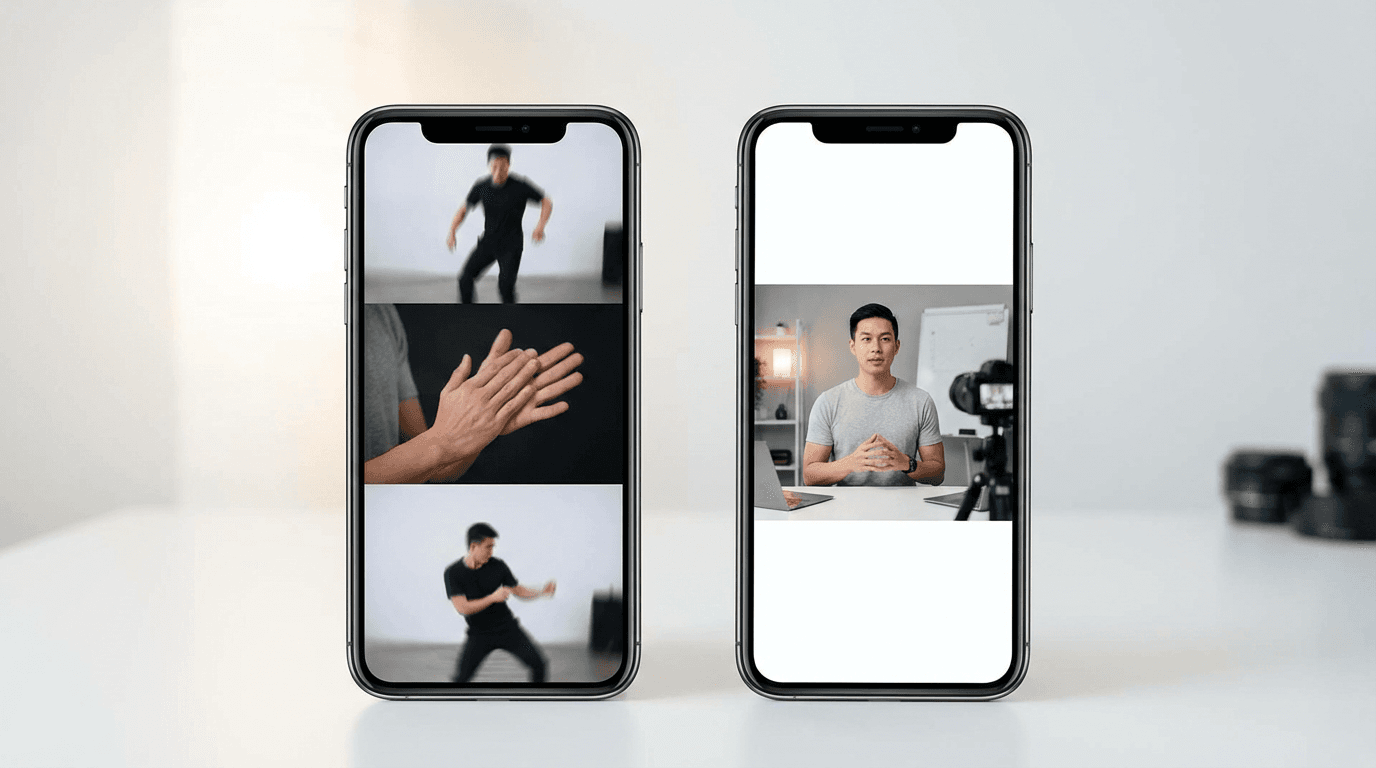
Here are the cases where longer Reels often beat shorter ones.
1. when the payoff needs setup
Some content is weak when rushed.
A story, transformation, before-and-after, or opinion piece often needs enough context for the payoff to matter. If you compress it too hard, viewers may understand the twist, but not care about it.
Longer Reels tend to win when the viewer needs:
- a clear beginning
- one or two tension points
- a stronger payoff at the end
Examples:
- room makeover or product transformation
- mini-storytime with a reveal
- creator journey update with real change
- before-vs-after process content
2. when the content teaches something
Educational Reels are one of the clearest cases where longer can win.
If the viewer is genuinely trying to learn something, 15 seconds is often too short unless the topic is extremely narrow.
Longer Reels usually work better for:
- step-by-step tutorials
- breakdowns
- tool comparisons
- “what to do instead” explanations
- common mistakes plus fixes
This is especially true when the Reel solves a real problem instead of just teasing one.
3. when the content is emotional or story-led
A short Reel can grab attention. A longer Reel can create investment.
That makes longer Reels stronger for:
- storytelling
- day-in-the-life narratives
- creator monologues with a clear point
- mini-vlogs with progression
- social commentary with a payoff
A story that needs pacing is often weaker when cut too short.
4. when the creator is selling clarity, not surprise
Short Reels are often built around:
- quick surprise
- one joke
- one visual trick
- one punchy tip
Longer Reels win when the value is not just surprise. They win when the viewer wants clarity.
Examples:
- product review
- travel recommendation
- local place guide
- tutorial
- “best for” comparisons
- myth vs reality
For cross-platform comparison thinking, Search-First YouTube Shorts in 2026: Formats That Win Google + YouTube Search is helpful because the same idea often applies: some ideas need more explanation to satisfy intent.
5. when the Reel is doing a mini long-form job
This is one of the most useful ways to think about 3-minute Reels.
A strong longer Reel is often not “a longer short.”
It is a compressed long-form video.
That means it can carry:
- a full concept
- a clear arc
- a real conclusion
- a strong reason to stay
That is where 90 seconds to 3 minutes often beats 15 to 30 seconds.
When short Reels still win
Longer Reels are useful, but short Reels still have major advantages.
Short Reels usually win when:
- the idea is instantly understandable
- the hook is the whole point
- the content is based on shock, humor, or fast visual contrast
- the viewer benefit can land in one sentence
- replay value matters more than depth
Examples:
- one visual transformation
- one-line creator joke
- one fast editing trick
- one quote or reaction moment
- trend format with a single punchline
- super-short list with rapid cuts
So the goal is not to replace short Reels.
It is to stop forcing short Reels onto ideas that need more room.
The 6 formats where 3-minute Reels are strongest
These are the formats I would prioritize for longer Reels in 2026.
1. mini tutorials
These are one of the best uses of extra time.
Examples:
- how to use a creator tool
- how to write better hooks
- how to edit one specific style
- how to fix one common content mistake
Why it works:
- viewers already want the answer
- explanation needs structure
- value goes up when steps are clearer
2. storytime with a real payoff
Not every story deserves 3 minutes.
But if the story includes tension, detail, and a meaningful payoff, longer usually works better than rushing to the ending.
3. comparison Reels
Examples:
- cheap vs expensive
- old workflow vs new workflow
- short Reel strategy vs long Reel strategy
- one app vs another app
Comparisons often need setup, criteria, and conclusion. That usually makes longer Reels stronger.
4. mini case studies
These work especially well for creators, business content, and educational niches.
Examples:
- what changed after switching formats
- why one campaign worked
- what caused a drop in views
- what happened after testing a new workflow
5. local guides and recommendations
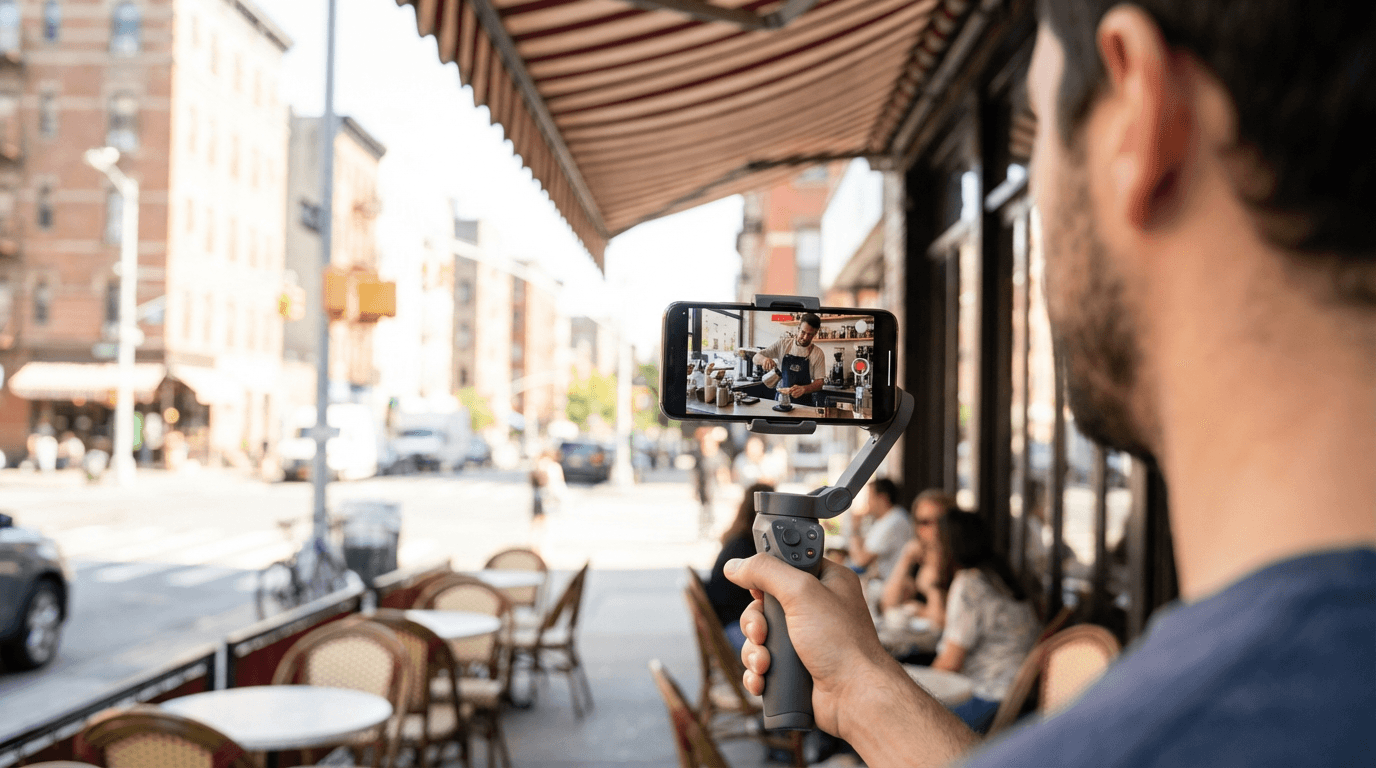
A 15-second Reel can show a place.
A 60 to 120 second Reel can make the place useful.
That is why longer Reels can be better for:
- neighborhood guides
- cafe roundups
- local business recommendations
- travel mini-guides
- “best place for” content
6. behind-the-scenes process Reels
These do well when viewers care about how something is made, not just the final result.
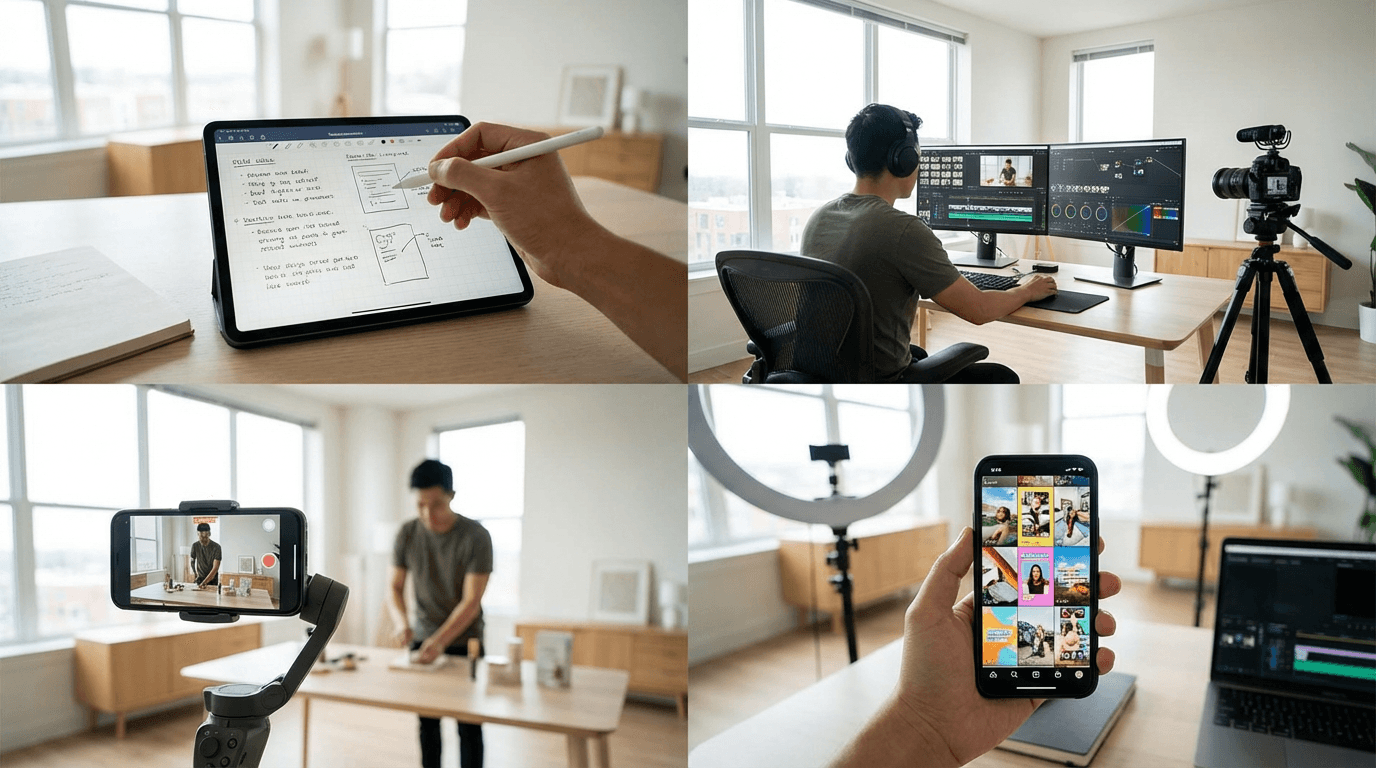
Examples:
- building a short-form video from idea to final post
- making a thumbnail
- creating music for a Reel
- editing a campaign asset
- planning a visual concept
If you like workflow-style content, From Prompt to Reel: Text2Shorts AI Shorts, How to Generate YouTube Thumbnails with AI, and AI Music Prompts for YouTube, Reels, TikTok are natural companion reads.
The biggest mistakes creators make with longer Reels
mistake 1: stretching weak ideas
This is the most common failure.
If the idea is only worth 15 seconds, making it 90 seconds does not make it deeper. It just makes it slower.
mistake 2: putting the hook too late
Longer Reels still need a fast start.
Instagram’s older creator guidance on recommendations emphasized making a good first impression and pulling viewers in within the first few seconds, and that logic still matters even if the Reel itself is longer. Instagram also continues to recommend Reels to unconnected audiences when they fit eligibility rules, including the 3-minute guidance.
So a longer Reel still needs:
- a strong first line
- clear subject
- immediate reason to care
mistake 3: confusing “more time” with “more clutter”
Just because you have more room does not mean you should add more side points.
A good longer Reel is usually still built around one clear idea.
mistake 4: not testing long ideas safely
This is where Trial Reels matters. Instagram introduced Trial Reels so creators can share Reels with non-followers first to see what performs best before deciding to share more broadly. That makes it one of the safest ways to test whether a longer format actually holds attention.
mistake 5: assuming longer means worse reach
That is too broad. Instagram’s current creator FAQ does not say “long Reels are bad.” It says Reels recommended to unconnected audiences should be 3 minutes or less. That means the practical limit is clear, but it does not automatically make a 90-second Reel worse than a 20-second Reel.
How to decide whether your Reel should be 20 seconds or 2 minutes
Use this simple framework.
Make it short when:
- the value lands instantly
- the hook is the whole video
- the joke or reveal does not need context
- replay value matters more than depth
Make it longer when:
- the viewer needs context to care
- there is a real step-by-step explanation
- you are telling a story with progression
- the comparison needs criteria and conclusion
- the payoff is weak without setup
Ask one useful question:
Would this idea get stronger or weaker if I remove 30 seconds?
If it gets stronger, shorten it.
If it falls apart, it probably needs the extra time.
A practical 3-minute Reels workflow
Longer Reels need a little more structure.
A useful creator workflow looks like this:
- choose one idea that actually deserves context
- write a first-second hook that states the problem or promise
- outline 3 to 5 beats, not 12 random points
- cut anything that does not increase clarity or payoff
- test the Reel as a Trial Reel if the format is new
- review what held attention and what dragged
- turn the same idea into a shorter cut if needed
This is where connected creation workflows help. If a creator is turning one idea into a script, scene plan, final Reel, supporting visuals, and soundtrack, it is much easier to test both a short and long version when everything lives in one browser-based stack. That is a natural place where Miraflow AI can fit for creators who want to turn one concept into multiple short-form outputs faster, which matches the workflow rules you provided for these blog posts
Instagram also positioned Edits as a mobile video creation app to help creators make videos on their phones, which fits this more deliberate production workflow around longer Reels.
For adjacent strategy, AI Prompts for YouTube Titles That Rank and Convert in 2026, Best AI Prompts for YouTube Thumbnails 2026, and Consistent YouTube Thumbnail Style with AI are useful if you also want matching packaging ideas across platforms.
Copy-paste prompt pack for 3-minute Reels
prompt-1-short-vs-long-decision
Short description: Decide whether the idea should stay short or become a longer Reel.
Prompt
I have this Reel idea: [insert idea]
Help me decide whether it should be:
- under 20 seconds
- 20 to 45 seconds
- 45 to 90 seconds
- 90 seconds to 3 minutes
Check for:
- how much setup the idea needs
- whether the payoff is immediate or delayed
- whether the video teaches, compares, or tells a story
- whether extra time would add clarity or just filler
Then give me the best recommended length and explain why.
prompt-2-longer-reel-structure
Short description: Turn one idea into a longer Reel with a strong arc.
Prompt
Write a structure for a 3-minute Instagram Reel about this topic: [insert topic]
Rules:
- strong first-second hook
- one clear promise
- 3 to 5 beats only
- no filler
- end with a clear payoff or takeaway
Also give me:
- one alternate shorter 30-second version
- one alternate 60-second version
- one line that would work as the opening caption
prompt-3-mini-tutorial-reel
Short description: Build a longer tutorial Reel that actually holds attention.
Prompt
Create a 90-second to 3-minute Instagram Reel script for this tutorial topic: [insert topic]
Make it:
- easy to follow
- practical
- visually clear
- paced for retention
Use this structure:
- problem
- what most people do wrong
- the better method
- the result or takeaway
Then give me:
- shot ideas
- on-screen text ideas
- one stronger hook version
prompt-4-storytime-reel
Short description: Turn a story into a Reel that deserves more time.

Prompt
Write a story-driven Instagram Reel outline for this story: [insert story]
Goal:
make the story strong enough for a 60-second to 3-minute Reel
Include:
- first-second hook
- setup
- tension point
- turning point
- payoff
- closing line
Then tell me which parts could be cut if I wanted a 30-second version.
prompt-5-trial-reel-test-plan
Short description: Use Trial Reels to test a longer format safely.

Prompt
I want to test a longer Instagram Reel using Trial Reels.
Topic: [insert topic]
Audience: [insert audience]
Create:
- 3 different hook options
- 2 different pacing options
- 2 caption angles
- 1 checklist for deciding whether the longer version is worth publishing more broadly
Make the checklist focused on:
- clarity
- retention risk
- payoff strength
- whether the idea actually needed more time
What to watch after publishing a longer Reel
Do not just ask, “Did it get views?”
A better question is:
Did the extra time make the idea stronger?
Look for:
- whether the hook made the topic obvious fast
- whether the middle stayed focused
- whether the ending felt worth the time
- whether the longer version outperformed the compressed version
- whether viewers seemed to want explanation, not just fast entertainment
That is the real test.
Longer Reels win when the added time increases clarity, investment, and payoff.
They lose when the added time only increases drag.
Two official links
Instagram’s update on 3-minute Reels and Edits is the clearest official reference for the format expansion, and Instagram’s Creator FAQ is the most useful reference for the recommendation guidance that Reels recommended to unconnected audiences should be 3 minutes or less.
If you want to test longer content with lower risk, Instagram’s official page on Trial Reels is the other one worth bookmarking.
Conclusion
3-minute Reels did not make short Reels obsolete.
They made creators’ decisions more interesting.
In 2026, short Reels still win when the idea is fast, visual, and instantly understandable. But longer Reels can beat short Reels when the idea needs setup, explanation, emotion, or a real payoff. Instagram’s own current guidance makes the practical boundary clear: creators can record and edit Reels up to 3 minutes, and Reels recommended to unconnected audiences should be 3 minutes or less.
So the goal is not to make everything longer.
The goal is to stop cutting strong ideas too short.
That is how longer Reels start winning.
FAQ
Can Instagram Reels be 3 minutes long in 2026?
Yes. Instagram announced 3-minute Reels in January 2025, and Instagram Help says creators can record and edit videos up to 3 minutes with Reels.
Will Instagram recommend longer Reels?
Instagram’s Creator FAQ says videos recommended to unconnected audiences should be 3 minutes or less. That means longer Reels can still fit recommendation guidance as long as they stay within that limit.
Are 3-minute Reels always better than short Reels?
No. Longer Reels are better when the idea needs setup, explanation, story progression, or a real payoff. Short Reels still work better when the concept is instant, visual, or joke-driven.
What kinds of content work best as longer Reels?
Longer Reels are usually stronger for tutorials, storytime content, comparisons, mini case studies, local guides, and behind-the-scenes process content.
Should I test longer Reels before posting them widely?
Yes, that is a smart approach. Instagram introduced Trial Reels so creators can share a Reel with non-followers first and see what performs best before deciding whether to share it more broadly.
What tool did Instagram launch alongside 3-minute Reels?
Instagram announced 3-minute Reels together with Edits in January 2025, and officially launched Edits in April 2025 as a mobile video creation app for creators.
What is the biggest mistake with longer Reels?
The biggest mistake is stretching an idea that does not deserve more time. A longer Reel only wins when the extra time increases clarity, payoff, or emotional investment.