18 'Roast Me' AI Caricature Prompts for the Brutal Honesty Trend (2026)

Written by
Aerin Kim
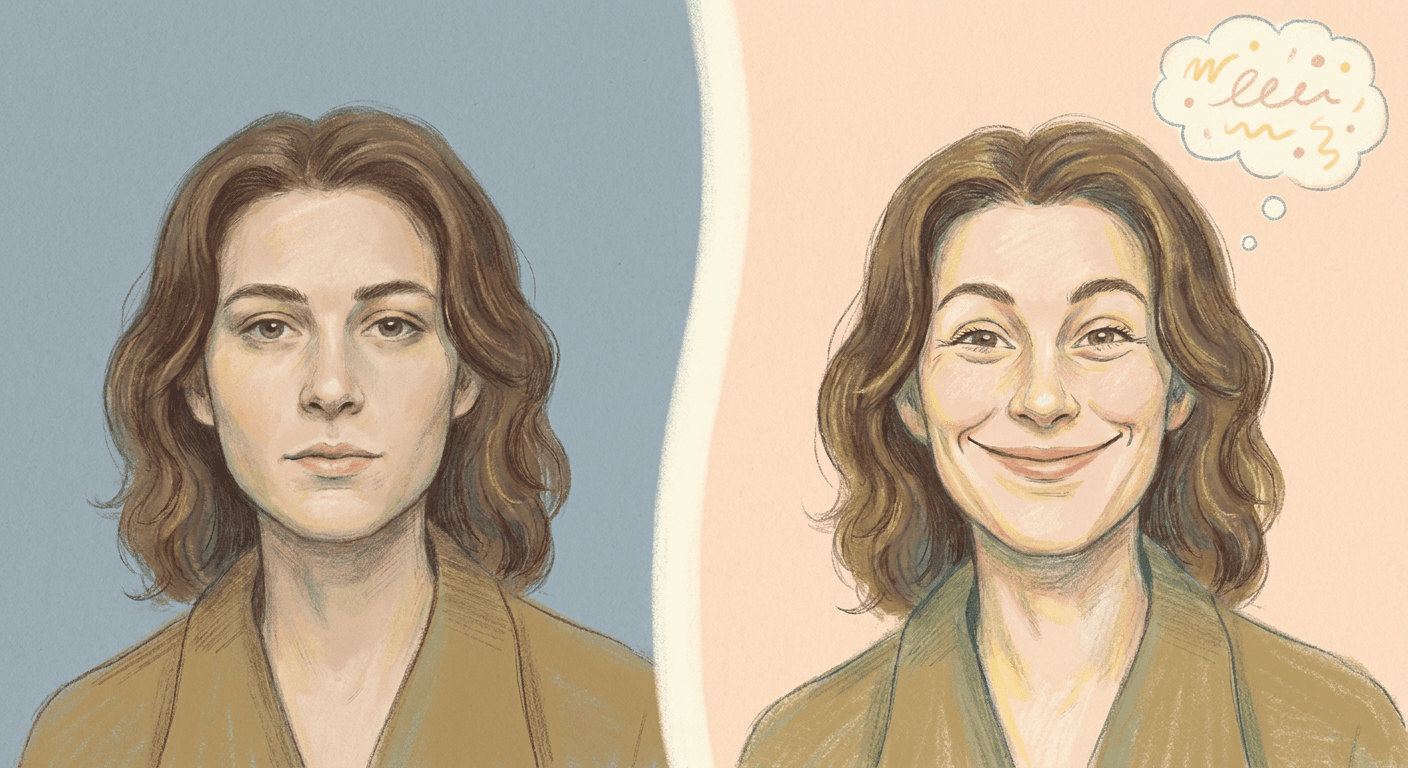
The AI caricature trend went brutal. 18 copy-paste prompts for exaggerated speech-bubble roast caricatures, personality roasts, workplace versions, and gentle variants, built to preserve the real face underneath.
If you have opened TikTok, X, or Facebook at any point in the last few weeks, you have probably seen someone post a plain selfie next to an exaggerated, wildly unflattering cartoon version of themselves, complete with a speech bubble delivering a one-liner that is somehow both hilarious and a little too accurate. The caption is usually some version of "I asked AI to roast me" or "it did not have to go this hard." Underneath the joke is a specific, describable mechanic: upload a photo, ask an AI image tool to turn it into a caricature, and instead of the flattering "make me look cool" treatment most caricature apps default to, ask it to be savage about it.
This is the "Roast Me" variant of the AI caricature trend, and it did not appear out of nowhere. The broader caricature format exploded in February 2026, when people started asking ChatGPT to "create a caricature of me based on everything you know about me," feeding the model a photo plus months of accumulated chat context so it could work personal details, running jokes, and inside references into the illustration. That original version leaned flattering or at worst gently teasing. The roast variant, which has kept gaining ground through August and into September 2026, flips the tone on purpose. Instead of a nice caricature, the ask is explicitly for brutal honesty, either as a visual gag (an exaggerated caricature with a savage speech bubble) or as a pure text version where someone pastes their own chat history and asks the assistant to "roast my personality in 3 sentences, be brutal," based on nothing but how they actually talk to it.
Both versions are doing well right now for the same reason: personalized humor that feels earned rather than generic is much harder to scroll past than a stock joke. A caricature built from a real photo and, in the personality-roast version, a real conversation history, lands differently than a meme template everyone has already seen a hundred times, and that specificity is exactly what keeps people commenting "how did it know" under a stranger's post.
This post is a prompt pack, not a trend explainer padded out to hit a word count. Below are 18 copy-paste prompts for the visual, image-based side of this trend, grouped by roast style, from classic exaggerated-feature caricatures through speech-bubble one-liners, personality-based roasts, workplace-specific versions, and gentler variants for people who want the format without the full savagery. Every single one is written as an image-to-image prompt built from a real uploaded photo, with an explicit instruction to keep that person's actual face, skin tone, and identity recognizable while only the caricature exaggeration and the joke change.
Why This Works Inside Miraflow
A roast caricature is not really a "generate a new picture of a person" task, it is an edit-and-exaggerate task. You are starting from a real photo of a real person and asking the model to stretch specific features, the smile, the eyes, the posture, while keeping enough of the original face intact that anyone who knows the person immediately recognizes them. That is precisely the job Miraflow's AI Image Generator is built for, since it supports image-to-image editing on top of an uploaded reference photo rather than only generating a face from a text description and hoping it resembles the actual person.
That distinction is the difference between a caricature that gets shared because it is recognizably them, and a caricature that just looks like a random illustrated stranger wearing the same shirt. A text-only prompt like "cartoon caricature of a tired office worker" has no idea what the actual person looks like. An image-to-image prompt that references the uploaded photo directly and explicitly locks the face, skin tone, and identity keeps the joke personal, which is the entire reason this trend spreads. Nobody laughs as hard at a caricature of a stranger. They laugh at a caricature of themselves, or of a friend they can immediately identify from three feet away.
Every prompt in this pack follows that same structure on purpose: describe the reference photo, lock the identity, then apply one very specific, very deliberate exaggeration and one savage line. That structure is also what keeps the format from sliding into something that looks like an entirely different, unrelated cartoon person wearing a costume of the original photo's clothes, which is the single most common failure mode when people try this trend without thinking about identity preservation at all.
Why the Roast Variant Took Over the Original Caricature Trend
The original "caricature of me based on everything you know about me" trend worked because ChatGPT's memory feature let it pull in real, specific details, a job, a hobby, a running joke, a recent complaint, and fold them into a single illustrated image. That novelty alone was enough to make it spread in February 2026. But a flattering or neutral caricature has a ceiling on how shareable it is. It is nice. Nice does not always get screenshotted and reposted with a caption.
Brutal honesty does. The roast variant works on the same underlying mechanic, a photo plus accumulated context about the person, but asks for the opposite emotional target. Instead of "make this look cool," the prompt is closer to "say the mean thing everyone already thinks but is too polite to say out loud, and make it funny." That specific combination, real personalization plus permission to be savage, is a much stronger hook for engagement than either ingredient alone. A generic insult is not funny because it could apply to anyone. A generic caricature is not funny because it is not personal enough to sting. Put the two together on top of a real photo, and you get a joke that only works on this exact person, which is exactly why "how does it know" is the most common comment under this style of post.
The personality-roast version, where someone pastes their own chat history and asks for a brutal three-sentence read, works on the identical logic without any image at all. A chatbot that has spent months absorbing how someone phrases requests, what they complain about repeatedly, which topics they keep circling back to, has genuinely different material to work with than a stranger sizing someone up in thirty seconds. TechRadar's own writeup of trying this described the model finding "exactly where to aim" based on nothing but accumulated conversation patterns, which is a meaningfully different, more personal kind of roast than a canned insult generator could ever produce.
Both versions have kept mutating since February. By late August and into September 2026, the visual roast caricature has branched into workplace-specific versions (roast my job, roast my LinkedIn energy), friend-group versions (roast my group chat persona), and gentler, non-savage takes for people who want the exaggerated illustration format without the actual insult attached. This pack covers all of those branches, not just the original savage version.
How the Roast Caricature Mechanic Actually Works
Before getting into the prompt groups themselves, it helps to separate the two distinct things this trend actually asks an AI tool to do, since they require different techniques and different tools.
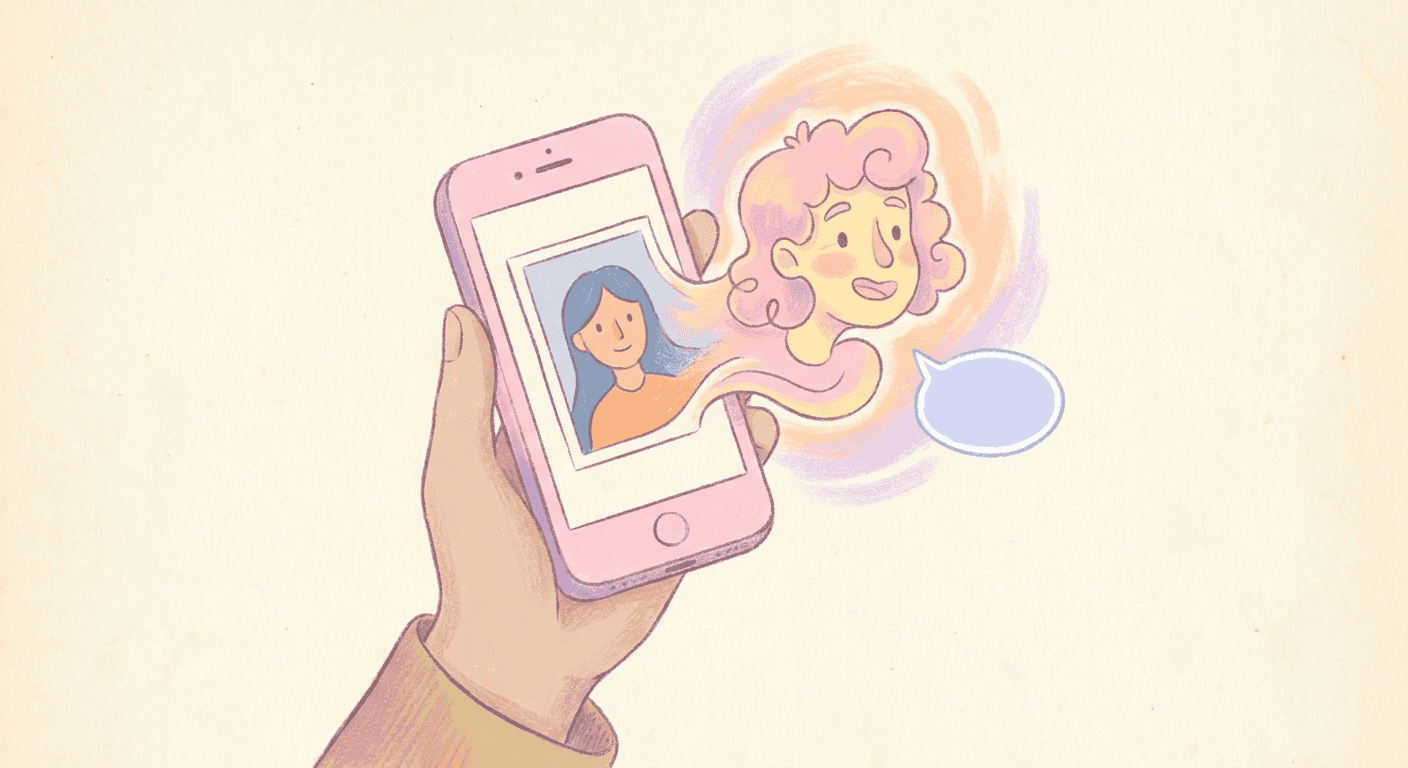
The visual caricature roast. This is an image-editing task. A reference photo goes in, an exaggerated illustrated version comes out, usually with a hand-lettered speech bubble carrying the joke. The exaggeration has to be deliberate and specific, a bigger smile, wider eyes, an exaggerated posture, rather than a vague "make it cartoonish" instruction, which tends to produce a generic cartoon face that has lost the original person's actual features somewhere in translation. This is the half of the trend that this prompt pack is built for.
The text-based personality roast. This is a conversational task, not an image task. Someone opens a chat with an AI assistant, either pastes in a chunk of their own message history or simply asks the assistant to draw on everything it remembers about them, and requests something like "roast my personality in three sentences, be brutal." There is no image involved at all, and no prompt pack really applies here beyond the phrasing of the ask itself, since the actual roast content depends entirely on what that specific person has said to that specific assistant over time. Where this pack picks that variant up is in translating the resulting text roast into a visual caricature afterward, which is exactly what the "Personality-Based Roasts Translated Into a Visual Caricature" group below is built for: take the theme of a text roast (an overthinker, a chronic procrastinator, a backseat driver) and turn it into an illustrated caricature with that specific trait exaggerated.
The actual production workflow for the visual side looks like this, whichever specific prompt from this pack you use:
- Start with a clear, front-facing or three-quarter photo, well lit, without heavy filters. Caricature exaggeration amplifies whatever is already visible in the source photo, so a blurry or oddly angled reference tends to produce a caricature that drifts further from the real face than intended.
- Decide on the specific exaggeration first, not the joke. A caricature built around one clear physical exaggeration, an oversized grin, saucer-wide eyes, an exaggerated confident strut, reads as intentional and funny. A caricature that tries to exaggerate everything at once tends to just look distorted rather than deliberately comic.
- Write or pick the one-liner second, and keep it short. A speech-bubble line longer than roughly ten to twelve words gets visually cramped inside a bubble and stops reading as a punchy roast, closer to a paragraph nobody wants to read on a small phone screen.
- Generate a few variations. Caricature exaggeration is stylistically flexible enough that the same prompt can land very differently between attempts, and it is worth generating two or three versions before picking the one where the identity lock actually held and the joke lands cleanly.
One structural choice worth naming up front: every prompt in this pack renders the caricature as an illustration rather than attempting a photoreal distortion of a real face. That is a deliberate decision, not a stylistic default. Rendering an exaggerated, deliberately unflattering treatment of someone's actual photographed face in photoreal style edges toward something that can look like it is mocking or deforming a real identity in a way that reads as mean rather than funny, and it also risks the result being mistaken for an actual, unedited photo of the person if it circulates without context. An illustrated caricature signals clearly, at a glance, that this is a stylized joke and not a real photo, while still keeping the person's actual features recognizable enough for the joke to land. That is the same reason editorial caricature has always been drawn rather than photographed, and it is a genuinely safer, more appropriate treatment for a trend whose whole premise is exaggerating someone's real face for a laugh.
1) Classic Exaggerated-Feature Caricature Roasts
These four prompts cover the foundational caricature moves, the ones editorial caricature artists have used for decades, translated into an AI image-to-image prompt built from a real photo. Each one exaggerates exactly one physical dimension rather than distorting the whole face at once, which is what keeps the person recognizable and keeps the joke landing on a specific, legible feature instead of a blurry mess.
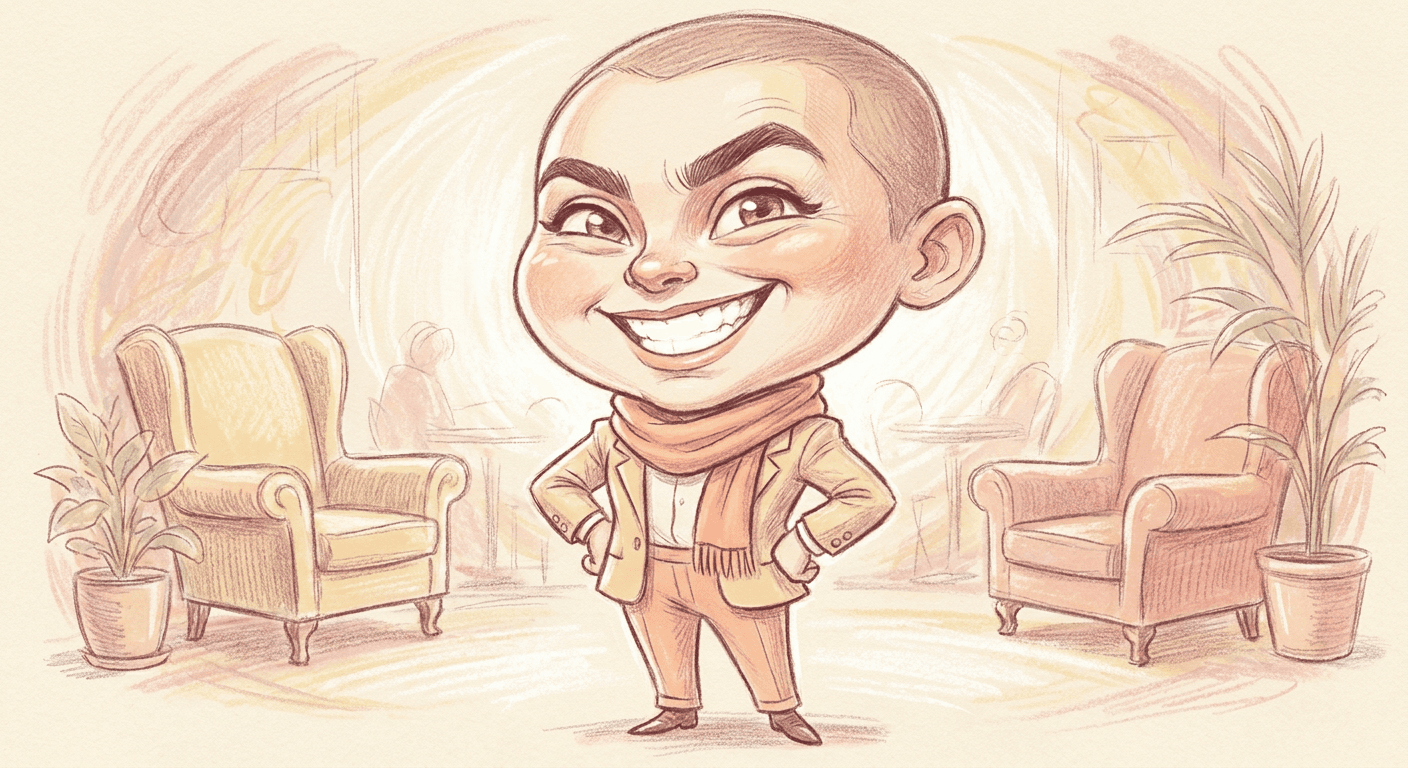
Prompt 1: Oversized head, tiny body classic caricature
Using the reference photo, keep this person's real face, skin tone, and identity clearly recognizable, and render them as a pastel editorial illustration caricature with a noticeably oversized head sitting on a small, proportionally shrunken body, standing in a confident three-quarter pose. Keep the real hairstyle, eye color, and expression style from the photo, only exaggerate the head-to-body proportion. Soft pastel shading, clean illustrated linework, plain neutral background, no added text.
Prompt 2: Exaggerated wide grin caricature
Using the reference photo, keep this person's real face, skin tone, and identity clearly recognizable, and render them as a pastel editorial illustration caricature with one exaggerated feature only, an unnaturally wide, toothy grin stretching further than a natural smile would, while every other feature, eye shape, nose, hairstyle, and skin tone, stays true to the original photo. Soft pastel color palette, gentle shading, plain background, no added text.
Prompt 3: Giant expressive eyes caricature
Using the reference photo, keep this person's real face, skin tone, and identity clearly recognizable, and render them as a pastel editorial illustration caricature with dramatically oversized, wide-open eyes taking up an exaggerated portion of the face, giving a comically alert or startled expression, while the rest of the features, hairstyle, mouth shape, and skin tone, remain faithful to the original photo. Soft pastel shading, clean illustrated linework, plain background, no added text.
Prompt 4: Puffed-up "main character" confidence caricature
Using the reference photo, keep this person's real face, skin tone, and identity clearly recognizable, and render them as a pastel editorial illustration caricature exaggerating posture and confidence rather than facial features, chest puffed out, chin raised, one hand on hip in an oversized main-character strut pose, with the actual face, hairstyle, and skin tone kept faithful to the original photo. Soft pastel color palette, gentle shading, plain background, no added text.
2) Speech-Bubble One-Liner Roast Prompts
This is the group that actually carries most of this trend's virality. The caricature exaggeration in these four prompts is intentionally lighter and more universal than group one, because the joke itself is doing most of the work through a hand-lettered speech bubble delivering a specific, savage-but-funny observation. Each prompt targets a genuinely common, instantly recognizable personal habit, which is exactly the kind of joke that gets a comment section filling up with "this is literally me."
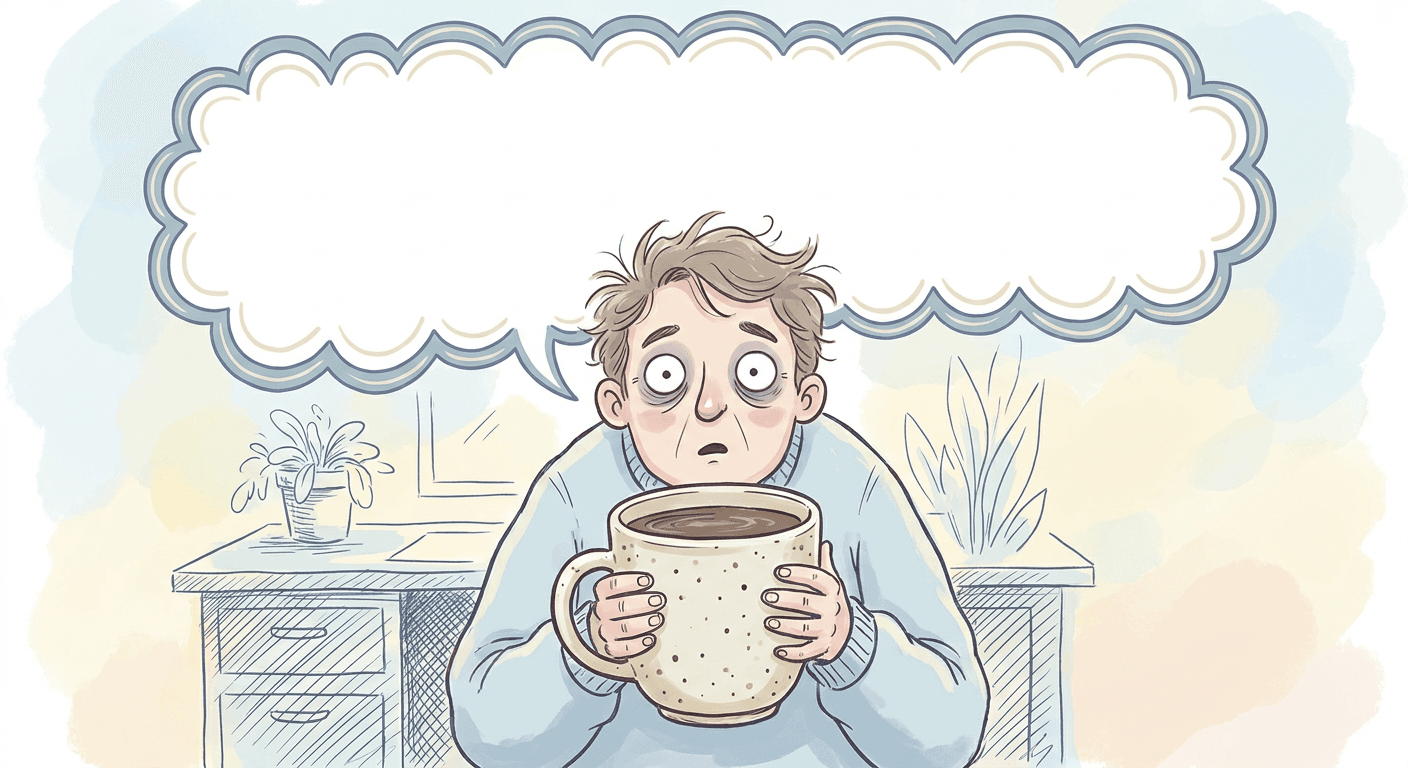
Prompt 5: Caffeine-dependent morning roast
Using the reference photo, keep this person's real face, skin tone, and identity clearly recognizable, and render them as a pastel editorial illustration caricature with exaggerated tired, heavy-lidded eyes and pronounced under-eye shadows, clutching an oversized illustrated coffee mug in both hands with a slightly manic alert expression. Add a hand-lettered comic-style speech bubble above their head reading: You have replaced blood with espresso and I respect the commitment. Soft pastel palette, gentle shading, plain background.
Prompt 6: Chronically online, phone-glued roast
Using the reference photo, keep this person's real face, skin tone, and identity clearly recognizable, and render them as a pastel editorial illustration caricature holding an oversized illustrated phone practically glued to one hand, neck exaggerated into a slight forward hunch, eyes fixed downward at the screen with an unnaturally intense focus. Add a hand-lettered comic-style speech bubble above their head reading: I said five more minutes four hours ago. Soft pastel palette, gentle shading, plain background.
Prompt 7: Deadline procrastinator roast
Using the reference photo, keep this person's real face, skin tone, and identity clearly recognizable, and render them as a pastel editorial illustration caricature surrounded by a small pile of illustrated sticky notes and a clock with exaggerated wide, panicked eyes and messy hair, sitting at a desk in an exaggerated last-minute scramble pose. Add a hand-lettered comic-style speech bubble above their head reading: I work best under pressure I invented five minutes ago. Soft pastel palette, gentle shading, plain background.
Prompt 8: Overposting gym-selfie roast
Using the reference photo, keep this person's real face, skin tone, and identity clearly recognizable, and render them as a pastel editorial illustration caricature mid-flex in front of an illustrated gym mirror, exaggerated proud smirk and puffed-up shoulders, holding a phone up for a selfie. Add a hand-lettered comic-style speech bubble above their head reading: One gym selfie a day keeps the actual workout away. Soft pastel palette, gentle shading, plain background.
3) Personality-Based Roasts Translated Into a Visual Caricature
This group is built specifically for the crossover moment between the two versions of this trend, when someone has already gotten a brutal text-based personality roast out of a chatbot (built from their own chat history or general context) and wants to turn the theme of that roast into a visual caricature instead of just posting the text. Rather than trying to encode an entire personal chat history into an image prompt, which a photo-editing tool cannot actually read anyway, each of these four prompts targets one specific, universally recognizable personality archetype that AI personality roasts land on constantly, the overthinker, the binge-watcher, the unsolicited-advice-giver, and the eternal "starting Monday" planner, and asks for a caricature built around that trait specifically.
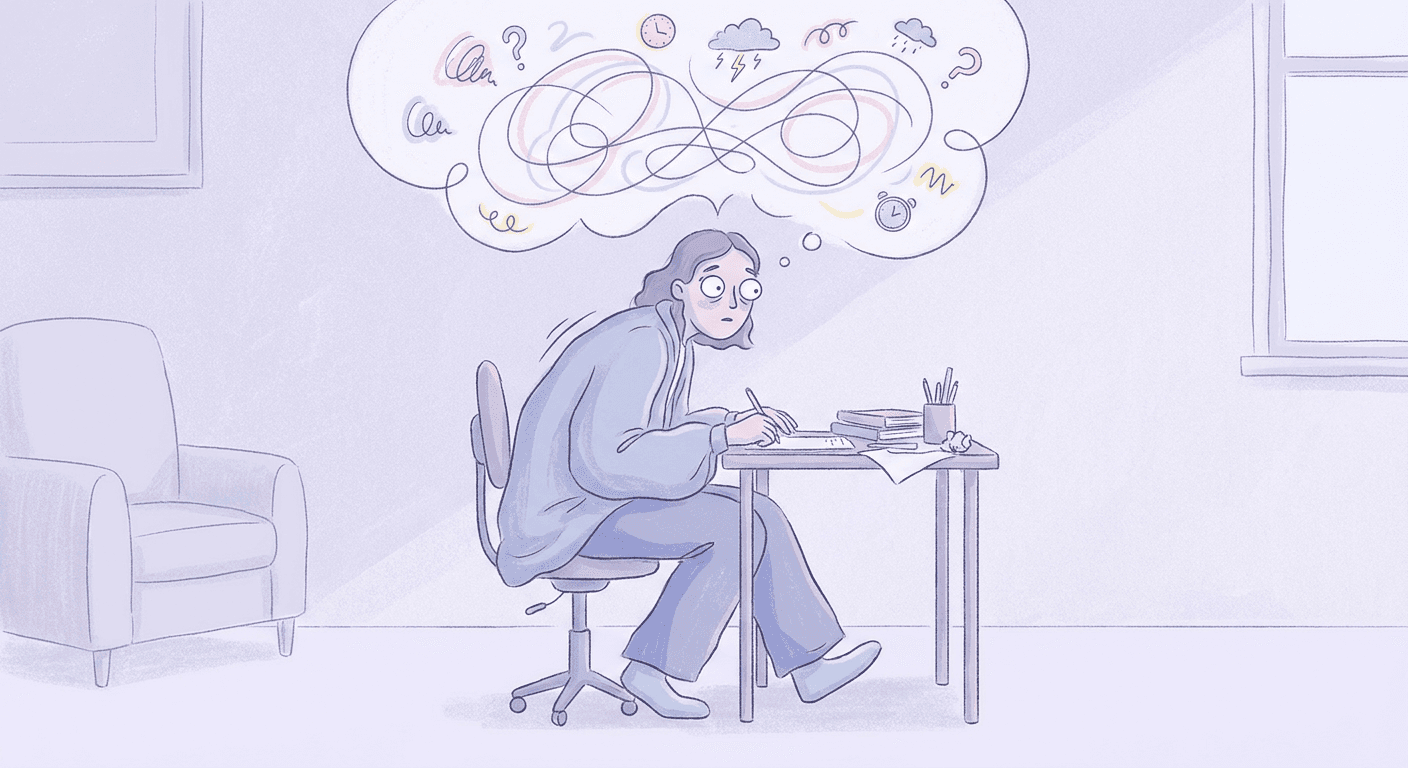
Prompt 9: Overthinker spiral caricature
Using the reference photo, keep this person's real face, skin tone, and identity clearly recognizable, and render them as a pastel editorial illustration caricature with wide, slightly darting exaggerated eyes and a tense, hunched posture, a swirling illustrated thought bubble above their head filled with soft tangled scribble lines rather than legible text, representing a spiral of overthinking. Add a small hand-lettered speech bubble beside them reading: It has been six hours and I am still rewriting that one text. Soft pastel palette, gentle shading, plain background.
Prompt 10: "Just one more episode" binge-watcher caricature
Using the reference photo, keep this person's real face, skin tone, and identity clearly recognizable, and render them as a pastel editorial illustration caricature slumped comfortably under an illustrated blanket, eyes exaggeratedly heavy but still wide open and fixed forward, a faint illustrated glow from an unseen screen lighting their face. Add a hand-lettered comic-style speech bubble above their head reading: Just one more episode said every version of me since 2019. Soft pastel palette, gentle shading, plain background.
Prompt 11: Unsolicited-advice backseat-driver caricature
Using the reference photo, keep this person's real face, skin tone, and identity clearly recognizable, and render them as a pastel editorial illustration caricature with an exaggerated raised eyebrow and a single pointed finger extended outward mid-lecture, chin tilted up in an exaggerated know-it-all posture. Add a hand-lettered comic-style speech bubble above their head reading: Actually, if you had just done it my way the first time. Soft pastel palette, gentle shading, plain background.
Prompt 12: Eternal "I'll start Monday" planner caricature
Using the reference photo, keep this person's real face, skin tone, and identity clearly recognizable, and render them as a pastel editorial illustration caricature standing confidently next to an illustrated wall calendar with a circled date, exaggerated determined expression and a fist raised in resolve. Add a hand-lettered comic-style speech bubble above their head reading: New week, new me, ask me again next Monday. Soft pastel palette, gentle shading, plain background.
4) Workplace and Job Roast Caricatures
The workplace-specific branch of this trend has grown fast since the original February wave, largely on LinkedIn and X, where roasting your own job or your own work habits reads as self-aware rather than unprofessional, as long as the target is a genuinely relatable habit rather than anything that names a real coworker or employer. These three prompts cover the most common workplace roast angles circulating right now.
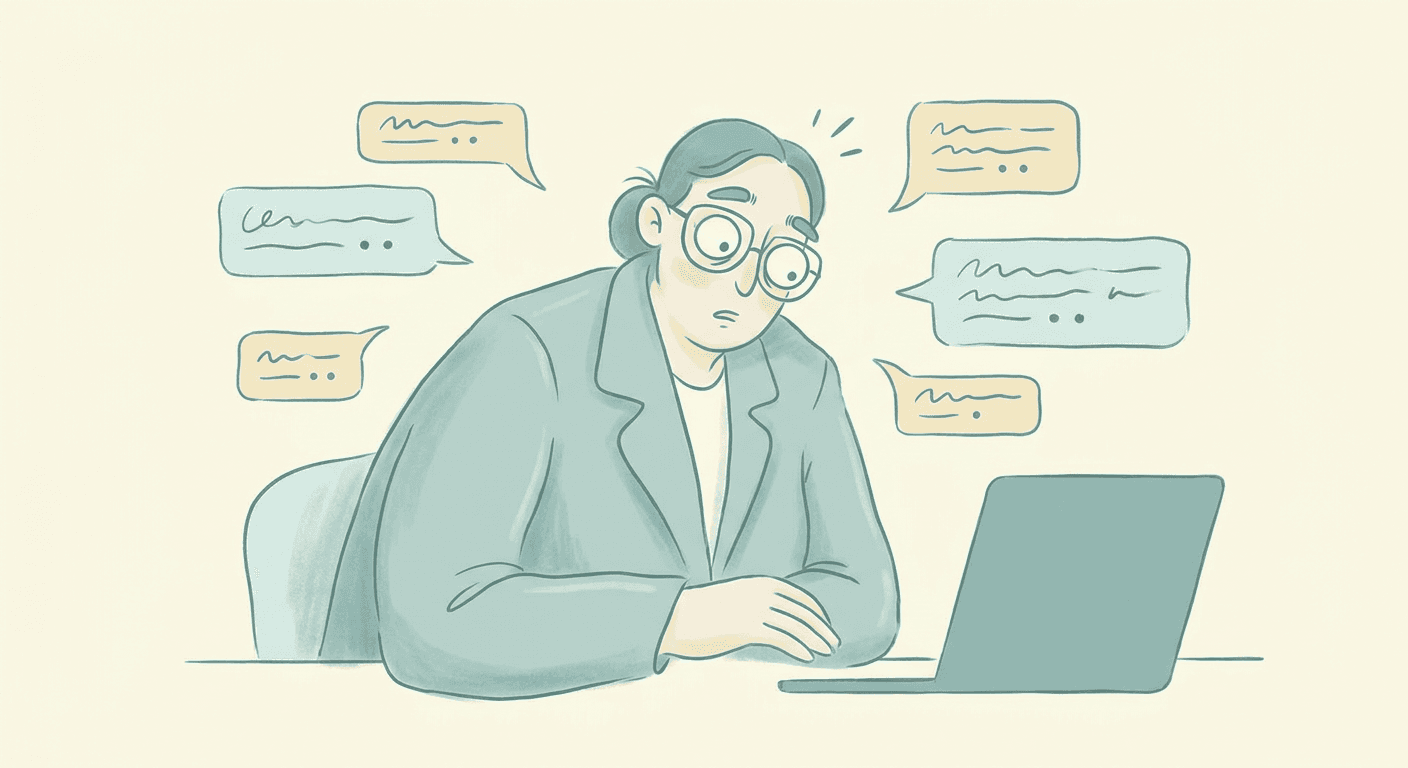
Prompt 13: Reply-all email menace caricature
Using the reference photo, keep this person's real face, skin tone, and identity clearly recognizable, and render them as a pastel editorial illustration caricature seated at a desk in front of a simplified illustrated laptop, several small stylized email notification bubble shapes floating around their head, an exaggerated proud smirk on their face. Add a hand-lettered comic-style speech bubble above their head reading: I hit reply all and I have never once regretted it. Soft pastel palette, gentle shading, plain neutral office background, no legible text or logos anywhere in the image.
Prompt 14: "This meeting could have been an email" caricature
Using the reference photo, keep this person's real face, skin tone, and identity clearly recognizable, and render them as a pastel editorial illustration caricature sitting at a conference table with an exaggerated glazed, half-closed-eyes expression, chin propped on one hand, a small illustrated clock in the background showing far too much time has passed. Add a hand-lettered comic-style speech bubble above their head reading: This meeting could have absolutely been an email. Soft pastel palette, gentle shading, plain neutral office background, no legible text or logos.
Prompt 15: Hustle-culture LinkedIn founder caricature
Using the reference photo, keep this person's real face, skin tone, and identity clearly recognizable, and render them as a pastel editorial illustration caricature standing in an exaggerated power pose with an oversized illustrated coffee cup in one hand and a phone in the other, chest puffed and eyes wide with manic enthusiasm. Add a hand-lettered comic-style speech bubble above their head reading: I do not have a work-life balance, I have a work-life blend nobody asked for. Soft pastel palette, gentle shading, plain background, no legible text or logos.
5) Gentle and Friendly Roast Variants
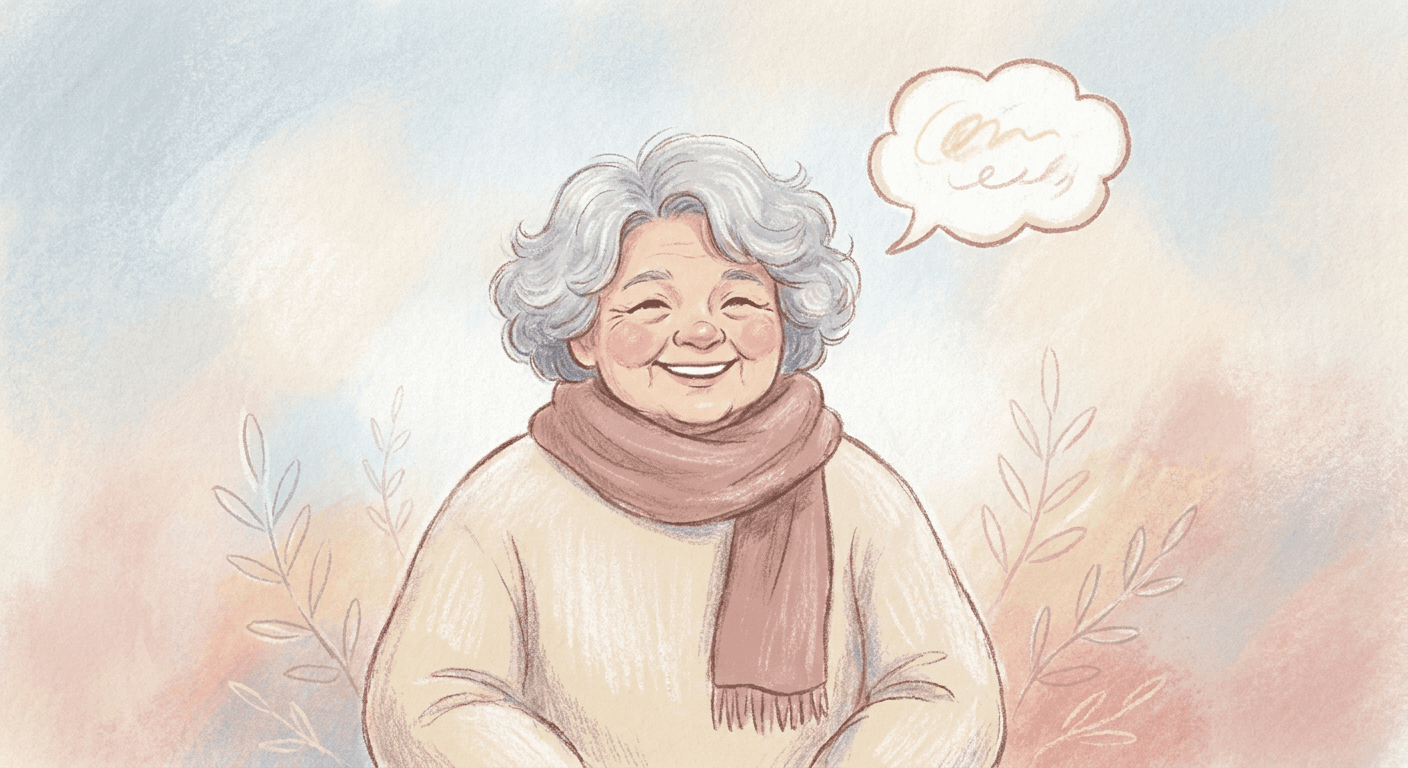
Not everyone wants the fully savage version, and a meaningful share of this trend's volume right now is actually the softer branch of it, an exaggerated, funny caricature with an affectionate, teasing one-liner rather than an actually brutal one. This is also the safer default for roasting a friend rather than yourself, since a genuinely mean caricature of someone else tends to land very differently than a self-deprecating one of your own habits. These three prompts keep the same exaggerated-caricature format while dialing the tone from savage down to playful.
Prompt 16: Wholesome over-organizer caricature
Using the reference photo, keep this person's real face, skin tone, and identity clearly recognizable, and render them as a gentle pastel editorial illustration caricature with softer, warmer exaggeration than a savage roast, straightening an illustrated stack of perfectly aligned books or folders with a satisfied smile. Add a small hand-lettered speech bubble above their head with a friendly, affectionate tone reading: It is not a control issue, the label just needed to face forward. Soft warm pastel palette, gentle shading, plain background.
Prompt 17: Lovable mess caricature
Using the reference photo, keep this person's real face, skin tone, and identity clearly recognizable, and render them as a gentle pastel editorial illustration caricature surrounded by a few small illustrated scattered items, an open bag, a mismatched sock, a dropped paper, with a warm sheepish grin rather than embarrassment. Add a small hand-lettered speech bubble above their head with a friendly, affectionate tone reading: Organized chaos is still technically organized. Soft warm pastel palette, gentle shading, plain background.
Prompt 18: Friend-group nickname caricature
Using the reference photo, keep this person's real face, skin tone, and identity clearly recognizable, and render them as a gentle pastel editorial illustration caricature in a warm, playful pose that reflects a lighthearted, affectionate group nickname rather than a savage roast, a relaxed genuine smile and easygoing posture. Add a small hand-lettered speech bubble above their head with a warm, teasing tone reading: Yes I am always late, and yes you all still wait for me. Soft warm pastel palette, gentle shading, plain background.
How to Customize These Prompts
Every prompt above follows the same underlying formula: describe the reference photo, lock the person's real face, skin tone, and identity, apply exactly one deliberate physical exaggeration, and attach one short, specific speech-bubble line. That structure is what keeps a result funny and recognizable rather than distorted and generic, so it is worth understanding why each piece matters before changing anything.
Swap the one-liner for something that is actually true about the person. The single biggest lever in this entire trend is specificity, not savagery. "You check your phone forty times before you have even gotten out of bed" lands harder than "you're addicted to your phone" because it is a concrete, plausible detail rather than a generic accusation. Before generating any prompt from this pack, spend ten seconds swapping the placeholder line for something that is actually, specifically true about the person being roasted. That is the entire difference between a caricature that gets a laugh and one that gets scrolled past.
Dial the exaggeration up or down deliberately. Every prompt below names one specific feature to exaggerate. Pushing that exaggeration further, "extremely oversized" instead of "slightly oversized," "wildly exaggerated" instead of "gently exaggerated," produces a more cartoonish, Sunday-comics style result. Pulling it back produces something closer to a stylized portrait with just a hint of caricature, which some people prefer for a workplace or LinkedIn post where a fully cartoonish result might read as unprofessional even in a joking context.
Match the setting to where the roast is actually about. A workplace roast caricature that keeps the person in their actual home selfie background loses some of the joke's specificity. Naming a setting directly in the prompt, a cluttered desk, a video call background, a gym mirror, a kitchen mid-chaos, gives the illustration a scene to build the joke around instead of leaving the background generic.
Decide who the roast is actually for before picking the tone. A savage self-roast that someone posts about their own habits reads as confident and self-aware. The identical savage line aimed at a friend without asking first can land as genuinely mean rather than funny, especially once it is posted publicly rather than sent privately. If the target is someone else, starting with the gentle variants in group five and checking in with that person before posting is the safer default, and it is worth being honest that "for the trend" is not blanket permission to publicly roast someone who has not agreed to it.
For a deeper technique breakdown of turning a single reference photo into a completely different visual treatment while keeping the real face intact, our bob haircut try-on prompt pack covers the same identity-lock structure used here, just applied to a hairstyle change instead of a caricature exaggeration, and the underlying masking-and-locking logic transfers directly.
Common Mistakes Creators Make With This Trend
Oversharing personal chat history to make the roast land harder. This is the mistake worth taking seriously, not just the one that is easiest to write a warning about. Part of what makes the text-based personality roast feel so uncannily accurate is that people are deliberately feeding an AI assistant a large amount of personal context first, pasting in months of chat history, private complaints, relationship details, financial worries, health concerns, specifically so the roast has more material to work with and lands harder. Several outlets covering this wave, including Fast Company's reporting on the caricature trend's backlash, have flagged this as a genuine concern rather than a hypothetical one: the more personal detail someone feeds into a chat purely to make a joke sting more, the more of their actual private life ends up stored somewhere they may not have thought carefully about. This is not a reason to skip the trend entirely, but it is a real reason to think about what you are actually pasting in before you paste it, particularly anything involving other people's private details, financial specifics, or health information that does not need to be in the exchange just to get a funnier roast.
Regenerating the entire face instead of exaggerating the real one. The most common visual failure in this trend is a caricature that has drifted so far from the reference photo that it reads as a cartoon of a stranger rather than an exaggerated version of the actual person. This almost always happens when the prompt describes the joke and the exaggeration but never explicitly locks the identity, skin tone, and real facial structure first. Every prompt in this pack builds that lock in for exactly this reason.
Cramming too much text into the speech bubble. A roast line longer than about ten to twelve words gets visually crowded inside a bubble and reads as a paragraph rather than a punchline, which kills the joke's timing even when the line itself is genuinely funny. Trim it down. The shortest version of a joke is almost always the funniest one in this format.
Posting a genuinely mean roast about someone else without asking first. The self-roast version of this trend works because the target consented to it, and often chose the joke themselves. Generating a savage caricature of a friend, a partner, or a coworker and posting it without checking in first can land very differently once it is public, even when the intention was purely playful. The gentle variants in this pack exist specifically for that situation.
Using a low-quality or oddly angled reference photo. Caricature exaggeration amplifies whatever is already in the source image. A blurry three-quarter selfie or a heavily filtered photo gives the model less clean detail to lock onto, which tends to produce a caricature that drifts further from the real face than a sharp, well-lit, front-facing photo would.
Treating every caricature as equally postable everywhere. A savage roast caricature that works well on a personal TikTok can read very differently pinned to a LinkedIn profile or shared in a work Slack channel. Matching the tone, savage, playful, or workplace-appropriate, to the actual platform and audience is worth a second thought before posting, not an afterthought once the comments start coming in.
Generating These Inside Miraflow
Once a prompt from this pack matches the specific exaggeration and joke you are going for, Miraflow's AI Image Generator handles the actual generation directly in the browser. Upload the reference photo, paste in the prompt, and generate. Because the tool supports image-to-image editing rather than only text-to-image generation from scratch, the real face carries through into the illustrated result, which is the entire point of a caricature that is supposed to be recognizably someone specific rather than a generic cartoon character.
If a result comes back with the joke landing but the likeness drifting further than intended, Miraflow's inpainting tool is useful for a narrower fix, masking just the facial region and regenerating only that area while leaving the exaggerated pose, setting, and speech bubble untouched. That is the same masking logic covered in more depth in Miraflow's guide to making AI images look like real, unedited photos, which walks through the broader identity-preservation techniques that apply here even though this trend is intentionally going for a stylized illustration rather than photorealism.
For anyone turning a favorite roast caricature into a short-form video instead of a single static post, a quick reaction clip explaining the joke, showing the original photo next to the result, Text2Shorts can turn a short script around the reveal into a narrated vertical video for TikTok, Reels, or YouTube Shorts. And if the caricature is going into a longer video's thumbnail rather than a Short, the YouTube Thumbnail Maker inside Miraflow is a fast way to turn a favorite result into a clickable thumbnail, since an exaggerated, expressive illustrated face is exactly the kind of high-contrast, emotionally legible image that tends to perform well at thumbnail size, a technique covered in more depth in our prompt pack for YouTube thumbnail faces and emotions. Anyone repurposing an existing long-form video into shorter roast-reveal clips can also run it through Miraflow's AI Clipping tool to automatically pull out the strongest reaction moments with captions already applied.
If this single-photo, exaggerate-the-moment format is working well for a channel, it sits in the same family as a few other prompt packs already on the blog that start from one reference photo the same way: the bob haircut try-on trend, the decade progression time-capsule trend, the meet your younger self trend, the pet-to-human transformation pack, the "I Celebrate Me" animation trend, and the AI action figure and toy box prompts all use the same one-photo foundation with a different visual hook layered on top. For a distinct, stylized character format rather than a realistic transformation, the face sticker sheet pack and the Italian brainrot character prompts are two of the better-performing formats built on that same reference-photo foundation. And if the goal after all this exaggeration is actually the opposite, making a generated portrait look convincingly un-exaggerated and real, our Proof of Human thumbnail prompt pack and the AI flash filter prompt pack cover the exact opposite technique in detail.
Frequently Asked Questions
What is the actual difference between the original AI caricature trend and the "Roast Me" version? The original trend, which took off in February 2026, asks an AI tool to build a flattering or neutral caricature based on a photo plus whatever context it has about the person, a job, a hobby, a running joke. The roast variant asks for the same basic mechanic but explicitly requests brutal honesty instead of flattery, either as an exaggerated caricature with a savage speech bubble, or as a pure text-based "roast my personality" request with no image involved at all. Both versions have kept running in parallel since February, and both are still active across TikTok, X, Facebook, and Instagram as of early September 2026.
Do I need to give an AI tool my full chat history to get a good roast? No, and this is worth being deliberate about. The text-based personality roast variant does get more personalized results from more chat context, which is exactly why some people paste in months of history, but the visual caricature side of this trend, which is what this prompt pack covers, only needs a single reference photo and a specific joke you already have in mind. You do not need to feed an AI tool sensitive personal details just to get a funny caricature out of it, and it is worth thinking carefully before pasting in anything you would not want stored somewhere, as covered in the common mistakes section above.
Will the caricature actually look like me, or will it turn into a random cartoon face? It depends almost entirely on whether the prompt explicitly locks the identity, skin tone, and real facial structure before describing the exaggeration, which is why every prompt in this pack does exactly that. A prompt that only describes the joke and the caricature style, with no identity-lock instruction at all, is the single most common reason results drift into looking like a generic stranger instead of a recognizable exaggerated version of the actual person.
Is it okay to post a roast caricature of a friend instead of myself? It can be, but it works best when the friend actually knows about it and is in on the joke, the same way the self-roast version works because the person being roasted chose to post it themselves. A savage caricature of someone who has not agreed to it can land very differently in public than it would in a private group chat. The gentle, affectionate variants in group five of this pack are a safer default for roasting someone other than yourself.
Why does this pack use an illustrated style instead of a photorealistic one? Caricature has always been a drawn, stylized art form rather than a photographic one, and that distinction matters even more here because the whole premise is deliberately exaggerating and distorting someone's real face for a joke. An illustrated treatment signals clearly that the result is a stylized caricature rather than an actual, unedited photo, while a photoreal distortion of a real face risks reading as genuinely unflattering rather than funny, and risks being mistaken for a real photo if it circulates without context. Keeping the format illustrated is both the more appropriate choice and the one that best matches how editorial caricature has always worked.
What is the best photo to use as a reference for a roast caricature? A clear, front-facing or three-quarter photo with good, even lighting and a natural, unfiltered expression works best. Caricature exaggeration amplifies whatever is already visible in the source image, so a sharp, well-lit photo gives the model more real detail to lock onto and exaggerate deliberately, rather than guessing at features a blurry or heavily filtered photo has obscured.
Conclusion
The "Roast Me" caricature trend has stuck around longer than most single-week TikTok formats because it is built on a genuinely durable insight rather than a novelty gimmick: personalized, specific humor beats generic humor every time, and an AI tool that can see your actual face and, in the text version, your actual conversation patterns, has real material to work with that a stock joke never could. That is also exactly why the privacy angle deserves honest attention rather than a dismissive one-liner, the same specificity that makes the joke land harder is the same specificity that comes from feeding a tool more of your real, personal information than a laugh strictly requires.
The 18 prompts above cover the format's full range as it stands in September 2026: four classic exaggerated-feature caricatures, four speech-bubble one-liners built for maximum shareability, four personality-based roasts translated into a visual joke, three workplace-specific versions, and three gentler variants for anyone who wants the exaggerated illustration without the actual insult attached. Start with a clear, well-lit reference photo, keep the identity-lock instruction in every generation, and swap in a genuinely specific, true detail wherever a prompt below leaves room for one, that swap is what turns a decent caricature into the one that actually gets shared. Generate the results directly with Miraflow's AI Image Generator, right in the browser, and you can browse more single-photo prompt packs like this one on the Miraflow AI blog. Every tool named in this post lives at Miraflow.