Featured Places on YouTube Shorts: How Local Creators Can Get More Discovery in 2026

Written by
Jay Kim
Learn how Featured Places on YouTube Shorts works in 2026, how local creators can improve discovery, and what formats help location-based Shorts get found faster.
If you are a local creator, one of the biggest frustrations is this:
You can make a genuinely useful Short about a cafe, neighborhood, restaurant, gym, market, or hidden spot in your city, but the people most likely to care about it never find it.
That is exactly why Featured Places matters in 2026.
YouTube added Featured places in Shorts to highlight key places in the description of a Short using both creator-tagged and auto-tagged locations, and YouTube says this is meant to help content get discovered by viewers searching for Shorts about a specific location. Creators can also adjust or opt out of auto-tagged locations in Studio.
That is a meaningful update for local creators because it creates a more direct path between:
- a place in your video
- the place name YouTube understands
- a viewer searching that location
- your Short appearing in the right context
And there is a second reason this matters now. In January 2026, YouTube also added a dedicated Shorts filter to Search, which likely makes it easier for viewers to narrow location-based searches specifically to Shorts. That makes local search intent even more relevant for creators publishing vertical video.
In this guide, you will learn:
- what Featured Places on YouTube Shorts actually is
- how it appears to work in practice
- what local creators should do to increase discovery
- which Shorts formats are best for local search
- the mistakes that can stop local Shorts from getting found
- how to build a repeatable local-content workflow
If you want the broader Shorts foundation first, start with YouTube Shorts Best Practices in 2026 and YouTube Shorts Algorithm Update January 2026.
Why this matters more in 2026
Local Shorts used to depend heavily on luck.
A creator could post a great Short about “best brunch in Seongsu” or “hidden ramen spot in Osaka,” but discovery often depended on whether YouTube pushed it broadly enough or whether the title happened to match what someone searched.
Featured Places changes that because YouTube is now explicitly connecting place information in the video, transcript, and description to location discovery in Shorts. YouTube says Featured Places uses destinations prominently highlighted in the description, video transcript, and video frames to highlight key places in the description of the video or in the Shorts player.
That means local discovery on Shorts is no longer just about saying “this place is cool.” It is increasingly about whether YouTube can clearly understand which place your Short is about.
This also fits with how YouTube Search works more broadly. YouTube says Search prioritizes relevance, engagement, and quality, and estimates relevance using factors like how well the title, tags, description, and video content match the query. It also looks at engagement signals such as watch time for a given query.
So for local creators, the opportunity is clear:
- clearer place signals
- better search matching
- stronger discovery for location-based demand
If you create local or faceless Shorts around places, Faceless YouTube Shorts AI Niches 2026 and YouTube Traffic Sources 2026: Browse, Search, Suggested, System are useful companion reads.
What Featured Places on YouTube Shorts actually is
Featured Places is not just a manual location pin.
YouTube says it uses both creator-tagged and auto-tagged locations to highlight key places in the description of a Short. It also says the feature helps viewers discover Shorts about a specific location, and creators can adjust or opt out of auto-tagged locations in Studio.
The important detail is how YouTube decides what place to highlight.
According to YouTube’s help documentation, Featured Places can use destinations that are prominently highlighted in:
- your description
- your video transcript
- your video frames
That gives local creators a very practical roadmap.
If you want YouTube to understand the place in your Short, the safest move is to make the place name clear in multiple places at once:
- say it out loud
- show it visually if possible
- include it in the description
- keep the wording consistent
That is partly an inference, but it follows directly from the way YouTube says Featured Places is generated.
A useful official reference to keep bookmarked is YouTube’s Creator Updates page, which includes the Featured Places update.
What Featured Places does not do
This is just as important.
YouTube says Featured Places does not use your device location data and does not affect what ads are shown on the video if you are monetizing.
So creators should not assume:
- “YouTube already knows where I filmed because I was there”
- “I do not need to mention the place name”
- “The app will figure it out from my phone”
That is not how YouTube describes the feature. The place information needs to be understandable from your content and metadata, not from hidden device-location tracking.
Why local creators should care
This feature is especially useful for creators whose content is inherently location-driven.
That includes:
- restaurant and cafe creators
- city guides and travel creators
- local event creators
- real estate creators
- neighborhood vloggers
- gym and studio creators
- small business owners
- creators who review stores, markets, or pop-ups
The reason is simple. Local viewers often search in very place-specific ways:
- best coffee in Seoul
- things to do in London
- LA dessert cafe
- hidden Tokyo ramen shop
- best pilates studio in Brooklyn
- date spots in Hongdae
If your Short clearly maps to a location, Featured Places gives YouTube another way to understand that connection. And if the title, description, and actual content also match what viewers are searching, that improves the relevance side of discovery.
How local creators can improve their chances of getting discovered
This is the practical part.
1. Name the place clearly in the Short itself
Because YouTube says Featured Places can use destinations highlighted in your transcript and video frames, a smart local Short should make the place name obvious in the content itself.
That can mean:
- saying the location name early
- showing signage or recognizable visuals
- adding captions that match the place name
- using the neighborhood and venue name together when appropriate
A good example:
- “Best late-night ramen in Hongdae”
- “This Seongsu cafe is worth the wait”
- “One place in Busan tourists keep missing”
A weaker example:
- “You need to try this”
- “This spot is insane”
- “Best place ever”
The weaker versions may still work on the feed, but they are much worse for location understanding and search intent. That follows from YouTube’s description of how Featured Places and Search relevance work.
2. Put the place name in the description naturally
YouTube’s help for Featured Places specifically mentions the description as one of the sources it can use. And YouTube’s description tips say creators should give each video a unique description and identify one or two main words that describe the video, featuring them prominently in both the description and title.
So for local Shorts, your description should not be empty or generic.
A better pattern is:
- exact place name
- neighborhood or city
- why the place matters
- one clear use case
Example:
A quick look at a late-night ramen spot in Hongdae, Seoul that is worth saving if you want a casual meal after midnight.
That is much stronger than:
Amazing place. Must visit.
3. Keep the place wording consistent
Because YouTube may use description, transcript, and video frames together, consistency likely helps the system connect the same destination across signals. That is an inference, but it is the safest practical interpretation of the feature.
For example, if your Short is about “Seongsu Seoul Forest cafe,” do not describe it three completely different ways across title, captions, and description unless that is necessary. Keep the core place phrase stable enough that YouTube can read the same place throughout the content.
4. Use searchable titles, not vague lifestyle titles
YouTube’s title tips say titles should be accurate, succinct, and put the most important words near the beginning. YouTube also says viewers may only see part of your title.
That matters a lot for local Shorts.
Good local title patterns:
- Best Brunch Spot in Gangnam in 2026
- Hidden Cafe in Kyoto Near Gion
- 3 Seoul Date Spots Worth Saving
- Best Pilates Studio in London for Beginners
Weak local title patterns:
- Seoul Vibes Today
- Weekend Mood
- Come With Me
- This Place Changed Everything
The weak ones may feel stylish, but they are much worse for search clarity and local intent. That follows directly from YouTube’s search relevance and title guidance.
If you want more packaging help, read YouTube Shorts Titles and Descriptions 2026 Templates and Why YouTube Shorts First 3 Seconds Matter.
5. Fix or opt out if the auto-tagged place is wrong
This is easy to overlook.
YouTube says creators can adjust or opt out of auto-tagged locations in Studio. That matters because a wrong place association can confuse viewers and weaken the relevance of the Short for the right audience.
So if YouTube surfaces the wrong place, do not leave it untouched just because the feature is automatic.
6. Think in local search phrases, not just local aesthetics
A pretty coffee montage is not the same as a discoverable local Short.
A search-first local creator asks:
- What would someone type before they visit?
- What would a tourist search?
- What would a local save?
- What exact need does this place solve?
That matches YouTube’s broader discovery system, which uses search history, watch history, relevance, engagement, and viewer satisfaction signals.
Good local intent examples:
- best solo dining spot in tokyo
- seoul cafe with late opening hours
- busan sunset place near the beach
- best thrift store in hongdae
- hidden sake bar in osaka
Best Shorts formats for local discovery in 2026
Some formats are much better suited to Featured Places than others.
1. Best place for a specific need
Examples:
- best late-night ramen in hongdae
- best quiet cafe in seoul for working
- best date-night dessert place in busan
Why it works:
- high search intent
- clear location
- clear use case
- strong save potential
2. One hidden spot locals know
Examples:
- one hidden brunch spot in seongsu
- one underrated bookstore in kyoto
- one local market tourists miss in busan
Why it works:
- curiosity plus specificity
- strong local relevance
- easy to package in Shorts format
3. 3 places in one neighborhood
Examples:
- 3 cafes in garosu-gil worth saving
- 3 cheap eats in myeongdong
- 3 things to do near seoul forest
Why it works:
- list format
- repeatable series
- neighborhood clustering helps local search intent
4. Before-you-go local tip
Examples:
- what to order at this gangnam cafe
- best time to visit this seoul bakery
- how to avoid the line at this tokyo spot
Why it works:
- practical intent
- higher usefulness
- easy to save and share
5. Wrong-vs-right local choice
Examples:
- skip this tourist trap, go here instead
- wrong cafe for working, better spot here
- do not sit here, order this instead
Why it works:
- strong hook
- clear contrast
- memorable payoff
These formats also fit well with repeatable Shorts systems. If that is your goal, From Prompt to Reel: Text2Shorts AI Shorts and YouTube Shorts Analytics 2026: How to Read Graphs can help.
Common mistakes local creators make
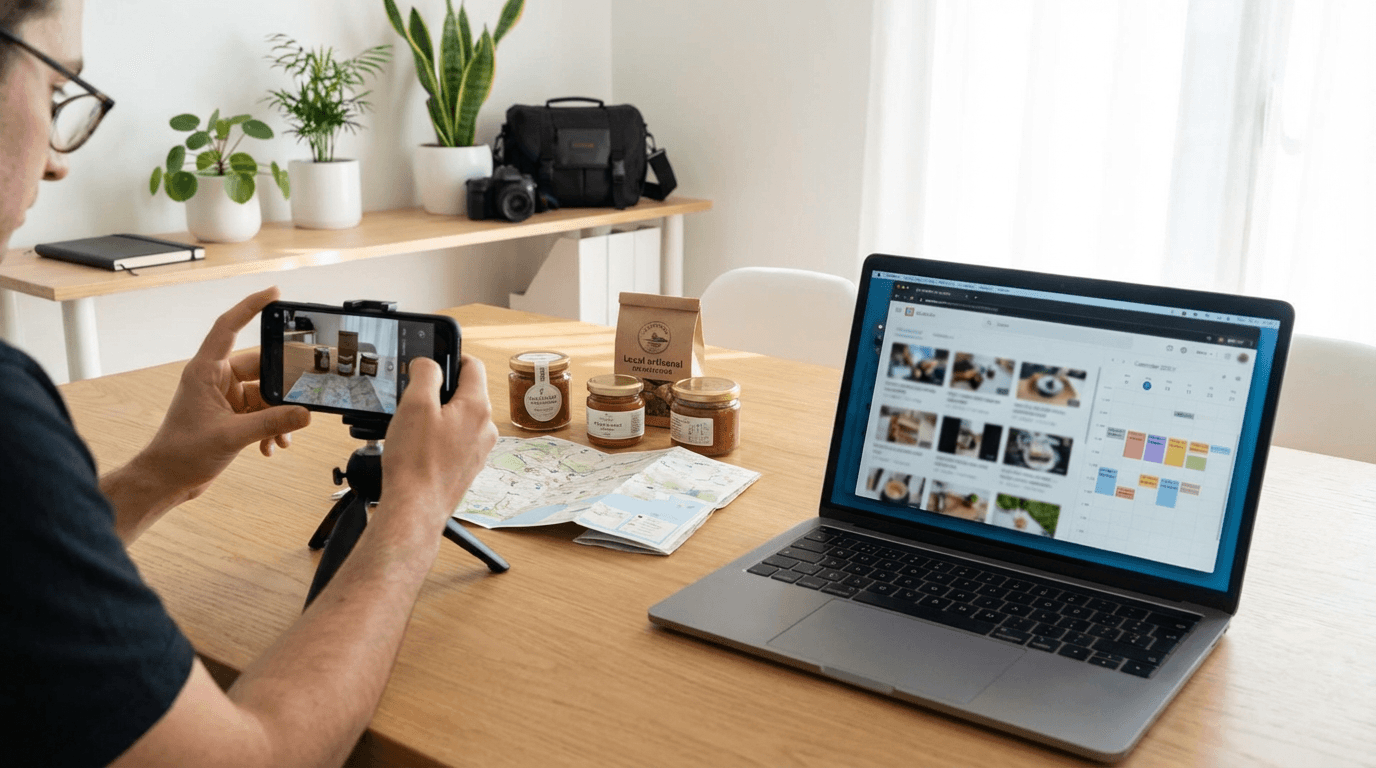
Using only vague captions
If your captions say “must visit” but never say the place name, you are making it harder for YouTube to understand the destination. That follows directly from the way Featured Places uses transcript and video-frame information.
Writing empty descriptions
YouTube’s own description tips say each video should have a unique description and include the main words that describe the video. A blank or throwaway description wastes one of the signals Featured Places can use.
Depending on tags too much
YouTube says tags can be useful for common misspellings, but otherwise they play a minimal role in discovery. Local creators should spend more time on title clarity, description quality, and viewer usefulness than on stuffing tags.
Not checking if the place association is accurate
Because Featured Places can be auto-tagged, a creator should verify that the surfaced location is actually the right one. YouTube explicitly gives creators the ability to adjust or opt out.
Making the video attractive but not useful
YouTube’s systems look at whether viewers choose to watch, how long they watch, average percentage viewed, and other satisfaction signals. Local Shorts that look nice but do not answer a real need may be less competitive over time.
A simple workflow for local creators
A good local Shorts workflow in 2026 looks like this:
- pick one place and one intent
- phrase the topic like a search query
- say the place name clearly in the first few seconds
- show recognizable visuals
- include the place naturally in the description
- check the Featured Place association in Studio
- publish follow-up Shorts around the same area or category
This is where a connected creation workflow helps. A local creator can turn one place-based idea into a short script, scene plan, final Short, and supporting visuals much faster when the workflow lives in one browser-based stack instead of separate tools. That is a natural place where Miraflow AI can fit for creators who want to turn one neighborhood idea into multiple Shorts quickly.
If you also build supporting assets around your local content, How to Generate YouTube Thumbnails with AI and Best AI Prompts for YouTube Thumbnails 2026 are useful.
Copy-paste prompt pack for local Shorts
prompt-1-local-short-ideas
Prompt
Generate 15 YouTube Shorts ideas for a local creator.
City or area: [insert city/area]
Niche: [cafes, restaurants, gyms, real estate, local events, shopping, travel]
Make each idea:
- easy to understand in under 30 seconds
- specific to a place or neighborhood
- built around a clear search intent
For each one, give me:
- the title idea
- the first-second hook
- why locals or tourists would care
prompt-2-featured-place-script
Prompt
Write a 25-second YouTube Short script about this place: [insert place name]
Goal: help the Short get discovered by people searching for this location
Include:
- place name in the first line
- one clear reason to visit
- one practical tip
- one ending line that makes the Short worth saving
Also give me a short description that naturally includes the place name and area.
prompt-3-neighborhood-series-builder
Prompt
Turn this neighborhood into a 10-video YouTube Shorts series.
Neighborhood: [insert neighborhood]
Make the topics mix:
- hidden spots
- best places for a specific need
- save-before-you-go tips
- cheap vs premium options
- one overrated vs underrated comparison
Make every idea highly clickable and location-specific.
prompt-4-local-title-pack
Prompt
Generate 20 YouTube Shorts title ideas for this place-based topic: [insert topic]
Rules:
- keep the place name near the front
- make the title clear and searchable
- avoid vague lifestyle wording
- keep it natural for 2026
Also give me: - 5 pinned comment ideas
- 3 description templates
- 5 alternate opening hooks
prompt-5-tourist-vs-local-angle
Prompt
I want to make a YouTube Short about this place: [insert place]
Generate 3 angles:
- tourist-first
- local-first
- budget-first
For each angle, give me:
- title
- 15-second script structure
- one thing to film
- one mistake to avoid
If you are a local business owner, not just a creator
This is where the strategy gets stronger.
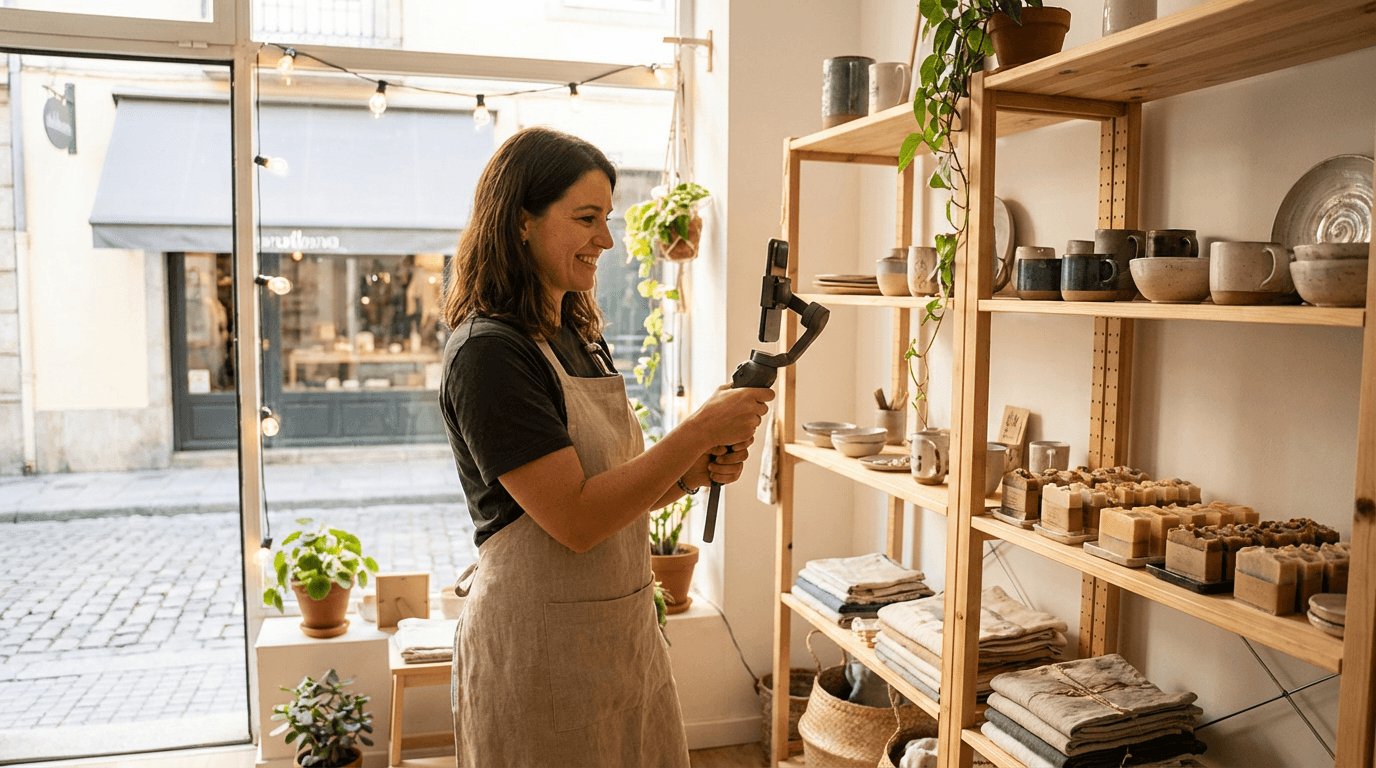
If you are posting Shorts for a real local business, Featured Places should not be your only local-discovery layer. Google Business Profile still matters for Search and Maps visibility. Google’s own guidance says businesses with complete and accurate information are more likely to show up in local search results, and it recommends keeping details like address, phone number, hours, photos, and videos up to date.
So the best setup for a local business is:
- clear local Shorts with Featured Places
- an updated Google Business Profile
- complete business details
- fresh photos and videos
- accurate hours and contact info
A good external reference here is Google’s tips to improve your local ranking on Google.
Conclusion
Featured Places is one of the more important local-creator updates on YouTube Shorts because it gives YouTube a clearer way to understand what place your Short is about and show it to people searching for that location.
That does not mean every local Short will suddenly rank well.
But it does mean local creators now have a more direct system to work with.
If you clearly name the place, frame the video around a real local need, keep the description useful, and check the location association in Studio, you give your Short a much better chance to be understood and discovered. That recommendation is grounded in how YouTube says Featured Places, Search relevance, and Shorts discovery work.
So in 2026, local Shorts should not just look good.
They should be easy for YouTube to place.
And easy for the right local viewer to find.
FAQ
What is Featured Places on YouTube Shorts?
Featured Places is a YouTube Shorts feature that highlights key places in the description of a Short using creator-tagged and auto-tagged locations. YouTube says it is designed to help viewers discover Shorts about a specific location.
How does YouTube know which place to highlight?
YouTube says Featured Places can use destinations prominently highlighted in the description, video transcript, and video frames.
Does Featured Places use my phone’s location?
No. YouTube says Featured Places does not use your device location data.
Can I change or remove an automatically tagged place?
Yes. YouTube says creators can adjust or opt out of auto-tagged locations in Studio.
Do tags matter for local Shorts discovery?
Usually not very much. YouTube says tags are mainly useful for common misspellings and otherwise play a minimal role in discovery.
What matters more than tags for Featured Places discovery?
Clear place names in the video, searchable titles, useful descriptions, and strong viewer response matter more because YouTube uses content, metadata, relevance, and engagement signals in discovery and search.
Should local businesses also update Google Business Profile?
Yes. Google says businesses with complete and accurate Business Profile information are more likely to show up in local search results, and it recommends keeping key details, hours, photos, and videos up to date.