TikTok Best Practices 2026: Complete Guide for Creators

Written by
Jay Kim
Learn TikTok best practices for 2026. This complete guide covers the algorithm, content formats, SEO, posting strategy, and how to grow your TikTok audience as a creator.
If you are posting on TikTok without a clear strategy, you are competing against millions of creators who have one. The platform rewards specific behaviors, punishes common mistakes, and changes faster than most creators can keep up with.
TikTok in 2026 is not the same platform it was two years ago. The algorithm has evolved. Search has become a major discovery channel. Longer videos now compete with short clips. And the creators who are growing fastest are the ones who understand how the platform actually distributes content today, not how it worked in 2023 or 2024.
This guide covers everything you need to know about TikTok best practices in 2026. You will learn how the algorithm prioritizes content, what video formats perform best, how to optimize for TikTok search, what posting frequency actually works, and how to build a sustainable content workflow that does not lead to burnout.
Whether you are starting fresh or trying to fix a stagnant account, this is the reference guide you need.
Why TikTok Still Matters for Creators in 2026
TikTok remains one of the few platforms where a brand new creator with zero followers can reach hundreds of thousands of people with a single video. That dynamic has not changed.
What has changed is how competitive the platform has become. More creators, more content, and more sophisticated algorithm behavior mean that low-effort posts rarely break through anymore. But for creators who understand what TikTok prioritizes, the opportunity is still massive. The platform continues to invest heavily in creator monetization, search features, and e-commerce integrations, which means the potential value of building a TikTok audience keeps increasing.
TikTok is also no longer just a short video app. It functions as a search engine for younger demographics, a shopping platform, a music discovery tool, and a news source. Creators who treat it as just another place to post clips are missing the full picture.
The new creator stack for AI-powered Shorts, Reels, and TikTok explains how smart creators are building systems across platforms. But understanding TikTok-specific best practices is essential because what works on TikTok does not always translate directly to other platforms.
How the TikTok Algorithm Works in 2026
The TikTok algorithm decides which videos get shown to which users. Understanding how it works is the foundation of every other best practice in this guide.
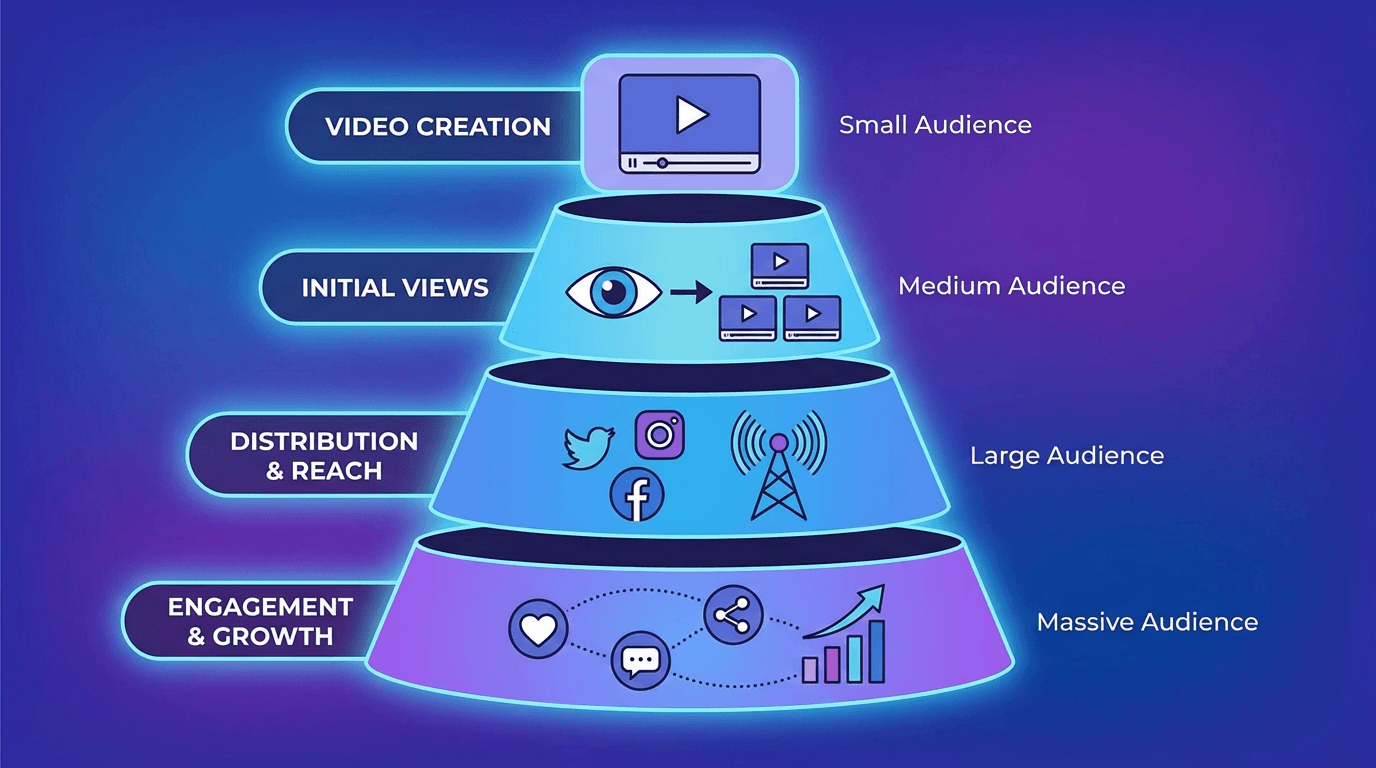
TikTok uses a recommendation system that evaluates each video based on multiple signals. The most important ones are watch time, completion rate, replays, shares, comments, and likes. But these signals are weighted differently depending on the context.
Watch time is the primary signal. TikTok measures how long viewers watch your video relative to its total length. A 30-second video where most viewers watch 25 seconds sends a much stronger signal than a 60-second video where most viewers drop off at 15 seconds. The algorithm does not just look at total watch time. It looks at the percentage of the video that was watched.
Completion rate matters more for shorter videos. If your video is 15 seconds long and most viewers watch the entire thing, TikTok reads that as high-quality content worth distributing further. For longer videos, TikTok adjusts its expectations. It does not require viewers to watch a 3-minute video to completion, but it does want to see strong retention through at least the first half.
Shares are heavily weighted. When someone shares a TikTok to a friend, a group chat, or another platform, TikTok treats that as one of the strongest quality signals. A video with a high share rate relative to its view count will often outperform a video with more likes but fewer shares.
Comments drive distribution. TikTok values comments, especially longer comments and comment threads. Videos that spark conversation get pushed to wider audiences. This is why content that asks questions, presents debatable opinions, or invites reactions tends to perform well.
Initial audience response determines reach. TikTok shows your video to a small test audience first. If that initial group watches it, engages with it, and does not skip it, the algorithm expands distribution to a larger audience. This cycle repeats until engagement drops below the threshold. The quality of your opening seconds directly determines whether you pass this first test.
The principle behind why the first 3 seconds matter applies equally on TikTok. If viewers swipe away in the first few seconds, the algorithm never gets a chance to see how the rest of the video performs.
TikTok Content Formats That Perform Well in 2026
Not every format works equally well on TikTok. Some formats consistently outperform others because they align with how people consume content on the platform.
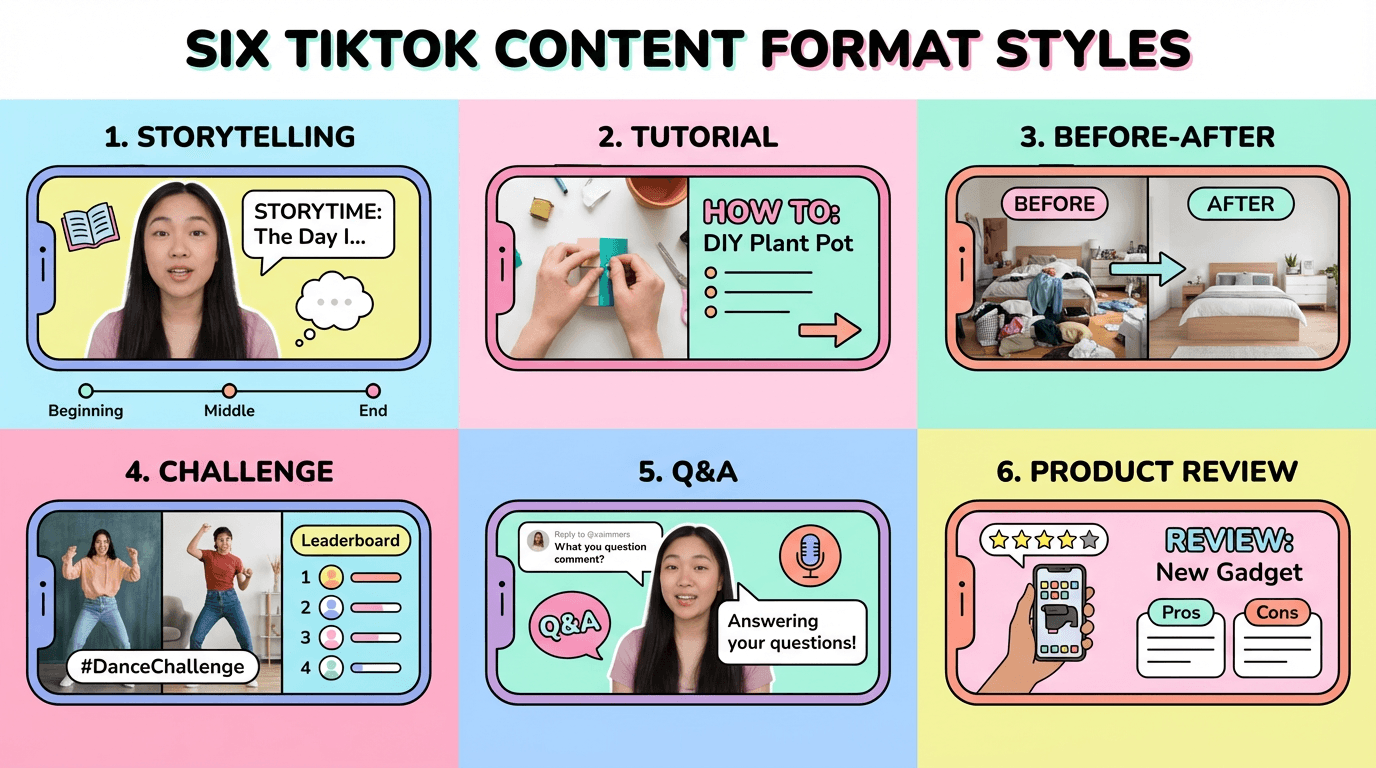
Story-driven content. TikTok users respond strongly to narrative. Videos that follow a clear structure of setup, tension, and payoff hold attention better than videos that present information without a storyline. Even educational content performs better when framed as a story. Instead of "5 tips for better sleep," try "I could not sleep for 3 months until I tried this."
Before and after transformations. Visual transformations generate high completion rates because viewers want to see the result. This applies to fitness, home renovation, cooking, art, fashion, and any niche where a visible change happens. The key is making the before state interesting enough that viewers stick around for the after.
Explainer content for search. TikTok search has grown significantly, and explainer content that answers specific questions ranks well. Short, clear explanations of topics people actively search for, like "how to clean white shoes" or "what is dopamine fasting," can generate views for weeks after posting.
Reaction and commentary. Reacting to trending content, news, or other creators' videos remains one of the most accessible formats on TikTok. The barrier to entry is low, but the key to making it work is adding genuine value or a unique perspective rather than just reacting for the sake of it.
List-style content. Videos structured as "3 things," "5 mistakes," or "7 places" perform well because the format creates a natural retention loop. Viewers stay to see whether the next item is something they know or agree with.
Day-in-my-life and routine content. Lifestyle content that shows routines, processes, or behind-the-scenes moments performs well across nearly every niche. It works because it feels personal and invites comparison, which keeps viewers watching.
The guide on AI Shorts formats that go viral in 2026 covers format strategies that apply across TikTok, Reels, and Shorts. Many of those formats translate directly to TikTok with minimal adjustment.
Optimal Video Length for TikTok in 2026
TikTok now supports videos up to 10 minutes long, but that does not mean longer videos are better. The ideal video length depends on your content type, your niche, and your audience's expectations.
15 to 30 seconds works best for trend-based content, quick tips, visual hooks, and humor. These short videos have the highest potential for completion rate and shares, which drives algorithmic distribution. If your content can deliver its value in under 30 seconds, keep it short.
30 to 60 seconds is the sweet spot for most educational, storytelling, and tutorial content. This range gives you enough time to develop an idea without losing attention. Most creators find that their best-performing TikToks fall in this range.
60 seconds to 3 minutes works well for deeper storytelling, product reviews, and commentary. The algorithm adjusts its retention expectations for longer content, but you still need strong pacing. If viewers are dropping off before the halfway point, the video is too long for its content.
3 to 10 minutes is viable for creators with established audiences who expect longer content. Think detailed tutorials, vlogs, or serialized storytelling. New creators should generally avoid this range because it is harder to get distribution without an existing viewer base.
The general rule is to make your video exactly as long as the content requires and not a second longer. If your idea takes 20 seconds to deliver, do not pad it to 60 seconds. If it genuinely needs 90 seconds, do not cut it to 30. Match the length to the content, and TikTok will reward you for it.
The discussion on how long YouTube Shorts should be in 2026 covers similar principles about matching duration to content type. The retention dynamics are comparable across short-form platforms.
The First 3 Seconds: How to Hook Viewers on TikTok
The single most important part of any TikTok video is the opening. If you lose the viewer in the first 1 to 3 seconds, nothing else matters. The algorithm never sees your great middle section or your strong ending because the viewer already swiped away.
TikTok users scroll quickly. Their thumb is already hovering over the screen, ready to swipe to the next video. You have a tiny window to give them a reason to stay.
- Start with the most interesting part. Do not begin with an introduction, a greeting, or context-setting. Start with the payoff, the question, or the most visually striking moment. If your video is about a cooking transformation, start with a flash of the finished dish. If it is a tutorial, start with the end result. Then go back and explain how you got there.
- Use a verbal hook. Open with a line that creates curiosity or stakes. Phrases like "This is the mistake most people make when..." or "Nobody talks about this, but..." or "I tested this for 30 days and here is what happened" give the viewer a reason to keep watching. The hook should promise something the viewer wants to know.
- Use a visual hook. Movement, color contrast, unexpected imagery, or a close-up of something interesting can stop the scroll even before the viewer processes what the video is about. If the first frame is visually boring, many viewers will swipe without ever hearing your hook.
- Avoid these opening mistakes. Do not start with "Hey guys, welcome back." Do not start with a black screen or a title card. Do not start with silence. Do not start by explaining what you are about to explain. Every one of these wastes the most valuable seconds of your video.
TikTok Posting Frequency and Consistency
How often you post on TikTok affects how quickly the algorithm learns about your content and your audience. Posting more frequently gives TikTok more data points, which helps it distribute your content more accurately.
For new creators, posting once per day is a strong starting point. Daily posting gives the algorithm consistent signals and helps you build a library of content quickly. Not every video will perform well, and that is expected. The goal in the early stage is to learn what resonates with your audience while maintaining algorithmic momentum.
For established creators, 3 to 5 posts per week is sustainable and effective. Once TikTok understands your content and audience, you do not need to post as frequently to maintain distribution. Quality becomes more important than quantity at this stage.
Consistency matters more than frequency. Posting 7 videos in one day and then disappearing for two weeks is worse than posting 3 videos per week every week. TikTok rewards accounts that show consistent activity. The algorithm builds a profile of your content patterns, and irregular posting disrupts that profile.
Batch creation helps with consistency. Instead of creating and posting one video at a time, many successful TikTok creators produce multiple videos in a single session and schedule them across the week. This is where AI tools become particularly useful. Creators can generate multiple short-form videos from different topics in a single sitting using tools like Text2Shorts, which turns a topic into a complete vertical video with script, visuals, and narration. That kind of batch workflow keeps content flowing without requiring daily production effort.
TikTok SEO: How Search Drives Discovery in 2026
TikTok search has become one of the most important discovery channels on the platform. Younger users increasingly use TikTok as a search engine, looking for restaurant recommendations, product reviews, how-to guides, and travel advice directly within the app.
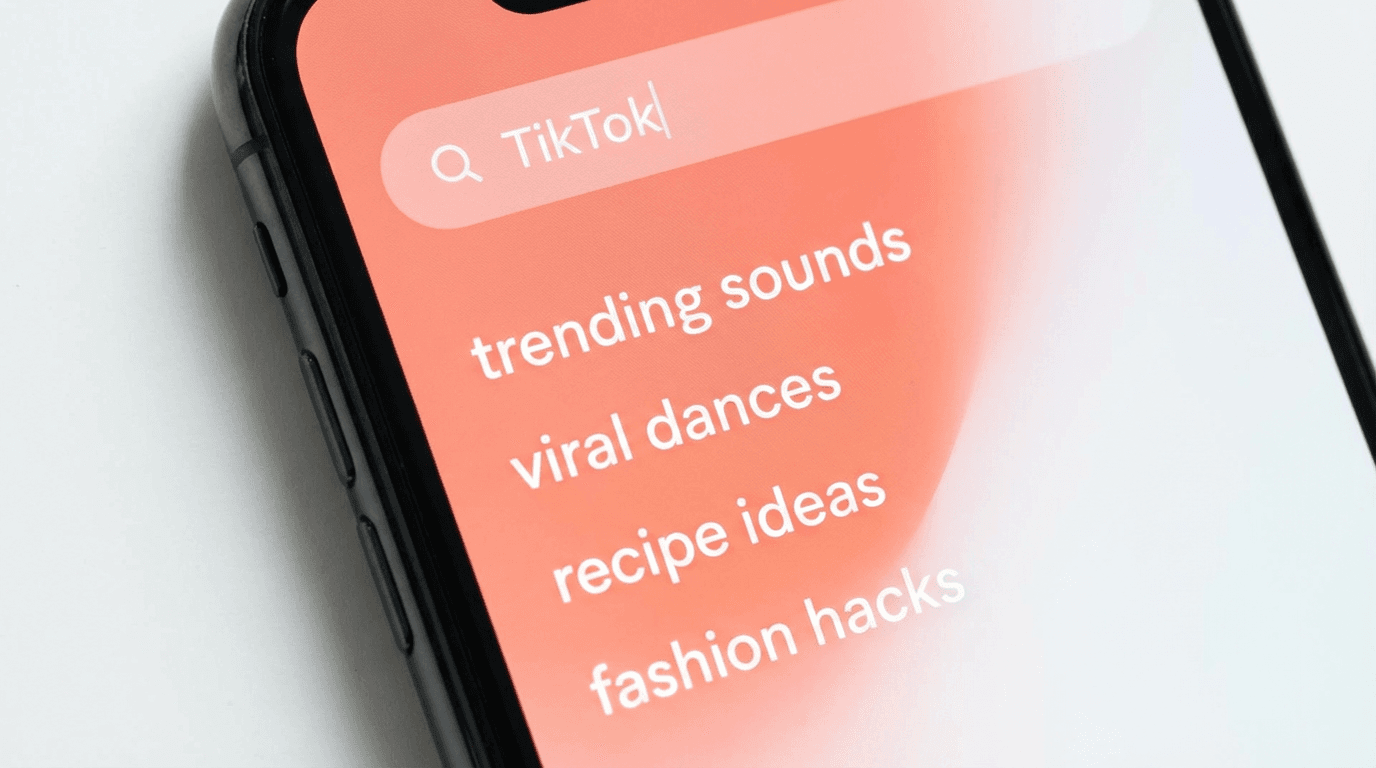
This means your TikTok content can rank for specific search queries and generate views long after posting. But only if you optimize for it.
- Use keywords in your caption. TikTok's search algorithm reads your caption text to understand what your video is about. Include the primary keyword or phrase naturally in your caption. If your video is about "how to style oversized blazers," those words should appear in your caption text.
- Speak your keywords. TikTok transcribes audio and uses it for search indexing. If you say your target keyword out loud in the video, TikTok has an additional signal to match your content with relevant searches. This is the same principle that applies to YouTube Shorts SEO, where spoken content contributes to how the platform categorizes your video.
- Use on-screen text. Text overlays are also indexed by TikTok. Adding your keyword as on-screen text in the first few seconds gives TikTok another layer of context about your content.
- Use 3 to 5 relevant hashtags. Hashtags on TikTok function as both categorization signals and search terms. Use a mix of broad and specific hashtags. For a video about meal prepping, you might use #MealPrep #HealthyEating #MealPrepIdeas #WeeklyMealPrep. Avoid irrelevant trending hashtags that do not match your content.
- Target long-tail queries. Instead of trying to rank for broad terms like "fitness," target specific queries like "home workout no equipment 20 minutes." Long-tail queries have less competition and attract more intentional viewers who are likely to watch your entire video.
- Post content that answers specific questions. The most search-friendly TikToks are the ones that directly answer a question someone would type into the search bar. Think about what your target audience is searching for and create content that addresses those queries concisely.
Sound and Music Strategy for TikTok
Sound is a core part of the TikTok experience. The right audio choice can increase your video's reach, while the wrong one can limit it.
Trending sounds boost initial distribution. When you use a sound that is currently trending, TikTok is more likely to show your video to users who have recently engaged with content using that same sound. This creates an initial distribution advantage. Check the TikTok Creative Center or scroll your For You Page to identify trending sounds.
Original audio builds brand identity. If you are building a personal brand or niche channel, using your own voice or original audio helps create consistency. Viewers begin to associate your voice and style with your content, which builds loyalty over time. Original audio also becomes discoverable by other creators who might use it, giving you attribution and exposure.
Music sets the emotional tone. Background music affects how viewers feel about your content. Upbeat music works for energetic, positive content. Lo-fi or ambient tracks work for calming or informational content. Dramatic music works for storytelling or reveal-style content. Match the music to the mood you want to create.
For creators who need custom background music without copyright concerns, the AI Music Generator on Miraflow AI lets you describe the mood, style, and instruments you want and generates a track in under a minute. This is particularly useful for TikTok creators who post frequently and need varied music without licensing issues. The guide on AI music prompts for YouTube, Reels, and TikTok includes ready-to-use prompt templates for different content moods.
Volume balance matters. If your video includes both narration and background music, make sure the music does not overpower your voice. Viewers should be able to hear every word clearly. A common mistake is using trending music at full volume underneath spoken content, which makes the video difficult to follow.
TikTok Captions and Descriptions: What to Write
Your caption is not just a place for hashtags. It is a key piece of metadata that affects search ranking, viewer engagement, and algorithmic distribution.
Keep captions concise but keyword-rich. TikTok allows up to 4,000 characters in captions, but that does not mean you should use all of them. The most effective captions are 50 to 150 words. They include the primary keyword, provide context or a hook, and end with a call to action or question.
Use the first line as a hook. Only the first line or two of your caption is visible before viewers tap "more." Make that first line count. It should either add context that makes the viewer want to watch, or it should create curiosity that complements the video content.
Ask questions to drive comments. Captions that end with a question like "What would you do?" or "Which one is your favorite?" encourage comments, which TikTok weighs heavily in its distribution algorithm. Comments signal to TikTok that your content is sparking conversation.
Do not rely on captions to convey your message. Many TikTok viewers watch with sound on and do not read captions carefully. Your video should communicate its message independently. The caption should enhance and support, not replace.
Here are 10 TikTok caption templates you can adapt for your niche:
- "I tried [method] for [timeframe]. Here is what actually happened."
- "Stop doing [common mistake] if you want [desired result]."
- "This is the [thing] nobody tells you about [topic]."
- "3 [items] that changed my [routine/workflow/results]."
- "[Topic] explained in [duration]. Save this for later."
- "I wish I knew this about [topic] when I started."
- "The difference between [option A] and [option B] is bigger than you think."
- "If you are struggling with [problem], try this."
- "Most people get [topic] wrong. Here is why."
- "This [thing] costs [amount] and it is worth every penny. Here is why."
These templates work because they create curiosity, include natural keywords, and invite engagement.
TikTok Profile Optimization
Your profile is the first thing a potential follower sees after they watch one of your videos. A well-optimized profile converts viewers into followers.
- Username should be simple and searchable. Choose a username that is easy to spell, easy to remember, and ideally includes a keyword related to your niche. Avoid excessive numbers, underscores, or special characters.
- Bio should communicate your value in one line. Tell new visitors what kind of content you create and why they should follow. Keep it under 80 characters if possible. Examples: "Daily home workout ideas," "Budget travel tips from a backpacker," "Quick recipes for busy people."
- Profile picture should be recognizable. Use a clear headshot or a simple branded image. It should be identifiable even at small sizes. Avoid busy backgrounds or group photos.
- Link in bio should drive action. If you have a website, product, or other platform you want to drive traffic to, use the link in bio strategically. Update it based on your current campaign or most popular content.
- Pinned videos should represent your best work. TikTok allows you to pin up to 3 videos at the top of your profile. Choose videos that showcase your content quality, represent your niche clearly, and have strong engagement. These are the first videos a new visitor will see when they check out your profile.
Common TikTok Mistakes Creators Make in 2026
Chasing every trend without a niche. Trends can boost visibility, but if every video is about a different topic, TikTok struggles to identify your audience. The algorithm works best when it can predict who will enjoy your content. Pick a niche and use trends within that niche rather than jumping to unrelated trends just because they are popular.
Ignoring analytics. TikTok provides detailed analytics on every video, including traffic sources, audience demographics, watch time, and retention curves. Creators who never look at their analytics miss patterns that could inform their content strategy. Check your analytics weekly and identify what is working versus what is not.
Deleting underperforming videos. Many creators delete videos that do not perform well immediately. This is a mistake because TikTok sometimes picks up older videos days or even weeks later. A video that gets 200 views in the first day can suddenly reach 50,000 views a week later. Give your content time before deciding it did not work.
Over-editing. TikTok audiences generally prefer authentic, slightly raw content over highly polished production. Over-editing with too many transitions, effects, and text overlays can make content feel like an advertisement rather than genuine creator content. Keep edits clean and purposeful.
Not posting at optimal times. While TikTok's algorithm is less time-dependent than other platforms, posting when your audience is active still gives your video a better chance during the initial test phase. Check your TikTok analytics to see when your followers are most active and schedule your posts accordingly.
Copying content without adding value. Recreating popular videos frame-by-frame without adding your own perspective or spin is a common mistake. TikTok users can tell when content is copied rather than inspired. Always add your own angle, commentary, or unique take.
Neglecting TikTok SEO. As discussed earlier, search is a growing discovery channel on TikTok. Creators who do not include keywords in their captions, spoken content, and on-screen text are missing search traffic that could drive views for weeks after posting.
How to Repurpose TikTok Content Across Platforms
One of the biggest advantages of creating short-form vertical content is that it works across multiple platforms. A single video can be posted on TikTok, YouTube Shorts, and Instagram Reels with minor adjustments.
- Remove watermarks before reposting. YouTube and Instagram both deprioritize content that has the TikTok watermark visible. If you plan to post across platforms, save your original video before posting to TikTok, or use tools that remove watermarks cleanly.
- Adjust captions and hashtags per platform. Each platform has different optimal caption lengths, hashtag strategies, and keyword behaviors. A caption that works well on TikTok may need to be shortened or restructured for YouTube Shorts. The guide on YouTube Shorts titles and descriptions in 2026 covers platform-specific optimization strategies.
- Consider platform-specific pacing. TikTok viewers tend to prefer slightly faster pacing than YouTube Shorts viewers. If your original TikTok is very fast-paced, it might work as-is on TikTok but benefit from slightly slower pacing on YouTube Shorts. Some creators make two versions with subtle differences.
- Post to TikTok first, then other platforms. If you are building primarily on TikTok, post there first so TikTok gets the original content signal. Then post to other platforms a few hours or a day later.
- Use a single production workflow for all platforms. The most efficient approach is to create content that works everywhere from the start. Tools like Text2Shorts on Miraflow AI generate vertical videos in 9:16 format that can be used on TikTok, Shorts, and Reels without reformatting. This eliminates the need to create separate content for each platform.
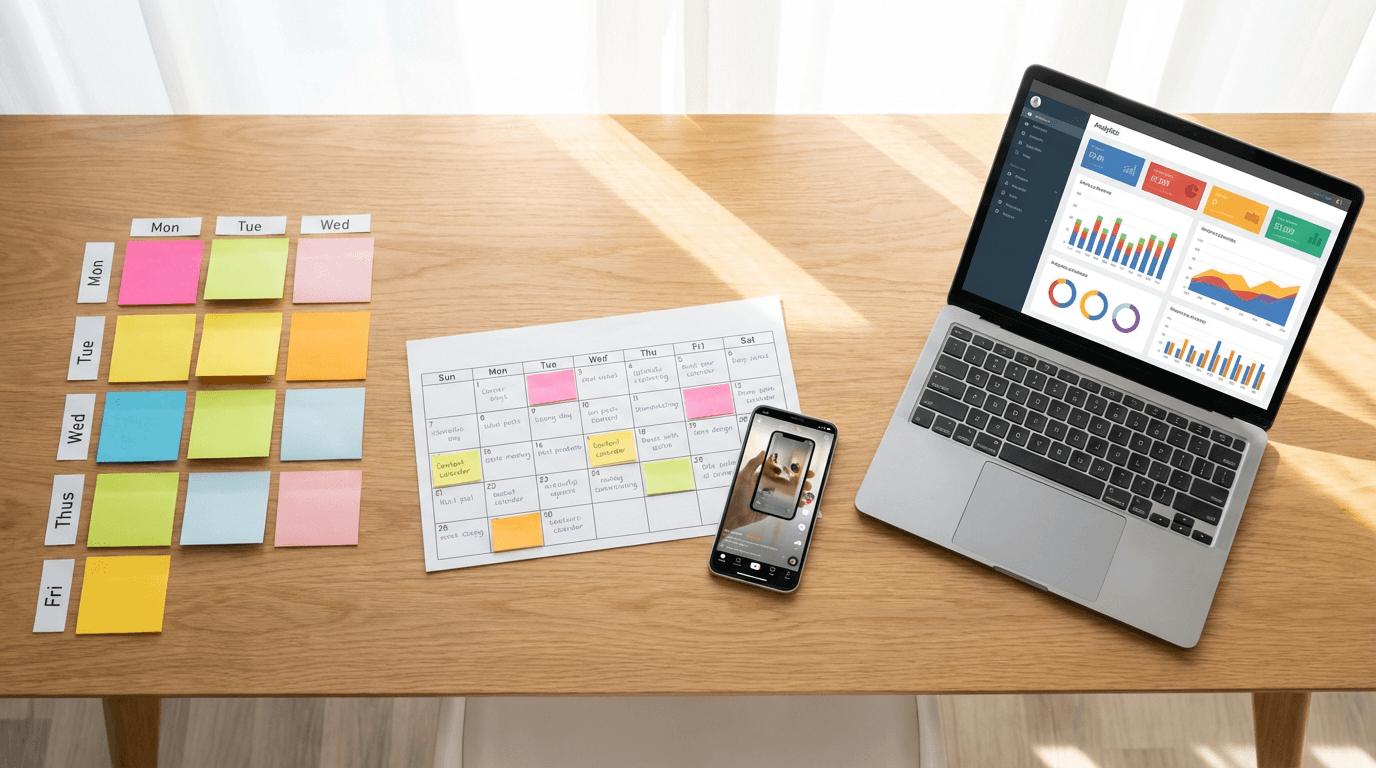
Building a TikTok Content Calendar
Consistency requires planning. A content calendar prevents the "I do not know what to post today" problem that leads to skipped days and broken momentum.
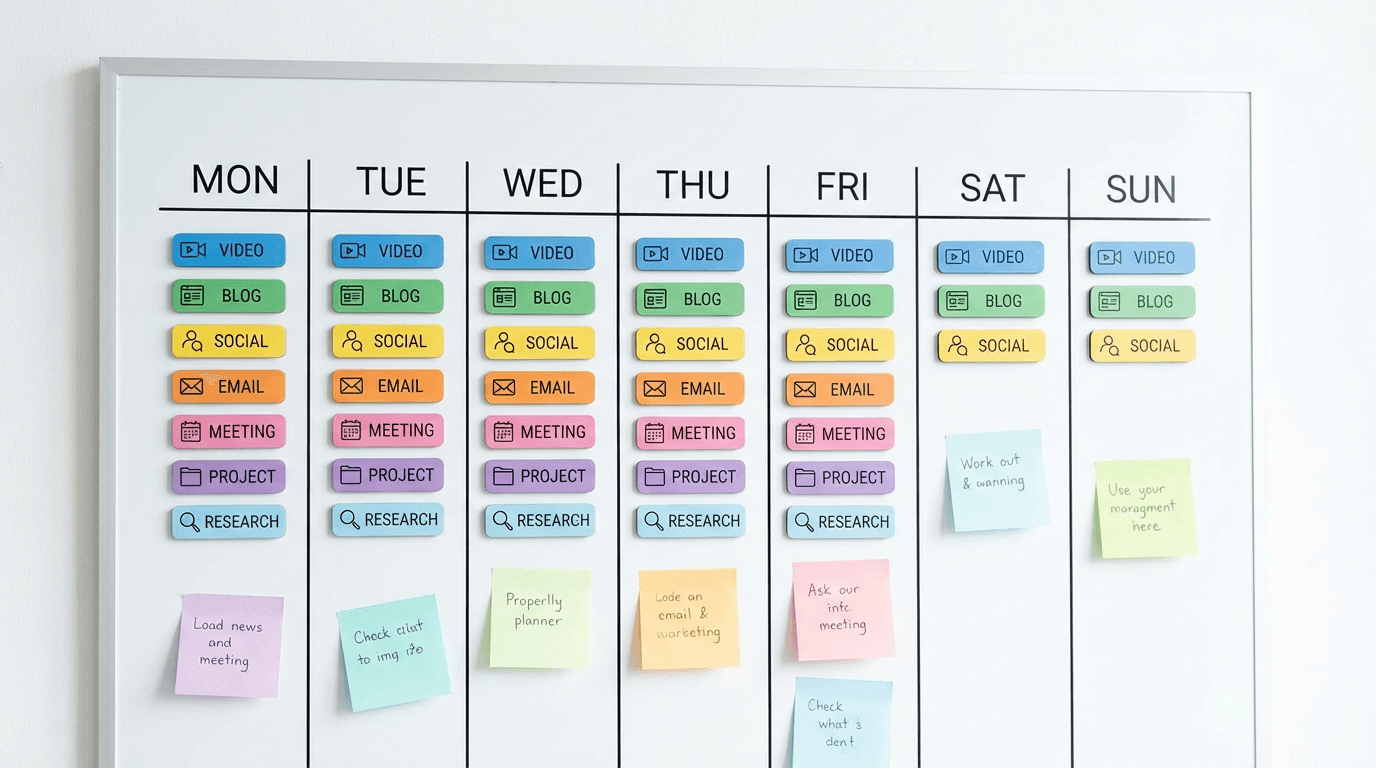
Plan content in weekly batches. At the start of each week, decide on 5 to 7 video topics. Write a one-sentence description for each. This does not need to be a detailed script. Just enough to know what each video is about.
Mix content types. A strong weekly calendar includes a variety of formats: one or two trend-based videos, two or three educational or value-driven videos, and one or two personality-driven or storytelling videos. This mix keeps your feed interesting while maintaining niche relevance.
Leave room for reactive content. Not everything should be planned in advance. Leave one or two slots per week open for trending topics, current events in your niche, or responses to comments and questions. This balance between planned and reactive content keeps your account feeling both strategic and spontaneous.
Track what performs. Add a simple column to your calendar where you note the performance of each video after 48 hours. Over time, you will see clear patterns about which topics, formats, and hooks work best for your audience.
Here is a sample weekly TikTok content calendar structure:
- Monday: Educational tip or tutorial (search-optimized)
- Tuesday: Trend or sound-based content (distribution play)
- Wednesday: Story-driven or personal content (connection building)
- Thursday: List-style or comparison content (high retention format)
- Friday: Behind-the-scenes or routine content (authenticity play)
- Saturday: Reactive or response content (engagement driver)
- Sunday: Recap or best-of content (repurposing)
This is a starting template. Adjust it based on what your analytics tell you about your audience's preferences.
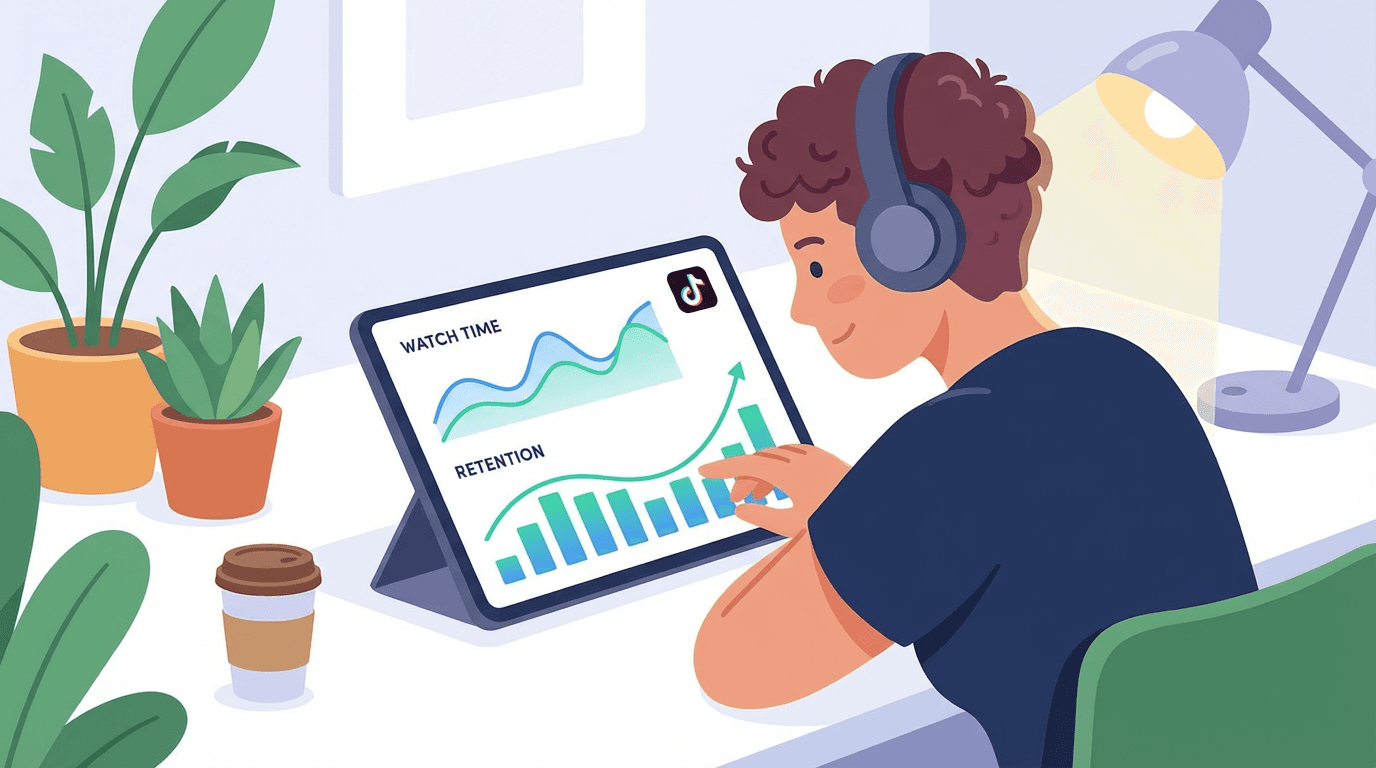
TikTok Analytics: What to Track and Why
TikTok provides analytics through the Creator Tools section. Understanding what each metric means helps you make better decisions about your content strategy.
Views tell you how many people saw your video. But views alone do not tell you much. A video with 100,000 views and 5% completion rate performed worse than a video with 10,000 views and 80% completion rate. Always look at views in context.
Watch time and average watch duration tell you how engaging your content actually is. If your average watch duration is significantly shorter than your video length, viewers are dropping off early. This usually means the hook is weak or the pacing is too slow.
Traffic sources show you where your views came from. The For You Page is the primary discovery channel, but search, profile visits, following feed, and external sources also contribute. If search is growing as a traffic source, your SEO efforts are working. If most views come from the For You Page, your hooks and content are strong enough for algorithmic distribution.
Audience demographics show you who is watching. Age, gender, and location data help you understand whether you are reaching your intended audience. If your content is aimed at 25 to 34 year olds but most of your viewers are 13 to 17, something about your content or presentation is attracting the wrong audience.
Follower activity shows when your followers are most active on TikTok. Use this data to schedule your posts during peak activity windows.
Check your analytics at least once per week. Look for patterns across your top-performing videos. What do they have in common? Format? Length? Hook style? Topic? Use those patterns to inform your next batch of content.
TikTok Engagement: How to Build Community
Growing on TikTok is not just about views. It is about building a community that comes back for your content, engages with it, and shares it.
Reply to comments with video. TikTok allows you to reply to comments with a new video. This feature does two things: it creates new content (which gives you another chance at distribution) and it shows your audience that you read and value their comments. Reply-to-comment videos often perform well because they have built-in context and curiosity.
Ask for specific engagement. Instead of saying "like and follow," ask specific questions related to your content. "Which of these three options would you pick?" or "Has this ever happened to you?" prompts more meaningful comments than generic calls to action.
Create series content. Videos that are part of a series give viewers a reason to follow so they do not miss the next installment. Label your series clearly with consistent naming and part numbers. TikTok's algorithm recognizes series content and may recommend earlier parts when later parts perform well.
Go live regularly. TikTok Live is a powerful tool for building deeper connections with your audience. Live sessions do not need to be long or elaborate. Even 15 to 20 minutes of answering questions, showing your process, or chatting with viewers can significantly strengthen your community.
Collaborate with other creators. Duets, stitches, and direct collaborations introduce your content to new audiences. Choose collaborators whose audience overlaps with yours but who are not direct competitors. This creates a win-win where both creators gain exposure to relevant new viewers.
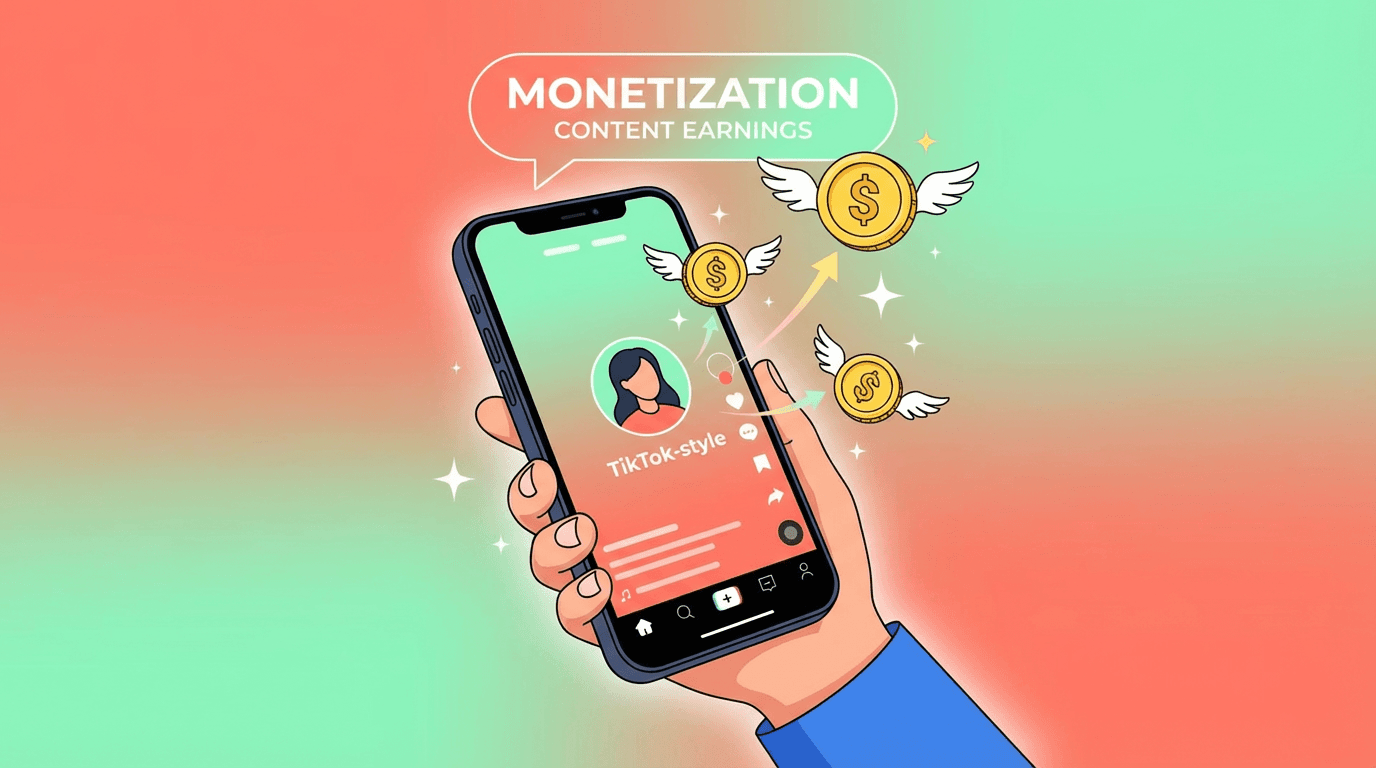
TikTok Ads and Monetization in 2026
TikTok offers several monetization paths for creators in 2026.
TikTok Creator Rewards Program pays creators based on video performance, with emphasis on longer-form content and qualified views. TikTok has been adjusting payment structures to incentivize creators who produce content over one minute. This means creators who can maintain strong retention on longer videos tend to earn more per view than those posting only 15-second clips.
Brand partnerships remain the most lucrative monetization path for most creators. TikTok's Creator Marketplace connects brands with creators for sponsored content. Building a niche audience with strong engagement metrics makes you attractive to brands in that space.
TikTok Shop allows creators to sell products directly through videos and live streams. If you have a physical or digital product, TikTok Shop integrates purchasing directly into the content experience. Product demonstration videos with shopping links perform well because they combine entertainment with utility.
Affiliate marketing through TikTok Shop lets creators earn commissions by promoting other people's products. This is accessible to creators who do not have their own products but have an engaged audience that trusts their recommendations.
Repurposing content to monetized platforms. Many TikTok creators also post their content on YouTube Shorts, which has its own monetization structure. Creating content once and distributing it across multiple monetized platforms increases total revenue per video. The free AI music generator guide for Shorts, Reels, and TikTok covers how to add original music to content across platforms without copyright issues.
15 TikTok Content Ideas That Work Across Niches
If you need inspiration for your next batch of TikToks, here are 15 content ideas that work in virtually any niche.
- "Day in my life as a [your role]" showing your routine
- "3 things I wish I knew before starting [your niche]"
- "The biggest mistake beginners make in [topic]"
- "What I spend in a week on [category]"
- "Answering your most asked question about [topic]"
- "[Topic] tier list" ranking items or methods
- "Things that are worth the money vs things that are not in [niche]"
- "How I [achieved result] in [timeframe]"
- "Reacting to [relevant trend/news in your niche]"
- "Side-by-side comparison of [option A] vs [option B]"
- "If I had to start over in [niche], here is what I would do"
- "Unpopular opinion about [topic]"
- "Mini tutorial: how to [specific skill] in under a minute"
- "Behind the scenes of [your process/work/setup]"
- "Myth vs reality in [your niche]"
Each of these can be produced as a simple talking-head video, a visual demonstration, or a narrated short with AI-generated visuals. Creators using Miraflow AI can turn any of these topics into complete vertical videos by entering the topic and letting the system generate the script, visuals, and narration automatically.
Creating TikTok Visuals and Cover Images
TikTok allows you to set a custom cover image for each video. This cover image appears on your profile grid and influences whether visitors tap on your older content. A well-designed profile grid with consistent, clear cover images looks professional and encourages profile visitors to explore more of your content.
Use consistent visual branding. Pick a color scheme, font style, and layout that you use across your cover images. Consistency makes your profile look intentional and professional.
Make the topic clear. Your cover image should communicate what the video is about at a glance. If someone is scrolling through your profile, they should be able to tell the topic of each video from the cover image alone.
Avoid cluttered covers. Keep your cover images simple. One clear visual element and a few words of text are usually sufficient. Too much information makes the cover hard to read at small sizes.
Creators can generate custom cover images and visual assets using the AI Image Generator on Miraflow AI. The tool supports multiple aspect ratios including 9:16, and you can create visuals from text prompts or edit existing images. This is useful for maintaining a consistent visual style across your TikTok profile without needing design software.
How AI Tools Fit Into a TikTok Workflow
AI tools have become a practical part of many TikTok creators' workflows in 2026. They are not replacing creativity, but they are removing friction from the production process.
The typical TikTok creator workflow involves coming up with an idea, scripting it, producing the visuals, editing the video, adding music, writing the caption, and publishing. Each of these steps takes time, and the cumulative effort is why many creators burn out or post inconsistently.
AI tools can handle several of these steps. Script generation, visual creation, music production, and thumbnail design can all be assisted or automated. This lets creators focus on the parts they enjoy, the ideas, the storytelling, and the personal touches, while offloading the repetitive production work.
For a full overview of how AI tools fit into the modern creator workflow, the guide on the new creator stack for Shorts, Reels, and TikTok breaks down which tools handle which parts of the pipeline. The effective prompts guide for cinematic AI video is also useful for creators who want to generate polished video clips for their TikTok content.
The key principle is that AI should speed up production without sacrificing quality or authenticity. Use AI-generated assets as a foundation, then add your own voice, personality, and perspective on top. That combination of efficiency and authenticity is what separates successful TikTok creators in 2026 from those who burn out trying to do everything manually.
What to Do Right Now
Pick one content format from this guide that matches your niche. Write 5 topics using that format. Create one TikTok today and publish it with an optimized caption, relevant hashtags, and a strong opening hook.
Then do it again tomorrow. And the day after that.
TikTok rewards creators who show up consistently with content that hooks viewers, delivers value, and keeps them watching. The best practices in this guide give you the framework. The execution is up to you.