YouTube Shorts vs TikTok in 2026: Which Platform Should You Choose

Written by
Jay Kim
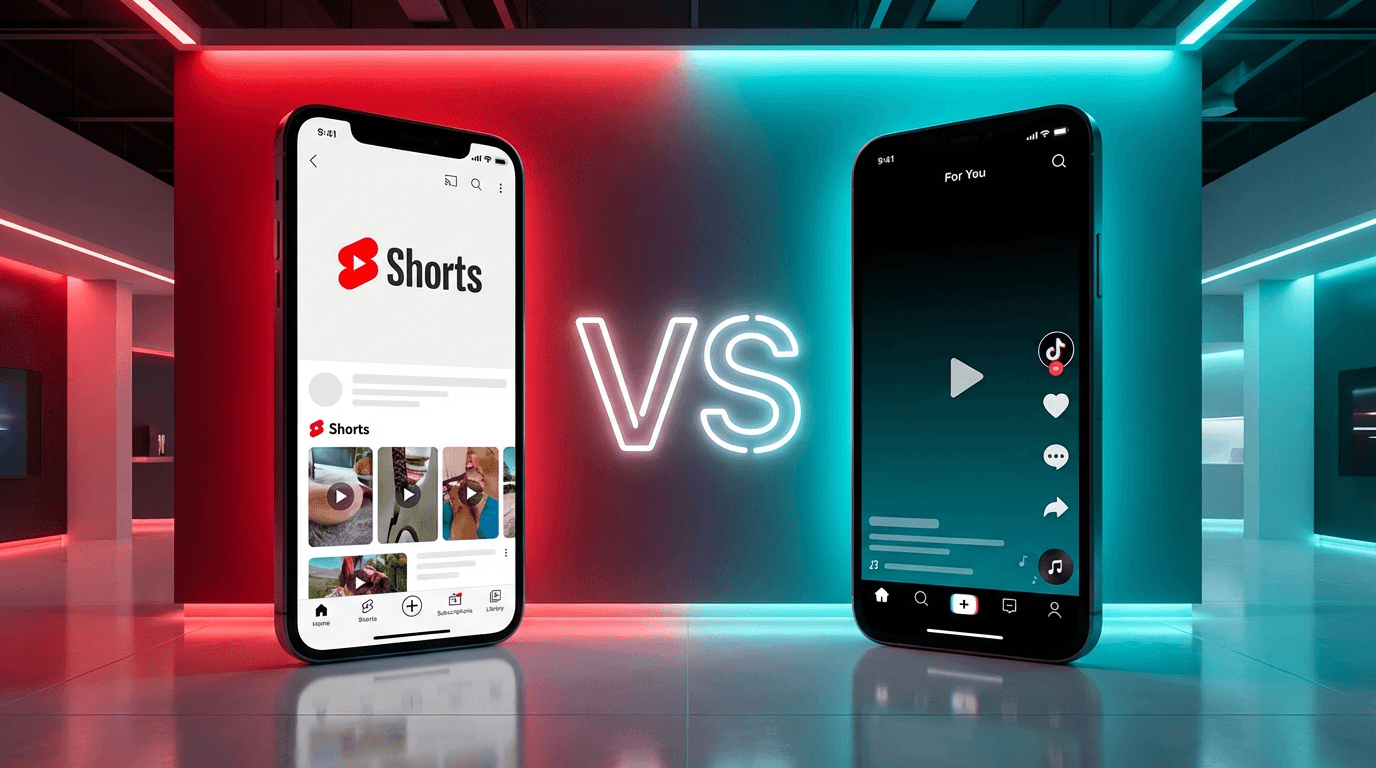
YouTube Shorts vs TikTok in 2026. Compare algorithms, monetization, audience reach, content formats, and creator tools to decide which platform fits your goals.
If you are creating short-form video content right now and trying to decide between YouTube Shorts and TikTok, you are not alone. This is one of the most common questions creators and marketers face in 2026, and the answer is less obvious than it was two years ago.
Both platforms have changed significantly. TikTok has matured into a search-first discovery engine. YouTube Shorts has expanded its algorithm, improved monetization, and added new features that make it a serious standalone platform rather than just a feature inside YouTube.
Choosing the wrong platform does not just waste time. It wastes content. A Short that performs well on YouTube might get zero traction on TikTok, and the reverse is equally true. The audiences behave differently, the algorithms reward different things, and the monetization structures are not even close.
This guide compares YouTube Shorts and TikTok across every dimension that matters in 2026: algorithm behavior, audience demographics, content discovery, monetization, creator tools, and production workflow. By the end, you will know which platform fits your goals and how to create content efficiently for either one.
Why This Comparison Matters More in 2026
Two years ago, the standard advice was simple: post on both platforms. Repurpose your TikToks as Shorts, your Shorts as Reels, and hope something sticks.
That strategy still works to a degree, but it is becoming less effective. Both YouTube and TikTok have gotten better at identifying content that was made specifically for their platform versus content that was repurposed from somewhere else. The algorithms favor native content, meaning videos that match the platform's pacing, style, and audience expectations.
In 2026, creators who go deep on one platform tend to outperform those who spread thin across three. Understanding the differences between Shorts and TikTok helps you make that choice with confidence instead of guessing.
Algorithm: How Each Platform Recommends Content
The algorithm is where YouTube Shorts and TikTok diverge the most, and it is the single biggest factor in deciding which platform suits your content.
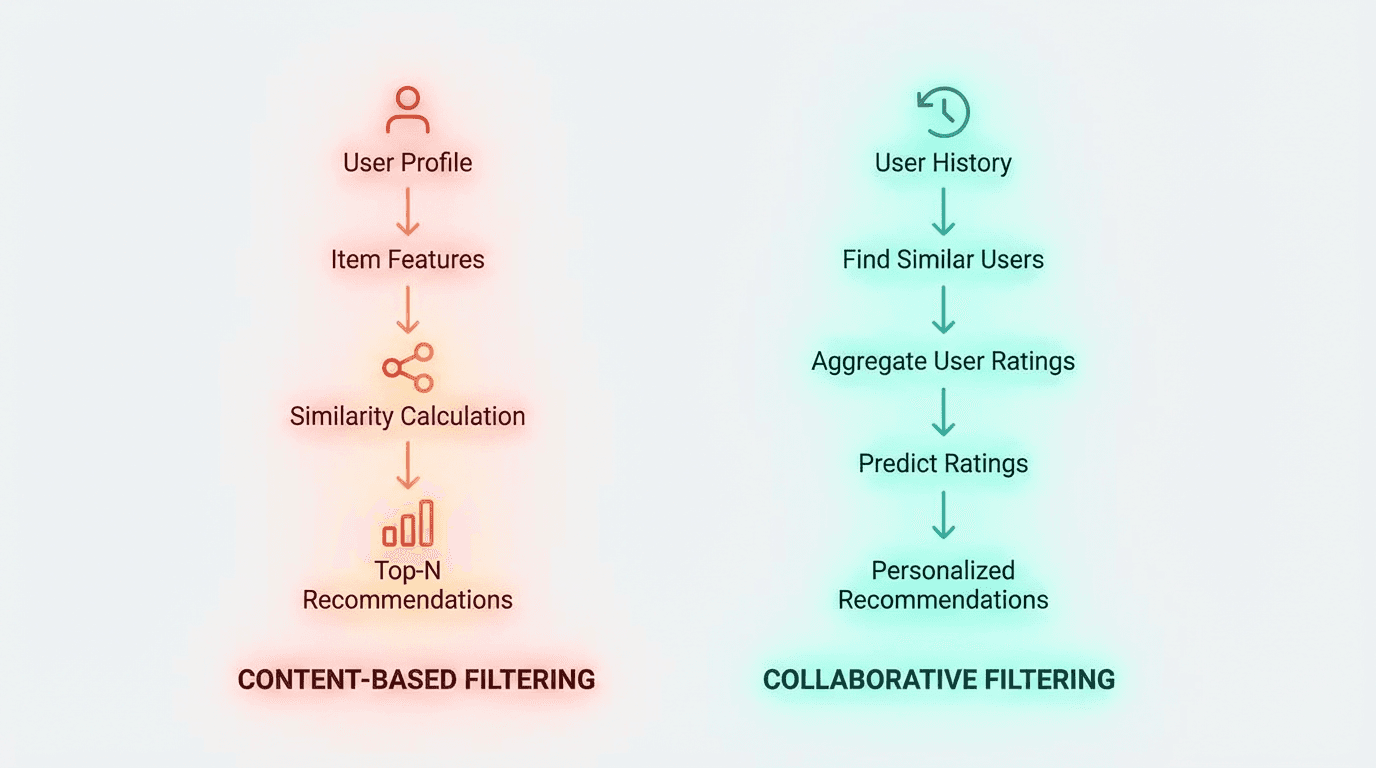
TikTok's algorithm is built around interest graphs. It does not care how many followers you have. Every video is tested against a small audience first, and if performance signals are strong, the video is pushed to larger and larger groups. TikTok weighs completion rate, replays, shares, and comments heavily. The system is optimized to surface content that keeps users scrolling.
YouTube Shorts uses a similar test-and-expand model, but with important differences. YouTube factors in viewer satisfaction signals beyond just watch time. It considers whether a viewer clicks through to more of your content, subscribes after watching, or stays on the platform longer. YouTube also uses search and browse signals, which means Shorts can be discovered through YouTube Search, not just the Shorts feed.
The January 2026 algorithm update introduced new search filters and popularity sorting for Shorts, making discoverability through search even more important. This is a meaningful advantage for creators who make evergreen or educational content that people actively search for.
TikTok's algorithm tends to reward novelty and trend participation. YouTube's algorithm tends to reward consistency and viewer retention over time.
What this means practically: if your content relies on trending sounds, fast cultural moments, and viral formats, TikTok's algorithm will distribute it faster. If your content is educational, evergreen, or built around a niche topic that people search for, YouTube Shorts gives you more long-term discoverability.
Audience: Who Is Watching on Each Platform
Audience composition is different across the two platforms, and it affects what kind of content performs well on each.
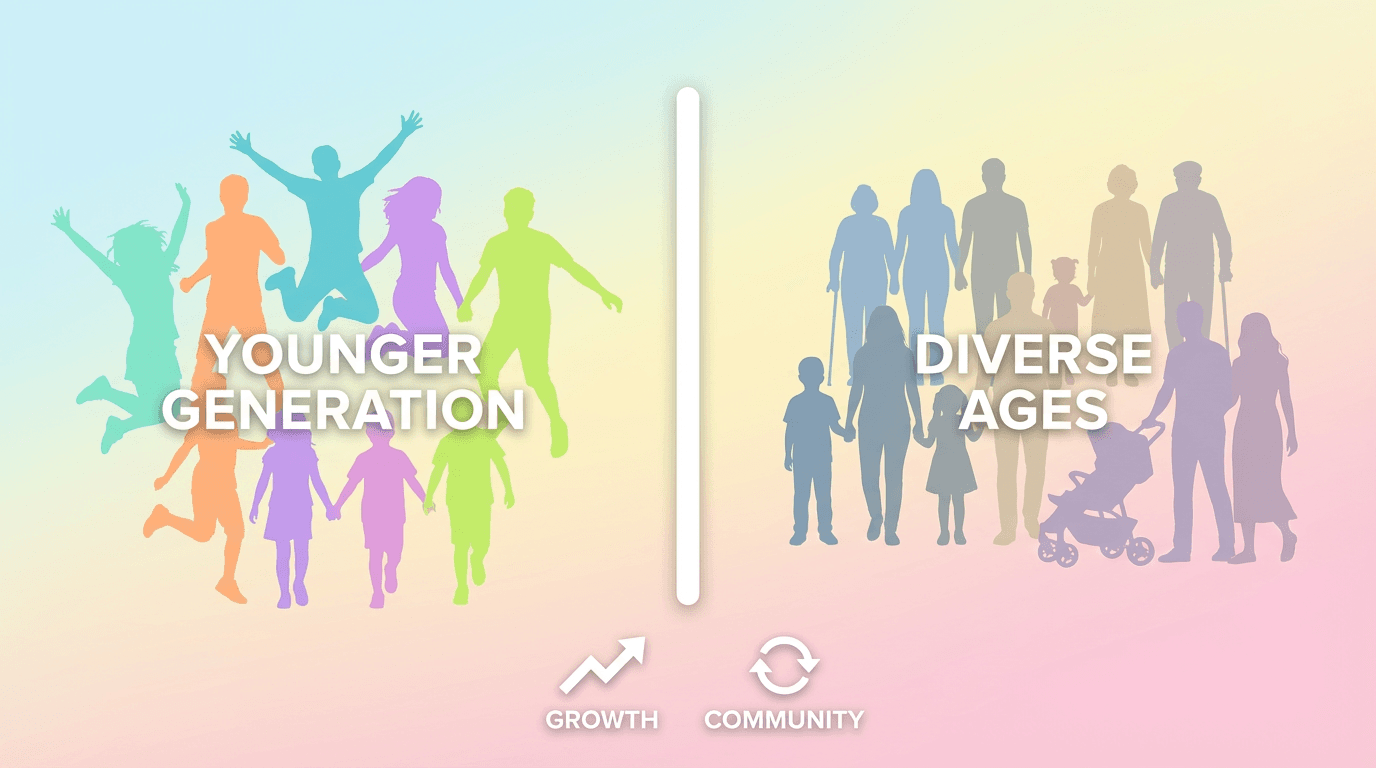
TikTok skews younger. While the platform has expanded its age range significantly since its early days, the core user base still leans toward Gen Z and younger millennials. TikTok users tend to engage with entertainment-first content, humor, storytelling, and cultural trends. The average session length is high, and users are comfortable spending extended time in the feed.
YouTube's audience is broader. YouTube Shorts reaches viewers across every age group because the Shorts feed is integrated into the main YouTube app, which has one of the largest installed user bases of any app globally. This means Shorts are seen by people who came to YouTube to watch long-form content and then dipped into the Shorts feed, as well as people who use Shorts as their primary format.
This has a practical implication. On TikTok, your content competes primarily with other short-form entertainment. On YouTube Shorts, your content is part of a larger ecosystem that includes tutorials, vlogs, documentaries, and music. If your Short can serve as an entry point to a longer content library on your channel, YouTube Shorts gives you a compounding advantage.
For creators focused on building a subscriber base that watches multiple types of content, YouTube is the stronger platform. For creators focused on maximizing individual video reach and cultural relevance, TikTok offers faster distribution to cold audiences.
Content Discovery: Feed vs Search vs Suggested
How viewers find your content is fundamentally different on each platform, and this affects your content strategy.
On TikTok, the For You Page is the primary discovery surface. Almost all views come from algorithmic recommendations. Search exists and is growing, but the vast majority of content consumption happens through the feed. This means your content needs to perform well in a swipe environment where first impressions decide everything.
On YouTube Shorts, discovery happens through multiple surfaces. The Shorts feed is one source, but Shorts also appear in YouTube Search results, on channel pages, in suggested videos alongside long-form content, and in browse features on the YouTube homepage. This multi-surface distribution means a single Short can accumulate views from different sources over days, weeks, or even months.
This is why the first 3 seconds of a YouTube Short matter so much. In the Shorts feed, viewers swipe away instantly if the opening does not grab attention. But unlike TikTok, where most views come from one feed, YouTube Shorts can also gain traction through search intent, which means titles and descriptions carry real weight.
The guide on YouTube Shorts titles and descriptions in 2026 covers how to optimize metadata for this multi-surface discovery model.
TikTok discovery is more explosive but shorter-lived. A TikTok video can get millions of views in 48 hours and then stop. YouTube Shorts tend to build more gradually but can continue generating views for much longer, especially if the content matches a search query.
Monetization: How Each Platform Pays Creators
This is where YouTube Shorts has pulled significantly ahead of TikTok in 2026.

YouTube Shorts monetization works through the YouTube Partner Program. Eligible creators earn a share of ad revenue generated from ads that run between Shorts in the feed. The revenue is pooled and distributed based on your share of total Shorts views. While Shorts RPM is lower than long-form YouTube RPM, it is consistent and scales with views.
For a detailed breakdown of current earnings, see the guide on YouTube Shorts monetization in 2026 and how much they pay.
TikTok's monetization landscape has been more fragmented. The TikTok Creativity Program pays creators based on qualified views, but the requirements are stricter and the payout structure has changed multiple times. Many TikTok creators rely more heavily on brand deals, affiliate links, and driving traffic to external platforms rather than on direct platform payments.
YouTube also offers additional monetization paths that TikTok does not match. A Short that drives viewers to subscribe can lead to long-form video views, which generate significantly higher ad revenue. Memberships, Super Chats, and merchandise shelves are all part of the YouTube ecosystem. Shorts act as a top-of-funnel acquisition tool that feeds into these higher-value monetization channels.
If your primary goal is earning revenue directly from the platform, YouTube Shorts offers a more reliable and scalable path in 2026. If your goal is building an audience that you monetize through brand deals or external products, TikTok's reach to younger, trend-sensitive audiences can be valuable.
Thumbnails and Visual Presentation
Thumbnails are a growing differentiator between the two platforms.
YouTube now supports custom thumbnails for Shorts. These thumbnails appear in search results, on channel pages, and in suggested placements. A strong thumbnail can significantly increase the click-through rate of a Short when it appears outside the swipe feed.
TikTok does not use thumbnails in the same way. The cover image matters for profile aesthetics, but it does not drive discovery the same way a YouTube thumbnail does. On TikTok, the first frame of the video is what matters most because that is what viewers see when scrolling.
For YouTube Shorts creators, investing in thumbnails is now a real competitive advantage. The guide on YouTube Shorts thumbnail strategy in 2026 explains how to design thumbnails that perform well in vertical format.
Creators using can generate Shorts thumbnails directly with the YouTube Thumbnail Maker. The tool supports 9:16 format, prompt-based generation, reference image uploads, and text overlays, making it fast to produce multiple thumbnail variations for testing.
Content Formats That Work on Each Platform
The types of content that perform well are similar in structure but different in tone and pacing.
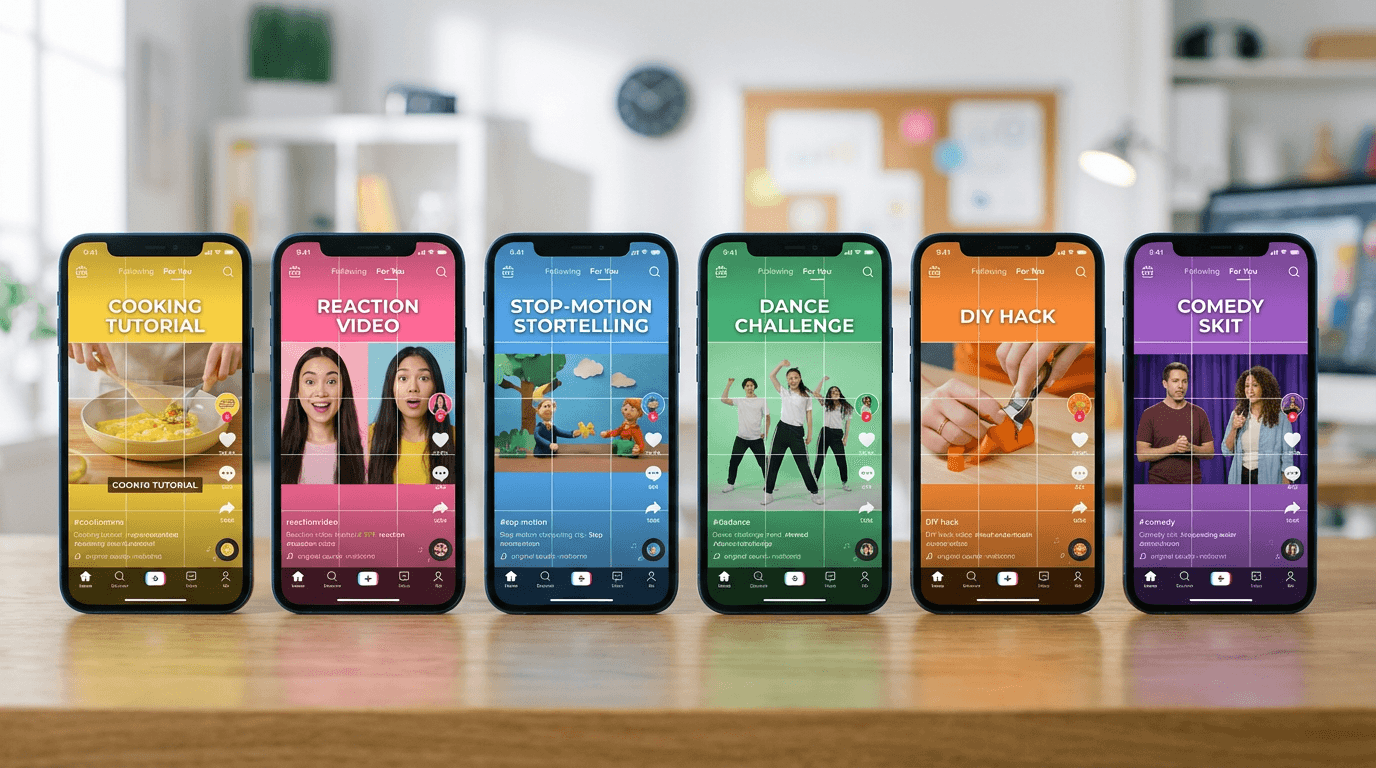
On TikTok, content that performs well tends to be fast-paced, personality-driven, trend-responsive, and culturally aware. Humor, commentary, duets, stitches, and sound-based trends dominate. The platform rewards creators who move quickly when a trend emerges and add their own spin.
On YouTube Shorts, the formats that perform best include educational content, listicles, tutorials, before-and-after transformations, storytelling, and niche-specific value content. Personality still matters, but the content itself carries more weight. A faceless Short with strong visuals and clear information can perform just as well as a creator-led one.
For a breakdown of high-performing Shorts formats, see the guide on AI Shorts formats that go viral in 2026.
This difference in format expectations is important when deciding which platform to prioritize. If you enjoy being on camera, reacting to trends, and creating personality-driven content, TikTok rewards that behavior faster. If you prefer creating structured, informative, or visually driven content, YouTube Shorts is often a better fit.
Faceless Content: Where Each Platform Stands
Faceless content channels have grown significantly on YouTube Shorts. Niches like finance tips, AI tutorials, history facts, nature footage, and motivational content perform well without requiring the creator to appear on camera. YouTube's algorithm evaluates the content itself, not whether a human face is present.
TikTok can support faceless content, but the platform's culture is more personality-oriented. Faceless TikToks can go viral, but they tend to have shorter shelf lives and lower consistency compared to creator-led accounts. The algorithm on TikTok seems to favor content where a recognizable creator builds a recurring audience relationship.
For creators exploring faceless Shorts, the guide on faceless YouTube Shorts AI niches in 2026 covers which niches work best and how to produce them efficiently.
Faceless Shorts can be created entirely with AI tools. The workflow involves entering a topic, generating a script, creating matching visuals, and combining everything into a vertical video. This is the core workflow behind Text2Shorts on Miraflow AI, which handles script generation, scene visuals, narration, and final assembly from a single topic input.
Posting Frequency and Consistency
Both platforms reward consistency, but the expectations differ.
On TikTok, many successful creators post 2 to 5 times per day. The algorithm tests each video independently, so higher volume means more chances for a video to break out. The platform is designed for high-frequency posting, and the audience expects a constant stream of new content.
On YouTube Shorts, daily posting is effective but less demanding than TikTok's pace. One to two Shorts per day is a strong cadence. YouTube's algorithm responds well to daily uploads because it signals that the channel is active and gives the system more content to test against audiences.
The practical challenge is production speed. Creating 2 to 5 TikToks per day by hand is exhausting. Even creating one YouTube Short per day from scratch takes meaningful time.
This is where AI-powered creation tools make a real difference. Instead of filming, editing, and assembling each video manually, creators can describe a topic and have the system generate a complete Short with script, visuals, voiceover, and pacing. This makes daily or multi-daily posting sustainable without burning out.
Audio and Music Differences
Music and sound play different roles on each platform.
TikTok is built around audio. Trending sounds drive discovery, and using the right sound at the right time can be the difference between 500 views and 500,000. The platform's audio library and sound-matching features are deeply integrated into the creation experience. Audio is often the content itself, not just a backdrop.
YouTube Shorts uses music differently. Background music enhances the viewing experience but is rarely the primary discovery driver. YouTube's content ID system means creators need to be careful about copyright. Using original or properly licensed music is important to avoid demonetization or takedowns.
For creators who need royalty-free background music for Shorts, generating custom tracks with AI is a practical solution. Miraflow AI's Music Generator lets creators describe the style, mood, and instruments they want, then generates a complete track in under a minute. This avoids copyright issues entirely and gives each Short a unique audio identity.
For a deeper look at generating music for short-form content, see the guide on free AI music generators for YouTube Shorts and Reels in 2026.
Analytics and Feedback Loops
Both platforms provide analytics, but the depth and usefulness differ.
YouTube Studio offers detailed analytics for Shorts including impressions, click-through rate, average percentage viewed, swipe-away rate, traffic sources, and audience demographics. This data is comprehensive and actionable. Creators can see exactly where viewers drop off and which traffic sources drive the most views.
TikTok's analytics dashboard has improved, but it tends to be less granular. You can see views, likes, shares, comments, and audience demographics, but the retention curve and traffic source data are less detailed than what YouTube provides.
For creators who want to make data-driven decisions about their content strategy, YouTube's analytics give a clearer picture of what is working and why. The ability to see whether views came from the Shorts feed, YouTube Search, or suggested placements helps creators optimize their metadata and content format.
Long-Term Channel Growth
This is where the platforms diverge most significantly for creators thinking beyond the next 30 days.
YouTube Shorts exists within the YouTube ecosystem. Every subscriber you gain from a Short is a subscriber to your YouTube channel. That subscriber can then see your long-form videos, community posts, live streams, and future Shorts. The value of a YouTube subscriber compounds over time because it connects to a broader content library.
TikTok followers have value, but TikTok's algorithm shows followers your content less predictably. Even accounts with millions of followers can see individual videos underperform because TikTok prioritizes content quality over follower relationships. This is great for new creators trying to break in, but it makes building a reliable, recurring audience harder.
If your long-term goal is building a channel with multiple revenue streams, a loyal audience, and compounding growth, YouTube Shorts is the stronger foundation. If your goal is maximizing individual video reach and cultural impact, TikTok's distribution model gives you more explosive potential on a per-video basis.
Side-by-Side Comparison
Here is a summary of how the two platforms compare across the most important dimensions in 2026.
- Algorithm focus. TikTok prioritizes interest matching and engagement signals on a per-video basis. YouTube Shorts uses a mix of engagement, viewer satisfaction, session time, and search relevance.
- Primary discovery. TikTok relies on the For You Page. YouTube Shorts distributes through the Shorts feed, YouTube Search, suggested videos, browse features, and channel pages.
- Audience age. TikTok skews younger with a Gen Z core. YouTube Shorts reaches a broader age range.
- Monetization. YouTube Shorts offers ad revenue sharing through the Partner Program. TikTok's monetization is less consistent and more dependent on brand deals.
- Thumbnails. YouTube supports custom Shorts thumbnails that impact click-through rate. TikTok uses cover images primarily for profile aesthetics.
- Content shelf life. TikTok videos peak quickly and decline. YouTube Shorts can accumulate views over weeks or months through search.
- Faceless content. YouTube Shorts supports faceless niches effectively. TikTok favors personality-driven content.
- Posting pace. TikTok rewards 2 to 5 posts per day. YouTube Shorts performs well with 1 to 2 per day.
- Audio role. TikTok is audio-first. YouTube Shorts uses audio as a complement to visual content.
- Analytics depth. YouTube provides more detailed, actionable analytics. TikTok analytics are improving but less granular.
- Long-term growth. YouTube subscribers compound across content types. TikTok followers see content less predictably.
When to Choose YouTube Shorts
YouTube Shorts is the better choice if your goals align with any of these scenarios.
You want to build a long-term channel with multiple content formats. Shorts act as a discovery tool that feeds subscribers into your long-form content, memberships, and other revenue streams.
You create educational, tutorial, or evergreen content. YouTube's search functionality means your Shorts can be discovered months after publishing if they match a relevant query.
You want reliable monetization. The YouTube Partner Program provides consistent ad revenue sharing that scales with views.
You prefer data-driven optimization. YouTube Studio gives you the analytics depth to understand what is working and iterate accordingly.
You want to produce faceless content. YouTube's algorithm evaluates the content rather than the creator, making faceless niches viable and sustainable.
You plan to use AI tools for production. The entire pipeline from script to video to thumbnail to music can be handled inside platforms like Miraflow AI, making daily posting sustainable.
When to Choose TikTok
TikTok is the better choice in these scenarios.
You want maximum reach with minimal follower count. TikTok's algorithm gives every video a fair chance regardless of account size, making it the best platform for going viral with zero existing audience.
You create personality-driven, entertainment-first content. TikTok's culture rewards humor, commentary, reactions, and trend participation.
You want to reach a younger demographic. If your target audience is Gen Z, TikTok is where they spend the most time.
You thrive on trend-based content. If your creative process involves reacting to cultural moments quickly, TikTok's trend infrastructure is built for that workflow.
You are building a personal brand that monetizes off-platform. TikTok excels at driving awareness and traffic to external products, courses, or services.
When to Post on Both (and How to Do It Efficiently)
Despite the differences, many creators still benefit from posting on both platforms. The key is doing it efficiently without treating it as double the work.
The most effective approach is to choose one platform as your primary and the other as a secondary distribution channel. Create content natively for your primary platform, then adapt it for the secondary one.
If YouTube Shorts is your primary platform, you might adjust pacing slightly for TikTok, add a trending sound, or change the opening to match TikTok's tone. If TikTok is your primary, you would add a stronger title and description for YouTube's search algorithm and create a custom thumbnail.
The production workflow can be streamlined significantly with AI tools. A single topic entered into a tool like Text2Shorts generates a complete vertical video that can be published on both YouTube Shorts and TikTok. Adjustments for each platform take minutes rather than hours.
For creators managing production across multiple platforms, the guide on the new creator stack for AI Shorts, Reels, and TikTok breaks down how modern creators are structuring their workflows.
5 Content Ideas That Work on Both Platforms
Here are five content concepts that translate well across YouTube Shorts and TikTok, along with visual prompts you can use to generate thumbnails or scene visuals.
1. "3 things I wish I knew before starting a YouTube channel"
Works on both platforms because it is relatable, educational, and structured. On YouTube, it benefits from search. On TikTok, it benefits from relatability.
Thumbnail prompt:
a creator looking thoughtful with three glowing lightbulbs floating above their head, bright gradient background in blue and yellow, clean modern composition, vibrant and eye-catching style
2. "Day in the life of a content creator using only AI tools"
Works on both because it satisfies curiosity and showcases a trending topic. On YouTube, it targets search queries about AI tools. On TikTok, it taps into the AI content trend.
Thumbnail prompt:
a person at a clean desk surrounded by floating holographic screens showing video editing, image generation, and music creation interfaces, bright white and teal background, futuristic and aspirational mood
3. "This free tool replaced my entire video editing workflow"
Works on both because it promises value and triggers curiosity. Listicle structure fits both platforms.
Thumbnail prompt:
a laptop transforming into a play button with sparkle effects around it, split screen showing manual editing on the left and one-click generation on the right, bright orange and white background, clean bold composition
4. "What 30 days of daily Shorts taught me"
Works on both because personal experiments perform well everywhere. Data-driven storytelling resonates with both audiences.
Thumbnail prompt:
a calendar with 30 checkmarks and a glowing analytics chart rising above it, bright green and white background, clean motivational visual style, modern composition with celebration particles
5. "The biggest mistake new creators make on short-form video"
Works on both because it targets a universal pain point. On YouTube, it matches search intent. On TikTok, the bold claim drives engagement.
Thumbnail prompt:
a person covering their face with one hand while a phone screen behind them shows a zero views counter, bright red warning glow, yellow background, dramatic and attention-grabbing composition
How AI Tools Change the Platform Decision
One factor that has shifted the YouTube Shorts vs TikTok debate in 2026 is the rise of AI-powered content creation. Tools that generate entire Shorts from a single topic input have made daily publishing practical for solo creators.

This matters because YouTube Shorts rewards consistency more than TikTok does. Posting daily on YouTube builds algorithmic momentum that compounds over time. But daily posting requires a production workflow that does not burn out the creator.
With AI tools, the workflow looks like this: enter a topic, choose a visual style, review the generated script, adjust if needed, and generate the final video. The entire process can take 5 to 10 minutes per Short.
Miraflow AI handles this full pipeline in the browser. Creators can generate Shorts with Text2Shorts, produce cinematic clips for visual elements, create AI-generated thumbnails for YouTube, and generate background music for audio. Everything stays in one place, which eliminates the friction of switching between tools.
This production efficiency tilts the platform decision toward YouTube Shorts for many creators because it makes the consistency that YouTube rewards actually achievable.
Final Verdict: Which Platform Should You Choose in 2026
There is no universal answer, but there is a clear framework for deciding.

Choose YouTube Shorts if you want long-term channel growth, reliable monetization, search-based discovery, detailed analytics, and the ability to build a multi-format content library around a subscriber base.
Choose TikTok if you want maximum per-video reach, trend-driven distribution, access to younger audiences, and a platform that rewards personality and cultural relevance.
Choose both if you have the production capacity to create content efficiently and can adapt your approach for each platform's strengths.
For most creators in 2026 who are building a sustainable content business, YouTube Shorts offers the stronger long-term foundation. The monetization is better, the analytics are deeper, the subscriber model compounds, and the search-based discovery gives content a longer shelf life.
TikTok remains the best platform for rapid audience building and cultural impact. If you are trying to go viral fast with zero existing audience, TikTok gives you the widest distribution.
The smartest approach is to decide based on your goals, not on which platform is more popular. Build your strategy around the platform that matches what you are trying to achieve, then use the other as a secondary channel when it makes sense.
Start creating today. If you have an idea for a Short, you can turn it into a finished video in minutes. Visit Miraflow AI and start producing content for whichever platform fits your goals.
FAQ: YouTube Shorts vs TikTok in 2026
Is YouTube Shorts better than TikTok in 2026?
It depends on your goal.
If you want long-term channel growth, stronger monetization, better analytics, and search-based discovery, YouTube Shorts is usually the better choice.
If you want faster viral reach, trend-driven discovery, and stronger access to Gen Z audiences, TikTok can be the better fit.
For many creators in 2026, YouTube Shorts is the stronger long-term platform, while TikTok is better for fast exposure and trend participation.
Should I post on both YouTube Shorts and TikTok?
Yes, but only if you can do it without lowering quality.
The best approach is usually to choose one platform as your primary channel and treat the other as a secondary distribution platform. That way, you can make native content for your main platform, then lightly adapt it for the second one instead of posting identical videos everywhere. Your draft already makes this point clearly in the section about posting on both efficiently.
Does YouTube Shorts pay more than TikTok in 2026?
For most creators, YouTube Shorts offers a more stable direct monetization path in 2026.
YouTube Shorts monetization runs through the YouTube Partner Program, while TikTok monetization is still more fragmented and often relies more heavily on brand deals, affiliate revenue, or external offers. That long-term monetization difference is one of the clearest advantages YouTube Shorts has right now.
Which platform is better for faceless content?
YouTube Shorts is usually better for faceless content.
Faceless educational, informational, and visual-first content tends to perform more consistently on YouTube Shorts because the platform rewards niche value and search relevance. TikTok can still work for faceless content, but it tends to favour more personality-driven, creator-led formats. Your draft already explains this contrast well in the faceless content section.
Is TikTok still better for going viral?
Yes, TikTok is still generally better for pure viral reach.
Its recommendation system is built to test videos quickly with cold audiences, and it rewards trend participation, novelty, and fast entertainment formats. If your main goal is explosive reach on a single video, TikTok still has an edge. If your goal is compounding views over time, YouTube Shorts usually performs better.
Which platform is better for educational content?
YouTube Shorts is usually better for educational and evergreen content.
That is because Shorts can be discovered through YouTube Search, suggested videos, browse features, and channel pages, not only the Shorts feed. This gives educational content a longer shelf life than TikTok content, which is still much more feed-driven.
Should I use the same video for Shorts and TikTok?
You can, but it usually works better if you adapt it slightly.
If YouTube Shorts is your primary platform, you may want to strengthen the title, description, and thumbnail for YouTube discovery. If TikTok is your primary platform, you may want to adjust the opening pacing, trend alignment, or sound choice for TikTok’s For You feed. Your draft already frames this as a native-first strategy rather than blind reposting.
Which platform is better for beginners with zero followers?
TikTok is often better for fast early exposure, because the algorithm gives every post a chance to be tested with new viewers.
But YouTube Shorts is often better for turning those early viewers into a longer-term content ecosystem, especially if you plan to build long-form videos, playlists, and a searchable library. So the better platform depends on whether you want quick reach or compounding growth.
Are thumbnails more important on YouTube Shorts or TikTok?
Thumbnails matter much more on YouTube Shorts.
On TikTok, discovery is mostly driven by the feed and the first frame of the video. On YouTube Shorts, custom thumbnails can affect click-through rate in search results, channel pages, and suggested placements. Your draft already points out that thumbnails are a growing differentiator between the two platforms.
Which platform should creators choose in 2026?
Choose YouTube Shorts if you want:
- stronger monetization
- better analytics
- search traffic
- long-term channel growth
- a path into long-form YouTube
Choose TikTok if you want:
- faster organic reach
- trend participation
- younger audiences
- personality-driven growth
- more viral upside on individual videos
Choose both if you have the workflow to adapt your content instead of just reposting it.