How the YouTube Algorithm Decides Who Sees Your Shorts in 2026

Written by
Jay Kim

The YouTube Shorts algorithm decides your reach in the first hour based on behavioral signals, not subscriber count. Here is exactly how it works in 2026 and what you can do about it.
You uploaded a Short. It got 47 views in 24 hours, then flatlined. Meanwhile, someone with a smaller channel posts something similar and hits 200k in a weekend. If that situation feels familiar, the problem is not your content quality. The problem is you do not fully understand how YouTube decides who gets to see your Shorts in the first place.
This post breaks down exactly how the YouTube Shorts algorithm works in 2026, what signals it actually uses, what kills your reach before you even realize it, and what you can do to get your content in front of the right people consistently.
Why the Shorts Algorithm Behaves Differently From Long-Form
Most creators make the mistake of treating Shorts like a smaller version of regular YouTube videos. The algorithm treats them completely differently.
Long-form videos are primarily distributed through search, browse features, and suggested videos. Shorts live inside their own feed, and that feed operates more like TikTok than traditional YouTube. The algorithm is deciding in real time which Shorts to keep showing to each viewer based almost entirely on behavioral signals rather than subscriber counts or channel history.
This is actually good news for new channels. A brand new account can go viral with the right Short. But it also means established channels can get suppressed if their Shorts are not hitting the right behavioral signals.
The core logic YouTube uses for Shorts distribution in 2026 comes down to this: the algorithm finds a small test audience, measures how that audience responds, and then decides whether to push the video to a broader group or quietly stop showing it.
The Test Audience Phase: What Happens in the First Hour
When you post a Short, YouTube does not show it to all your subscribers or to a massive random audience. It shows it to a small segment, typically a few hundred to a few thousand people depending on your channel size, and watches very carefully.
During this window, YouTube is tracking:
- Watch percentage: Did people watch most of it, or swipe away in the first two seconds?
- Replay rate: Did anyone watch it more than once?
- Like rate: Out of the people who watched, how many liked it?
- Comment signals: Did people react in the comments?
- Share rate: Did anyone send it to someone else?
- Swipe away rate: How quickly did people exit to the next Short?
The swipe away rate is the one most creators underestimate. YouTube specifically measures how fast someone leaves your Short after it starts. If that number is high, the algorithm interprets this as a signal that the content did not match viewer expectations, and it stops distribution almost immediately.
This is why the first 3 seconds of a Short matter so much. You are not just competing for attention. You are competing against the algorithm's decision to cut your reach before most people even see it.
How YouTube Matches Shorts to Viewers
One of the biggest shifts in 2026 is how sophisticated YouTube has become at matching content to the right viewer. The algorithm no longer just looks at what topics someone watches. It builds a behavioral profile based on:
- Viewing patterns across all of YouTube (not just Shorts)
- How long someone typically stays on the Shorts feed
- What type of content causes them to engage versus swipe
- What time of day they're most active
- What content they watch all the way through
This means your Short might perform very differently depending on who it gets shown to first. If the initial test audience is not a great match for your content style, your metrics will look bad even if the video is genuinely good.
Understanding your YouTube traffic sources in 2026 helps you understand which segments of the audience are actually finding your content and whether the algorithm is routing your Shorts correctly.
The practical implication here is that niche content tends to outperform broad content in the Shorts algorithm. When your content is clearly about one thing, YouTube can match it to viewers who consistently engage with that specific type of content. Broad, vague content gets tested against a mixed audience, which typically produces weaker engagement signals.
The 5 Signals That Control Your Reach in 2026
Let's get specific about what actually moves the needle.
1. Completion Rate
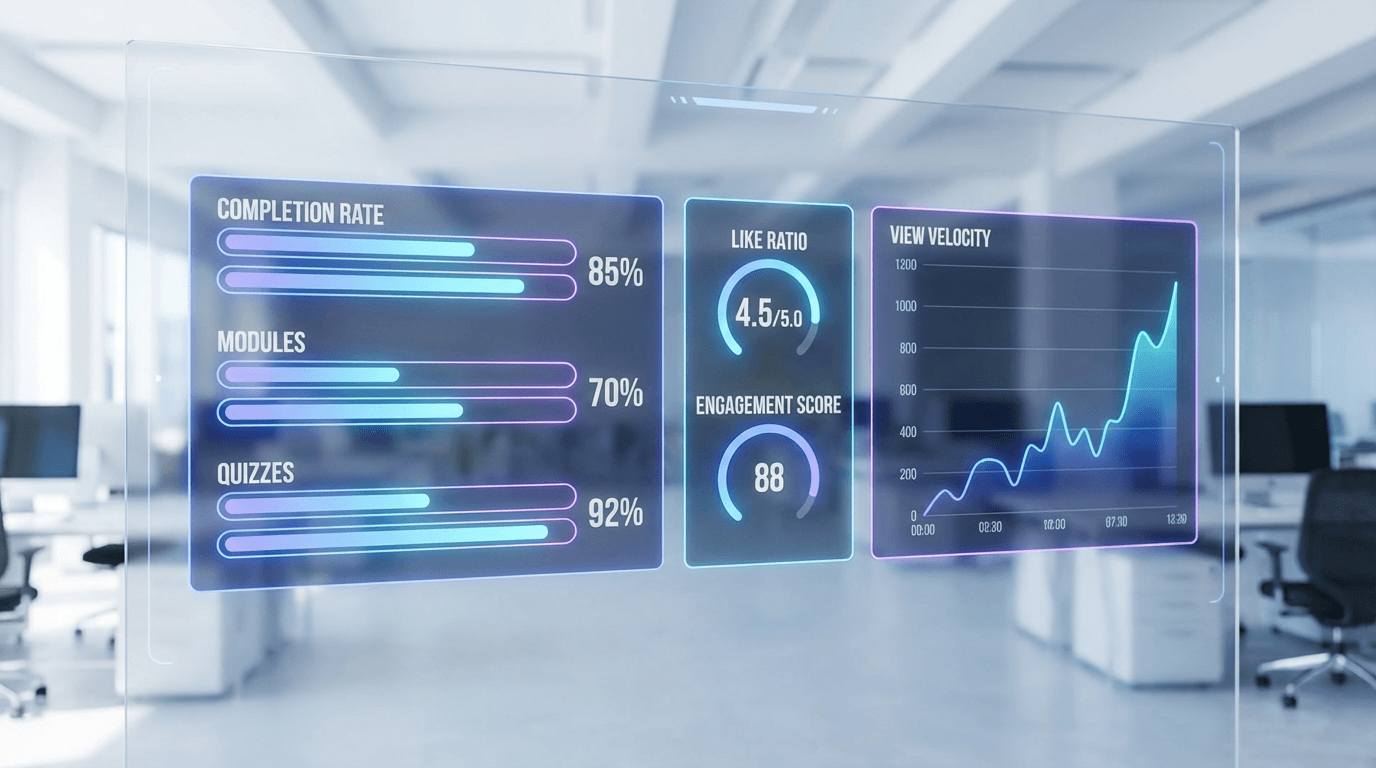
Completion rate is the percentage of your Short that viewers actually watch. For Shorts, this is arguably the most important single metric. A Short with 80% average completion will be pushed significantly harder than one with 40%, even if the lower completion video has more absolute views.
The way to improve completion rate is not to make shorter videos. It is to make videos where the reason to keep watching is clear from the first moment and the payoff at the end feels worth it.
2. Engagement Velocity
It is not just whether people engage. It is how quickly they engage after watching. Comments, likes, and shares that happen immediately after viewing carry more algorithmic weight than engagement that trickles in hours later. This is why posting at the right time matters. If your audience is not active when you post, you are wasting that initial test window.
YouTube Shorts analytics in 2026 will show you exactly when your viewers are online. Align your posting time to that window.
3. Subscriber Conversion Rate
This one surprises a lot of creators. YouTube tracks how often viewers of your Short decide to subscribe. A Short that converts even a small percentage of viewers into subscribers sends a powerful signal that the content is genuinely valuable rather than just entertaining for one scroll. Channels with strong subscriber conversion from Shorts get boosted distribution in future videos.
If you are getting views but nobody is subscribing, that is a specific problem worth diagnosing. Here is why YouTube Shorts get views but no subscribers and how to fix it.
4. Rewatch Rate
This is underrated. If a meaningful number of people watch your Short more than once, YouTube reads this as a strong positive signal. Rewatchable Shorts tend to be either funny, informative with fast delivery, or visually striking enough that people want to see it again. Building content that earns a second watch is one of the most efficient ways to improve your algorithmic reach.
5. Like-to-View Ratio
The raw number of likes matters less than the ratio. A Short with 500 views and 80 likes is performing much better in the algorithm's eyes than one with 10,000 views and 100 likes. A healthy like-to-view ratio signals that the right audience is watching, not just a large random one.
What Tanks Your Reach Without You Knowing It
These are the common mistakes that suppress Shorts distribution, and most creators have no idea they are doing them.
Inconsistent posting schedule: The algorithm learns your posting patterns. Channels that post inconsistently tend to get lower initial test audiences because YouTube is less confident about predicting when the next video will arrive. Daily uploads affect how the Shorts algorithm responds to your channel in ways that compound over time.
Weak hooks with strong payoffs: A common mistake is putting the most interesting part of the Short at the end. If the first two seconds do not communicate value, viewers swipe before they ever get to the good part. Your hook needs to make the payoff feel inevitable and worth waiting for.
Misleading thumbnails or titles: YouTube Shorts now has thumbnail support, and while Shorts autoplay in the feed, thumbnails matter more in browse and search surfaces. If your thumbnail does not match your content, you create a mismatch that hurts your swipe-away rate. Understanding YouTube Shorts thumbnail strategy in 2026 is worth spending time on.
Ignoring the first 48 hours: Many creators post and move on. The first 48 hours are when the algorithm is actively deciding what to do with your Short. Responding to comments, sharing the video yourself, and driving early traffic can all push the algorithm toward broader distribution.
Zero views does not always mean bad content: Sometimes a Short gets buried not because it is bad but because it got assigned to the wrong initial audience or was posted at a low-traffic time. Why your videos are getting 0 views is a longer diagnosis worth reading if you are stuck.
How Niche and Topic Selection Affect Algorithm Routing
YouTube's algorithm has become significantly better at topic classification. It can understand what your Short is about from the audio, the visuals, the title, and the description, and it uses all of this to decide which viewers to test it with.
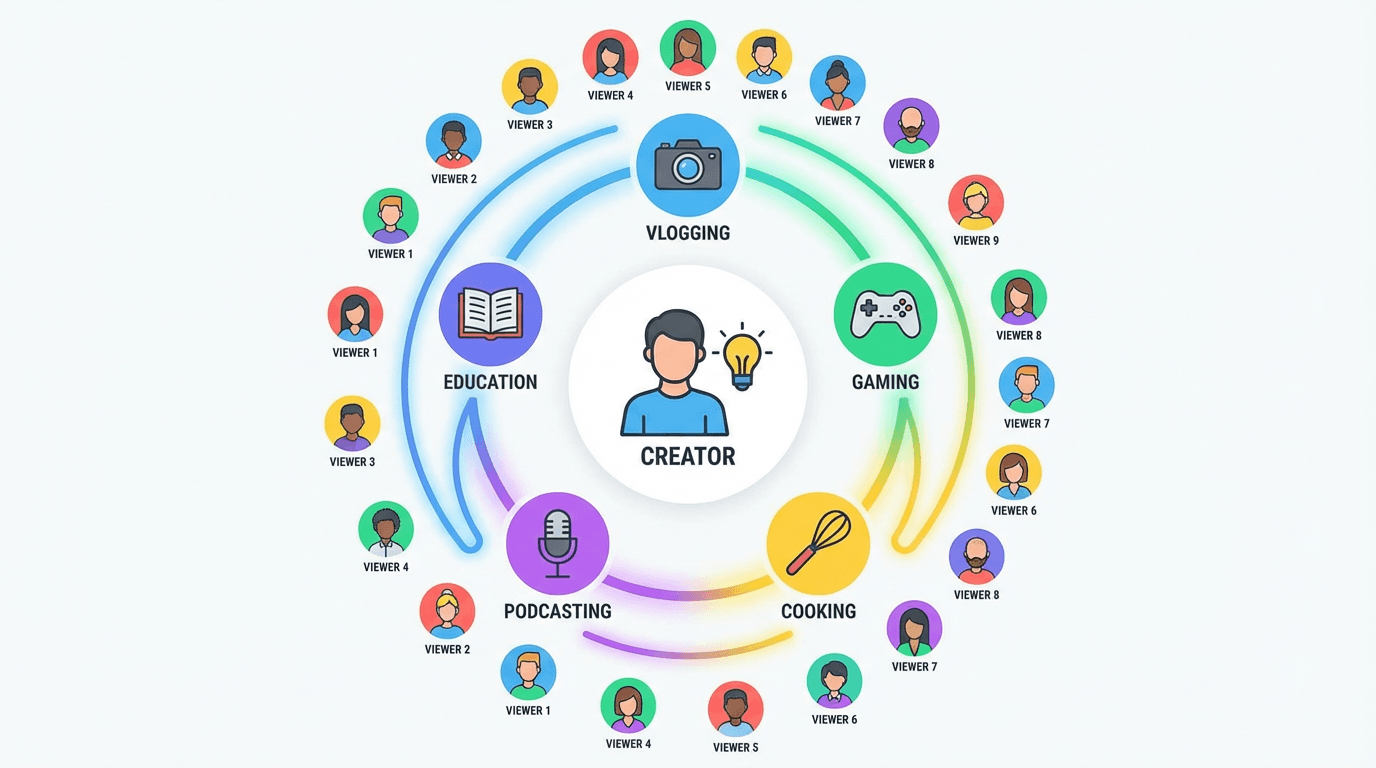
This is why topic selection is a distribution decision, not just a creative one.
High-performing Shorts niches in 2026 tend to share a few common traits: they have a specific and identifiable audience, that audience watches Shorts regularly rather than just occasionally, and the content type encourages rewatch or sharing behavior.
Faceless YouTube Shorts niches that work in 2026 covers specific categories that are currently getting strong algorithmic support. If you are trying to pick a direction, that post gives you a practical starting point.
When you pick a niche and stay consistent within it, the algorithm starts routing your new Shorts to an audience that has already demonstrated they like your previous content. This compounds over time. The longer you stay consistent in a specific topic area, the better the algorithm gets at matching your content to the right viewers automatically.
The Role of Watch Time and Session Time
There is a layer of the algorithm that goes beyond individual Short performance. YouTube also cares about whether your Shorts keep people on the platform longer. If viewers watch your Short and then continue scrolling through the Shorts feed, that is a positive signal. If they close the app after watching, that is neutral at best.
This is why session time on YouTube matters in 2026. Creators who understand how their Shorts fit into a viewer's broader session tend to get better distribution than those who optimize only at the individual video level.
One underused strategy is creating Shorts that work in a series. When someone watches one Short in a series and immediately wants to see the next one, it increases their session time and tells the algorithm your channel is worth prioritizing. Think of it as creating a playlist effect within the Shorts feed.
Creating Shorts That the Algorithm Wants to Push
Based on everything above, here is what an algorithm-optimized Short actually looks like in 2026.
Hook in the first 1.5 seconds: State the core value clearly. Not vague, not mysterious. A clear, specific reason to keep watching.
Pacing that respects attention: Shorts that move quickly but clearly tend to outperform slow builds. Every second should feel like it earns the next one.
A genuine payoff: The end of your Short should deliver on whatever the hook promised. Shorts that end with a satisfying resolution or a clear conclusion get higher completion rates.
Visuals that match the energy: The algorithm can analyze visual quality signals. High contrast, bright visuals, and clear subjects consistently outperform muddy or dark footage in the Shorts feed.
Clear audio: Poor audio quality correlates with higher swipe rates. Viewers will tolerate imperfect visuals much more than hard-to-hear audio.
Using AI to Create Shorts That Are Built for the Algorithm
Creating content that checks all these algorithmic boxes while also being genuinely interesting is not easy to do manually at scale. This is where AI tools change the workflow completely.
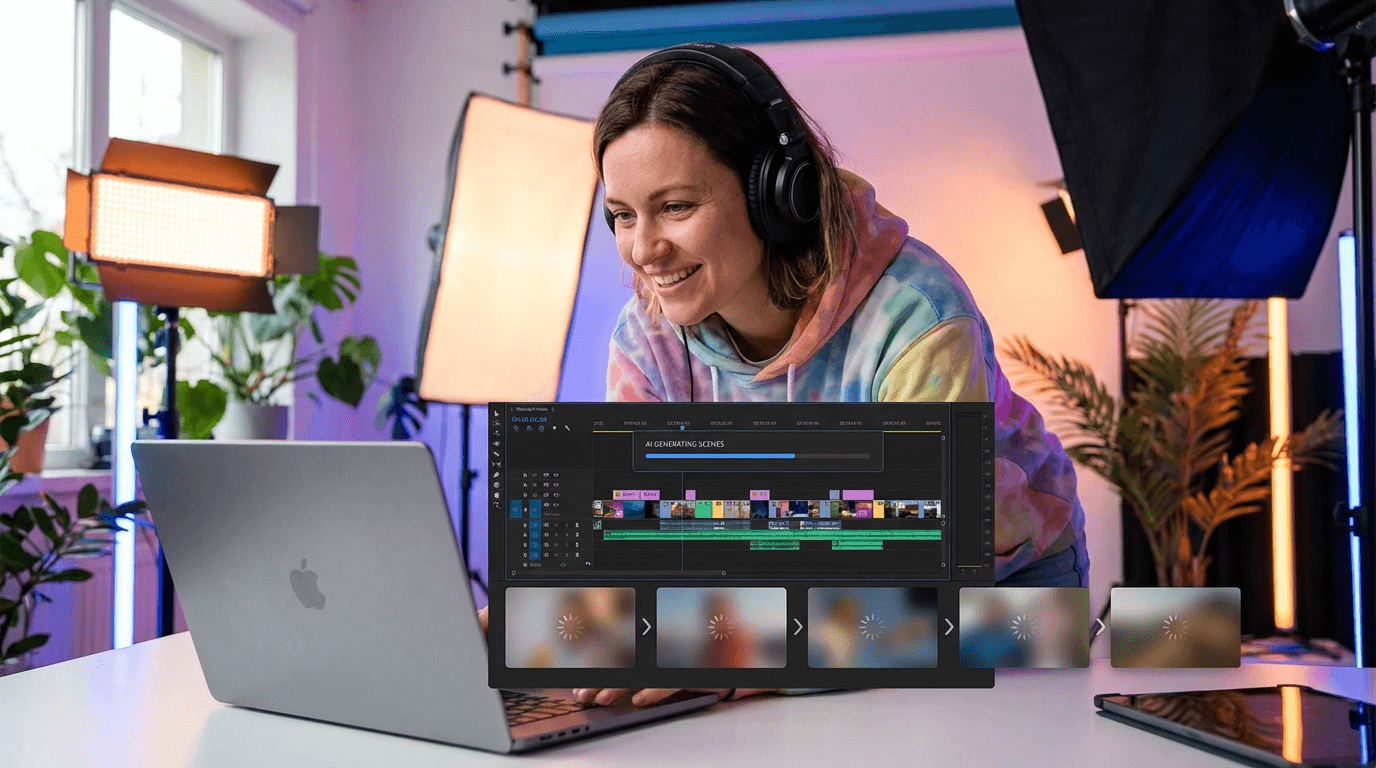
With Text2Shorts on Miraflow AI, you can go from a topic idea to a finished Short with a script, visuals, and voice in one browser-based workflow. The platform is built around the idea that the entire content pipeline, from concept to final video, should happen in one place without needing multiple tools or technical setup.
For creators posting consistently, which is genuinely important for algorithmic growth, this kind of workflow is what makes the difference between sporadic posting and a real publishing cadence. The new creator stack for AI Shorts and Reels in 2026 goes deeper into how creators are structuring these workflows now.
If you also want to improve your thumbnails for the browse and search surfaces, Miraflow's YouTube thumbnail maker lets you generate thumbnails from a prompt or by uploading your own face, which is directly relevant to click-through rate on those surfaces.
Conclusion
The YouTube Shorts algorithm in 2026 is more sophisticated than it has ever been, but the core logic is still behavioral. YouTube is watching how real viewers respond to your content in the first hours after posting, and it makes distribution decisions based on that signal rather than your subscriber count or channel age.
Getting this right means understanding the test audience phase, optimizing for completion rate and swipe behavior, staying consistent in your niche so the algorithm can route you to the right viewers, and posting when your audience is actually active.
The creators getting the most organic reach right now are not necessarily the ones with the best ideas. They are the ones who understand how the algorithm thinks and build their content to work with it rather than against it.
If you want to start creating Shorts that are built for algorithmic reach from the start, Miraflow AI gives you the full pipeline in your browser, from script to visuals to final video, without the overhead of managing multiple separate tools.
Frequently Asked Questions
Does posting frequency actually affect Shorts algorithm reach in 2026? Yes, posting consistently does affect how the algorithm treats your channel. YouTube builds a pattern expectation around your posting schedule, and channels that post regularly tend to get higher initial test audiences than those with inconsistent schedules.
How long should a YouTube Short be to perform best algorithmically? There is no single perfect length, but completion rate matters more than duration. A 45-second Short with 85% completion will outperform a 15-second Short with 50% completion. This guide on ideal Short length in 2026 goes deeper on this topic.
Do hashtags and descriptions affect Shorts distribution? Hashtags and descriptions help YouTube classify your content accurately, which affects which audience it is tested with. Better classification typically leads to better audience matching, which leads to stronger engagement signals. Keep descriptions specific and relevant to the topic.
Can older Shorts suddenly start getting views again? Yes, this does happen. YouTube sometimes re-tests older Shorts if your channel grows or if a related topic starts trending. Why old YouTube videos can start getting views again explains the mechanics behind this.
Does the thumbnail matter for Shorts? Thumbnails matter less in the autoplay Shorts feed but significantly more in search, browse, and suggested surfaces. Optimizing your thumbnail still increases your overall reach by improving CTR in those secondary surfaces.
Why does a Short perform well in one region and not others? The algorithm tests your content in different regional markets with different initial audiences. Engagement behavior varies by region, language, and cultural context. If your Short is built around a universal topic with clear visuals and minimal language dependency, it tends to perform more consistently across regions.