NullClaw Explained: The 678KB AI Agent That Runs on $5 Hardware (2026)

Written by
Jay Kim
NullClaw is a 678KB AI agent framework written in Zig that runs on $5 hardware with 1MB RAM. Here is everything creators and developers need to know about how it works, how it compares to OpenClaw, and where it fits in the AI agent landscape of 2026.
Most AI agent frameworks in 2026 demand gigabytes of RAM, heavy runtimes, and expensive hardware before you can even get them running. OpenClaw, the dominant open-source agent, has crossed 247,000 GitHub stars and built an ecosystem of plugins and integrations. But it also requires over a gigabyte of RAM just to start, runs on NodeJS with all its dependency overhead, and has already been hit by a critical security vulnerability that exposed over 40,000 instances to the public internet.
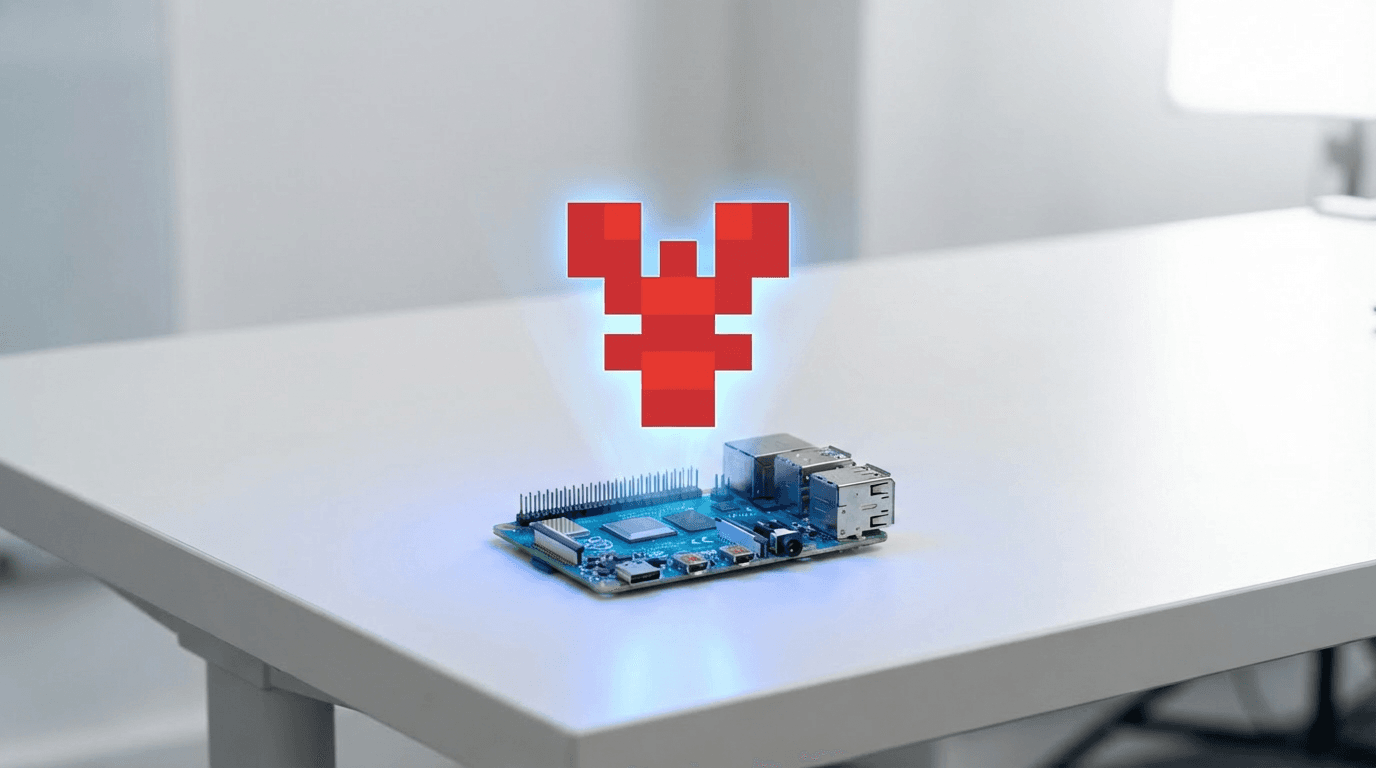
NullClaw takes a fundamentally different approach. NullClaw is a project that diverges from this trend, implementing a full-stack AI agent framework entirely in Raw Zig. By eliminating the runtime layer, NullClaw achieves a compiled binary size of 678 KB and operates with approximately 1 MB of RAM.[10] It boots in under 2 milliseconds, supports 22+ AI providers, connects to 19 communication channels, and runs on hardware that costs less than a cup of coffee.
If you are building content workflows, automating video production pipelines, or looking for ways to connect AI tools without bloated infrastructure, NullClaw is worth understanding. This guide covers what NullClaw actually is, how it compares to the OpenClaw ecosystem, what creators and developers can do with it, and where platforms like Miraflow AI fit into the picture.
What Is NullClaw and Why Does It Exist
Modern AI infrastructure has become bloated. Heavy runtimes, massive dependency trees, and enormous memory requirements have made deploying autonomous assistants difficult and expensive. NullClaw rejects this approach. Written entirely in Zig, NullClaw compiles into a tiny static binary. We eliminated allocator overhead, garbage collection delays, and runtime dependencies. The result is pure, unadulterated performance that runs on anything with a CPU.[1]
The project was created as a minimal, secure alternative to OpenClaw and its growing family of variants. NullClaw is an ultra-lightweight OpenClaw-style personal assistant infrastructure written in Zig and shipped as a single static binary. It targets cheap hardware and small VPS setups by minimizing overhead (around a 678 KB binary, ~1 MB peak RSS). Ultra-light OpenClaw-style assistant runtime in Zig: 678KB static binary, ~1MB RAM, <2ms boot, with tools, memory, channels, and providers.[7]
The key distinction here is that NullClaw removes every layer of abstraction that typically sits between AI agent logic and the hardware it runs on. There is no Python runtime, no JVM, no Go garbage collector, and no NodeJS event loop adding overhead. By using raw Zig and eliminating runtimes (No Python, No JVM, No Go), NullClaw reduces RAM requirements to ~1 MB and binary size to 678 KB. This is a 99% reduction in resources compared to standard managed-language agents.[10]
For context on how lightweight AI tools are reshaping content creation workflows, the same principles of efficiency and speed apply to how creators are now using AI-powered tools to generate YouTube Shorts, thumbnails, and entire video pipelines without heavy software.
NullClaw by the Numbers
Here are the core specifications that define NullClaw as a framework:
678 KB binary, <2 ms startup, 5,300+ tests, 50+ providers, 19 channels, and pluggable everything.[3]
Impossibly Small: 678 KB static binary with no runtime, no VM, no framework overhead. Near-Zero Memory: ~1 MB peak RSS. Runs comfortably on the cheapest ARM SBCs and microcontrollers. Instant Startup: <2 ms on Apple Silicon, <8 ms on a 0.8 GHz edge core.[3]
True Portability: Single self-contained binary across ARM, x86, and RISC-V. Drop it anywhere, it just runs. Feature-Complete: 22+ providers, 18 channels, 18+ tools, hybrid vector+FTS5 memory, multi-layer sandbox, tunnels, hardware peripherals, MCP, subagents, streaming, voice.[5]
The codebase includes 2,738 tests to ensure logic consistency and memory safety. The framework comprises approximately 45,000 lines of Zig.[10]
These numbers matter because they determine what hardware you need, how fast your agent responds, and how much flexibility you get when building workflows. A 678 KB binary that starts in under 2 milliseconds means you can run this on a Raspberry Pi sitting on your desk, a $5 microcontroller board, or a minimal cloud VPS without worrying about resource constraints.
How NullClaw Architecture Works
The architecture behind NullClaw is built around a concept called vtable interfaces, which essentially means every component in the system is swappable without changing any code.
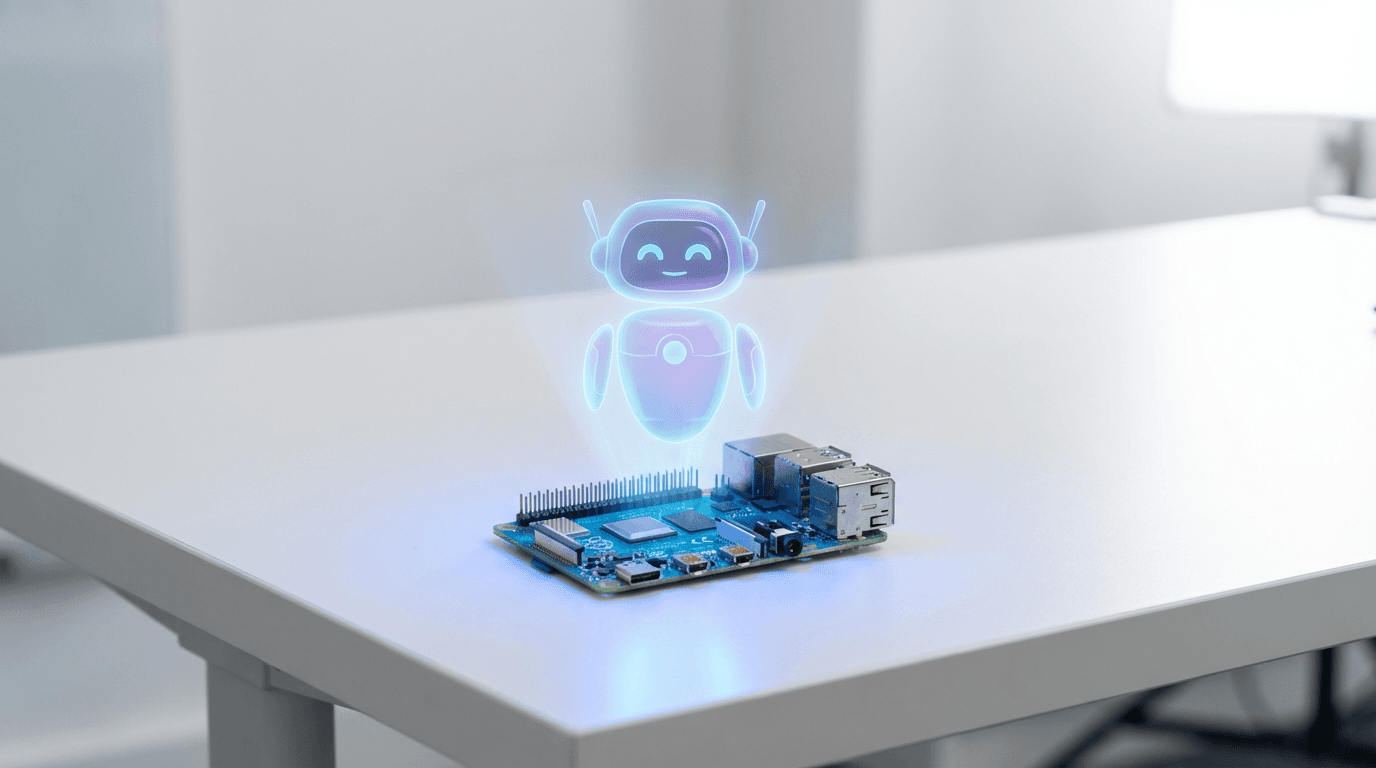
A vtable (virtual method table) allows for dynamic dispatch at runtime. In NullClaw, this enables users to swap components via configuration changes without modifying or recompiling the source code. This architecture supports: 22+ AI Providers including integration for OpenAI, Anthropic, Ollama, DeepSeek, Groq, and others. 13 Communication Channels with native support for Telegram, Discord, Slack, WhatsApp, iMessage, and IRC. 18+ Built-in Tools for executable functions for agentic task completion.[10]
This modularity ensures that the core engine remains lightweight while remaining extensible for complex 'subagent' workflows and MCP (Model Context Protocol) integration.[10]
In practice, this means you can start with OpenAI as your model provider, switch to a local Ollama instance later for privacy, and route messages through Telegram or Discord without touching a single line of code. Everything is controlled through a JSON config file.
Hybrid Memory System
One of NullClaw's more interesting engineering decisions is how it handles memory for retrieval-augmented generation (RAG) tasks.
Most AI agents rely on external vector databases, increasing architectural complexity, latency, and cost. NullClaw implements a unified, local memory system built directly on top of SQLite, ensuring data locality and zero network overhead for internal recollections. The core innovation is their Hybrid Merge strategy. Relying solely on vector cosine similarity often fails when querying specific identifiers, IDs, or exact terminology. Conversely, pure keyword search misses semantic intent.[1]
NullClaw solves this by executing both simultaneously: the Vector Subsystem calculates embeddings (via providers like OpenAI or locally) and stores them as highly compressed BLOBs. Kosine similarity is calculated in-process to retrieve semantically related memories. The Keyword Subsystem indexes all text via SQLite's FTS5 virtual tables. BM25 scoring is applied to fetch exact matches with high precision.[1]
This is relevant for content creators and developers who want to build agents that remember context across sessions. If you are building a content production pipeline where an agent needs to recall your brand voice, past video scripts, or audience preferences, this hybrid memory approach handles both the "find things that are semantically similar" and "find the exact thing I mentioned last week" use cases without needing a separate database server.
The concept of building structured content pipelines is something we explore heavily on the Miraflow AI blog, particularly in posts about how the YouTube algorithm works in 2026 and how content pillar strategies help creators build sustainable growth.
Security Model
Security is one of the primary reasons NullClaw exists as a separate project from the broader OpenClaw ecosystem.
Security is not an afterthought. NullClaw enforces pairing, strict multi-layer sandboxing (Landlock, Firejail, Bubblewrap, Docker), explicit command allowlists, scoped workspaces, and encrypted secrets at rest.[1]
For security and local-first usage, NullClaw and ZeroClaw are the strongest choices. NullClaw encrypts API keys with ChaCha20-Poly1305, auto-detects the best available sandbox backend, and scopes filesystem access to a defined workspace with symlink escape detection.[10]
This level of security matters because a critical vulnerability (CVE-2026-25253) in early 2026 let attackers hijack OpenClaw instances via token leakage. Security scans found over 40,000 instances exposed to the public internet on default configurations. An analysis of roughly 3,000 ClawHub skills found a 10.8 percent malware rate, with plugins stealing cryptocurrency wallets and cloud tokens.[10]
NullClaw's approach of encrypting secrets at rest, sandboxing every execution, and scoping workspaces per agent means that even if something goes wrong, the blast radius is contained.
NullClaw vs OpenClaw vs the Rest of the Ecosystem
The OpenClaw ecosystem has grown rapidly in 2026, with multiple alternatives targeting different use cases and resource profiles. Understanding where NullClaw fits helps you decide whether it makes sense for your workflow.
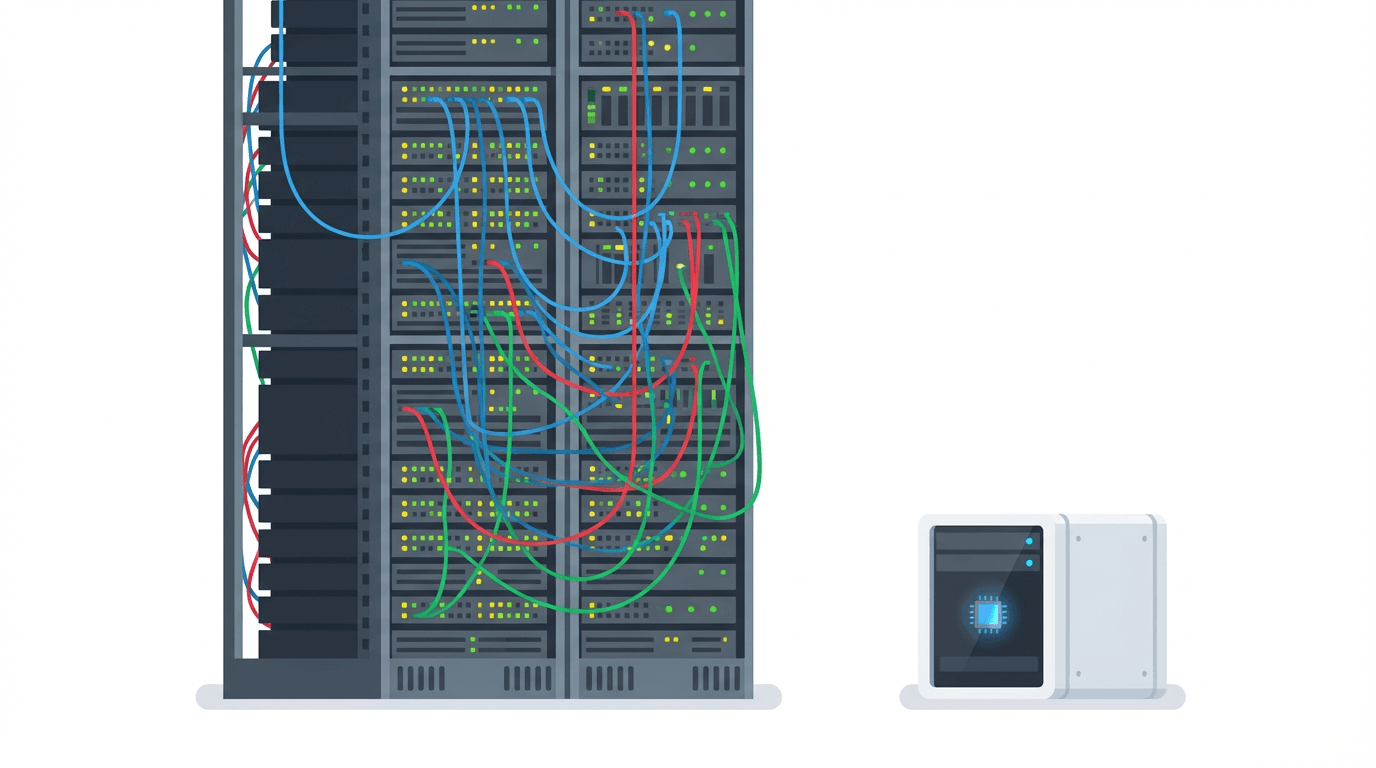
The resource gap between OpenClaw and everything else is really stark. OpenClaw needs over a gigabyte of RAM on NodeJS, and NanoBot on Python needs over 100 MB. Then the compiled languages change everything. PicoClaw in Go drops to under 10 MB. ZeroClaw in Rust is under 5 MB and NullClaw in Zig hits around 1 MB with a 678 kilobyte binary. The language choice is not cosmetic, it directly determines what hardware you can run this on.[9]
Here is where each project sits in the landscape:
OpenClaw excels in feature depth, NullClaw emphasizes 100% Zig efficiency and safety, while PicoClaw pushes minimalism to the extreme. If you need a full-featured assistant on a desktop-class machine, OpenClaw makes sense.[2]
Choose NullClaw for efficient, always-on assistants on modest servers or cloud instances.[2]
ZeroClaw is the spiritual successor to NullClaw written in Rust instead of Zig, with a community nearly 10x larger. The agent compiles to a single binary with a 99% smaller footprint than OpenClaw, but offers a significantly more mature feature set than NullClaw.[1]
The practical decision comes down to your constraints. If you have a capable development machine and want the broadest plugin ecosystem, OpenClaw is still the default. If you need something that runs on a Raspberry Pi, a cheap VPS, or an edge device, NullClaw is the clear winner in terms of resource efficiency. If you want Rust's memory safety with more community support, ZeroClaw sits between the two.
For content creators specifically, the choice often depends on what you are automating. If your workflow involves generating YouTube thumbnails with AI, creating short-form video content, or producing AI music for your videos, browser-based platforms like Miraflow AI handle these tasks without requiring any local agent infrastructure at all.
Hardware and Deployment Options
Because NullClaw is written in Zig and lacks a heavy runtime, it is uniquely suited for hardware interaction. It provides native support for hardware peripherals across various platforms, including Arduino, Raspberry Pi, and STM32. This enables the deployment of autonomous AI agents directly onto microcontrollers, allowing them to interact with physical sensors and actuators in real-time.[10]
This enables the use of $5 hardware like STM32 or Raspberry Pi for autonomous tasks that previously required a dedicated PC or Mac Mini, effectively democratizing edge-based AI agents.[3]
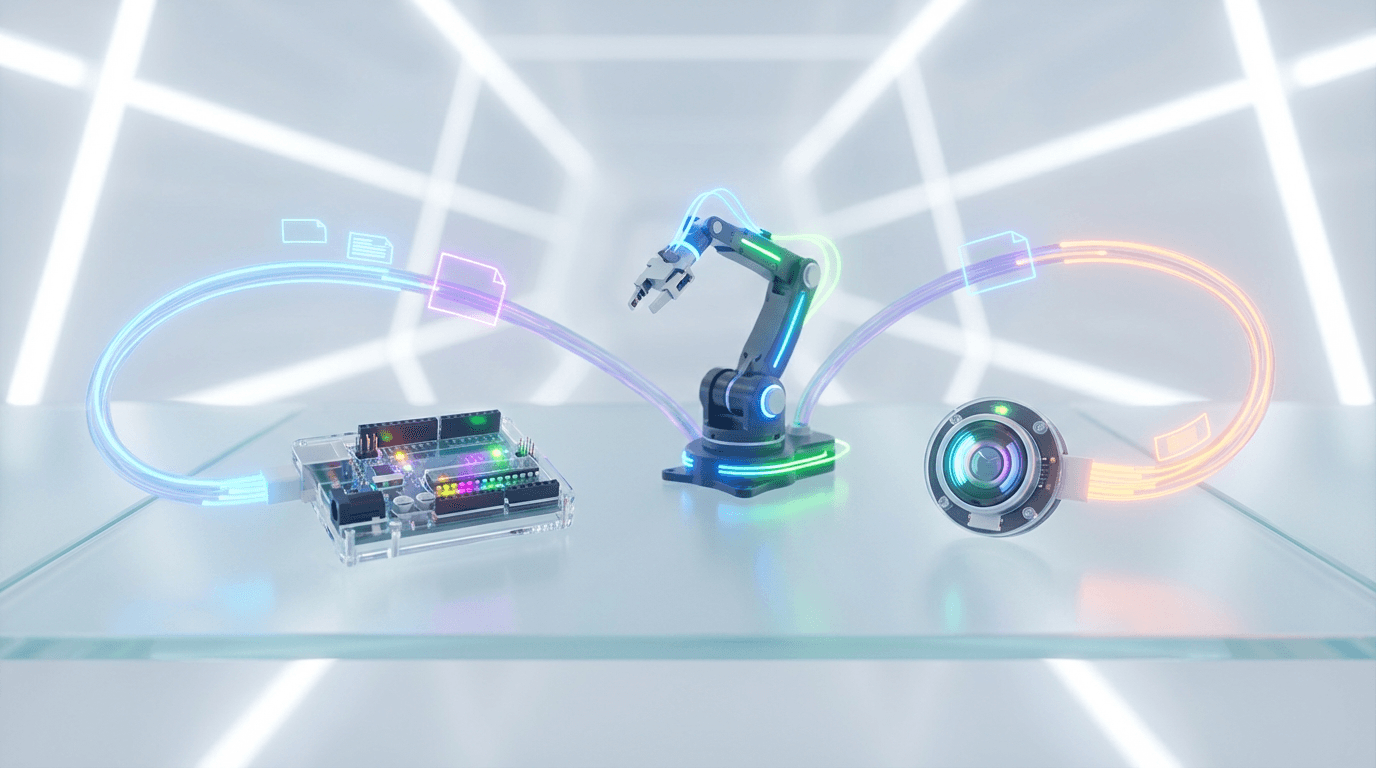
A single Raspberry Pi 4 can host NullClaw, a local Ollama instance, and still have resources for Home Assistant or Pi-hole.[8]
The deployment flexibility extends beyond just physical hardware. You can deploy specific models within Docker, WASM, or Native environments. Access your instance securely behind firewalls using integrated tunneling abstractions linking to Cloudflare, Tailscale, ngrok, or bespoke solutions.[1]
This means you can run NullClaw on a tiny board at home for personal automation, deploy it on a Cloudflare Worker for serverless edge processing, or run it inside a Docker container on a cloud VPS. The same 678 KB binary works across all these scenarios.
What Creators Can Actually Do with AI Agents in 2026
The AI agent space is evolving beyond developer tools and into practical workflows that content creators, marketers, and small business owners can use directly. While NullClaw itself is a developer-focused infrastructure tool, the concepts it represents (autonomous task execution, multi-channel communication, persistent memory) are already showing up in creator-friendly platforms.
Content creation in 2026 involves multiple steps that can be connected into automated pipelines. Research trending topics, write scripts, generate visuals, edit footage, create thumbnails, compose background music, write descriptions, and publish. Each of these steps has traditionally required a separate tool and manual effort.
Platforms like Miraflow AI bring this pipeline concept directly into the browser. You can turn a topic into a complete YouTube Short using Text2Shorts, where you enter a topic, the system generates a script, creates scene visuals, lets you pick a voice, and assembles the final video. You can generate cinematic video clips from text prompts for product ads or storytelling. You can create AI images for blog thumbnails, social posts, and visual concepts. And you can compose original AI music for your videos without worrying about copyright strikes.
The connection between infrastructure tools like NullClaw and content creation platforms like Miraflow AI is that both are solving the same fundamental problem: reducing the overhead between having an idea and publishing finished content. NullClaw does it at the systems level by eliminating runtime bloat. Miraflow AI does it at the creator level by putting the entire production pipeline in one browser tab.
For creators who want to go deeper into optimizing their content, the Miraflow AI blog covers topics like YouTube CTR benchmarks for 2026, how to go viral on YouTube Shorts, and the best niches for YouTube Shorts with RPM estimates.
How to Get Started with NullClaw
Getting NullClaw running is remarkably simple compared to most AI agent frameworks. There is no package manager, no virtual environment, and no dependency installation process.
The basic installation involves downloading a single binary file, making it executable, and running it. From there, you onboard a provider (like OpenRouter, OpenAI, or a local Ollama instance) and start an agent session.
The configuration uses a JSON file that follows the same structure as OpenClaw, making migration straightforward for anyone already in that ecosystem. NullClaw uses the same config structure as OpenClaw (snake_case). Providers live under models.providers, the default model under agents.defaults.model.primary, and channels use accounts wrappers.[3]
For those who prefer a visual interface, there is also NullHub, which provides a UI layer for the Null ecosystem: simpler NullClaw setup and configuration, orchestration from NullBoiler, observability from NullWatch, and task tracking from NullTickets.[3]
The NullClaw ecosystem also supports edge deployment patterns. You can deploy it as a Cloudflare Worker with Telegram and OpenAI connectivity while keeping agent policy logic in a WASM module. This pattern keeps networking and secrets in the edge host and lets you swap or update logic by replacing a tiny Zig WASM module.[3]
Identity and Persona Configuration
One aspect of NullClaw that sets it apart from simpler agent frameworks is its support for detailed persona definitions through the AI Entity Object Specification (AIEOS).
How an assistant behaves is fundamentally tied to its given persona. The AIEOS v1.1 protocol supported by NullClaw provides a deterministic JSON/Markdown structure for defining an assistant's psychology, boundaries, linguistic traits, and core motivations.[1]
You can define explicit behavioral traits, conflict resolution strategies, and ethical boundaries that the model must obey. Control vocabulary, tone, syntax structure, and dictate forbidden phrasings to maintain a consistent output style.[1]
This level of persona control is particularly useful for content creators who want an AI assistant that maintains a consistent brand voice across different channels. If you are managing content across YouTube, Instagram, and TikTok simultaneously, having an agent that understands your specific tone and style preferences saves significant editing time.
Speaking of maintaining consistency across platforms, creators working on short-form video should check out YouTube Shorts best practices for 2026 and TikTok algorithm changes in 2026 to understand how each platform rewards different content approaches.
Limitations and Trade-offs
NullClaw is powerful within its design constraints, but it is important to understand what those constraints actually mean in practice.
The community is young (2,600+ stars), with less documentation than established alternatives. Zig as a programming language is niche, and writing custom plugins requires Zig expertise.[1]
NullClaw is terminal-only. If you need visual interfaces, look elsewhere. With such a small binary, context window management is basic. Large codebases may overwhelm it.[6]
The plugin ecosystem is less extensive than OpenClaw. Documentation is focused on core infrastructure usage.[2]
These limitations mean NullClaw is best suited for developers who are comfortable with command-line tools and who have specific deployment constraints that justify the trade-off. If you need a visual dashboard, a massive plugin marketplace, or extensive community support, OpenClaw or ZeroClaw are better choices.
For creators who want visual, browser-based tools rather than command-line infrastructure, platforms like Miraflow AI provide AI-powered content creation including AI image generation, YouTube thumbnail creation, and AI video production without requiring any local setup or technical configuration.
Where AI Agents and Content Creation Intersect in 2026
The broader trend driving projects like NullClaw is the shift toward autonomous content workflows. In 2026, the most productive creators are the ones who build systems rather than manually executing every step of the content pipeline.
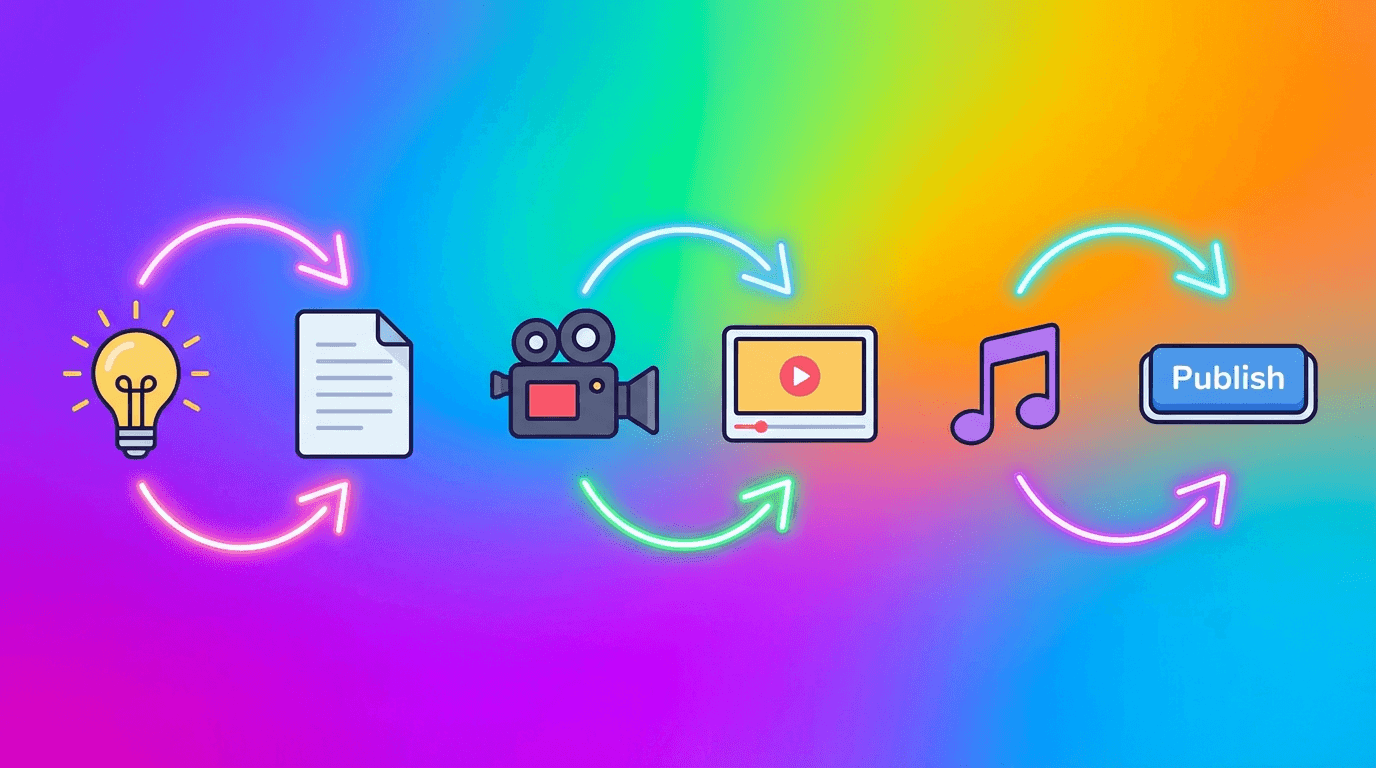
Consider a typical YouTube Shorts workflow. You need to identify a trending topic, write a script with a hook in the first 3 seconds, generate or source visuals for each scene, add a voiceover, create a thumbnail, write a title and description optimized for search, and publish at the right time. Each of these steps can now be handled or accelerated with AI tools.
The Miraflow AI Text2Shorts generator handles much of this pipeline in one place. You enter a topic, choose between animation and realistic visual styles, get a generated script that you can edit, and the platform assembles the final short-form video. For thumbnails, the YouTube Thumbnail Maker generates professional thumbnails from prompts with optional reference image uploads and text overlay. For background music, the AI Music Generator lets you describe the mood and style you want and generates original tracks in under a minute.
The Miraflow AI blog covers this intersection extensively. Posts like how to turn blog posts into viral YouTube Shorts, faceless YouTube Shorts niches for 2026, and AI prompts for YouTube thumbnails provide practical workflows that creators can implement immediately.
Whether you use a lightweight agent framework like NullClaw to orchestrate your workflow programmatically, or a visual platform like Miraflow AI to create content directly in the browser, the core principle is the same: reduce the friction between having an idea and publishing it to your audience.
How NullClaw Handles Content Production Pipelines
For developers who want to build automated content pipelines, NullClaw provides several capabilities that are directly relevant to media production workflows.
Despite its size, NullClaw integrates multiple model providers, communication channels, tool execution, and hybrid memory, aiming to deliver a full assistant runtime that can be deployed nearly anywhere with minimal dependencies.[7]
The multi-channel support means you can set up a pipeline where a NullClaw agent monitors a Telegram channel for content ideas, generates scripts using the connected LLM provider, stores drafts in its local memory system, and sends notifications through Discord when content is ready for review. The 18+ built-in tools include file manipulation, shell commands, and browser interactions that can connect to external APIs and services.
NullClaw is marketed as a fully autonomous AI assistant infrastructure with capabilities enabling autonomous operation across multiple dimensions. It supports daemon mode for continuous autonomous operation, and implements 18+ built-in tools for autonomous task execution including file manipulation, shell commands, and memory operations.[7]
For teams that want the content creation tools without building custom infrastructure, the Miraflow AI platform provides a complete dashboard that covers everything from AI image creation and image inpainting to AI avatar video production and AI clipping tools. The platform handles the infrastructure complexity so creators can focus on the creative decisions.

The Future of Lightweight AI Agents
For years, the conversation around artificial intelligence has been dominated by scale. Bigger models, larger datasets, more GPUs, more parameters, more energy consumption. The assumption quietly became that intelligence requires massive compute. NullClaw challenges that assumption by compressing the idea of intelligence itself.[10]
The trend toward lightweight, efficient AI agent infrastructure is accelerating in 2026 for several practical reasons. Edge computing deployments need agents that can run on minimal hardware. Serverless architectures benefit from sub-millisecond cold starts. Privacy-conscious users want agents that run entirely locally without sending data to external servers. And cost-sensitive creators want to minimize infrastructure expenses while maximizing output.
NullClaw's commitment remains fixed: the smallest binary, the lowest memory footprint, the fastest startup, and the deepest hardware integration, all without compromising on security or extensibility. This is autonomous AI agent infrastructure engineered to run anywhere.[4]
As AI tools continue to become more accessible, the gap between developer infrastructure and creator-friendly platforms will keep narrowing. Projects like NullClaw push the boundaries of efficiency at the systems level, while platforms like Miraflow AI translate those advances into tools that any creator can use directly in the browser to generate YouTube thumbnails, create AI-powered videos, and build entire content strategies around AI-assisted workflows.
Conclusion
NullClaw represents a significant shift in how AI agent infrastructure can be designed. By choosing Zig over managed languages and eliminating every unnecessary abstraction, it achieves performance characteristics that seemed impossible for a full-featured agent framework: a 678 KB binary, 1 MB of RAM, and sub-2-millisecond startup times. It supports 50+ AI providers, 19 communication channels, built-in RAG capabilities, multi-layer security sandboxing, and native hardware peripheral access.
For developers working with resource-constrained environments, edge deployments, or IoT integrations, NullClaw opens up deployment scenarios that were previously impractical. For content creators, the principles behind NullClaw (efficiency, automation, pipeline thinking) are already embedded in platforms like Miraflow AI, where the entire content creation workflow from scripts to shorts, from prompts to thumbnails, and from descriptions to music happens in a single browser-based environment.
The AI agent ecosystem will keep evolving rapidly throughout 2026 and beyond. Whether you build with NullClaw at the infrastructure layer or create with Miraflow AI at the content layer, the trajectory is clear: the tools are getting smaller, faster, and more accessible, and the creators who build systems around them will have an outsized advantage.
Frequently Asked Questions
What is NullClaw?
NullClaw is an ultra-lightweight, fully autonomous AI agent framework written entirely in the Zig programming language. It compiles into a single 678 KB static binary that can run on hardware as inexpensive as a $5 microcontroller board, using approximately 1 MB of RAM and booting in under 2 milliseconds. It supports 50+ AI providers, 19 communication channels, and includes built-in tools for autonomous task execution.
How is NullClaw different from OpenClaw?
OpenClaw is a full-featured AI agent framework written in TypeScript that requires over a gigabyte of RAM and has more than 430,000 lines of code. NullClaw achieves a 99% reduction in resource usage by eliminating the runtime layer entirely. OpenClaw has a much larger plugin ecosystem and community (247,000+ GitHub stars vs NullClaw's 2,600+), but NullClaw provides stronger security defaults and can run on hardware that OpenClaw cannot.
Can NullClaw run on a Raspberry Pi?
Yes, NullClaw has native support for Raspberry Pi, Arduino, and STM32 hardware peripherals. A single Raspberry Pi 4 can comfortably host NullClaw alongside a local Ollama instance and still have resources available for other services. The 678 KB binary and 1 MB RAM footprint make it well-suited for any ARM-based single-board computer.
What AI providers does NullClaw support?
NullClaw integrates with 50+ AI providers through its interface architecture. These include OpenAI, Anthropic, Ollama, DeepSeek, Groq, Mistral, OpenRouter, Gemini, and any OpenAI-compatible API endpoint. You can switch between providers by changing a configuration file without modifying any code.
Is NullClaw secure?
NullClaw implements multi-layer security including ChaCha20-Poly1305 encryption for API keys at rest, multi-backend sandboxing (Landlock, Firejail, Bubblewrap, Docker), explicit command allowlists, scoped workspaces with symlink escape detection, and pairing-based authentication. This security-first approach was partly motivated by the critical vulnerabilities discovered in OpenClaw during early 2026.
What programming language is NullClaw written in?
NullClaw is written entirely in Zig, a systems programming language designed for producing tiny, efficient binaries with manual memory management. The codebase comprises approximately 45,000 lines of Zig with over 5,300 tests ensuring logic consistency and memory safety. Writing custom NullClaw plugins requires Zig expertise, which is a trade-off given that Zig has a smaller developer community compared to Python, Rust, or Go.
Can I use NullClaw for content creation?
NullClaw itself is a developer infrastructure tool, not a visual content creation platform. However, it can be used to build automated content pipelines that connect AI providers, messaging channels, and external APIs. For browser-based content creation including AI video generation, thumbnail creation, AI music composition, and short-form video production, platforms like Miraflow AI provide these capabilities without requiring local setup or programming knowledge.
What is the NullHub ecosystem?
NullHub is a UI layer and management system built around NullClaw. It includes NullHub for setup and configuration, NullBoiler for orchestration, NullWatch for observability, and NullTickets for task tracking. NullHub provides a visual interface for users who want to manage NullClaw agents without using the command line exclusively.
References
- NullClaw: The Smallest Fully Autonomous AI Assistant
- The Best OpenClaw Alternatives 2026 – from… – Till Freitag
- 21 Real OpenClaw Use Cases That Go Beyond the Demo: Substantial Agent Workflows Across 7 Industries - chatgptguide.ai
- Julian Goldie SEO on X: "NullClaw is the lightweight AI agent killer. No more massive 1.5GB memory hogs. No more sluggish cold start times. Here’s the NullClaw play 👇 → 678KB binary (smaller than a photo) → Blazing fast <2ms cold starts → 1MB RAM usage (1,500x efficiency) → Deploy on Raspberry Pi https://t.co/EOF2MuBjub" / X
- NullClaw vs OpenClaw vs PicoClaw: AI Assistant Infrastructure Comparison (Tested)
- OpenClaw - Wikipedia
- NullClaw: A High-Performance 678 KB Zig Framework for Edge AI Agents • Dev|Journal
- GitHub - nullclaw/nullclaw: Fastest, smallest, and fully autonomous AI assistant infrastructure written in Zig · GitHub
- NullClaw download | SourceForge.net
- OpenClaw Alternatives: NanoClaw, ZeroClaw, Moltis, and Every Competitor Compared (2026) | AI Magicx Blog | AI Magicx
- NullClaw — Ultra-Lightweight Autonomous AI Agent Infrastructure
- OpenClaw Vs. Alternatives 2026: The Ultimate AI Agent Comparison – The AI Agents Bro
- NullClaw · GitHub
- ska80/nullclaw: Fastest, smallest, and fully autonomous AI assistant infrastructure written in Zig - Codeberg.org
- Best OpenClaw Variants to know !. PicoClaw, FreeClaw, NullClaw, ZeroClaw… | by Mehul Gupta | Data Science in Your Pocket | Mar, 2026 | Medium
- OpenClaw: 50 Real-World Use Cases for the Open-Source AI Agent Framework — clawbot.blog
- Why Is NullClaw So Small? A Deep Dive into the 678KB AI Coder
- NullClaw | Autonomous AI Ecosystem
- OpenClaw vs PicoClaw vs NullClaw vs ZeroClaw vs NanoBot vs TinyClaw — The Comparison - YouTube
- 11 Insane Use Cases of OpenClaw AI | by Ai studio | The Ai Studio | Mar, 2026 | Medium
- NullClaw - AI Agent
- Nullclaw vs OpenClaw Revealed: Tiny 678KB Agent That Destroys Bloat - YouTube
- Personal AI Agents in 2026: The Complete Landscape | Ry Walker
- 34 OpenClaw Use Cases: What People Actually Do With Their AI Agent
- Why Is NullClaw So Small? A Deep Dive into the 678KB AI Coder - DEV Community
- NullClaw: The Smallest AI Assistant That Runs on Anything | by John Ding | Mar, 2026 | Medium
- NullClaw vs OpenClaw vs PicoClaw: AI Agent Comparison (Tested)
- OpenClaw Use Cases That'll Make You Rethink What AI Agents Can Do
- nullclaw — Tiny AI Assistant - GitHub Pages
- OpenClaw vs PicoClaw vs NullClaw vs ZeroClaw vs NanoBot vs TinyClaw
- 15 OpenClaw Use Cases: What Actually Works in 2026
- Meet NullClaw: The 678 KB Zig AI Agent Framework Running on 1 MB RAM and Booting in Two Milliseconds - MarkTechPost
- NullClaw: A Fully Autonomous AI Assistant That Fits in 678 KB and Boots in Under 2 Milliseconds | by R. Thompson (PhD) | Write A Catalyst | Mar, 2026 | Medium
- 7 Best OpenClaw Alternatives for Safe & Local AI Agents (2026)
- 15 Open Source & Enterprise-Ready OpenClaw Alternatives for AI Automation