TikTok Ban 2026: Where Creators Are Moving

Written by
Jay Kim

TikTok ban fears changed creator strategy in 2026. Here is where creators are moving next, why Shorts leads the shift, and how to build a safer multi-platform business.
If your content business depends too much on TikTok, this is the real problem in 2026: even when the app survives another deadline, the uncertainty itself changes creator behavior.
That is exactly what happened going into 2025 and 2026. TikTok’s U.S. future was shaken by the 2024 divest-or-ban law, the Supreme Court upheld that law in January 2025, and creators started telling followers to find them on Instagram and YouTube before the situation became clearer. Then, on January 23, 2026, Reuters reported that ByteDance finalized a majority American-owned joint venture aimed at avoiding a U.S. ban. In other words, the smartest creators did not wait for a final collapse. They diversified first.
That is the angle most posts miss. The story in 2026 is not simply whether TikTok disappears. The bigger story is where creators are building backup growth, backup revenue, and backup audience ownership. Reuters reported that creators were already warning followers to find them on YouTube and Instagram, and eMarketer noted that creators diversified into Snapchat, YouTube Shorts, and Instagram Reels because those platforms already fit the same endless-scroll behavior creators and viewers were used to.
This guide covers where creators are moving, why YouTube Shorts is getting the biggest share of serious migration energy, why Instagram Reels is still a major second home, and why the most resilient creators are also building owned channels like email, websites, and product funnels instead of trusting any single app.
Why this matters in 2026
Platform risk is no longer a theoretical problem. It is now part of creator strategy.
The short-form video market is still huge, and it is not slowing down. eMarketer projected that video would keep taking a larger share of time spent on social platforms, and Reuters Institute’s 2026 trends report described a fragmented environment where creators increasingly feed content into multiple short-form ecosystems at once, including TikTok, YouTube Shorts, and Instagram Reels.
That means creators are asking different questions now:
- Which platform gives me the best discovery if TikTok weakens?
- Which platform gives me better monetization options?
- Which platform helps me own more of my audience?
- Which platform is easiest to repurpose content into at scale?
Those questions are why this topic can rank well in search in 2026. It matches real creator anxiety, current policy uncertainty, and high-intent comparison behavior.
If you want a broader framework for the platform shift itself, The New Creator Stack: AI Shorts, Reels, TikTok is a strong companion piece.
Is TikTok actually banned in 2026?
The most accurate answer is that U.S. creators have been operating under prolonged instability, but TikTok also reached a major deal in January 2026 intended to avoid a ban. Reuters reported that the new U.S. joint venture would be majority American-owned, following the law passed in April 2024 and the Supreme Court’s decision upholding that law. So the creator takeaway in early 2026 is not “TikTok is gone.” It is “TikTok dependence is dangerous.”
That distinction matters because it changes the best advice.
Creators are not moving only because TikTok vanished. Many are moving because they learned they should never let one platform control all of their reach, brand deals, and sales.
Where creators are moving in 2026

The short answer is this:
- YouTube Shorts
- Instagram Reels
- Owned audience channels like email, websites, communities, and products
- In some cases, Snapchat and niche secondary channels
For most creators, the real migration is not a full exit. It is a layered move:
- keep posting on TikTok while it still matters
- push hard on YouTube Shorts
- build an Instagram Reels presence
- capture audience outside social platforms
That is the 2026 playbook.
Why YouTube Shorts is getting the most serious migration energy

YouTube Shorts is not just another vertical video feed anymore. It now sits inside the biggest video ecosystem on the internet, and YouTube says Shorts is averaging more than 200 billion daily views as of January 2026. That scale matters because it gives creators a place to grow short-form content while still benefiting from search, channel pages, long-form, playlists, and broader monetization paths.
It also gives creators more ways to build revenue beyond pure feed performance. In January 2026, YouTube said it was expanding tools for creator partnerships, including new ways for creators to add a brand’s site link in Shorts and turn back catalogs into recurring revenue assets. In March 2026, YouTube also said its Creator Partnerships system gives brands access to more than 3 million creators in the YouTube Partner Program.
That combination is powerful:
- short-form discovery
- long-form expansion
- search visibility
- better brand infrastructure
- stronger direct-response opportunities
This is why YouTube is the first serious destination for many TikTok creators.
If you are building that transition, these internal reads fit naturally:
- YouTube Shorts Best Practices 2026
- AI Shorts Formats That Go Viral in 2026
- YouTube Traffic Sources 2026
Why Instagram Reels is still the second home for many creators
Instagram Reels remains one of the most natural landing spots for TikTok creators because the format is familiar, the audience overlap is strong, and Meta has continued shaping Reels to support more serious creator use cases.
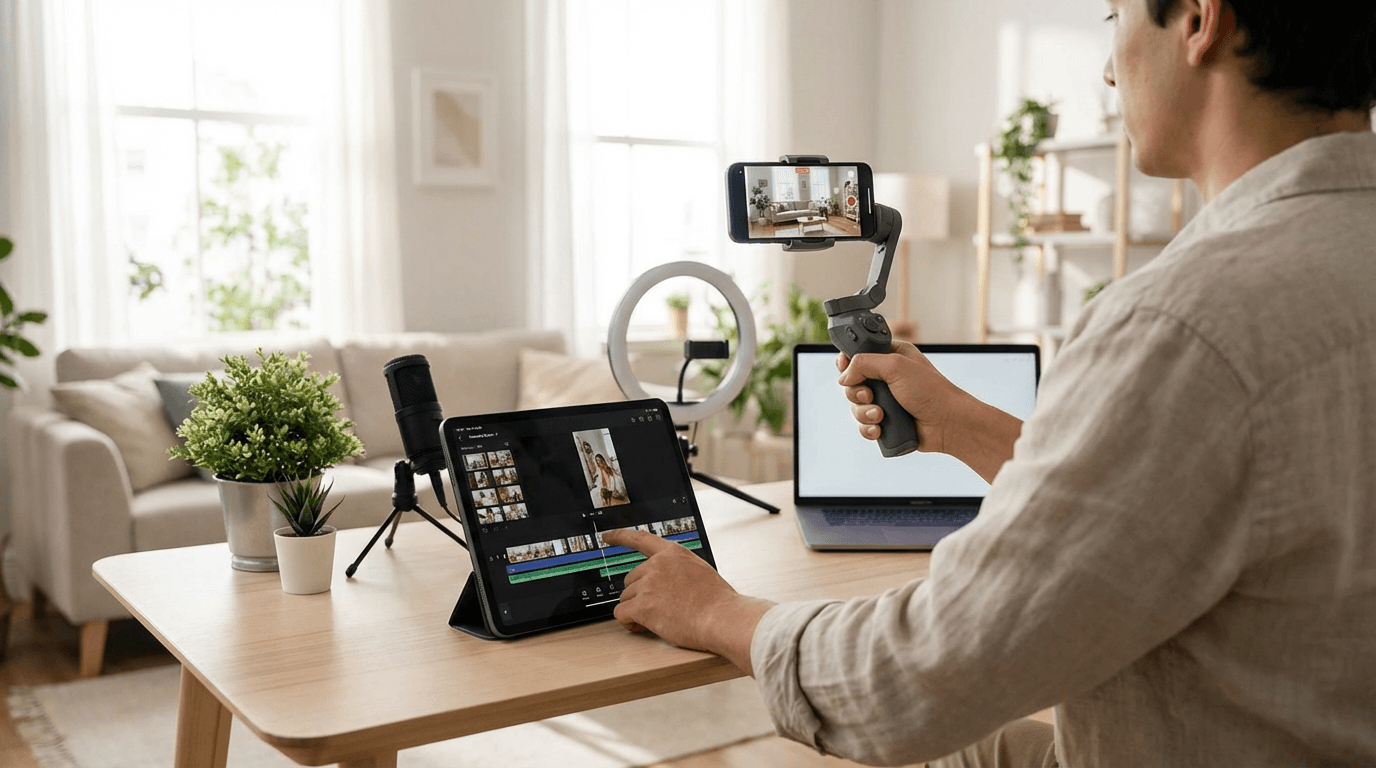
Instagram officially announced in January 2025 that creators can now make 3-minute Reels, and it also introduced Edits, a mobile video creation app aimed at making production easier. That matters for creators moving from TikTok because it lowers the friction of bringing storytelling, tutorials, explainers, and repurposed vertical video into Instagram’s ecosystem.
Reels also works well for creators who already rely on:
- DMs and close audience relationships
- visual-first niches
- fashion, beauty, fitness, food, travel, and lifestyle content
- creator-brand collaborations that benefit from Instagram’s commerce behavior
The tradeoff is that YouTube usually offers a stronger content-library advantage, while Instagram often feels stronger for personal brand loops, relationship building, and visual commerce.
The smartest creators are not just moving platforms. They are moving toward ownership.
This is the part many creators still underestimate.
Even if you win on YouTube Shorts or Instagram Reels, you still do not fully own your audience. Algorithms can change. Distribution rules can shift. Entire platform incentives can move.
That is why the most durable creator strategy in 2026 includes:
- email capture
- lead magnets
- digital products
- memberships
- private communities
- websites and searchable content
- long-form video libraries
- repeatable sponsor assets
Reuters Breakingviews reported that Substack had about 5 million revenue-generating subscriptions in 2025, more than double its 2023 count. You do not need to move your whole business to newsletters, but that number shows a broader market reality: creators want direct audience relationships and monetization models that are less exposed to algorithm shock.
So when people ask where creators are moving, the best answer is wider than platform names.
They are moving toward:
- YouTube for durable video infrastructure
- Instagram for relationship-heavy vertical content
- owned channels for real business stability
What most creators are doing wrong during the TikTok shift
1. They repost without adapting
Cross-posting helps, but lazy reposting usually underperforms.
The winning version is format-aware repurposing:
- different hooks
- different captions
- different CTA structure
- different title logic
- different thumbnail and cover behavior
If you need a practical workflow for that, From Prompt to Reel: Text2Shorts AI Shorts shows how to streamline production, and YouTube Shorts Titles and Descriptions 2026 Templates helps with packaging.
2. They move audience, but not monetization
Many creators think posting the same clips on Reels and Shorts solves the business problem.
It does not.
You also need to move:
- sponsors
- affiliate systems
- product links
- content funnels
- conversion paths
- audience capture systems
That is one reason YouTube is attractive in 2026. It offers a more mature monetization stack than a single short-form feed alone.
3. They treat all platforms as if they rank content the same way
TikTok, Shorts, and Reels may all be vertical-video systems, but they do not reward exactly the same packaging behavior.
YouTube has a stronger library and search layer. Instagram has stronger profile, DM, and visual-brand loops. TikTok still has a fast trend engine, but its policy uncertainty changed how much creators want to depend on it.
4. They forget to tell viewers where to follow them next
Reuters specifically reported that creators were already telling followers to find them on Instagram and YouTube as TikTok uncertainty grew. That was not panic. That was smart migration behavior.
The best migration strategy for creators in 2026
Here is the strategy that makes the most sense now.
Option 1: TikTok + YouTube Shorts
Best for creators who want growth, stronger monetization, and long-term content value.
Why it works:
- YouTube has huge Shorts scale
- it supports more durable monetization paths
- it gives your short-form videos a larger channel ecosystem to live inside
Useful internal links:
Option 2: TikTok + Instagram Reels
Best for creators with strong visual branding, lifestyle content, or audience relationships that convert through DMs and profile behavior.
Why it works:
- familiar vertical format
- strong creator and commerce culture
- easier visual continuity across content
- 3-minute Reels give more storytelling room than older Reels formats
Option 3: TikTok + Shorts + Owned Audience
Best for creators who want the safest long-term business.

Why it works:
- you reduce platform dependence
- you can redirect attention into products or email
- you are harder to break if any one app changes
This is usually the strongest strategy for creators trying to build a business instead of just chasing reach.
A 30-day creator migration plan
If your TikTok traffic still matters, do not disappear from the platform. Use it as the bridge.
Days 1–5: Audit your best content
Pull your top 20 TikToks from the last 6 months and group them into:
- evergreen
- trend-driven
- product-driven
- story-driven
- subscriber-converting
Days 6–10: Pick one primary backup platform
For most creators, this should be YouTube Shorts.
For relationship-heavy niches, Instagram Reels may be a close second.
Days 11–15: Repackage instead of reposting
Rewrite:
- the first line
- the cover frame
- the caption
- the CTA
- the supporting title if you are publishing to YouTube
This is where YouTube Shorts Thumbnail Strategy 2026, How to Generate YouTube Thumbnails With AI, and Best AI Prompts for YouTube Thumbnails 2026 become useful.
Days 16–20: Add owned-audience capture
Even a simple lead magnet, newsletter signup, free guide, or product waitlist is better than relying on platform memory.
Days 21–25: Batch-create migration-safe short-form assets
This is where an AI workflow helps. Creators can use Miraflow AI to build a faster pipeline from idea to script to visual to video, and Text2Shorts is especially useful for turning repeatable ideas into short-form content quickly.
Days 26–30: Review what actually transfers
Look for:
- watch-through rate
- saves and shares
- profile visits
- subscriber conversion
- link clicks
- sponsor-fit content
Do not assume your TikTok winners automatically become Shorts winners. Test aggressively.
For creators who want a stricter publishing structure, 30-Day YouTube Shorts Plan 2026 is a strong next step.
Copy-paste prompts for repurposing TikTok content in 2026
Prompt packs tend to perform well in search because they match high-intent creator behavior. These are built for the exact moment creators are in now.
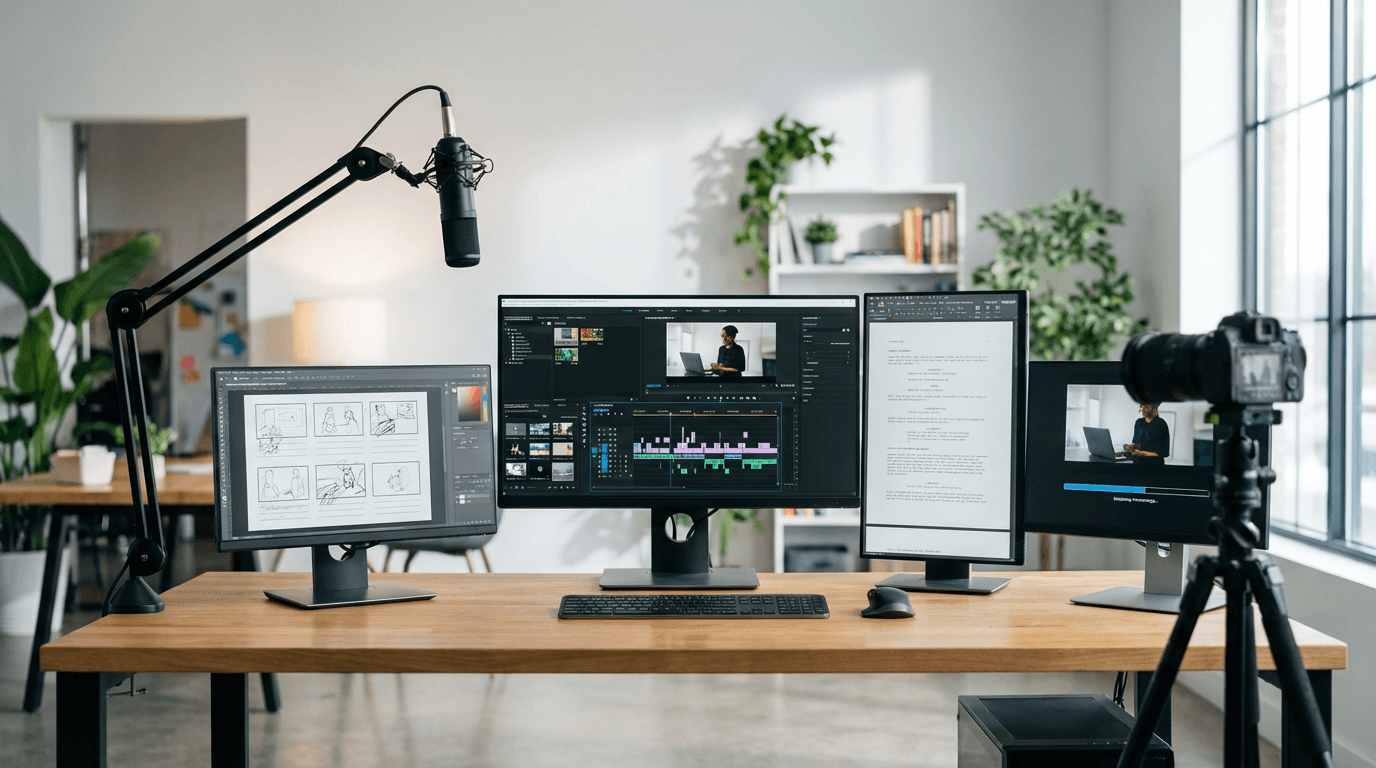
Prompt 1: Turn a TikTok into a YouTube Short
Prompt
Rewrite this TikTok script for YouTube Shorts.
Keep the core idea, but make the first 2 seconds stronger, improve clarity for viewers who do not know me yet, and end with a CTA that encourages channel discovery instead of generic engagement.
Topic: [PASTE TOPIC]
Original script: [PASTE SCRIPT]
Audience: [PASTE AUDIENCE]
Tone: practical, clean, high-retention, no filler.
Prompt 2: Turn a TikTok into an Instagram Reel
Prompt
Adapt this short-form script for Instagram Reels.
Make it feel more personal, more visual, and better suited to profile visits, saves, and DMs.
Keep it under 60–90 seconds unless the idea needs more room.
Original script: [PASTE SCRIPT]
Niche: [PASTE NICHE]
Goal: [brand growth / product interest / creator authority].
Prompt 3: Build a multi-platform content plan
Prompt
Create a 14-day short-form content calendar from this TikTok topic cluster.
For each topic, give me:
- TikTok angle
- YouTube Shorts angle
- Instagram Reels angle
- owned-audience CTA idea
- sponsor-fit potential
The content should feel native to each platform, not like duplicated reposts.
Prompt 4: Create a safer creator migration strategy
Prompt
I am a creator who currently gets most of my reach from TikTok.
Build me a 30-day migration plan to grow on YouTube Shorts and Instagram Reels while keeping TikTok active.
Include:
- posting schedule
- repurposing rules
- hook ideas
- monetization opportunities
- audience capture tactics
- metrics to review weekly.
Prompt 5: Find content that survives platform changes
Prompt
Give me 25 short-form video ideas in the niche of [NICHE] that are evergreen, easy to repurpose across TikTok, YouTube Shorts, and Instagram Reels, and likely to stay relevant even if platform trends shift.
For each idea, include:
- hook
- format type
- ideal platform order
- monetization angle
- CTA to build owned audience.
How to make the migration profitable, not just visible
The biggest trap in creator migration is focusing only on reach.
The better question is this:
Where will your revenue come from after the move?
For many creators, YouTube is becoming the central layer because it can support:
- Shorts discovery
- broader monetization options through YPP
- stronger sponsor infrastructure
- searchable content libraries
- better long-term brand compounding
Instagram often becomes the relationship layer:
- DMs
- visual storytelling
- product discovery
- creator-led commerce behavior
Owned channels become the safety layer:
- communities
- digital products
- site traffic
- repeat buyers
That is the structure that gives creators real leverage in 2026.
If you are also improving packaging during the transition, AI Prompts for YouTube Titles, YouTube CTR 2026: Good Click-Through Rate and AI Thumbnails, and YouTube CTR Benchmarks 2026 are useful supporting reads.
FAQ
Where are TikTok creators moving in 2026?
Most creators are not making a single hard switch. They are diversifying into YouTube Shorts and Instagram Reels, while also building owned channels like newsletters, websites, and products. Reuters and eMarketer both pointed to YouTube and Instagram as core alternatives, with Snapchat also appearing in creator diversification behavior.
Is TikTok banned in the U.S. in 2026?
The more accurate answer is that TikTok faced major U.S. legal pressure and uncertainty, but Reuters reported a January 23, 2026 joint-venture deal aimed at avoiding a ban. Creators still changed strategy because the risk itself was enough to expose how fragile single-platform dependence can be.
Why are creators choosing YouTube Shorts?
Because it combines scale, discovery, monetization paths, creator-brand infrastructure, and stronger long-term library value. YouTube says Shorts averages more than 200 billion daily views, and its 2026 creator partnership updates make Shorts more commercially useful than before.
Why are creators also using Instagram Reels?
Because Reels is familiar, fast to repurpose into, strong for personal brand and visual commerce, and now supports up to 3-minute Reels, which opens up more room for tutorials, stories, and explainers.
Should creators leave TikTok completely?
Not automatically. For most creators, the better move is to keep posting while using TikTok to redirect followers into YouTube, Instagram, and owned channels. The smarter strategy is diversification, not panic deletion.
What is the safest creator strategy after the TikTok ban scare?
Build a three-layer system: short-form discovery on Shorts and Reels, monetization infrastructure on YouTube and sponsors, and owned audience through email, products, or community. That structure is far more resilient than depending on one app.
Conclusion
The biggest lesson from the TikTok ban era is not that creators should run from one platform to another every time policy risk appears.
The real lesson is that strong creator businesses are portable.
In 2026, the most prepared creators are not waiting for a final court ruling or a final political headline. They are already turning TikTok attention into YouTube Shorts momentum, Instagram Reels reach, and owned audience assets that will still matter if another platform shock hits later.
That is why the answer to “Where are creators moving?” is broader than a single app.
They are moving toward stability.
And right now, stability looks a lot like YouTube Shorts for durable video growth, Instagram Reels for relationship-driven reach, and owned channels for business control.