How to Go Viral in 2026: The Exact Formats, Hooks, and Systems That Actually Work Across Platforms

Written by
Jay Kim
Learn what actually drives virality across YouTube Shorts, Reels, and TikTok in 2026. Includes proven formats, hook templates, thumbnail strategies, and production workflows.
You posted again yesterday. Good lighting, clean edit, solid topic. And this morning you checked your analytics and the view count barely moved. Again. If that cycle feels familiar, you are not doing anything wrong. You are just following a playbook that expired. Most creators in 2026 are still running strategies built for 2023 and wondering why nothing is breaking through. The platforms changed. The algorithms changed. Viewer behavior changed. But the advice most creators are following did not.
The problem is not effort. The problem is that virality in 2026 works differently than it did even a year ago. Platform algorithms have shifted. Viewer behavior has changed. The content formats that trigger mass sharing look nothing like what worked in 2024. And the creators who figured this out early are already seeing the results.
This guide breaks down what actually drives virality across YouTube Shorts, Instagram Reels, TikTok, and even long-form YouTube in 2026. You will learn the mechanics behind why content spreads, the specific formats and hooks that trigger sharing, the mistakes that kill reach before it starts, and practical workflows you can use to produce viral-ready content consistently.
No vague motivation. No recycled tips. Just the patterns that are working right now.
Going viral in 2026 requires content that satisfies algorithmic viewer satisfaction signals like completion rate, saves, shares, and repeat views rather than relying on raw engagement metrics like likes alone. The most effective viral strategy combines an immediate hook that creates a knowledge gap, a single clear concept, platform-appropriate visual quality, an emotional sharing trigger, and a format the algorithm is already rewarding. Creators who pair these elements with high-volume testing across YouTube Shorts, Instagram Reels, and TikTok using batching and AI-assisted production see the highest rates of breakout content.
Why Going Viral Looks Completely Different in 2026
The biggest shift in 2026 is that algorithms across all major platforms now prioritize viewer satisfaction signals over raw engagement metrics. That means watch time, completion rate, saves, shares, and repeat views carry more weight than likes or comments alone.
This changes the game for creators. In previous years, you could bait clicks with misleading thumbnails or use engagement hacks to inflate metrics. Platforms have gotten much better at detecting when viewers are satisfied versus when they clicked and bounced. The algorithm rewards content that people genuinely enjoy watching, not content that tricks them into tapping. This single change eliminated most of the shortcuts that used to work.
The second major shift is that short-form video is no longer a separate category. YouTube Shorts, Instagram Reels, and TikTok all now feed into long-form discovery, search results, and cross-platform recommendations. A viral Short can drive subscribers to your long-form channel. A viral Reel can surface in Google search results. The lines between platforms and formats have blurred, which means your viral strategy needs to work across multiple surfaces simultaneously. Which brings us to the third shift, and this is the one most creators are still ignoring
The third shift is speed of content production. Creators who can test more ideas faster have a compounding advantage. Virality is partly a numbers game. The more concepts you test, the more likely you are to hit one that resonates. Creators who spend three days editing a single Short are at a massive disadvantage compared to those who can produce and publish multiple pieces of content per day.
For a deeper look at how the YouTube Shorts algorithm specifically responds to high-frequency publishing, the guide on how YouTube Shorts algorithm responds to daily uploads covers the mechanics in detail.
The 5 Core Ingredients of Viral Content in 2026 (Miss One and It Fails)
Viral content is not random. When you study posts that break through across platforms, they almost always share these five characteristics.
1. An immediate hook that creates a knowledge gap.
The first one to three seconds determine whether someone watches or scrolls. Viral content opens with something that makes the viewer need to know what happens next. This can be a surprising visual, a bold statement, a question that challenges assumptions, or an action already in progress.
The hook does not need to be loud or dramatic. It needs to create a gap between what the viewer knows and what they want to know. That gap is what keeps them watching. Without this gap, nothing else in this list matters because the viewer never sees the rest of your content.
The guide on why the first 3 seconds of YouTube Shorts matter breaks down exactly how opening frames affect algorithmic distribution and viewer retention.
2. A single, clear concept that can be understood instantly.
Viral content almost never tries to cover multiple ideas. It picks one concept and delivers it cleanly. The viewer should be able to describe the video to someone else in a single sentence. If they cannot, the content is too complicated to share, and sharing is the primary driver of virality.
3. Visual quality that matches platform expectations.
In 2026, viewers scroll past content that looks low effort. This does not mean you need expensive equipment. It means your visuals need to feel intentional. Clean framing, good lighting, readable text overlays, and a polished thumbnail all signal quality before the viewer even processes the content itself.
4. An emotional trigger that motivates sharing.
People share content that makes them feel something specific: surprise, amusement, nostalgia, validation, curiosity, awe, or outrage. The emotion does not need to be positive. It needs to be strong enough that the viewer feels compelled to show someone else. Content that is purely informational rarely goes viral unless it also triggers one of these emotions. The information needs to be wrapped in a feeling.
5. A format the algorithm already rewards.
Every platform has formats that it actively pushes. On YouTube Shorts, formats like comparison reveals, before-and-after transformations, and rapid-fire tips consistently get distribution. On TikTok, duets, stitches, and trend-based formats get boosted. On Instagram Reels, polished visual storytelling and aesthetic transformations perform well.
Working within these formats does not mean being unoriginal. It means using a proven container for your unique content.
10 Viral Content Formats Working Right Now Across Platforms in 2026
These formats are consistently producing breakout results on YouTube Shorts, Instagram Reels, and TikTok right now.
Format 1: The Unexpected Reveal
Start with a mundane or confusing setup, then reveal something surprising. This format works because the reveal creates a dopamine hit that makes viewers want to share. Examples include transformation videos, hidden talent reveals, or showing the process behind something visually stunning.
Format 2: The Myth Buster
Take a widely believed idea and disprove it with evidence or demonstration. This format triggers the sharing instinct because people want to show others that they learned something. Opening lines like "everything you know about X is wrong" or "this common advice is actually terrible" create immediate engagement.
Format 3: The Timelapse or Process Video
Showing something being built, created, or transformed from start to finish in under 60 seconds is endlessly watchable. Cooking, art, design, construction, and cleanup videos all fit this format. The key is a satisfying starting state and ending state with smooth transitions between them.
Format 4: The Comparison Split
Side-by-side comparisons are one of the highest-performing formats in 2026. Cheap versus expensive, beginner versus expert, old way versus new way. The visual contrast makes the content immediately scannable and shareable.
Format 5: The POV Story
First-person perspective storytelling puts the viewer inside a scenario. "POV: you just discovered X" or "POV: your first day as a Y" creates immersive content that performs well because viewers feel personally involved rather than passively watching.
Format 6: The Tutorial That Solves a Specific Problem
Not a general how-to, but a tutorial that addresses one very specific pain point. "How to remove the background from a photo in 10 seconds" performs better than "Photo editing tips." Specificity drives both search traffic and shareability.
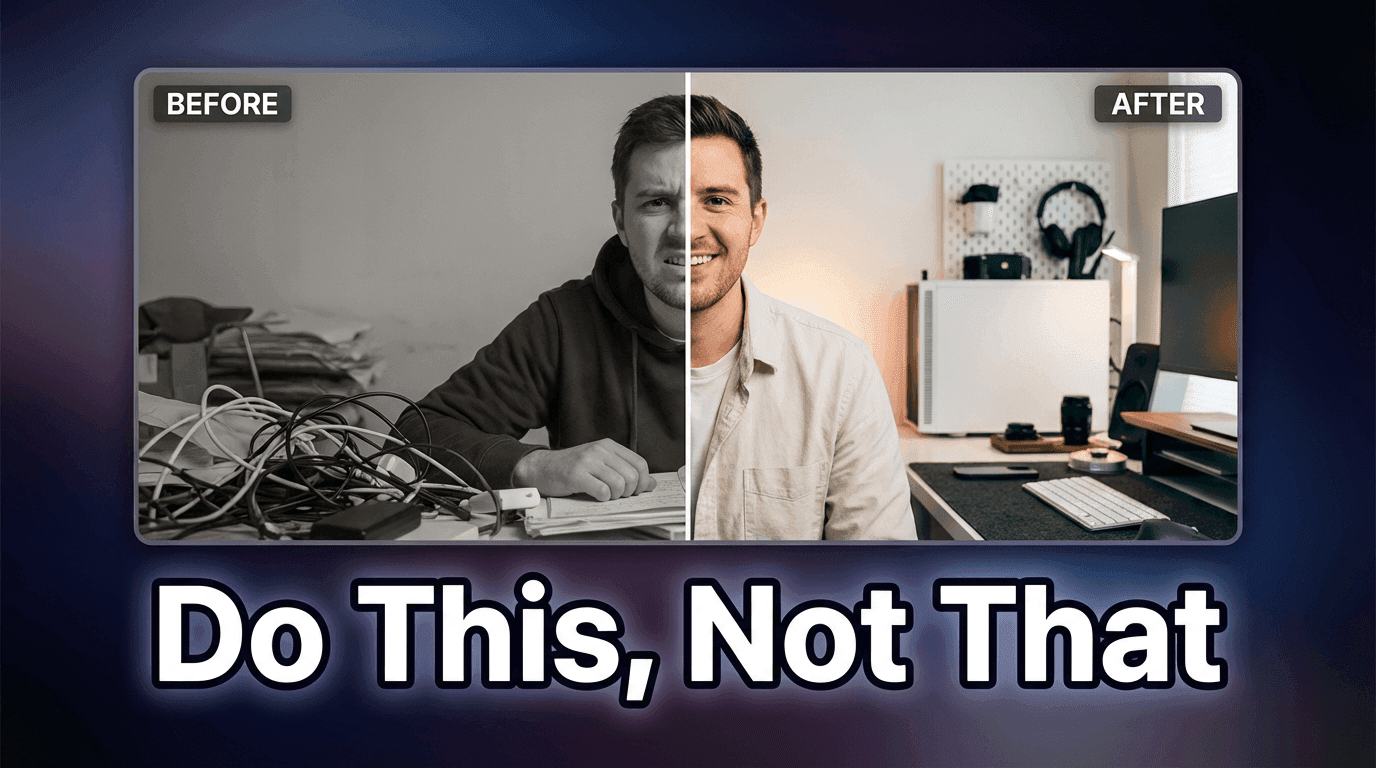
Format 7: The Before and After Transformation
This never stops working. Fitness transformations, room makeovers, style upgrades, skill progression, or visual glow-ups. The bigger the contrast between before and after, the more likely it is to get shared.
Format 8: The Duet or Reaction
Responding to existing viral content with your own take, expertise, or humor. This format works because it borrows the momentum of content that is already spreading. On TikTok and Instagram, this is built into the platform. On YouTube Shorts, you can achieve a similar effect by referencing trending topics.
Format 9: The Countdown or Ranking
"Top 5 things you did not know about X" or "Ranking every Y from worst to best." Lists create a natural tension that keeps viewers watching to see if they agree or disagree. The disagreement itself often drives comments and shares.
Format 10: The AI-Generated Visual Concept
In 2026, AI-generated visuals have become a viral format in their own right. Figurine-style portraits, retro film transformations, cinematic product shots, and fantasy edits consistently perform well because they combine novelty with visual polish. Creators are using AI image tools to generate visuals that would have required professional photography or design teams in previous years. This format has the lowest barrier to entry on this entire list, which is exactly why it is worth testing first.
For a breakdown of the AI-powered formats that are specifically driving viral Shorts right now, the guide on AI Shorts formats that go viral in 2026 covers the top-performing styles with examples.
The Hook Framework: 7 Opening Patterns That Stop the Scroll (With Examples)
Your hook determines whether your content gets watched or ignored. These seven patterns consistently produce high retention openings across all short-form platforms.
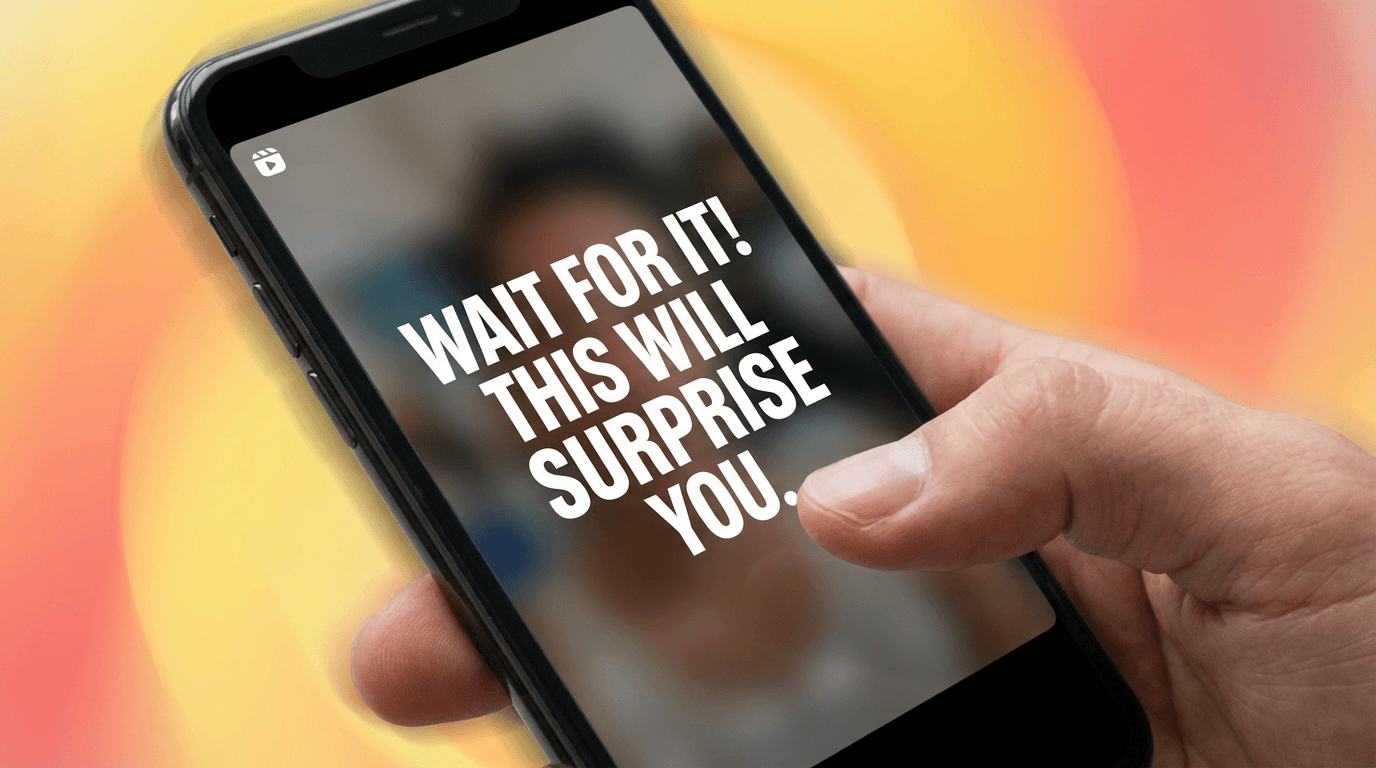
Pattern 1: The Contradiction
Open with a statement that contradicts common belief. "Posting every day is actually hurting your channel." This immediately creates tension that the viewer wants resolved.
Pattern 2: The Promise
Tell the viewer exactly what they will get if they keep watching. "By the end of this video, you will know how to X." This works because it sets a clear expectation and gives the viewer a reason to stay.
Pattern 3: The Action Start
Skip all context and start in the middle of the action. No introduction, no setup, just the most visually compelling part of the content right at the beginning. Context can come after the viewer is already hooked. This is the hardest pattern for most creators to execute because it requires cutting the first few seconds of setup that feel natural. But those setup seconds are exactly where viewers leave.
Pattern 4: The Question
Ask a question the viewer instantly wants answered. "Why do 90% of YouTube Shorts get zero views?" The question creates a knowledge gap that can only be closed by watching.
Pattern 5: The Visual Shock
Open with the most visually striking frame in the entire video. If you are doing a transformation, show the final result first. If you are telling a story, start with the climax. The visual itself does the hooking.
Pattern 6: The Personal Stakes
"I spent 6 months testing this and here is what happened." When creators put themselves on the line, viewers care more. Personal investment signals authenticity.
Pattern 7: The Trend Reference
Start by referencing something the viewer already knows is popular. "Everyone is talking about X, but nobody is mentioning this." This leverages existing awareness to fast-track engagement. You do not need to use all seven patterns. Pick two or three that match your style and rotate between them. Consistency in hook quality matters more than variety.
For more hook strategies with specific templates, the YouTube video hooks guide for 2026 includes copy-paste opening lines you can adapt to your niche.
Platform-Specific Viral Strategies for 2026
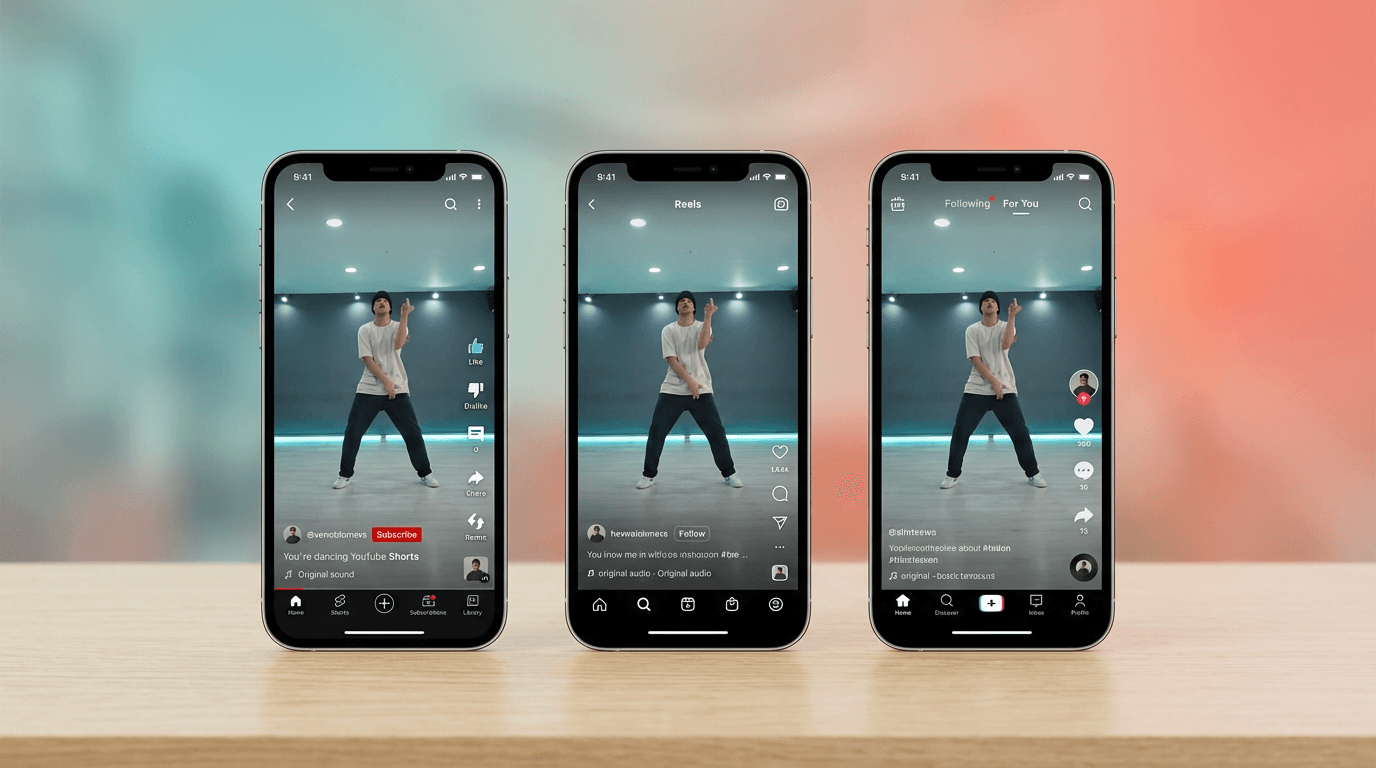
While the core principles of virality are the same everywhere, each platform has specific mechanics that affect how content spreads. Here is what matters most on each one.
YouTube Shorts
YouTube Shorts in 2026 heavily rewards completion rate and replay rate. Videos that viewers watch to the end and then watch again get significantly more distribution. This means shorter, tighter Shorts often outperform longer ones. The ideal length depends on your niche, but the content should never feel padded. If a viewer feels the video should have ended 5 seconds ago, your completion rate drops and the algorithm notices immediately.
Thumbnails also matter for Shorts now more than ever. YouTube has been expanding where Shorts thumbnails appear, including search results and the Shorts shelf. A strong thumbnail increases the chance that your Short gets clicked when it appears outside the Shorts feed.
For the latest on how YouTube Shorts distributes content, the YouTube Shorts algorithm update from January 2026 covers recent changes that directly affect reach.
Instagram Reels
Instagram Reels in 2026 favors aesthetic quality and shareability. The platform pushes content that gets sent via DMs more than content that just gets likes. This means Reels that are useful, funny, or visually beautiful enough to share with a friend perform best.
Instagram also weighs early engagement heavily. The first 30 minutes after posting matter a lot. If your Reel gets saves and shares quickly, Instagram expands its distribution. Posting when your audience is active and creating content that motivates immediate sharing are both critical.
TikTok
TikTok remains the most unpredictable platform for virality, which is actually an advantage. New accounts can go viral quickly because TikTok distributes content based on viewer interest, not follower count. The algorithm tests your video with small audience groups and expands distribution if it performs well.
TikTok rewards trend participation more than any other platform. Using trending sounds, referencing trending topics, and adapting trending formats all increase the chance of algorithmic distribution. But the content still needs to be genuinely engaging. Trend-hopping without substance gets ignored.
Why Most Content Never Goes Viral: 8 Mistakes Killing Your Reach
Understanding what to do is only half the equation. You also need to know what to stop doing. These are the most common reasons content fails to break through.
Mistake 1: No hook in the first second. If your video starts with a logo, a greeting, or a slow introduction, most viewers scroll past before they know what the content is about.
Mistake 2: Trying to cover too many ideas. Viral content is simple. One idea, one takeaway. If your video tries to teach five things, it ends up teaching nothing because viewers lose focus.
Mistake 3: Ignoring audio quality. Bad audio is the fastest way to get someone to scroll past your content. Background noise, echo, and muffled speech all signal low quality.
Mistake 4: Inconsistent posting. Algorithms reward creators who show up regularly. If you post three times one week and then disappear for two weeks, the algorithm deprioritizes your content during the gap and takes time to recover.
Mistake 5: Copying trends too late. By the time a trend is everywhere, the window for getting algorithmic boost from it is already closing. The creators who benefit most from trends are the ones who jump on them within the first 48 hours.
Mistake 6: Generic thumbnails. On YouTube especially, your thumbnail is your click-through rate. A generic thumbnail with no visual contrast, no clear subject, and no emotional trigger will underperform regardless of how good the content is. The YouTube CTR benchmarks guide for 2026 covers what good click-through rates actually look like by niche and how thumbnails influence them.
Mistake 7: Not studying your analytics. Every platform gives you data about what is working and what is not. Creators who ignore this data are guessing instead of iterating. Check which videos have the highest retention, which thumbnails get the most clicks, and which topics drive the most shares.
Mistake 8: Optimizing for the wrong metric. Views alone do not drive growth. A video with 100,000 views and zero subscribers gained is less valuable than a video with 10,000 views that converts 500 new followers. Focus on the metrics that match your goal, whether that is subscriber growth, engagement rate, or monetization.
For a deep dive into diagnosing why your content is not performing, the guide on why videos get zero views walks through the most common causes and fixes.
The Content Velocity Advantage: Why Speed Wins in 2026
One of the most underrated factors in going viral is simply producing more content. Not lower quality content. More attempts at high quality content.
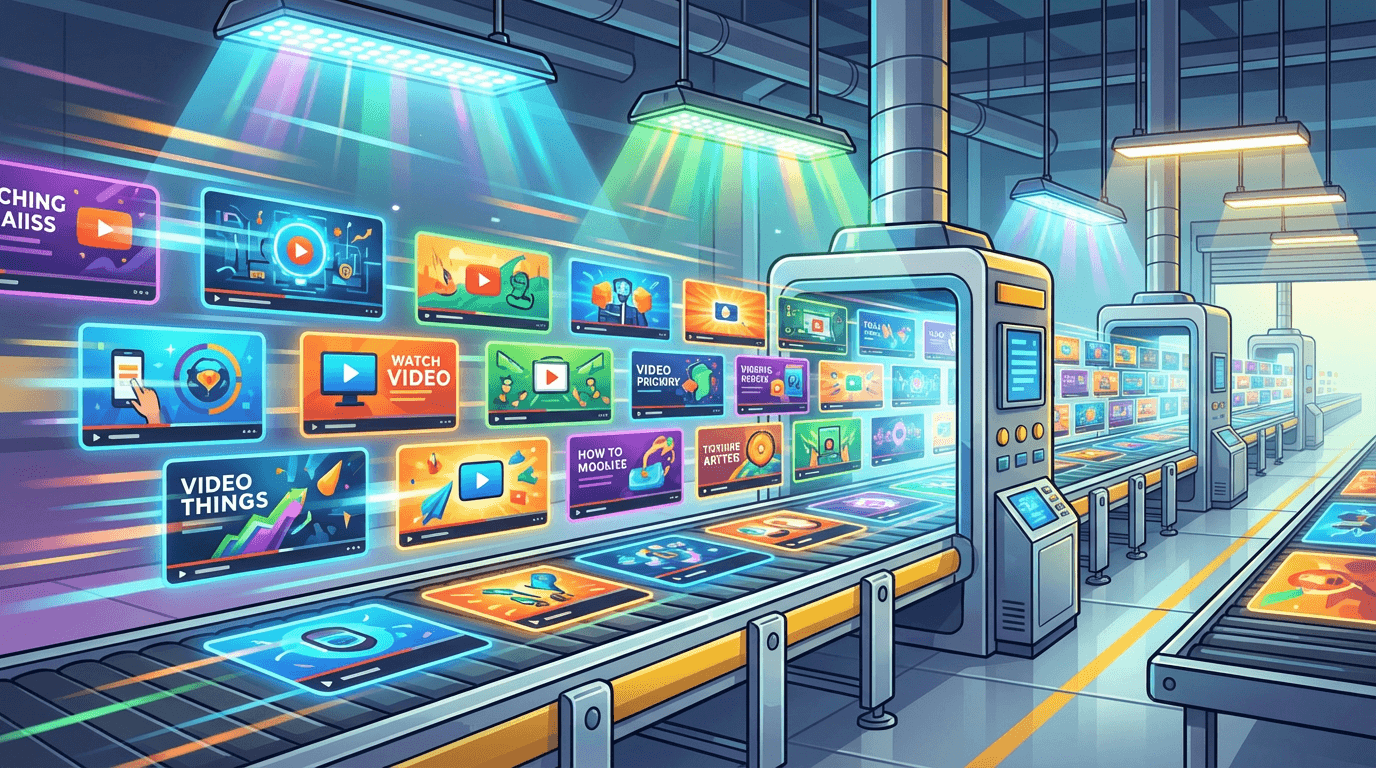
Here is why this matters. Virality is partly unpredictable. You can follow every best practice perfectly and still have a video that does not take off. But if you publish 30 pieces of content per month instead of 4, your chances of hitting a viral moment increase dramatically.
The creators who go viral most often in 2026 are not necessarily the most talented. They are the ones who have built systems for producing content quickly. They batch produce. They reuse proven formats. They use templates for hooks, thumbnails, and scripts.
AI tools have made this kind of velocity accessible to solo creators and small teams. Instead of spending hours on each video, creators can generate scripts, visuals, and even finished videos from a single idea.
On Miraflow, the Text2Shorts tool turns a topic into a complete short-form video with script, visuals, voiceover, and pacing handled automatically. This means you can test 5 different video concepts in the time it used to take to produce one. Each concept is a new chance at virality.
For cinematic clips that can serve as standalone Shorts or as components of longer videos, the Cinematic Video Generator produces hyper-realistic 8-second clips from text prompts. These clips are especially effective for visual hook content, product reveals, and aesthetic transformation videos.
The guide on creating 1-minute AI Shorts with Text2Shorts walks through both one-click and step-by-step workflows for producing short-form videos at scale.
Thumbnails and Visual Packaging: The Silent Viral Factor
A video can have perfect content and still underperform if the packaging is weak. On YouTube, thumbnails are the single biggest factor in whether someone clicks. On Instagram and TikTok, the cover image and first frame serve a similar role.
Viral thumbnails in 2026 share a few patterns. They have high contrast between the subject and the background. They use facial expressions that convey emotion. They include minimal text, usually three to five words maximum. And they create curiosity about what happens inside the video.
The mistake most creators make is treating thumbnails as an afterthought. They finish the video, grab a random frame, slap some text on it, and publish. That approach leaves massive performance on the table.
Instead, design your thumbnail before you create the video. The thumbnail should represent the most compelling moment or concept in your content. If you cannot make a thumbnail that looks clickable, the content idea itself might need to be rethought.
Creators can generate high-quality thumbnails directly inside Miraflow's YouTube Thumbnail Maker, which supports custom prompts, reference images, and text overlays. You can also fetch your existing YouTube thumbnail by pasting the video URL and then redesign it with AI.
For a comprehensive approach to thumbnail strategy, the YouTube Shorts thumbnail strategy for 2026 covers what is working right now with practical examples.
Viral Visuals: AI Image Prompts That Drive Shares
Visual content that looks polished, surprising, or aesthetically distinctive gets shared more. In 2026, creators are using AI image generation to produce visuals that would have required a design team in previous years.
Here are prompts you can use to create shareable visuals for your content.
Viral transformation thumbnail showing dramatic before-and-after
Prompt:
split-screen composition with a dull, washed-out version of a person on the left and a vibrant, cinematic glow-up version on the right, dramatic lighting difference, clean white dividing line, bright gradient background in orange and teal, editorial photography style, high contrast
Eye-catching concept visual for a reaction or comparison video
Prompt:
two contrasting objects placed side by side on a polished surface, one cheap and worn, one premium and gleaming, dramatic studio lighting with strong shadows, bright clean background in soft yellow, product photography composition, shallow depth of field
Cinematic cover image for a short-form video
Prompt:
person standing on a rooftop at golden hour looking out over a city skyline, warm cinematic lighting with soft lens flare, shallow depth of field, vibrant sunset colors in orange and purple, wide composition with dramatic sky, photorealistic style
Figurine-style portrait for social media engagement
Prompt:
hyper-realistic miniature collectible figurine of a content creator holding a camera, glossy vinyl texture, detailed sculpting, soft studio lighting on clear acrylic display base, bright clean background, product photography composition
These visuals can be generated using the AI Image Generator on Miraflow, which supports text-to-image generation, image editing, and multiple aspect ratios. For more proven prompt structures, the Nano Banana prompt guide includes 12 viral prompt templates with detailed explanations of why each one works.
The Cross-Platform Repurposing Strategy
One piece of viral content should not live on just one platform. The most efficient approach in 2026 is to create content that can be published across YouTube Shorts, Instagram Reels, and TikTok with minimal adaptation.
The core content stays the same. What changes is the packaging. On YouTube, the thumbnail and title carry most of the weight. On Instagram, the caption and cover image matter more. On TikTok, the opening hook and sound selection are the biggest factors.
Here is a practical repurposing workflow that works.
Start by creating the video for the platform where you have the most audience or the most growth potential. If that is YouTube Shorts, optimize the thumbnail, title, and opening hook for YouTube.
Then adapt the same video for Instagram Reels. Update the cover image, adjust the caption for Instagram's audience, and add relevant hashtags. Instagram audiences tend to respond to more aesthetic and polished presentations.
Finally, adapt for TikTok. If there is a trending sound that fits, add it. Adjust the opening hook if needed. TikTok audiences respond to authenticity and trend participation more than polish.
By publishing the same core content across three platforms, you triple your chances of hitting a viral moment without tripling your workload.
Music and Audio: The Underrated Viral Trigger
Sound plays a massive role in virality, especially on TikTok and Instagram Reels. The right audio track can make content feel more emotional, more energetic, or more shareable.
In 2026, creators who use original or AI-generated music have an advantage because their audio is not flagged for copyright and does not compete with thousands of other videos using the same trending sound.
The AI Music Generator on Miraflow lets you describe the mood and style you want and generates a track in under a minute. You can use Simple Mode for quick generation or Custom Mode to set specific BPM, key, and song structure.
For example, if you are creating an upbeat product reveal Short, you could describe the music as "energetic electronic beat with rising synth, uplifting and modern, fast tempo." For a calm tutorial, you might use "soft acoustic guitar with gentle piano, warm and focused, medium tempo."
Having unique audio that matches your content perfectly is a subtle but powerful advantage. It makes your videos feel more intentional and prevents copyright issues that can limit distribution.
For prompt ideas, the AI music prompts guide for YouTube, Reels, and TikTok has a library of ready-to-use descriptions organized by mood and genre.
How to Build a Viral Testing System
Going viral is not about getting lucky once. It is about building a system that maximizes your chances consistently.

Here is a practical testing framework you can implement this week.
Step 1: Generate 10 content ideas per week. These should be based on trending topics in your niche, questions your audience is asking, and formats that are currently performing well on the platforms you use.
Step 2: Rank each idea by shareability. Ask yourself: would someone send this to a friend? If the answer is probably not, move it down the list or cut it.
Step 3: Produce the top 5 ideas. Use AI tools to speed up production. Generate scripts, visuals, and thumbnails quickly so you spend more time on ideation and less on execution.
Step 4: Publish across platforms. Post each piece of content to YouTube Shorts, Instagram Reels, and TikTok. Track performance on each platform separately.
Step 5: Review results weekly. After one week, look at which content performed best on each platform. Identify patterns. Was it the topic, the format, the hook, or the thumbnail that made the difference?
Step 6: Double down on what works. Take your best-performing content and create variations. If a comparison video did well, make three more comparison videos on related topics. If a specific hook pattern drove high retention, use that pattern again.
This cycle of ideation, production, publishing, and analysis is what separates creators who go viral occasionally from creators who build sustainable reach.
According to YouTube's Creator Academy, the most successful channels treat content creation as an iterative process. They study their analytics, identify what resonates, and refine their approach over time rather than relying on a single formula.
What to Do After You Go Viral
Going viral solves one problem and creates another. You get a surge of views and new followers, but most of them will leave if you do not have a plan for what happens next.
The most important thing to do after a viral moment is publish more content immediately. The algorithm is giving you heightened visibility. Every new piece of content you publish in the 48 to 72 hours after a viral hit gets shown to a much larger audience than usual. This is your window to convert viewers into long-term followers.
The content you publish during this window should be related to the viral video. If your viral Short was about a specific topic, make more content about that topic. Do not pivot to something completely different. The viewers who discovered you through the viral video came because they liked that specific type of content.
Also, make sure your profile and channel are optimized for the influx of new visitors. Your bio should clearly communicate what your channel is about. Your recent videos should represent the type of content new followers can expect. If your channel looks inconsistent or confusing, new visitors will leave without subscribing.
For a detailed look at why viral views do not always convert to subscribers, the guide on why YouTube Shorts get views but no subscribers covers the most common retention gaps and how to fix them.
The Long Game: Virality as a Byproduct of Consistency
Here is the truth that most viral content guides do not tell you. The creators who go viral most consistently are not chasing virality. They are focused on publishing useful, well-packaged content at a steady pace. Virality happens as a natural byproduct of volume, quality, and iteration.
Every video you publish teaches you something. You learn which hooks work, which topics resonate, which thumbnails get clicks, and which formats hold attention. Over time, these lessons compound. Your hit rate improves. Your average performance goes up. And eventually, you produce something that breaks through in a big way.
The tools and strategies in this guide are designed to accelerate that process. Better hooks, stronger thumbnails, proven formats, and faster production all increase the number of quality attempts you can make. And more quality attempts mean more chances to connect with an audience in a way that spreads.
Do not aim to go viral with your next video. Aim to build a system where going viral is an inevitable outcome of consistent, strategic effort.
For a complete operational plan that maps out exactly how to execute this strategy on YouTube Shorts, the 30-day YouTube Shorts plan for 2026 provides a day-by-day breakdown you can follow starting today.
According to Hootsuite's 2026 social trends report, creators who maintain consistent posting schedules across platforms see significantly higher engagement rates than those who post sporadically, even when the total number of posts is the same. Consistency signals reliability to both algorithms and audiences.
Start Producing Viral-Ready Content Today
Everything in this guide comes down to a simple workflow. Generate ideas, produce content quickly, package it well, publish across platforms, analyze results, and iterate.
Miraflow AI makes the production step dramatically faster. You can go from a topic idea to a finished Short using Text2Shorts, generate cinematic video clips from prompts using the Cinematic Video Generator, create thumbnails with the YouTube Thumbnail Maker, produce shareable visuals with the AI Image Generator, and generate original background music with the AI Music Generator. The entire content pipeline, from idea to published video, can happen in one place.
The creators who will dominate 2026 are the ones who combine strong content instincts with fast, efficient production systems. The strategy is clear. The tools exist. The only variable left is whether you start executing this week or keep following the same playbook that stopped working a year ago. Your next viral moment is not a matter of luck. It is a matter of how many quality attempts you make before it happens.
How many views is considered viral in 2026?
There is no universal threshold, but a common benchmark is reaching 10 to 50 times your average view count within 48 hours. For a creator who typically gets 1,000 views per video, a viral video might reach 50,000 to 500,000 views. On TikTok and YouTube Shorts, videos that reach over 1 million views within a week are generally considered viral regardless of the creator's usual performance.
Can you go viral with zero followers?
Yes. TikTok and YouTube Shorts both distribute content based on viewer interest rather than follower count. A brand new account with zero followers can go viral if the content performs well with the small test audiences the algorithm shows it to. Instagram Reels also supports discovery for smaller accounts, though it tends to favor accounts with some existing engagement history.
What is the best time to post to go viral?
Posting when your audience is most active increases early engagement, which signals to the algorithm that the content is worth distributing further. For most creators, this falls between 6 PM and 9 PM in their primary audience's time zone on weekdays and between 10 AM and 1 PM on weekends. However, the content itself matters far more than posting time. A strong video posted at a suboptimal time will still outperform a weak video posted at the perfect time.
How long does it take for a video to go viral?
Most viral videos see their biggest surge within the first 24 to 72 hours after posting. On TikTok, the algorithm can push a video to a large audience within hours. On YouTube Shorts, distribution often ramps up over 2 to 7 days. On Instagram Reels, early engagement in the first 30 minutes heavily influences whether the algorithm expands reach. Some videos also experience delayed virality weeks after posting if the algorithm resurfaces them.
Does posting every day help you go viral?
Daily posting increases your chances of going viral because each video is a new opportunity for the algorithm to test your content with a wider audience. However, daily posting only helps if the content quality stays high. Publishing low-effort content daily can actually hurt your account because poor-performing videos signal to the algorithm that your content is not worth distributing. The ideal approach is to publish as frequently as you can while maintaining consistent quality.
Do hashtags still matter for going viral in 2026?
Hashtags have less influence on distribution in 2026 than they did in previous years. On TikTok and Instagram, the algorithm primarily relies on content analysis and viewer behavior signals rather than hashtags. That said, using 3 to 5 relevant hashtags can still help categorize your content for niche audiences and search discovery. Avoid using 20 or more generic hashtags, as this no longer provides a distribution advantage and can make your content appear spammy.