YouTube Algorithm Explained: What Creators Need to Know in 2026

Written by
Jay Kim
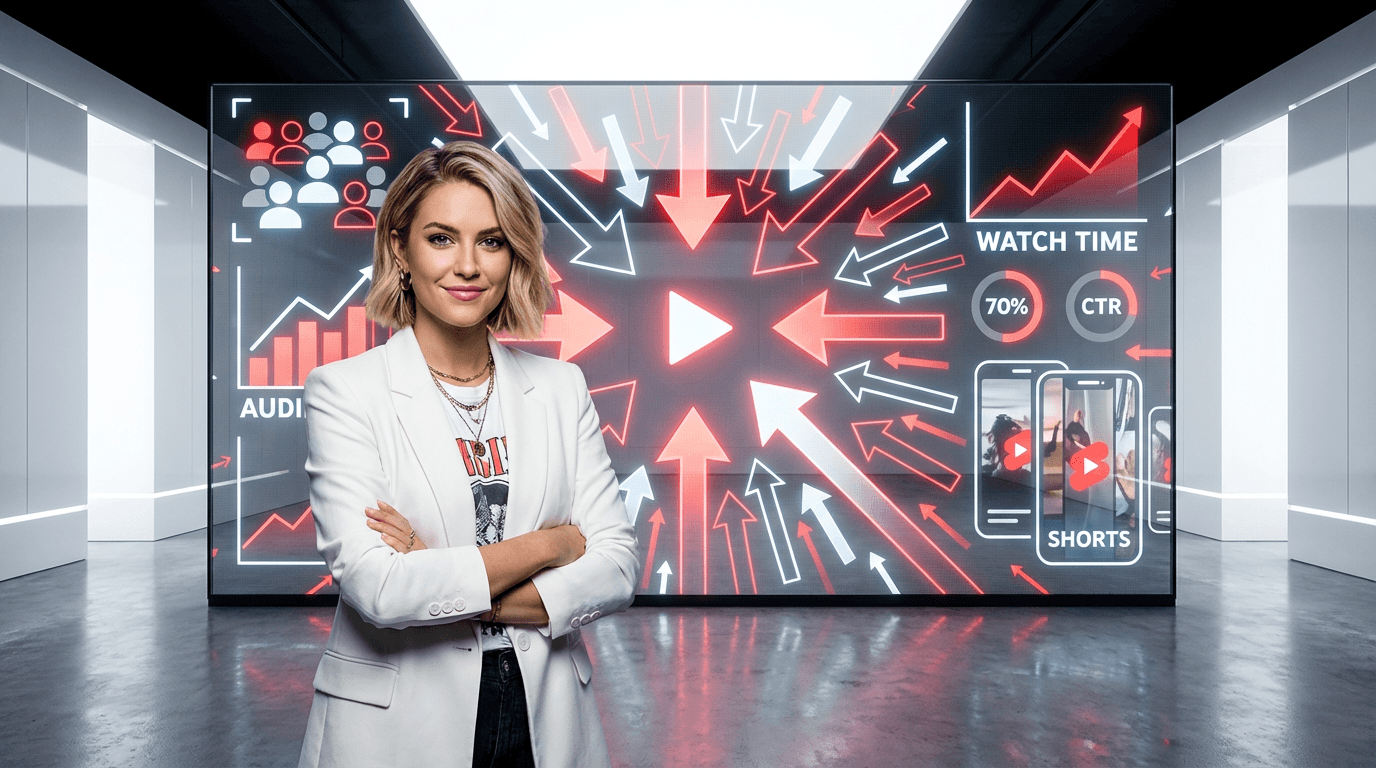
Learn how the YouTube algorithm works in 2026 across Home feed, search, suggested, and Shorts. Covers core signals, ranking factors, content strategies, and common myths explained for creators.
Most creators blame the algorithm when their videos stop getting views. They post consistently, spend hours editing, write what they think are strong titles, and then watch their impressions flatline for weeks. The frustrating part is that YouTube rarely tells you exactly what went wrong. Instead, you are left guessing whether it was the thumbnail, the topic, the upload time, or something entirely invisible.
The reality is that the YouTube algorithm in 2026 is more nuanced than ever. It operates differently depending on where your video appears, what format it is, and how viewers interact with it at every stage. Understanding how each piece works gives you a massive advantage over creators who are still operating on outdated assumptions from 2022 or 2023. This guide breaks down exactly how the YouTube algorithm functions across every major surface in 2026, what signals it prioritizes, how it treats different content formats, and what you can actually control to grow your channel this year.
YouTube Does Not Have One Algorithm
One of the most important things to understand about YouTube in 2026 is that the platform does not run on a single algorithm. YouTube uses multiple recommendation systems that operate independently across different surfaces. The algorithm that decides what shows up on the Home feed works differently from the one that ranks videos in search results, which is different again from the system that drives the Shorts feed.
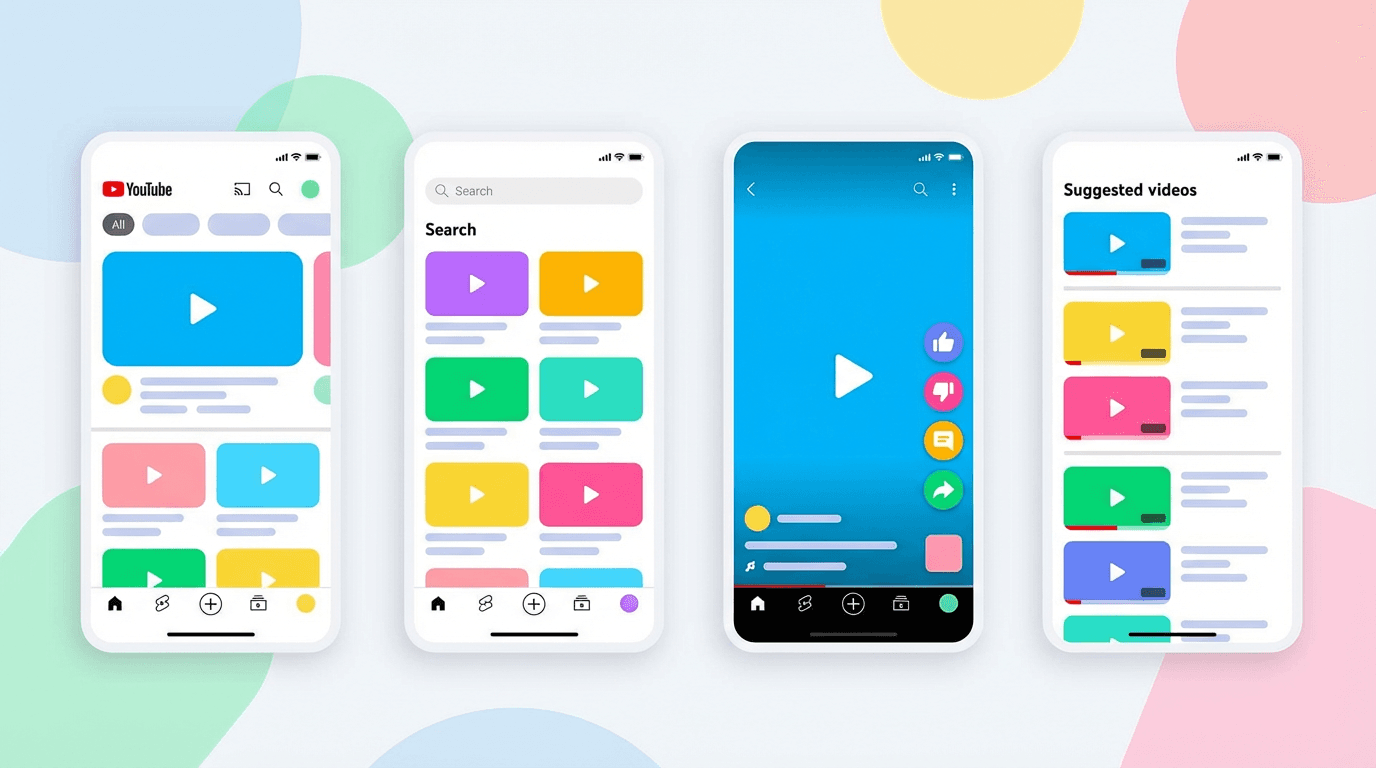
Each of these systems has its own set of signals, priorities, and evaluation criteria. A video that performs well on the Home feed might not rank at all in search. A Short that gets millions of views in the Shorts feed might generate zero suggested traffic for your long-form content. Treating all of these systems as one monolithic "algorithm" leads to strategies that work in some places and fail in others.
The detailed guide on how the YouTube algorithm works in 2026 covers the technical differences between each recommendation surface. This post builds on that foundation with practical strategies you can apply today.
How the Home Feed Algorithm Works in 2026
The Home feed is the first thing most viewers see when they open YouTube, and it is the single largest source of views for the majority of channels. YouTube's Home feed algorithm works by predicting which videos a specific viewer is most likely to watch and enjoy based on their individual viewing history, preferences, and behavior patterns.
When YouTube decides whether to show your video on someone's Home feed, it evaluates two broad categories of signals. The first category is viewer signals, which include what videos the viewer has watched recently, what channels they subscribe to, what topics they have shown interest in, and how they have interacted with similar content in the past. The second category is video performance signals, which measure how your video has performed with other viewers who have already seen it.
The key video performance signals for Home feed distribution include click-through rate, average view duration, average percentage viewed, and post-view engagement like likes, shares, and comments. When your video has a high CTR and strong retention among the initial viewers it is shown to, YouTube interprets this as a signal that the video is likely to satisfy more viewers, and it expands distribution by showing it to a broader audience.
This creates a feedback loop that determines your video's trajectory. Strong initial performance leads to broader distribution, which leads to more data, which either confirms or contradicts the initial signal. Videos that maintain strong CTR and retention as they are shown to wider audiences continue to grow. Videos where performance drops as the audience expands eventually plateau.
Understanding this feedback loop explains why the first three seconds of your video matter so much. Viewers who click and immediately leave send a negative signal that reduces further distribution, even if your overall content is strong.
How YouTube Search Works in 2026
YouTube is the second largest search engine in the world, and search remains one of the most valuable traffic sources for creators because it brings viewers with clear intent. When someone searches for a specific topic on YouTube, the search algorithm evaluates videos based on a different set of criteria than the Home feed.
The primary ranking factors for YouTube search include relevance, engagement, and quality. Relevance is determined by how closely your video's title, description, tags, and actual content match the search query. YouTube can now understand spoken content within videos, which means the words in your video's audio contribute to its relevance for specific search terms, beyond just the metadata you write.
Engagement signals for search include CTR from search results, watch time from search viewers, and whether viewers who found you through search continue watching more of your content. Quality signals relate to the overall authority of your channel within a specific topic area, which YouTube evaluates based on your history of publishing content in that niche and how viewers have responded to it over time.
For creators who focus on educational or tutorial content, search optimization is one of the most reliable growth strategies available. Writing strong titles and descriptions that match real search queries gives your videos a long tail of traffic that continues for months or even years after upload. The YouTube video descriptions guide for ranking in search covers how to write descriptions that align with the search algorithm's evaluation criteria.
How the Suggested Videos Algorithm Works
Suggested videos appear in the sidebar on desktop and in the "Up Next" section on mobile. This traffic source is driven by YouTube's goal of keeping viewers on the platform by recommending content they are likely to watch next based on what they are currently watching.
The suggested algorithm looks for videos that are related to the currently playing video in terms of topic, style, audience overlap, and viewing patterns. If a significant number of viewers who watched Video A also watched Video B, YouTube is more likely to suggest Video B alongside Video A. This is why building a consistent content library within a specific niche is so powerful for long-term growth. Each video you publish creates more connection points for the suggested algorithm to link your content together.
Session time is an important factor in the suggested algorithm. Videos that lead to longer overall viewing sessions on YouTube are rewarded with more suggested placements. This means that a video which causes viewers to watch additional videos afterwards, whether yours or others, sends a positive signal. The YouTube session time guide explains how session behavior influences your distribution and what you can do to encourage longer viewing sessions.
How the YouTube Shorts Algorithm Works in 2026
The Shorts algorithm operates quite differently from the systems that drive long-form content discovery. When you upload a Short, YouTube shows it to a small initial audience in the Shorts feed. Based on how that audience reacts, the algorithm decides whether to push the Short to a larger group of viewers.
The primary signals the Shorts algorithm evaluates include swipe-away rate, which measures how quickly viewers swipe past your Short. A high swipe-away rate in the first one to three seconds tells the algorithm that the content failed to hook viewers, and distribution is reduced. Watch-through rate measures what percentage of viewers watch your Short to the end, and replay rate measures how many viewers watch it more than once. Shorts with high replay rates tend to get significantly more distribution because YouTube interprets replays as a strong satisfaction signal.
Engagement signals like likes, comments, shares, and the "not interested" feedback also influence how the Shorts algorithm distributes your content. In January 2026, YouTube expanded testing of the dislike and "not interested" feedback buttons on Shorts, giving viewers more ways to signal when content misses the mark. The YouTube Shorts algorithm update from January 2026 covers these changes and what they mean for creators.
One of the biggest shifts in 2026 is that YouTube now surfaces Shorts in regular search results and on the Home feed more frequently than in previous years. This means Shorts are no longer limited to the swipe feed. A well-optimized Short can appear alongside long-form videos in search results for relevant queries, which opens up new discovery paths that did not exist before. The guide on how the YouTube algorithm decides who sees your Shorts goes deeper into the mechanics of how Shorts distribution expands or contracts based on viewer behavior.
The 5 Core Signals YouTube Measures Across All Surfaces
While each recommendation surface has its own evaluation criteria, there are five signals that YouTube consistently weighs across all of them. Understanding these core signals gives you a framework for improving performance regardless of which surface drives most of your views.
1. Click-Through Rate
CTR measures how often viewers click on your video when they see the thumbnail and title. A higher CTR tells YouTube that your packaging is compelling and relevant to the audience it is being shown to. CTR is relative, meaning YouTube compares your CTR to other videos shown to the same audience segment, not to an absolute benchmark.
Your thumbnail and title are the two elements that have the most direct impact on CTR. The YouTube CTR benchmarks for 2026 provide realistic ranges by niche so you can assess whether your click-through rate is healthy or needs improvement.
2. Average View Duration and Retention
Once a viewer clicks, YouTube measures how long they watch and at what point they leave. Average view duration is the total average watch time per viewer. Retention percentage shows what fraction of the total video length viewers watched on average. Both signals are critical because they indicate whether your content delivers on the promise made by your thumbnail and title.
Retention is especially important in the first 30 seconds of long-form videos and the first three seconds of Shorts. A steep drop at the beginning tells the algorithm that viewers clicked but were immediately disappointed, which is a worse signal than not getting the click at all. The guide to saving the first 30 seconds of your YouTube videos covers hook strategies that prevent early drop-off.
3. Viewer Satisfaction Signals
YouTube uses post-view behavior to measure satisfaction beyond just watch time. These signals include likes, shares, adding to playlists, commenting, and whether the viewer clicks on your channel to watch more content. Survey responses also contribute to satisfaction scoring, as YouTube periodically asks viewers to rate videos they have watched.
Satisfaction signals matter because they help YouTube distinguish between content that holds attention passively and content that viewers genuinely valued. A video that gets high watch time because it is playing in the background while someone does chores sends different behavioral signals than a video that gets the same watch time because the viewer is deeply engaged and interacts with it.
4. Session Contribution
YouTube tracks whether your video contributes to a longer viewing session on the platform. If viewers watch your video and then continue watching other videos, your content is credited with contributing to a positive session. If viewers watch your video and then leave YouTube entirely, it sends a weaker signal.
This is why end screens, cards, and series playlists matter. Encouraging viewers to watch the next video, whether it is yours or simply staying on the platform, contributes positively to how YouTube evaluates your content. The YouTube playlists strategy for 2026 covers how to structure playlists that extend session time.
5. Audience Match
YouTube evaluates how well your content matches the interests of the audience it is being shown to. If YouTube shows your video to viewers who have historically watched similar content and those viewers respond positively, the algorithm gains confidence that your video is a good match for that audience segment and continues expanding distribution within it.
This is why niche consistency is so important. When your channel publishes content across a focused topic area, YouTube builds a clearer model of what audience your content serves. Channels that jump between unrelated topics make it harder for the algorithm to identify the right audience, which reduces the efficiency of the recommendation system.
How YouTube Evaluates New Channels and New Videos
New channels face a cold start problem because YouTube does not have historical data about their audience or content performance. The algorithm handles this by showing new videos to small test audiences and evaluating performance signals from those initial impressions.
For a brand new channel, the initial test audience is typically determined by the video's metadata, including the title, description, and tags, combined with any signals YouTube can gather from the first few viewers who discover the video organically through search or external traffic. If those early viewers respond well, the algorithm gradually expands distribution.
This is why the packaging of your first videos matters so much. Strong thumbnails and clear, searchable titles give the algorithm a starting point for finding the right audience. Poor packaging means even good content might never reach the people who would enjoy it. The guide to getting your first 1000 YouTube subscribers covers the full strategy for new channels working through this initial growth phase.
One effective strategy for new channels is to combine Shorts and long-form content. Shorts can generate rapid audience signals because the Shorts feed shows content to viewers regardless of subscriber count, providing the algorithm with behavioral data it can use to identify your audience. When those Shorts viewers subscribe or visit your channel, it creates a foundation for long-form distribution as well. The comparison of YouTube Shorts versus long-form content for channel growth explores when each format makes sense at different stages of channel growth.
How Thumbnails and Titles Influence the Algorithm
Thumbnails and titles do not directly influence the algorithm as ranking signals. YouTube does not look at your thumbnail and decide it is "good" or "bad" in isolation. Instead, thumbnails and titles influence the algorithm indirectly through their impact on CTR and viewer behavior.
A compelling thumbnail increases your CTR, which signals the algorithm to distribute your video more broadly. A misleading thumbnail might increase initial CTR but leads to rapid viewer drop-off, which sends a negative retention signal that counteracts the positive CTR. The most effective thumbnails are those that accurately represent the video's content while generating enough curiosity to drive clicks.
In 2026, the importance of thumbnails has increased because YouTube now shows custom thumbnails for Shorts on more surfaces, including the channel page, search results, and the Shorts tab on mobile. This means thumbnail strategy matters for both long-form and short-form content. The YouTube Shorts thumbnail strategy for 2026 explains how custom Shorts thumbnails display across each surface and what designs work best at small vertical sizes.
Creators who use AI thumbnail generators can test multiple thumbnail variants quickly to find the option with the strongest visual impact. The YouTube Thumbnail Maker on Miraflow AI supports both 16:9 video thumbnails and 9:16 Shorts thumbnails, and includes templates designed for high-CTR compositions across popular content niches. Generating several versions and comparing them side by side before uploading is one of the fastest ways to improve CTR without changing anything about the video itself.
Understanding Traffic Sources in YouTube Analytics
YouTube Studio provides a traffic sources report that shows where your views are coming from. Understanding this data is essential for diagnosing algorithm-related issues because each traffic source reflects a different recommendation system.
Browse features refer to views from the Home feed and subscription feed. This traffic source reflects how well the algorithm's Home feed system is distributing your content. If your Browse traffic drops, it usually means the algorithm is showing your video to fewer people on their Home page, which could be caused by declining CTR, weaker retention, or a shift in viewer behavior.
YouTube search shows views from viewers who searched for a specific query. Stable or growing search traffic indicates that your content is well-optimized for searchable topics. Declining search traffic could mean your rankings have dropped or the search volume for your target queries has changed.
Suggested videos shows views from the sidebar and end screen recommendations. This traffic source grows as your channel builds a larger content library with strong viewer overlap between videos.
Shorts feed is a separate traffic source that tracks views from the vertical Shorts swipe feed. This source is unique because it operates almost entirely based on algorithmic distribution rather than subscriber or search behavior.
External traffic includes views from social media, websites, messaging apps, and any link outside of YouTube. While the algorithm does not directly control external traffic, a strong influx of external views can jumpstart the feedback loop by providing initial performance data that the algorithm uses to decide on further distribution.
The YouTube traffic sources guide for 2026 breaks down each source in more detail and explains how to read the data to identify what is working and what needs adjustment.
Why Views Drop and What the Algorithm Is Actually Telling You
View drops are one of the most common concerns creators have, and they almost always trigger anxiety about being "shadow banned" or "suppressed" by the algorithm. In most cases, view drops have a clear explanation that has nothing to do with suppression.
The most common reasons for declining views include seasonal changes in viewer behavior, a shift in your content that changed the audience signals the algorithm relies on, declining CTR due to thumbnail or title fatigue, or reduced retention because your content structure has become predictable. Upload gaps can also cause temporary view drops because the algorithm deprioritizes channels that stop publishing for extended periods, requiring a ramp-up period when you return.
The guide to why YouTube views drop in 2026 walks through each scenario with specific diagnostic steps you can take using YouTube Analytics. Understanding whether the problem is impressions, CTR, retention, or audience mismatch determines what action you should take.
For Shorts creators specifically, view fluctuations are normal and expected. The Shorts algorithm tests each Short independently, which means one Short might get 500,000 views while the next one gets 2,000. This variance is part of how the system works, and it does not indicate any problem with your channel or account. The explanation of why Shorts views changed with the new view counting rules covers how the 2025 view counting update affected reported view numbers.
What the Algorithm Does Not Care About
There are several persistent myths about what the YouTube algorithm penalizes or rewards that do not reflect how the system actually works in 2026. Clearing up these misconceptions saves you from spending time on strategies that have no impact.
YouTube does not penalize you for uploading too frequently or too infrequently. There is no optimal upload schedule that the algorithm rewards. What matters is whether each individual video performs well with the audience it is shown to. Uploading daily does not guarantee more distribution, and taking a week off does not trigger a penalty. What can happen is that long gaps between uploads lead to audience drift, where your subscribers move on to other channels, which reduces the initial performance signals of your next video.
YouTube does not penalize you for deleting or unlisting videos. Removing underperforming content does not harm your channel's standing with the algorithm. Each video is evaluated independently.
YouTube does not suppress your content because you made a video about a competitor or because you mentioned another platform. The algorithm is driven by viewer behavior, not editorial decisions about your topic choices.
YouTube does not reward specific video lengths. A 5-minute video that achieves strong retention will outperform a 20-minute video with poor retention. The ideal length depends entirely on your content and your audience's expectations, which is why the guide to how long YouTube Shorts should be focuses on retention patterns rather than arbitrary length targets.
How the Algorithm Treats AI-Generated Content
A common concern among creators in 2026 is whether YouTube's algorithm treats AI-generated content differently from human-created content. YouTube has stated that the algorithm does not distinguish between AI and human content when it comes to recommendations. What matters is how viewers respond to the content, not how it was produced.
However, YouTube does require creators to disclose when content contains realistic AI-generated or altered material that could be mistaken for real footage of real events or real people. This disclosure requirement relates to transparency policy, not algorithmic distribution. Properly disclosed AI content is not penalized in recommendations.
For creators who use AI tools as part of their workflow, whether for generating visuals, writing scripts, creating thumbnails, or composing background music, the algorithm evaluates the final output based purely on how viewers interact with it. A video with AI-generated visuals that achieves high retention and strong CTR will be distributed just as broadly as a traditionally produced video with the same metrics.
This is why tools like Text2Shorts on Miraflow AI have become so popular among creators who need to maintain a consistent publishing schedule. The ability to generate a complete Short from a topic idea, including script, visuals, voice, and final assembly, makes it possible to produce content at a pace that would be unrealistic with traditional production methods. The algorithm does not care about your production process. It cares about whether viewers watch, engage, and come back for more.
The guide to whether AI-generated content can be monetized on YouTube covers the monetization side of this question, including YouTube's current policies on AI content and ad revenue eligibility.
Practical Algorithm Strategies for Different Content Formats
Long-Form Videos (Over 1 Minute)
For long-form content, the algorithm rewards videos that maintain high retention throughout and drive strong session time. The most effective strategies include opening with a compelling hook in the first 15 to 30 seconds, using pattern interrupts like visual changes, b-roll cuts, and tonal shifts every 30 to 60 seconds to prevent viewer fatigue, structuring videos with clear segments that give viewers a reason to keep watching, and ending with a strong call to action that directs viewers to the next video rather than closing the tab.
Long-form videos also benefit from searchable titles and descriptions because they have more surface area for YouTube's search algorithm to evaluate. Including relevant keywords naturally in your title, description, and spoken content helps the algorithm understand what your video covers and who it should be shown to. The YouTube SEO guide for Shorts that also applies to long-form shares keyword placement techniques that work across formats.
YouTube Shorts (Under 3 Minutes)
For Shorts, the algorithm is most sensitive to early engagement. The first one to three seconds determine whether a viewer stops scrolling or swipes away, which makes the opening frame the most important creative decision in any Short. Strong Shorts typically start with a visual or verbal hook that immediately communicates what the viewer will learn, see, or experience.
Looping is a powerful strategy for Shorts because the algorithm counts replays as engagement. Shorts where the ending connects naturally back to the beginning, creating a seamless loop, tend to accumulate higher watch time per viewer. The guide to how to go viral on YouTube Shorts in 2026 includes specific looping techniques and format templates.
Consistency matters for Shorts, but quality matters more. Posting five low-quality Shorts per day will not outperform posting one strong Short that genuinely hooks viewers and holds their attention. The analysis of whether you should post daily Shorts explores the trade-offs between volume and quality based on how the algorithm processes batch uploads.
Livestreams
YouTube's algorithm treats livestreams differently from pre-recorded content. During the live broadcast, YouTube prioritizes showing the stream to subscribers and viewers who have recently engaged with the channel. After the livestream ends and becomes a VOD, it is evaluated using the same signals as any other long-form video.
The biggest algorithmic challenge with livestreams is that the VOD version often has lower retention than a polished pre-recorded video because livestreams tend to include pauses, tangents, and periods of low energy. Clipping the best moments from a livestream into standalone Shorts or highlight videos can extract additional algorithmic value from the content. The AI Clipping feature on Miraflow AI helps creators identify and extract the strongest segments from longer videos for repurposing.
Building a Content Strategy Around Algorithm Behavior
The most successful YouTube channels in 2026 are not trying to "hack" the algorithm. They are building content strategies that align with how the algorithm naturally evaluates and distributes content. This means focusing on the fundamentals: creating content that viewers genuinely want to watch, packaging it with thumbnails and titles that accurately convey its value, and publishing consistently enough to maintain audience engagement.
A practical content strategy framework that works with the algorithm includes three types of content. The first type is search-driven content, which targets specific queries that your audience is actively searching for. These videos build a foundation of evergreen traffic that grows over time as your channel establishes authority on those topics. The evergreen video ideas guide for 2026 covers formats that consistently perform well in search.
The second type is trend-driven content, which capitalizes on trending topics, current events, or seasonal interest spikes. These videos have a shorter lifespan but can generate rapid impressions and subscriber growth when they align with what viewers are actively looking for. The YouTube Shorts trends page guide for 2026 shows how to identify trending topics before they peak.
The third type is audience-driven content, which is designed for your existing subscribers and loyal viewers. These videos might not rank in search or ride trends, but they strengthen the relationship with your core audience, which improves long-term channel health metrics that the algorithm values.
Balancing all three content types gives you short-term growth potential from trends, long-term passive traffic from search, and community loyalty from audience-focused content. The content pillar strategy for short-form creators provides a framework for organizing these content types into a sustainable publishing schedule.
How the Algorithm Connects to Your Full Content Pipeline
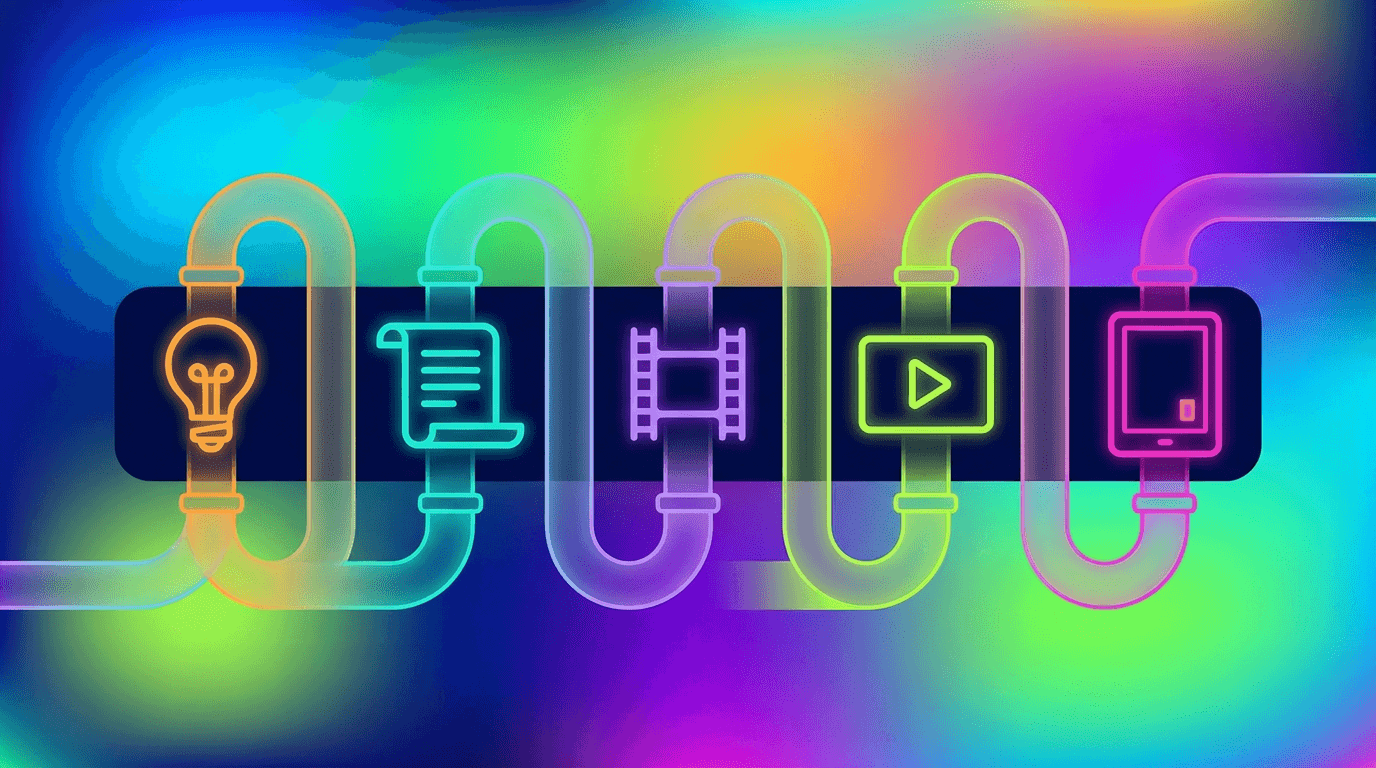
Understanding the algorithm is only useful if it informs how you create and publish content. The creators who benefit most from algorithm knowledge are the ones who use it to guide decisions throughout their entire production workflow, from topic selection and scripting to thumbnail design, audio selection, and publishing timing.
For example, knowing that the Shorts algorithm heavily weights the first three seconds should directly influence how you write your scripts. Every Short should open with the strongest hook you can craft, which means the script needs to front-load the most compelling element of the content. Tools like Text2Shorts on Miraflow AI generate scripts that follow this structure automatically, placing the hook at the beginning and building toward a satisfying conclusion that encourages replays.
Similarly, knowing that CTR drives Home feed distribution should influence how you approach thumbnail creation. Every video deserves a thumbnail that was designed with CTR in mind, which means clear visual composition, readable text at small sizes, and a strong emotional or curiosity element. The YouTube Thumbnail Maker includes templates designed for high-CTR compositions, and creators can generate multiple variants to test before uploading.
For channels that use background music in their content, choosing the right audio track can influence retention by setting the mood, maintaining energy, and preventing viewer fatigue during slower sections. The AI Music Generator on Miraflow AI allows creators to generate custom background tracks that match the specific mood and pacing of their content, ensuring the audio supports strong retention rather than working against it.
The entire pipeline, from idea to published video, can be managed within a single platform when you use Miraflow AI's content creation dashboard. This integrated approach removes friction between production steps, which makes it easier to maintain the consistent publishing schedule that keeps the algorithm engaged with your channel.
Frequently Asked Questions
Does YouTube shadowban channels?
YouTube has stated publicly that they do not shadowban channels. If your views have dropped significantly, the most likely explanation is a change in viewer behavior, declining CTR or retention on recent videos, or seasonal fluctuations in your niche. The YouTube Shorts shadowban guide covers how to diagnose and address sudden view drops.
Does uploading time affect the algorithm?
Upload time has a minor influence because your initial viewers, often subscribers, tend to be online at specific times. Getting strong initial engagement from subscribers can boost the early performance signals that the algorithm uses to decide on broader distribution. However, the impact of upload timing is small compared to the impact of content quality, CTR, and retention. The best times to post YouTube Shorts provides data-informed recommendations by niche.
Does the algorithm prefer longer videos?
YouTube does not prefer a specific video length. The algorithm rewards videos that maintain strong retention relative to their length. A 5-minute video with 70 percent average retention will typically outperform a 20-minute video with 30 percent average retention. The ideal length depends on your content type and your audience's viewing habits.
Can hashtags help the algorithm find my content?
Hashtags have a limited but real role in content discovery on YouTube. They can help categorize your content and make it discoverable through hashtag pages, but they are not a major ranking factor for search or recommendations. The YouTube Shorts hashtags guide for 2026 explains when hashtags help and when they have no effect.
Does the algorithm treat monetized and non-monetized channels differently?
YouTube has confirmed that monetization status does not affect how the algorithm distributes content. Non-monetized channels can receive the same recommendation treatment as monetized channels. The algorithm evaluates viewer behavior signals regardless of whether the channel earns ad revenue.
How long does it take for the algorithm to pick up a new video?
Most videos receive their initial test impressions within the first 24 to 48 hours after upload. However, the algorithm continues evaluating videos for weeks and even months after publication. Some videos experience delayed growth weeks after upload when the algorithm finds a new audience segment that responds well. The guide to what happens to Shorts after 30 days covers how older content can regain traction through delayed algorithmic discovery.
Does commenting and engaging with my audience help the algorithm?
Engaging with comments does not directly boost your video in the algorithm, but it can increase overall engagement metrics like comment count and reply rates, which contribute to satisfaction signals. More importantly, responding to comments builds community loyalty, which leads to higher initial engagement on future uploads, creating a positive feedback loop.
Do external links and shares affect the algorithm?
External traffic from social media, blogs, or messaging apps provides additional data points for the algorithm to evaluate. If viewers coming from external sources watch your video and engage positively, it strengthens the performance signals that drive further algorithmic distribution. External traffic is particularly valuable for new channels because it provides initial viewer data that the algorithm can use to identify the right audience.
Conclusion
The YouTube algorithm in 2026 is a collection of recommendation systems that evaluate viewer behavior across different surfaces to determine which videos to show to which viewers. The core signals it measures, including CTR, retention, satisfaction, session contribution, and audience match, remain consistent across all content formats and discovery surfaces.
The most effective strategy for working with the algorithm is to focus on the fundamentals of creating genuinely valuable content, packaging it with compelling thumbnails and titles, and publishing consistently within a defined niche. Understanding how each recommendation surface works allows you to optimize your content for the specific discovery paths that matter most for your channel, whether that is search, Browse, Shorts feed, or suggested videos.
Every element of your content pipeline, from the topic you choose and the script you write to the thumbnail you design and the background music you select, influences the viewer behavior signals that the algorithm relies on. Platforms like Miraflow AI bring the entire content creation workflow into one place, making it faster to produce the consistent, high-quality content that the algorithm rewards. Whether you are generating Shorts with Text2Shorts, designing click-worthy thumbnails with the YouTube Thumbnail Maker, creating cinematic visuals with the Cinematic Video generator, or composing custom background music with the AI Music Generator, the goal remains the same: make content that viewers watch, enjoy, and want more of. The algorithm will take care of the rest.